
From Seconds to Seasons Learn to Calibrate Temporal Intuition in Tarot Readings
This article teaches readers how to calibrate temporal intuition in tarot readings: how to sense whether a card points to an immediate moment, a coming week, a seasonal shift, or a longer arc. Using concrete Rider-Waite-Smith symbolism and repeated reference to three supplied cards—The Hermit, Wheel of Fortune, and The Sun—this piece explains beginner and advanced techniques, practical spreads, interpretation logic, exercises for improvement, and common mistakes to avoid. The goal is not to promise precise dates but to build reliable heuristics and self-checking habits that help readers offer time-related guidance in ethically grounded ways.
Cards explored in this article
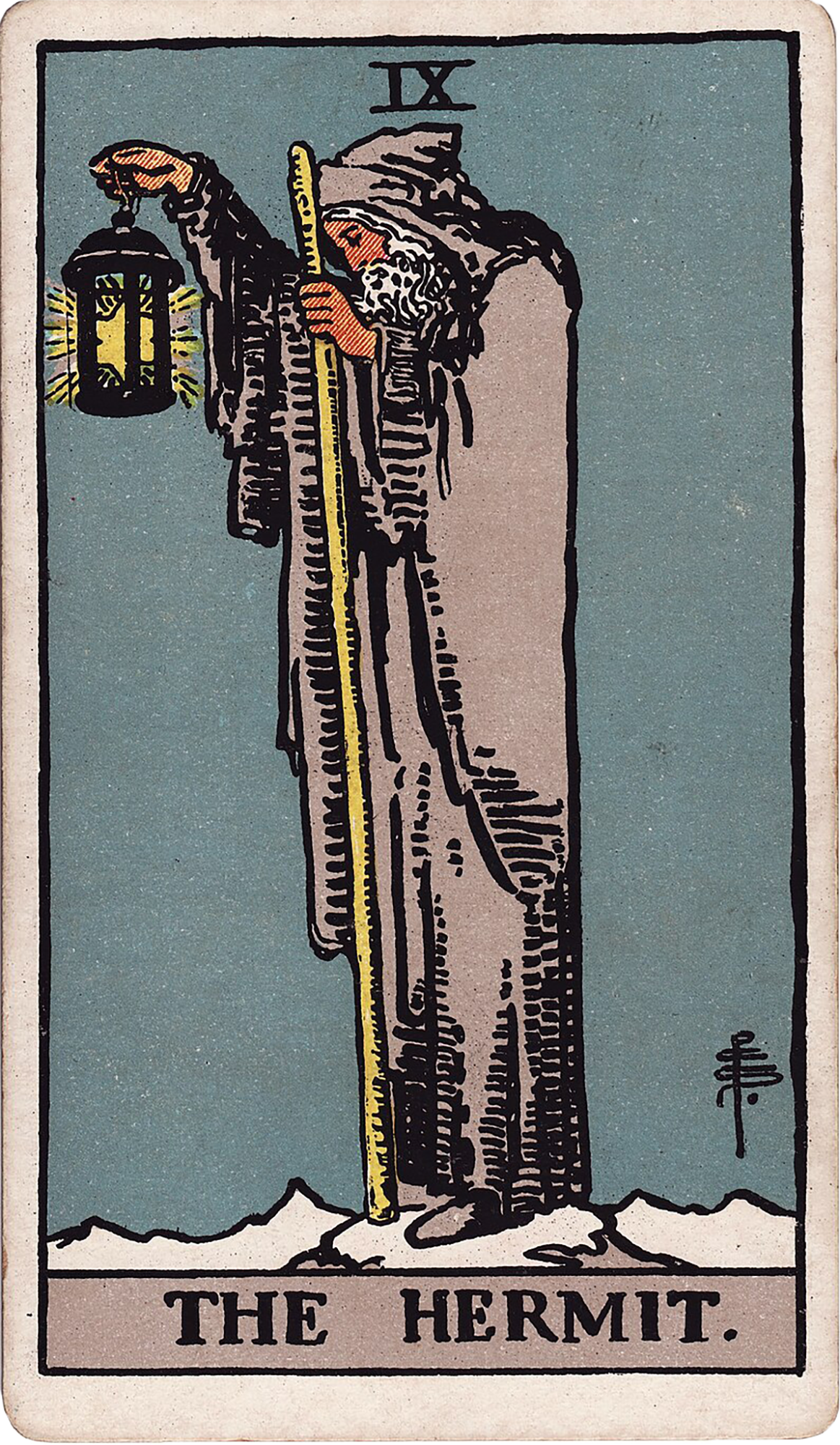 The Hermit
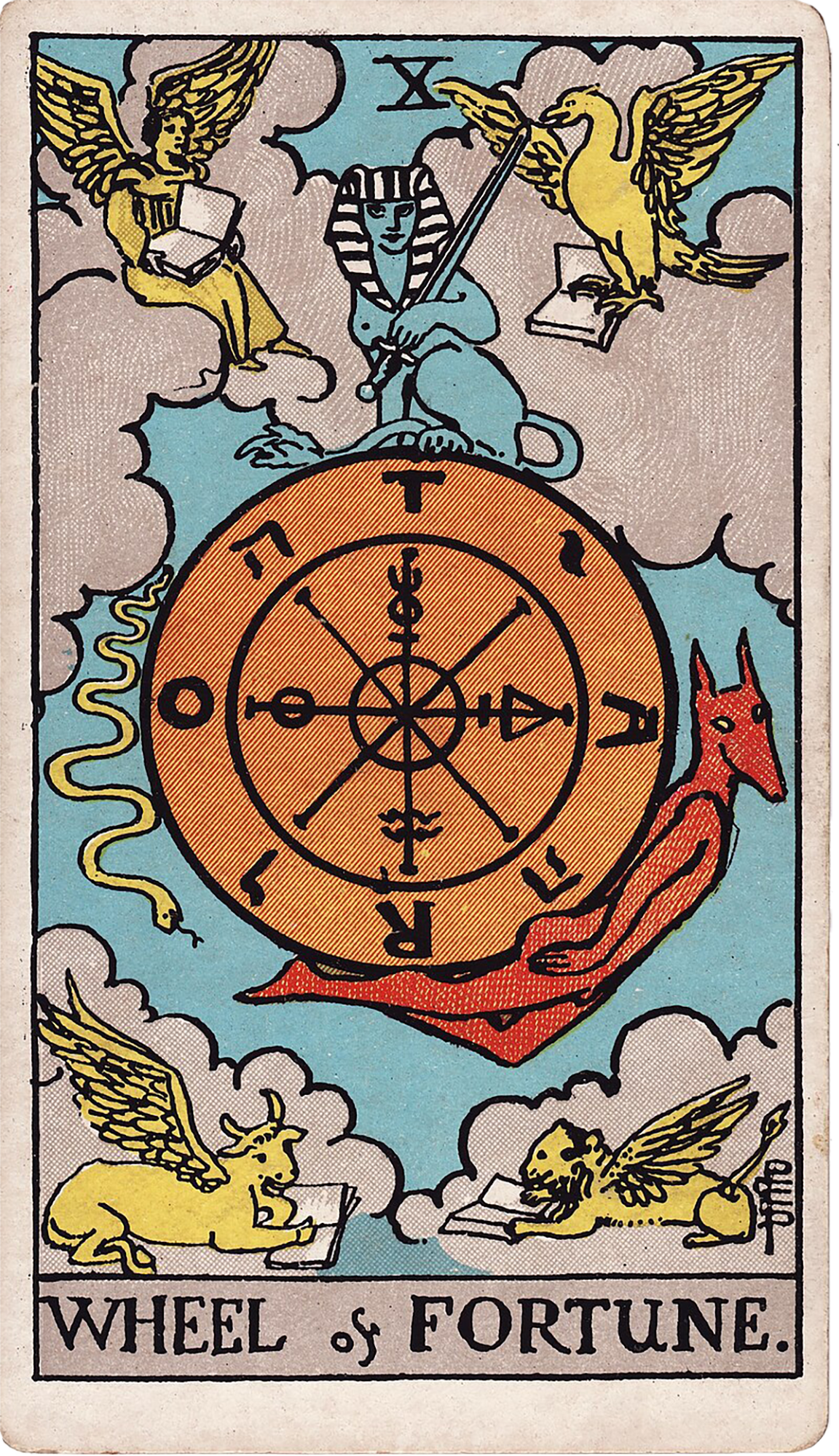 Wheel of Fortune
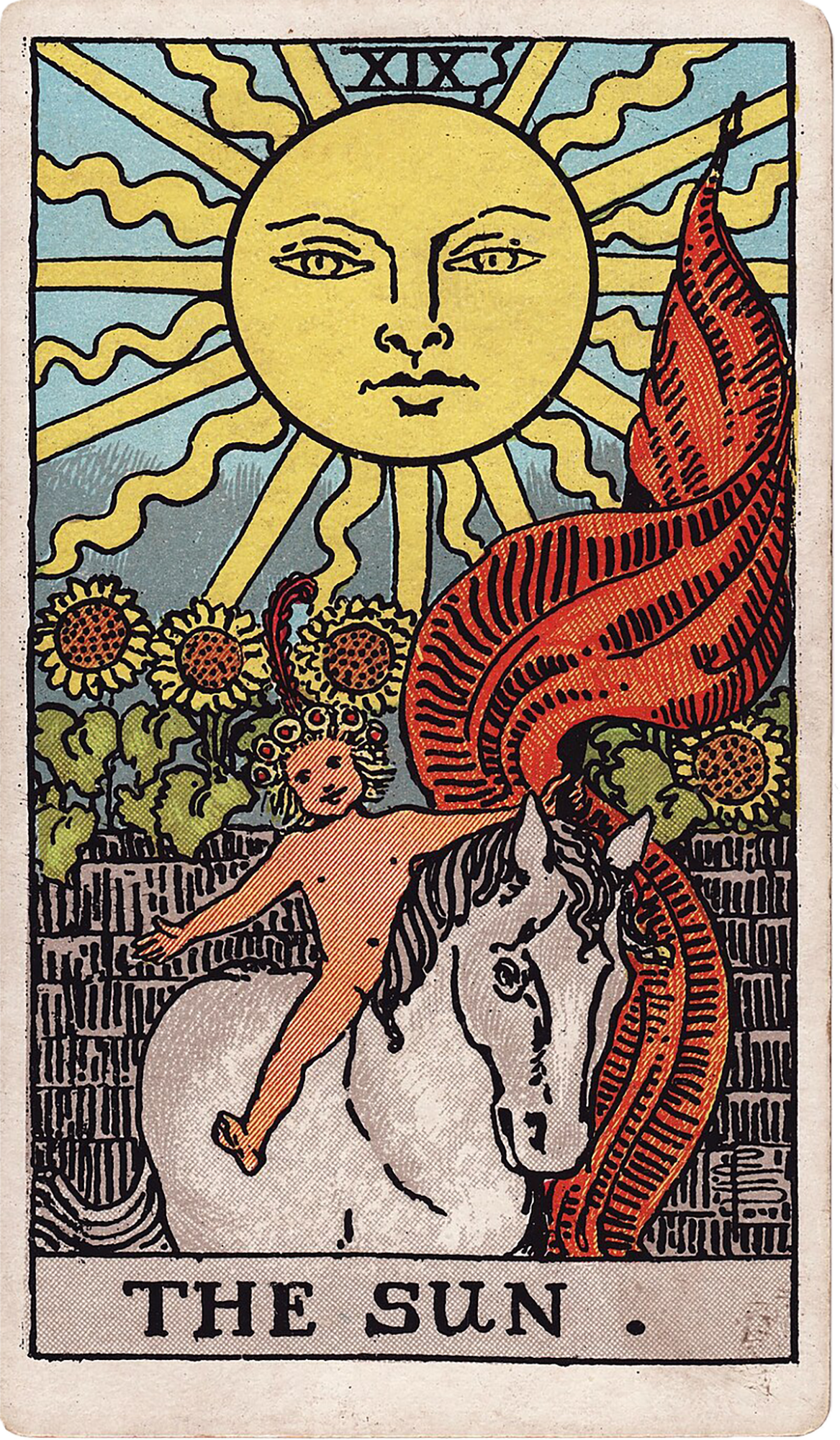 The Sun
Introduction Why calibrate temporal intuition
Calibrating temporal intuition means learning to sense how a card or spread points to time: a fleeting instant, an emerging week, a turning season, or a longer life arc. Many beginners want exact dates; experienced readers know timing is probabilistic and contextual. A well-calibrated temporal sense helps you translate visual cues into practical guidance while honoring uncertainty. Throughout this article we will repeatedly use three supplied Major Arcana cards—The Hermit, Wheel of Fortune, and The Sun—to model how imagery, numerology, posture, and placement combine to suggest time scales. We use Rider-Waite-Smith symbolism as an anchor so visual detail matters: The Hermit’s lamp and mountain, the Wheel’s spokes and creatures, the Sun’s horse and sunflowers are not decoration; they are timing data you can learn to read.
A practical timing map Seconds to Seasons (and beyond)
To calibrate readings, work with a simple tiered map of temporal scales. These labels are heuristics—not rules. - Immediate: Seconds to days. Indicators: kinetic imagery (movement, falling objects), explicit tools or gestures for action, cards that encourage immediate practical steps. These moments often feel urgent or tactile. - Short term: One to twelve weeks. Indicators: unfolding events, preparation or slow movement, figures in transit, beginning stages of growth. - Seasonal / medium term: One to three months (or a season). Indicators: full natural imagery (sunflowers in bloom, harvest, wheel-turning symbolism), cycles and turning points. - Long-term: Six months to a year or more. Indicators: mountains, pilgrimage imagery, long arcs, slow processes, lessons that require maturity. - Lifecycle / transformational: Multi-year patterns or life chapters. Indicators: cosmic symbols, universal cycles, the sense that a pattern will repeat rather than resolve quickly. Apply this map flexibly: context and the querent’s calendar matter. The Hermit, Wheel of Fortune, and The Sun will each illustrate different places on this map as we go.
Read visual cues first How imagery suggests timing
Before you attach a number or season, read what the picture is doing. Imagery cues you can use immediately: - Motion vs stillness: A figure walking or animals moving often shortens the time frame. A figure paused on a peak or seated suggests longer processes. - Light and growth: Buds, sunflowers, or ripeness suggest a season of fruition. A lamp’s small, focused light suggests immediate illumination and a next step rather than a wide seasonal change. - Repetition and cycle indicators: Wheels, circles, or animals positioned around a wheel favor cyclical timing—think monthly or seasonal returns. - Scale and setting: Close, intimate scenes point to near-term, while wide landscapes and mountains point farther out. - Numerology and explicit numbers: The card number can be a clue when used carefully. For example, nine (The Hermit) often corresponds to near-completion or the end of a short cycle, ten (Wheel of Fortune) signals completion and a pivot, and nineteen (The Sun) is associated with clarity and harvest after growth. Use these numbers as prompts for ranges rather than precise counts. Applying these cues to our supplied cards: - The Hermit: On the RWS card he stands alone on a mountain with a small lamp. The lamp’s focused light favors an immediate, proportionate next step or a near-to-medium pause for inner work. The mountain, however, also suggests a longer inner climb. Where the lamp dominates, think proximal. Where the mountain dominates, think longer arc. - Wheel of Fortune: The central wheel and surrounding creatures are archetypal cycle imagery. The Wheel tilts toward cyclical timing—month-to-month shifts, seasonal pivots, or a turning point that reorients a repeating pattern. - The Sun: The RWS sun, sunflowers, and a child riding a white horse register harvest, celebration, and visible success. This imagery leans seasonal—clarity emerging fully, often in a season of growth (think weeks to a few months), though the strength of the Sun can accelerate timing in the short term if paired with active cards.
Beginner technique A step-by-step practical method
Use this simple method in readings to give responsible time guidance. 1) Ask a clear timing question and set range expectations: "Are we asking about an immediate next step (days), the next quarter (3 months), or a long-term pattern?" Agree with the querent which range you're exploring. 2) Pull a timing layout: A straightforward three-lane spread works well. Lane 1 = Immediate (seconds–days), Lane 2 = Weeks–Months, Lane 3 = Seasons (3–6 months). 3) Read image cues before numbers: For each lane, describe whether the card’s imagery suggests motion or pause, local or wide scale, and whether light/growth or cyclical imagery dominates. 4) Apply the supplied cards as examples: If The Hermit appears in Lane 1 upright, read that as a short, immediate inward step—a pause to gather information now or within days. If Wheel of Fortune appears in Lane 3 upright, emphasize a seasonally timed turning point—things will shift over the coming months. If The Sun appears in Lane 2 upright, expect clear results and visible progress within weeks to a couple of months. 5) Add qualifiers rather than fixed dates: Use language like "likely within weeks" or "in the coming season" instead of exact dates. If a client insists on a specific day, explain your limits and offer practical signs to watch. 6) Validate and refine: Ask for immediate feedback from the querent about dates they already have. If they point to known events, compare and refine your sense. Example brief read using the three supplied cards: - Lane 1 Immediate: The Hermit (upright). Interpretation: Take a proportionate, inward step now—seek a clear fact or set a boundary within days. - Lane 2 Weeks–Months: Wheel of Fortune (upright). Interpretation: A turning point or new cycle will arrive in the coming weeks to months; timing depends on where the client is already on their recurring cycle. - Lane 3 Season: The Sun (upright). Interpretation: By the next season you can expect clarity and visible progress; the Sun suggests a summer-like period of harvest or recognition.
Advanced technique Reading layers and cross-checks
Once you’re comfortable with the beginner steps, add layers and cross-checks that increase precision and reliability. 1) Layered spreads: Use a nested spread where each lane itself has two cards—one for internal tempo (psychological readiness) and one for external tempo (events/actions). For example, The Hermit as an internal card + Wheel of Fortune external might indicate introspective readiness now and an external shift a few months out. 2) Pictorial cross-checks: Compare the scale of objects across cards. If The Sun shows abundant sunlight and open landscape while The Hermit is small and distant, weigh the Sun toward shorter-to-medium timing because of active, abundant energy. 3) Numerical windows: Use Major Arcana numbers as windows. The Hermit (9) suggests 'about nine' of a chosen unit if your querent accepts rules-of-thumb—nine days, nine weeks, or nine months depending on context. Use the querent’s question to set the unit. This is an advanced heuristic and must be tested against outcomes. 4) Reversal logic and delays: The supplied reversal texts are crucial. A reversed Wheel of Fortune often flags poor timing, repeated patterns, or delays; use this to mark that a seasonal shift is being resisted and will take longer or require corrective action. The Hermit reversed can show avoidance or stalled inner work; so even if the card sits in an immediate lane, the timing may be delayed because the querent is not ready. 5) Cross-disciplinary check: Advanced readers sometimes layer simple astrology (moon phases), calendar landmarks (payday, next full moon), or known human rhythms. If the Wheel suggests a monthly pivot, check the next lunation as a practical anchor. Use these tools as corroboration rather than definitive proofs. 6) Probability grading: Give clients a probability ladder: "High probability—likely within X; Medium—monitor the next X; Low—possible but depends on actions." Use evidence from image cues and reversals to set probability levels.
Interpretation logic Anchoring meaning without promising precision
Timing in tarot is probabilistic and symbolic. Your job is to translate image-invoked timing into useful guidance while avoiding false precision. - Treat cards as variables, not clocks. The Hermit is a variable for focused inner work; sometimes that is immediate, sometimes it is a long retreat. The Wheel is a variable for turning points; sometimes a small pivot, sometimes a major cycle. The Sun is a variable for visible success and clarity. - Combine cues for a composite read: Motion + cyclical symbols + an upright Wheel will tend toward a turning point in the near-to-medium term; stillness + lamp + reversed Hermit may indicate a blocked step now that delays change. - Priority of evidence: Image beats number; placement beats abstract symbolism. If The Sun is in the immediate lane and strongly active in the imagery, favor near-term but still describe seasonality as likely to follow. - Use conditional phrasing not guarantees. Phrase timing as guidance tied to conditions: "If you follow this next step, you may see a shift within weeks, and the Sun suggests it will be visible in the next season." This keeps responsibility with actions as well as fate symbols.
Common mistakes and how to avoid them
1) Over-precision: Saying "on June 12th" or exact dates is a common error. Avoid precision unless you use a rigorously tested system and the querent understands its limits. 2) Ignoring reversals: When The Wheel or Hermit is reversed, treat timing as delayed or distorted. Ignoring reversal cues will make you predict shifts that do not occur. 3) Mixing systems without check: Combining numerology, astrology, and imagery can help—but untested mixes produce false confidence. Test any cross-discipline rule with logs. 4) Confirmation bias: If you expect a seasonal shift, you may unconsciously favor evidence supporting that. Keep a timing journal and track misses as well as hits. 5) Not contextualizing: A card’s timing meaning depends on the querent’s life stage and calendar. Always ask about known upcoming events and personal cycles before committing to timeframe claims. 6) Forgetting the human element: Cards describe tendencies and stages. Human choices, logistics, and other people change timing; emphasize client agency.
Practice exercises to build temporal sense
Practice deliberately and record results. Do these exercises over weeks and months: 1) Blind timing test: Shuffle and draw three cards without asking a question. Assign them to Immediate/Weeks/Seasons lanes. Make specific timing predictions (range-based, e.g., "within two weeks," "in 1–3 months") and set a calendar reminder. After the period, log whether events matched the prediction. 2) Image-focused drills: Pull a single card daily and write 50–100 words on whether its imagery suggests motion or pause, light or darkness, cycle or harvest. Note the timescale impression. After a month, review patterns. 3) Reversal calibration: Intentionally track reversed cards and whether they marked delays or internalized processes. Make separate tallies for each Major Arcana you use often. 4) Client feedback loop: When you give timing guidance, ask clients to report back on concrete milestones. Over time you’ll learn which cards and visual cues are reliable for your style. 5) Journaling and statistical check: Keep simple stats: Count predictions, hits, misses, and partials. Aim to convert subjective impressions into empirical signals you can refine.
Three worked examples using the supplied cards
Example 1: Quick-turn problem-solving (Immediate lane = The Hermit upright) Situation: A client asks whether they should clarify a misunderstanding at work now. Read: The Hermit upright in the immediate lane. Interpretation: The lamp indicates an immediate, proportionate step—gather facts and offer a clearer boundary within days. The mountain warns to be measured; you’re not resolving a long pattern, but you can take a clarifying action now. Example 2: Recurring pattern about to shift (Medium lane = Wheel of Fortune upright) Situation: A client reports recurring job setbacks and asks if that cycle will change soon. Read: Wheel of Fortune upright in the medium lane. Interpretation: The wheel suggests a turning point within weeks to months. Because the wheel is upright, the shift is probable but not guaranteed; the client will need to match internal readiness with external action. If Wheel were reversed, you would emphasize resistance and advise preparatory work. Example 3: Visibility and harvest after preparation (Seasonal lane = The Sun upright, The Hermit reversed in immediate lane) Situation: The client has worked privately on a project and asks when recognition will come. Read: Immediate lane shows The Hermit reversed—internal work is stalled or overly isolated. Seasonal lane shows The Sun upright. Interpretation: Recognition is in sight as a seasonal outcome, but first inner barriers must be addressed. The Hermit reversed says push through avoidance now; if that’s resolved, the Sun’s harvest will come in the next season. Language: "If you address the internal block in the coming days to weeks, visible results are likely by the next season."
Using these cards together to refine timing
Pairing these three Major Arcana often gives layered time information: - Hermit + Wheel: Inner pause followed by an external pivot. The Hermit prepares; the Wheel turns. If Hermit is upright now and Wheel appears in a later lane, expect introspection followed by a cycle shift. - Wheel + Sun: A turning point that leads to visible success. When Wheel precedes Sun in sequence, map the pivot to the short/medium term and the Sun to the subsequent season of clarity. - Hermit + Sun: Private work that culminates in public clarity. If Hermit appears in an earlier lane and Sun in a later one, read this as progression from inward preparation to outward fruition across lanes. Use reversals to flag delays. A reversed Wheel between Hermit and Sun could indicate a repeated pattern blocking the journey from preparation to harvest; plan corrective action.
Ethics and transparency in timing
Always be transparent about limits. Timing claims can influence decisions; be careful. Best practices: - Use probability phrases and conditional clauses. - Encourage clients to maintain agency—offer steps they can take to influence timing. - Avoid high-stakes promises (medical, legal, financial deadlines) and refer out when necessary. - Track outcomes and be willing to revise your methods when patterns show systematic bias.
Conclusion Developing a dependable temporal intuition
Temporal intuition is a skill: it grows through deliberate practice, careful reading of imagery, and honest feedback. Use the RWS cues in The Hermit, Wheel of Fortune, and The Sun as training anchors—notice how the lamp, the wheel, and the shining sun suggest different tempos and how reversals complicate timing expectations. Use layered spreads, test numerology heuristics cautiously, and always prioritize clear, conditional language. With practice you will move from guessing at dates to offering grounded, useful timing guidance that honors both the cards’ symbols and the querent’s life.
Practice questions
• When you look at The Hermit card, do you notice more of the lamp’s close light or the mountain’s distant scale? Which tendency do you naturally favor when timing?
• How often do you rely on numerology versus pictorial cues to suggest a time range? Which method has been more accurate in your practice?
• Pick a recent reading where you gave a time estimate. What specific imagery or placement led you to that estimate, and how did the result compare?
• When a Wheel of Fortune appears reversed in a timing position, what steps do you recommend to a querent to avoid getting stuck in repetition?
• How will you structure a practice journal to record timing predictions and outcomes for at least three months?
• What language will you use to communicate probabilistic timing so clients understand limits but can act on guidance?
Comments
Sign in to comment.
Continue learning
Advanced Techniques for Combining The Moon and The Star to Enhance Intuition in Tarot Readings
This article explores advanced techniques to combine the symbolism and energy of The Moon and The Star Tarot cards to enhance intuition during Tarot readings. Drawing from traditio...
Unlocking Hidden Meanings with The Hermit and The Hanged Man for Spiritual Growth
This article offers an in-depth exploration of The Hermit and The Hanged Man Tarot cards focusing on their roles in spiritual growth. It guides readers through beginner and advance...
Techniques for Reading Court Cards to Unlock Personality Insights
Court cards in Tarot often represent people, personality traits, or energy patterns within a situation. This article offers a structured approach for beginners and advanced readers...
Integrating The Fool and The World to Chart the Journey of Tarot Initiation
This article explores the integration of The Fool and The World cards as symbolic bookends in the Tarot journey, emphasizing their complementary lessons for initiates. Drawing on t...
Developing Intuitive Tarot Reading Skills with The High Priestess and The Moon
This article guides tarot learners through developing intuitive reading skills focusing on two powerful cards: The High Priestess and The Moon. Using traditional Rider-Waite-Smith...
Unlocking Advanced Intuition Techniques Using The High Priestess The Moon and The Hermit
This article examines advanced intuition development in tarot reading by focusing on The High Priestess, The Moon, and The Hermit cards. It offers practical techniques for beginner...
Mastering Intuition with The High Priestess The Hermit and The Moon in Tarot Readings
This article delves into mastering intuition through three powerful Tarot cards: The High Priestess, The Hermit, and The Moon. It guides readers from beginner to advanced reading t...
Building Intuition and Analytical Skills with The High Priestess and The Hermit in Tarot Readings
This article explores how The High Priestess and The Hermit, two powerful Major Arcana cards, serve as complementary guides for developing intuition and analytical skills in tarot...
Techniques for Unlocking Personal Ambition Using The Chariot and Seven of Wands
This article provides a comprehensive guide for Tarot readers at all levels to utilize The Chariot and Seven of Wands cards in unlocking personal ambition. Through detailed explana...
Developing Advanced Intuition with The High Priestess The Hermit and The Moon
This article delves into developing advanced intuition for Tarot readers by focusing on three powerful cards: The High Priestess, The Hermit, and The Moon. By exploring their uprig...