
How Animal Symbols Guide Tarot Interpretation with Wolves Dogs and Lions
This article teaches how to read animal symbols—especially wolves, dogs, and lions—within tarot imagery and apply that reading to four supplied Major Arcana: The Fool, The Empress, Strength, and The Moon. Using Rider-Waite-Smith visual cues and the supplied upright/reversed card definitions, you will learn a step-by-step method to move from literal observation to interpretation, practice common reading techniques, avoid frequent pitfalls, and form nuanced, learner-centered narratives rather than predictive certainties.
Cards explored in this article
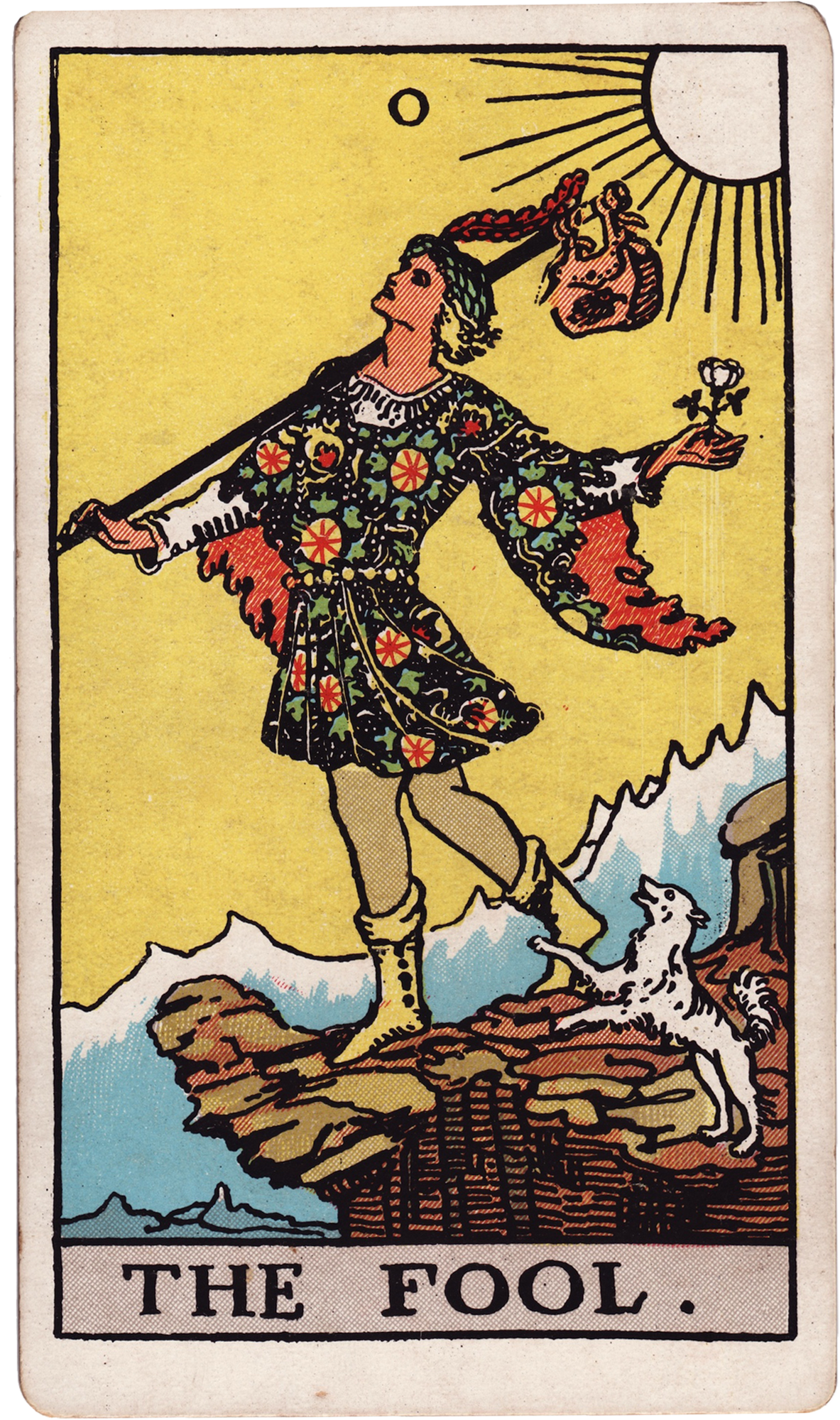 The Fool
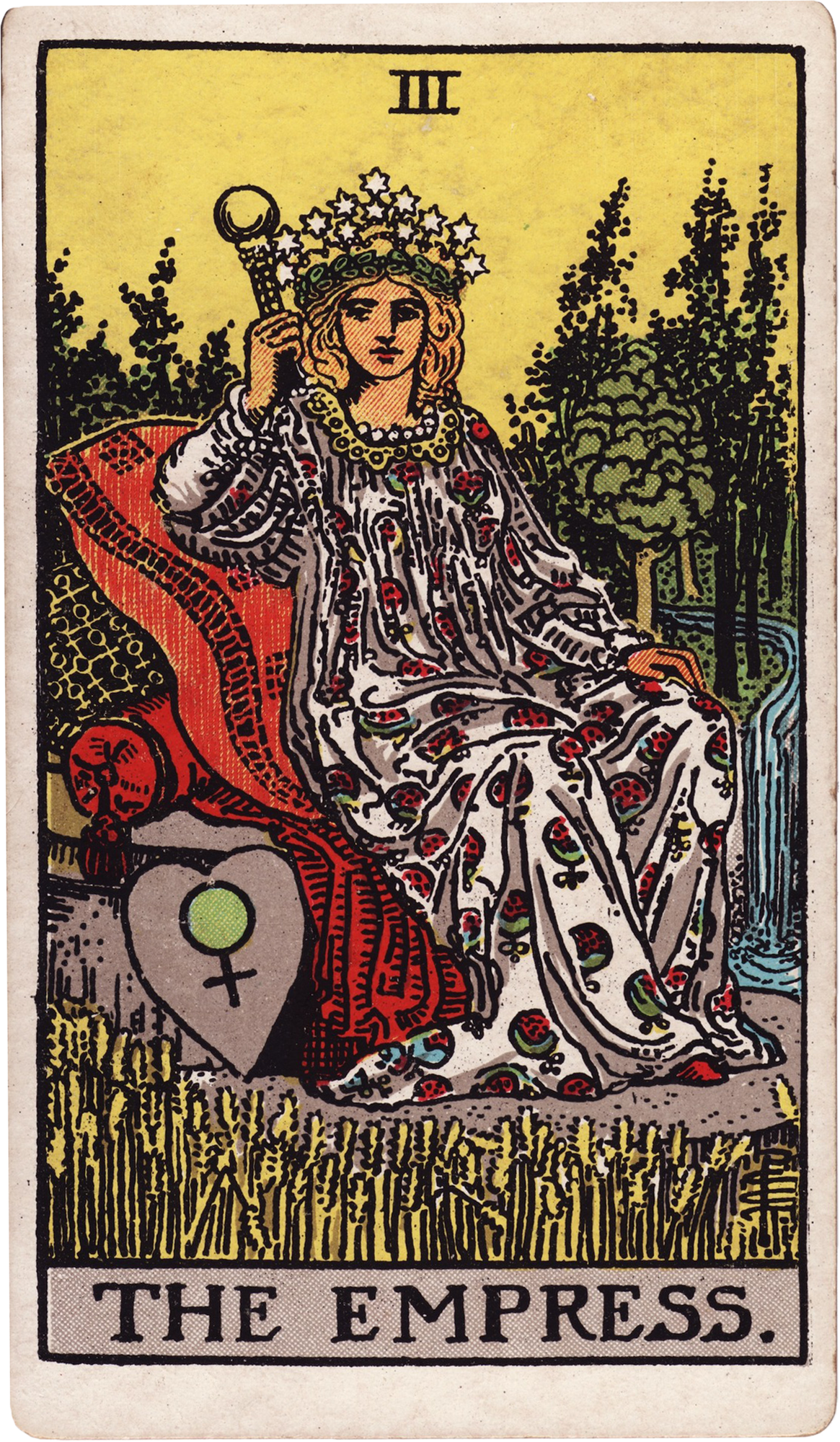 The Empress
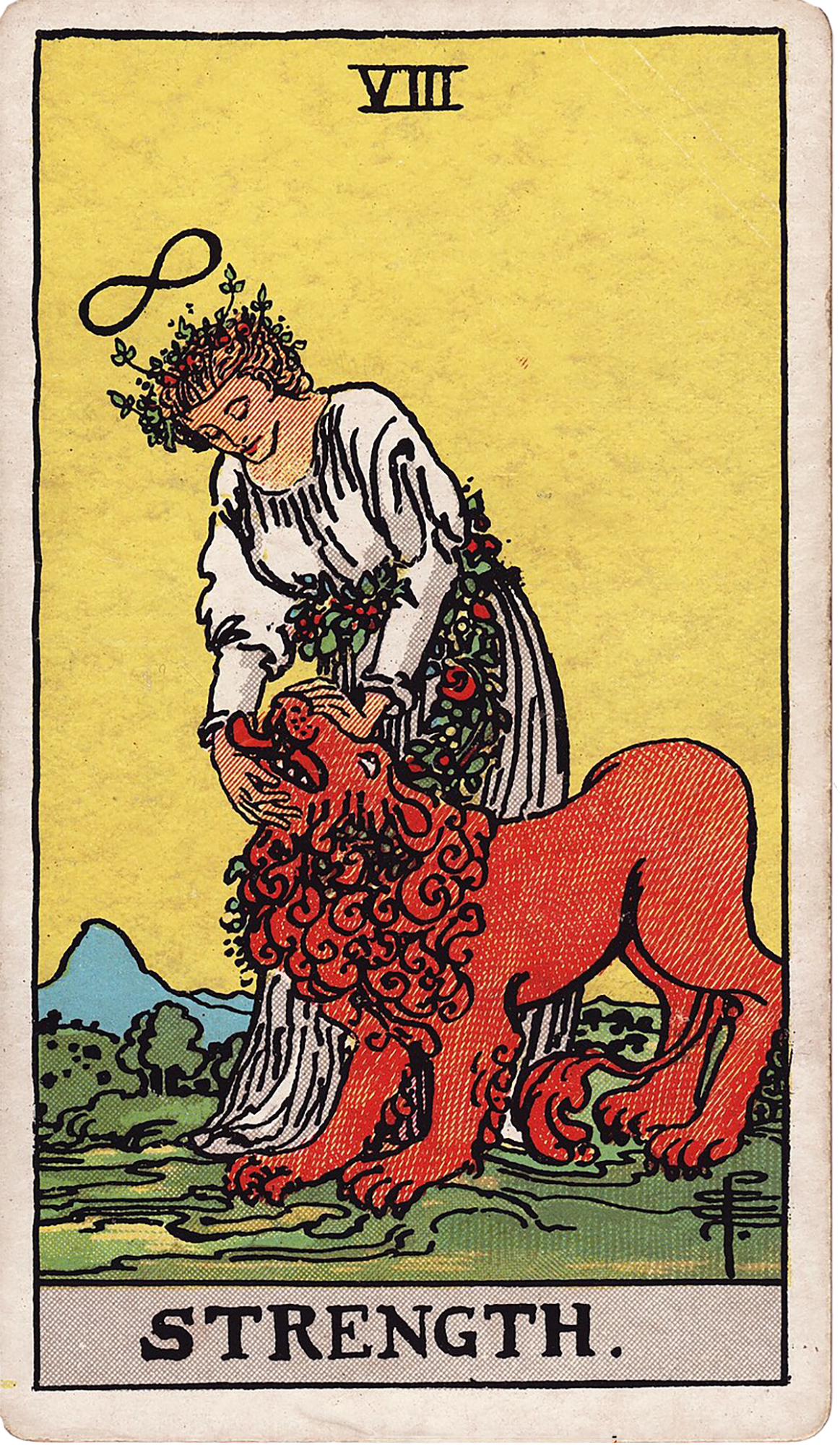 Strength
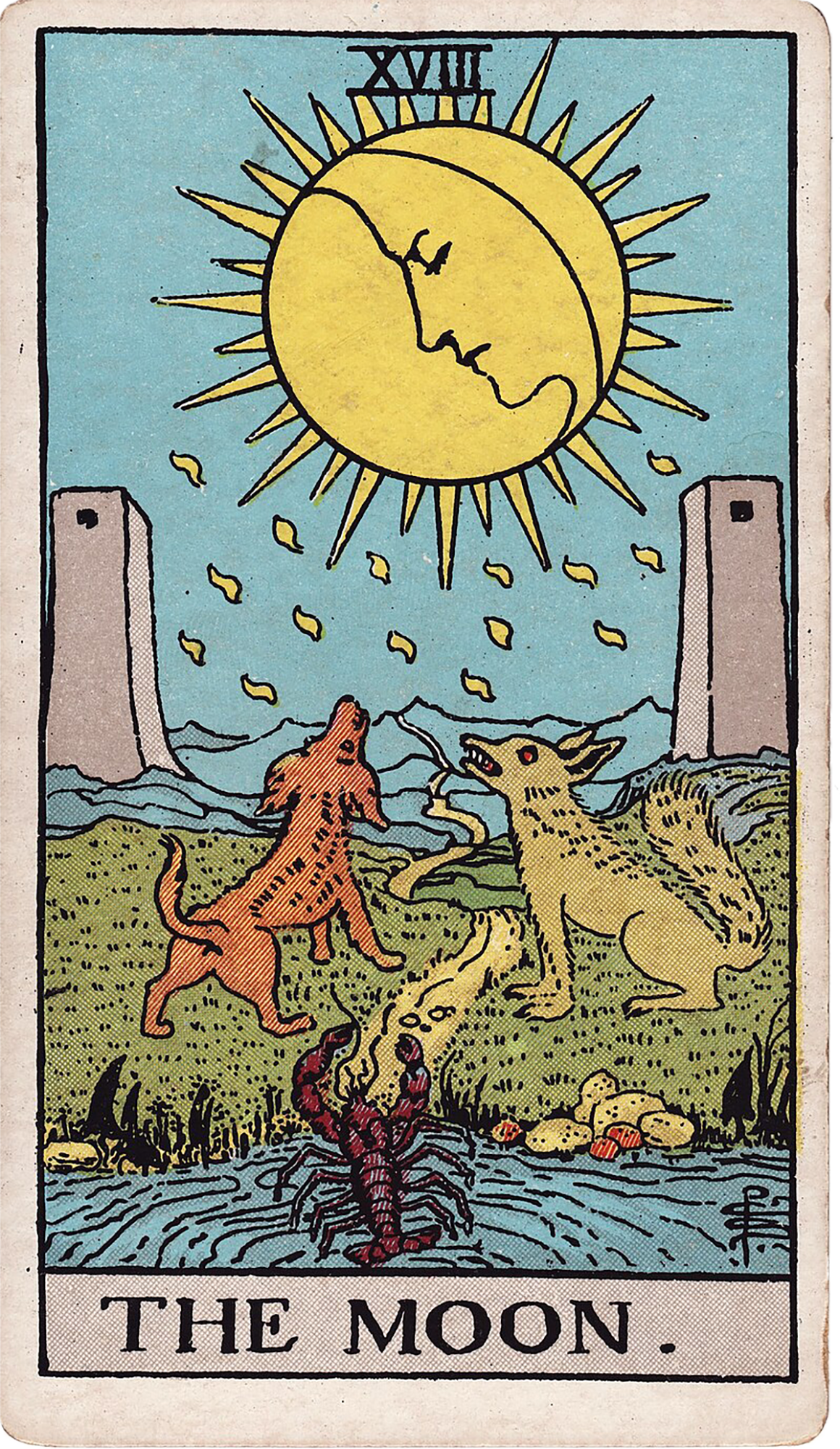 The Moon
Introduction Why animal symbols matter in tarot
Animals in tarot function on multiple levels: immediate visual cues, cultural archetypes, and instinctual registers in the querent. Wolves, dogs, and lions are recurring figures in major-arcana imagery and carry especially rich contrasts—domestic versus wild, loyalty versus unpredictability, courage versus raw appetite. Because the supplied cards (The Fool, The Empress, Strength, The Moon) either depict these animals directly or invite animal-energy readings, they are excellent anchors for learning a disciplined approach to animal symbolism. This article emphasizes interpretation technique, not fortune-telling. Use the cards as prompts for questions and choices rather than deterministic outcomes.
A quick visual primer Observing animals before interpreting
Always begin with observation. Note species, size, posture, gaze, proximity to human figures, direction of movement, and action (howling, sleeping, attacking, curing). For example, The Fool shows a small dog at the traveller's heels; The Moon shows two canids—commonly read as a dog and a wolf—howling at the lunar landscape; Strength shows a lion whose mouth is being gently closed by a woman. The Empress in the Rider-Waite-Smith plate does not display a specific animal, but the image brims with growth and natural abundance and therefore invites animal-associated readings. Observation separates what you actually see from what you assume, which is essential for consistent interpretation.
A layered interpretive model four levels
Work through four analytic levels: 1) Literal (what animal is present and what is it doing?), 2) Symbolic (traditional meanings—wolf as wildness, dog as loyalty/protection, lion as courage/drive), 3) Archetypal/Psychological (how this animal represents inner states or family dynamics), 4) Contextual (card-specific meaning and nearby cards). Apply this model to each of the supplied cards: let the literal image lead to symbolic associations, then match those associations to the upright/reversed guidance supplied for that card, and finally weave a contextual narrative.
Reading The Moon with its dog and wolf
The Moon plate in the Rider-Waite-Smith tradition explicitly shows two canids responding to the moon: one commonly read as tame (dog) and one as wild (wolf). At the literal level, the presence of two canids implies tension between domesticated instincts and deeper, untamed instinct. Symbolically this aligns with The Moon’s upright guidance: moving carefully through uncertainty, honoring dreams and intuition while checking projections. Ask: which side of the querent’s inner life is speaking? If upright, the Moon plus its animals invites careful tracking of projections—whose voice in you is the loyal dog, and whose is the lonely wolf? If reversed, the card’s warning about confusion beginning to clear or denial of intuition can be read through the animals: perhaps a wild fear (wolf) is being denied, or a domesticated coping voice (dog) is masquerading as intuition. Practical prompt: when The Moon appears, map which canid is more dominant in the image (closer to the path, more animated) and ask how that animal’s message maps onto current uncertainties.
Reading The Fool with its companion dog
The Fool’s small dog is deceptively simple: tradition treats the dog as companion, protector, and a nudge toward reality. Literally it follows or bites at the Fool’s heels. Symbolically it represents instinct, loyalty, and sometimes the voice that warns us about danger—or encourages us in harmless exuberance. Combine this with the supplied upright text for The Fool: starting before every detail is known, choosing curiosity over paralysis. Read the dog as the instinct that says 'go' or 'be wary.' If the card appears reversed, that same dog might indicate recklessness or avoidance of consequence: the loyalty becomes a blind following; the instinct is not checked. Use neighbor-checking: if The Fool and The Moon appear together, the dog may either be a protective, realistic voice in the face of the Moon’s illusions or an enabling force allowing naive wandering.
Reading Strength and the lion as inner power
Strength’s lion is a central RWS motif: a beast being tamed through gentle courage rather than coercion. At the literal level the lion’s face, posture, and level of cooperation inform tone—submissive, resigned, roaring, or calm. Symbolically the lion stands for appetite, passion, and elemental force. Strength’s supplied upright description—meeting intensity with calm courage—matches the image directly. When upright, the lion-heart energy is present and being handled with patience; when reversed, the same lion may indicate suppressed anger, overcontrol, or loss of confidence. In practice, ask which impulses the lion represents for the querent (protective anger, sexual passion, creative drive) and whether the accompanying human figure’s method is compassionate mastery or coercive control.
Reading The Empress when animal presence is implied
The RWS Empress does not show a specific animal, but the card’s themes—abundance, fertility, care—invite animal associations. Practically this means you read animal symbolism as an energy that can either be present in a literal neighboring card or be suggested by context: puppies for nurturing family dynamics, a lion for protective maternal ferocity, a wolf for pack relationships and boundary testing. Use the Empress’s supplied upright and reversed guidance to anchor those associations: upright Empress invites creating conditions for growth; read a dog-like image as the social, care-taking force that supports that growth. Reversed, the Empress warns about overgiving or smothering—an associated animal image might be protective to the point of possession (a mother-lion defending cubs) or a pack dynamic that consumes the individual. The key is to treat animal readings here as metaphorical extensions consistent with the Empress’ core lesson.
Practical reading method step-by-step
1) Observe: name the animal(s) and describe posture, gaze, action. 2) Map: assign quick symbolic tags (loyalty, wildness, courage, pack). 3) Anchor to card text: apply the supplied upright/reversed prompts for The Fool, The Empress, Strength, or The Moon. 4) Ask targeted questions: e.g., The Moon—Which instinct is speaking? The Fool—Is the dog protecting or enabling? Strength—What appetite needs compassionate containment? The Empress—Which form of care is being asked for or misapplied? 5) Check neighbors: compare how the animal’s energy is reinforced, modified, or contradicted by adjacent supplied cards. 6) Formulate a tentative narrative in present-tense behavior language (what the querent can do next), and present it as guidance, not a fate.
Examples and common reading patterns
Example 1: The Fool upright with The Moon upright. Visual reading: Fool’s dog is close, Moon shows dog and wolf. Interpretation: The querent has a protective instinct (Fool’s dog) that supports courageous new beginnings, but deeper wild material (Moon’s wolf) suggests blind spots. Guidance: begin, but keep a practice of checking inner images and projections. Example 2: Strength upright with The Empress reversed. Visual reading: lion appears managed, but Empress suggests overgiving. Interpretation: the querent has the calm courage to meet intensity, but may be exhausting themselves to support others. Guidance: practice patient boundaries that still hold care. Example 3: The Moon reversed with The Fool reversed. Visual reading: Moon’s confusion is clearing; Fool’s dog may be enabling recklessness. Interpretation: clarity is emerging, and the querent is starting to see old patterns of naivety. Guidance: slow down and integrate new insights before leaping. These examples show how animal imagery creates a storyline that aligns with the supplied upright/reversed card texts.
Common mistakes and ethical cautions
Mistake 1: Overliteral species reading—forcing a specific cultural meaning onto a dog, wolf, or lion without checking posture or context. Mistake 2: Projection—assigning your personal animal associations without verifying how the querent responds. Mistake 3: Ignoring reversal nuance—an animal can mean protection when upright and enablement when reversed. Ethically, avoid declaring immutable character traits based on one animal image. Use animals to illuminate dynamics and choices. Ask permission to explore primal material; remind querents you are working with imagery and archetype, not clinical diagnosis.
Conclusion integrating observation and the four supplied cards
Wolves, dogs, and lions give concrete texture to abstract tarot lessons. When you anchor animal observation to the supplied Rider-Waite-Smith images and the upright/reversed card texts for The Fool, The Empress, Strength, and The Moon, you gain a disciplined pathway from sight to story. Use the four-level model, keep questions practical, and let animal symbols clarify motive, energy, and relational dynamics rather than determine outcomes. Over time this method strengthens both your visual literacy and your ability to offer grounded, compassionate readings.
Practice questions
• When you look at The Fool’s dog, what single instinctual message comes to mind—encouragement, warning, or companionship? How might that change if the card were reversed?
• In The Moon image, which canid (dog or wolf) seems dominant and why? How does that affect your sense of the querent’s inner split between tame and wild?
• What appetite or passion might the lion in Strength represent for a querent in your current life—creative, sexual, protective—and how is it being handled?
• How does the Empress invite animal-associated energies even without a literal creature in the plate? Can you name a real-life situation where an implied animal image clarified a reading?
• Which step in the four-level interpretive model is easiest for you and which is hardest? What practice could strengthen the more difficult level?
• What common projection do you notice you bring to animal symbols, and how could you check that bias during a reading?
Comments
Sign in to comment.
Continue learning
Interpreting the Dance of Justice and The Devil: Balancing Morality and Temptation in Tarot Readings
The combination of Justice and The Devil in tarot presents a profound exploration of morality, temptation, and personal accountability. This article unpacks how these cards influen...
Advanced Techniques for Combining The Moon and The Star to Enhance Intuition in Tarot Readings
This article explores advanced techniques to combine the symbolism and energy of The Moon and The Star Tarot cards to enhance intuition during Tarot readings. Drawing from traditio...
Unlocking Life Insights with the Celtic Cross Tarot Spread
This article offers a thorough exploration of the Celtic Cross Tarot Spread, focusing on its application within family and practical life contexts. Using a worked example featuring...
Unlocking Hidden Meanings with The Hermit and The Hanged Man for Spiritual Growth
This article offers an in-depth exploration of The Hermit and The Hanged Man Tarot cards focusing on their roles in spiritual growth. It guides readers through beginner and advance...
Unlocking Personal Insight with the Seven Card Horseshoe Spread
The Seven Card Horseshoe Spread is a practical and insightful Tarot layout ideal for exploring personal and family dynamics. This article breaks down each position—Past, Present, H...
Mastering the Court Cards of Wands for Unlocking Personal Drive and Leadership
The Court Cards of Wands represent a dynamic spectrum of personal energy, ambition, and leadership potential within the Minor Arcana. This article offers a comprehensive exploratio...
Tracing the Origins and Evolution of The Fool Card in Tarot History
The Fool card holds a foundational place in tarot tradition, symbolizing beginnings, openness, and the embrace of uncertainty. This article traces its origins from early European d...
Techniques for Reading Court Cards to Unlock Personality Insights
Court cards in Tarot often represent people, personality traits, or energy patterns within a situation. This article offers a structured approach for beginners and advanced readers...
Unlocking Emotional Transformation with Death and The Moon Tarot Combination
This article explores the rich and complex interaction between the Death and The Moon tarot cards within the Rider-Waite-Smith tradition, focusing on their combined potential to un...
Applying The Star Card to Foster Hope and Renewal in Personal Growth
The Star card in Tarot symbolizes hope, authenticity, and the process of steady renewal. In a single-card reading, The Star encourages embracing what is present, cultivating openne...