
Mastering Tarot Timing Using The Three Card Spread for Informed Readings
This article explores how to master tarot timing with the three card spread, emphasizing the cards The Fool, The Magician, and The High Priestess. It guides learners through understanding timing concepts, interpreting card positions as past, present, and future, and applying traditional Rider-Waite-Smith symbolism. The article offers practical reading methods, examples, common mistakes, and interpretation logic to elevate both beginner and advanced readers' skills in delivering nuanced, informed timing insights in tarot readings.
Cards explored in this article
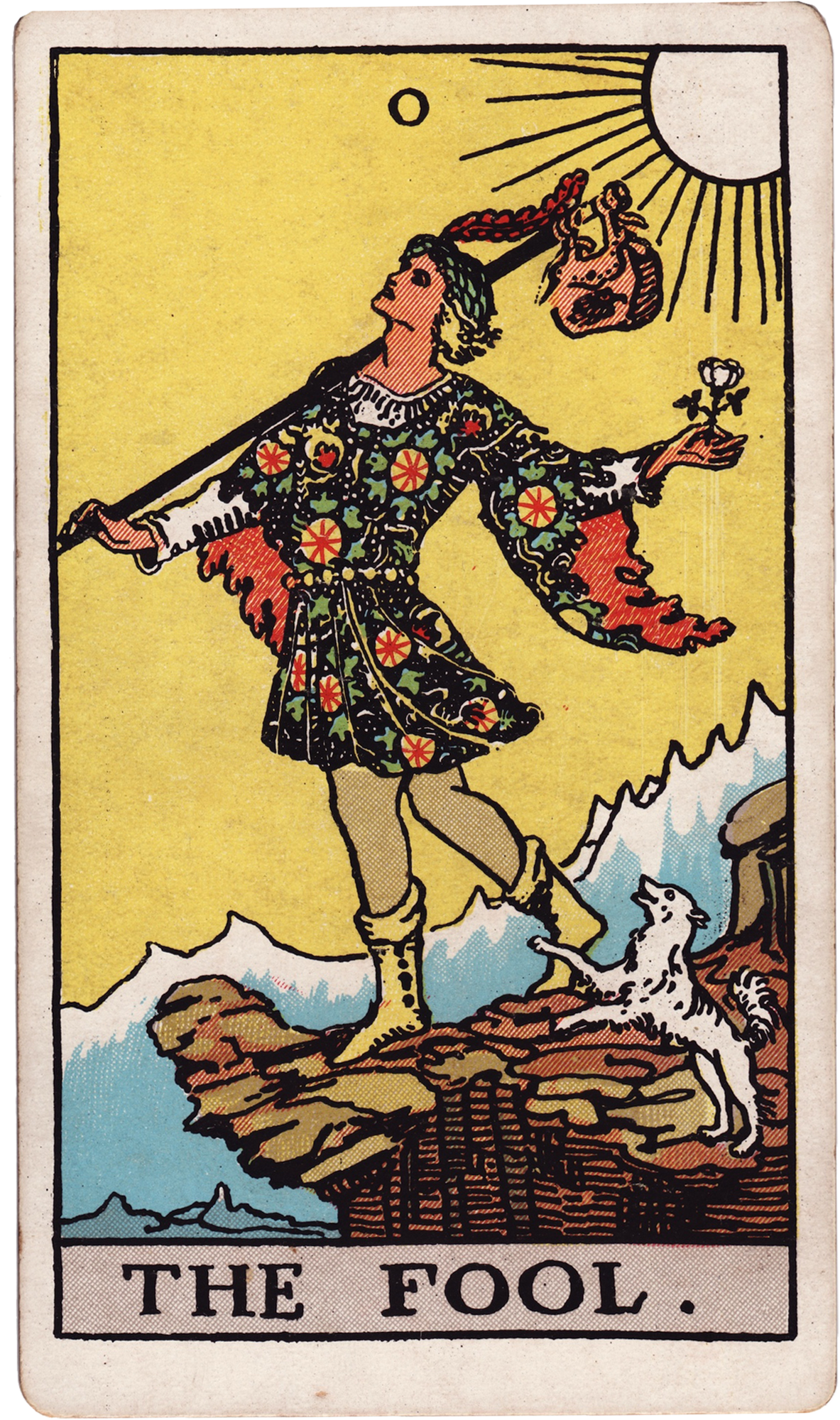 The Fool
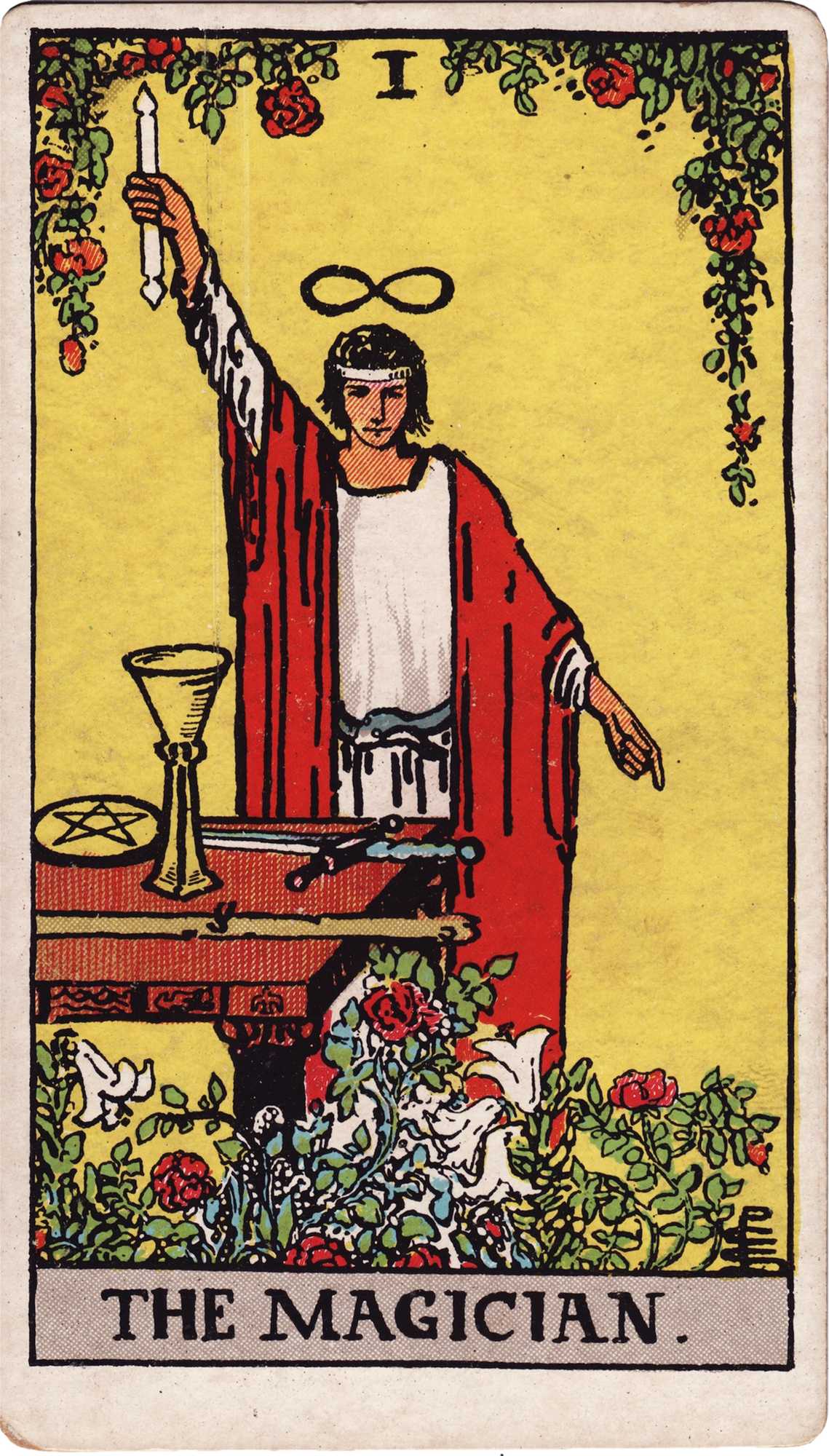 The Magician
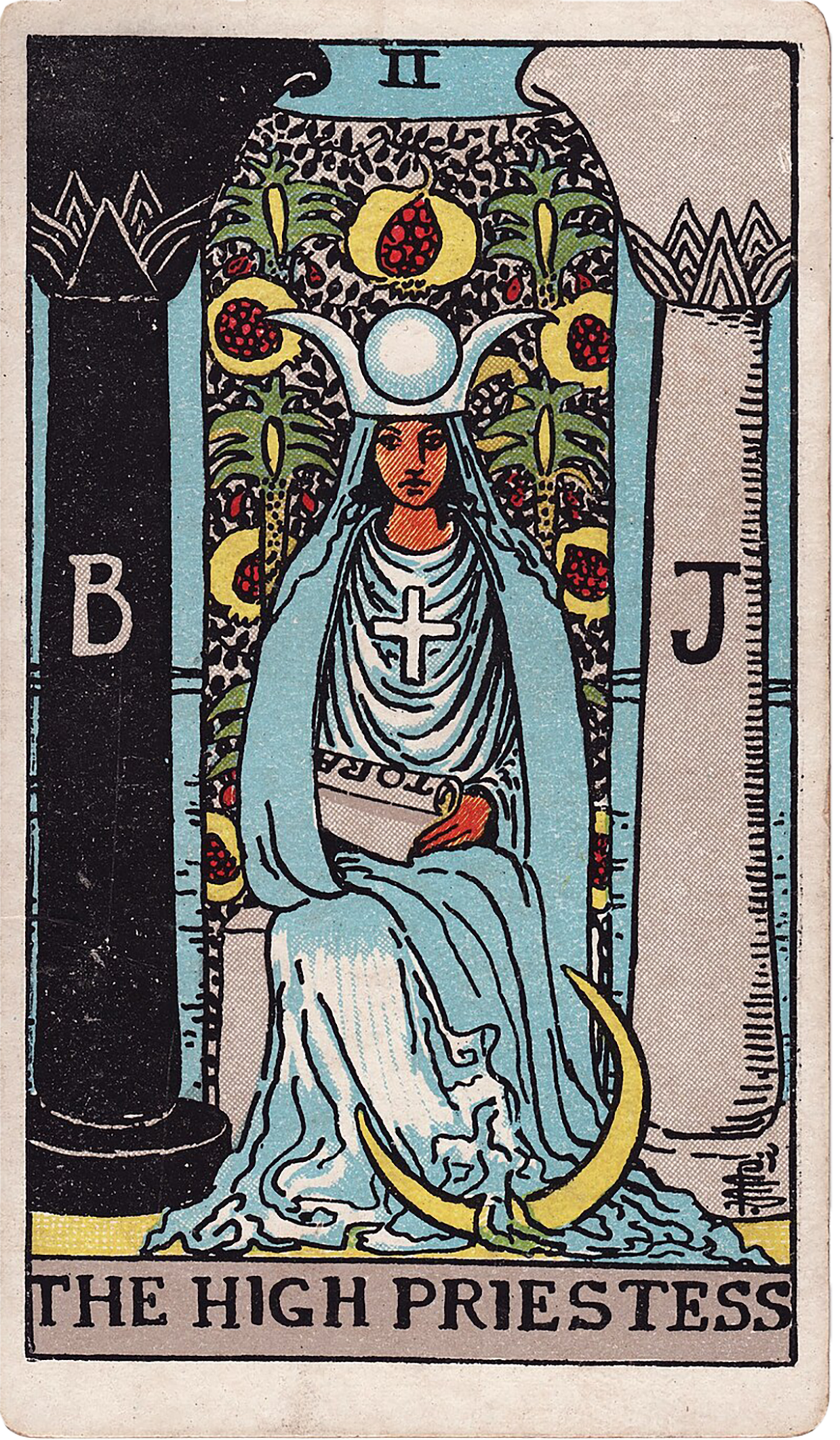 The High Priestess
Introduction to Tarot Timing and the Three Card Spread
Timing in tarot is an advanced skill that adds depth and practical clarity to readings, enabling readers to guide querents on when energies are likely to unfold. The Three Card Spread, a classic and versatile layout, can be an effective tool for timing by assigning each card a temporal position—typically past, present, and future. This linear framework allows readers to narrate the flow of events and influences while cultivating sensitivity to subtle energetic shifts. The cards featured in this article—The Fool, The Magician, and The High Priestess—are rich with symbolic cues related to beginnings, action, and inner knowing, making them ideal for exploring timing techniques from beginner to advanced levels.
Understanding the Cards in the Timing Context
Each card in the three card spread carries traditional Rider-Waite-Smith symbolism that can be aligned with timing insights. The Fool represents the start of a cycle, a new chapter, or a leap of faith. Upright, it encourages action despite unknowns, suggesting that the timing for beginning something new is ripe. Reversed, it warns of hesitation or recklessness delaying progress. The Magician symbolizes conscious manifestation and skillful action. Upright, it highlights the present moment as optimal for deliberate moves and clear communication, hinting that the querent can make a decisive next step now. Reversed, it signals blocked energies or misuse of talents, indicating delays or internal resistance to timing. The High Priestess embodies intuition, patience, and hidden knowledge. Upright, she suggests a time to listen and observe rather than act, emphasizing that timing may require waiting for clarity. Reversed, she warns against ignoring inner voice or premature action. By observing these nuances within the timing framework—past as the foundation, present as the pivot, and future as the outcome—readers can create layered narratives about when events or decisions are unfolding.
Assigning Temporal Positions to the Three Card Spread
A common beginner approach is to assign the first card as the past, the second as the present, and the third as the future. This method helps readers anchor their interpretation sequentially. For example, if The Fool appears in the past position, it shows that the querent recently embarked on a new journey or initiated change. The Magician in the present position would indicate that the querent currently holds the tools and energy to influence the outcome. The High Priestess in the future suggests an upcoming phase where intuition and patience are required before the next action. Advanced readers might adjust this structure dynamically, depending on the querent’s question or the nature of the spread. Sometimes cards represent stages within a process rather than fixed time periods, allowing for richer, more fluid timing insights.
Interpreting Upright and Reversed Cards for Timing Accuracy
Upright and reversed meanings are crucial for nuanced timing interpretations. For instance, an upright Fool in the past can confirm a recent, conscious new beginning, while reversed may reveal hesitation or delayed starts. An upright Magician in the present indicates active manifestation and readiness, pointing to immediate timing for decisions or actions. Reversed Magician suggests scattered efforts or self-doubt, meaning the querent may not yet be ready, thus timing is off or delayed. The High Priestess upright in the future can signal a pause or incubation period ahead, advising patience, whereas reversed warns against ignoring inner wisdom, indicating premature moves that disrupt timing. Paying attention to these subtleties helps prevent common mistakes such as predicting too early or overlooking internal blocks that affect the querent’s timeline.
Practical Method for Conducting Timing Readings with the Three Card Spread
Begin by clearly defining the querent's question related to timing, such as "When will I be ready to start this project?" or "What phase am I in right now?" Shuffle and draw three cards, laying them out left to right as past, present, and future. Observe the cards’ upright or reversed positions, then connect their symbolism to the temporal framework: - For the past card, identify foundations, past decisions, or events that led to current conditions. - For the present card, assess the querent’s current resources, challenges, or actions. - For the future card, interpret potential outcomes and timing cues for what lies ahead. Use insights from The Fool, The Magician, and The High Priestess to assess readiness, action, and patience. Encourage querents to view timing as fluid and influenced by internal growth, not rigid dates. Close the reading by summarizing the timing story and suggesting practical next steps aligned with the cards’ messages.
Example Reading Anchored on The Fool, The Magician, and The High Priestess
Imagine a querent asking when to launch a creative endeavor. The spread reveals The Fool upright in the past, The Magician upright in the present, and The High Priestess reversed in the future. Interpretation: - The Fool upright in the past shows the querent recently embraced a fresh start with courage. - The Magician upright in the present indicates the querent currently has the skills and clarity necessary to move forward decisively. - The High Priestess reversed in the future warns against neglecting intuition and rushing prematurely into next stages. Timing insight: The querent is in an optimal moment to act now but should remain mindful of internal signals and avoid haste in following phases. This reading highlights a window of immediate opportunity tempered by a caution for reflective pauses ahead.
Common Timing Mistakes and How to Avoid Them
A frequent mistake is rigidly applying fixed timeframes (days, weeks, months) to tarot cards without considering energetic readiness or internal blocks. Cards like The Fool or The High Priestess emphasize subjective timing related to mindset and intuition rather than external clocks. Another error is ignoring reversed cards or misreading them solely as negative signs; reversals provide essential clues about timing delays or distortion of energy. Additionally, readers sometimes overlook the interaction between cards, treating each position in isolation. Effective timing requires synthesizing the narrative across past, present, and future cards, noting progression or resistance. To avoid these pitfalls, focus on the quality of the timing phase indicated by the cards, validate impressions with querent feedback, and remain flexible with timeframes.
Advanced Timing Techniques Using Card Symbolism and Numerology
Beyond the basic past-present-future layout, advanced readers utilize symbolism and numerology for deeper timing precision. The Fool is numbered 0, symbolizing unlimited potential and beginnings outside linear time, often suggesting "now" or an imminent start. The Magician, numbered 1, represents the initiation of willful action, which can indicate immediate or very near-future timing. The High Priestess, numbered 2, signifies duality, reflection, and hidden knowledge, often pointing to a phase of waiting or preparation—timing that requires patience and inner work rather than external movement. Combining these numerological cues with card imagery—such as The Fool’s leap into the unknown or The High Priestess’s veil—can help advanced readers tune timing messages to moments of readiness, hesitation, or incubation. This layered approach enhances reading depth and client empowerment.
Conclusion and Integrating Timing into Your Tarot Practice
Mastery of tarot timing using the three card spread is a skill that enriches readings by adding a temporal dimension rooted in card symbolism and querent experience. The Fool, The Magician, and The High Priestess serve as powerful archetypes illustrating initiation, conscious action, and introspective waiting. By methodically assigning temporal positions, interpreting upright and reversed energies, and avoiding common pitfalls, readers can offer clients nuanced guidance about when to act or wait. Remember, timing in tarot is fluid and symbolic rather than fixed, requiring intuition and dialogue with the querent. With practice, this approach enhances not only timing accuracy but also the overall clarity and relevance of your tarot readings.
Practice questions
• How does the symbolism of The Fool, The Magician, and The High Priestess influence your perception of timing in a reading?
• In what ways can reversed cards alter your understanding of when events may unfold?
• How can you balance intuitive insights with traditional timing frameworks to avoid rigid predictions?
• What techniques can you use to help querents understand timing as a fluid and internal process?
• How might you adapt the three card timing spread for complex or multi-layered questions?
Comments
Sign in to comment.
Continue learning
Interpreting the Dance of Justice and The Devil: Balancing Morality and Temptation in Tarot Readings
The combination of Justice and The Devil in tarot presents a profound exploration of morality, temptation, and personal accountability. This article unpacks how these cards influen...
Advanced Techniques for Combining The Moon and The Star to Enhance Intuition in Tarot Readings
This article explores advanced techniques to combine the symbolism and energy of The Moon and The Star Tarot cards to enhance intuition during Tarot readings. Drawing from traditio...
Unlocking Life Insights with the Celtic Cross Tarot Spread
This article offers a thorough exploration of the Celtic Cross Tarot Spread, focusing on its application within family and practical life contexts. Using a worked example featuring...
Unlocking Hidden Meanings with The Hermit and The Hanged Man for Spiritual Growth
This article offers an in-depth exploration of The Hermit and The Hanged Man Tarot cards focusing on their roles in spiritual growth. It guides readers through beginner and advance...
Unlocking Personal Insight with the Seven Card Horseshoe Spread
The Seven Card Horseshoe Spread is a practical and insightful Tarot layout ideal for exploring personal and family dynamics. This article breaks down each position—Past, Present, H...
Mastering the Court Cards of Wands for Unlocking Personal Drive and Leadership
The Court Cards of Wands represent a dynamic spectrum of personal energy, ambition, and leadership potential within the Minor Arcana. This article offers a comprehensive exploratio...
Tracing the Origins and Evolution of The Fool Card in Tarot History
The Fool card holds a foundational place in tarot tradition, symbolizing beginnings, openness, and the embrace of uncertainty. This article traces its origins from early European d...
Techniques for Reading Court Cards to Unlock Personality Insights
Court cards in Tarot often represent people, personality traits, or energy patterns within a situation. This article offers a structured approach for beginners and advanced readers...
Unlocking Emotional Transformation with Death and The Moon Tarot Combination
This article explores the rich and complex interaction between the Death and The Moon tarot cards within the Rider-Waite-Smith tradition, focusing on their combined potential to un...
Applying The Star Card to Foster Hope and Renewal in Personal Growth
The Star card in Tarot symbolizes hope, authenticity, and the process of steady renewal. In a single-card reading, The Star encourages embracing what is present, cultivating openne...