
Mastering the Art of Intuitive and Analytical Balance in Tarot Reading
Balancing intuition and analysis is essential to deepening tarot reading skills. This article guides beginners and advanced readers through mastering this balance using a practical framework anchored in The Magician, The High Priestess, and Ace of Swords cards. Drawing on traditional Rider-Waite-Smith symbolism and detailed card context, it explores how to identify, engage, and harmonize intuitive insight with rational clarity. Readers will learn practical reading techniques, common interpretation challenges, and ways to integrate these approaches to enhance accuracy and insight across varied spreads and questions.
Cards explored in this article
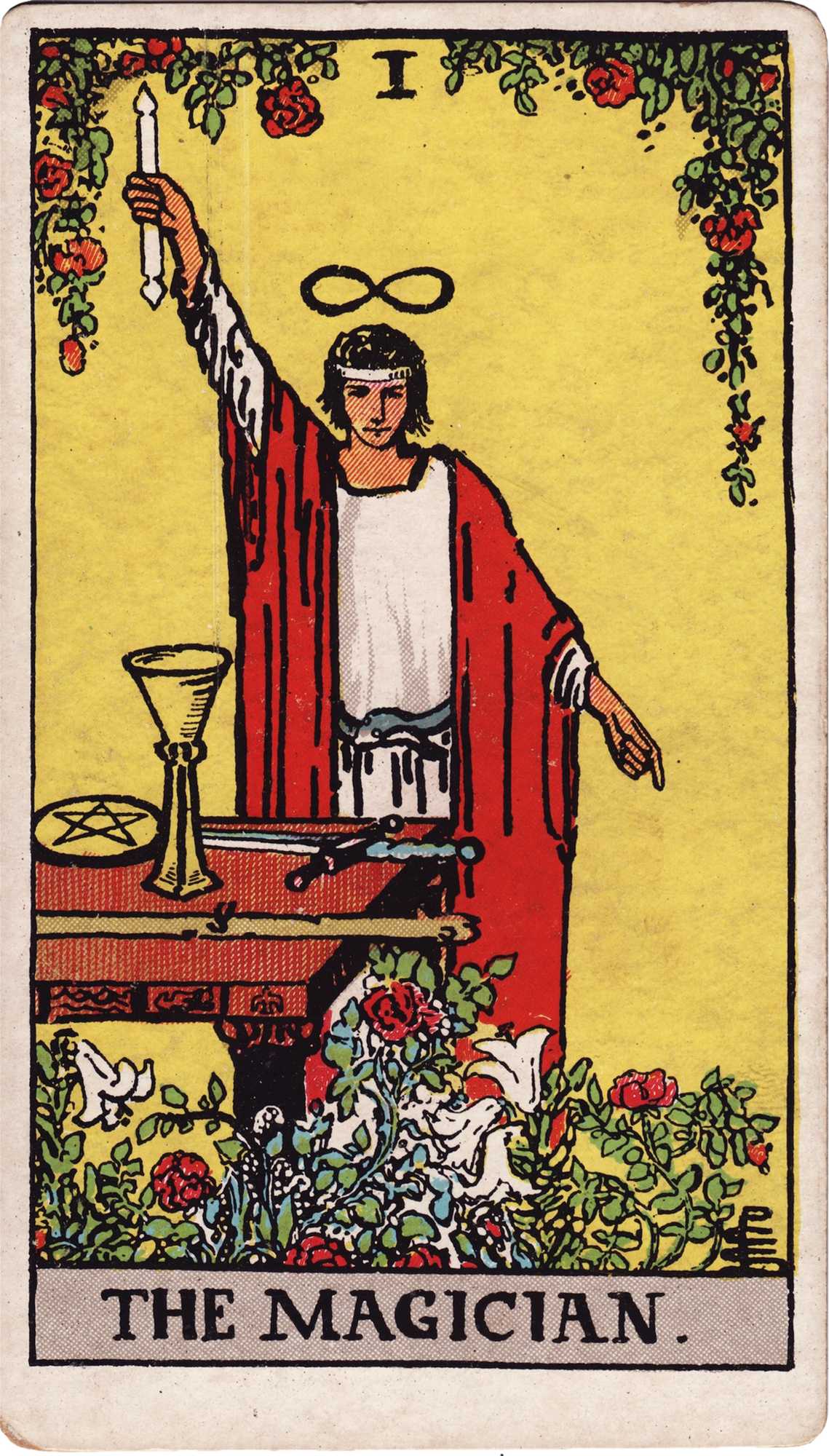 The Magician
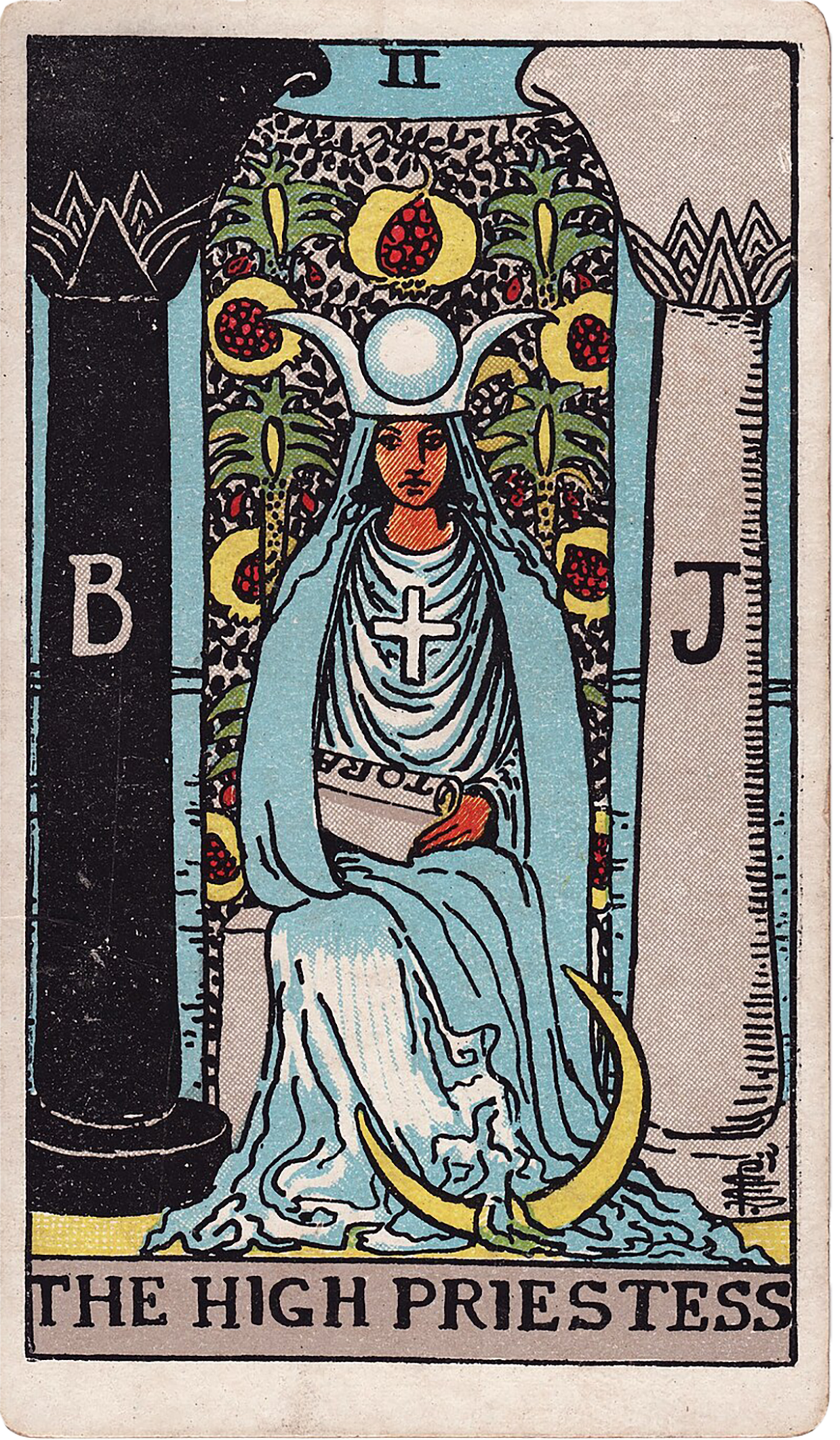 The High Priestess
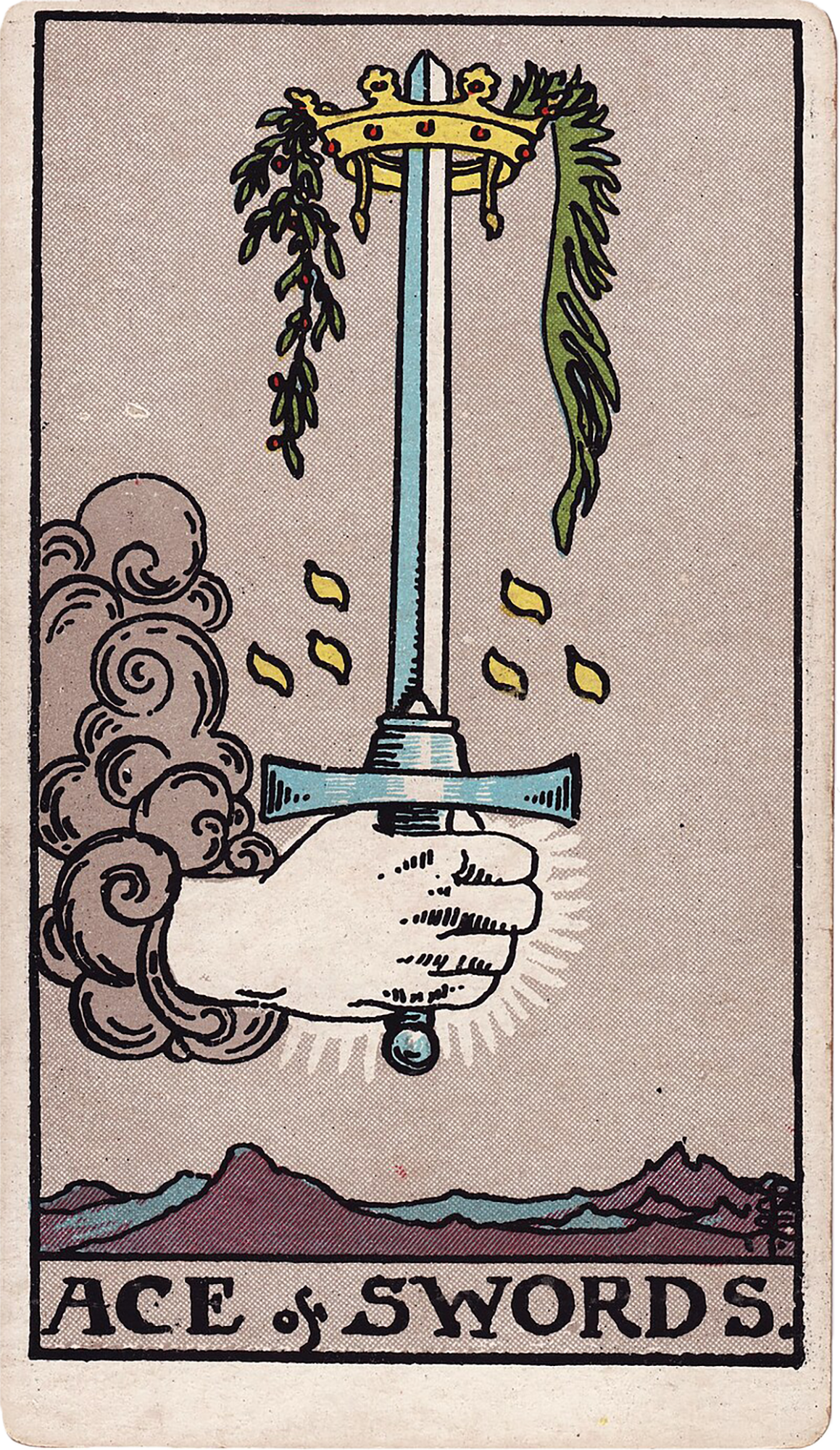 Ace of Swords
Understanding the Dual Modes of Tarot Interpretation
Tarot reading traditionally operates along two complementary modes: intuitive and analytical. Intuition involves trusting subtle impressions, feelings, and symbolic resonances that arise spontaneously. Analysis requires deliberate thought, structured reasoning, and applying learned card meanings and logical frameworks. Mastering tarot means learning to use these modes fluidly and in balance. The Magician card reminds us of applying available skills deliberately, which can be understood as the analytical aspect—using knowledge and clear communication to engage with the reading. Conversely, The High Priestess encourages listening beneath the surface and trusting quiet discernment, representing the core of intuition. The Ace of Swords bridges these by signaling clarity, breakthrough, and decisive intellectual engagement. Recognizing when to lean into intuition or analysis is crucial for coherent readings that respect both feeling and structure.
Symbolism and Meaning Anchoring Intuition and Analysis
The Rider-Waite-Smith imagery of The Magician, The High Priestess, and Ace of Swords provides a visual and symbolic foundation for understanding the balance between intuition and analysis. The Magician stands with one hand pointing to the sky and one to the earth, symbolizing the channeling of potential into action—a metaphor for conscious, skilled application of knowledge. The presence of all four suits on the table underlines mastery of material and spiritual tools, supporting a methodical approach. The High Priestess, seated between pillars and cloaked in mystery, represents hidden knowledge and inner wisdom, inviting us to look inward and trust subtle messages. Her crescent moon and pomegranate imagery point to cycles and fertility of insight. The Ace of Swords shows a hand emerging from a cloud holding a sword upright, symbolizing a sudden, cutting clarity of thought and truth. Together, these cards offer a visual reminder of the interplay between deliberate effort and receptive insight.
Techniques for Developing Intuitive Skills
To cultivate intuitive tarot reading, learners should practice active listening to their inner voice and bodily sensations during readings. The High Priestess upright suggests allowing information to emerge without rushing to judgment. Beginners can start by meditating on the card’s symbols to open receptivity and then practice drawing cards with open-ended questions, noting spontaneous impressions before consulting traditional meanings. Journaling feelings and images that arise helps develop this skill. Advanced readers often deepen intuition by working with the shadows of cards, including reversed positions, recognizing internal blocks or distortions of energy as shown by The High Priestess reversed. This nuanced understanding prevents projection or anxiety from masquerading as inner knowing and improves discernment.
Techniques for Applying Analytical Skills
Analytical skills in tarot reading involve structured interpretation frameworks, logical sequencing, and clear communication. The Magician upright encourages working deliberately with what is available and making conscious choices to advance understanding. The Ace of Swords upright further emphasizes the need for clarity and decisive intellectual breakthroughs to cut through confusion. Beginners should practice memorizing core card meanings and learning to identify relationships within spreads logically. Using keywords as anchors, comparing upright and reversed meanings, and considering context enhances accuracy. Advanced readers can layer analytical approaches by tracking the developmental stage of card energies (beginning, pressure, resolution) and questioning distortions or blocks indicated by reversals. Critical self-questioning such as 'Where is this energy becoming distorted or difficult to access?' as prompted by The Magician and Ace of Swords reversed meanings, supports deeper clarity.
Practical Reading Method to Balance Intuition and Analysis
A practical method to balance intuition and analysis in tarot reading involves four steps: first, observe the card’s imagery and note immediate intuitive impressions, reflecting The High Priestess’s call to listen beneath surface appearances. Second, recall the analytical card meanings and consider the upright or reversed context, drawing on The Magician’s emphasis on deliberate skill use. Third, integrate these insights by asking how intuition and logic align or diverge, using the Ace of Swords’s principle of clear insight to cut through contradictions. Finally, decide on the next proportionate step to address the querent’s situation, embodying The Magician’s actionable quality. This cyclical approach of sensing, knowing, clarifying, and responding, repeated through the spread, cultivates a dynamic and balanced reading.
Common Mistakes and How to Avoid Them
Common pitfalls in tarot reading often arise from over-reliance on either intuition or analysis. Over-intuiting can lead to projection, vagueness, or confusing anxiety with insight, as warned by The High Priestess reversed. Conversely, over-analyzing may cause mental rigidity, harsh judgment, or missing subtle messages, echoing the Ace of Swords reversed. Readers sometimes treat reversals as merely negative or opposite meanings rather than nuanced blocks or internalized processes. To avoid these mistakes, maintain awareness of both the felt experience and logical context of cards. Ask balanced questions like those suggested by The Magician and High Priestess reversals: 'Where is this energy becoming distorted? What is blocked or waiting to emerge?' Regular reflection and journaling help recognize patterns and develop a balanced interpretive voice.
Interpreting Reversed Cards to Enhance Depth
Reversed cards offer rich opportunities to deepen the balance of intuition and analysis. The Magician reversed might indicate scattered talents or self-doubt rather than outright failure, inviting the reader to explore internal blocks or unconscious distortions. The High Priestess reversed focuses attention on secrecy or disconnection from intuition, encouraging careful discernment rather than quick conclusions. The Ace of Swords reversed highlights confusion or harshness in thought, pushing the reader to question premature judgments and communication breakdowns. By seeing reversals as psychological or energetic pauses rather than disaster signals, readers develop empathy and nuance. Integrating intuitive sense of these subtleties with clear logical questioning enriches the reading quality.
Examples Demonstrating Integrative Reading
Consider a reading where The Magician upright, The High Priestess reversed, and Ace of Swords upright appear. Intuitively, the querent may feel ready to act (Magician), yet a sense of inner confusion or secret withholding (High Priestess reversed) clouds their judgment. Analytically, the Magician signals potential for deliberate skillful choices, but the High Priestess reversed warns of blocked intuition or avoidance. The Ace of Swords upright suggests a needed breakthrough through honest communication or mental clarity. Balancing these insights, the reader might advise the querent to consciously acknowledge hidden fears or withheld truths and use clear, honest dialogue to move forward. This integrative approach, grounded in card symbolism and balanced questioning, shows mastery of intuitive and analytical methods.
Developing Mastery Over Time
Mastering intuitive and analytical balance is an evolving process requiring consistent practice, self-reflection, and humility. Beginners can build foundation skills by studying card imagery and meanings, practicing journaling, and using simple spreads to notice intuitive impressions. Advanced readers deepen integration by working with reversals, exploring psychological dimensions, and refining questioning techniques inspired by The Magician and High Priestess cards. Periodic review of past readings helps identify biases or patterns. Most importantly, mastery involves trusting that uncertainty is part of the journey and that both intuition and analysis are tools to be wielded consciously and respectfully. The Ace of Swords reminds us that breakthrough clarity often arises only after navigating through complexity, making balance a dynamic rather than static goal.
Practice questions
• How do I currently balance intuitive impressions with analytical frameworks in my tarot readings?
• In what ways can I consciously develop the skill of deliberate choice as exemplified by The Magician?
• When I feel confused or blocked during a reading, how might the messages of The High Priestess reversed help me understand the underlying cause?
• How can I apply the clarity and decisiveness symbolized by the Ace of Swords to resolve internal contradictions in my interpretations?
• What strategies can I adopt to recognize when intuition is projection or when analysis is overly rigid?
• How might journaling my intuitive feelings alongside logical analysis improve my reading accuracy over time?
• When encountering reversed cards, how can I shift from seeing them as negative to viewing them as nuanced energies or internal processes?
Comments
Sign in to comment.
Continue learning
Advanced Techniques for Combining The Moon and The Star to Enhance Intuition in Tarot Readings
This article explores advanced techniques to combine the symbolism and energy of The Moon and The Star Tarot cards to enhance intuition during Tarot readings. Drawing from traditio...
Unlocking Hidden Meanings with The Hermit and The Hanged Man for Spiritual Growth
This article offers an in-depth exploration of The Hermit and The Hanged Man Tarot cards focusing on their roles in spiritual growth. It guides readers through beginner and advance...
Techniques for Reading Court Cards to Unlock Personality Insights
Court cards in Tarot often represent people, personality traits, or energy patterns within a situation. This article offers a structured approach for beginners and advanced readers...
Integrating The Fool and The World to Chart the Journey of Tarot Initiation
This article explores the integration of The Fool and The World cards as symbolic bookends in the Tarot journey, emphasizing their complementary lessons for initiates. Drawing on t...
Developing Intuitive Tarot Reading Skills with The High Priestess and The Moon
This article guides tarot learners through developing intuitive reading skills focusing on two powerful cards: The High Priestess and The Moon. Using traditional Rider-Waite-Smith...
Unlocking Advanced Intuition Techniques Using The High Priestess The Moon and The Hermit
This article examines advanced intuition development in tarot reading by focusing on The High Priestess, The Moon, and The Hermit cards. It offers practical techniques for beginner...
Mastering Intuition with The High Priestess The Hermit and The Moon in Tarot Readings
This article delves into mastering intuition through three powerful Tarot cards: The High Priestess, The Hermit, and The Moon. It guides readers from beginner to advanced reading t...
Building Intuition and Analytical Skills with The High Priestess and The Hermit in Tarot Readings
This article explores how The High Priestess and The Hermit, two powerful Major Arcana cards, serve as complementary guides for developing intuition and analytical skills in tarot...
Techniques for Unlocking Personal Ambition Using The Chariot and Seven of Wands
This article provides a comprehensive guide for Tarot readers at all levels to utilize The Chariot and Seven of Wands cards in unlocking personal ambition. Through detailed explana...
Developing Advanced Intuition with The High Priestess The Hermit and The Moon
This article delves into developing advanced intuition for Tarot readers by focusing on three powerful cards: The High Priestess, The Hermit, and The Moon. By exploring their uprig...