
Mastering the Art of Three Card Spread for Deep Insight and Practical Guidance
This article guides learners through mastering the three card Tarot spread, emphasizing deep insight and practical guidance. Using The Fool, The Magician, and The High Priestess from the Rider-Waite-Smith tradition as visual and symbolic anchors, it explores both beginner-friendly steps and advanced interpretive techniques. Readers will learn how to approach this versatile spread, avoid common mistakes, and develop a strong connection between imagery, symbolism, and reading logic for effective, responsible interpretation.
Cards explored in this article
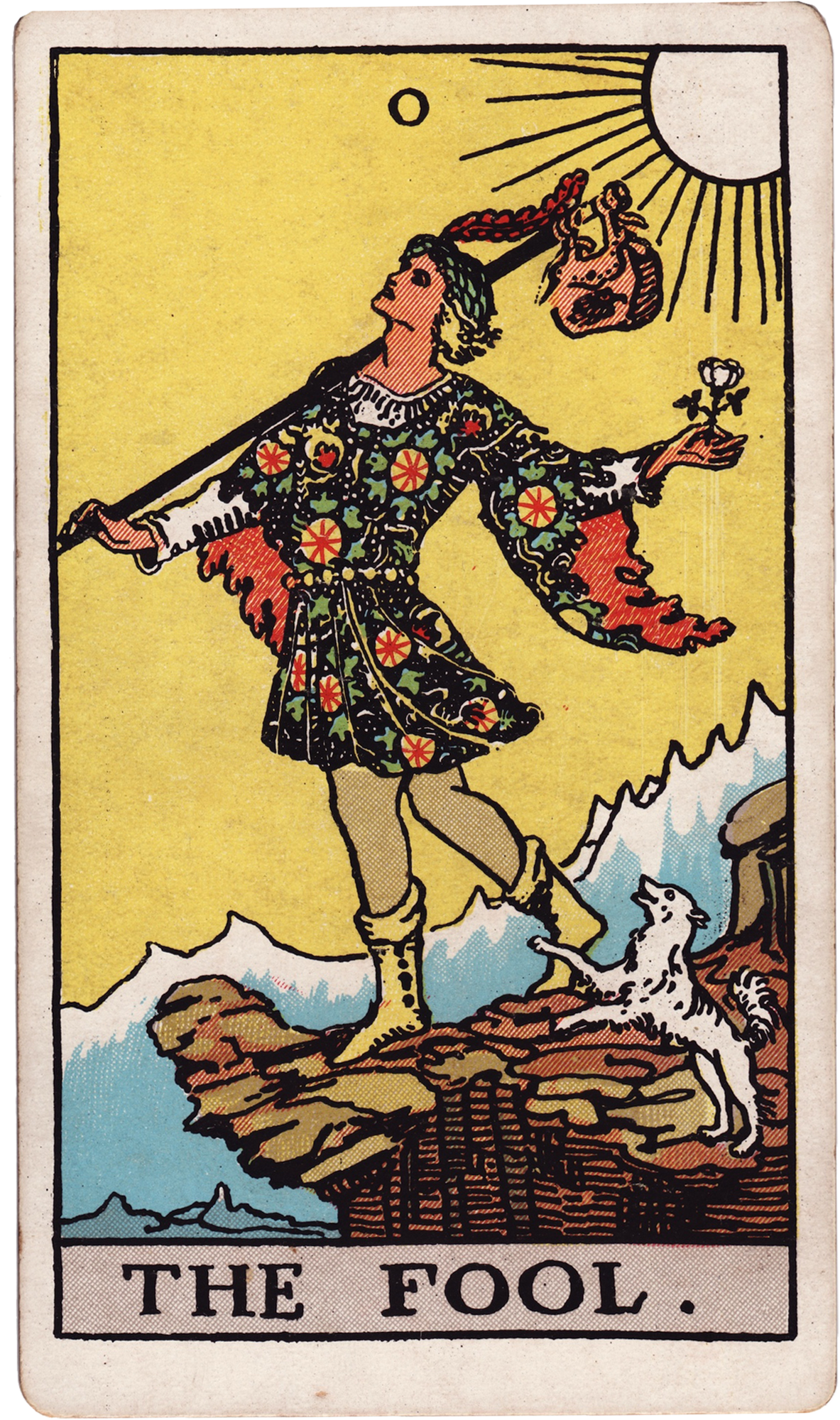 The Fool
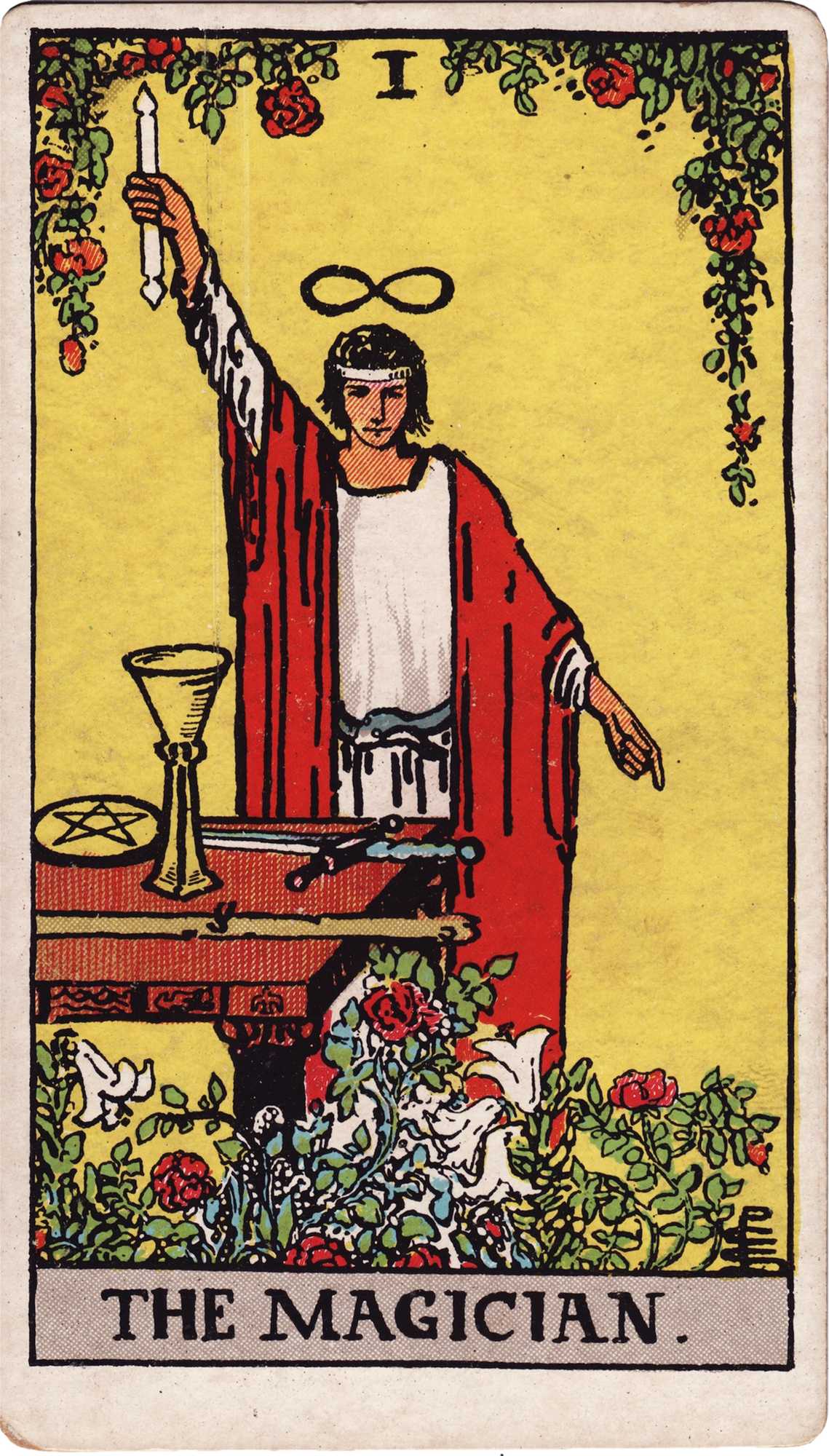 The Magician
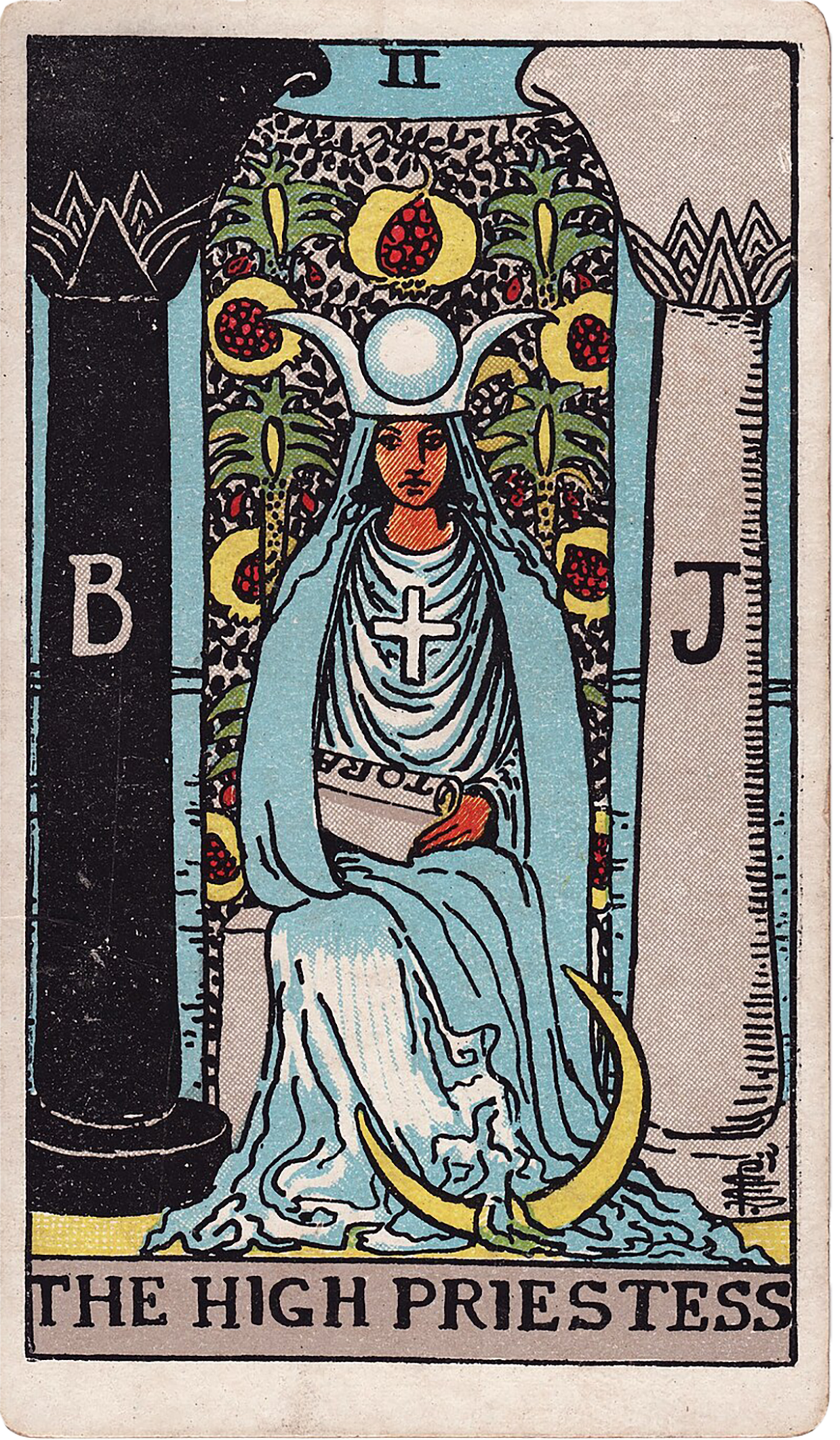 The High Priestess
Introduction to the Three Card Spread
The three card spread is one of the most accessible yet versatile techniques in Tarot reading. It offers a concise yet rich framework to explore a question, situation, or personal journey. Traditionally, these three cards represent past, present, and future or situation, action, and outcome. However, the spread’s flexibility allows readers to tailor the positions to the question at hand. This article focuses on using this spread for deep insight and practical guidance, anchored by the specific imagery and symbolism of The Fool, The Magician, and The High Priestess cards.
Understanding the Symbolism of The Fool, The Magician, and The High Priestess
Each Tarot card contains layers of symbolic meaning rooted in Rider-Waite-Smith tradition that enriches interpretation. The Fool, pictured as a youthful figure stepping forward with a small bag and a white rose, symbolizes new beginnings, innocence, and potential. Upright, it encourages embracing the unknown with curiosity and openness, while reversed, it warns against recklessness or avoidance of starting. The Magician, with one hand pointing to the sky and the other to the earth, surrounded by tools of the four suits, represents deliberate skill, manifestation, and clear communication. Upright, it invites active harnessing of available resources; reversed, it may indicate manipulation or self-doubt. The High Priestess, seated serenely between pillars with a scroll in her lap, embodies intuition, hidden knowledge, and quiet discernment. Upright, it calls for trusting inner wisdom and patience; reversed, it suggests disconnection from intuition or secrecy. Understanding these nuances is essential for both beginner and advanced readers to engage meaningfully with the cards during a three card spread.
Setting Up Your Three Card Spread for Beginners
For those new to Tarot, preparation is key. Begin by formulating a clear, focused question or topic. Shuffle the deck with intention, and draw three cards laid out left to right. Assign traditional roles such as Past, Present, and Future, or Situation, Advice, and Outcome. For example, if this spread yields The Fool in the first position, The Magician second, and The High Priestess third, you might interpret that the past was a time of new beginnings or naïve optimism (The Fool upright), the present calls for deliberate skill and conscious action (The Magician upright), and the future invites deeper intuition and internal reflection (The High Priestess upright). This approach emphasizes a narrative flow that beginners can follow while practicing grounding their interpretations in card imagery and upright/reversed meanings.
Advanced Techniques for Deep Insight
Experienced readers can expand on basic interpretations by integrating card interactions, reversals, and position-specific nuances. Consider how The Fool reversed might suggest hesitation or recklessness that colors the past or current situation. When The Magician appears reversed, it may highlight areas where scattered talents or manipulation interfere with manifesting clear outcomes. The High Priestess reversed could indicate that intuitive guidance is blocked or needs reevaluation. Advanced technique involves asking reflective questions that probe where clarity or honesty is needed next. For example, in a three card spread showing The Fool upright, The Magician reversed, and The High Priestess upright, the reading might suggest a new beginning (Fool) is underway, but the present moment involves scattered energy or self-doubt (Magician reversed), with future guidance pointing toward reestablishing trust in inner wisdom (High Priestess upright). Readers should also pay attention to subtle visual details like the white rose of innocence on The Fool or the tools laid out by The Magician to deepen understanding.
Common Mistakes and How to Avoid Them
Many beginners fall into the trap of literal prediction or overgeneralization. The three card spread is not about telling a fixed future; it is a tool for insight and conscious choice. Avoid assigning rigid meanings divorced from the question or ignoring card reversals and position context. Another frequent error is neglecting the cards’ imagery, which contains vital clues for nuanced interpretation. For instance, overlooking The High Priestess’s position between the pillars of Boaz and Jachin means missing the significance of balance and threshold symbolism. Additionally, rushing through readings without pause for reflection can result in shallow analysis. Practicing patience, asking open-ended questions, and journaling interpretations help solidify learning and encourage personal growth.
Practical Method for Conducting a Three Card Reading
A structured approach helps maintain clarity and depth. Start by centering yourself—take a few deep breaths and focus on your question. Shuffle the deck while mentally or verbally stating your intention. Draw three cards and place them from left to right. Identify the role of each position based on your chosen framework. Study each card’s imagery carefully: note colors, symbols, gestures, and posture. Consult the upright or reversed meanings of The Fool, The Magician, and The High Priestess and consider how these energies relate to each other across the spread. Write down your observations and insights. Finally, synthesize the reading by connecting the card lessons to the question and identifying practical next steps or areas for reflection. This method ensures a reading that is both insightful and actionable.
Interpretation Logic Anchored in Card Imagery
Interpretation logic in Tarot involves balancing traditional meanings, card context, and intuitive impressions. The Fool’s imagery—ready to leap despite uncertain terrain—illustrates the tension between innocence and risk. The Magician’s tools remind us that manifestation requires conscious effort and integrity. The High Priestess’s veil hints at hidden truths and cycles of knowledge accessible only through patience and trust. Applying these images as metaphors to the querent’s situation connects abstract symbolism to lived experience. For example, The Fool’s small dog warns of distractions or instinctual hesitations, which might alert the reader to unnoticed emotional undercurrents. The Magician’s infinity symbol over the head encourages infinite potential but also responsibility. The High Priestess’s crescent moon signals cycles and the subconscious. This layered symbolism enriches the reading’s depth beyond simple keywords.
Examples of Three Card Spread Readings Using The Fool, The Magician, and The High Priestess
Example 1: A beginner asks about starting a new creative project. The Fool upright in position one (Past) suggests a recent departure from a comfort zone with enthusiasm. The Magician upright in position two (Present) encourages using available skills actively to manifest ideas. The High Priestess upright in position three (Future) advises ongoing reflection and trusting intuitive insights to guide next steps. Example 2: An advanced reader interprets a client’s relationship query with The Fool reversed (Past), The Magician reversed (Present), and The High Priestess upright (Future). This pattern suggests past avoidance or recklessness, present struggles with unclear or manipulative communication, and future potential for deeper emotional understanding if the client reconnects with their intuition. These examples show how the three card spread can be adapted for different levels of practice.
Conclusion and Encouragement for Learners
Mastering the three card spread is a rewarding journey that combines structured technique with creative intuition. By grounding your reading in the rich visual and symbolic language of cards like The Fool, The Magician, and The High Priestess, you build a bridge between tradition and personal insight. Remember that every reading is an opportunity to explore layers of meaning and practical guidance—not a fixed prophecy. Practice regularly, remain open to learning from each session, and cultivate patience with yourself as you deepen your skills. This approach transforms Tarot reading from simple fortune-telling into a profound tool for self-awareness and wise decision-making.
Practice questions
• How does the imagery of The Fool encourage embracing uncertainty in your readings?
• In what ways can The Magician’s symbolism guide you to recognize your own available resources during a spread?
• How can The High Priestess help you develop trust in your intuition, especially when cards appear reversed?
• What challenges arise when interpreting reversed cards, and how can you approach them constructively?
• How can you personalize the three card spread positions beyond traditional roles like past, present, and future?
• What practical steps can you identify from a three card spread to move forward consciously in a situation?
Comments
Sign in to comment.
Continue learning
Interpreting the Dance of Justice and The Devil: Balancing Morality and Temptation in Tarot Readings
The combination of Justice and The Devil in tarot presents a profound exploration of morality, temptation, and personal accountability. This article unpacks how these cards influen...
Advanced Techniques for Combining The Moon and The Star to Enhance Intuition in Tarot Readings
This article explores advanced techniques to combine the symbolism and energy of The Moon and The Star Tarot cards to enhance intuition during Tarot readings. Drawing from traditio...
Unlocking Life Insights with the Celtic Cross Tarot Spread
This article offers a thorough exploration of the Celtic Cross Tarot Spread, focusing on its application within family and practical life contexts. Using a worked example featuring...
Unlocking Hidden Meanings with The Hermit and The Hanged Man for Spiritual Growth
This article offers an in-depth exploration of The Hermit and The Hanged Man Tarot cards focusing on their roles in spiritual growth. It guides readers through beginner and advance...
Unlocking Personal Insight with the Seven Card Horseshoe Spread
The Seven Card Horseshoe Spread is a practical and insightful Tarot layout ideal for exploring personal and family dynamics. This article breaks down each position—Past, Present, H...
Mastering the Court Cards of Wands for Unlocking Personal Drive and Leadership
The Court Cards of Wands represent a dynamic spectrum of personal energy, ambition, and leadership potential within the Minor Arcana. This article offers a comprehensive exploratio...
Tracing the Origins and Evolution of The Fool Card in Tarot History
The Fool card holds a foundational place in tarot tradition, symbolizing beginnings, openness, and the embrace of uncertainty. This article traces its origins from early European d...
Techniques for Reading Court Cards to Unlock Personality Insights
Court cards in Tarot often represent people, personality traits, or energy patterns within a situation. This article offers a structured approach for beginners and advanced readers...
Unlocking Emotional Transformation with Death and The Moon Tarot Combination
This article explores the rich and complex interaction between the Death and The Moon tarot cards within the Rider-Waite-Smith tradition, focusing on their combined potential to un...
Applying The Star Card to Foster Hope and Renewal in Personal Growth
The Star card in Tarot symbolizes hope, authenticity, and the process of steady renewal. In a single-card reading, The Star encourages embracing what is present, cultivating openne...