
Tracing Iconography Changes in Tarot Art Across Centuries
This article traces how imagery in tarot art has shifted from medieval and Renaissance decks through the Marseilles tradition to the symbolic overlays of Rider‑Waite‑Smith and later modern reinterpretations. Using the supplied images of The Fool, The Magician, and The Empress as anchor points, it explains how to read visual changes, how those changes affect interpretation in readings, and offers step‑by‑step techniques, concrete examples, common mistakes, and practical methods for integrating historical iconography into contemporary practice.
Cards explored in this article
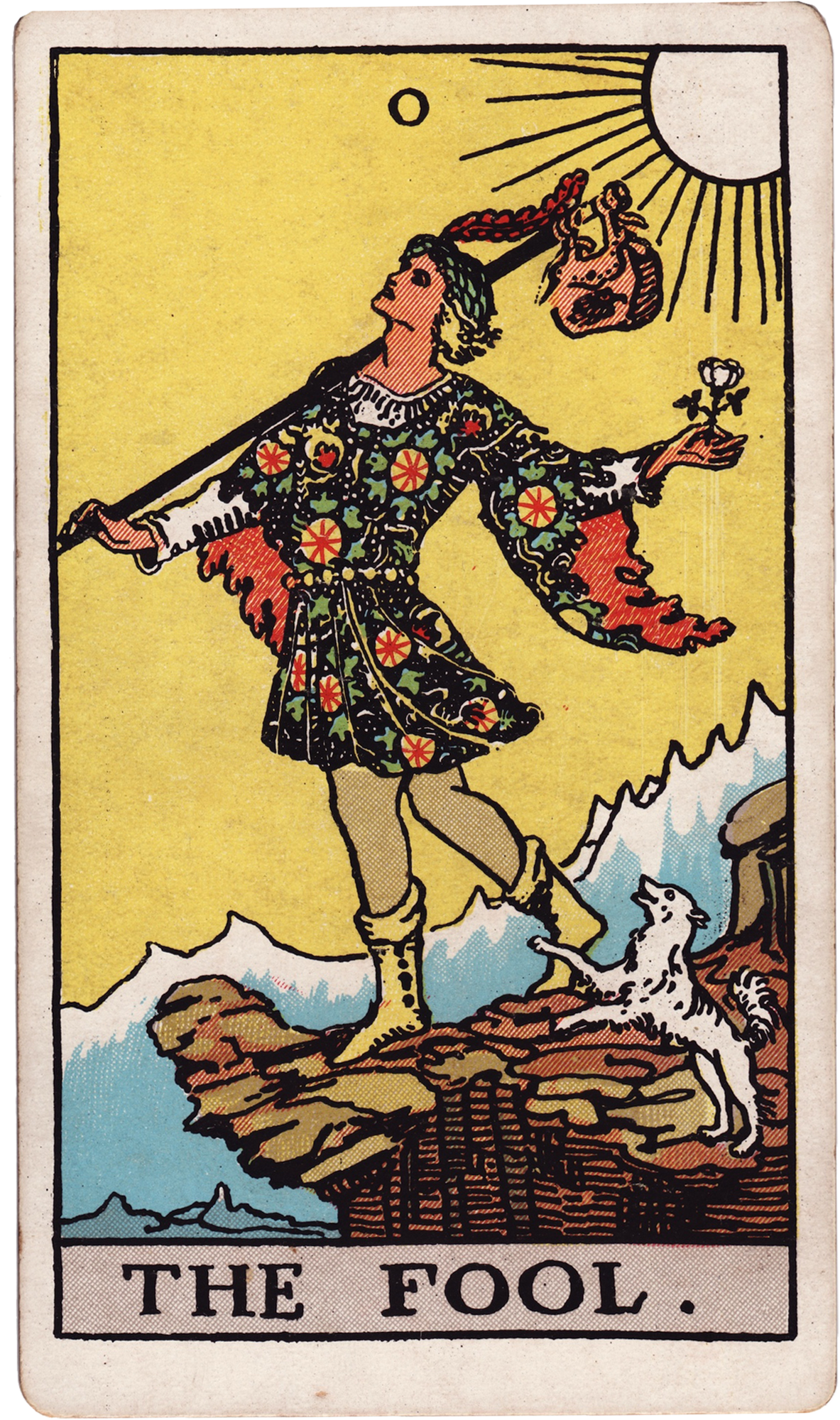 The Fool
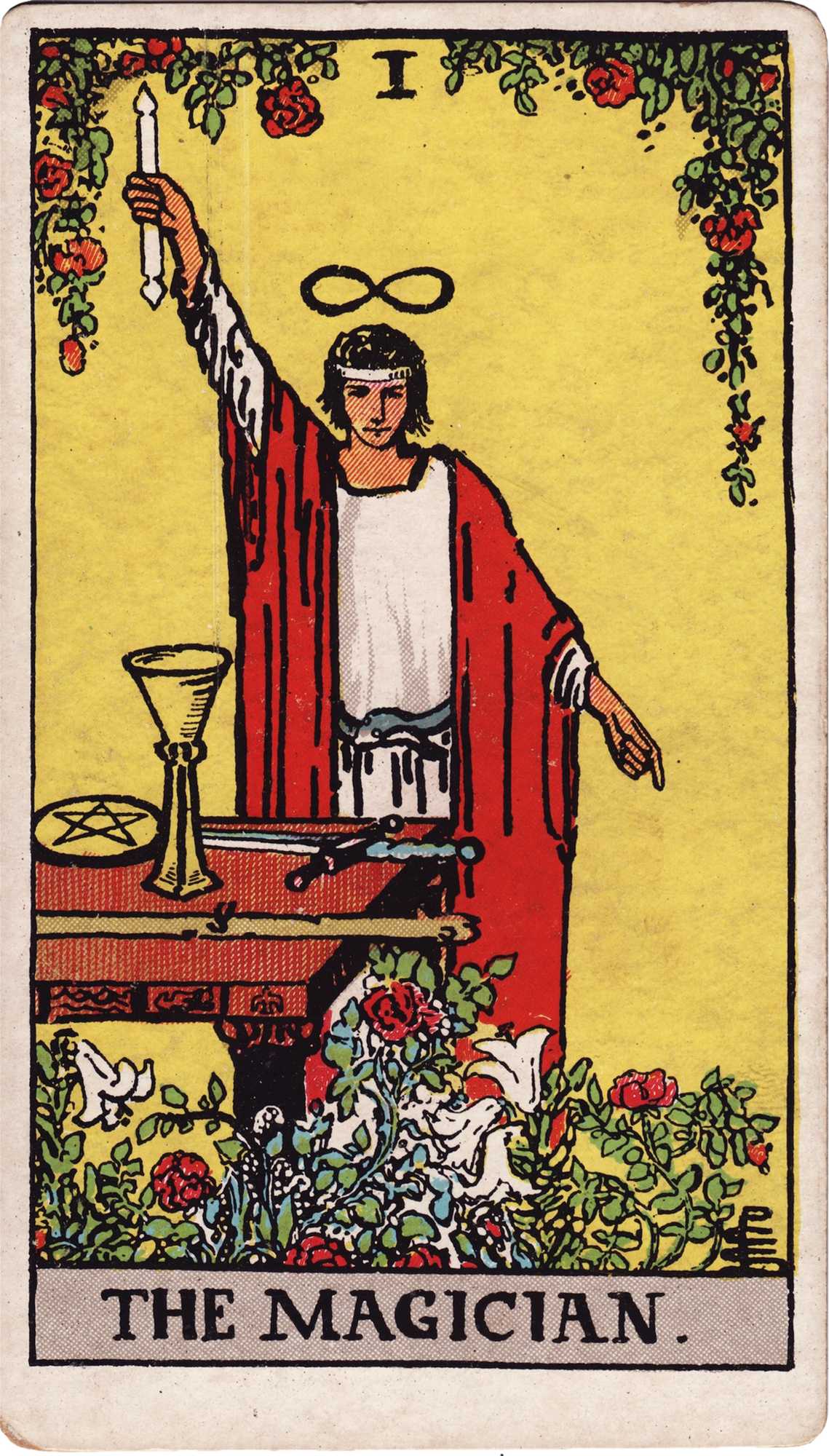 The Magician
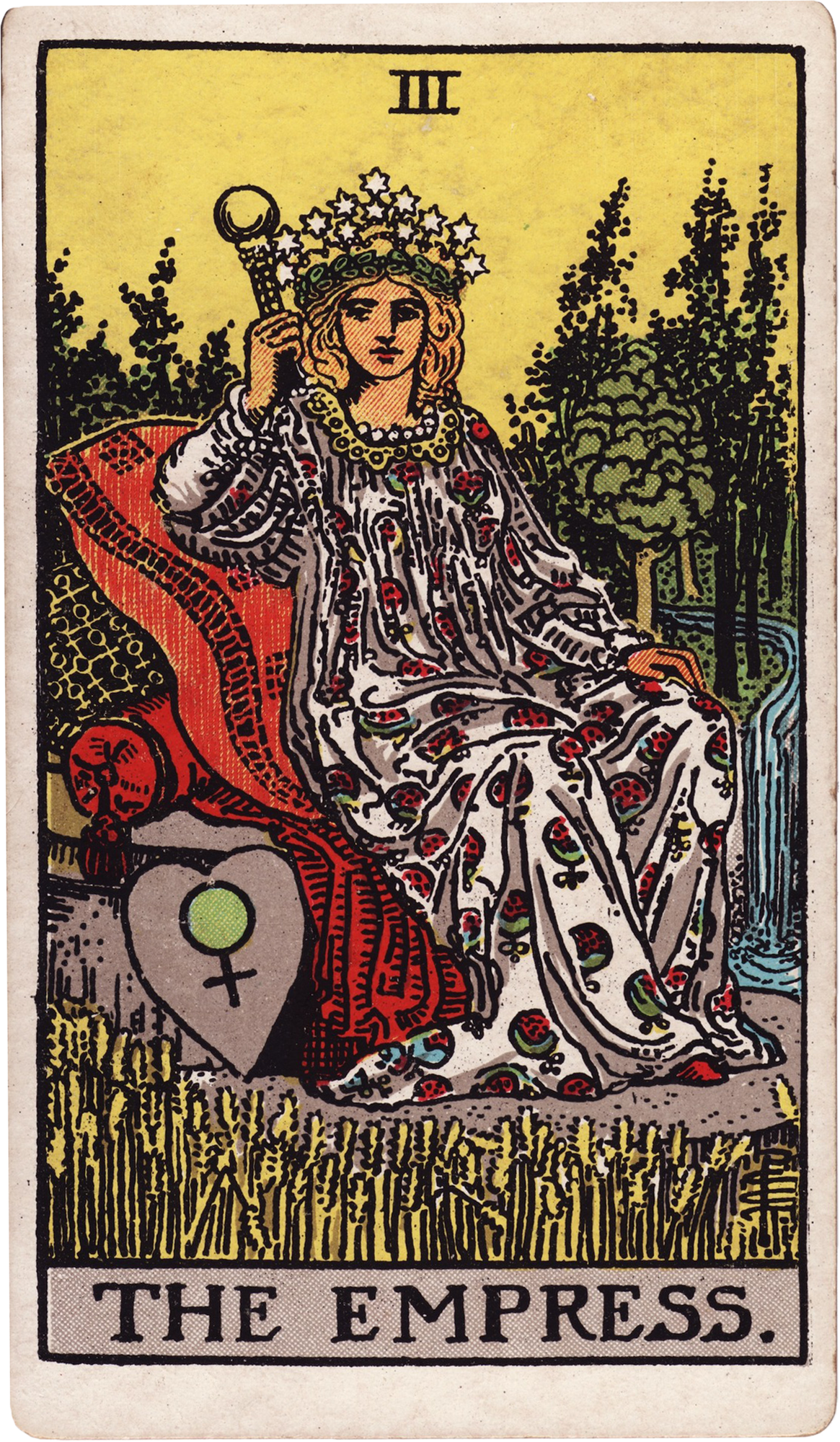 The Empress
Introduction: Why Iconography Matters for Learners
Tarot is both a living practice and a visual tradition. The images on a card are not ornamental: they are the language readers use to translate archetype into situational advice. Over centuries, artists, printers, patrons, and belief systems altered figures, attributes, gestures, colors, and contexts. Those changes shape the nuance of meaning you receive from a spread. In this article you will learn to see how imagery evolved and why those shifts matter for readings. The supplied cards—The Fool, The Magician, and The Empress—will be our constant visual reference. Each of these Major Arcana cards offers a compact set of motifs that illustratively demonstrate the kinds of changes that appear across centuries, and each also has upright and reversed meanings that align directly with specific iconographic signals (see the supplied upright/reversed text for each card).
A Brief Timeline of Tarot Iconography
Start by situating change in time. The earliest surviving tarot decks (15th‑century Visconti‑Sforza and similar Italian commissions) were handpainted luxury objects whose Major Arcana figures resembled courtly allegories and seasonal rituals. By the 17th and 18th centuries, engraved and woodcut decks like the Marseilles family standardized simpler line imagery to suit mass production. The 18th century also saw esoteric reinterpretations—Etteilla and later occultists refashioned cards into divinatory systems. In the early 20th century, the Rider‑Waite‑Smith (RWS) deck introduced deeply symbolic scenes informed by Golden Dawn correspondences; Aleister Crowley and Lady Frieda Harris later produced the Thoth deck with its own esoteric visual program. The late 20th and early 21st centuries have seen a proliferation of artistically diverse decks reflecting feminism, postcolonial critique, pop culture, and therapeutic aims. Each moment brought different priorities: status and pageantry, clarity for mass printing, occult correspondence, or cultural reinterpretation. Understanding this timeline helps explain why a 'Fool' or 'Empress' may look dramatically different from one deck to the next and why each version emphasizes particular meanings.
Core Iconographic Motifs to Track
When tracing changes, focus on repeatable, interpretable motifs rather than incidental decoration. Useful motif categories include: 1) Gesture and posture: Where is the figure looking? What is the body doing? 2) Objects and tools: Weapons, screens, cups, wands, crowns, and animals carry consistent symbolic weight. 3) Animals and companions: Dogs, birds, beasts, or mythic creatures indicate instinct, guides, or danger. 4) Landscape and setting: Cliffs, gardens, thrones, urban streets, or deserts change the card’s situational tone. 5) Clothing and age: Attire, gender presentation, or implied age reframes social roles. 6) Numbering and inscription: A zero, a number, or a title can alter a card’s conceptual place. 7) Color and patterning: Color choices anchor emotional valence and elemental correspondences. Track these motifs across historical examples to see what is added, dropped, or reinterpreted.
Close Visual Reading: The Fool
Use the supplied The Fool as a touchstone for how nineteenth‑ and twentieth‑century symbolism layered meaning onto older images. Traditional Rider‑Waite‑Smith symbols you will see and how they map to meaning: the white rose (innocence and spiritual purity), the small dog (instinct, companionship, and warning), the knapsack on a stick (experience carried lightly), and the cliff edge (liminality and risk). In upright readings the Fool emphasizes beginning before every detail is known and choosing curiosity over paralysis, as the supplied description notes. The RWS configuration—youthful figure, white rose, dog, cliff—renders the card’s message about deliberate starting both literal and metaphorical. Historically, earlier Italian and Marseilles Fools were depicted variously as ragged older vagabonds, carnival figures, or court jesters, sometimes accompanied by a donkey, a monkey, or no animal at all. Those older images emphasize social marginality and itinerancy, which can add a socioeconomic or trickster emphasis to readings. When you compare images across time, ask: Does the figure look young or aged? Is the animal a dog, monkey, or absent? Is the cliff present or replaced by a street scene? Differences change nuance: a youthful RWS Fool foregrounds potential and initiation (consistent with the supplied upright text). A ragged Marseilles Fool emphasizes instability or social outsider status. In reversed positions the supplied text for The Fool directs attention toward recklessness or avoidance; look to iconography for cues—if the dog appears aggressive or the cliff is emphasized, the reversal’s warning about consequences becomes visually louder.
Close Visual Reading: The Magician
The Magician’s iconography demonstrates how a single archetype becomes spiritually technical. The supplied Magician text emphasizes using available skills deliberately and turning potential into concrete movement. RWS symbolism that supports that reading includes the infinity symbol above the head (limitless potential or mastery over the self), the wand pointed upward and downward (the 'as above, so below' posture indicating channeling of higher into lower), and a tabletop with symbols for the four suits (representing tools and resources). Across earlier decks, the figure known in French as 'Le Bateleur' often looked like a street performer or juggler—an emphasis on skill in public performance, improvisation, and sometimes trickery. In nineteenth‑century occult reinterpretations the Magician shifted from showman to ritual practitioner: new attributes were introduced or emphasized (lemniscate, caduceus‑like belt, a clearer display of the four elements). Reading technique: when the supplied upright text encourages deliberate use of skills, look at the Magician’s objects and gestures in the table image to assess which tools are foregrounded; a prominent cup in the image suggests emotional resourcefulness will be the key, a prominent sword suggests clarity of thought or argument, and so on. When reversed (per the supplied reversed text warning about manipulation or scattered talent), iconography helps you spot where the image has been subverted: a broken tool, a distracted gaze, or diminishing symbols can justify readings about misuse or blocked capacity.
Close Visual Reading: The Empress
The Empress is a study in shifts from secular queen to mythic earth goddess. The RWS Empress includes a crown of twelve stars (cosmic or cyclical authority), a scepter (sovereignty), a shield with the Venus symbol (association with love and fertility), wheat or a lush landscape (abundance), and a throne set in nature. The supplied upright text emphasizes creating conditions for growth through consistent care and attention—exactly the kind of domestic and ecological abundance the image communicates. Historically, earlier decks sometimes presented the Empress figure as more overtly regal and less explicitly linked to fertility iconography; some portrayed her as an emblematic personification of rulership or a matronly courtier. Later occult decks amplified fertility symbolism with goddess imagery and vegetation to stress creative generativity. In reversal the supplied text notes overgiving and smothering; iconographically you will find cues—an Empress whose surroundings feel overgrown or whose posture is closed indicates potential for stagnation or self‑neglect. When reading, use the tangible symbols: crown and scepter for authority, Venus symbol for relationship values and aesthetic love, and landscape for productive capacity. A reader who knows the historical variations will be able to detect whether a particular deck emphasizes political power, maternal care, or mythic fertility and will shade the interpretation accordingly.
Technique: How to Trace Iconographic Change Step by Step
1) Select a motif and a set of decks spanning periods. Anchor on the cards you have (here: The Fool, The Magician, The Empress). 2) Inventory the visual elements on each card image using categories (gesture, objects, animal, landscape, clothing, color, inscription). For the supplied cards, list each RWS symbol and note its conventional meaning. 3) Map chronological changes: arrange images in time and mark additions, omissions, or transformations (for example: dog becomes monkey; knapsack becomes a scroll; a hat becomes an infinity symbol). 4) Consult primary sources: provenance notes, printer records, and artists’ statements when available. Recognize that some changes were pragmatic (printing constraints) while others were ideological (esoteric correspondences). 5) Read for interpretation: connect iconographic changes to shifts in meaning by asking how a change amplifies or reduces certain associations. For instance, substituting a donkey for a dog shifts the card’s social valence toward burden or stubbornness. 6) Test in practice: perform sample readings using different versions of a card and note how readers’ intuitive responses shift. 7) Document and cross‑check: keep a visual catalog, cite sources, and note when features are idiosyncratic to a deck or part of a broader trend.
Case Studies and Examples
A. The Fool’s Youthful Turn: The movement from ragged vagabond figures in early and Marseilles decks to the youthful, near‑innocent image in RWS reframes the Fool from social liminality to existential initiation. This change matters in readings: a reader anchored in RWS will more readily interpret the card as encouragement to start, while a reader familiar with Marseilles might include social displacement or trickster energy in the synthesis. B. The Magician’s Ritualization: The shift from a street performer (public skill display) to a magician with occult symbols (infinite potential, ritual posture) turns an emphasis on improvisation into one on disciplined transformation. In practice, this affects how you weigh skill vs integrity: the supplied upright/reversed Magician texts map precisely to that lineage—useful competence vs manipulation. C. The Empress’s Goddess Emphasis: As the Empress moved from a regal court presence to a goddess of nature, her message in readings expanded from worldly nurture to ecological and creative abundance. That expansion is why the supplied Empress upright text foregrounds creating conditions for growth; the image’s crown of stars, Venus shield, and lush fields literally encode that reading. Each case study shows how a change in a single motif can shift the range of meaning and how attentive readers can account for that shift.
Practical Reading Method Integrating Iconographic History
When you perform a reading and encounter The Fool, The Magician, or The Empress, use this method: 1) Note the deck and its visual language. Is the deck modern, occult, Marseilles‑style, or a hybrid? 2) Identify the immediate visual cues on the card: gestures, objects, animals, landscape. For example, on the supplied The Fool, notice the white rose, dog, and cliff; for The Magician, notice the table tools and the infinity sign; for The Empress, notice the crown, Venus shield, scepter, and vegetation. 3) Layer historically: ask which tradition the card visually references—courtly, street performer, occult, goddess—and weigh that tradition’s emphasis into your interpretation. 4) Apply the supplied upright/reversed guidance as a baseline, then refine it with the image’s specific cues. If The Magician appears upright but the image shows a prominent cup, highlight emotional resourcefulness as the actionable angle. If The Empress appears reversed and her crown is tarnished or her fields are overgrown, emphasize overgiving and self‑neglect as the supplied text suggests. 5) Cross‑reference neighboring cards for corroboration. Reversal interpretations are rarely decisive in isolation; neighboring images help determine whether a reversed Magician indicates correction or active manipulation. 6) Translate to advice. Iconography should inform both diagnosis (what’s happening) and prescription (what’s next): the Fool upright suggests a proportionate next step; the Magician upright suggests a deliberate first move using available skills; the Empress upright suggests creating conditions and consistent caregiving—each idea maps back to the imagery and the supplied meanings.
Common Mistakes and How to Avoid Them
1) Treating any single image as canonical. Decks are interpretive; RWS is influential but not definitive. 2) Confusing artist choice with historical meaning. Artists sometimes change motifs for aesthetic reasons; ask whether the change is symbolic, practical, or decorative. 3) Ignoring production context. A handpainted 15th‑century card and an 18th‑century woodcut had different technical constraints that affected imagery. 4) Overreading every small detail. Some elements are decorative; prioritize repeatable motifs and gestures that carry symbolic weight. 5) Letting preference dictate history. If you prefer a feminist Empress, you may be tempted to read that into earlier images where it’s not present. Avoid projecting modern categories onto historical images without support. 6) Neglecting reversal nuance. Reversals are not uniformly 'bad'—the supplied reversed texts for these cards emphasize blocked or exaggerated expression and potential for correction. Use iconography to determine which nuance applies. 7) Forgetting the reader’s role. Visual signals invite interpretation; your cultural background and experience will inform which motifs you notice first. Practice disciplined comparative work to temper bias.
Conclusion: Reading Change as a Skill
Iconography is not static. Decks are conversations across time: artists translate older motifs into new idioms, occultists overlay correspondences, and contemporary creators reframe archetypes for modern concerns. For learners, the skill is not to memorize every historical fact but to develop an eye for what changed, how those changes alter emphasis, and how to integrate that awareness into readings. Anchor your learning with concrete visual study: use the supplied images of The Fool, The Magician, and The Empress to practice the inventory and mapping techniques above. Each time you encounter a new deck, ask: which tradition does this card inherit, which symbols are added or omitted, and how should that inform what I say when the card appears in a spread? That practice will make your readings both historically informed and practically useful.
Practice questions
• Which motif on the supplied The Fool image (white rose, dog, cliff, knapsack) changes your usual interpretation most when compared to older vagabond representations, and why?
• When you look at the supplied The Magician, which of the tools on the table seems most prominent, and how would that affect the practical advice you offer?
• How does the presence of the Venus symbol and the crown of stars on the supplied The Empress image refine your sense of authority and fertility in a reading?
• Think of a deck you use. Which historical tradition does it most visually reference (Marseilles, RWS, handpainted Italian, modern reinterpretation), and how does that influence how you translate images to meaning?
• When a supplied card appears reversed, what specific visual cues do you use to decide whether reversal indicates blockage, correction, or distortion?
• Describe an example from your practice where knowing a card’s historical iconographic shift changed the guidance you offered to a querent.
Comments
Sign in to comment.
Continue learning
Interpreting the Dance of Justice and The Devil: Balancing Morality and Temptation in Tarot Readings
The combination of Justice and The Devil in tarot presents a profound exploration of morality, temptation, and personal accountability. This article unpacks how these cards influen...
Advanced Techniques for Combining The Moon and The Star to Enhance Intuition in Tarot Readings
This article explores advanced techniques to combine the symbolism and energy of The Moon and The Star Tarot cards to enhance intuition during Tarot readings. Drawing from traditio...
Unlocking Life Insights with the Celtic Cross Tarot Spread
This article offers a thorough exploration of the Celtic Cross Tarot Spread, focusing on its application within family and practical life contexts. Using a worked example featuring...
Unlocking Hidden Meanings with The Hermit and The Hanged Man for Spiritual Growth
This article offers an in-depth exploration of The Hermit and The Hanged Man Tarot cards focusing on their roles in spiritual growth. It guides readers through beginner and advance...
Unlocking Personal Insight with the Seven Card Horseshoe Spread
The Seven Card Horseshoe Spread is a practical and insightful Tarot layout ideal for exploring personal and family dynamics. This article breaks down each position—Past, Present, H...
Mastering the Court Cards of Wands for Unlocking Personal Drive and Leadership
The Court Cards of Wands represent a dynamic spectrum of personal energy, ambition, and leadership potential within the Minor Arcana. This article offers a comprehensive exploratio...
Tracing the Origins and Evolution of The Fool Card in Tarot History
The Fool card holds a foundational place in tarot tradition, symbolizing beginnings, openness, and the embrace of uncertainty. This article traces its origins from early European d...
Techniques for Reading Court Cards to Unlock Personality Insights
Court cards in Tarot often represent people, personality traits, or energy patterns within a situation. This article offers a structured approach for beginners and advanced readers...
Unlocking Emotional Transformation with Death and The Moon Tarot Combination
This article explores the rich and complex interaction between the Death and The Moon tarot cards within the Rider-Waite-Smith tradition, focusing on their combined potential to un...
Applying The Star Card to Foster Hope and Renewal in Personal Growth
The Star card in Tarot symbolizes hope, authenticity, and the process of steady renewal. In a single-card reading, The Star encourages embracing what is present, cultivating openne...