
Uncovering the Origins and Evolution of the Tarot Deck Through History and Tradition
The Tarot deck has a complex and fascinating history that intertwines cultural, mystical, and symbolic traditions. This article explores the origins of Tarot cards, their transformation across centuries, and how key cards such as The Fool, The Magician, and The High Priestess illustrate the deck’s evolution in both art and meaning. Emphasizing historical context and practical interpretative techniques, it guides learners to understand Tarot not just as a divinatory tool but as a living tradition that encourages curiosity, skillful engagement, and intuitive insight. Readers will gain a nuanced framework for reading Tarot cards that respects tradition while applying flexible, thoughtful interpretation.
Cards explored in this article
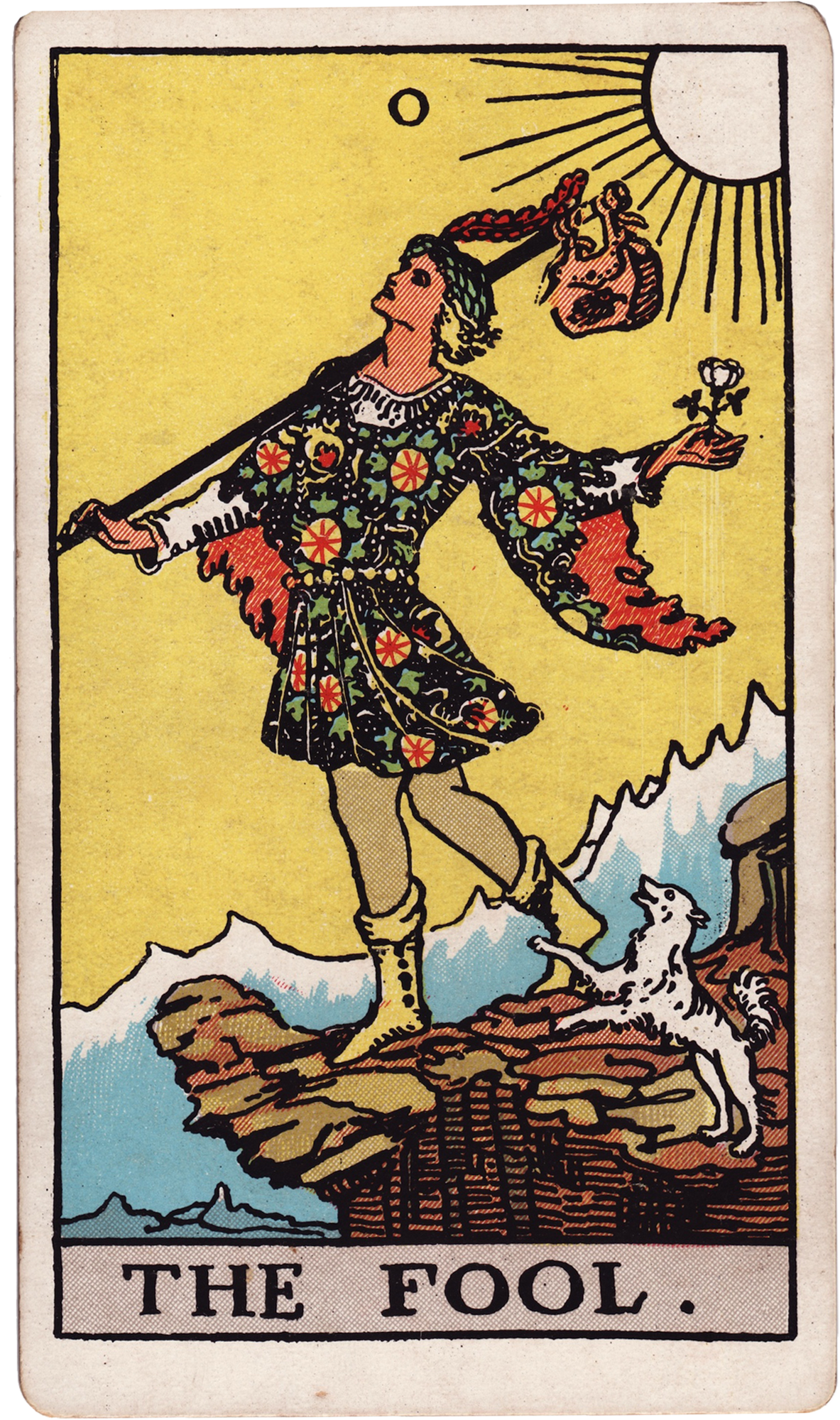 The Fool
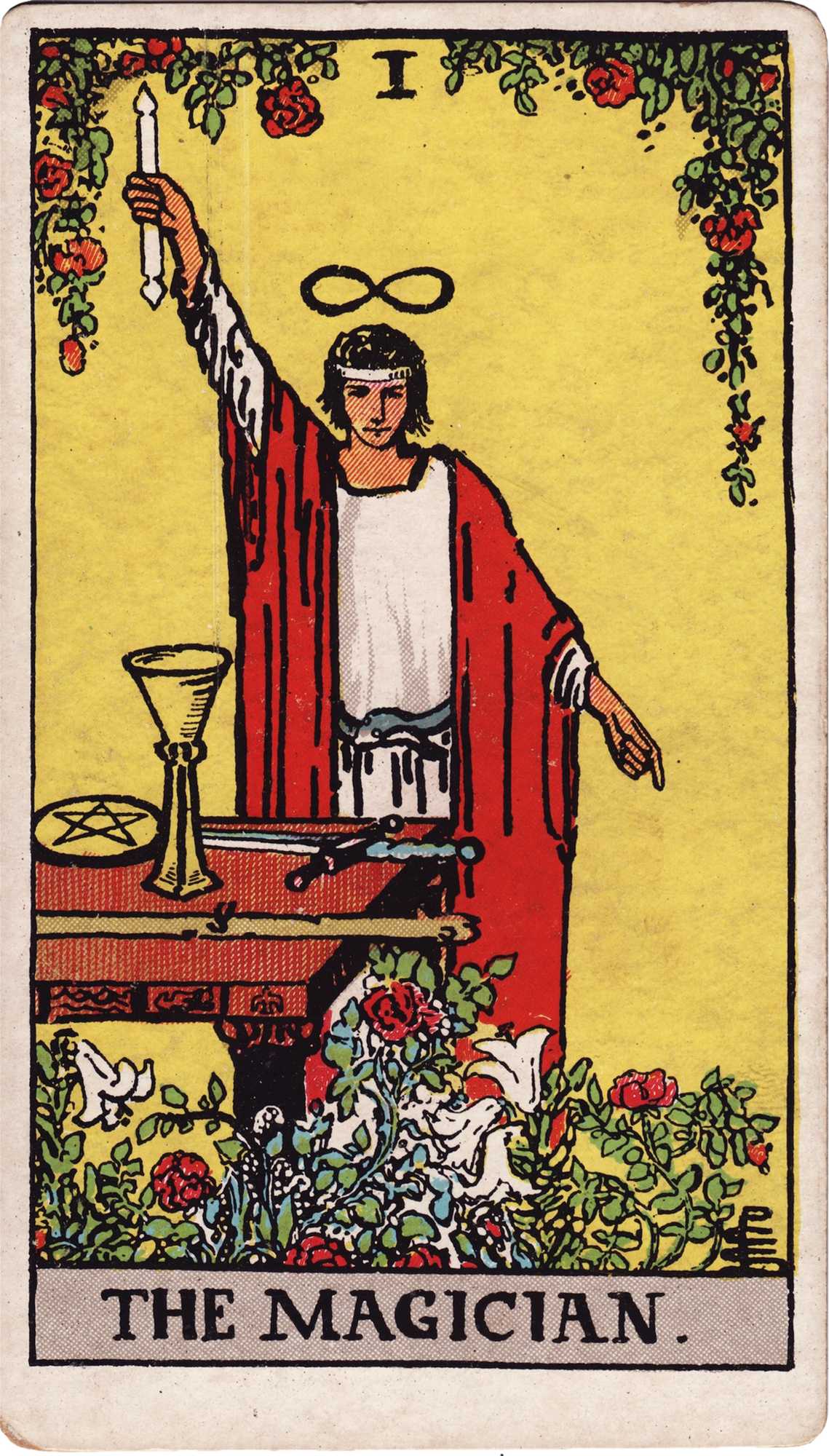 The Magician
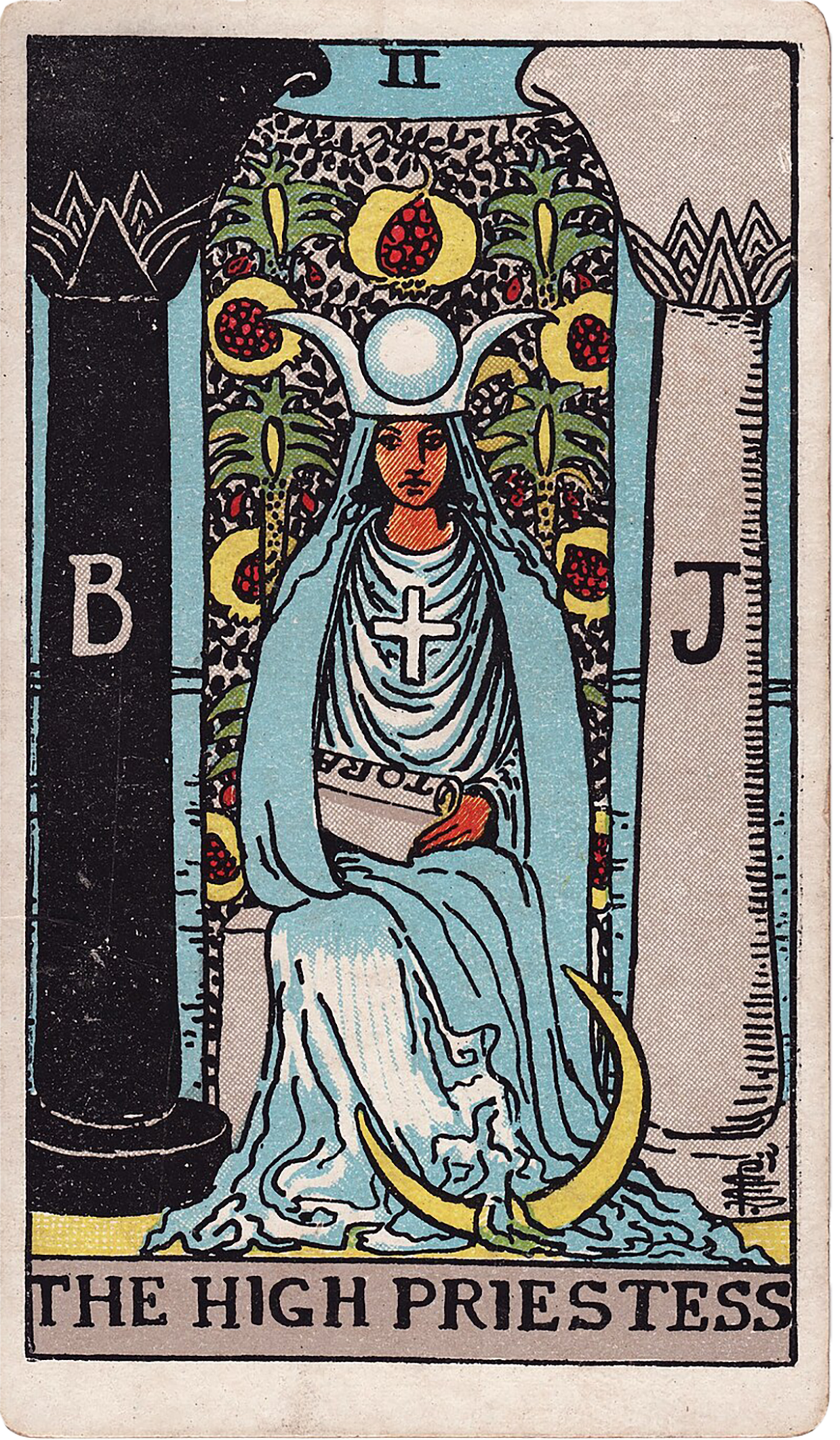 The High Priestess
The Mysterious Origins of the Tarot Deck
The Tarot deck's beginnings are shrouded in mystery, with origins often traced back to 15th-century Europe. Tarot cards initially emerged as playing cards, known as "carte da trionfi" or triumph cards, used in games among the Italian nobility. Over time, these cards incorporated allegorical and symbolic imagery, hinting at deeper meanings beyond mere play. The earliest decks were hand-painted, often commissioned by wealthy patrons, reflecting themes from medieval and Renaissance culture. The transformation of Tarot into a tool for divination and spiritual insight came later, likely in the 18th century, when occultists began associating the cards with esoteric knowledge. This shift was influenced by mystical traditions such as Kabbalah, Hermeticism, and alchemy, which imbued the cards with layers of symbolic depth. Understanding this progression helps learners appreciate Tarot as both a product of its historical context and a vessel for evolving human consciousness.
The Structure and Symbolism of the Tarot Deck
The traditional Tarot deck is divided into two main groups: the Major Arcana and the Minor Arcana. The Major Arcana consists of 22 cards representing archetypal themes and life lessons, while the Minor Arcana comprises four suits that reflect everyday experiences and emotions. Focusing on the Major Arcana provides insight into fundamental human experiences. For example, The Fool represents beginnings, openness, and the courage to step into the unknown. The Magician emphasizes skill, intention, and the harnessing of potential, while The High Priestess invites quiet reflection, intuition, and hidden knowledge. These three cards illustrate core aspects of the Tarot’s symbolic language which have remained consistent since the Rider-Waite-Smith deck popularized their imagery in the early 20th century. The Fool, depicted as a carefree traveler with a small dog, symbolizes a fresh start or leap of faith, encouraging curiosity and the embrace of uncertainty. The Magician stands with one hand pointed to the sky and the other toward the earth, signifying the ability to manifest intentions through focus and will. The High Priestess, seated between two pillars and holding a scroll, embodies mystery, inner wisdom, and the importance of listening beneath surface appearances.
Evolution Through Rider-Waite-Smith and Beyond
The Rider-Waite-Smith deck, first published in 1909, revolutionized Tarot by emphasizing detailed, evocative imagery that conveyed clear symbolic messages accessible even to beginners. Illustrated by Pamela Colman Smith under the guidance of Arthur Edward Waite, the deck’s Major Arcana cards use archetypal scenes that invite intuitive engagement. This deck’s approach contrasts with earlier Tarot designs that often featured minimal or cryptic visuals. The Rider-Waite-Smith deck’s symbolism draws heavily on Hermetic and mystical traditions but also translates them into everyday accessible imagery. For example, The Fool’s carefree stance encourages readers to embrace new beginnings despite unknowns, rather than fearing recklessness. The Magician’s tools on the table represent the four elements—earth, air, fire, and water—signaling mastery over all domains. The High Priestess’s moon and veil invite quiet discernment and trusting inner guidance. Modern Tarot practice continues to evolve, yet the Rider-Waite-Smith’s influence remains foundational. Readers today benefit from its clarity while also exploring more diverse decks and interpretations that reflect contemporary spiritual and psychological insights.
Interpreting Key Cards Within Historical and Symbolic Context
Reading Tarot well requires more than memorizing meanings; it involves engaging with the cards’ symbolism and asking constructive questions. The Fool, The Magician, and The High Priestess each model distinct approaches to life’s challenges and opportunities. For example, The Fool upright encourages learners to ask: "Where can I begin despite uncertainty?" This card advocates starting with curiosity and openness, using what is presently available rather than waiting for perfect conditions. Reversed, The Fool warns against recklessness or avoidance, inviting reflection on where fear or naivety block progress. The Magician upright signals the need to harness skills deliberately and set clear intentions. It prompts questions like: "How can I communicate and act with integrity and focus?" Reversed, the card cautions against manipulation or scattered efforts, encouraging a re-centering of will and honesty. The High Priestess upright invites trust in inner knowing and patience with unfolding insight. It asks: "What truths lie beneath appearances?" Reversed, it may highlight disconnection from intuition or secrecy, signaling a need to realign with genuine inner wisdom. These interpretations connect directly to Rider-Waite-Smith symbolism, where visual cues guide psychological and spiritual understanding. For instance, the scroll The High Priestess holds is a symbol of hidden knowledge, while the Magician’s infinity symbol above his head denotes unlimited potential when focused consciously.
Common Mistakes and Practical Reading Techniques
A frequent mistake among Tarot learners is rigidly assigning fixed meanings to cards without considering context or the flow of a reading. Cards like The Fool and The Magician are dynamic archetypes that change meaning depending on question, position, and surrounding cards. Practically, beginning readers should start by studying each card’s imagery carefully, noting elements such as posture, symbols, colors, and background. For example, The Fool’s carefree stride with a knapsack and dog illustrates innocence and companionship on a new journey. The Magician’s table displaying the cup, sword, wand, and pentacle represents mastery over emotion, intellect, will, and material reality. When interpreting, always ask what the card’s lesson or quality suggests about the situation, rather than predicting fixed outcomes. For example, seeing The High Priestess reversed might not predict misfortune but invite the querent to consider whether they are ignoring inner guidance or hiding truths from themselves. Journaling readings and reflecting on how the cards’ themes relate to personal experience deepens understanding. Over time, readers learn to balance traditional meanings with intuitive messages and the energy of the querent’s question.
Connecting Family History and Tradition to Tarot Practice
Many Tarot enthusiasts find that exploring their own family history and cultural traditions enriches their relationship with the cards. The Tarot deck, especially through cards like The Fool, The Magician, and The High Priestess, resonates with universal human experiences including beginnings, creativity, and wisdom that often manifest within family narratives. For instance, The Fool can symbolize the courage of ancestors who ventured into new territories or life phases without certainty. The Magician might represent the skills and talents passed down through generations, emphasizing the importance of deliberate action and integrity. The High Priestess may connect to inherited intuition, secret knowledge, or the honoring of feminine wisdom in family traditions. Practitioners are encouraged to weave these personal and ancestral stories into their Tarot readings, deepening insight and grounding the practice in lived experience. This approach embodies the Tarot’s evolution as a living tradition rather than a static system.
Conclusion The Tarot as a Living Tradition of Insight and Growth
The Tarot deck’s origins and evolution highlight its role as a bridge between history, symbolism, and personal transformation. Through the lenses of The Fool, The Magician, and The High Priestess, learners can grasp how the deck invites curiosity, skillful manifestation, and deep inner listening. Approaching Tarot with respect for its historical roots and openness to intuitive insight allows readers to move beyond fixed predictions to a nuanced engagement with life’s questions. By recognizing common interpretive challenges and grounding readings in the rich symbolism of cards like those supplied here, learners develop practical, meaningful Tarot skills. Ultimately, the Tarot deck stands as a powerful tool to connect tradition with personal growth, encouraging each querent to embark on their own journey of discovery with openness, deliberate intention, and quiet wisdom.
Practice questions
• How does understanding the historical origins of the Tarot deck influence your approach to reading the cards?
• In what ways do The Fool, The Magician, and The High Priestess reflect different stages or qualities in personal growth?
• How can studying the symbolism in Rider-Waite-Smith imagery deepen your interpretations beyond keyword meanings?
• What family or cultural traditions resonate with the themes represented by these key Major Arcana cards?
• How might you balance traditional Tarot meanings with your own intuitive insights in a reading?
Comments
Sign in to comment.
Continue learning
Interpreting the Dance of Justice and The Devil: Balancing Morality and Temptation in Tarot Readings
The combination of Justice and The Devil in tarot presents a profound exploration of morality, temptation, and personal accountability. This article unpacks how these cards influen...
Advanced Techniques for Combining The Moon and The Star to Enhance Intuition in Tarot Readings
This article explores advanced techniques to combine the symbolism and energy of The Moon and The Star Tarot cards to enhance intuition during Tarot readings. Drawing from traditio...
Unlocking Life Insights with the Celtic Cross Tarot Spread
This article offers a thorough exploration of the Celtic Cross Tarot Spread, focusing on its application within family and practical life contexts. Using a worked example featuring...
Unlocking Hidden Meanings with The Hermit and The Hanged Man for Spiritual Growth
This article offers an in-depth exploration of The Hermit and The Hanged Man Tarot cards focusing on their roles in spiritual growth. It guides readers through beginner and advance...
Unlocking Personal Insight with the Seven Card Horseshoe Spread
The Seven Card Horseshoe Spread is a practical and insightful Tarot layout ideal for exploring personal and family dynamics. This article breaks down each position—Past, Present, H...
Mastering the Court Cards of Wands for Unlocking Personal Drive and Leadership
The Court Cards of Wands represent a dynamic spectrum of personal energy, ambition, and leadership potential within the Minor Arcana. This article offers a comprehensive exploratio...
Tracing the Origins and Evolution of The Fool Card in Tarot History
The Fool card holds a foundational place in tarot tradition, symbolizing beginnings, openness, and the embrace of uncertainty. This article traces its origins from early European d...
Techniques for Reading Court Cards to Unlock Personality Insights
Court cards in Tarot often represent people, personality traits, or energy patterns within a situation. This article offers a structured approach for beginners and advanced readers...
Unlocking Emotional Transformation with Death and The Moon Tarot Combination
This article explores the rich and complex interaction between the Death and The Moon tarot cards within the Rider-Waite-Smith tradition, focusing on their combined potential to un...
Applying The Star Card to Foster Hope and Renewal in Personal Growth
The Star card in Tarot symbolizes hope, authenticity, and the process of steady renewal. In a single-card reading, The Star encourages embracing what is present, cultivating openne...