
Exploring Symbolism and Hidden Meanings of The Devil Card in Personal Transformation
This article explores The Devil card’s rich symbolism and its nuanced meanings in personal transformation, particularly in the context of family symbolism studies. By examining both the upright and reversed positions of The Devil as depicted in the supplied Tarot card images, readers will gain insight into recognizing unhealthy attachments, fear, desire, and the pathways towards conscious change. The article integrates Rider-Waite-Smith traditional symbolism with modern psychological perspectives, practical reading techniques, common interpretive errors, and reflective questions to deepen understanding and application.
Cards explored in this article
 The Devil
Introduction to The Devil Card and Its Symbolism
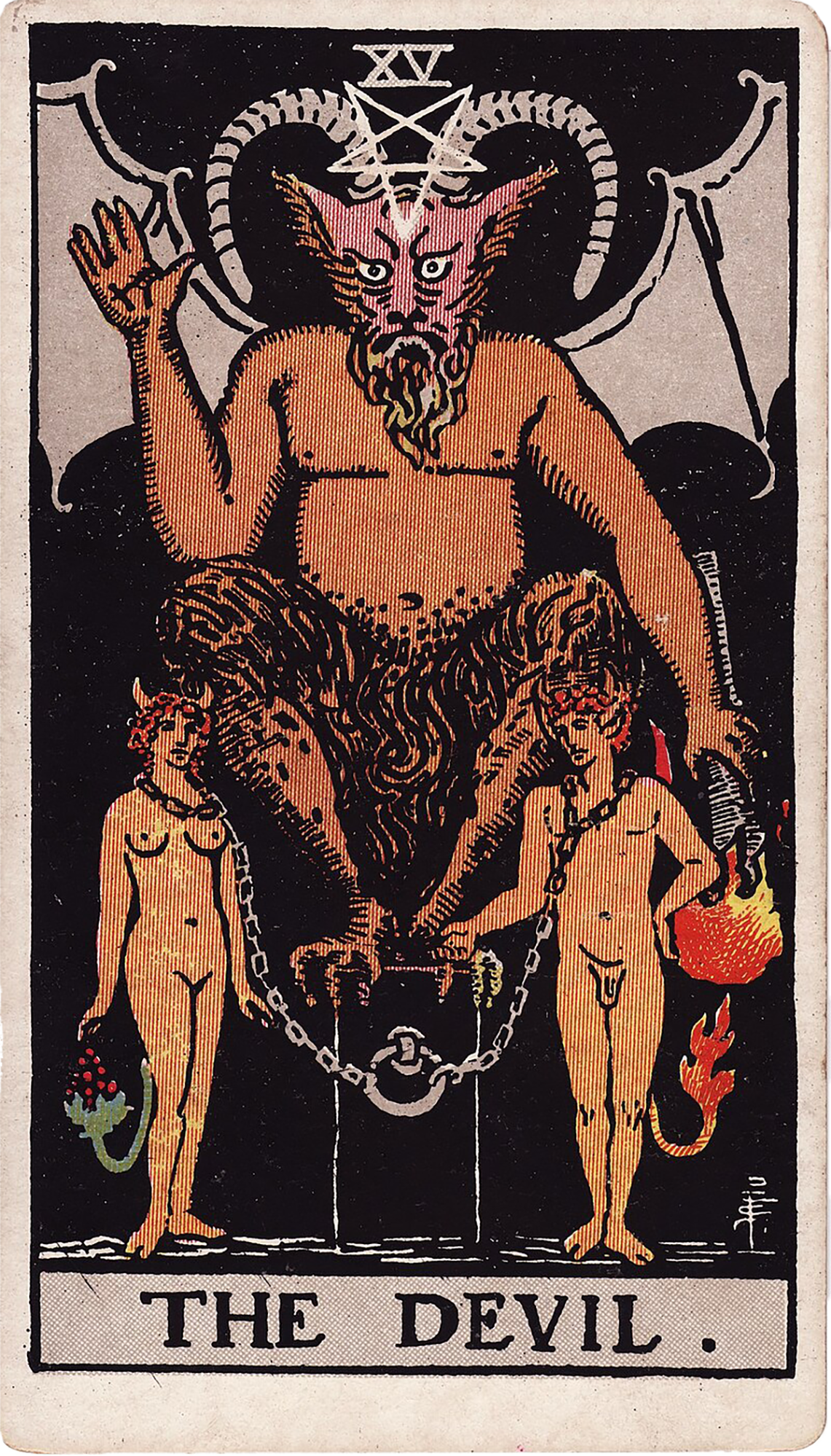
The Devil card is one of the most visually striking and symbolically dense cards in the Tarot deck. Traditionally linked to bondage, materialism, and temptation, its imagery invites profound reflection rather than simple fear. The supplied card image depicts the classic Rider-Waite-Smith portrayal: a horned figure with bat wings, a pentagram on its forehead, and two chained human figures attached to its pedestal. Each element encodes layers of meaning relevant to personal and family dynamics. The card’s symbolism goes beyond literal devilishness, representing the inner forces of attachment, desire, and fear that can trap individuals in unhealthy cycles. In family symbolism studies, The Devil often points to inherited patterns of behavior or emotional binding that require recognition for transformation. This article approaches The Devil not as a harbinger of doom but as a mirror reflecting where conscious work can reclaim autonomy.
Traditional Rider-Waite-Smith Symbolism in The Devil Card
The imagery on the supplied card reveals several traditional symbols: - The horned figure symbolizes primal instincts and suppressed shadows. - The inverted pentagram on the forehead signifies material over spiritual dominance and the presence of base desires. - The bat wings hint at night, the unconscious, and hidden fears. - The two humans, male and female, chained but with loose collars, represent self-imposed bondage rather than external imprisonment. These symbols communicate the tension between awareness and unconscious attachment. The chains suggest that breaking free is possible through realizing that the bonds are voluntary or mental rather than physical. Understanding these symbols equips the reader to interpret the card’s message as an invitation to examine personal and familial attachments and fears.
Upright The Devil Card in Personal Transformation
When the supplied Devil card appears upright in a reading, it emphasizes the importance of recognizing and naming unhealthy attachments. These may manifest as addictive behaviors, toxic family roles, or desires that distort authentic self-expression. The card encourages clear honesty about where fear or gratification have become forms of bondage. The imagery of the chained figures reminds us to ask: where have we allowed patterns to continue out of comfort or denial? Importantly, the card does not promise an easy resolution but highlights the potential for conscious engagement. Practical reading techniques include asking the querent where boundaries might be unclear, what desires remain unspoken, and what fears inhibit change. Using the card’s symbolism as a tool, readers can help identify the next deliberate step, moving from unconscious entrapment toward empowerment. For example, in family dynamics, The Devil may point to inherited secrets or role expectations that maintain dysfunctional cycles. Naming these is the first step toward transformation.
Reversed The Devil Card and Its Psychological Dimensions
The reversed Devil card in the supplied image directs attention to internal processes related to breaking patterns and confronting denial. Unlike a simplistic 'good or bad' dichotomy, reversal signifies a more complex state: blockage, delay, or a turning inward. Commonly, reversal marks a stage where the individual begins to perceive the chains that bind them but has not yet fully liberated themselves. This can involve shame or resistance to facing desire honestly. The Devil reversed may also suggest premature declarations of freedom without addressing the root causes of attachment. In readings, the reversed card often invites questions about where energy is being distorted. Is the querent avoiding a necessary boundary? Is there denial around a family pattern? Are attempts at freedom sabotaged by unresolved internal conflict? Because reversals can show private or psychological shifts, examining surrounding cards is essential to discern whether the reversal signals recovery, resistance, or an imbalance requiring integration.
Common Mistakes When Interpreting The Devil Card
A frequent error is reading The Devil card solely as a sign of external evil or inevitable misfortune. This narrow interpretation misses the card’s core teaching about self-imposed limitations and unconscious patterns. Another mistake is ignoring the nuances between upright and reversed positions, especially the psychological depth the reversal brings. Oversimplifying reversal as merely 'good news' or 'bad news' undermines the card’s instructive complexity. Additionally, failing to anchor interpretations in the card’s imagery — such as the looseness of chains or the pentagram’s inverted position — can lead to superficial readings. Instead, readers should engage deeply with symbols to guide ethical questions about choice, awareness, and responsibility. Finally, neglecting the card’s temporal and contextual cues results in readings that lack practical guidance. The Devil calls for conscious steps here and now, not vague future promises.
Practical Techniques for Reading The Devil Card in Family Symbolism Studies
When working with The Devil card within family symbolism, readers should consider patterns of emotional and behavioral inheritance. Begin by inviting the querent to identify any family roles or expectations that feel confining. Use the card’s image to discuss how bonds can be psychological rather than physical — for example, guilt, shame, or loyalty that inhibits personal growth. Explore desires that may be unacknowledged within family systems and how fear of judgment can perpetuate cycles of secrecy or addiction. The Devil’s upright position suggests naming these honestly, while the reversed position may reveal denial or beginning awareness. Apply boundary-focused questions: What clearer boundaries could the querent set? Where might deeper honesty facilitate change? What small, deliberate steps can be taken now, based on the card’s message? Incorporate reflection on the card's traditional symbols to support emotional literacy — for example, discussing the significance of the bat wings as representing unconscious fears shared across generations.
Interpretation Logic and Integration of The Devil Card Messages
Interpreting The Devil card requires balancing symbolic awareness with practical insight. The logic follows several steps: 1. Identify if the card is upright or reversed, noting the differing emphases on visible bondage versus internalized struggle. 2. Analyze the card’s imagery closely to uncover layers of meaning related to desire, fear, attachment, and freedom. 3. Situate the card’s message within the querent’s context, especially regarding family dynamics and inherited patterns. 4. Formulate questions that encourage active reflection and stepwise engagement rather than passive prediction. 5. Correlate the Devil’s energies with neighboring cards to clarify if the situation is one of resistance, emerging insight, or imbalance. By integrating these steps, readers transform The Devil from a card of apprehension into a powerful symbol of personal awakening and transformation.
Examples of The Devil Card in Practice
Consider a querent who draws The Devil upright while exploring family relationship issues. The reader might focus on how family expectations have created invisible chains, such as pressure to maintain appearances or suppress emotions. The card’s symbolism suggests the querent name these attachments and identify where fear or desire limit authentic communication. If the card appears reversed in a similar context, the reading might explore emerging awareness of these dynamics but also resistance or shame blocking change. The querent could be in the early stages of breaking free yet still unconsciously tied to old guilt. In both cases, practical advice grounded in the card’s message could include setting clearer boundaries with family members, engaging in honest dialogue about desires and fears, and taking small conscious steps to reclaim autonomy. These examples illustrate that The Devil card’s power lies in its invitation to conscious transformation rather than mere prediction of fate.
Practice questions
• Where in my life or family do I recognize patterns of attachment or bondage similar to those depicted in The Devil card?
• How might fear or unacknowledged desires be influencing my choices and relationships?
• What boundaries do I currently lack that could help me move from unconscious entrapment to conscious freedom?
• In what ways might I be denying or avoiding aspects of myself that The Devil card asks me to face?
• How can I use the symbolism of The Devil card to take a deliberate next step in my personal transformation?
Comments
Sign in to comment.
Continue learning
Interpreting the Dance of Justice and The Devil: Balancing Morality and Temptation in Tarot Readings
The combination of Justice and The Devil in tarot presents a profound exploration of morality, temptation, and personal accountability. This article unpacks how these cards influen...
Understanding The Devil Card in Overcoming Addictions and Finding Personal Freedom
The Devil card, often misunderstood as purely negative, offers profound insights into addiction, bondage, and personal empowerment when approached with awareness. This article unpa...
Using the Five Card Cross Spread to Navigate Ethical Dilemmas with Confidence
The Five Card Cross spread is a practical and versatile tool for exploring complex ethical dilemmas and making confident decisions. This article guides learners through each positi...
Mastering Dual Interpretations with The Hanged Man and The Devil in Tarot Readings
This article guides tarot learners through mastering the dual interpretations of The Hanged Man and The Devil cards. Using traditional Rider-Waite-Smith symbolism and supplied card...
Unlocking the Dynamics of The Devil and The Tower for Facing Life's Challenges
This article delves into the rich and complex relationship between The Devil and The Tower tarot cards as a powerful combination for navigating significant life challenges. By grou...
Understanding the Devil Card in Overcoming Personal Shadows and Temptations
The Devil card in the Tarot deck is often misunderstood as a simple symbol of evil or misfortune. However, its true power lies in illuminating unconscious bonds, desires, and fears...
Unlocking Emotional Healing and Hope with The Star and The Devil Tarot Combination
This article delves into the powerful card combination of The Star and The Devil from the Rider-Waite-Smith tarot deck, revealing how their symbolic interplay unlocks pathways to e...
Understanding the Multifaceted Role of The Devil in Overcoming Inner Blocks and Personal Growth
The Devil tarot card holds deep lessons about unhealthy attachments, fear, and desire that can both block and catalyze personal growth. This article explores The Devil’s upright an...
Exploring The Devil Card in Overcoming Inner Blocks and Embracing Personal Freedom
The Devil card in tarot embodies complex themes of attachment, desire, fear, and bondage. This article examines how The Devil’s upright and reversed positions provide deep insights...
Understanding The Devil Card in Overcoming Inner Blocks and Personal Growth
The Devil card in Tarot is often misunderstood as a purely negative omen, but in truth, it offers profound insights into the nature of inner bondage, unhealthy attachments, and the...