
Mastering Dual Interpretations with The Hanged Man and The Devil in Tarot Readings
This article guides tarot learners through mastering the dual interpretations of The Hanged Man and The Devil cards. Using traditional Rider-Waite-Smith symbolism and supplied card contexts, it explains upright and reversed meanings, common pitfalls, and practical reading strategies. Readers will gain tools to deepen their understanding of these archetypal cards, enhancing reading skills for both beginner and advanced practitioners.
Cards explored in this article
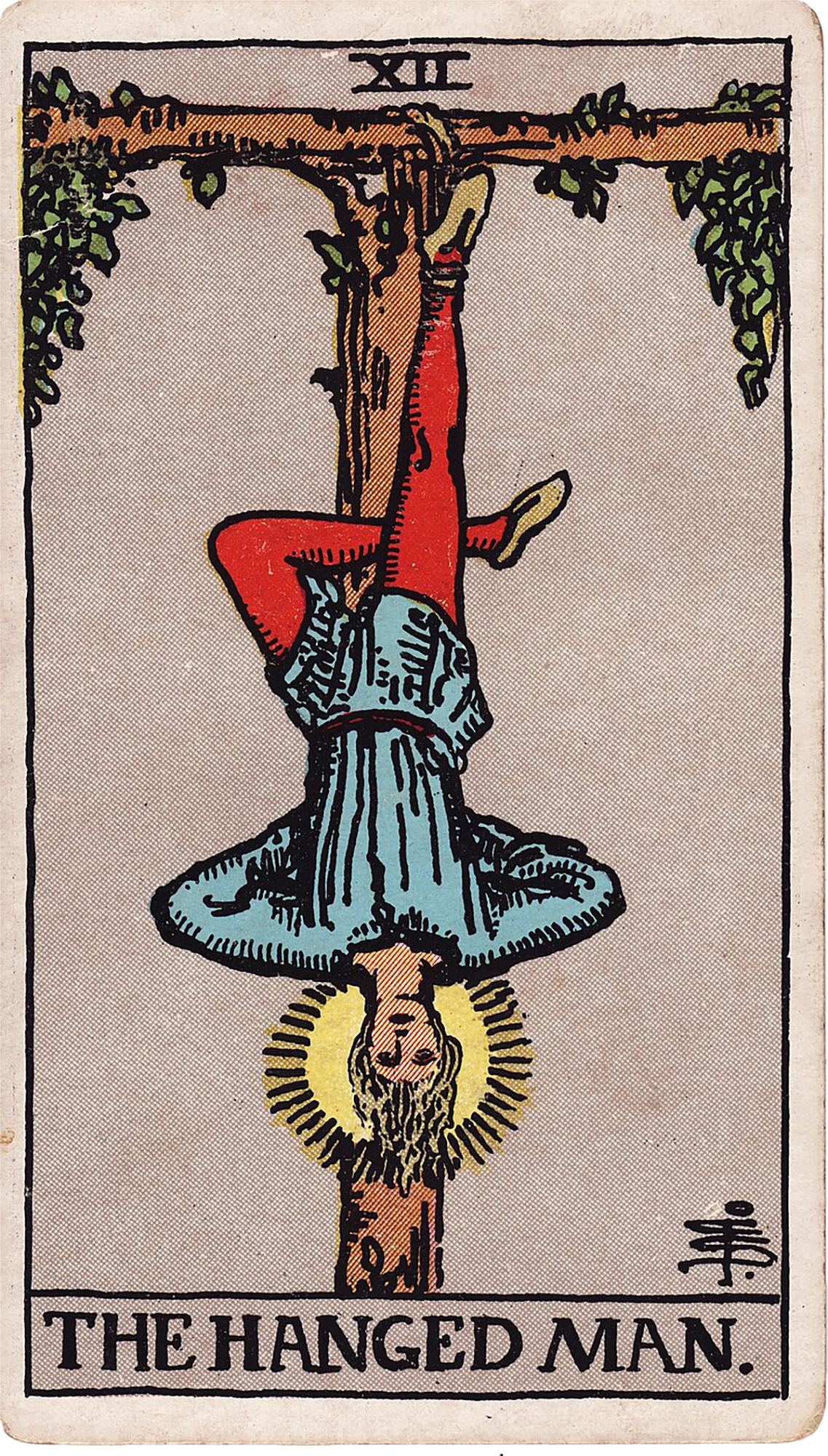 The Hanged Man
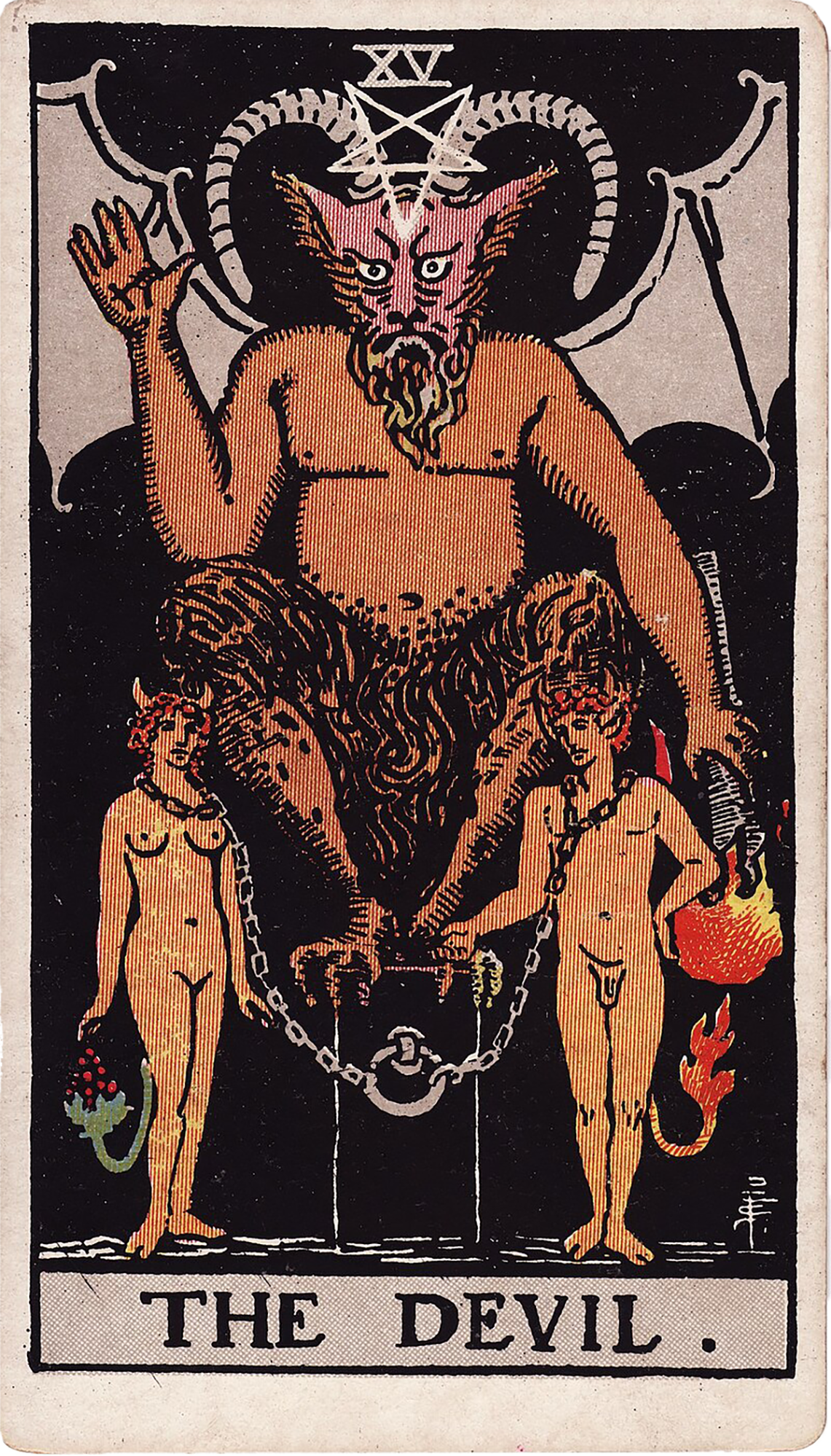 The Devil
Understanding The Hanged Man Upright and Reversed
The Hanged Man, as shown in the supplied card image, presents a figure suspended upside down, symbolizing deliberate pause, surrender, and perspective shift. Upright, this card encourages the querent or reader to embrace intentional waiting and release of control. It suggests that clarity emerges not by force but by allowing the situation to be seen from a new angle. The card invites reflection on where direct responses, clearer boundaries, or deeper honesty might advance the issue. Practically, it signals that the key problem is visible enough to engage consciously and that the next step should be proportionate to current conditions rather than waiting for perfect certainty. Reversed, The Hanged Man shifts focus toward stagnation, resistance to surrender, or martyrdom. The image now suggests a difficulty in accessing the constructive pause the upright card promotes. It might indicate that the querent is stuck, delaying progress without learning, or internalizing the pause excessively. The reversed card is not inherently negative but calls for questions about where energies are blocked or distorted. For example, in some readings, the reversal points to psychological resistance or a partial awareness of an old, unhelpful pattern that has yet to be fully transformed. The presence of The Hanged Man reversed next to other cards helps clarify whether the issue is recovery, resistance, or a temporary halt.
Exploring The Devil Upright and Reversed Meanings
The Devil, depicted in the supplied card image with the iconic horned figure overseeing chained humans, represents binding attachments, unhealthy desires, and bondage through fear or gratification. Upright, it calls for honest recognition of these attachments and naming desires clearly. The card does not guarantee an easy resolution but invites conscious engagement with the core issue visible at this moment. It asks which boundaries need clarifying or which choices require more deliberate intention to move forward constructively. When reversed, The Devil often highlights the processes of breaking free from patterns, denial of desire, or shame associated with attachments. This reversal does not automatically mean liberation but can signal distortions such as premature declarations of freedom without addressing root causes. Like The Hanged Man reversed, The Devil reversed often points to internal psychological work, showing where energies are blocked or exaggerated. The reversal might mark the beginning of awareness of old patterns but with incomplete change. Neighboring cards provide vital clues to interpret whether the reversed Devil signals healing, denial, or imbalance.
Techniques for Mastering Dual Interpretations in Readings
Mastering the dual interpretations of The Hanged Man and The Devil requires a systematic approach that balances beginner clarity with advanced nuance. First, always identify the card’s orientation—upright or reversed—to narrow down the thematic focus. Next, consider the card’s traditional Rider-Waite-Smith imagery: The Hanged Man’s suspended figure encourages surrender and perspective shifts; The Devil’s chained figures warn about bondage and unhealthy attachments. Beginner readers should start with the core upright meanings: pause and see differently for The Hanged Man; recognize and name attachments for The Devil. Once comfortable, introduce the reversal as an energy that modifies or complicates the upright message instead of simply negating it. Use practical questioning techniques: for The Hanged Man, ask "Where am I resisting letting go?" or "What perspective have I not considered?" For The Devil, consider "What unhealthy attachments am I overlooking?" or "Where do fear and desire obscure my freedom?" These questions guide interpretation beyond surface meanings. Advanced readers can deepen analysis by observing card combinations, positional context in spreads, and emotional tone of the reading. For instance, The Hanged Man reversed next to cards indicating conflict may reveal martyrdom or stuck patterns, while The Devil upright paired with cards symbolizing choices may emphasize conscious boundary setting. Practice reading these cards in different positions and spreads to build intuitive understanding and flexible application.
Common Mistakes and How to Avoid Them
A frequent beginner mistake is oversimplifying reversals as inherently negative or as the opposite of upright meanings. Both The Hanged Man and The Devil reversals are complex and often point to nuanced states such as internal tension, partial awareness, or distorted energy. Avoid framing reversed cards as doom or failure. Another error is neglecting the symbolism in the Rider-Waite-Smith imagery. For example, The Hanged Man’s calm expression and halo suggest enlightenment through surrender, which tempers interpretation of delay or sacrifice. The Devil’s chains imply that while bondage exists, the connection is not absolute, highlighting the potential for conscious choice. Ignoring card context within spreads limits depth. Always consider neighboring cards and question how they influence the interpretation. For example, The Hanged Man reversed near The Devil upright may indicate a struggle to release unhealthy attachments, rather than simply stagnation. Finally, avoid deterministic readings. These cards describe energies and potentials, not guaranteed outcomes. Frame interpretations as invitations for inquiry and growth rather than fixed predictions.
Practical Application Method for Beginners and Advanced Readers
To practice dual interpretations with these cards, begin by pulling a three-card spread involving The Hanged Man and The Devil. Assign positions like "Current State," "Challenge," and "Next Step." Observe each card’s orientation and image carefully. For beginners, write down the upright and reversed meanings separately, then reflect on which fits the querent’s situation better. Ask clarifying questions tied to the card’s themes: "Where might pausing help?" or "What attachments need naming?" Advanced readers should incorporate intuitive impressions and relational dynamics between the two cards. Notice tensions or harmonies—does the surrender in The Hanged Man upright support breaking chains in The Devil reversed? Or does resistance in The Hanged Man reversed reinforce bondage in The Devil upright? Integrate these insights with the querent’s narrative. Regular journaling of interpretations improves skill. Compare initial readings to outcomes and adjust understanding of how these cards’ energies manifest in real life. Experiment with timing questions (e.g., "When will resolution come?") and observe how the cards’ messages about pause or bondage provide guidance. Using the supplied images as visual anchors, memorize key details such as the halo on The Hanged Man, symbolizing enlightenment through surrender, and the chained figures under The Devil, emphasizing self-imposed limitations. This visualization aids recall and deepens connection during readings.
Interpreting The Hanged Man and The Devil Together in a Reading
When The Hanged Man and The Devil appear in the same reading, their combined energies create a rich dynamic for interpretation. The Hanged Man’s theme of surrender and perspective shift contrasts yet complements The Devil’s focus on bondage and attachment. If both cards appear upright, the reading may suggest that conscious pause and releasing control (The Hanged Man) can illuminate unhealthy attachments (The Devil), providing a path to freedom through awareness. The Hanged Man encourages the querent to see beyond immediate fears or desires that The Devil exposes. If The Hanged Man is reversed while The Devil is upright, the combination could indicate refusal to surrender or learn from the pause, leading to continued bondage or unhealthy patterns. The reading might focus on identifying resistance to change. Conversely, The Devil reversed paired with The Hanged Man upright may show that surrendering and adopting new perspectives supports breaking free from destructive attachments or patterns. Pay attention to the querent’s response to these themes. This pairing invites deep psychological inquiry and encourages readers to facilitate conversations about internal freedom, delayed action, and the balance between control and release. Using the supplied card imagery as reference helps maintain focus on the core lessons embedded in these archetypes.
Practice questions
• Where in my life could a deliberate pause and change of perspective reveal new solutions?
• What attachments or fears might be influencing my decisions unconsciously?
• How do I typically respond to delays or obstacles—as surrender or resistance?
• In what ways might I be denying desires or prematurely declaring freedom?
• How can I balance acceptance of current circumstances with intentional action?
Comments
Sign in to comment.
Continue learning
Interpreting the Dance of Justice and The Devil: Balancing Morality and Temptation in Tarot Readings
The combination of Justice and The Devil in tarot presents a profound exploration of morality, temptation, and personal accountability. This article unpacks how these cards influen...
Understanding The Devil Card in Overcoming Addictions and Finding Personal Freedom
The Devil card, often misunderstood as purely negative, offers profound insights into addiction, bondage, and personal empowerment when approached with awareness. This article unpa...
Using the Five Card Cross Spread to Navigate Ethical Dilemmas with Confidence
The Five Card Cross spread is a practical and versatile tool for exploring complex ethical dilemmas and making confident decisions. This article guides learners through each positi...
Unlocking the Dynamics of The Devil and The Tower for Facing Life's Challenges
This article delves into the rich and complex relationship between The Devil and The Tower tarot cards as a powerful combination for navigating significant life challenges. By grou...
Understanding the Devil Card in Overcoming Personal Shadows and Temptations
The Devil card in the Tarot deck is often misunderstood as a simple symbol of evil or misfortune. However, its true power lies in illuminating unconscious bonds, desires, and fears...
Unlocking Emotional Healing and Hope with The Star and The Devil Tarot Combination
This article delves into the powerful card combination of The Star and The Devil from the Rider-Waite-Smith tarot deck, revealing how their symbolic interplay unlocks pathways to e...
Understanding the Multifaceted Role of The Devil in Overcoming Inner Blocks and Personal Growth
The Devil tarot card holds deep lessons about unhealthy attachments, fear, and desire that can both block and catalyze personal growth. This article explores The Devil’s upright an...
Exploring The Devil Card in Overcoming Inner Blocks and Embracing Personal Freedom
The Devil card in tarot embodies complex themes of attachment, desire, fear, and bondage. This article examines how The Devil’s upright and reversed positions provide deep insights...
Understanding The Devil Card in Overcoming Inner Blocks and Personal Growth
The Devil card in Tarot is often misunderstood as a purely negative omen, but in truth, it offers profound insights into the nature of inner bondage, unhealthy attachments, and the...
Exploring Symbolism and Hidden Meanings of The Devil Card in Personal Transformation
This article explores The Devil card’s rich symbolism and its nuanced meanings in personal transformation, particularly in the context of family symbolism studies. By examining bot...