
Understanding The Devil Card in Overcoming Inner Blocks and Personal Growth
The Devil card in Tarot is often misunderstood as a purely negative omen, but in truth, it offers profound insights into the nature of inner bondage, unhealthy attachments, and the ways we can consciously engage with our fears and desires to foster growth. This article unpacks The Devil card’s upright and reversed meanings, illustrated with its classic Rider-Waite-Smith imagery, and explores how its lessons apply across different life contexts such as love, career, finances, advice, challenges, and spiritual reflection. By understanding this card’s symbolism and integrating its insights, readers can identify where their freedom is compromised and take deliberate steps toward liberation and personal evolution.
Cards explored in this article
 The Devil
Introduction to The Devil Card Symbolism and Structure
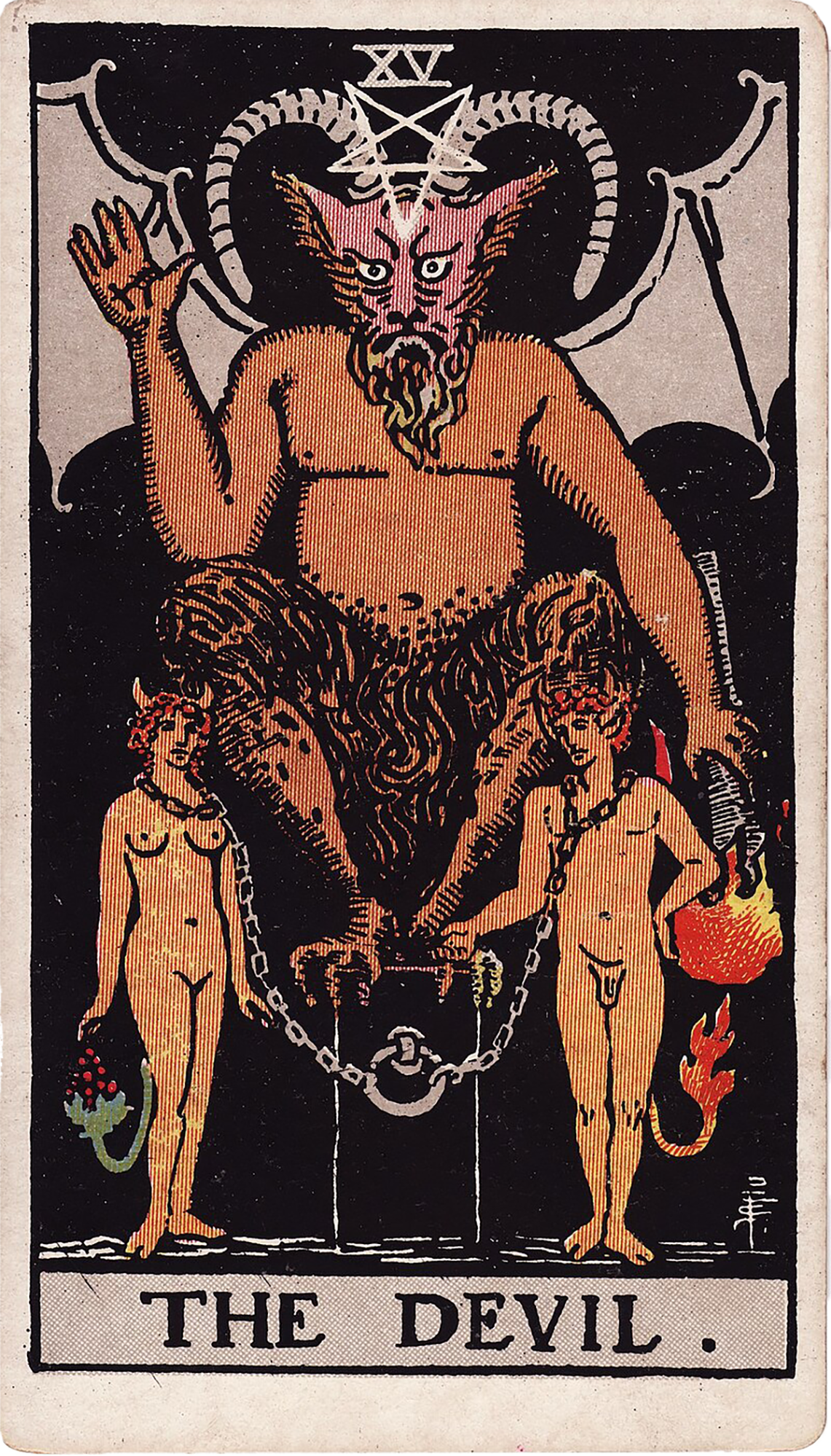
The Devil card, traditionally numbered XV in the Major Arcana of the Rider-Waite-Smith Tarot deck, is a rich symbol of bondage and temptation. The card depicts a horned, goat-like figure—an archetype derived from Baphomet imagery—seated on a dark pedestal. Two human figures, a man and a woman, are chained to the pedestal, their chains loose enough to be removed but often unnoticed by them. The inverted pentagram above the Devil’s head signals an emphasis on materialism and base desires rather than spiritual clarity. The imagery emphasizes themes of illusion, addiction, and the shadow self. Recognizing these symbols helps readers understand that The Devil card invites us to confront where fear, desire, and gratification have created a form of bondage—whether visible or subtle. This is the foundational lesson for overcoming inner blocks and fostering personal growth.
Upright Meaning and Practical Use in Personal Growth
When The Devil appears upright, it signals that unhealthy attachments or patterns have become visible enough to engage consciously. It encourages identifying where fear or gratification has become a form of bondage. This may involve addictions, toxic relationships, material obsessions, or self-limiting beliefs. Critically, the card does not promise immediate liberation but highlights the quality of awareness and honesty needed for change. Practically, readers are invited to ask where a clearer boundary, more direct response, or deeper honesty is required. For example, the loose chains on the figures symbolize that freedom is possible but requires deliberate choice. Using this card as a guide, the reader can begin to work with what is present now, recognizing the next proportionate step toward greater personal agency and integrity.
Reversed Meaning and Navigating Resistance or Recovery
The Devil reversed often points to the process of breaking a pattern or the internalization and distortion of the card’s energy. It can signal denial of desire, shame, or premature declarations of freedom without addressing underlying causes. Unlike a simple 'bad' omen, the reversal asks: Where is this energy becoming blocked, exaggerated, or difficult to access? It may indicate that the issue has moved from external to more private psychological realms. In readings, this can mark an important phase where the querent is beginning to see their attachments but has yet to fully change them. The reversal encourages patience and honesty about resistance, recovery, or excess. Consulting surrounding cards can help determine if the reversal points to a temporary pause, an internal struggle, or the early stages of liberation.
Applying The Devil Card in Love Contexts
In matters of love, The Devil upright highlights unhealthy attachments, codependency, or relationships driven by fear and desire rather than mutual respect. The card’s imagery of chains suggests where boundaries are blurred or where one might feel trapped by passion or control. Rather than predicting doom, it invites the reader to identify where honesty and boundaries can improve relational health. The reversed Devil in love often signals the beginning of breaking free from toxic cycles or denial about unhealthy dynamics. It asks the querent to reflect on internalized shame or resistance to change. For example, someone seeing The Devil reversed might be starting to recognize a pattern of emotional dependence, but the full shift requires work on self-worth and boundary-setting.
Career and Money Interpretations with The Devil Card
In career readings, The Devil upright warns of feeling trapped by materialism, ambition at the expense of integrity, or work environments that foster unhealthy competition or stress. The chains in the card remind us that these bonds are often self-imposed or accepted out of fear. The card encourages identifying where a clearer boundary or deliberate choice could shift the situation. Financially, it can reflect compulsive spending, obsession with wealth accumulation, or feeling enslaved by debt or consumerism. The reversed card may indicate an emerging awareness of these patterns or the initial steps toward breaking free. However, it can also suggest denial of financial realities or overcorrection that causes instability. In both positions, the card’s lesson is to consciously engage with one’s relationship to work and money, recognizing where liberation is possible through balanced choices.
The Devil as Advice and Challenge Card
As advice, The Devil calls for honesty about where you are bound by fear, desire, or habit. It challenges complacency and invites deliberate choice rather than resignation. The card suggests assessing which attachments or patterns are limiting growth and setting clearer boundaries, even if the process is uncomfortable. When The Devil appears as a challenge, it points to resistance to confronting shadow elements or denial about what keeps recreating unhealthy attachments. The imagery of the chained figures can highlight feelings of powerlessness that need to be transformed into empowerment through conscious action. In both upright and reversed positions, the card urges a nuanced approach: not to rush liberation but to recognize the quality of awareness and intention needed to move forward sustainably.
Person and Outcome Cards Featuring The Devil
When The Devil represents a person, it often describes someone embodying temptation, charisma, or manipulation—either oneself or another influencing the querent. This figure may be trapped by their own attachments or influencing others to do so. The card encourages distinguishing between attraction and enslavement. As an outcome card, The Devil suggests that the situation will reveal unhealthy patterns or attachments that must be consciously addressed. Liberation is possible but requires confronting fear and desire honestly. The imagery of the chained figures is a powerful reminder that freedom is available but demands deliberate choice and boundary-setting.
Spiritual Reflection and The Devil Card Lessons
Spiritually, The Devil card offers a mirror to the shadow self—the parts of ourselves we deny or fear. It reminds us that bondage often arises not from external forces but internal fears and attachments. The card encourages deep reflection on where spiritual freedom is compromised by materialism, fear, or false gratification. Its upright presence invites conscious engagement with these blocks, while the reversed position signals the beginning of insight and potential release. Using this card in meditation or spiritual practice can help illuminate unconscious patterns and inspire a more authentic, liberated path. The Devil’s imagery serves as a potent symbol of the tension between light and shadow necessary for holistic growth.
Common Mistakes and Practical Techniques for Reading The Devil Card
A frequent mistake is interpreting The Devil solely as a negative or 'evil' omen, leading to fear or avoidance rather than constructive engagement. Instead, readers should see it as an invitation to recognize where bondage exists and how conscious choice can liberate. Another error is ignoring the difference between upright and reversed meanings; the reversal often points to internal or subtle dynamics rather than external catastrophe. Practically, when The Devil appears, ask key questions: Where am I (or the querent) blinded by desire or fear? What boundaries need clarifying? What step forward is possible now? Use the card’s imagery—the loose chains, the figures’ postures, the pentagram orientation—to anchor interpretation. Integrating these symbols with the question’s context and neighboring cards ensures a nuanced, empowering reading.
Practice questions
• Where in my life am I unknowingly bound by fear or unhealthy attachments?
• What desires or gratifications might be limiting my personal freedom and growth?
• How can I set clearer boundaries to move beyond these limitations?
• In what ways am I ready to confront and integrate my shadow aspects?
• How does the symbolism of The Devil card resonate with my current challenges or choices?
Comments
Sign in to comment.
Continue learning
Interpreting the Dance of Justice and The Devil: Balancing Morality and Temptation in Tarot Readings
The combination of Justice and The Devil in tarot presents a profound exploration of morality, temptation, and personal accountability. This article unpacks how these cards influen...
Understanding The Devil Card in Overcoming Addictions and Finding Personal Freedom
The Devil card, often misunderstood as purely negative, offers profound insights into addiction, bondage, and personal empowerment when approached with awareness. This article unpa...
Using the Five Card Cross Spread to Navigate Ethical Dilemmas with Confidence
The Five Card Cross spread is a practical and versatile tool for exploring complex ethical dilemmas and making confident decisions. This article guides learners through each positi...
Mastering Dual Interpretations with The Hanged Man and The Devil in Tarot Readings
This article guides tarot learners through mastering the dual interpretations of The Hanged Man and The Devil cards. Using traditional Rider-Waite-Smith symbolism and supplied card...
Unlocking the Dynamics of The Devil and The Tower for Facing Life's Challenges
This article delves into the rich and complex relationship between The Devil and The Tower tarot cards as a powerful combination for navigating significant life challenges. By grou...
Understanding the Devil Card in Overcoming Personal Shadows and Temptations
The Devil card in the Tarot deck is often misunderstood as a simple symbol of evil or misfortune. However, its true power lies in illuminating unconscious bonds, desires, and fears...
Unlocking Emotional Healing and Hope with The Star and The Devil Tarot Combination
This article delves into the powerful card combination of The Star and The Devil from the Rider-Waite-Smith tarot deck, revealing how their symbolic interplay unlocks pathways to e...
Understanding the Multifaceted Role of The Devil in Overcoming Inner Blocks and Personal Growth
The Devil tarot card holds deep lessons about unhealthy attachments, fear, and desire that can both block and catalyze personal growth. This article explores The Devil’s upright an...
Exploring The Devil Card in Overcoming Inner Blocks and Embracing Personal Freedom
The Devil card in tarot embodies complex themes of attachment, desire, fear, and bondage. This article examines how The Devil’s upright and reversed positions provide deep insights...
Exploring Symbolism and Hidden Meanings of The Devil Card in Personal Transformation
This article explores The Devil card’s rich symbolism and its nuanced meanings in personal transformation, particularly in the context of family symbolism studies. By examining bot...