
Understanding The Devil Card in Overcoming Addictions and Finding Personal Freedom
The Devil card, often misunderstood as purely negative, offers profound insights into addiction, bondage, and personal empowerment when approached with awareness. This article unpacks the card’s imagery and dual meanings—upright and reversed—to guide readers through recognizing unhealthy dependencies and taking deliberate action toward freedom. By examining The Devil in varied contexts such as love, career, money, and spiritual reflection, learners develop nuanced interpretive skills that transcend fear-based readings. Practical techniques, common pitfalls, and interpretive logic elucidate how to work constructively with this powerful archetype in personal and professional tarot reading.
Cards explored in this article
 The Devil
Introduction to The Devil Card and Its Symbolism
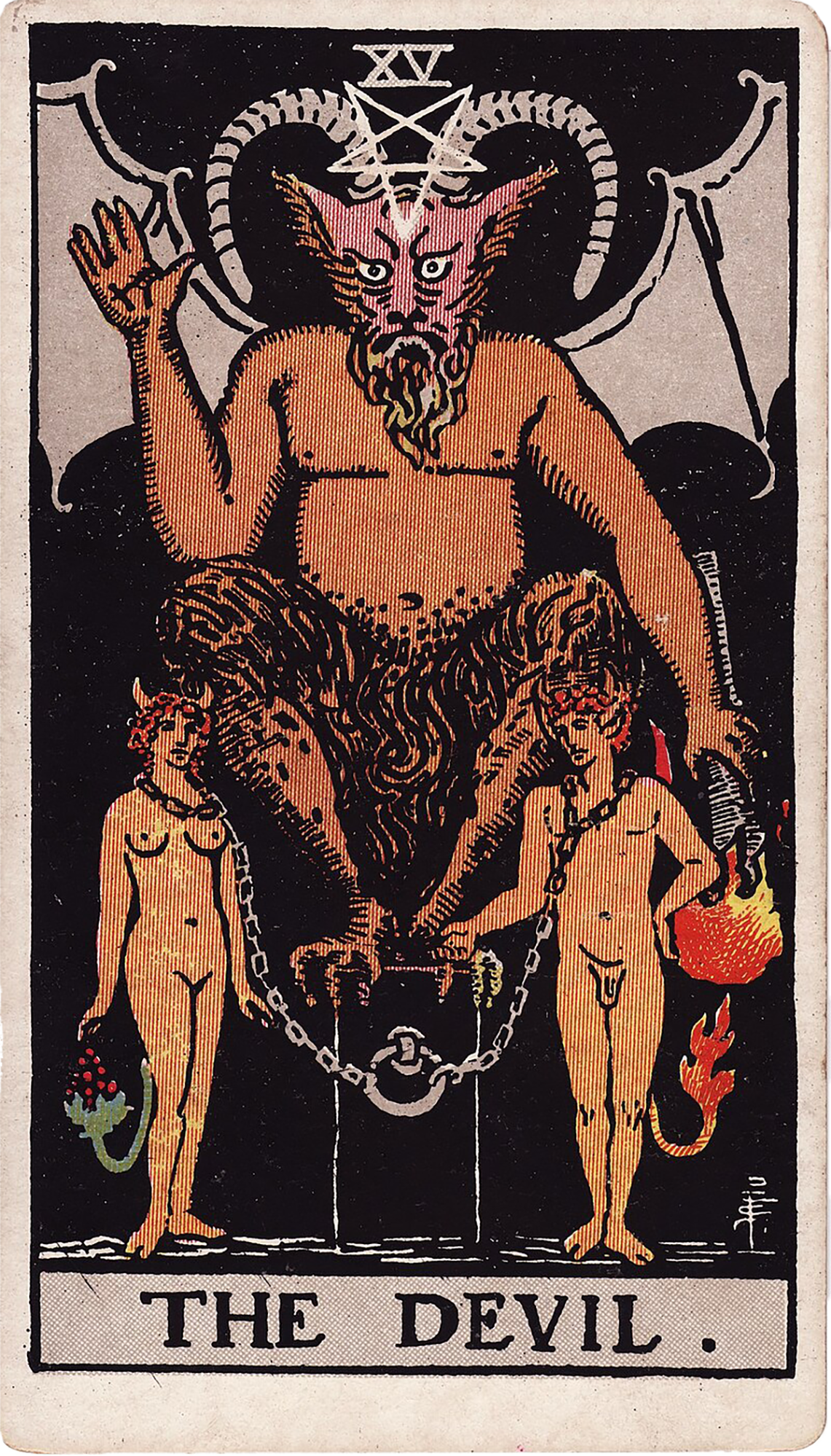
The Devil card in the Rider-Waite-Smith deck is a striking image showing a horned, winged figure perched on a pedestal, with two chained figures—typically a man and woman—bound at the base. Traditionally, the card evokes themes of bondage, temptation, and materialism. However, a deeper look reveals a nuanced message: the chains are loose, and the figures’ bondage is voluntary, symbolizing self-imposed limitations, unconscious attachments, and denial. This card challenges readers to confront where fear, desire, or gratification have created invisible chains. The Devil represents the complex interplay between shadow aspects of the self and the potential for transformation by naming and facing these attachments honestly. Learning to interpret The Devil with an open, constructive lens is essential for using its energy to overcome addictions and find personal freedom.
Understanding Upright and Reversed Meanings
The upright Devil card highlights the necessity of recognizing unhealthy patterns and attachments that may include addiction, codependency, or destructive desires. This is not an indication that the problem will be easy to resolve but rather that the underlying issues have become visible enough to engage with consciously. The card prompts the querent to ask where clearer boundaries, deeper honesty, or more deliberate choices could help disentangle the situation. Practically, it encourages working with what is present now instead of waiting for certainty. In reversed position, The Devil points to the beginning stages of breaking free from these bonds. This can manifest as denial, shame, or misdirected attempts at freedom without full acknowledgment of the root causes. The reversal is not inherently negative; it may show that the energy of the upright card is blocked, delayed, or internalized. Sometimes the reversed position suggests a more private, psychological process of awareness and recovery. When reading reversed, it is crucial to look at surrounding cards for context to determine if the querent is resisting change, making recovery strides, or temporarily pausing.
Techniques for Reading The Devil Card Effectively
When The Devil appears, begin by observing the imagery carefully. Notice the chained figures and their posture—are they aware of their chains or resigned? The devil’s horned, half-goat, half-human form references the ancient symbol of the goat of lust and earthly temptation, emphasizing base desires. This symbolism invites questions about what desires or fears might be controlling the querent. A practical reading method is to ask: 'Where in this situation is there a loss of freedom or a hidden attachment?' and 'What step can be taken now, even if small, to gain clarity or establish a boundary?' It is useful to assess whether the querent is in denial or aware of the bondage. Because The Devil is a card of complex energy, avoid interpretations based solely on fear or doom; instead, frame it as an opportunity for conscious awareness and choice. Common mistakes include treating The Devil as a prediction of inevitable disaster or assuming addiction means only substances rather than patterns, behaviors, or relationships. Another error is neglecting the reversed meaning, which often contains a hopeful message of emerging self-awareness.
Interpreting The Devil in Love Contexts
In love readings, The Devil upright indicates unhealthy attachments such as codependency, obsession, possessiveness, or relationships based on physical desire without emotional honesty. The imagery of the two chained figures highlights how partners may feel trapped or bound by fear, guilt, or addiction to the relationship itself rather than genuine connection. Ask where clearer boundaries or honesty are needed to shift the dynamic. The card encourages recognizing desires honestly rather than denying or idealizing the partner. When reversed, The Devil in love may signal the beginning of breaking an unhealthy pattern, a growing awareness of toxic dynamics, or the struggle with shame around desire. It may also caution against declaring newfound freedom prematurely without addressing the root issues. The reversed position invites reflection on internal blockers preventing full emotional liberation.
The Devil’s Role in Career and Money Readings
In career contexts, upright The Devil can point to work environments or roles where the querent feels trapped by materialism, unethical practices, or an addictive workaholic pattern. The card urges honest assessment about where ambition or fear of loss is driving unhealthy compromises. For money readings, it may indicate bondage to debt, compulsive spending, or unhealthy relationships to wealth and security. The imagery’s chains remind the querent that these attachments are self-imposed and can be loosened with conscious effort. Reversed in these areas, The Devil suggests initial steps toward financial or professional freedom. It may show denial of problems like overspending or avoidance of career dissatisfaction. The reversal calls for internal work to break cycles rather than surface changes.
Using The Devil as Advice and Challenge
When The Devil appears as advice, it encourages the querent to identify and name unhealthy attachments or fears without judgment. It suggests setting clearer boundaries and making deliberate choices to reclaim personal power. Working with what is available now, even if imperfect, is key. The card challenges the reader to confront discomfort honestly rather than avoiding the shadow aspects. As a challenge card, The Devil highlights resistance to change, denial, or entrapment by fear or desire. It calls out the temptation to remain comfortable in bondage rather than risk freedom. The imagery of the chained figures serves as a reminder that the chains can be removed by conscious will and awareness.
Person and Outcome Interpretations of The Devil
When The Devil represents a person in a spread, consider someone who embodies temptation, control, or unhealthy influence. This person may exert power over the querent or symbolize the querent’s own shadow qualities such as addiction, manipulation, or denial. In terms of outcome, upright The Devil suggests a situation where the querent becomes fully aware of the bondage and temptations present but still faces the challenge of conscious choice. It is not necessarily a final defeat but a call to engage deliberately. Reversed as an outcome, the card often indicates that the querent is beginning to break free or at least recognize the pattern that has held them. This is a hopeful sign but generally not the end of the process.
Spiritual Reflection and Personal Freedom Through The Devil
Spiritually, The Devil invites deep inner inquiry into what attachments, fears, or illusions prevent true freedom. The card’s symbolism encourages recognizing that bondage is often self-created through unconscious habits or denial. The path to transcendence involves acknowledging shadow desires without shame and choosing conscious freedom. This may mean redefining one’s relationship with materiality, desire, or identity. Using The Devil as a tool for spiritual reflection involves meditative examination of the card’s imagery, asking which personal chains to loosen and where honesty and courage are needed. It is a card of empowerment when approached with awareness rather than fear.
Common Pitfalls and Practical Tips for Learners
A frequent pitfall is interpreting The Devil only as a sign of doom, ignoring the possibility of empowerment and conscious choice. Another is failing to differentiate upright and reversed meanings or neglecting the context provided by surrounding cards. Practical tips include always grounding the reading in the querent’s reality and acknowledging complexity—the card rarely means addiction in a narrow sense but broader patterns of entrapment. Use clarifying questions to refine the message and invite reflection on personal responsibility. Remember that The Devil is not a prediction of fate but an invitation to awareness. Treat it as a mirror to shadow aspects that, once seen, can be transformed.
Practice questions
• Where in my life do I feel bound or controlled by fear, desire, or unhealthy attachments?
• What small, deliberate step can I take now to establish clearer boundaries or honesty?
• In what ways might I be denying or avoiding confronting a pattern that limits my freedom?
• How do the images of The Devil card speak to my current challenges or temptations?
• What does personal freedom mean to me beyond external circumstances?
• How can I transform shadow desires into conscious, constructive energy?
Comments
Sign in to comment.
Continue learning
Interpreting the Dance of Justice and The Devil: Balancing Morality and Temptation in Tarot Readings
The combination of Justice and The Devil in tarot presents a profound exploration of morality, temptation, and personal accountability. This article unpacks how these cards influen...
Using the Five Card Cross Spread to Navigate Ethical Dilemmas with Confidence
The Five Card Cross spread is a practical and versatile tool for exploring complex ethical dilemmas and making confident decisions. This article guides learners through each positi...
Mastering Dual Interpretations with The Hanged Man and The Devil in Tarot Readings
This article guides tarot learners through mastering the dual interpretations of The Hanged Man and The Devil cards. Using traditional Rider-Waite-Smith symbolism and supplied card...
Unlocking the Dynamics of The Devil and The Tower for Facing Life's Challenges
This article delves into the rich and complex relationship between The Devil and The Tower tarot cards as a powerful combination for navigating significant life challenges. By grou...
Understanding the Devil Card in Overcoming Personal Shadows and Temptations
The Devil card in the Tarot deck is often misunderstood as a simple symbol of evil or misfortune. However, its true power lies in illuminating unconscious bonds, desires, and fears...
Unlocking Emotional Healing and Hope with The Star and The Devil Tarot Combination
This article delves into the powerful card combination of The Star and The Devil from the Rider-Waite-Smith tarot deck, revealing how their symbolic interplay unlocks pathways to e...
Understanding the Multifaceted Role of The Devil in Overcoming Inner Blocks and Personal Growth
The Devil tarot card holds deep lessons about unhealthy attachments, fear, and desire that can both block and catalyze personal growth. This article explores The Devil’s upright an...
Exploring The Devil Card in Overcoming Inner Blocks and Embracing Personal Freedom
The Devil card in tarot embodies complex themes of attachment, desire, fear, and bondage. This article examines how The Devil’s upright and reversed positions provide deep insights...
Understanding The Devil Card in Overcoming Inner Blocks and Personal Growth
The Devil card in Tarot is often misunderstood as a purely negative omen, but in truth, it offers profound insights into the nature of inner bondage, unhealthy attachments, and the...
Exploring Symbolism and Hidden Meanings of The Devil Card in Personal Transformation
This article explores The Devil card’s rich symbolism and its nuanced meanings in personal transformation, particularly in the context of family symbolism studies. By examining bot...