
Understanding the Multifaceted Role of The Devil in Overcoming Inner Blocks and Personal Growth
The Devil tarot card holds deep lessons about unhealthy attachments, fear, and desire that can both block and catalyze personal growth. This article explores The Devil’s upright and reversed meanings, showing how its symbolism can be applied in distinct contexts including love, career, money, advice, challenge, person, outcome, and spiritual reflection. By engaging directly with the card’s imagery and traditional Rider-Waite-Smith symbolism, readers learn practical techniques for interpreting The Devil as a tool to identify bondage, create clearer boundaries, and take conscious steps forward. The article highlights common interpretative mistakes and offers a balanced framework for working with The Devil’s energy constructively in tarot readings.
Cards explored in this article
 The Devil
Introduction to The Devil Tarot Card Symbolism
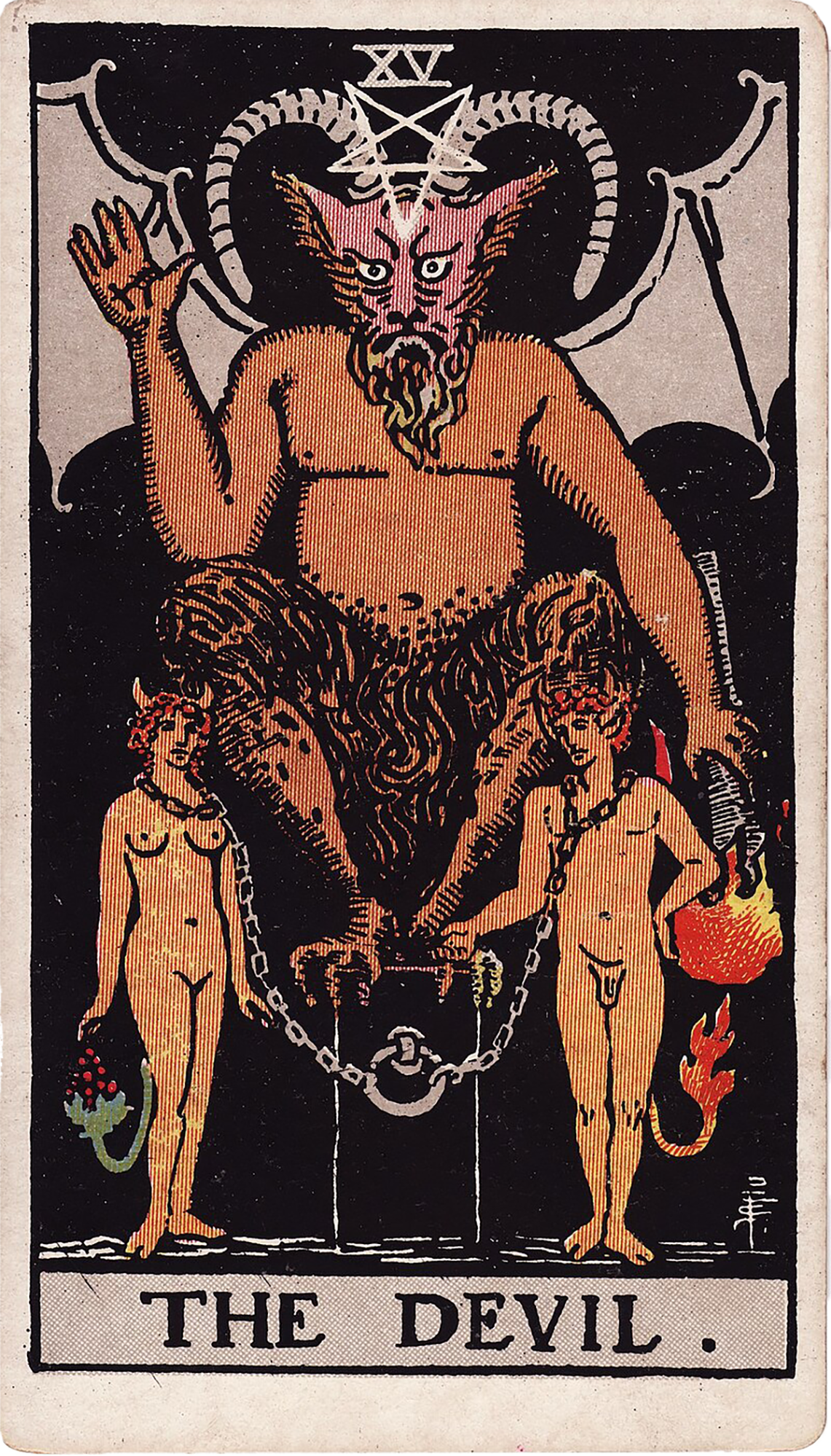
The Devil card in the Rider-Waite-Smith deck presents a striking image: a horned, beastly figure with bat wings, holding a torch and presiding over two chained humans. These figures, though bound, appear passive, symbolizing bondage that is often self-imposed or unexamined. Traditionally, The Devil represents temptation, materialism, fear, and unhealthy attachments. However, this card’s rich symbolism also signals an opportunity: recognizing where our desires or fears have turned into chains and learning to confront them honestly. In upright position, The Devil encourages awareness and deliberate choice rather than passive enslavement. Reversed, it can show beginnings of liberation, internal blockages, or denial of real issues. Understanding this duality is essential to using The Devil effectively for personal growth and overcoming inner blocks.
Technique for Reading The Devil in Single-Card Contexts
When The Devil appears as a single card in a reading, the focus should center on identifying unhealthy attachments or fears that influence the querent’s situation. Begin by observing the card’s imagery: note the chained people, the imposing figure, and the environment’s darkness and fire. These elements symbolize bondage born from desire, fear, or ignorance. Ask the querent where they might be feeling trapped, powerless, or overly dependent on gratification or external validation. Upright, the card suggests that these issues are visible and ready for conscious engagement. Reversed, it indicates internalized struggle, denial, or early steps toward breaking the pattern. Use clarifying questions like “Where can clearer boundaries or deeper honesty be applied?” or “What next small step can be taken now?” to move beyond passive awareness. Avoid predicting doom; instead, focus on empowerment through insight and choice.
The Devil in Love Contexts
In love readings, The Devil card highlights unhealthy dynamics such as codependency, obsession, or fear-based attachments. Upright, it asks the querent to honestly name desires and fears that may be creating emotional bondage. The image of the chained couple suggests relational patterns where freedom is limited by fear or gratification cycles. This card urges a direct response: setting clearer boundaries, addressing insecurities, and choosing connection consciously rather than through compulsion. Reversed, The Devil may reveal denial of these patterns, shame about desires, or beginning awareness of toxic cycles. It often signals a private, psychological struggle with attachment rather than overt relationship conflict. Practically, when The Devil appears in love, the reader should encourage openness about fears and desires and explore what freedom means in this context rather than assuming immediate resolution.
The Devil in Career and Money Readings
Within career or financial contexts, The Devil points to situations of entrapment by materialism, unhealthy ambition, or fear-driven decisions. Upright, it reminds the querent to identify where work or money pursuits have become forms of bondage—where fear of loss or craving for status compels choices that limit freedom. The chained figures illustrate how one might feel stuck in a job or financial habit that offers immediate gratification but restricts growth. The card encourages conscious engagement with these dynamics and taking next steps that balance desire with integrity and self-respect. Reversed, it may indicate denial of financial or career issues, or a phase of internal reckoning where patterns are becoming visible but not yet changed. The Devil challenges readers to avoid simplistic 'bad luck' interpretations and instead focus on recognizing and addressing the underlying attachments.
The Devil as Advice and Challenge
When The Devil functions as advice, it calls for radical honesty about where fear, desire, or unhealthy dependencies shape behavior. It invites reflection on which bonds are voluntary and which are unconscious, encouraging deliberate choice and boundary setting. The card's imagery, with the chains loose enough to be removed, implies that liberation is possible through awareness and action. As a challenge, The Devil represents the difficulty of facing these inner blocks without denial or judgment. The card warns against sugarcoating issues or rushing to freedom without self-knowledge. The reversed Devil as challenge might show resistance to change or exaggerated denial of one’s needs. Readers should counsel patience and self-compassion, highlighting that awareness is a crucial first step toward growth.
The Devil Representing a Person or Outcome
When The Devil characterizes a person in a reading, this individual may embody traits such as temptation, manipulation, or domination. However, rather than demonizing, this portrayal should be nuanced: they might represent someone deeply entangled in their own fears or unhealthy attachments, not necessarily malicious but caught in cycles of need or control. Observing the card’s imagery—especially how the chains look loose—can remind us that this person might also be capable of self-awareness and change. As an outcome card, The Devil suggests that the situation will bring awareness of bondage or temptation. This outcome is not inherently negative but indicates the need to confront inner blocks before progress is possible. The outcome may involve recognizing where freedom is compromised and choosing intentional steps forward rather than passivity.
The Devil in Spiritual Reflection
Spiritually, The Devil invites deep examination of shadow aspects: fear, desire, ego attachments, and illusions that bind the soul. The card’s imagery of darkness, fire, and chains symbolizes the forces that distract from authentic spiritual freedom. Rather than fearing these shadows, the card encourages embracing them as parts of the self that need honest exploration. Upright, it signals a moment when unconscious patterns become visible enough to engage intentionally, allowing transformation. Reversed, it may indicate the beginning of shadow work, internal resistance, or denial that must be acknowledged. Practically, working with The Devil in spiritual readings means encouraging journaling, meditation on attachments, and compassionate inquiry into what keeps the seeker from genuine liberation.
Common Mistakes and How to Avoid Them
A frequent error in interpreting The Devil is assigning an automatic negative or 'evil' meaning, leading to fear or judgment rather than understanding. Because the card’s imagery is dramatic, readers sometimes assume disaster or moral failing rather than nuanced psychological insight. Another mistake is ignoring the looseness of the chains in the card, which symbolize potential freedom, or failing to consider the reversed card’s subtler meaning as internalized struggle instead of simple negation. To avoid these errors, always connect interpretations to the card’s symbolism, ask empowering questions, and remember that The Devil’s core lesson is recognition and conscious choice. Use the card to illuminate rather than condemn, focusing on moving the querent toward awareness and constructive action.
Practical Method for Working With The Devil in Readings
Begin by describing the card’s imagery to the querent to ground the interpretation visually. Point out the figures, their chains, the Devil’s posture, and the environment. Next, clarify whether the card is upright or reversed and what this indicates about visibility and engagement with attachments. Then, frame questions tailored to the reading context (love, career, etc.) that invite the querent to identify where they feel stuck or controlled. Encourage exploration of where fear or desire acts as a form of bondage and what a next, manageable step toward conscious freedom might look like. Use this card as a prompt for honesty and boundary setting, emphasizing that awareness itself is a powerful form of liberation. Finally, remind yourself and the querent that The Devil is a tool for insight and growth, not a definitive prediction of misfortune.
Practice questions
• In what areas of your life might fear or desire be creating invisible chains?
• Where are you tempted to avoid honest conversations or clearer boundaries?
• How can you recognize the difference between temporary gratification and long-term bondage?
• What small, deliberate step can you take now to engage consciously with an inner block?
• Are there patterns you deny or feel shame about that The Devil’s reversed position might be highlighting?
• How might shadow aspects of your personality be inviting compassionate spiritual reflection?
• What does freedom mean to you in relationships, career, or personal growth?
Comments
Sign in to comment.
Continue learning
Interpreting the Dance of Justice and The Devil: Balancing Morality and Temptation in Tarot Readings
The combination of Justice and The Devil in tarot presents a profound exploration of morality, temptation, and personal accountability. This article unpacks how these cards influen...
Understanding The Devil Card in Overcoming Addictions and Finding Personal Freedom
The Devil card, often misunderstood as purely negative, offers profound insights into addiction, bondage, and personal empowerment when approached with awareness. This article unpa...
Using the Five Card Cross Spread to Navigate Ethical Dilemmas with Confidence
The Five Card Cross spread is a practical and versatile tool for exploring complex ethical dilemmas and making confident decisions. This article guides learners through each positi...
Mastering Dual Interpretations with The Hanged Man and The Devil in Tarot Readings
This article guides tarot learners through mastering the dual interpretations of The Hanged Man and The Devil cards. Using traditional Rider-Waite-Smith symbolism and supplied card...
Unlocking the Dynamics of The Devil and The Tower for Facing Life's Challenges
This article delves into the rich and complex relationship between The Devil and The Tower tarot cards as a powerful combination for navigating significant life challenges. By grou...
Understanding the Devil Card in Overcoming Personal Shadows and Temptations
The Devil card in the Tarot deck is often misunderstood as a simple symbol of evil or misfortune. However, its true power lies in illuminating unconscious bonds, desires, and fears...
Unlocking Emotional Healing and Hope with The Star and The Devil Tarot Combination
This article delves into the powerful card combination of The Star and The Devil from the Rider-Waite-Smith tarot deck, revealing how their symbolic interplay unlocks pathways to e...
Exploring The Devil Card in Overcoming Inner Blocks and Embracing Personal Freedom
The Devil card in tarot embodies complex themes of attachment, desire, fear, and bondage. This article examines how The Devil’s upright and reversed positions provide deep insights...
Understanding The Devil Card in Overcoming Inner Blocks and Personal Growth
The Devil card in Tarot is often misunderstood as a purely negative omen, but in truth, it offers profound insights into the nature of inner bondage, unhealthy attachments, and the...
Exploring Symbolism and Hidden Meanings of The Devil Card in Personal Transformation
This article explores The Devil card’s rich symbolism and its nuanced meanings in personal transformation, particularly in the context of family symbolism studies. By examining bot...