
Mapping Risks Rewards and Values with the Decision Five Tarot Spread
This article teaches the Decision Five spread (decision-five) for practical decision work. Using the exact cards The Lovers, 7 of Cups, Ace of Swords, 2 of Pentacles, and 10 of Pentacles in the positions Situation, Option A, Option B, Hidden Factor, and Advice, you will learn how to read risks, rewards, and values. The piece explains each position and card, explores card-to-card relationships and Rider-Waite-Smith imagery, provides a reproducible method, and offers practice prompts and troubleshooting tips for learners.
Decision Five
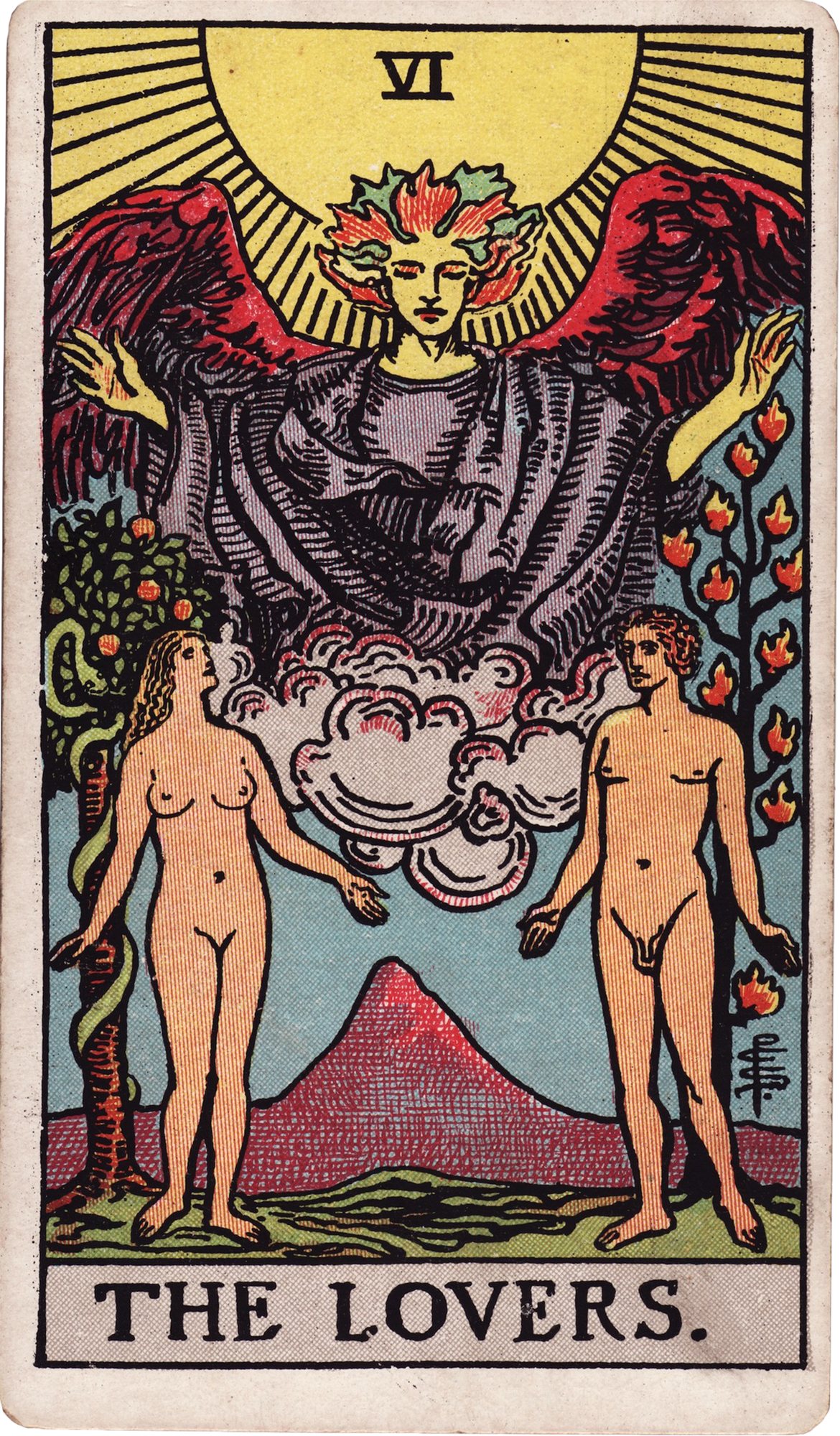 SituationThe Lovers
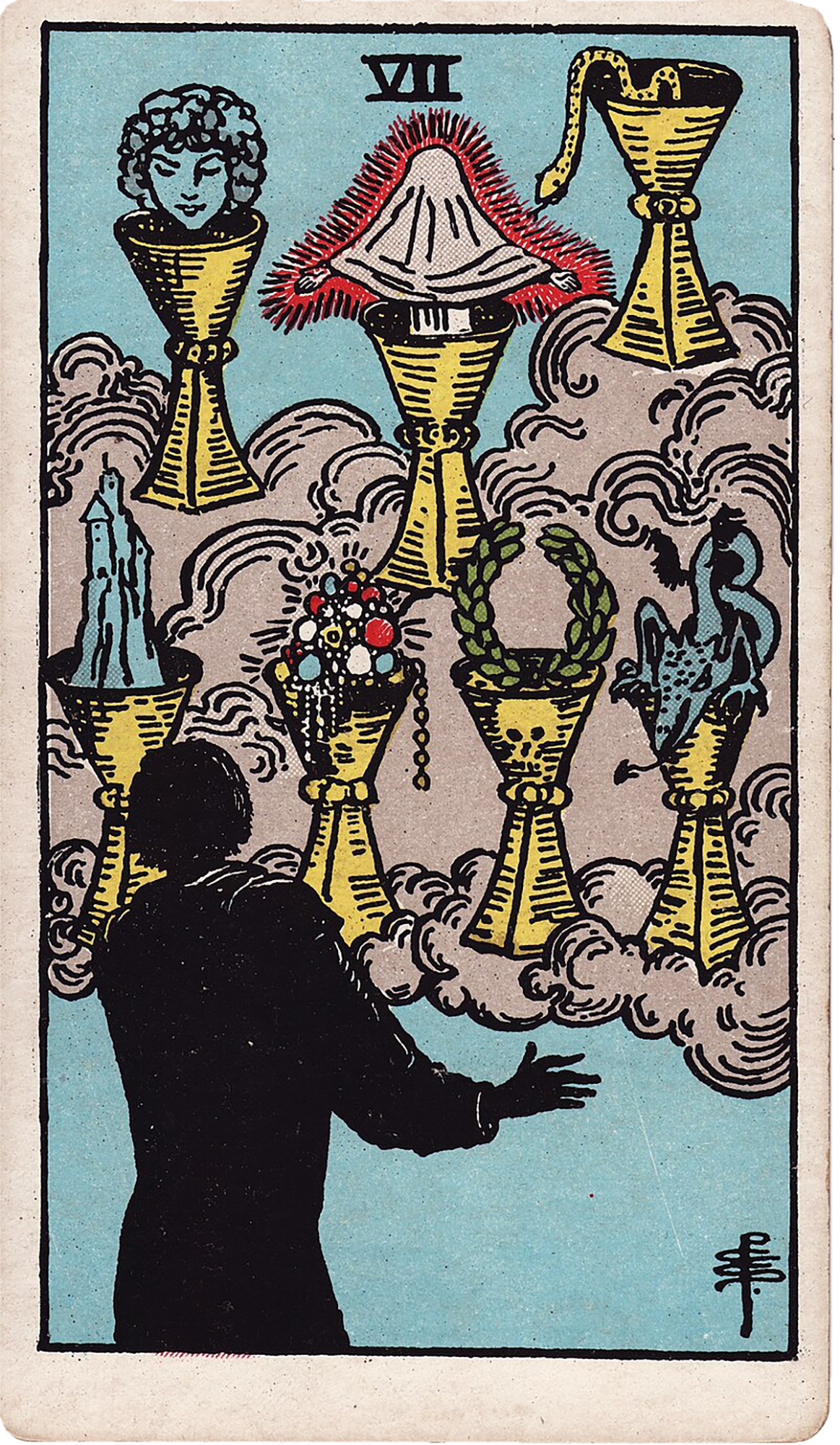 Option A7 of Cups
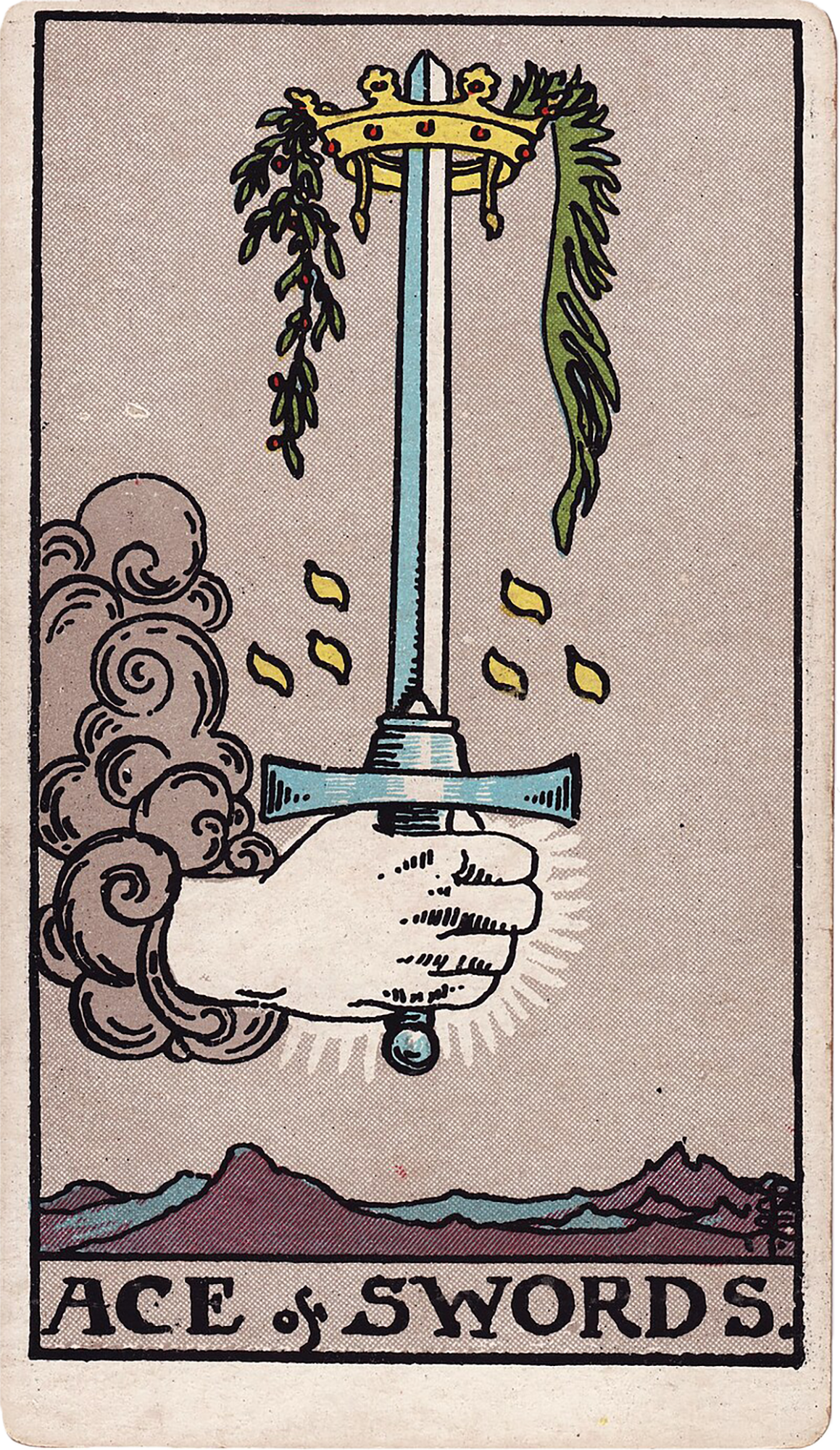 Option BAce of Swords
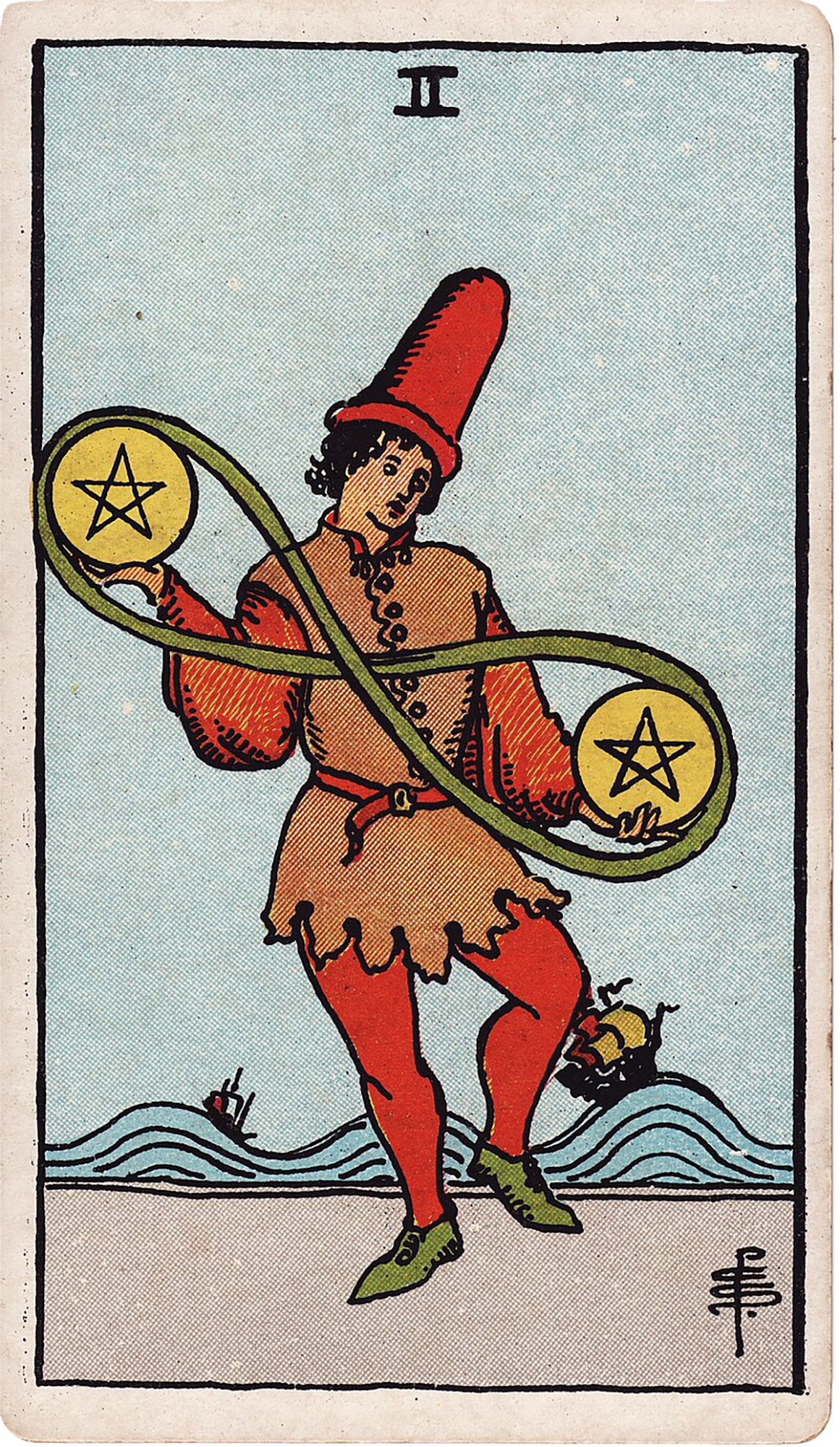 Hidden Factor2 of Pentacles
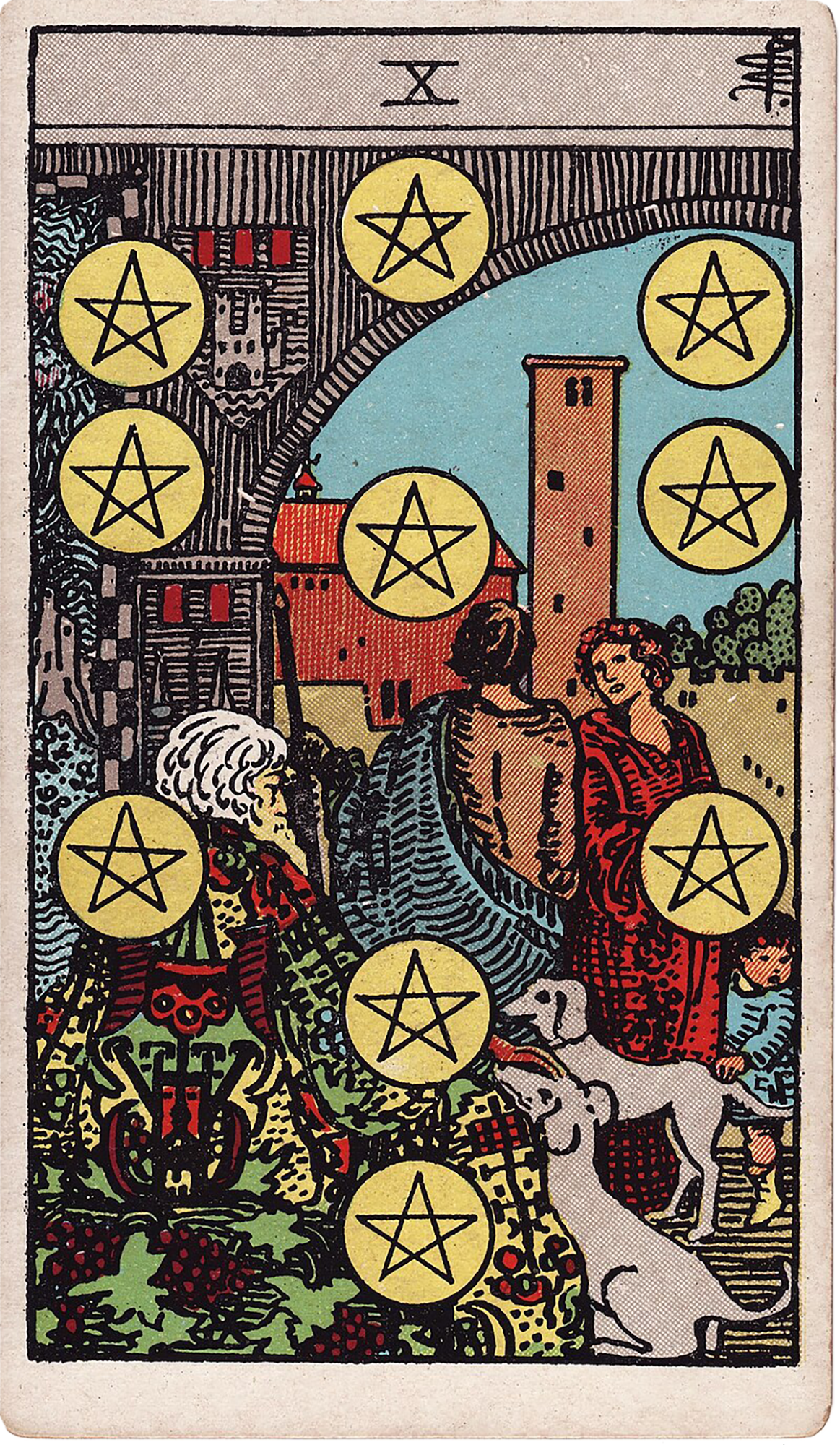 Advice10 of Pentacles
Introduction and Purpose
Decision-making is one of the most practical uses of tarot. The Decision Five spread (decision-five) is built to help you map two competing options against what matters most: values, unseen pressures, and long-term outcomes. This article is a worked spread using exactly five supplied cards: The Lovers, 7 of Cups, Ace of Swords, 2 of Pentacles, and 10 of Pentacles. The layout names are fixed and must be used in order: Situation, Option A, Option B, Hidden Factor, Advice. You will see how the Rider-Waite-Smith symbolism of these specific cards anchors interpretation, how cards interact, and how to reproduce the method for your own readings. This is instructional material for learners; it is not a guaranteed prediction but a disciplined method for clarifying choice.
The Decision Five Layout and When to Use It
Layout: decision-five is a straightforward five-card spread arranged like a cross or a shallow arc: center-left is Option A, center-right is Option B, top-center is Situation, bottom-center is Advice, and just below the center is Hidden Factor. Use the supplied position labels exactly as: Situation, Option A, Option B, Hidden Factor, Advice. The spread is best for: - Binary or quasi-binary choices where you want to weigh two options. - Situations where values, risk tolerance, and long-term consequences matter. - When you need a mix of internal (values, feelings) and external (strategy, logistics) inputs. The supplied images for the five cards will be displayed alongside this article, and each interpretation below anchors to those images and RWS motifs.
Position 1 Situation and The Lovers
Position label: Situation. Card in position: The Lovers. In Rider-Waite-Smith imagery The Lovers shows a naked couple beneath an angel, a tree with fruit behind the man (knowledge, temptation) and a tree of flames or another behind the woman (desire, passion), with a sun above. Placed in Situation, The Lovers clarifies the context of the question: a choice framed around values, relationship dynamics, or moral alignment. It signals that the querent's current dilemma is not merely pragmatic; it is saturated with questions of desire, identity, and mutual responsibility. Upright The Lovers asks you to notice which option aligns with your value system and to accept the responsibility of choosing. Reversed, it would point to misalignment or divided loyalties; because you are working with the supplied image, attend to the specific visual cues: are the figures open and facing each other, is the angel prominent, is there tension in posture? These visual details help you describe whether the situation truly allows a conscious, value-based choice or whether the choice is clouded by temptation or ambivalence.
Position 2 Option A and 7 of Cups
Position label: Option A. Card in position: 7 of Cups. The 7 of Cups RWS shows seven cups in clouds, each cup containing a different image (a laurel wreath or victory crown, a snake, a castle, jewels, a shrouded figure, a laurel, and a head) representing fantasy, multiple possibilities, and projection. In the Option A slot, 7 of Cups means Option A offers many attractive features or a rich imaginative appeal. It is especially useful for assessing lure and fantasy versus realistic reward. Upright, 7 of Cups emphasizes the need for discernment: which of these visions is actually achievable? What is wishful thinking and what is a plausible benefit? Look at the cup images in the card (as displayed) and ask which object corresponds to the querent's hopes. If the cup imagery resonates with your goal (e.g., jewels = financial reward, castle = status), Option A may be high-reward but also high-illusion risk. The card suggests emotional or creative promise; it invites you to clarify which elements are real and which are projection.
Position 3 Option B and Ace of Swords
Position label: Option B. Card in position: Ace of Swords. The Ace of Swords shows a single upright sword piercing a crown or with a laurel, often between clear blue sky—an image of mental breakthrough, decisive clarity and new ideas. In Option B, this card indicates a path defined by clear thinking, decisive communication or a single strategic action that cuts through ambiguity. Compared to 7 of Cups' multiple fantasies, Ace of Swords is sharp, focused, and actionable. Upright, it recommends clarity and speaking or thinking truthfully about consequences. It can imply a direct conversation, a legal or contractual clarity, or a new idea that makes the path forward obvious. As you compare Option A and Option B visually, notice the contrast: the cloud-dreaming cups of 7 of Cups versus the solitary, upright sword of Ace of Swords. That contrast often defines a choice between imaginative potential (Option A) and intellectual decisiveness (Option B).
Position 4 Hidden Factor and 2 of Pentacles
Position label: Hidden Factor. Card in position: 2 of Pentacles. The RWS 2 of Pentacles depicts a figure juggling two pentacles connected by an infinity loop of ribbon, waves or ships in the background—an image of active, ongoing balance, and changing priorities. As Hidden Factor, 2 of Pentacles tells you there is an undercurrent of variable resources, shifting commitments, or a juggling act that will affect the viability of both options. This card may point to timing issues, the need for flexibility, or an underlying financial or logistical constraint that is not obvious to the querent. Visually, the looping ribbon suggests recurrence: the pressure may appear, ease, and return. When it is hidden, it can sabotage either option unexpectedly. Ask: What is being juggled right now—time, money, people, attention? How stable are those elements? If the figure's posture in the image seems strained, emphasize overload; if light and skillful, emphasize manageable flexibility.
Position 5 Advice and 10 of Pentacles
Position label: Advice. Card in position: 10 of Pentacles. The 10 of Pentacles RWS typically shows a multigenerational scene: an elder, a family, dogs, and a coat of arms or archway denoting legacy, long-term material security, and systems that outlast one person. As Advice, 10 of Pentacles recommends choosing for long-term stability, shared values and legacy rather than short-term gratification. Practically, it asks: which option contributes to your long-term material or familial foundations and aligns with the systems you want to build or preserve? The card invites a conservative, legacy-oriented view: prioritize options that integrate resources sustainably, support family or community bonds, and create a stable infrastructure. It also advises considering institutional consequences—inheritance, contracts, or reputational effects. Because this is advice, you should weigh whether you are willing to accept the discipline or compromise that long-term stability requires.
Reading the Spread: Card-to-Card Relationships
A good reading depends less on isolated meanings and more on relationships. With these five cards the central dialectic is clear: The Lovers (Situation) frames a values-based choice; 7 of Cups (Option A) offers many attractive visions; Ace of Swords (Option B) offers clear, decisive action; 2 of Pentacles (Hidden Factor) warns of juggling and changeability; 10 of Pentacles (Advice) recommends long-term stability. Key relationships to examine: - Situation to Options: The Lovers asks which option aligns with values. Visually, compare the emotional and moral symbolism of the Lovers with the imagery of the two options. Does 7 of Cups' fantasy resonate with the Lovers' emphasis on desire, or does the Ace of Swords' clarity better reflect responsible choice? - Option A vs Option B: The contrast between cups-in-clouds (multiple fantasies) and the single upright sword (clear cognition) is a classic heart-versus-head dynamic. Rather than privileging one automatically, map how The Lovers frames the querent's priorities—if relational values dominate, Option A's emotional variety may weigh more; if integrity and truth are paramount, Option B will be favored. - Hidden Factor impact: 2 of Pentacles can destabilize either option. If 2 of Pentacles emphasizes overload, an option that requires heavy juggling of resources (the many demands suggested by 7 of Cups) may be riskier. If 2 of Pentacles shows nimble adaptability, Ace of Swords' decisive action may be feasible because resources can be shifted quickly. - Advice alignment: 10 of Pentacles crowns the reading with legacy. Compare each option against this metric: which path is more likely to produce the multigenerational stability and shared values that 10 of Pentacles represents? If neither option fits, the advice may be to reframe the decision altogether toward long-term institutions and systems.
Worked Interpretation Example
To make the method concrete, imagine a querent choosing between starting a creative freelance project (Option A) and accepting a clearly defined job offer (Option B). The Lovers in Situation frames the question as a values issue: is the querent choosing what reflects personal identity and honest desire or responding to pressure? 7 of Cups (Option A) shows the freelance path brimming with imaginative possibilities—many project types, potential clients, creative rewards. The RWS cup images suggest temptation and multiple directions; the risk is scattering energy. Ace of Swords (Option B) represents a single, clear job role with a contract and straightforward expectations: clarity, a decisive structure. 2 of Pentacles as Hidden Factor warns that the querent is already juggling part-time work, family commitments or finances, which may make the multiple demands of freelancing harder. 10 of Pentacles as Advice nudges toward long-term material stability and legacy—favoring the job if the querent prioritizes building a stable foundation now. The synthesis: If the querent's primary value (per The Lovers) is identity aligned with creative self-expression, they must plan to reduce juggling (2 of Pentacles) and structure their freelance work to deliver sustainable income (10 of Pentacles). If their priority is providing long-term stability, Ace of Swords' clear job offer aligns better. Notice how the imagery guided each choice: the cups' clouds suggested possibility and illusion; the sword's crown suggested contractual clarity; the pentacle ribbon reminded us of recurring pressures; the 10-of-Pentacles family scene suggested what 'stable' looks like.
Step-by-Step Practical Method to Reproduce the Spread
1) Prepare: Sit with the question framed as a choice (even if options are fuzzy). Lay out five cards in this order: top-center Situation, left Option A, right Option B, just below center Hidden Factor, bottom-center Advice. 2) Identify Cards Visually: Before interpreting, describe each displayed image aloud or in writing. Note colors, gestures, background objects (angel, cups in clouds, sword with crown, juggling figure, family under arch). 3) Read Position Meaning First: State the positional prompt (Situation, Option A, etc.) before connecting the card. This keeps interpretation anchored to the method. 4) Interpret Card Upright/Reversed: Use the supplied upright/reversed notes for each card to adjust emphasis. For example, upright The Lovers focuses on values and conscious choice; reversed would point to misalignment. 5) Map Relationships: Compare Situation to both Options, then compare Options to Hidden Factor and Advice. Ask targeted questions: How does 2 of Pentacles modify Option A? Does 10 of Pentacles favor Option B? 6) Synthesize: Formulate an actionable recommendation—what next proportionate step fits the querent’s resources now? The aim is an intelligible plan, not absolute prediction. 7) Check for Practical Steps: The Ace of Swords often requests a conversation or contract; 2 of Pentacles may suggest resource re-allocation; 10 of Pentacles invites long-term planning. 8) Offer Contingencies: Note how the spread changes if the querent adjusts one variable (e.g., reduces juggling). Repeat the reading after a week if circumstances shift.
Common Mistakes and How to Avoid Them
1) Reading Cards in Isolation: Beginner readers often interpret cards without linking them. Always compare cards—the Lovers reframes everything here. 2) Ignoring Visual Clues: The RWS images provide specific prompts (angel, clouds, crown, juggling ribbon, family). Describe these before applying textbook meanings. 3) Overvaluing Advice as Command: 10 of Pentacles is advice, not an order. Treat it as a guiding principle to weigh, not an absolute. 4) Forcing Binary Outcomes: The Decision Five helps choose between two paths, but sometimes the best option is to redesign choices or create a hybrid. The 2 of Pentacles hidden factor may show feasibility for hybrid options. 5) Neglecting Reversals or Nuance: Upright/reversed descriptions matter—use them to nuance whether the card's energy is accessible or blocked. 6) Forgetting the Querent’s Values: The Lovers requires that you ask the querent what 'values' mean to them in this context; otherwise the reading is projection. 7) Skipping Practical Follow-up: This spread is practical; always conclude with concrete next steps, timelines, or actions based on the cards (e.g., ‘have the clarifying conversation’ if Ace of Swords appears).
Practice Exercises and Learning Tips
1) Practice with Personal Decisions: Use the spread on small choices (which course to take, which vendor to hire). Record your readings and outcomes. 2) Image-First Method: For five sessions, describe card images for 90 seconds before reading. Note how your interpretations sharpen. 3) Reversals Drill: Shuffle and deliberately draw reversed cards occasionally to practice identifying blocked or internalized energies. 4) Relationship Mapping: Create a quick chart mapping how each option aligns with The Lovers and 10 of Pentacles. This clarifies values vs legacy. 5) Time-Shift Repeats: Repeat the same spread three months after a decision to see whether 2 of Pentacles' juggling pattern persisted and how 10 of Pentacles advice aged. 6) Reflection Journal: After offering advice, write a one-paragraph plan the querent could use to test the recommendation in seven days. This makes the reading actionable and educative.
Final Notes and Ethical Reminders
This worked spread emphasizes learning and agency. The Lovers centers responsibility for your choices; the Ace of Swords invites clear communication; 7 of Cups reminds you to interrogate fantasy; 2 of Pentacles flags logistical reality; 10 of Pentacles asks you to consider legacy. Use this spread to illuminate trade-offs, not to avoid them. When reading for others, respect their autonomy and offer options as frameworks. Document the reading so both you and the querent can reflect on results. Over time, this method will sharpen your capacity to map risks, rewards, and values visually and ethically.
Practice questions
• What value or principle does The Lovers highlight in your current decision?
• Which images in the 7 of Cups correspond to realistic rewards versus wishful thinking for Option A?
• What action or conversation would embody the Ace of Swords for Option B?
• How does the juggling motif in the 2 of Pentacles show up practically in your schedule or resources?
• If you follow the 10 of Pentacles advice, what would long-term stability look like in five years?
• Which parts of the spread feel most urgent to address first and why?
• Can you design a hybrid option that reduces the negative influence of 2 of Pentacles while honoring The Lovers?
• How will you test the recommendation over the next 30 days and measure progress?
Comments
Sign in to comment.
Continue learning
Harnessing the Power of The Magician and Ace of Wands: Igniting Creativity and Manifestation in Tarot Readings
The combination of The Magician and the Ace of Wands in tarot readings offers a potent blend of creative energy and manifestation power. This article delves into the ways these car...
Developing Intuitive Tarot Reading Skills with The High Priestess and The Moon
This article guides tarot learners through developing intuitive reading skills focusing on two powerful cards: The High Priestess and The Moon. Using traditional Rider-Waite-Smith...
Using the Relationship Five Card Spread to Identify and Heal Emotional Blocks
This article offers an in-depth guide to the Relationship Five Card Spread, a practical Tarot layout designed to illuminate emotional blocks within relationships and suggest paths...
Exploring the Symbolism of the Four Suits in Tarot for Deeper Reading Insights
This article explores the symbolism embedded in the Four Suits of the Tarot deck—Wands, Cups, Swords, and Pentacles—by closely examining the Ace cards from each suit. By analyzing...
Mastering the Art of Three Card Spread for Daily Insight and Decision Making
The three card spread is a versatile and accessible Tarot technique ideal for daily insight and aiding decision making. This article breaks down the method step-by-step, linking th...
Using the Five Card Cross Spread to Identify and Overcome Emotional Blocks in Relationships
The Five Card Cross spread is a practical and insightful tool to explore emotional blocks in relationships. By placing cards in positions representing Present, Past, Future, Challe...
Mastering Intuitive Tarot Reading Techniques for Beginners and Advanced Learners
This article guides both beginners and advanced tarot readers in mastering intuitive reading techniques by focusing on The High Priestess, The Hermit, and The Moon cards. It highli...
Mastering Intuitive and Analytical Tarot Reading Techniques for All Levels
This article guides tarot learners through mastering both intuitive and analytical reading techniques by closely examining three powerful cards from the Rider-Waite-Smith tradition...
Mastering Intuitive and Analytical Techniques for Effective Tarot Reading
This article guides readers through mastering both intuitive and analytical techniques to improve tarot reading effectiveness. By engaging deeply with the symbolism and traditional...
Uncovering the Origins and Enduring Mysteries of the Wheel of Fortune Card in Tarot History
The Wheel of Fortune is one of the most enigmatic and symbolically rich cards in the tarot deck, embodying the cyclical nature of life, fate, and change. This article explores the...