
Mastering Intuitive and Analytical Tarot Reading Techniques for All Levels
This article guides tarot learners through mastering both intuitive and analytical reading techniques by closely examining three powerful cards from the Rider-Waite-Smith tradition: The Magician, The High Priestess, and The Hermit. It covers foundational and advanced methods, highlighting how to balance clear logic with intuitive insight. By grounding interpretations in each card’s symbolism and archetypal meaning, readers develop versatile skills applicable to all levels. Practical steps, examples, common pitfalls, and reflection prompts are included to deepen understanding and improve reading confidence.
Cards explored in this article
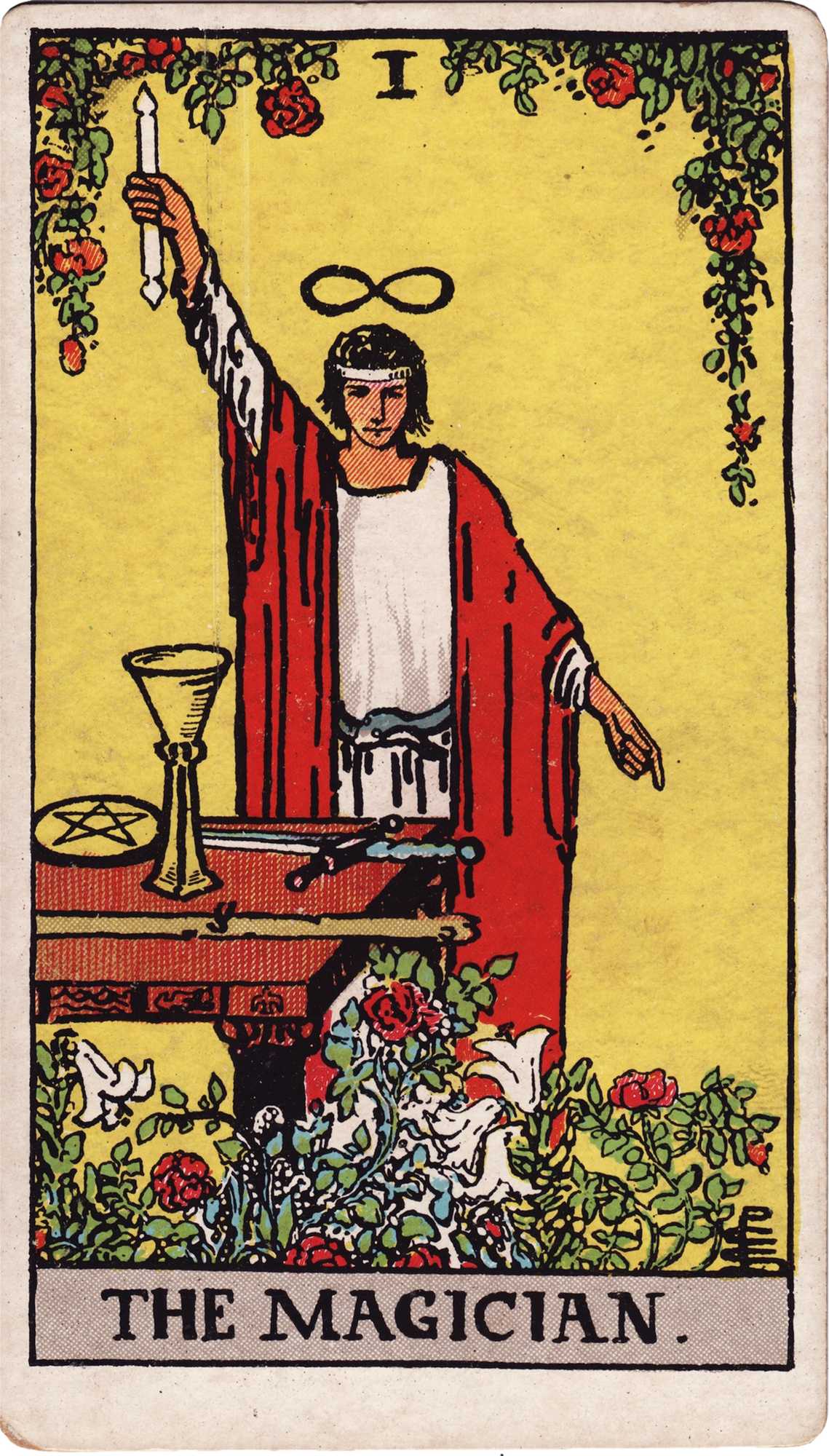 The Magician
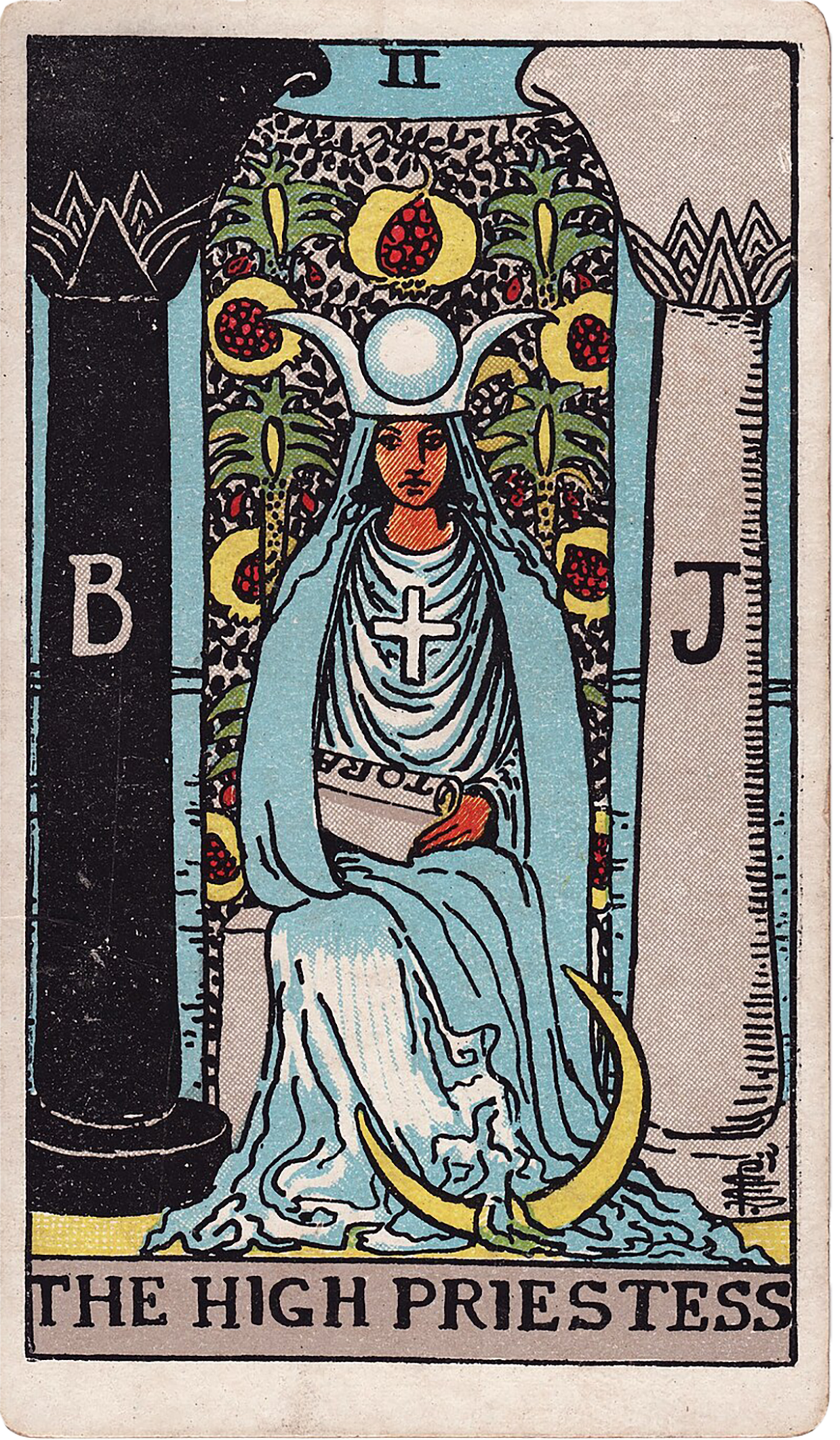 The High Priestess
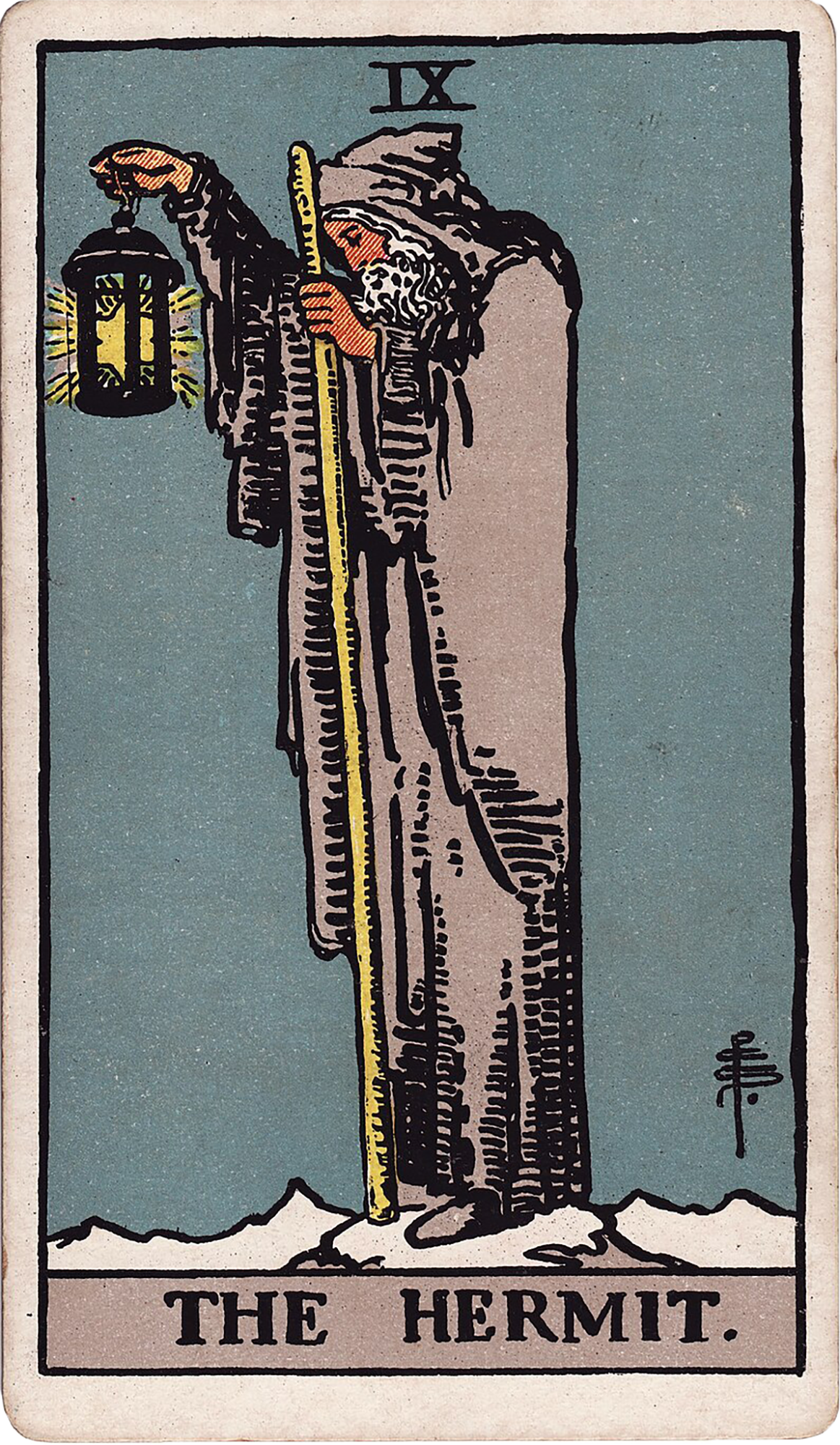 The Hermit
Introduction to Blending Intuition and Analysis in Tarot Reading
Tarot reading is a dynamic practice that benefits from a harmonious blend of intuitive sensitivity and analytical reasoning. Beginners often lean heavily on intuition, reacting to images and feelings, while advanced readers refine their skills by integrating clear logical frameworks. This article uses three iconic cards—The Magician, The High Priestess, and The Hermit—to illustrate how readers at any level can develop a dual approach. These cards exemplify key reading qualities: deliberate action and skill (The Magician), deep intuition and hidden knowledge (The High Priestess), and thoughtful reflection and insight (The Hermit). Understanding their symbolism allows readers to explore how to consciously balance sensing subtle nuances with applying structured interpretation.
Foundational Techniques for Beginners
At the beginner level, two primary techniques form the core of tarot reading: observing symbolism and trusting initial impressions. The upright Magician card encourages working with what is available now, highlighting the importance of engaging consciously with the present moment. Beginners should start by identifying the card’s key symbols—the tools on the table, the hand pointing upward, and the infinity symbol above the Magician’s head—each representing skill mastery, connection between realms, and infinite potential. Similarly, The High Priestess upright invites readers to listen beneath surface appearances, noticing quiet details like the scroll labeled "TORA" and the pillars symbolizing duality, which nurture intuitive awareness. The Hermit’s upright position offers a practice of stepping back and seeking clarity in solitude, an exercise beginners can use to deepen focus before interpretation. A practical method includes journaling each card’s imagery and immediate thoughts, then asking: Where could a clearer boundary or more deliberate choice move the situation forward? This question aligns with the cards’ upright lessons and encourages beginner readers to develop conscious engagement rather than passive guessing.
Developing Analytical Skills Through Card Symbolism
Analytical reading involves systematically breaking down card components and their traditional Rider-Waite-Smith meanings to build a structured narrative. For example, The Magician’s upright emphasis on converting potential into a concrete first move can be explored by mapping the card’s four suits—wands, cups, swords, and pentacles—found on the table. This suggests readiness to utilize all aspects: creativity, emotion, intellect, and material resources. Analytical readers will note that the Magician’s focus on deliberate choice contrasts with waiting for certainty, a valuable lesson in decision-making within readings. The High Priestess’s symbolism, such as the veil embroidered with pomegranates and the crescent moon at her feet, invites detailed consideration of hidden knowledge, cycles, and feminine mystery. Analytical readers recognize when this card suggests trusting quiet discernment versus when reversed it signals disconnection from intuition or secrecy. The Hermit’s lantern is a primary symbol for inner guidance and illumination; analytically, the card urges seeking depth over noise. By cataloging these visual elements and their standard interpretations, the reader forms a logical scaffold, interpreting how each card’s upright or reversed state relates to the querent’s question and context.
Integrating Intuition with Analysis for Advanced Readers
Advanced tarot readers blend the strengths of both intuitive and analytical approaches to create readings that are rich, nuanced, and flexible. Using the supplied cards, consider how The Magician reversed warns against manipulation or scattered talent. Intuition might detect a subtle hesitation or lack of integrity in the querent’s attitude, while analysis clarifies that this is a blockage of the Magician’s upright qualities rather than an outright disaster. The High Priestess reversed suggests mistaking anxiety for inner knowing—a nuance easily missed without reflective intuition. Advanced readers ask: Where is this energy distorted, and how does that manifest in the querent’s life? The Hermit reversed challenges readers to differentiate between healthy solitude and avoidance. Intuition senses emotional tone shifts, while analysis points to excessive withdrawal. The key advanced skill is holding these multiple layers simultaneously, confirming intuitive hunches with logical consistency. Practically, this can be done by revisiting initial impressions after completing an analytical breakdown, allowing the reading to evolve organically rather than rushing to conclusions.
Practical Reading Method Using The Magician, The High Priestess, and The Hermit
To master a practical reading method, begin by laying out the three cards side by side, noting their upright or reversed positions. First, describe the immediate imagery and symbols on each card. Next, connect upright cards to their constructive qualities: The Magician’s skillful engagement, The High Priestess’s trust in intuition, and The Hermit’s reflective clarity. Ask the key question repeated across these cards: “Where would a direct response, clearer boundary, deeper honesty, or more deliberate choice move the situation forward?” When cards are reversed, shift focus to the potential blockage or distortion indicated—such as The Magician’s manipulation, The High Priestess’s secrecy, or The Hermit’s isolation. Then, interpret the relationships between the cards. Does The Magician’s action-oriented energy complement The High Priestess’s quiet insight or conflict with The Hermit’s retreat? Offer the querent advice that balances acting with listening and reflecting. This method ensures each card’s lesson is acknowledged, and reinforces that tarot reading is less about prediction and more about guiding conscious choices.
Common Mistakes and How to Avoid Them
One frequent beginner mistake is relying solely on one mode—either pure intuition or rigid analysis. Over-intuition can lead to vague or overly emotional interpretations, while over-analysis risks losing the reading’s human element. Another common error is treating reversals as inherently negative or ominous without considering nuance; the supplied cards remind us that reversals often indicate internalized or delayed energies rather than disaster. For example, a reversed High Priestess might initially seem like a warning but can also signal a moment of personal psychological recovery. Avoid rushing to label cards as “good” or “bad” and instead explore their lessons in context. Additionally, neglecting to connect card symbolism to the querent’s real-life circumstances lessens relevance. Thorough preparation, such as studying Rider-Waite-Smith imagery and practicing the question of deliberate choice, will reduce misinterpretations. Finally, failing to reflect on the entire spread’s coherence can fragment the reading. Always step back and assess how the cards interact to tell a consistent story.
Interpreting Logic and Reflection for Deeper Insight
Tarot interpretation logic involves recognizing that each card represents a facet of human experience or psychological energy. The Magician’s logic centers on initiating action and using personal resources wisely. The High Priestess appeals to the logic of hidden knowledge and trusting inner voices beyond the obvious. The Hermit emphasizes the logic of withdrawal, reflection, and seeking guidance within. Reflection questions help deepen insight: Where is the querent called to act versus where to wait and listen? Which parts of the reading suggest internal work, and which invite external steps? By consistently applying these logic patterns, readers build a toolkit for nuanced, flexible interpretations that respect both the cards’ archetypal meanings and the querent’s unique situation. This process encourages readers to move beyond surface meanings, moving into transformative understanding that can illuminate choices and reveal growth paths.
Practice questions
• How can I balance intuitive impressions with analytical observations in my readings?
• What symbols on The Magician, The High Priestess, and The Hermit resonate most with me and why?
• In what ways do card reversals indicate internal psychological dynamics rather than external events?
• How does asking where clearer boundaries or deliberate choices can move a situation forward change my interpretation?
• What strategies help me avoid over-analysis or over-intuition when reading tarot?
Comments
Sign in to comment.
Continue learning
Harnessing the Power of The Magician and Ace of Wands: Igniting Creativity and Manifestation in Tarot Readings
The combination of The Magician and the Ace of Wands in tarot readings offers a potent blend of creative energy and manifestation power. This article delves into the ways these car...
Developing Intuitive Tarot Reading Skills with The High Priestess and The Moon
This article guides tarot learners through developing intuitive reading skills focusing on two powerful cards: The High Priestess and The Moon. Using traditional Rider-Waite-Smith...
Using the Relationship Five Card Spread to Identify and Heal Emotional Blocks
This article offers an in-depth guide to the Relationship Five Card Spread, a practical Tarot layout designed to illuminate emotional blocks within relationships and suggest paths...
Exploring the Symbolism of the Four Suits in Tarot for Deeper Reading Insights
This article explores the symbolism embedded in the Four Suits of the Tarot deck—Wands, Cups, Swords, and Pentacles—by closely examining the Ace cards from each suit. By analyzing...
Mastering the Art of Three Card Spread for Daily Insight and Decision Making
The three card spread is a versatile and accessible Tarot technique ideal for daily insight and aiding decision making. This article breaks down the method step-by-step, linking th...
Using the Five Card Cross Spread to Identify and Overcome Emotional Blocks in Relationships
The Five Card Cross spread is a practical and insightful tool to explore emotional blocks in relationships. By placing cards in positions representing Present, Past, Future, Challe...
Mastering Intuitive Tarot Reading Techniques for Beginners and Advanced Learners
This article guides both beginners and advanced tarot readers in mastering intuitive reading techniques by focusing on The High Priestess, The Hermit, and The Moon cards. It highli...
Mastering Intuitive and Analytical Techniques for Effective Tarot Reading
This article guides readers through mastering both intuitive and analytical techniques to improve tarot reading effectiveness. By engaging deeply with the symbolism and traditional...
Uncovering the Origins and Enduring Mysteries of the Wheel of Fortune Card in Tarot History
The Wheel of Fortune is one of the most enigmatic and symbolically rich cards in the tarot deck, embodying the cyclical nature of life, fate, and change. This article explores the...
Exploring the Symbolism and Elemental Correspondences of the Ace Tarot Cards
The Ace cards in tarot represent powerful beginnings and elemental energies that set the tone for the suits they belong to. This article explores the symbolism and elemental corres...