
Mastering Intuitive and Analytical Techniques for Effective Tarot Reading
This article guides readers through mastering both intuitive and analytical techniques to improve tarot reading effectiveness. By engaging deeply with the symbolism and traditional meanings of The Magician, The High Priestess, and The Hermit, readers learn how to balance conscious interpretation with subconscious insight. The article covers practical methods, common pitfalls, and ways to integrate beginner and advanced approaches for richer, more nuanced readings.
Cards explored in this article
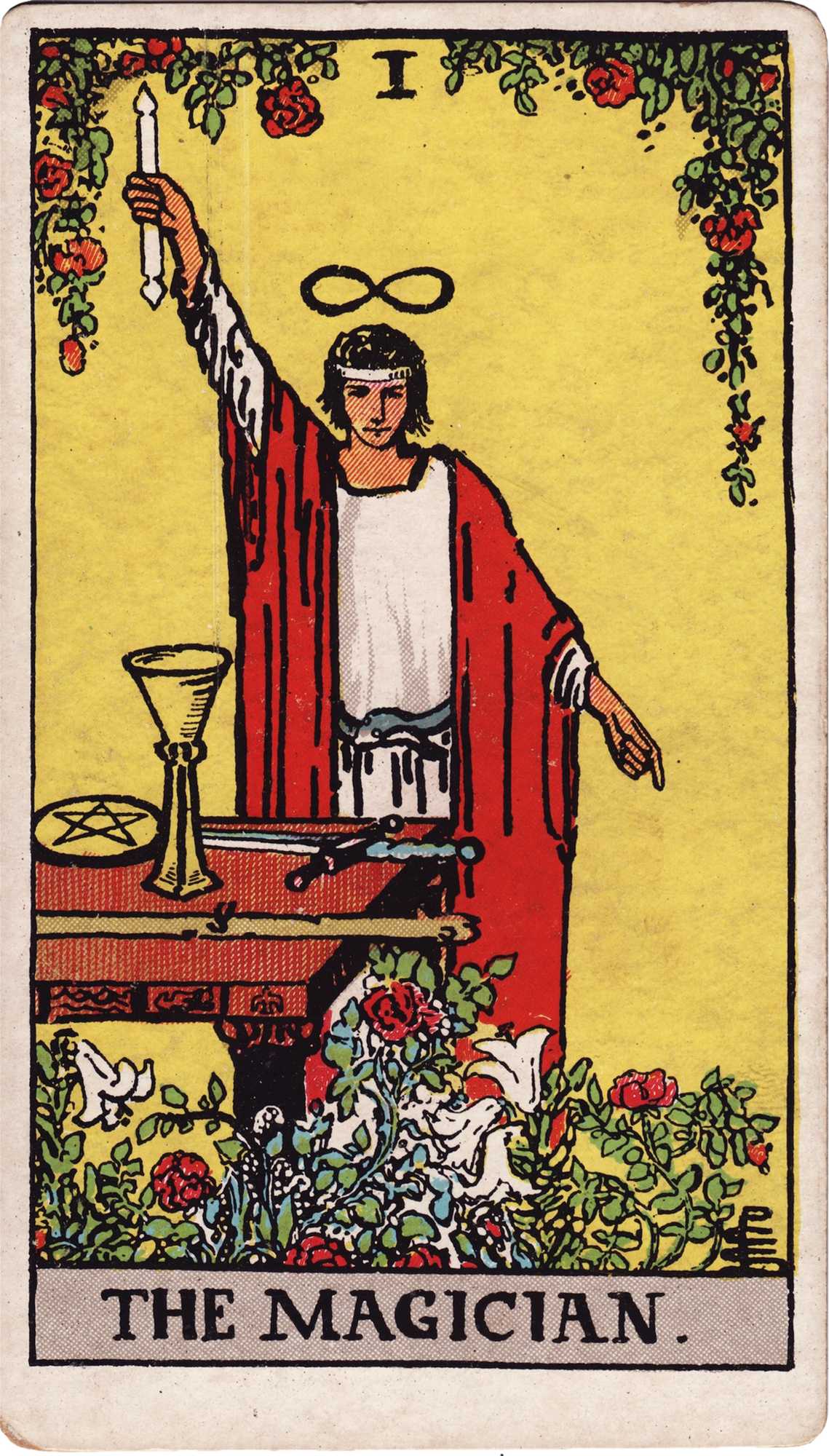 The Magician
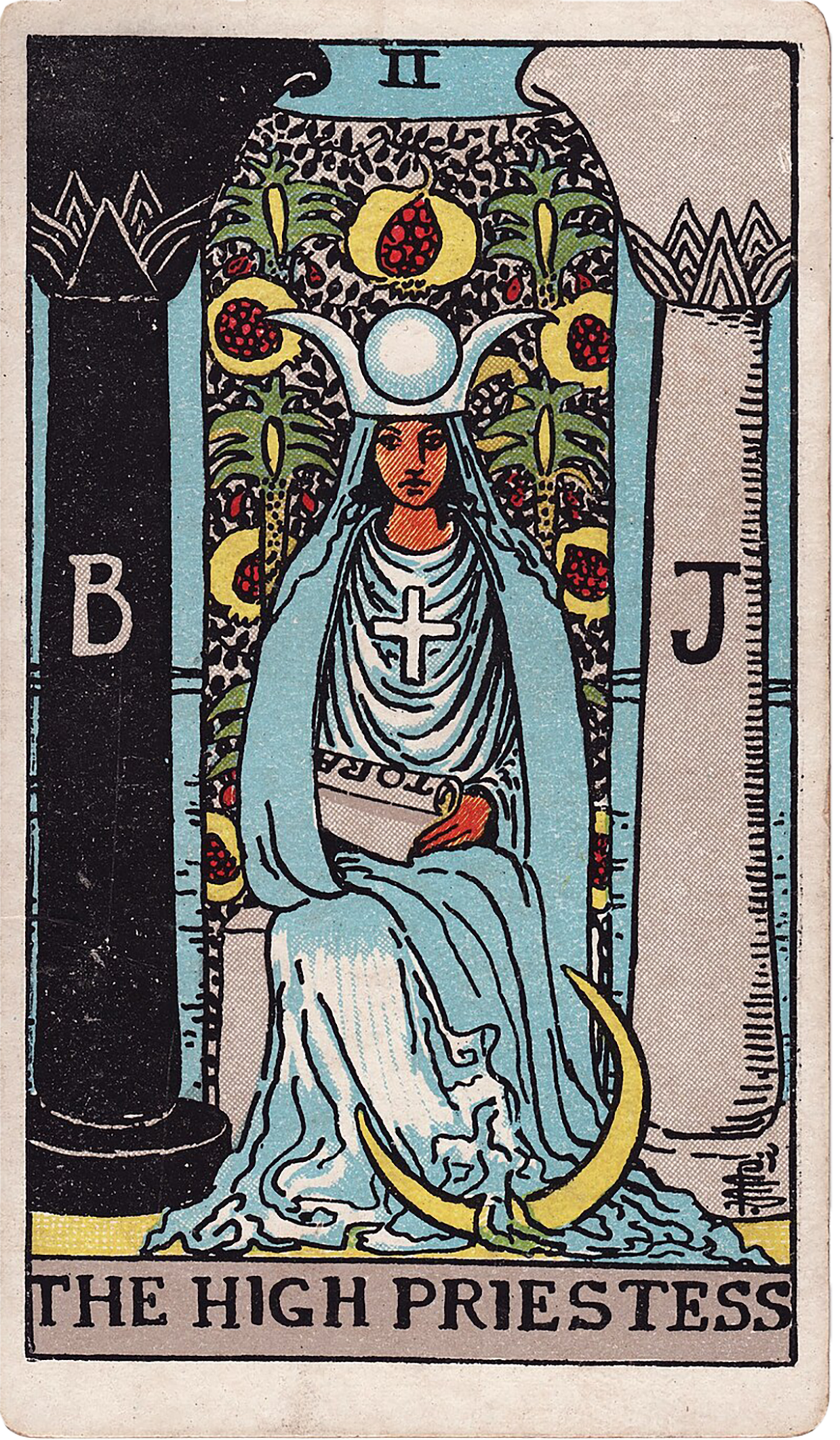 The High Priestess
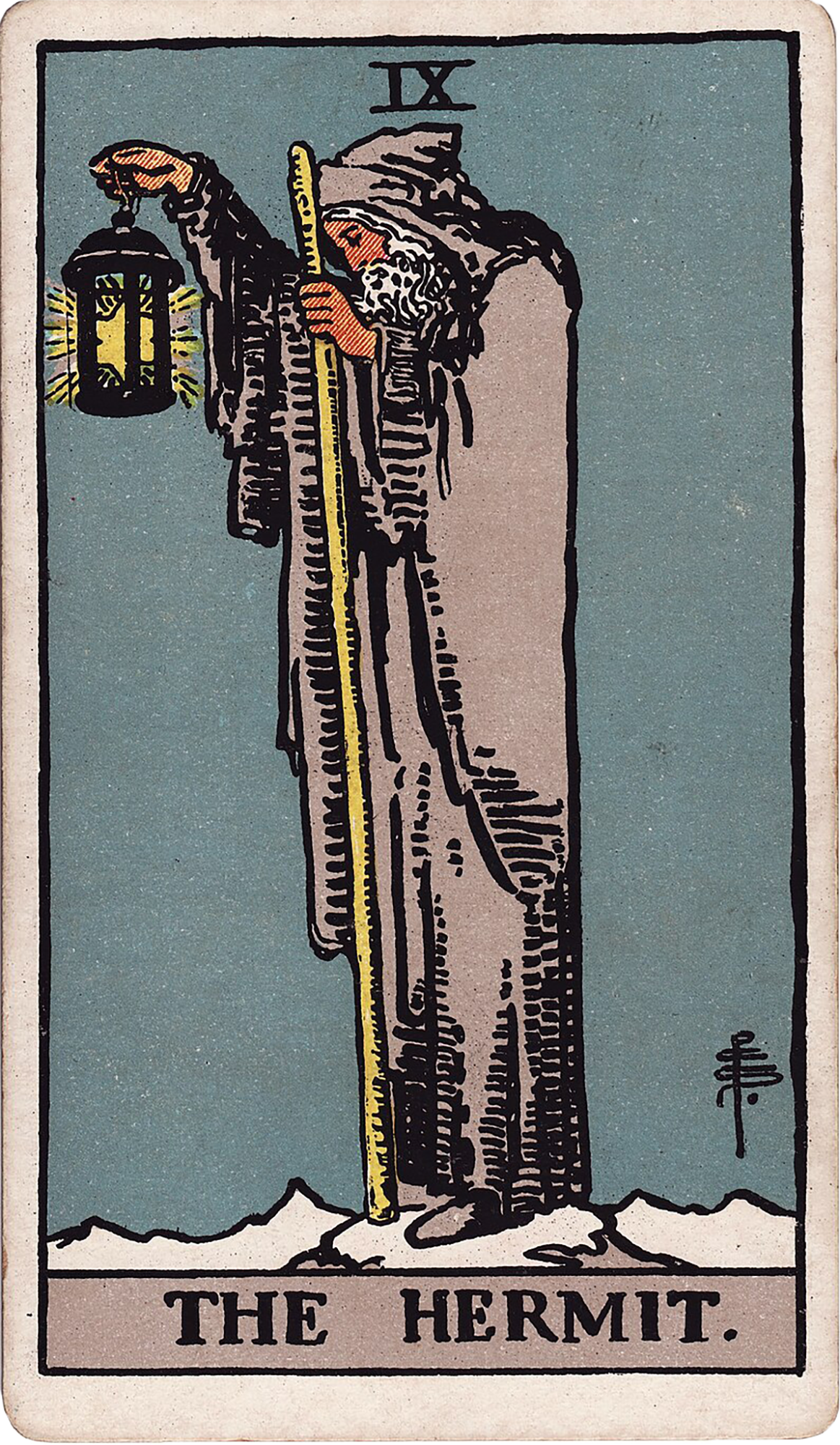 The Hermit
Introduction to Intuitive and Analytical Tarot Reading
Tarot reading can often feel like a mystical art shrouded in secrecy, but at its core, it is a skill that blends intuition with analysis. Beginners tend to rely heavily on the analytical—memorizing card meanings and spreads—while advanced readers increasingly incorporate intuition to access deeper layers of meaning. Mastering both perspectives unlocks a fuller understanding of the cards and the querent’s situation. This article will use three key Tarot cards—the Magician, the High Priestess, and the Hermit—to illustrate how you can integrate intuitive and analytical techniques, forming a robust approach to effective tarot reading.
Understanding Analytical Techniques Through The Magician
The Magician card is an excellent starting point for learning analytical tarot reading. Traditionally, The Magician symbolizes skillful use of resources, deliberate action, and clear communication. When upright, it urges the reader to identify tangible factors and consciously deliberate on the next step. Analytical technique involves observing the card’s symbols—the tools on the Magician’s table (wand, cup, sword, pentacle)—each representing elements of manifestation. The raised wand indicates channeling energy from above, while the infinity symbol over his head speaks to endless potential. By studying these details, you learn to translate symbolic language into practical advice. Analytical reading asks questions such as: What skills are currently available? What clear choices can be made now? How might the querent harness their existing talents? This approach builds a grounded interpretation that is especially useful for beginners developing confidence and structure in their readings.
Cultivating Intuition with The High Priestess
The High Priestess invites readers to go beyond surface appearances and cultivate a deeper, intuitive understanding. Symbolizing mystery, inner wisdom, and subconscious knowledge, this card challenges the reader to listen quietly and trust subtle impressions instead of rushing to immediate conclusions. Intuitive technique involves focusing on the card’s imagery: the veil behind the Priestess suggests hidden knowledge, the crescent moon at her feet connects to cycles and intuition, and the scroll she holds implies that not all information is explicit. A beginner might feel compelled to define the card’s meaning in a straightforward manner, but an intuitive reader learns to ask: What emotions or thoughts arise when looking at this card? Where does my instinct direct me in relation to the question? How might silence or waiting be part of the answer? Through meditation or journaling on the card’s symbolism, you can develop receptivity to nonverbal cues and subtle insights, enhancing the depth of your readings beyond conventional interpretations.
Balancing Reflection and Insight with The Hermit
The Hermit embodies a crucial skill for both beginner and advanced readers: stepping back to reflect and seek clarity. Analytical readers will appreciate the Hermit’s message of thoughtful contemplation and measured withdrawal, which supports clear, deliberate interpretation rather than impulsiveness. The card’s imagery—a solitary figure holding a lantern—symbolizes the search for inner light and wisdom in solitude. This teaches the importance of creating space to integrate intuition and analysis. When facing a complex reading, the Hermit encourages asking: What needs deeper consideration here? Where might I be rushing to judgment? How can silence or solitude improve my understanding? Advanced readers frequently adopt the Hermit’s approach to examine their own biases and assumptions, ensuring interpretations are both honest and nuanced. This card bridges intuitive sensing and logical reasoning, reminding readers to honor both qualities equally.
Practical Methods for Combining Intuition and Analysis
To master tarot reading, it’s essential to practice blending intuitive and analytical skills. Here is a practical method using the supplied cards: 1. Begin your reading by identifying the analytical aspects. For example, if The Magician appears upright, list the concrete skills, resources, or opportunities present. 2. Next, engage your intuition by spending a few quiet moments with The High Priestess. Notice any feelings or spontaneous thoughts that arise without pressing for a concrete answer. 3. Use The Hermit’s lesson by pausing to reflect on both your analysis and intuitive impressions. Write down questions or contradictions that emerge. 4. Synthesize your insights into a balanced narrative. For example, The Magician’s call to active engagement might be tempered by The High Priestess’s recommendation to wait and listen, while The Hermit suggests a thoughtful review before action. By cycling through these steps, you develop a dynamic reading process that honors clarity and depth. This method also helps avoid common pitfalls such as relying too heavily on rote meanings or drifting into vague intuition without grounding.
Common Mistakes and How to Avoid Them
New tarot readers often make errors that stem from unbalanced use of intuition and analysis. One frequent mistake is over-intellectualizing cards like The Magician—focusing on memorized meanings without sensing their relevance to the question. This can lead to robotic or irrelevant readings. Conversely, some readers over-rely on intuition, treating cards like The High Priestess as mystical symbols without checking how they align with the querent’s actual situation. This can yield confusing or overly vague guidance. Another error involves ignoring The Hermit’s advice to reflect and step back, resulting in rushed interpretations. To avoid these issues: - Always ground intuition with observable card details. - Ask clarifying questions rather than assuming immediate understanding. - Take time to pause and integrate insights, even in quick readings. Mindful practice and journaling your experiences with these three cards can build balance and skill over time.
Interpreting Reversed Cards Within Intuitive and Analytical Frameworks
Reversed cards add complexity but also opportunity for nuanced interpretation. For example, reversed The Magician might suggest scattered energy or lack of integrity. Analytically, examine which skills or resources are not fully applied or are misused. Intuitively, notice feelings of hesitation or doubt that the card stirs. Reversed The High Priestess can indicate blocked intuition or secrecy. Analytical reading asks where information is hidden or misunderstood, while intuitive inquiry might reveal inner confusion or denial. Reversed The Hermit may warn of isolation or avoidance. It encourages analytical reflection on withdrawal’s causes and intuitive sensitivity to feelings of loneliness. In each case, combining analysis and intuition helps determine whether reversal signals resistance, a needed pause, or an early stage of transformation. This dual approach avoids simplistic good/bad judgments and enriches your interpretative depth.
Conclusion and Ongoing Practice for Mastery
Mastering tarot reading involves ongoing integration of intuitive and analytical approaches. The Magician teaches deliberate use of skills, The High Priestess models deep listening and inner knowing, and The Hermit reminds us of the value of reflection and clarity. Working consciously with these cards helps readers balance rational structure with intuitive wisdom. Develop habits such as meditating on card imagery, journaling your thoughts and feelings during readings, and reviewing your interpretations critically. Over time, this practice cultivates flexibility, depth, and confidence, enabling you to respond to any query with both practical insight and subtle understanding. Remember, tarot is not about predicting fixed outcomes but engaging collaboratively with possibility and meaning through skillful use of both mind and heart.
Practice questions
• How do you currently balance intuitive impressions and analytical reasoning in your tarot readings?
• What specific symbols on The Magician, The High Priestess, and The Hermit resonate most strongly with you, and why?
• Can you identify moments when your intuition was unclear or your analysis too rigid during a reading? How might you adjust?
• How can pausing for reflection like The Hermit improve your reading accuracy and depth?
• In what ways can reversed cards serve as signals for deeper psychological or energetic work rather than simple negative omens?
Comments
Sign in to comment.
Continue learning
Harnessing the Power of The Magician and Ace of Wands: Igniting Creativity and Manifestation in Tarot Readings
The combination of The Magician and the Ace of Wands in tarot readings offers a potent blend of creative energy and manifestation power. This article delves into the ways these car...
Developing Intuitive Tarot Reading Skills with The High Priestess and The Moon
This article guides tarot learners through developing intuitive reading skills focusing on two powerful cards: The High Priestess and The Moon. Using traditional Rider-Waite-Smith...
Using the Relationship Five Card Spread to Identify and Heal Emotional Blocks
This article offers an in-depth guide to the Relationship Five Card Spread, a practical Tarot layout designed to illuminate emotional blocks within relationships and suggest paths...
Exploring the Symbolism of the Four Suits in Tarot for Deeper Reading Insights
This article explores the symbolism embedded in the Four Suits of the Tarot deck—Wands, Cups, Swords, and Pentacles—by closely examining the Ace cards from each suit. By analyzing...
Mastering the Art of Three Card Spread for Daily Insight and Decision Making
The three card spread is a versatile and accessible Tarot technique ideal for daily insight and aiding decision making. This article breaks down the method step-by-step, linking th...
Using the Five Card Cross Spread to Identify and Overcome Emotional Blocks in Relationships
The Five Card Cross spread is a practical and insightful tool to explore emotional blocks in relationships. By placing cards in positions representing Present, Past, Future, Challe...
Mastering Intuitive Tarot Reading Techniques for Beginners and Advanced Learners
This article guides both beginners and advanced tarot readers in mastering intuitive reading techniques by focusing on The High Priestess, The Hermit, and The Moon cards. It highli...
Mastering Intuitive and Analytical Tarot Reading Techniques for All Levels
This article guides tarot learners through mastering both intuitive and analytical reading techniques by closely examining three powerful cards from the Rider-Waite-Smith tradition...
Uncovering the Origins and Enduring Mysteries of the Wheel of Fortune Card in Tarot History
The Wheel of Fortune is one of the most enigmatic and symbolically rich cards in the tarot deck, embodying the cyclical nature of life, fate, and change. This article explores the...
Exploring the Symbolism and Elemental Correspondences of the Ace Tarot Cards
The Ace cards in tarot represent powerful beginnings and elemental energies that set the tone for the suits they belong to. This article explores the symbolism and elemental corres...