
Mastering Intuitive Tarot Reading Techniques for Beginners and Advanced Learners
This article guides both beginners and advanced tarot readers in mastering intuitive reading techniques by focusing on The High Priestess, The Hermit, and The Moon cards. It highlights practical approaches to interpreting these cards in both upright and reversed positions, emphasizing the development of inner discernment. Readers will learn how to connect with card symbolism, avoid common mistakes, and apply a structured yet flexible method to deepen their understanding and confidence in readings.
Cards explored in this article
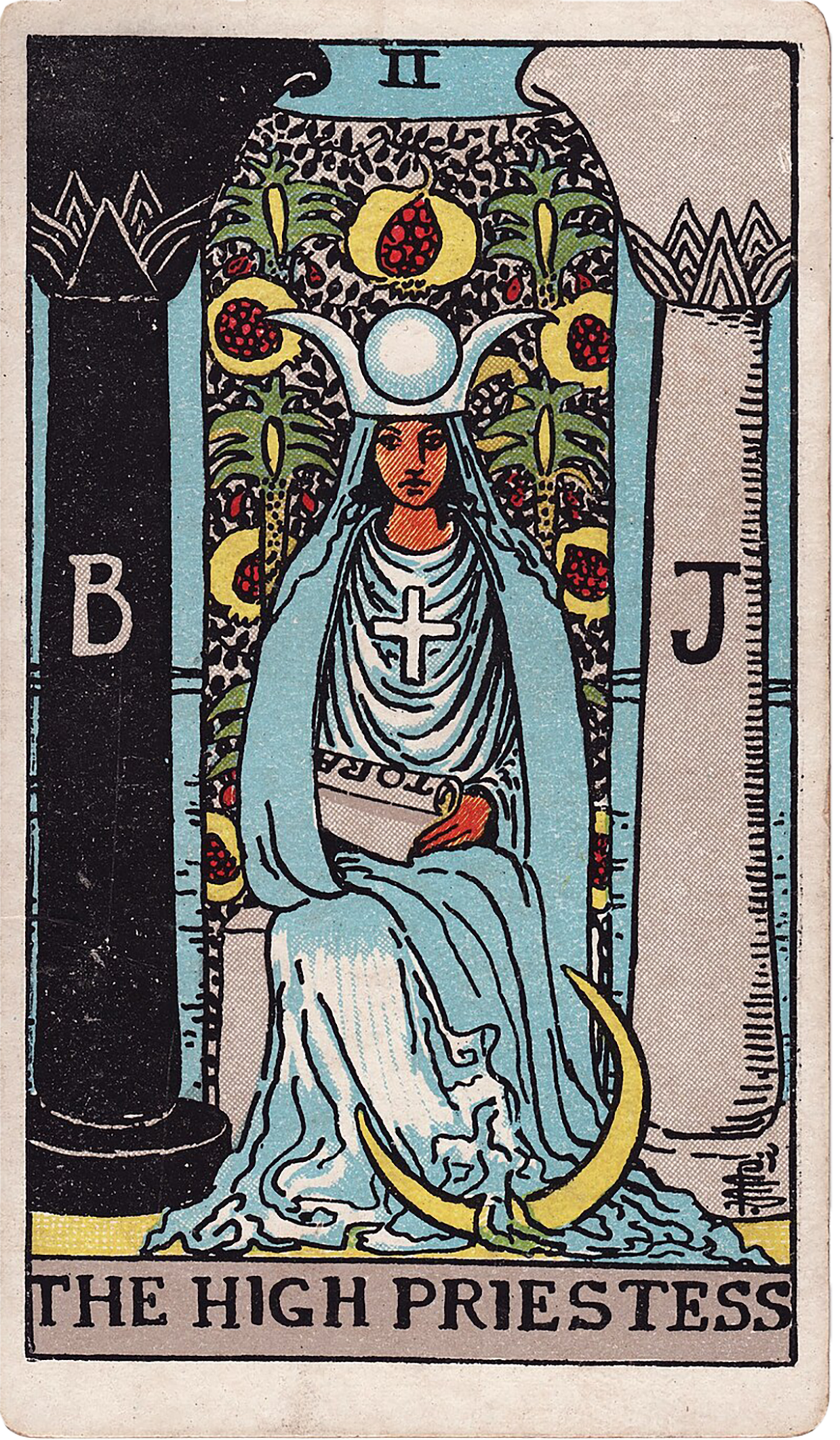 The High Priestess
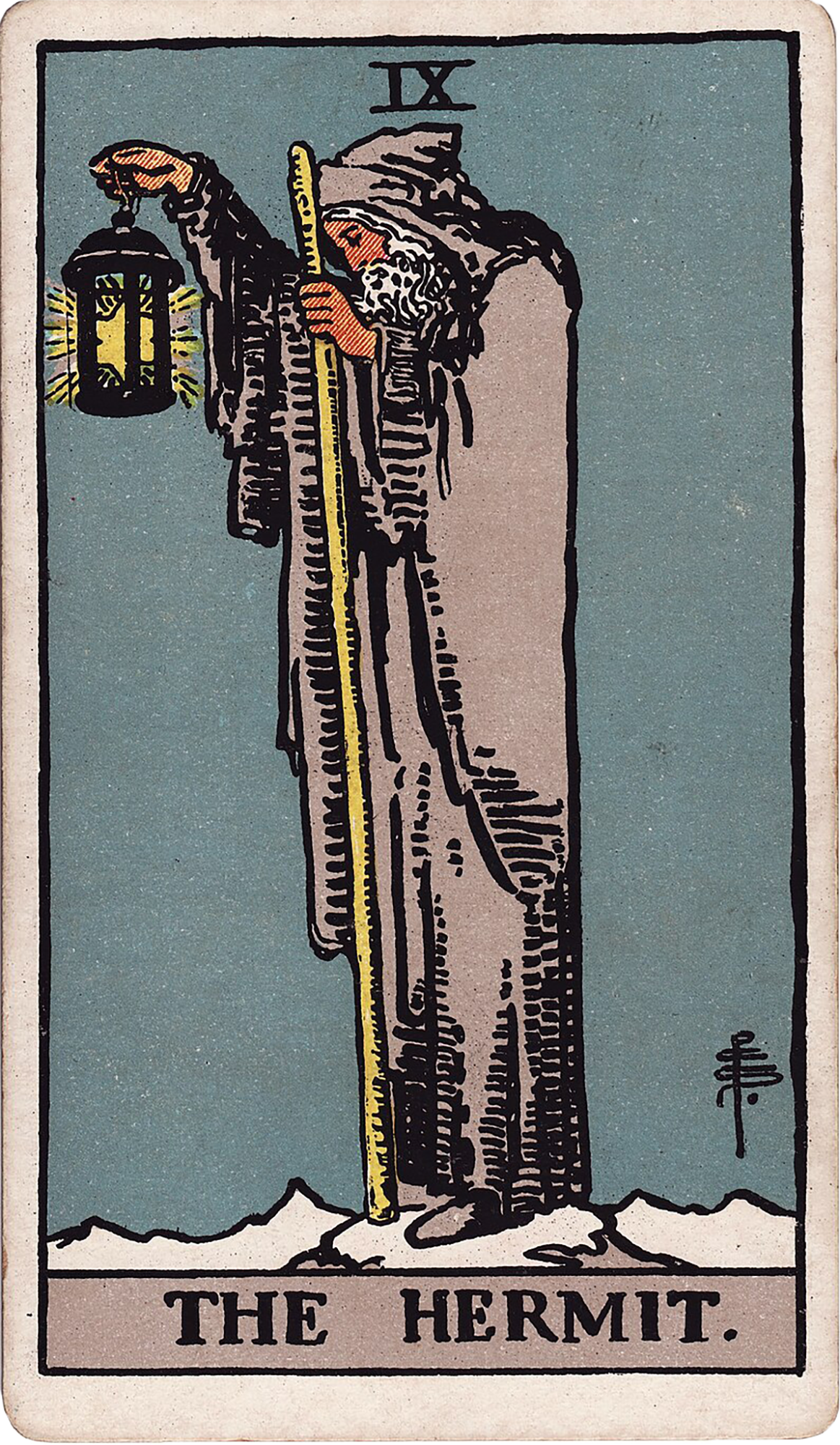 The Hermit
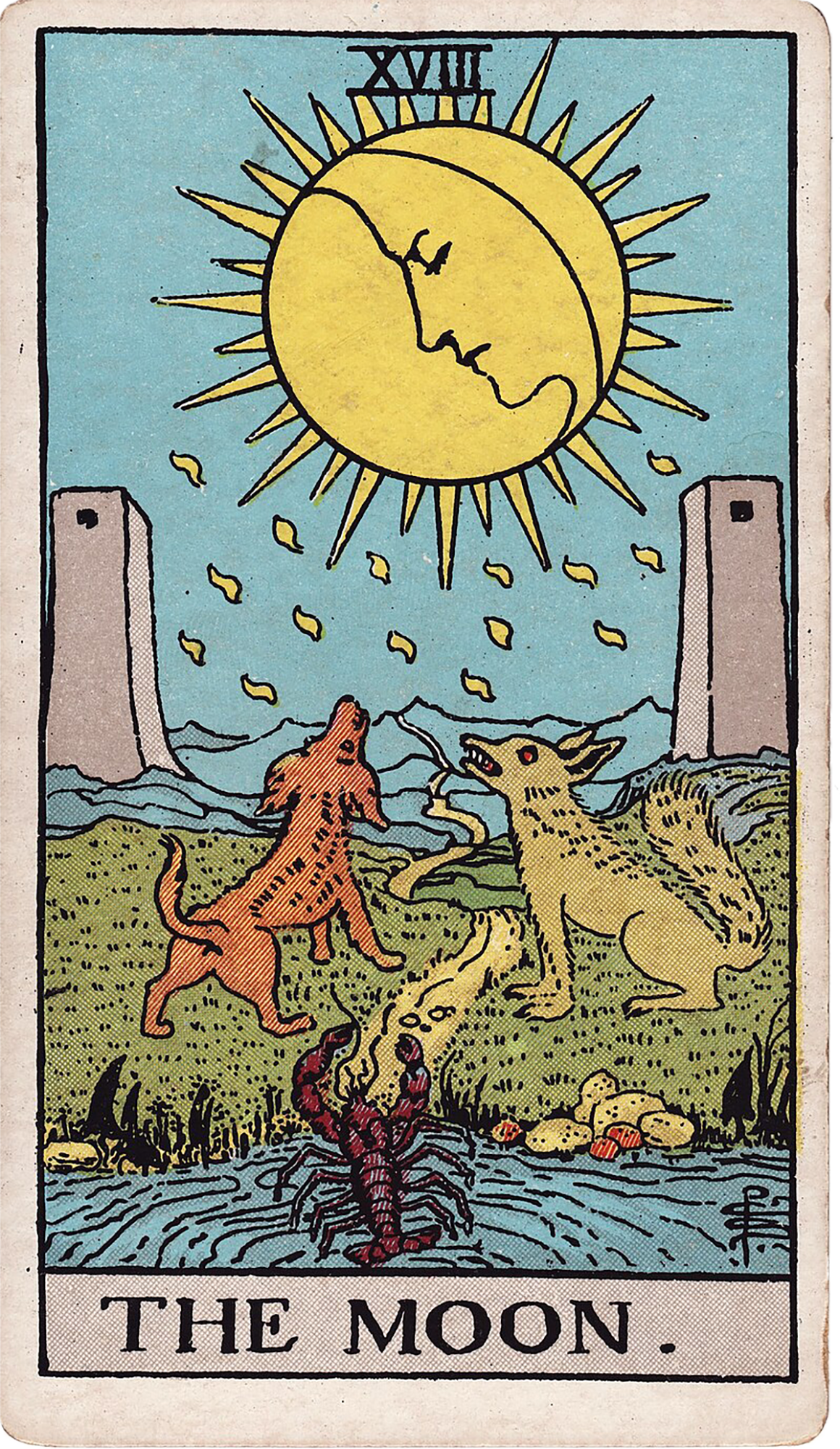 The Moon
Introduction to Intuitive Tarot Reading
Intuitive tarot reading involves moving beyond rigid definitions and allowing the cards to speak through a combination of symbolism, personal insight, and contextual awareness. Whether you are a beginner or an advanced learner, cultivating intuition helps you interpret the cards in a way that resonates personally and meaningfully with the querent’s unique situation. This article centers on The High Priestess, The Hermit, and The Moon—three Major Arcana cards rich in symbolism related to intuition, inner wisdom, and navigating uncertainty. By examining these cards thoroughly, you can build a foundational approach to intuitive reading techniques that is adaptable and deep.
Understanding The High Priestess for Intuitive Practice
The High Priestess represents the gateway to inner knowledge and the subconscious mind. In the upright position, she encourages listening beneath surface appearances and trusting quiet discernment. Beginners should first focus on observing the card’s imagery—notice her seated calmly between two pillars, holding a scroll partly hidden, symbolizing hidden wisdom waiting to be revealed. Intuitively, this card asks you to consider what is not immediately visible in the querent’s life. For advanced readers, The High Priestess challenges you to identify where clarity can emerge through silence and reflection rather than direct action. Reversed, The High Priestess highlights blocks in intuition, secrecy, or projection of fears as inner knowing. Instead of fearing a "bad" outcome, ask where these distortions occur. Practically, this requires you to watch for resistance or delayed insight, which often surfaces in the reading environment. Using her symbolism, try asking: Where is the querent avoiding truth or misunderstanding inner signals? This approach deepens intuitive engagement rather than relying on memorized meanings.
Applying The Hermit’s Wisdom in Your Readings
The Hermit embodies the importance of stepping back and seeking clarity through solitude and contemplation. For beginners, engage with the card’s traditional Rider-Waite symbolism: an elderly figure holding a lantern in darkness, representing a search for inner light and truth. This card invites you to slow down and focus on the core issue without distraction. In practice, The Hermit’s upright presence in a reading suggests working consciously with what is present now—identify the next proportionate step instead of waiting for perfect certainty. Advanced readers can integrate this by noticing how the querent’s choices may require introspection or clearer boundaries. When reversed, The Hermit warns of excessive withdrawal, loneliness, or avoidance. Instead of interpreting this as simply negative, explore how isolation might be distorted or unbalanced. Ask where the querent might be using solitude to escape engagement or overanalyzing instead of acting. This nuanced approach supports a more compassionate and psychologically aware reading.
Navigating Uncertainty with The Moon’s Symbolism
The Moon card teaches moving carefully through uncertainty while honoring dreams and intuition. For beginners, study the card’s imagery: a moon illuminating a scene with a path between two towers, with a wolf and a dog representing wild and tame instincts. This symbolism encourages respect for subconscious signals but also vigilance against projection and illusion. Upright, The Moon advises readers to balance intuition with reality checks. Ask yourself: How can a clearer boundary or deliberate choice help the querent navigate ambiguity? This balance is critical for both new and experienced readers seeking meaningful insights. When reversed, The Moon often signals confusion clearing or denial of intuition. It might reflect hidden fears or becoming trapped in imagined scenarios. Use the reversal as a prompt to investigate where the querent may be resisting or recovering from past patterns. This deepens your understanding of psychological dynamics rather than defaulting to fear-based interpretations.
Techniques for Developing Intuition with These Cards
Developing intuitive reading skills requires deliberate practice with the cards’ imagery and meanings. Start by meditating on each card individually, noting your immediate impressions before consulting traditional references. Use journal prompts to record your thoughts on how The High Priestess’s hidden knowledge, The Hermit’s solitary wisdom, and The Moon’s ambiguous illumination resonate in your life. During readings, slow your pace and observe not only the card’s position but also what feelings or mental images arise. Ask open-ended questions related to the card’s upright or reversed qualities: Where is clarity emerging? What inner voices are speaking? How might this energy be balanced or distorted? These questions guide you beyond memorized meanings into nuanced interpretation. For advanced learners, incorporate neighboring cards to map out how the themes of intuition, isolation, and uncertainty interact. Notice patterns and shifts in energy rather than isolated snapshots. This method respects the cards as living symbols in a dynamic story, enhancing depth and accuracy.
Common Mistakes and How to Avoid Them
A common beginner mistake is relying too heavily on fixed, dictionary-like card meanings without engaging personal intuition. For example, seeing The High Priestess only as secrecy or passivity overlooks her empowering call to trust quiet insight. Similarly, The Hermit is not simply loneliness but a conscious choice for clarity. The Moon is often misunderstood as purely negative when it also invites respectful navigation through uncertainty. Another pitfall involves fear of reversals. Reversed cards do not automatically mean bad outcomes; they often highlight blockages or developmental stages. Approach reversals as invitations to explore where energy is distorted or delayed. To avoid these mistakes, always anchor interpretations in the card’s imagery and symbolism as a foundation. Ask guiding questions that open rather than close meanings, and cultivate patience to allow insights to emerge over time.
Practical Method for Intuitive Tarot Readings
Begin your reading session with a quiet moment, focusing on your breath to center yourself. Shuffle the deck while pondering the querent’s question or issue. Draw The High Priestess, The Hermit, and The Moon cards (or these cards appear in your reading). Observe each card carefully: note colors, symbols, and figures. Interpret upright cards by identifying the lesson they suggest about intuition, clarity, and trust in the process. For reversed cards, explore what might be hidden or blocked, using questions like: Where might resistance or distortion be present? Cross-reference the three cards to see how their energies interact. For example, The High Priestess may indicate the need to listen inwardly, The Hermit suggests stepping back for clarity, and The Moon highlights navigating uncertainty with care. Together, they provide a roadmap for deep intuitive engagement. Conclude by summarizing insights and suggesting practical next steps for the querent, emphasizing conscious choices rather than fatalistic predictions.
Interpreting Logic Rooted in Symbolism and Context
Intuitive tarot reading balances traditional symbolism with the querent’s context and the reader’s inner guidance. Each card holds archetypal meanings: The High Priestess as subconscious wisdom, The Hermit as introspective clarity, and The Moon as the interplay of illusion and intuition. Logical interpretation involves identifying the core qualities each card represents, then filtering them through the specific question and surrounding cards. Upright cards generally suggest active presence of these qualities; reversed cards highlight where these energies are blocked or expressed imbalanced. By consciously framing interpretation as an inquiry—asking how these themes apply and where energy flows or stalls—you build a logical, repeatable framework supporting intuitive insights. This approach respects Rider-Waite-Smith symbolism while allowing for personal and situational nuance.
Practice questions
• How do I distinguish between intuition and projection when interpreting tarot cards?
• In what ways can The High Priestess guide me to listen more deeply during a reading?
• How might The Hermit’s call for solitude apply to a querent’s current situation?
• What strategies help me balance the ambiguity represented by The Moon in readings?
• How can I use reversed cards to explore blocks or delays without fear?
• What steps can I take to develop a daily intuitive practice with these cards?
• How do neighboring cards influence the interpretation of The High Priestess, The Hermit, and The Moon?
Comments
Sign in to comment.
Continue learning
Harnessing the Power of The Magician and Ace of Wands: Igniting Creativity and Manifestation in Tarot Readings
The combination of The Magician and the Ace of Wands in tarot readings offers a potent blend of creative energy and manifestation power. This article delves into the ways these car...
Developing Intuitive Tarot Reading Skills with The High Priestess and The Moon
This article guides tarot learners through developing intuitive reading skills focusing on two powerful cards: The High Priestess and The Moon. Using traditional Rider-Waite-Smith...
Using the Relationship Five Card Spread to Identify and Heal Emotional Blocks
This article offers an in-depth guide to the Relationship Five Card Spread, a practical Tarot layout designed to illuminate emotional blocks within relationships and suggest paths...
Exploring the Symbolism of the Four Suits in Tarot for Deeper Reading Insights
This article explores the symbolism embedded in the Four Suits of the Tarot deck—Wands, Cups, Swords, and Pentacles—by closely examining the Ace cards from each suit. By analyzing...
Mastering the Art of Three Card Spread for Daily Insight and Decision Making
The three card spread is a versatile and accessible Tarot technique ideal for daily insight and aiding decision making. This article breaks down the method step-by-step, linking th...
Using the Five Card Cross Spread to Identify and Overcome Emotional Blocks in Relationships
The Five Card Cross spread is a practical and insightful tool to explore emotional blocks in relationships. By placing cards in positions representing Present, Past, Future, Challe...
Mastering Intuitive and Analytical Tarot Reading Techniques for All Levels
This article guides tarot learners through mastering both intuitive and analytical reading techniques by closely examining three powerful cards from the Rider-Waite-Smith tradition...
Mastering Intuitive and Analytical Techniques for Effective Tarot Reading
This article guides readers through mastering both intuitive and analytical techniques to improve tarot reading effectiveness. By engaging deeply with the symbolism and traditional...
Uncovering the Origins and Enduring Mysteries of the Wheel of Fortune Card in Tarot History
The Wheel of Fortune is one of the most enigmatic and symbolically rich cards in the tarot deck, embodying the cyclical nature of life, fate, and change. This article explores the...
Exploring the Symbolism and Elemental Correspondences of the Ace Tarot Cards
The Ace cards in tarot represent powerful beginnings and elemental energies that set the tone for the suits they belong to. This article explores the symbolism and elemental corres...