
Mastering the Art of Three Card Spread for Daily Insight and Decision Making
The three card spread is a versatile and accessible Tarot technique ideal for daily insight and aiding decision making. This article breaks down the method step-by-step, linking the process closely to the symbolic meanings of The Fool, The Magician, and The High Priestess as drawn in upright and reversed positions. Readers will find both beginner-friendly guidance and advanced interpretive strategies to deepen their understanding, avoid common mistakes, and develop practical Tarot reading skills for personal and professional growth.
Cards explored in this article
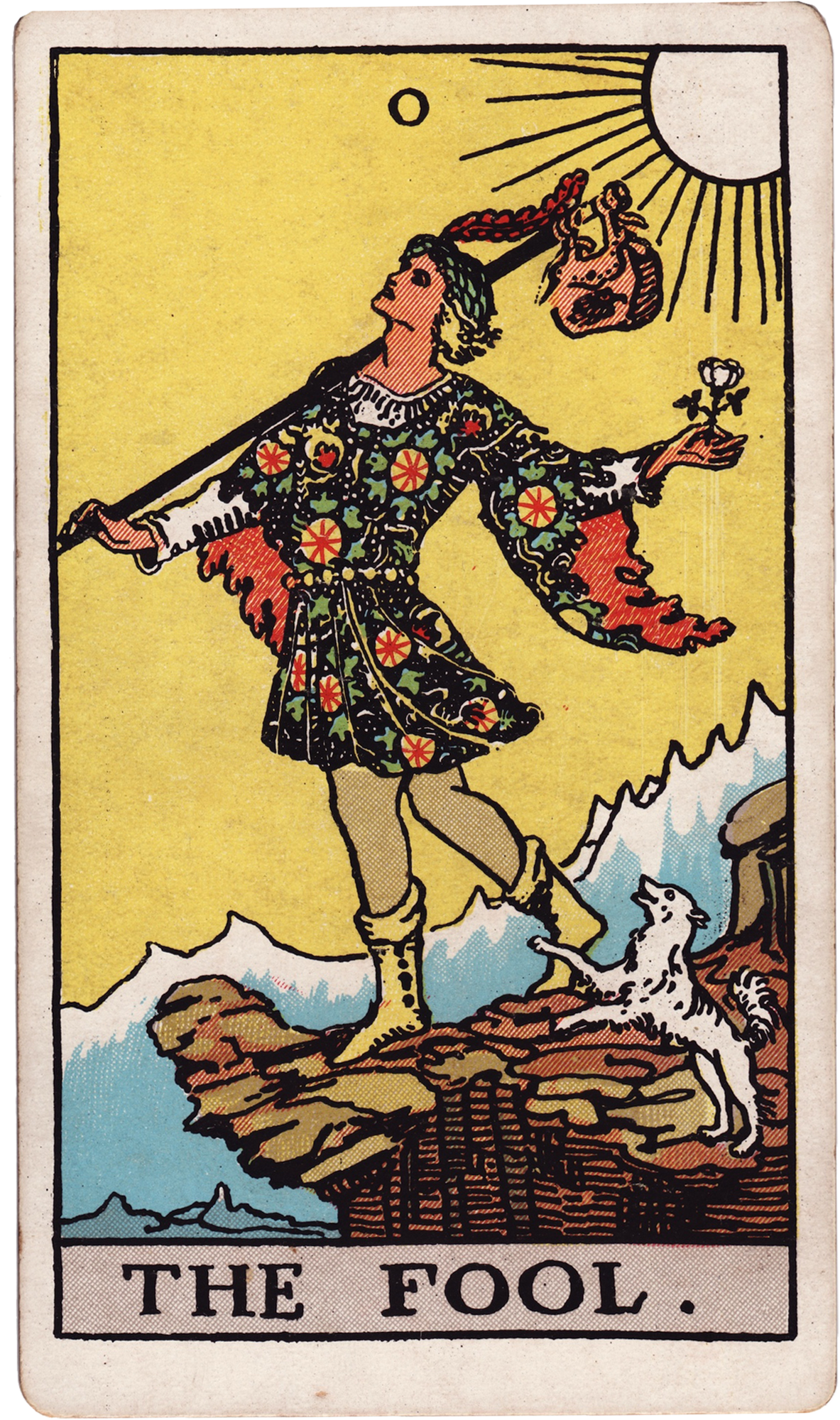 The Fool
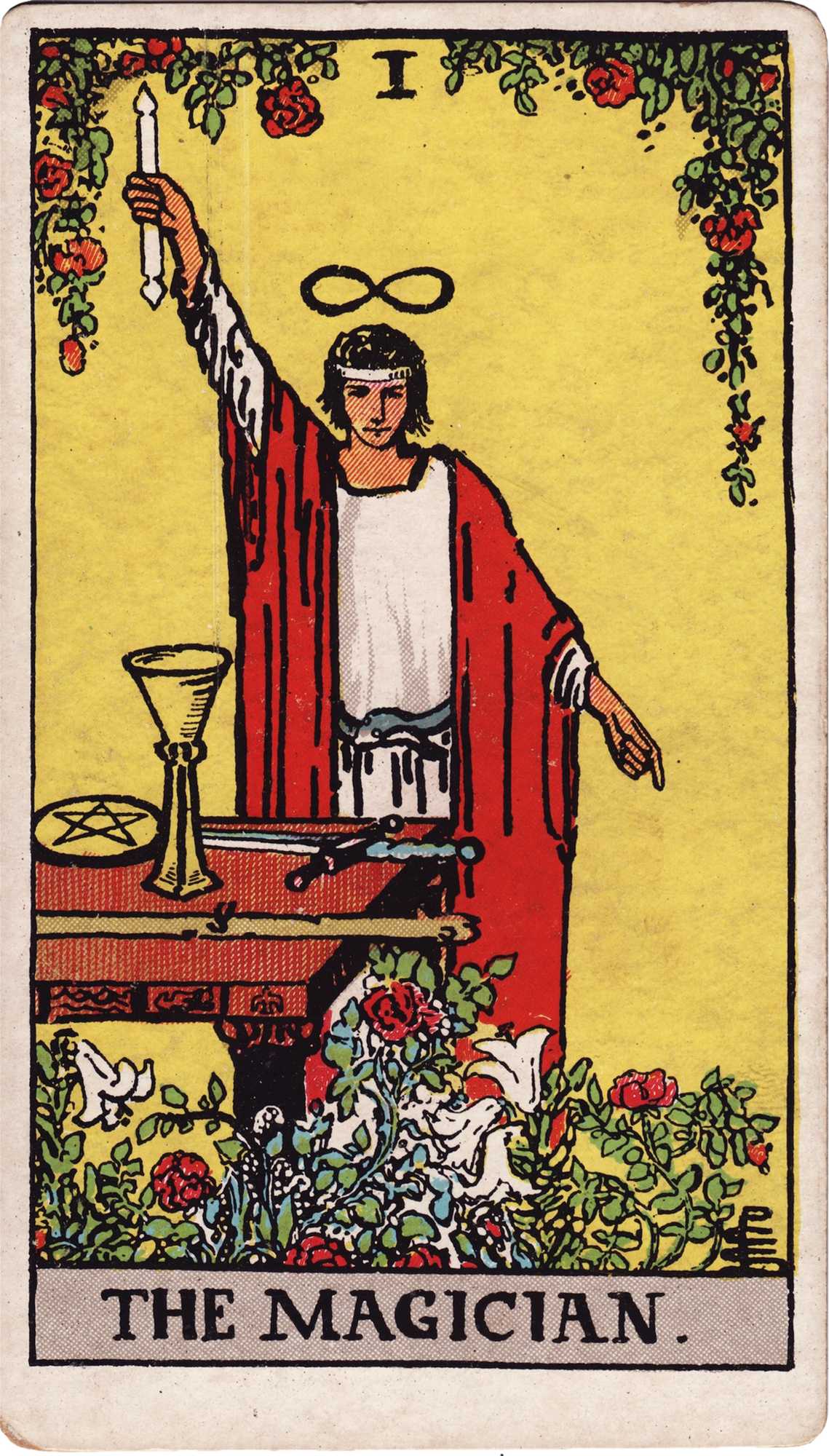 The Magician
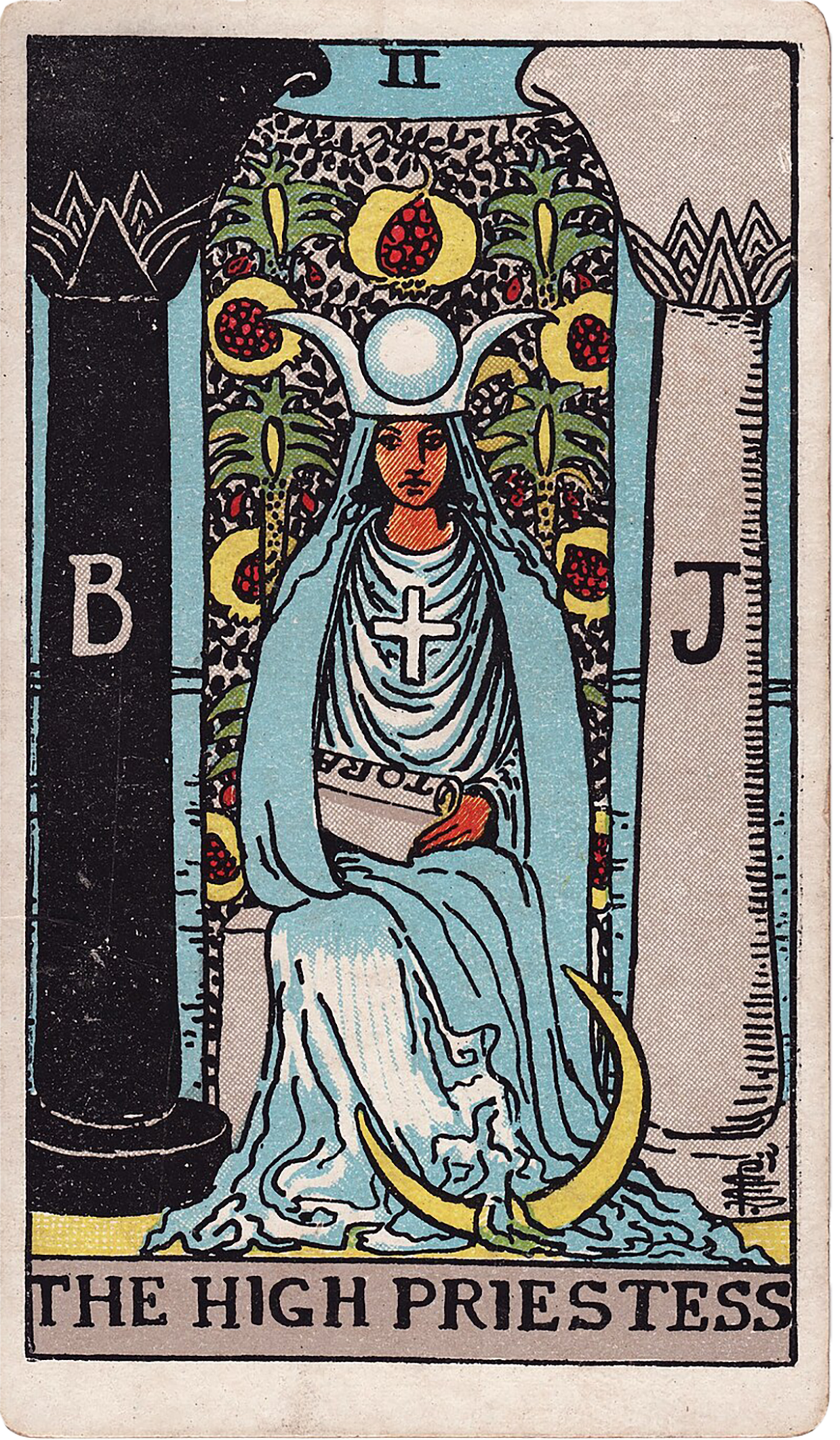 The High Priestess
Introduction to the Three Card Spread
The three card spread is one of the most straightforward yet powerful Tarot layouts, commonly used to explore the past, present, and future or to identify a situation, challenge, and advice. It is perfect for daily draws because it offers a concise, manageable way to connect with the cards without overwhelming complexity. Unlike larger spreads, the three card method encourages focused reflection on immediate influences and decisions. In this article, we will focus on integrating the energy and symbolism of The Fool, The Magician, and The High Priestess, three Major Arcana cards rich with meaning and guidance. Their imagery and traditional Rider-Waite-Smith symbolism provide a strong foundation for interpreting subtle nuances in everyday readings.
Understanding the Card Positions and Their Roles
When using the three card spread, the meaning of each card is shaped both by its position and its intrinsic symbolism. Common layouts include Past-Present-Future or Situation-Challenge-Advice, but you can adapt the positions to fit your question or focus. For example: - Position 1 (The Fool): Represents beginnings, new opportunities, or the foundation of the current issue. - Position 2 (The Magician): Signals action, skill application, or obstacles related to using one’s abilities. - Position 3 (The High Priestess): Highlights intuition, hidden factors, or guidance from within. With The Fool, The Magician, and The High Priestess appearing in your reading, you see a journey from open curiosity through deliberate action to deep intuition. The cards encourage balance: initiate without paralysis (The Fool), use your skills consciously (The Magician), and listen beneath the surface (The High Priestess). Recognizing their roles helps you frame interpretations relative to your daily life and questions.
Deep Dive into The Fool and Its Interpretive Nuances
The Fool signals the start of a journey, emphasizing stepping forward with curiosity despite uncertainty. Upright, it encourages embracing the unknown with openness and recognizing the moment when enough information is available to take a next step. Visually, The Fool’s carefree stance near a cliff hints at risk balanced by trust in the process. When reversed, the card highlights recklessness, avoidance, or a resistance to beginning due to fear of uncertainty. In a daily reading, seeing The Fool upright in the first position invites you to identify where you can act without full certainty, trusting your instincts while maintaining awareness. If reversed, it suggests reflecting on where hesitation or impulsiveness may be distorting your judgment. For example, you might be delaying a decision that needs to be made or rushing into something without proper consideration. Linking this to practical behavior helps ground the card’s lesson.
Exploring The Magician for Skillful Action and Willpower
The Magician symbolizes transformation of potential into reality through skill, focus, and clear communication. Upright, it encourages deliberate use of your talents and resources to initiate meaningful change. The card’s imagery—tools on the table and the infinity symbol over his head—remind readers of the power at their disposal and the need for integrity. In reversal, The Magician warns against manipulation, scattered effort, or self-doubt undermining your effectiveness. Consider where your actions or intentions may lack clarity or ethical grounding. Placed in the middle of a three card spread, The Magician often reflects the current challenge or required action. A daily reading might prompt you to ask: How can I use my skills more intentionally today? Where might I be unintentionally misleading myself or others? This card teaches balance between potential and practical execution.
Unlocking The High Priestess for Intuition and Hidden Wisdom
The High Priestess embodies intuition, mystery, and the deeper knowledge beneath surface appearances. Upright, she invites quiet reflection and trust in inner guidance, symbolized by the scroll she holds and the veil behind her, which separates seen from unseen realms. Reversed, she points to secrecy, disconnection from intuition, or confusing anxiety with insight. In the third position, The High Priestess often offers advice or an outcome focused on inner knowing rather than external action. In daily readings, this card encourages patience and listening—to dreams, emotions, or subtle signals—to discern what is not immediately obvious. She reminds readers that not all answers come through active doing; some come through stillness.
Practical Steps to Conducting a Three Card Reading
To perform your daily three card spread, follow these steps: 1. Clear your mind and focus on your question or area of interest. 2. Shuffle the deck thoroughly, intending to draw insight rather than a prediction. 3. Draw three cards and place them left to right. 4. Assign your positional meaning, such as Past, Present, Future or Situation, Challenge, Advice. 5. Examine each card individually, noting upright or reversed status. 6. Reflect on how each card’s meaning connects to the position and to the others. 7. Consider the cards’ imagery closely, particularly noting the symbolism in The Fool, The Magician, and The High Priestess. 8. Take notes or journal your insights for ongoing reflection. Avoid rushing through the interpretation; allow the cards’ lessons to unfold gradually. If a card’s meaning is unclear, revisit its imagery and traditional symbolism before concluding.
Common Mistakes and How to Avoid Them
Many beginners make errors that limit the depth of their readings: - Over-reliance on memorized meanings: It’s vital to balance learned definitions with intuitive impressions and context. - Ignoring reversed cards: Reversals provide nuanced insight about blocks or distortions and should be integrated thoughtfully. - Forcing card meanings to fit desires: Tarot is a tool for honest self-reflection, not wish fulfillment. - Neglecting card interactions: Cards in a spread communicate with each other; observe how The Fool’s energy might be influenced by The Magician or The High Priestess. - Skipping journaling or review: Without reflection, understanding remains shallow. To improve, cultivate patience, curiosity, and openness to complexity. Revisit readings over days to see how your initial impressions resonate or evolve.
Advanced Techniques to Enhance Three Card Readings
Once comfortable with basics, deepen your practice by: - Exploring alternate positional meanings tailored to specific questions, such as Mind-Body-Spirit or Strength-Weakness-Outcome. - Using elemental dignities: The Fool’s Air, The Magician’s Air/Fire, and The High Priestess’s Water elements can be linked to emotional, intellectual, and spiritual themes. - Combining reversals with upright cards to identify dynamic tensions or areas for growth. - Incorporating numerology: The Fool is 0 (potential), The Magician 1 (initiation), The High Priestess 2 (duality, mystery). - Pairing visual details with Rider-Waite-Smith symbolism to uncover layered meanings, such as The Fool’s white rose symbolizing purity and innocence or The High Priestess’s crescent moon representing cycles and subconscious insight. These methods enrich interpretation and bring nuance that supports sophisticated decision making and self-awareness.
Applying the Three Card Spread to Real Life Decisions
Consider a practical example: You draw The Fool upright in position one (Situation), The Magician reversed in position two (Challenge), and The High Priestess upright in position three (Advice). - The Fool upright indicates a new beginning or opportunity is present, urging you to embrace the unknown. - The Magician reversed suggests you may be doubting your abilities or unintentionally manipulating circumstances, signaling a challenge to act with integrity and clarity. - The High Priestess upright advises you to trust your intuition and seek hidden knowledge before proceeding. In this scenario, the reading suggests a balance between openness to new starts, awareness of how you wield your influence, and reliance on inner wisdom. It encourages stepping forward but with conscious integrity and quiet discernment. Daily application of this reading style helps cultivate grounded, thoughtful decision making that integrates external action with internal guidance.
Practice questions
• Where in my life am I hesitating to begin due to fear of the unknown as suggested by The Fool?
• How can I use my skills more deliberately today in alignment with The Magician’s upright energy?
• In what ways might I be ignoring or misinterpreting my intuition, as indicated by The High Priestess reversed?
• How do the positions I choose for the three card spread influence my interpretation?
• What insights emerge when I consider the interaction between The Fool, The Magician, and The High Priestess in my readings?
Comments
Sign in to comment.
Continue learning
Harnessing the Power of The Magician and Ace of Wands: Igniting Creativity and Manifestation in Tarot Readings
The combination of The Magician and the Ace of Wands in tarot readings offers a potent blend of creative energy and manifestation power. This article delves into the ways these car...
Developing Intuitive Tarot Reading Skills with The High Priestess and The Moon
This article guides tarot learners through developing intuitive reading skills focusing on two powerful cards: The High Priestess and The Moon. Using traditional Rider-Waite-Smith...
Using the Relationship Five Card Spread to Identify and Heal Emotional Blocks
This article offers an in-depth guide to the Relationship Five Card Spread, a practical Tarot layout designed to illuminate emotional blocks within relationships and suggest paths...
Exploring the Symbolism of the Four Suits in Tarot for Deeper Reading Insights
This article explores the symbolism embedded in the Four Suits of the Tarot deck—Wands, Cups, Swords, and Pentacles—by closely examining the Ace cards from each suit. By analyzing...
Using the Five Card Cross Spread to Identify and Overcome Emotional Blocks in Relationships
The Five Card Cross spread is a practical and insightful tool to explore emotional blocks in relationships. By placing cards in positions representing Present, Past, Future, Challe...
Mastering Intuitive Tarot Reading Techniques for Beginners and Advanced Learners
This article guides both beginners and advanced tarot readers in mastering intuitive reading techniques by focusing on The High Priestess, The Hermit, and The Moon cards. It highli...
Mastering Intuitive and Analytical Tarot Reading Techniques for All Levels
This article guides tarot learners through mastering both intuitive and analytical reading techniques by closely examining three powerful cards from the Rider-Waite-Smith tradition...
Mastering Intuitive and Analytical Techniques for Effective Tarot Reading
This article guides readers through mastering both intuitive and analytical techniques to improve tarot reading effectiveness. By engaging deeply with the symbolism and traditional...
Uncovering the Origins and Enduring Mysteries of the Wheel of Fortune Card in Tarot History
The Wheel of Fortune is one of the most enigmatic and symbolically rich cards in the tarot deck, embodying the cyclical nature of life, fate, and change. This article explores the...
Exploring the Symbolism and Elemental Correspondences of the Ace Tarot Cards
The Ace cards in tarot represent powerful beginnings and elemental energies that set the tone for the suits they belong to. This article explores the symbolism and elemental corres...