
Unlocking Leadership and Personal Growth Lessons from the Knight Queen and King of Swords
The Knight, Queen, and King of Swords represent progressive stages of mastery in the suit of Swords, each embodying distinct leadership qualities and personal growth lessons. By examining their upright and reversed meanings, symbolism, and court card family dynamics, learners can deepen their understanding of mental clarity, decision-making, communication, and ethical authority. This article provides practical techniques for integrating these cards into readings, avoiding common interpretive pitfalls, and uncovering nuanced personal development themes within the Minor Arcana court cards.
Cards explored in this article
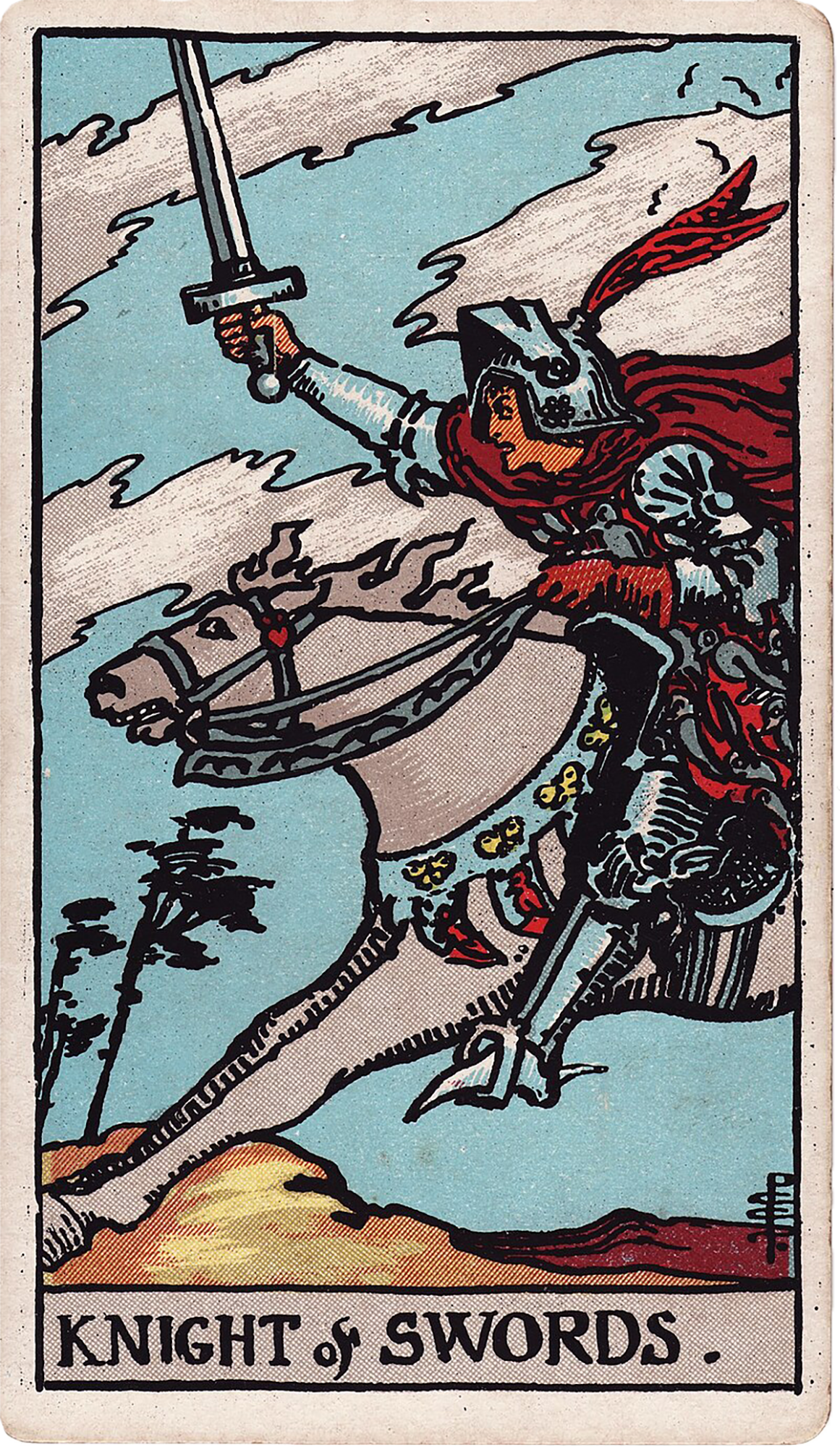 Knight of Swords
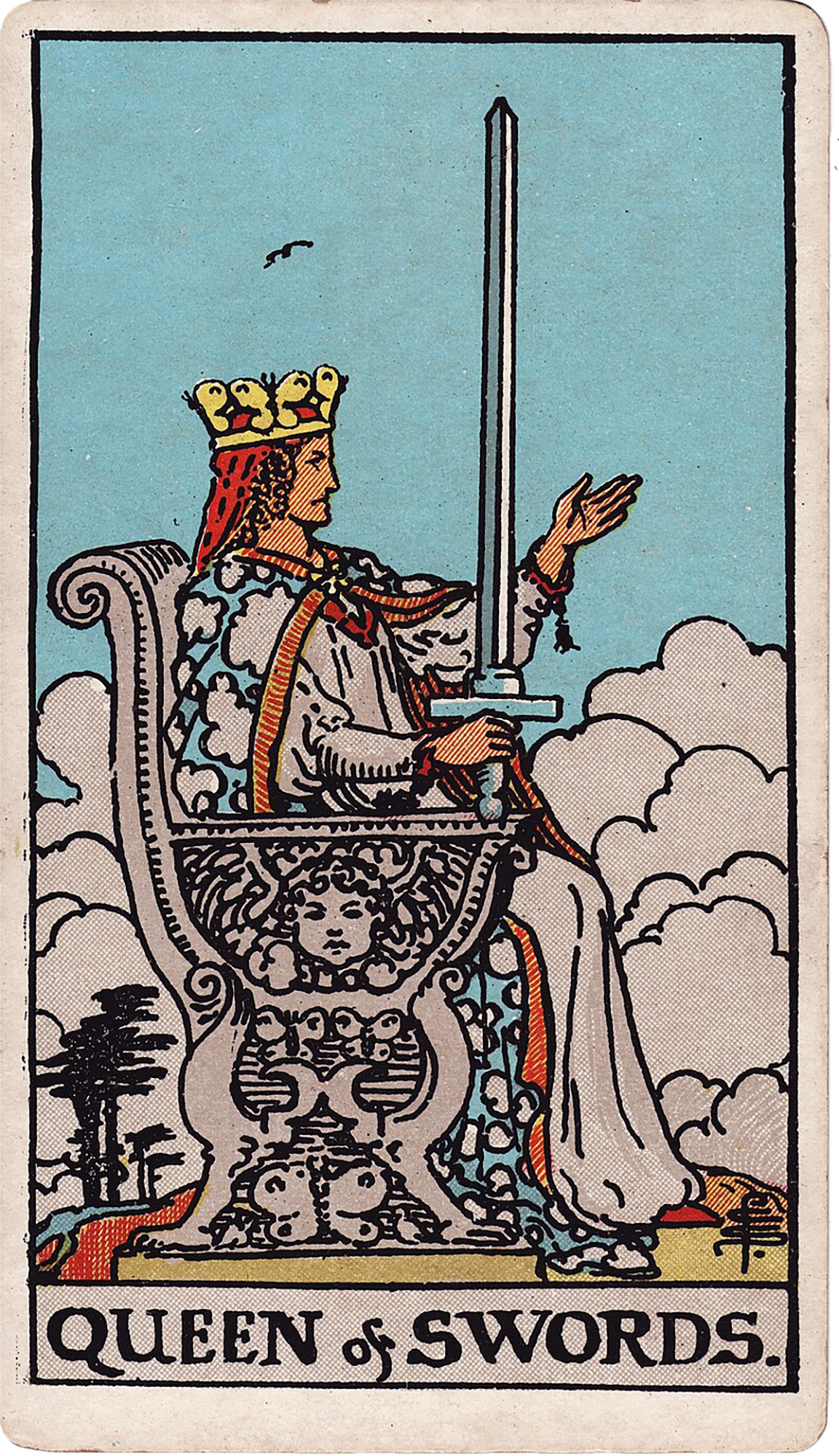 Queen of Swords
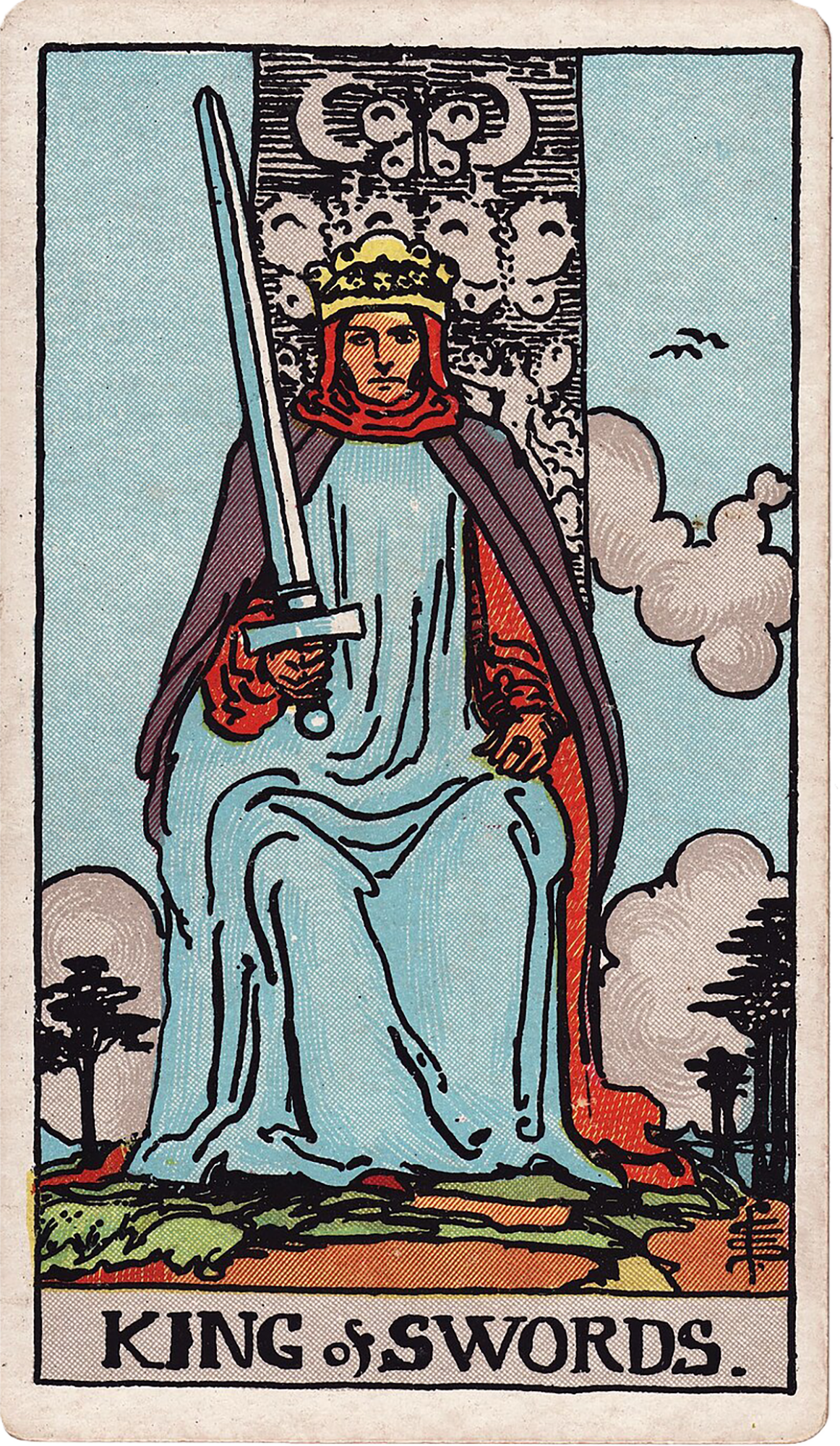 King of Swords
Understanding the Family Suit and Court Card Structure in Swords
The suit of Swords in Tarot traditionally relates to the realm of the mind: thought, communication, conflict, truth, and decision-making. The Minor Arcana court cards—here, the Knight, Queen, and King of Swords—serve as archetypal figures representing different developmental stages of intellectual and communicative leadership. Understanding their place as a family suit helps readers connect their individual meanings into a coherent narrative of personal growth and leadership. The Knight represents youthful energy and swift action, the Queen embodies mature independence and clarity, and the King signifies strategic authority and principled judgment. Together, they showcase a progression from active engagement through clear-headed autonomy to wise governance of intellect and communication.
The Knight of Swords as a Catalyst for Decisive Action and Courage
The Knight of Swords is often depicted charging forward on horseback, sword raised high, embodying swift, decisive action and courage in intellectual pursuits or conflicts. Upright, this card highlights the importance of responding effectively to present circumstances using mental agility, clear communication, and strategic thinking. It invites the querent to cut through delays and confusion with boldness and clarity. The image calls attention to the energy of moving forward despite discomfort, signaling that mental effort is necessary but manageable. In practical reading, the Knight encourages action that is timely and fitted to the situation rather than idealized abstractions. Reversed, the Knight warns of recklessness, aggression, or tunnel vision. The figure’s charge may become a blind rush that ignores nuance or consequences, reflecting internal conflicts or unexpressed struggles. Instead of simple opposition to the upright meaning, the reversal signals where the Knight’s process is stuck—perhaps needing to slow down, reassess communication styles, or integrate emotional awareness. When interpreting this card, readers can analyze surrounding cards to determine whether the Knight’s energy is building pressure or approaching resolution.
The Queen of Swords as a Model of Clear-Minded Independence and Honest Communication
The Queen of Swords traditionally represents intellectual clarity, independence, and the ability to set honest boundaries with compassion that values truth without cruelty. Her image, often that of a poised woman holding a sword upright, symbolizes mental acuity combined with emotional discernment. Upright, she invites the querent to cultivate communication that is direct yet fair, to maintain independence of thought, and to embrace boundaries that protect personal and interpersonal integrity. In readings, the Queen’s presence suggests handling situations through balanced thought and honesty, even if it involves discomfort. She reveals the power of intellect used responsibly and the consequences of mental habits that respect truth and kindness. Reversed, this card highlights areas where the Queen’s strengths have become shadows—bitterness, excessive criticism, isolation, or intellectual avoidance of emotional complexity. The reversal is a prompt to identify which mental or emotional patterns inhibit growth and to work on releasing or practicing healthier communication skills. Visualization of the Queen’s imagery can help readers sense when to invoke clear-minded leadership and when to temper it with empathy.
The King of Swords as the Embodiment of Mature Intellectual Authority and Strategic Judgment
The King of Swords stands as the ultimate archetype of intellectual authority, strategic thinking, and principled decision-making within the Swords court family. His posture and expression in Rider-Waite-Smith symbolism convey calm command, justice, and evidence-based leadership. Upright, the King teaches the importance of balancing intellect with ethics, using thought and communication to lead rather than dominate. He calls for responses suited to the present stage, grounded in principle and clear evidence. Reversed, the King can signify a misuse of authority—coldness, manipulation, arrogance, or viewing others as obstacles instead of collaborators. This shadow aspect urges self-examination of how power and intellect are wielded, both internally and externally. Readers should explore which aspects of their or their querent’s leadership are stuck in unhealthy patterns and what reforms or communications are needed to restore balance. The King’s imagery serves as a focal point for envisioning the ideal mature leader who governs thought and truth wisely.
Practical Reading Techniques for Unlocking Insights from the Knight Queen and King of Swords
When interpreting these court cards, it is crucial to anchor their meanings in the specific imagery and traditional Rider-Waite-Smith symbolism. Start by observing the posture, facial expressions, and symbols like the sword positions and surrounding environment to sense the card’s energy. Next, consider the card’s position in the spread to identify whether the qualities of swift action (Knight), clear independence (Queen), or mature authority (King) are beginning, developing, or resolving. Contextualize the cards with adjacent cards to detect whether the energy is constructive or distorted, especially if reversed. For example, the Knight reversed might be surrounded by cards showing obstacles or conflict, suggesting a need to slow down or reassess. The Queen or King reversed could be paired with cards indicating interpersonal tension or ethical dilemmas, pointing to issues of boundary-setting or power misuse. Avoid common mistakes such as treating reversed cards as mere opposites or ignoring the internal versus external manifestations of their meanings. Instead, ask reflective questions about where the mental or communicative process is stuck and what can be simplified or practiced to move toward healthier expression. Encourage querents to see these court cards as guides on a developmental journey, offering lessons in leadership and personal growth that apply beyond the reading itself.
Common Pitfalls and How to Navigate Them in Court Card Interpretation
One frequent challenge is over-identifying court cards with specific people rather than archetypal energies or processes. While these cards may represent individuals, their primary value lies in illustrating patterns of thought, communication, and leadership that anyone can embody or encounter. Another mistake is ignoring the nuanced differences between the Knight, Queen, and King, treating them as interchangeable figures of authority instead of distinct stages with unique lessons. Interpreters may also struggle with reversed cards by defaulting to negative or simplistic readings. Instead, reversals should be seen as signals to examine stuck processes or imbalances in the qualities the card embodies. For example, a reversed King of Swords is not just a tyrant but a prompt to reflect on how intellectual authority is exercised and how to reclaim ethical leadership. Finally, neglecting the practical, situation-specific nature of these cards limits their usefulness. Each card asks: What response fits this present stage? What action will strengthen constructive energy now? Keeping this question central aids in producing nuanced, relevant interpretations.
Integrating Court Card Lessons into Personal Growth and Leadership Development
Beyond Tarot readings, the Knight, Queen, and King of Swords offer a framework for personal development in leadership and communication. The Knight teaches the value of courage and decisiveness while remaining mindful of consequences and nuance. Practicing this energy involves balancing speed with clarity and openness to feedback. The Queen models independent thinking combined with compassionate honesty and boundary-setting. Emulating her wisdom means cultivating emotional awareness alongside intellectual rigor and learning to communicate truth with kindness. The King represents the ideal of mature authority—leading with principle, evidence, and strategic judgment. Growth in this direction encourages ethical decision-making, inclusive leadership, and the ability to navigate complexity without losing clarity. Reflecting on these cards’ imagery and lessons can inspire individuals to recognize where they currently reside along this leadership spectrum and what practices or attitudes to develop next. This deeper engagement enriches both Tarot literacy and real-life application.
Practice questions
• How do I currently embody the qualities of the Knight of Swords in my approach to decision-making and communication?
• In what areas of my life could I benefit from the Queen of Swords’ clarity, independence, and honest boundaries?
• Where might I be misusing intellectual authority or leadership in ways similar to the reversed King of Swords?
• What mental habits or communication patterns need simplification or mindful practice to move toward healthier expression?
• How can I balance swift action with thoughtful nuance to improve my personal and professional leadership?
Comments
Sign in to comment.
Continue learning
Navigating Conflict Resolution and Inner Struggles with the Five Card Cross Tarot Spread
This article delves into the Five Card Cross Tarot Spread as a practical tool for navigating conflict resolution and inner struggles, especially within family contexts. Using the s...
Mastering the Court Cards of Wands for Unlocking Personal Drive and Leadership
The Court Cards of Wands represent a dynamic spectrum of personal energy, ambition, and leadership potential within the Minor Arcana. This article offers a comprehensive exploratio...
Unlocking Leadership Styles Through the Court Cards of Wands
The Wands court cards—Page, Knight, Queen, and King—offer a rich spectrum of leadership styles rooted in the fiery energy of motivation, creativity, and initiative. This article de...
Understanding the Personalities and Roles of Knight Queen and King of Swords in Tarot
This article delves into the unique characteristics and roles of the Knight, Queen, and King of Swords within the Tarot Minor Arcana, focusing on the family suit and court card les...
Unlocking the Energies of the King Queen and Knight of Cups for Emotional Intelligence
This article delves into the King, Queen, and Knight of Cups from the Minor Arcana's family Suit and Court Cards, emphasizing how these archetypes embody stages and expressions of...
Unlocking Personality Traits Through the Court Cards of Pentacles
This article delves into the personality traits and life lessons embodied by the court cards of Pentacles: Page, Knight, Queen, and King. Grounded in the practical symbolism of the...
Unlocking the Leadership Styles of the King Queen and Knight of Pentacles
This article delves deep into the leadership styles embodied by the King, Queen, and Knight of Pentacles within the Minor Arcana, focusing on the family Suit of Pentacles and its C...
Unlocking the Personality Traits and Roles of the Knight Queen and King of Pentacles in Tarot
This article offers an in-depth exploration of the Knight, Queen, and King of Pentacles cards in the Minor Arcana, focusing on their personality traits, roles, and lessons within t...
Understanding the Court Cards of Pentacles for Practical Wisdom and Grounded Ambition
The Court Cards of Pentacles—Page, Knight, Queen, and King—offer a rich framework for understanding practical wisdom, grounded ambition, and stewardship of material resources. Anch...
Unlocking Personality and Leadership Qualities with the King Queen and Knight of Pentacles
This article delves into the King, Queen, and Knight of Pentacles court cards within the Minor Arcana, focusing on their symbolism of personality traits and leadership within the f...