
Unlocking Personality Traits Through the Court Cards of Pentacles
This article delves into the personality traits and life lessons embodied by the court cards of Pentacles: Page, Knight, Queen, and King. Grounded in the practical symbolism of the Rider-Waite-Smith tradition and supplemented by nuanced upright and reversed interpretations, we explore how these cards reveal developmental stages in work, health, resources, and long-term material stability. Designed for tarot learners, this guide explains how to interpret these cards contextually in spreads, avoid common interpretive pitfalls, and apply a practical reading methodology that connects card imagery to personality and life path insights in the family suit of Pentacles.
Cards explored in this article
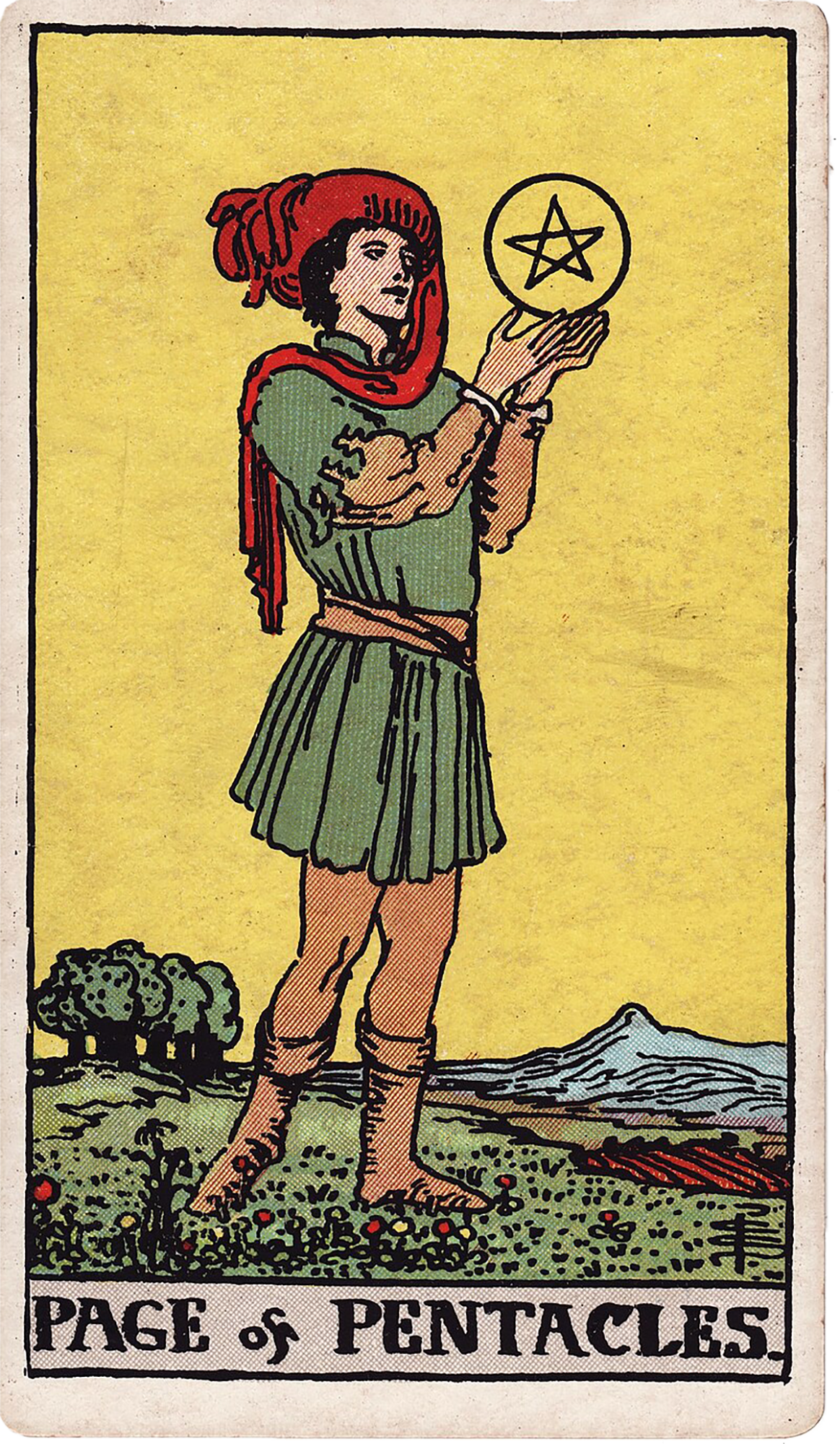 Page of Pentacles
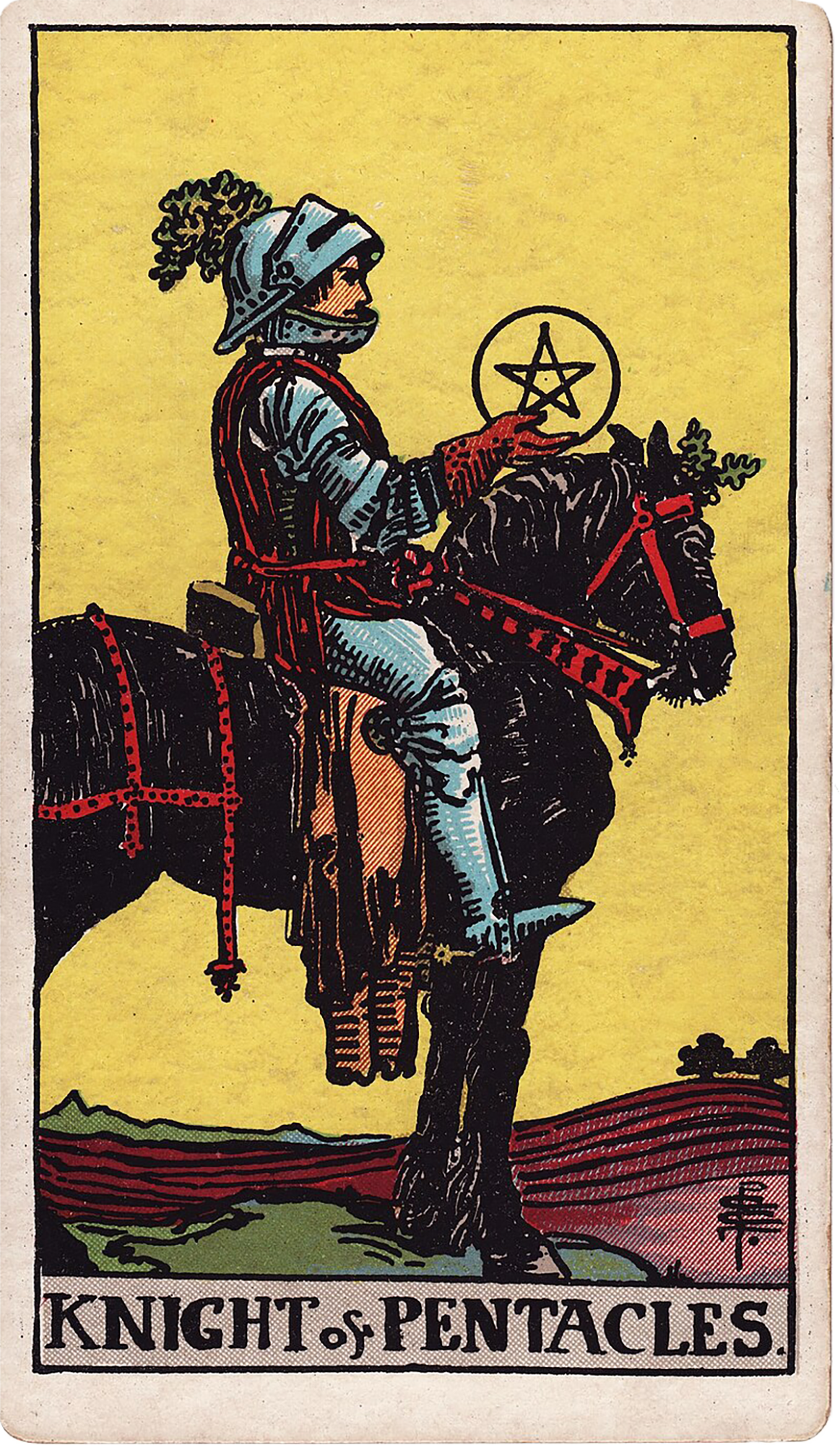 Knight of Pentacles
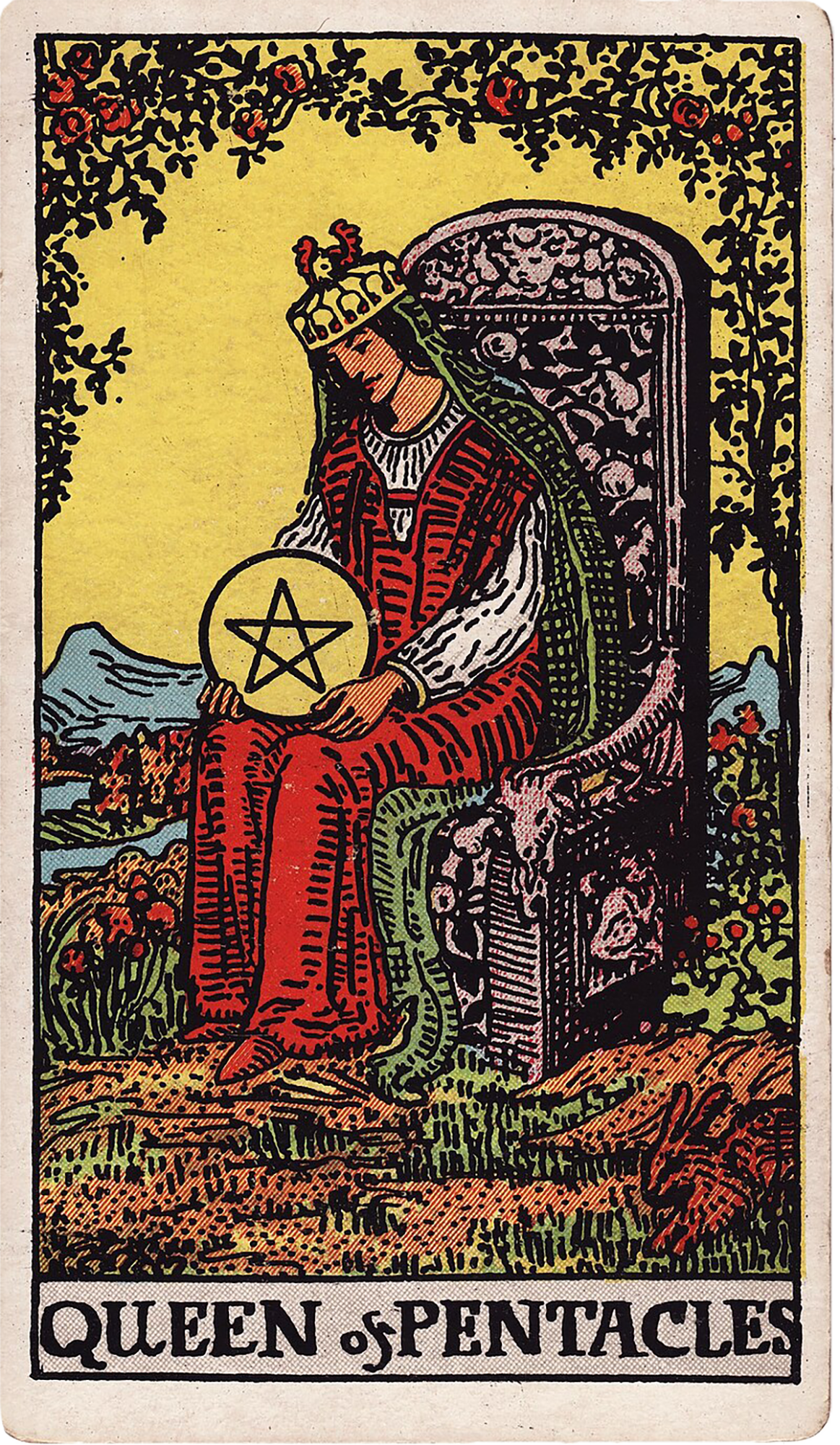 Queen of Pentacles
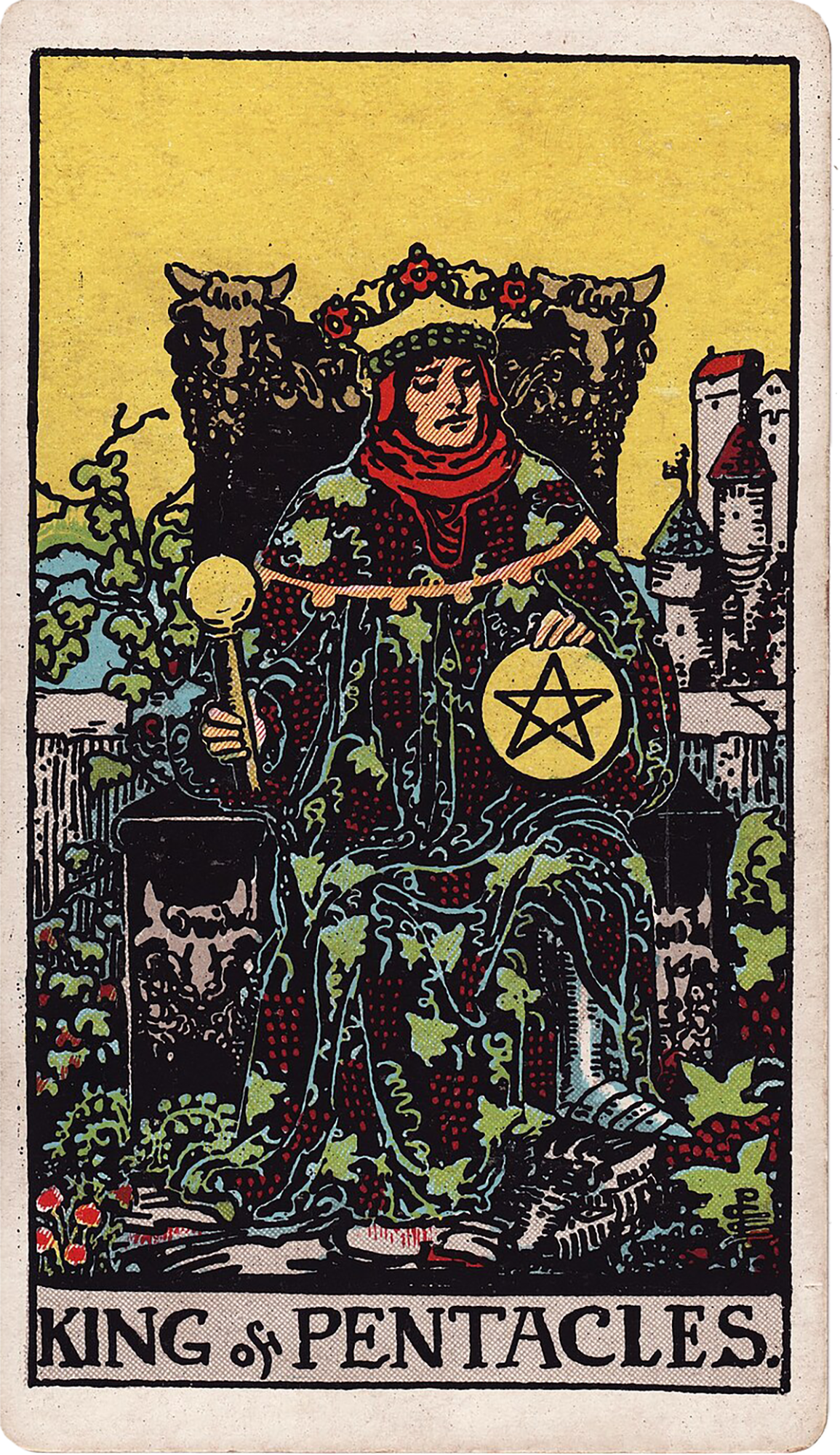 King of Pentacles
Introduction to the Court Cards of Pentacles and Their Role in Personality Insight
The suit of Pentacles in the Minor Arcana traditionally aligns with material aspects of life such as work, money, health, resources, routine, and the physical body. Within this suit, the court cards — Page, Knight, Queen, and King — represent evolving personality archetypes and lessons related to handling material stability and practical matters. Each court card carries a distinctive energy that speaks to stages of maturity, approaches to responsibility, and interaction with the physical world. Understanding these cards as personality lenses enables tarot learners to unlock deeper psychological and behavioral insights during readings. This article focuses on the supplied Pentacles court cards, grounding their meanings in Rider-Waite-Smith symbolism and practical interpretation techniques.
The Page of Pentacles as the Embodiment of Beginner Energy and Practical Learning
The Page of Pentacles symbolizes the initial stage of engagement with the material world. This card illustrates a youthful figure gazing intently at a golden pentacle, embodying curiosity, study, and the willingness to develop practical skills. The Rider-Waite-Smith imagery highlights a fertile landscape, reinforcing themes of growth and potential. Upright, the Page urges recognition of realistic opportunities and the importance of starting concrete plans rather than abstract ideals. In readings, this card often marks a phase where the querent is learning a craft, managing health, or planning financial steps with earnest focus. Reversed, the Page of Pentacles warns of procrastination, scattered effort, or intellectual understanding that lacks consistent application. It can point to internal blockages such as poor study habits or unrealistic expectations regarding material success. Rather than assuming the reversed meaning is simply negative, the reader should investigate what practical adjustments or simplifications are needed to re-engage effectively with the material challenges symbolized by Pentacles. When reading this card, closely observe the surrounding cards to identify whether the Page's energy is just beginning or encountering obstacles. For example, if paired with other Pentacles cards indicating stability, the Page’s lesson may be about committing to routine practice. Visual cues from the card’s imagery—such as the verdant field or the solidity of the pentacle—serve as reminders to ground learning in reality.
The Knight of Pentacles and the Power of Steady Progress and Reliability
The Knight of Pentacles represents the next step in material and practical development, emphasizing steady execution and reliability. The Rider-Waite-Smith image of the armored knight on a calm horse, holding a pentacle carefully, symbolizes methodical progress and dedication to routine over impulsive action. This card highlights the virtue of persistence and the value of incremental work, often reflecting a personality that is dependable and grounded. Upright, the Knight encourages sustaining effort through routine and focusing on tangible outcomes. It suggests the querent is in a phase where work, money, or health are best managed through consistent habits rather than dramatic changes. This card anchors the reading in the present stage, reinforcing practical responses rather than idealistic dreams. When reversed, the Knight warns against stagnation, stubbornness, or confusing busyness with real progress. The reversal may indicate internal resistance to change or a need to reassess work habits and priorities. The energy might be overly cautious or rigid, preventing growth. Practically, when interpreting the Knight of Pentacles, connect its imagery of the patient horse and the careful grip on the pentacle to personality traits such as conscientiousness and groundedness. Evaluate the spread to see if this steady energy is supporting or hindering progress, encouraging querents to embrace routine without becoming trapped by it.
The Queen of Pentacles as the Archetype of Practical Nurture and Competence
The Queen of Pentacles embodies a mature, nurturing energy that blends material competence with care for the physical and emotional wellbeing of herself and others. The Rider-Waite-Smith card depicts a regal woman seated comfortably with a pentacle in her lap, surrounded by lush natural abundance. This imagery symbolizes fertility, security, and the ability to manage resources so that they support life holistically rather than merely for status. Upright, the Queen highlights themes of practical nurture, competence, and balanced stewardship. She represents a personality trait of making tangible efforts to convert resources into real comfort and health. In readings, this card often speaks to someone who skillfully balances work and home life or manages finances with a grounded, compassionate approach. Reversed, the Queen cautions against overwork, neglect of self-care, financial anxiety, or controlling tendencies masked as care. The reversal may signal an unhealthy fixation on usefulness as a measure of personal worth, or internal struggles that are not outwardly obvious. In practice, when you see the Queen of Pentacles, draw the querent’s attention to the card’s abundant imagery and the grounded pose to discuss themes of nurturing stability and self-care. Reflect on whether the surrounding cards suggest a healthy or imbalanced expression of this energy.
The King of Pentacles as the Mature Stewardship of Resources and Stability
The King of Pentacles represents the pinnacle of material mastery and stewardship. His Rider-Waite-Smith depiction shows a king seated solidly on a throne adorned with bulls, symbols of wealth and strength, holding a pentacle confidently. This card signifies business competence, financial acumen, and the capacity to build secure foundations that benefit self and community. Upright, the King encourages mature handling of resources, long-term planning, and generosity grounded in security. It reflects a personality trait of responsibility combined with pragmatic wisdom. The King’s presence in a reading often points to solutions rooted in experience, reliability, and stability. Reversed, the King draws attention to potential pitfalls such as greed, rigidity, obsession with status, or misuse of financial power. It may indicate a fear of risk that stifles growth or internal conflicts with control and attachment to security. When interpreting the King of Pentacles, focus on the card’s symbolism of strength and prosperity to explore the querent’s approach to authority, wealth, and sustainability. Analyze surrounding cards to determine if this mature energy is flourishing or if it has become distorted or blocked.
Techniques for Reading the Court Cards of Pentacles in Context
Successful interpretation of Pentacles court cards requires integration of their imagery, upright and reversed meanings, and the contextual flow of the spread. Begin by identifying which stage of material development the court card represents—from the Page’s learning phase, through the Knight’s steady progress, to the Queen’s nurture and the King’s mastery. Use the card's posture, symbols, and surrounding elements to anchor personality insights: the youthful curiosity of the Page, the patient steadiness of the Knight, the grounded warmth of the Queen, or the authoritative stability of the King. Always consider the card’s orientation—upright or reversed—not as simply binary but as indicators of where the process may be stuck, overextended, or underdeveloped. Ask reflective questions such as: "What practical lesson is this personality trait urging me to acknowledge?" or "Where is the querent’s relationship with material stability healthy or needing adjustment?" Check the surrounding cards for themes of growth, pressure, or resolution to place the court card’s energy along a developmental timeline. Avoid common mistakes like overgeneralizing court cards as static personality types or neglecting the card’s position in the spread. Remember that Pentacles court cards are dynamic representations of evolving lessons in work, health, and resources.
Practical Examples and Common Interpretive Pitfalls
Consider a spread where the Page of Pentacles appears alongside cards indicating opportunities for learning a new financial strategy. The Page here suggests the querent is ready to begin practical study and should focus on realistic steps rather than idealistic dreams. If reversed, the reader should look for signs of procrastination or scattered focus. Alternatively, the Knight of Pentacles paired with cards of routine might reinforce the need for persistence, while reversed it warns against burnout or complacency. The Queen of Pentacles in a spread about family matters can highlight nurturing leadership and resourcefulness, but reversed may reveal neglect or over-control. The King of Pentacles near cards of business or investment signals mature management and potential leadership, while reversed points to rigidity or misuse of power. A key pitfall is treating reversals as purely negative or ignoring internal psychological blocks they reveal. Instead, focus on what needs to be simplified or practiced to restore balance. Another mistake is isolating court cards from the narrative flow of the spread; always seek synergy with surrounding cards.
Summary and Integrative Reflection on the Pentacles Court Cards
The Page, Knight, Queen, and King of Pentacles serve as powerful archetypes for exploring personality traits related to material life and practical responsibility. Their Rider-Waite-Smith imagery offers rich symbolic cues that, when combined with upright and reversed meanings, guide the tarot reader in discerning the querent’s relationship to work, money, health, and stability. Viewing these cards as progressive stages—from beginner enthusiasm and learning (Page), through steady diligence (Knight), to nurturing competence (Queen), and culminating in mature stewardship (King)—provides a coherent framework for interpretation. Applying thoughtful, context-sensitive techniques helps avoid common pitfalls and deepens the reading’s relevance. Ultimately, the Court Cards of Pentacles invite tarot learners to engage with the practical nuances of the material world, offering insights into how personality traits influence the querent’s ability to build lasting security and wellbeing.
Practice questions
• How do the different court cards of Pentacles reflect stages of material and personal development?
• In what ways can the Page of Pentacles’ energy manifest positively or become blocked in real-life situations?
• How does the Knight of Pentacles balance persistence with the risk of stagnation?
• What signs should one look for to distinguish between healthy and unhealthy expressions of the Queen of Pentacles’ nurture?
• How might the King of Pentacles challenge someone to reconsider their approach to authority and financial security?
• When reversed, how can the court cards of Pentacles guide us to areas needing simplification or practice rather than simply indicating failure?
• What role does the surrounding spread play in shaping the interpretation of these court cards?
• How can these cards help in understanding family roles and dynamics related to material support and stability?
Comments
Sign in to comment.
Continue learning
The Fool in Life Transitions and New Beginnings
The Fool card embodies the spirit of beginnings, curiosity, and the leap of faith required during life transitions. This article explores The Fool’s meanings across various reading...
Unlocking the Energies of the King Queen and Knight of Cups for Emotional Intelligence
This article delves into the King, Queen, and Knight of Cups from the Minor Arcana's family Suit and Court Cards, emphasizing how these archetypes embody stages and expressions of...
Integrating The Fool and The World to Chart the Journey of Tarot Initiation
This article explores the integration of The Fool and The World cards as symbolic bookends in the Tarot journey, emphasizing their complementary lessons for initiates. Drawing on t...
Unlocking Personality and Leadership Qualities with the King Queen and Knight of Pentacles
This article delves into the King, Queen, and Knight of Pentacles court cards within the Minor Arcana, focusing on their symbolism of personality traits and leadership within the f...
Unlocking the Roles and Personalities of Page Knight Queen and King of Swords
This article delves deeply into the family suit lessons of the Page, Knight, Queen, and King of Swords, exploring their roles and personalities within the Minor Arcana. Anchored in...
Unlocking Personality Insights Through the Court Cards of Cups
The Court Cards of Cups offer a rich framework for understanding emotional personality traits, interpersonal dynamics, and intuitive processes. This article guides learners through...
Unlocking the Dynamic Partnership of The Magician and The High Priestess in Tarot Combinations
The Magician and The High Priestess represent two complementary archetypes in the tarot deck that, when combined, offer a rich interplay of conscious action and intuitive insight....
Unlocking Leadership Styles Through the King Queen and Knight of Swords
This article delves into the leadership styles portrayed by the King, Queen, and Knight of Swords, court cards in the Minor Arcana’s Suit of Swords. By closely examining their Ride...
Unlocking Practical Wisdom and Ambition Through the Court Cards of Pentacles
This article delves deeply into the suit of Pentacles’ court cards—Page, Knight, Queen, and King—offering tarot learners a comprehensive understanding of their practical wisdom and...
Mastering Dual Interpretations with The Hanged Man and The Devil in Tarot Readings
This article guides tarot learners through mastering the dual interpretations of The Hanged Man and The Devil cards. Using traditional Rider-Waite-Smith symbolism and supplied card...