
Unlocking the Energies of the King Queen and Knight of Cups for Emotional Intelligence
This article delves into the King, Queen, and Knight of Cups from the Minor Arcana's family Suit and Court Cards, emphasizing how these archetypes embody stages and expressions of emotional intelligence. Grounded in Rider-Waite-Smith symbolism and the specific supplied card meanings, readers will learn to interpret these cards as tools for understanding emotion, intuition, and relationship dynamics in Tarot readings. Practical guidance on handling upright and reversed cards, avoiding common interpretive mistakes, and applying these lessons for personal growth and client insight is included.
Cards explored in this article
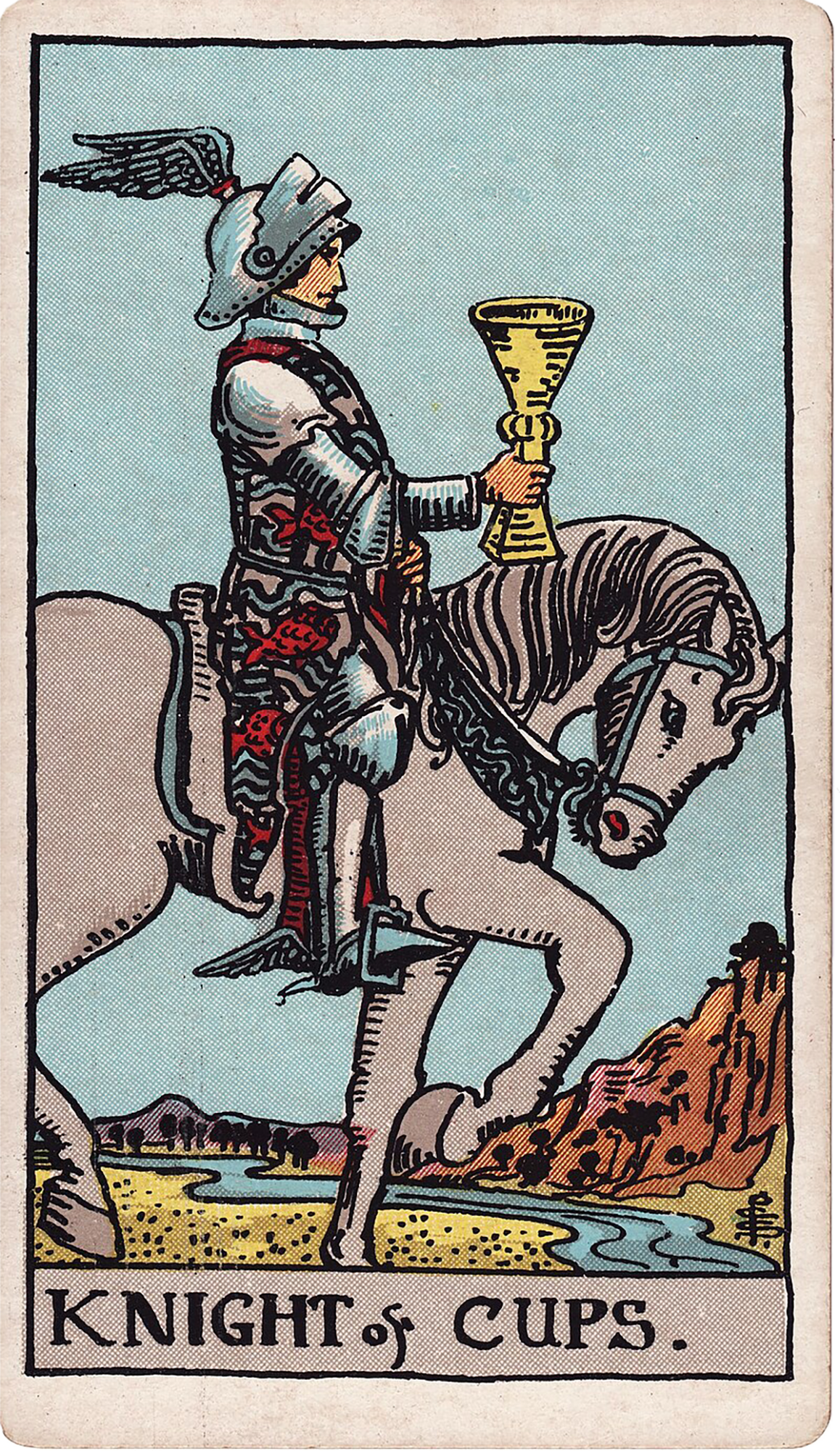 Knight of Cups
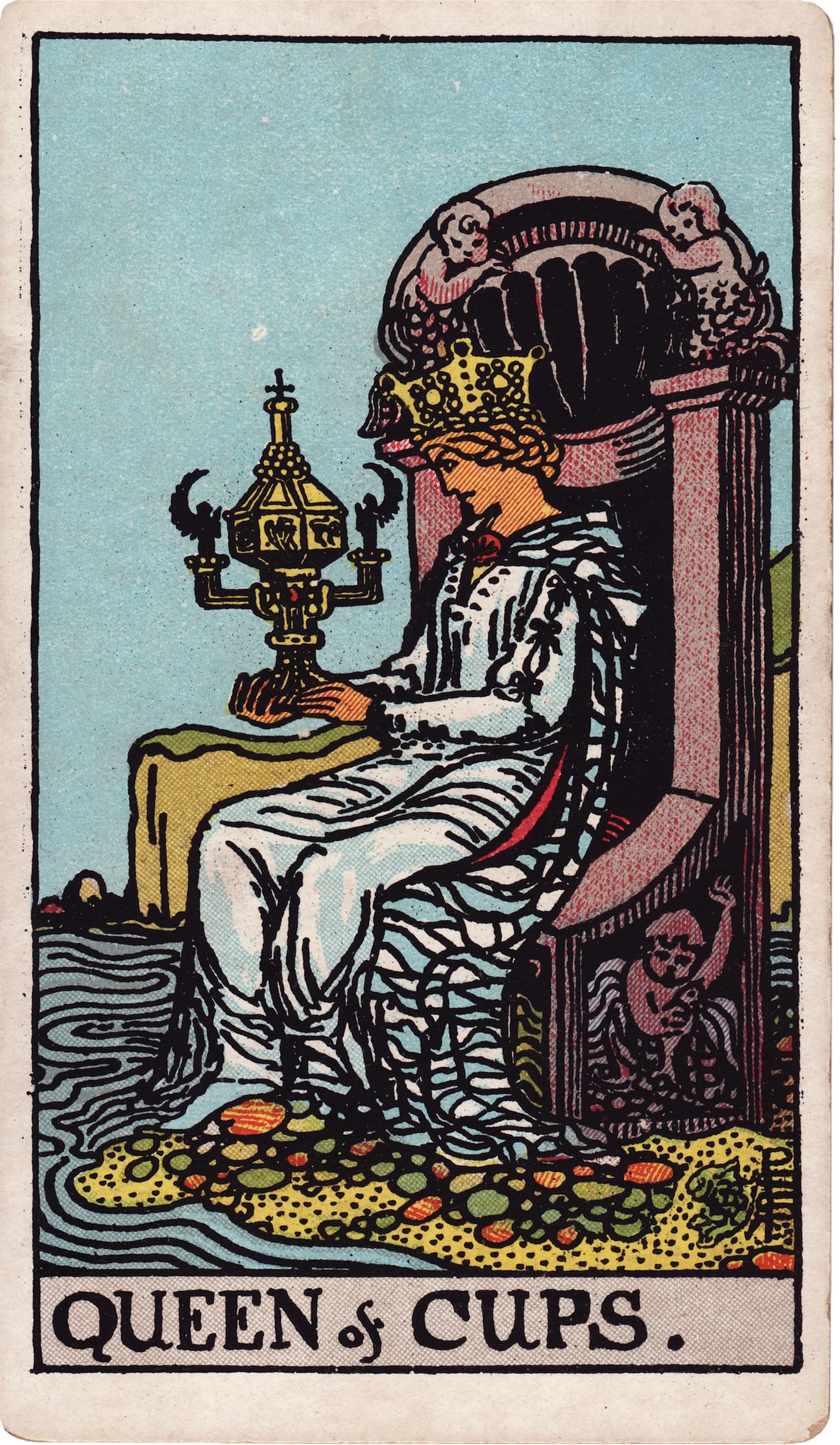 Queen of Cups
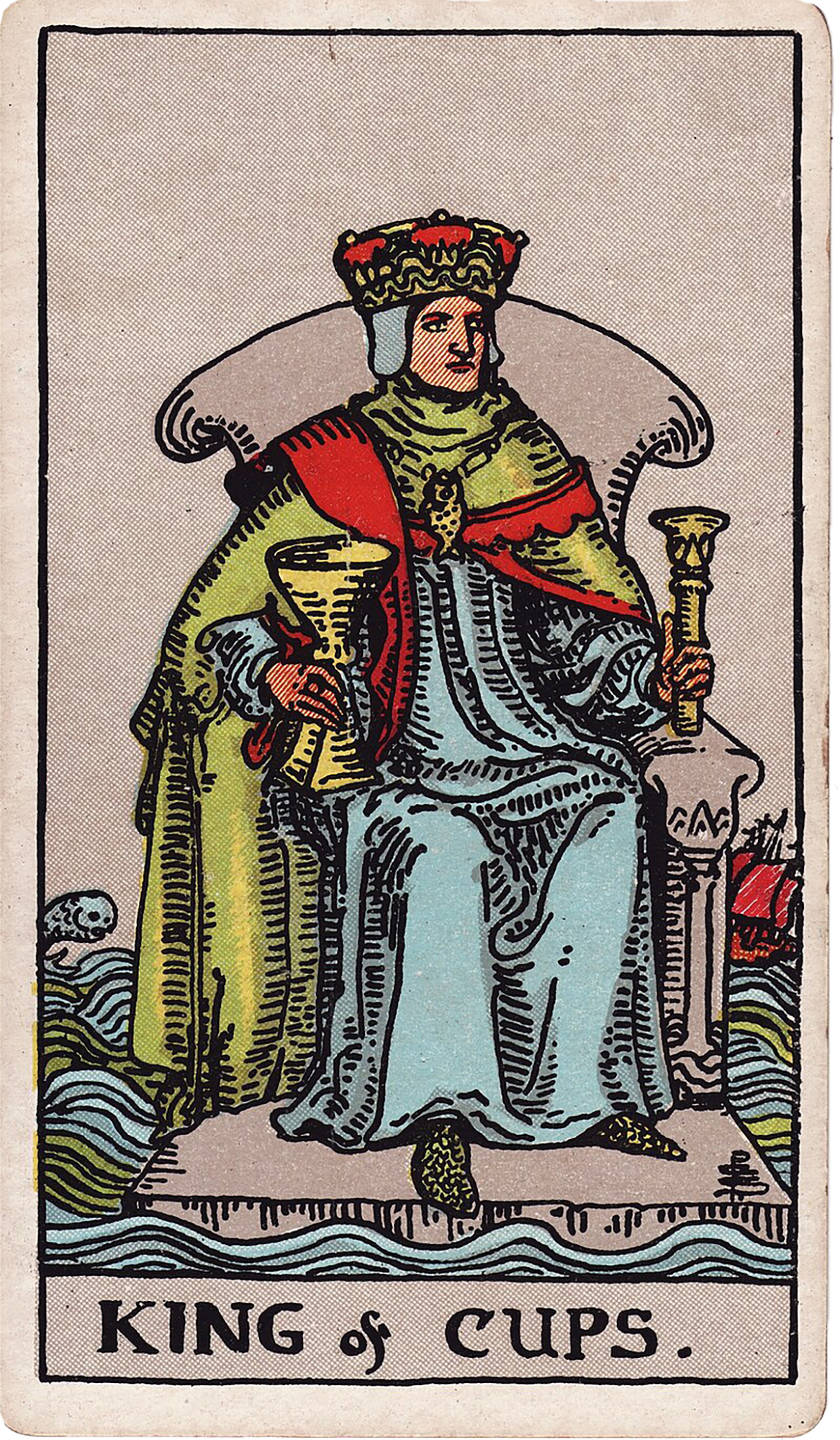 King of Cups
Introduction to the Suit of Cups and Its Court Cards
The Suit of Cups in Tarot traditionally represents the domain of emotions, relationships, intuition, and the subconscious. Rooted in the element of Water, Cups cards explore the flow and depth of feelings, memory, and how we process internal experiences. Within this suit, the Court Cards—Knight, Queen, and King—function as archetypal personalities or energies that manifest emotional intelligence at different stages and in diverse forms. Focusing on the Knight, Queen, and King of Cups, this article examines their symbolic language and practical lessons to unlock deeper emotional understanding. These cards, illustrated in the Rider-Waite-Smith tradition and described in the supplied contexts, serve as valuable guides to navigate emotional expression with maturity and awareness.
Knight of Cups as the Embodiment of Emotional Pursuit and Imagination
The Knight of Cups represents the active pursuit of what the heart values, characterized by grace, imagination, and emotional intention. In Rider-Waite-Smith imagery, the Knight rides a white horse—symbolizing purity and action guided by spirit—carrying a cup as an emblem of emotional offering. This card’s upright meaning highlights a practical, timely response to emotional situations rather than abstract ideals. It invites readers to consider where the energy of emotional pursuit and receptivity is developing and how to strengthen it constructively. When interpreting the Knight of Cups upright, focus on how emotions motivate and inspire action. This card signals that the querent or subject is engaging with their feelings consciously, often pursuing relationships or creative projects with heartfelt dedication. However, it may still involve effort or discomfort, and context from surrounding cards helps determine if this energy is emerging, intensifying, or resolving. In reversed position, the Knight warns against idealization and chasing fantasies disconnected from reality. Moodiness or empty promises may arise, suggesting emotional energy is either blocked or misdirected. The reversal is not simply the opposite but a sign to investigate what emotional patterns need simplification, practice, or honest acknowledgment before healthier emotional engagement can resume.
Queen of Cups as the Archetype of Mature Emotional Receptivity and Empathy
The Queen of Cups embodies a deep, intuitive understanding of emotion combined with the strength to maintain an ‘inner container’ for feelings. Her posture and serene expression in Rider-Waite-Smith imagery reflect empathy, nurturing, and calm receptivity. Holding a closed cup, she symbolizes emotions that are held with care and discernment rather than displayed impulsively. Upright, this card calls for a response that fits the present moment, emphasizing practical emotional intelligence involving empathy, intuition, and relational awareness. It suggests the capacity to process feelings maturely, whether one is offering emotional support or managing complex interpersonal dynamics. The Queen’s energy is often visible in caregiving roles, therapeutic contexts, or situations requiring diplomacy and sensitivity. Reversed, the Queen of Cups indicates emotional overwhelm, codependency, or difficulty distinguishing intuitive insight from anxiety. This position urges a reassessment of emotional boundaries and self-care practices. It may also reflect a withdrawal into fantasy as a coping mechanism or absorption of others’ moods to one’s detriment. Rather than negating the upright meaning, the reversal guides the reader to identify emotional blockages or areas where empathy has become enmeshed or distorted.
King of Cups as Steady Emotional Leadership and Composure
The King of Cups is the archetype of emotional mastery and leadership, representing the ability to feel deeply without being overwhelmed by emotional waves. In Rider-Waite-Smith imagery, the King sits calmly on his throne surrounded by water, holding a cup and a scepter, symbolizing balanced authority and emotional wisdom. Upright, this card embodies steady compassion, maturity, and the creation of emotional safety. It suggests a practical approach to managing complex feelings, where composure allows space for vulnerability without chaos. The King’s lesson is to lead with kindness and intuitive understanding, fostering an environment where emotions are respected and integrated. When reversed, the King of Cups can signal emotional manipulation, repression, or controlling behavior through withdrawal. The card may depict an individual who appears calm but is internally disconnected from genuine vulnerability, or one who suppresses feelings to maintain a façade of control. The reversal is an invitation to explore where emotional leadership has become rigid or defensive and what practices might restore authentic emotional engagement.
Practical Techniques for Reading the King Queen and Knight of Cups
To interpret these Court Cards effectively, begin by observing the imagery and symbolism of each. Note the posture, facial expressions, and objects (such as the cups, throne, horse, or surrounding water). Consider what these visual elements suggest about emotional states or relational dynamics. Next, anchor your reading in the practical lesson the card imparts. For example, when the Knight of Cups appears upright, look for signs of active emotional pursuit or proposals in the querent’s life. In contrast, the reversed Knight suggests the need to ground emotional ideals in reality. Use the Queen of Cups to explore empathy and intuitive insight, assessing whether emotional receptivity is balanced or overwhelmed. For the King of Cups, examine the querent’s emotional leadership—are they able to maintain composure and offer support, or are they repressing feelings? Contextualize each card within the surrounding spread to determine whether the emotional energy is beginning, developing, under pressure, or resolving. This approach prevents rigid or simplistic interpretations and honors the fluidity of emotional intelligence. Common pitfalls include reading reversals as mere opposites, ignoring the card’s nuanced process-oriented messages, or overlooking the practical stage the querent is in. Instead, use reflective questions such as: What emotional skills are emerging here? Where is the energy stuck or distorted? How might the querent foster healthier emotional expression now?
Integrating Family Suit and Court Card Lessons for Emotional Awareness
The King, Queen, and Knight of Cups function as a family of emotional archetypes within the Minor Arcana, each representing different facets and stages of emotional intelligence. The Knight actively engages and pursues heartfelt desires with imaginative grace, the Queen nurtures and holds emotional space with empathy and discernment, and the King leads with composed emotional wisdom. In readings, these cards can reflect internal psychological dynamics or external persons embodying these energies. By viewing them as a family suite, readers gain insight into how emotional challenges and growth unfold over time, from initiating emotional engagement to sustaining mature relationships and leadership. This familial perspective encourages a holistic approach, recognizing that emotional intelligence is not static but an evolving process. It also supports compassion for oneself and others by highlighting that each stage has both constructive potentials and common challenges, as seen in the upright and reversed meanings. Applying these lessons beyond Tarot readings can enrich personal emotional development and interpersonal communication. For instance, embodying the Knight’s sincerity, the Queen’s empathy, or the King’s balanced leadership can improve emotional regulation, boundary-setting, and relational harmony.
Reflection and Continued Practice for Emotional Intelligence with Cups Court Cards
Unlocking the energies of the King, Queen, and Knight of Cups is an ongoing practice. Readers and learners are encouraged to journal about times when they recognize these archetypes in their own behavior or in others. Consider questions such as: When do I pursue emotions with the Knight’s enthusiasm, and when do I need more groundedness? How do I create emotional safety like the King of Cups during stressful moments? Where might I be overwhelmed or enmeshed like the reversed Queen, and how can I restore boundaries? Regularly revisiting these cards in Tarot practice, meditation, or creative visualization can deepen awareness. Combining card meanings with personal experiences helps translate abstract symbolism into lived emotional intelligence. Ultimately, the power of the King, Queen, and Knight of Cups lies in their invitation to navigate feelings with intention, empathy, and steady leadership. As Tarot learners engage with these archetypes, the cards become mirrors and guides—not just predicting outcomes but cultivating emotional wisdom that enriches life.
Practice questions
• How does the Knight of Cups’ pursuit of heartfelt desires show up in my relationships or creative projects?
• In what ways do I embody the Queen of Cups’ emotional receptivity and empathy, and where might I need stronger boundaries?
• How can I practice the King of Cups’ steady emotional leadership during times of stress or conflict?
• When I encounter reversed Cups Court Cards, what emotional patterns might be stuck or needing release in my life?
• How can understanding the family dynamic of the Knight, Queen, and King of Cups enhance my emotional intelligence both personally and in readings?
Comments
Sign in to comment.
Continue learning
The Fool in Life Transitions and New Beginnings
The Fool card embodies the spirit of beginnings, curiosity, and the leap of faith required during life transitions. This article explores The Fool’s meanings across various reading...
Applying The Hermit in Meditation and Mindfulness Practices for Deeper Insight
The Hermit card embodies the essence of introspection, solitude, and deliberate contemplation. Applied to meditation and mindfulness, it encourages stepping back from external dist...
Unlocking the Roles and Personalities of Page Knight Queen and King of Swords
This article delves deeply into the family suit lessons of the Page, Knight, Queen, and King of Swords, exploring their roles and personalities within the Minor Arcana. Anchored in...
Exploring the Symbolism of The Tower Card for Understanding Sudden Change and Awakening
The Tower card stands as one of the most powerful and evocative images in the Tarot deck, symbolizing sudden upheaval, awakening, and the collapse of false structures. This article...
Exploring the Many Dimensions of The World Card in Personal Growth and Completion
This article explores the rich layers of The World card within tarot readings, emphasizing its role in signaling completion, integration, and readiness for new cycles. Utilizing th...
Unveiling the Symbolism of the Four Tarot Suits for Deeper Reading Insights
This article delves into the rich symbolism of the Four Tarot suits—Wands, Cups, Swords, and Pentacles—anchored by detailed analysis of the Ace cards from each suit. By connecting...
Understanding The Justice Card in Legal Career and Ethical Life Decisions
The Justice card in Tarot serves as a powerful symbol of fairness, accountability, and ethical clarity. This article explores the card’s upright and reversed meanings specifically...
Exploring The Justice Card in Ethical Decision Making and Personal Integrity
The Justice card in the Tarot deck is a profound symbol of fairness, truth, and accountability. This article explores how to interpret Justice in various contexts such as love, car...
Exploring The Hierophant in Personal Belief Systems and Community Traditions
This article explores The Hierophant card as a symbol of structured wisdom, tradition, and guidance. Using the Rider-Waite-Smith imagery, we analyze how the card's upright and reve...
Unlocking Leadership Lessons From the Court Cards of Wands
The Court Cards of Wands offer rich, vivid lessons on leadership through the progression of the Page, Knight, Queen, and King. This article delves into their symbolism, traditional...