
Use Tarot Court Cards to Build Better Habits
This article teaches how to read the Page, Knight, Queen and King of Pentacles as a sequence for habit formation and maintenance. It anchors Tarot symbolism—Rider‑Waite‑Smith imagery and the supplied upright and reversed meanings—into concrete techniques: identifying stage, designing micro‑actions, troubleshooting stuck processes, and creating follow‑up systems. Practical spreads, sample readings, common mistakes and journaling prompts give learners a dependable way to use court cards to build better habits.
Cards explored in this article
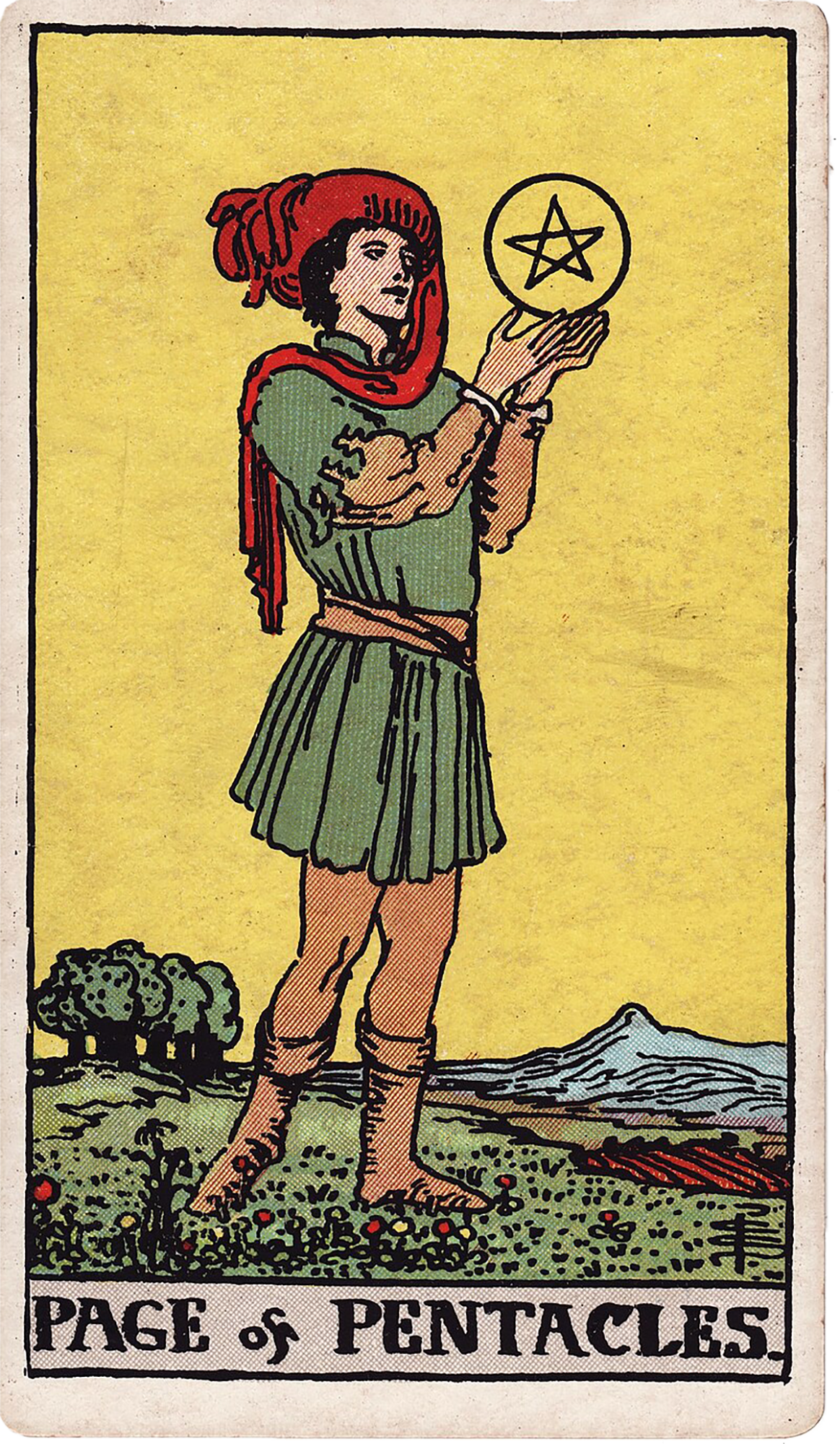 Page of Pentacles
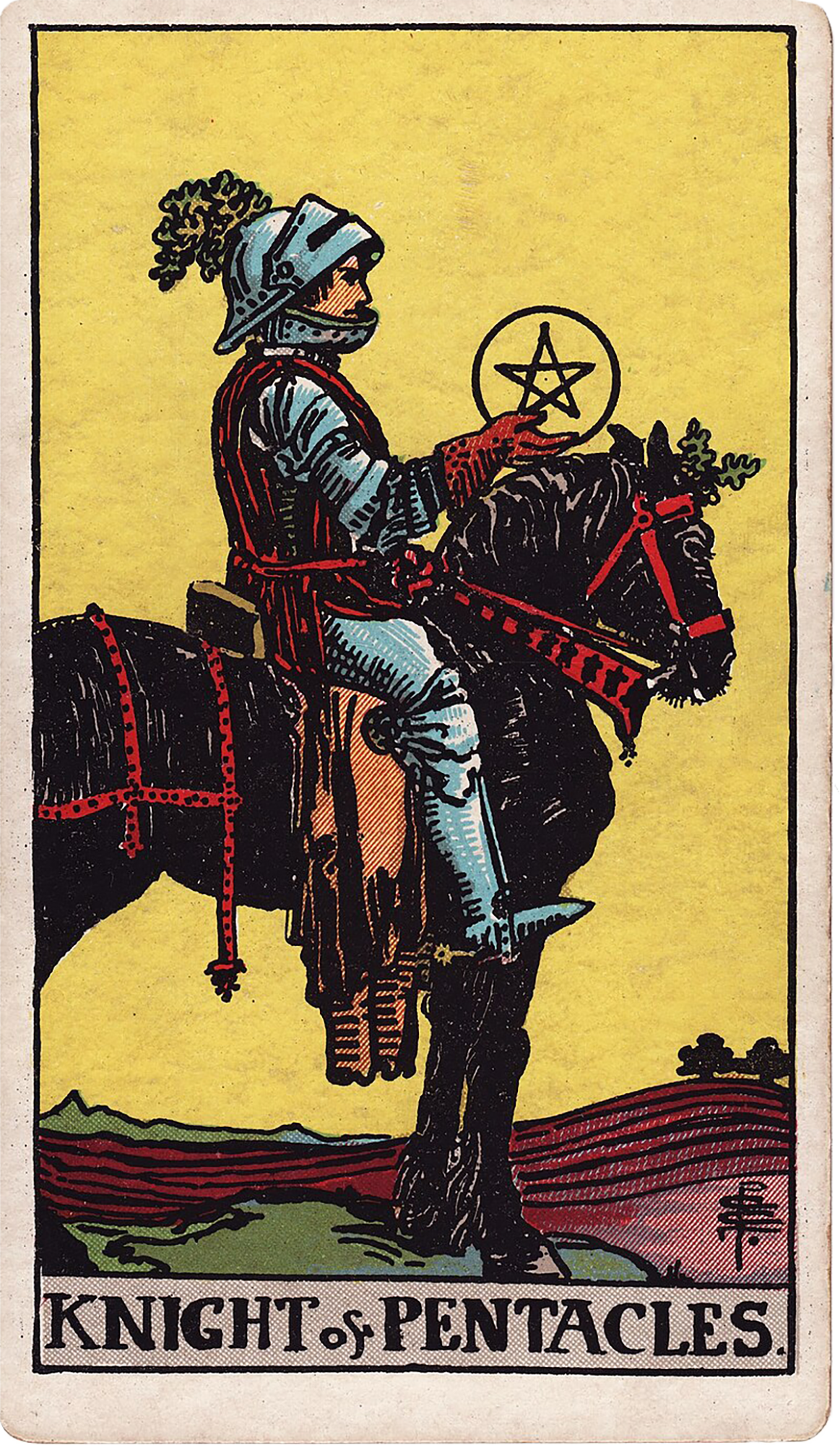 Knight of Pentacles
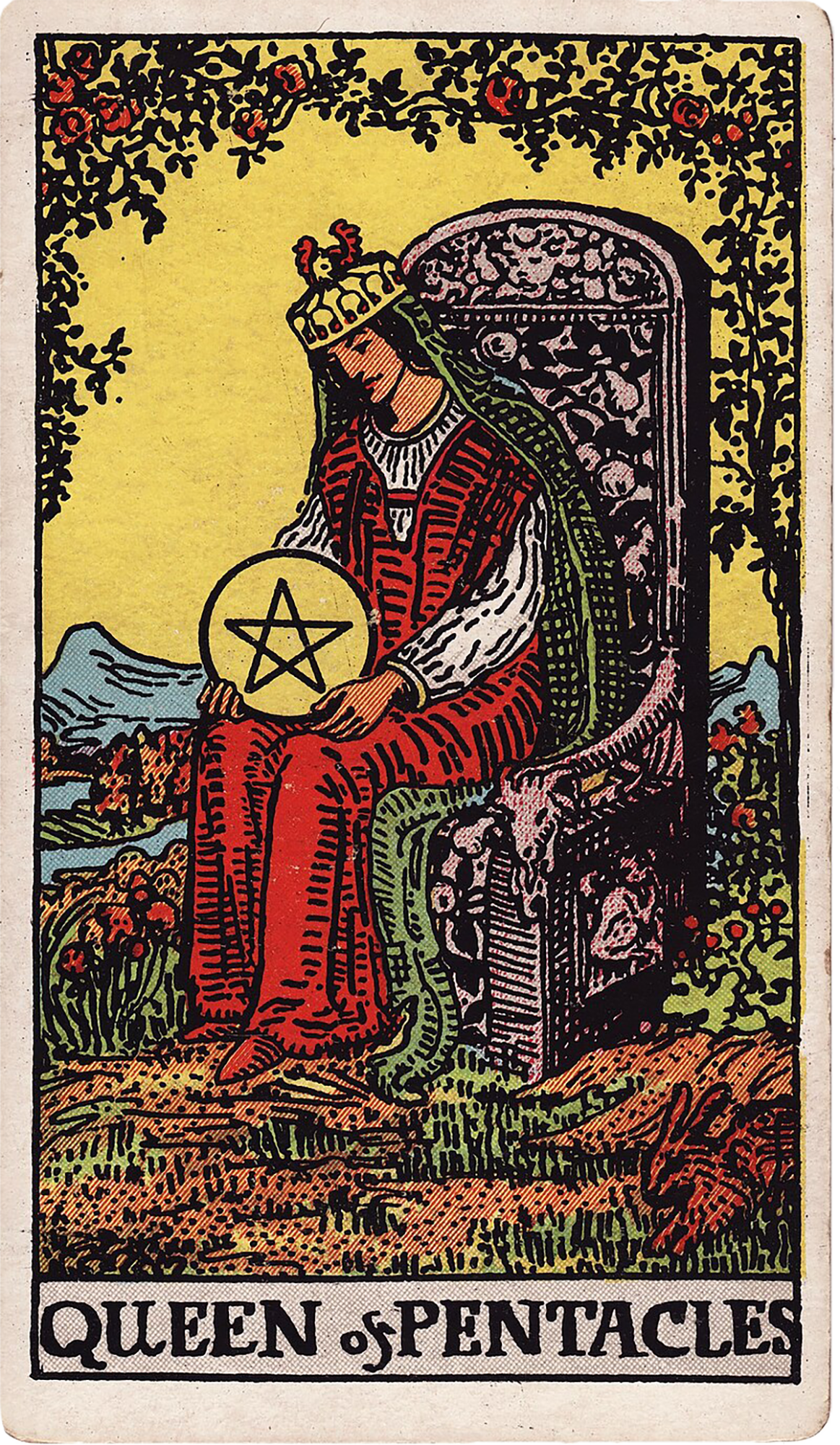 Queen of Pentacles
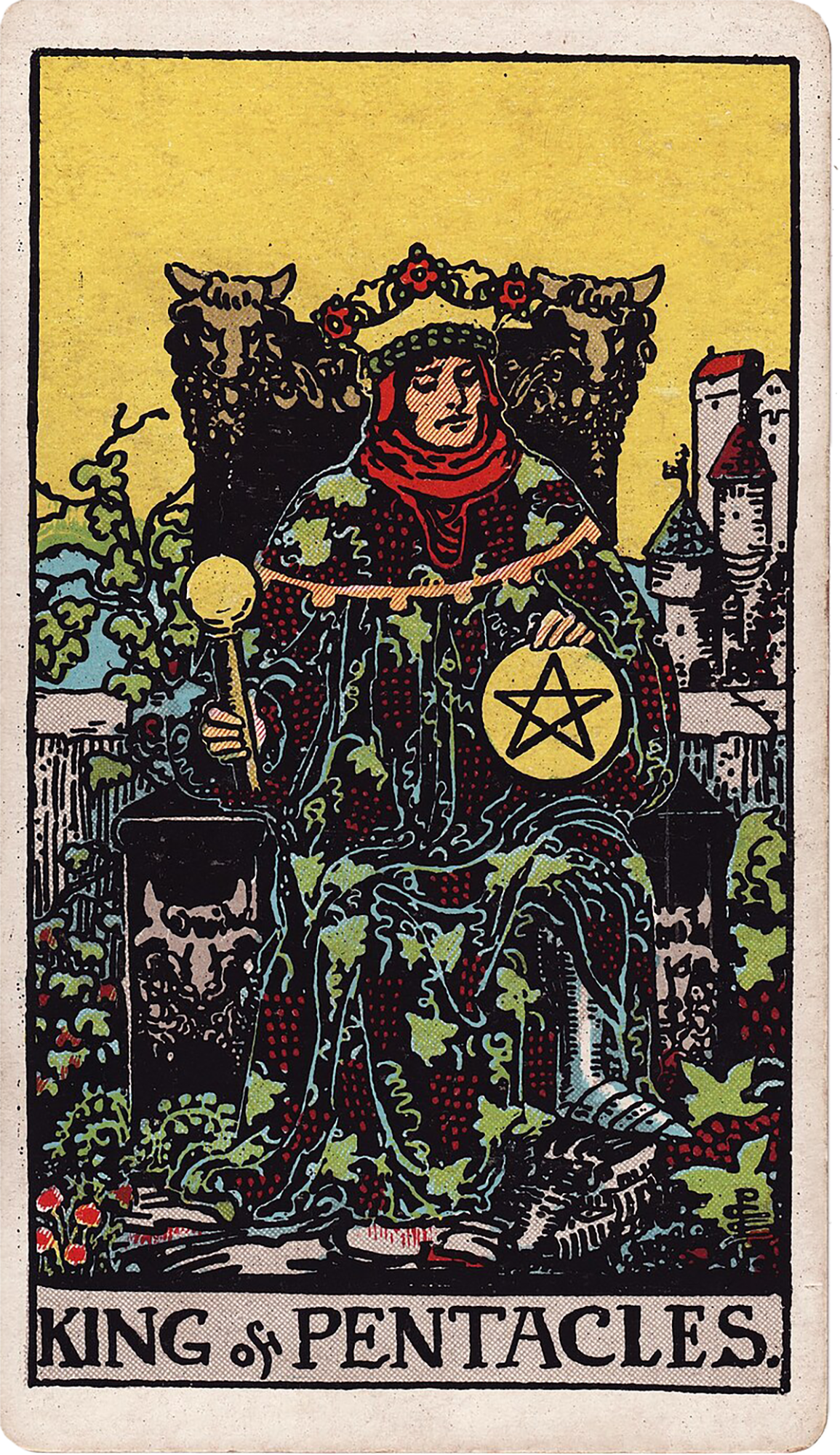 King of Pentacles
Introduction: Why use Pentacle Court Cards for habits
The Pentacle court—Page, Knight, Queen, King—belongs to a suit whose domain is the material, the embodied and the practical: work, routine, health, money, craftsmanship and the body. The imagery in traditional Rider‑Waite‑Smith depictions emphasizes grounded attention: a young person studying a pentacle, a steady horse in a field, a throne surrounded by plants and hearth, a prosperous steward. When you want to change a real‑world pattern, that grounded emphasis is precisely what you need. Court cards are especially suited to habit work because they describe modes of engagement—beginner, executor, nurturer, steward—rather than specific outcomes. Reading these personalities as stages gives you a developmental map: how to start, how to stick, how to integrate, and how to scale. Throughout this article I use the supplied card contexts (Page of Pentacles, Knight of Pentacles, Queen of Pentacles, King of Pentacles) and their upright and reversed meanings to turn symbolic cues into habit design tools and practical reading procedures.
Court cards as stages of habit formation
Think of the four Pentacle court cards as a four‑stage lifecycle for habits. Each card has upright and reversed edges that tell you whether the stage is healthy or stuck. Page of Pentacles — Initiation and realistic planning. The Page looks at a pentacle closely in a cultivated landscape. That posture is literal: inspection, curiosity and a willingness to study a practical skill. Upright, the Page of Pentacles highlights beginner energy focused on learning a practical skill, starting a realistic plan or taking a material opportunity seriously. Use this card to set clear, present‑stage intentions and to choose micro‑steps that fit current capacity. Reversed, the Page warns of procrastination, poor study habits or planning that lives as an idea rather than practice. When you see the Page reversed, ask what must be simplified or practiced more often. Knight of Pentacles — Reliable execution and steady rituals. The Knight of Pentacles in RWS sits on a slow plow horse, focused on the field and the task. Upright this card embodies consistency, routine and slow progress. It’s the phase where tiny actions accumulate: daily practice, checklists, completion of small but repeated tasks. Reversed, the Knight points to stagnation, boredom, or confusing slow movement for no progress. If the Knight is reversed, check whether routine has become rigidity, or whether you haven’t built in adaptation or variety. Queen of Pentacles — Nurturing integration and environment design. The Queen is a caregiver of material life: hearth, garden, and competence combined. Upright, she turns resources into living comfort: designing a habit that actually supports wellbeing, shaping the environment, and creating rituals that feel nourishing. Reversed, she warns of overwork, measuring worth by usefulness, or neglecting one’s own needs while caring for output. See the Queen as the stage where a habit becomes part of a person’s lifestyle—if it’s healthy. King of Pentacles — Stewardship, sustainable systems and scaling. The King represents mature stewardship: budgeting time, delegating, automating, and building structures that allow both productivity and generosity. Upright, the King signals that a habit has become a managed asset: stable, predictable, and able to support larger projects. Reversed, the King’s shadow is greed, rigidity and clinging to stability so tightly it prevents growth. Use the King to examine whether a habit is sustainable or whether it has calcified into control or short‑term gain at the expense of long‑term wellbeing.
Reading technique: spreads and how to ask habit questions
A reading that aims to help build or repair habits should be both diagnostic and prescriptive. Below are reliable spread formats and precise questions to place for each card position. Four‑stage progression spread (best for mapping a habit lifecycle) - Position 1: Page of Pentacles — What is the simplest way to begin? What small skill or micro‑habit am I ready to learn? (Look at Page imagery: the pentacle held close suggests a first inspection—use that to pick a 2‑minute action.) - Position 2: Knight of Pentacles — How do I turn that beginning into routine? What schedule, checkpoint or accountability will support consistent repetition? (Knight imagery tells you to plan steady, unglamorous steps and set realistic frequency.) - Position 3: Queen of Pentacles — How do I make this habit nourishing and embedded in my environment? Which rituals or physical adjustments support sustaining it? (Queen’s garden and hearth point to environment design and rituals that make practice pleasurable.) - Position 4: King of Pentacles — What will sustain, scale or steward this habit long term? Where should I automate, delegate or systematize? (King’s throne and symbols of abundance ask you to create governance: budgets, calendars, accountability partners.) Three‑card diagnostic spread (quick troubleshooting) - Card 1 (Page of Pentacles): Where is the plan weak? Is learning incomplete? Are expectations unrealistic? - Card 2 (Knight of Pentacles): Where is execution failing? Is routine missing checkpoints or variety? Is there avoidance? - Card 3 (Queen of Pentacles): How does the environment or emotional relationship to the habit help or hurt? Is self‑care neglected? Reversal reading logic - Treat reversals not as the opposite sign, but as a sign of stuckness in that stage. The supplied reversed descriptions are prescriptive: Page reversed points to procrastination or plans that aren’t practiced; Knight reversed points to stagnation or confusion between slow and frozen; Queen reversed points to overwork and self‑neglect; King reversed points to rigidity and status‑driven misuse of resources. Ask "Where in this stage is the process stuck and what simple action would let it move forward?".
Imagery cues and precise habit design moves
Using images from the Rider‑Waite‑Smith tradition helps translate symbolic cues into concrete design moves. Focus on posture, gaze, objects, animals, landscape and throne symbolism. Page of Pentacles cues - Gaze on the pentacle: Design a micro‑habit that invites inspection—track for two days, take one photo, write one note. The Page’s curiosity suggests a low‑pressure learning habit: read one paragraph, practice one rep, spend 5 minutes exploring an app. - Young figure with a field behind: Choose an action that plants a seed rather than promises harvest. Example: set a single nightly 3‑minute flossing step rather than a full dental routine. Knight of Pentacles cues - Horse and plow field: Build a checklist or calendar block; make the habit part of a daily route. The Knight’s steadiness suggests timeboxing and ritualized cues: link the habit to an existing anchor (after breakfast, open laptop and perform 10 minutes of focused work). - Weathered armor and practical posture: Reduce friction by preparing materials in advance—lay out clothes, prepack lunch, set phone to Do Not Disturb. Queen of Pentacles cues - Throne with plants and hearth: Adjust your environment to make the habit pleasant and visible: place a journal on the nightstand, keep healthy snacks in attractive bowls, create a cozy corner for practice. - Maternal competence: Add a micro‑reward that feeds you—not just a badge but tea, a 2‑minute stretch, or a playlist. Make rituals that honor the practice rather than punish. King of Pentacles cues - Symbols of abundance and grapes: Build systems—automations, scheduled transfers, recurring calendar events. Stewardship means measuring, delegating and protecting the habit from scope creep. - Throne and stability: Formalize the habit with rules or thresholds: if you miss more than two sessions, trigger a review; set monthly checkpoints to adjust intensity.
From cards to habit architecture: actionable recipes
A habit architecture borrows processes from behavior science and maps them to Tarot prompts. Use the cue‑craving‑response‑reward loop and the Tiny Habits method, then enrich with court card coaching. 1) Choose the cue (Page phase) - Use Page of Pentacles to select the clearest, realistic cue. Ask: what existing routine can host the new step? (Example: after brushing teeth, do one minute of breathwork.) - Keep the first action microscopic so the Page’s beginner energy stays comfortable. 2) Build the response (Knight phase) - Use Knight of Pentacles to decide frequency and commitment. Create a schedule, checklist and a small streak metric. Knight energy favors repetition over intensity. - Make the habit a nonnegotiable part of a specific time block: "10 minutes of focused reading at 7:30 PM" rather than "read more." 3) Nurture the integration (Queen phase) - Use Queen of Pentacles to design rewards and environment tweaks. Choose rewards that nourish rather than sabotage: a comforting tea after practice rather than sugar. - Make the habit aesthetically pleasing: dedicated notebook, a candle, a quiet playlist. These cues reassure the nervous system and help consolidation. 4) Steward and scale (King phase) - Use King of Pentacles to automate, budget, delegate and protect. Set recurring reminders, automate savings, or hire a coach. Schedule monthly assessment to refine the habit and remove friction. Repairing with reversals - Page reversed: simplify. Reduce scope to a single lab‑like experiment: "Try it three times this week and record what changed." Remove judgment and make the step easier. - Knight reversed: reintroduce variety or accountability. If boredom keeps you away, change context or recruit an accountability partner. - Queen reversed: restore self‑care. Make practice shorter but more pleasant; ensure rest is part of the plan. - King reversed: check values and flexibility. Ask whether the habit serves status or real security. Add generosity or recovery days.
Sample readings and practical interpretations
Below are three concise examples showing how to read combinations of these four cards for habit design. Each sample includes what to do the day after the reading. Example 1 — Starting a daily writing habit - Spread: Page (Plan), Knight (Execution), Queen (Integration), King (Stewardship). - Drawn: Page upright, Knight upright, Queen reversed, King upright. - Interpretation: Page upright suggests an appropriate small starting goal—observe and describe the world in one paragraph. Knight upright supports a set schedule—write for 10 minutes each morning. Queen reversed warns that you may sacrifice comfort or self‑care in pursuit of output—your writing ritual feels like work rather than nourishment. King upright indicates this can scale into a managed practice: a datebook entry, monthly review and potential publishing pipeline. - Actionable steps for tomorrow: commit to 10 minutes after breakfast (Knight), prepare a pleasant writing setup (tea, quiet chair) to counter Queen reversed, and set a recurring calendar entry and folder to capture drafts (King). Example 2 — Building a consistent sleep routine - Spread: Three‑card diagnostic: Page, Knight, Queen. - Drawn: Page reversed, Knight upright, Queen upright. - Interpretation: Page reversed shows the initial plan is too intellectual—"I should sleep earlier" without a specific cue. Knight upright gives you steady execution tools: a fixed wind‑down schedule. Queen upright says make the environment restful and comforting. - Actionable steps for tomorrow: pick a single concrete cue (Page repair): after the 9 PM alarm, do a 5‑minute wind‑down (no screens, warm drink). Use Knight to schedule and Queen to create a pre‑bed ritual (dim lights, hygge elements). Example 3 — Saving more money - Spread: Four‑stage progression. - Drawn: Page upright, Knight reversed, Queen upright, King reversed. - Interpretation: Page upright indicates a clear doable saving method (start with small transfers). Knight reversed says execution has been inconsistent or confused with slow movement that is in fact stagnation—transfers aren’t happening. Queen upright suggests aligning lifestyle to support saving (budget friendly rituals). King reversed warns against hoarding or rigid rules that make life joyless. - Actionable steps for tomorrow: automate a tiny recurring transfer ($5–$20) to a savings account (Page + King corrective), fix the automations (repair Knight reversed), and design small rituals of joy that cost little (Queen) so saving doesn’t feel punitive.
Common mistakes when using court cards for habits and how to avoid them
1) Treating court cards only as people: Court cards are roles and modes of process, not just profiles of individuals. If you draw the Queen, don’t automatically assume a female friend will help—you’re being asked about nurturing, environment and care. 2) Reading upright/reversed as strictly good/bad: The supplied reversed meanings focus on where a stage is stuck. Reversals are opportunities to simplify or change one variable, not condemnations. See reversals as troubleshooting lights. 3) Setting grand goals from the Page: The Page invites practical smallness. A frequent error is to read Page optimism as a signal to set ambitious plans; instead, pick the micro‑step that can be repeated ten times. 4) Confusing slowness with absence of progress when Knight appears: The Knight’s pace is consistent and sometimes slow. Measure frequency and fidelity rather than dramatic leaps. 5) Ignoring environment when Queen appears: The Queen is about material nurture—if you miss changing your context, the habit will struggle even if intention and willpower are present. 6) Turning King work into rigid control: Stewardship includes flexibility. If King appears, create governance, not imprisonment: allow for adaptation and recovery days. Avoid these mistakes by translating card cues into very specific micro‑actions, then testing for a short period (one to four weeks) before adjusting.
Practice routine for learners
A 30‑day practice routine will help you internalize the court‑card habit method. Week 1 — Map and micro‑start - Use the Page to choose one micro‑habit and the Knight to set a minimal execution plan. Keep it simple: one minute, once a day. Week 2 — Ritualize and nurture - Introduce Queen suggestions: adapt your environment, add a tiny reward, and photograph or journal about how the habit felt. Week 3 — Scale and schedule - Apply King thinking: automate reminders, create a weekly review, and decide what metrics matter. Week 4 — Troubleshoot with reversals - Revisit your reading. If a card feels reversed, perform the targeted fixes: simplify (Page reversed), add variety or accountability (Knight reversed), tend to self‑care (Queen reversed), loosen control and check values (King reversed). Logging and metrics - Keep a simple log: date, whether you did the habit, and one sentence about quality. After one month, review for patterns. Use card archetypes during review to diagnose next steps.
Closing advice and interpretation logic
Pentacle court cards provide a practical, stage‑based logic for habit design. When you read them together, treat each card as a role in a small organization: the Page scouts opportunities, the Knight executes, the Queen nurtures the team and environment, the King governs resources and long‑term strategy. Always anchor interpretations in the card imagery: what is being held, how is the figure oriented, what is their environment? Those visual details convert symbolism into micro‑instructions. Finally, remember this is teaching and training, not prophecy: use the cards to generate iterative experiments and small commitments rather than to divine fixed outcomes. The cards guide you to where to test, where to simplify and where to care for your practice so your habits grow from realistic seed to stable stewardship.
Practice questions
• Which of the four Pentacle court figures most closely matches the current reality of the habit you want to build, and why?
• If your habit is stuck, which card’s reversed meaning describes that stuckness and what one micro‑step could address it?
• What existing routine can serve as the Page’s cue for your new habit (specific time and anchor)?
• What small Knight of Pentacles setup (calendar block, checklist, accountability) will ensure consistent repetition for one month?
• How can you redesign your immediate environment to align with the Queen of Pentacles and make the habit feel nurturing?
• What governance or automation would the King of Pentacles create to protect and scale this habit?
Comments
Sign in to comment.
Continue learning
Navigating Conflict Resolution and Inner Struggles with the Five Card Cross Tarot Spread
This article delves into the Five Card Cross Tarot Spread as a practical tool for navigating conflict resolution and inner struggles, especially within family contexts. Using the s...
Mastering the Court Cards of Wands for Unlocking Personal Drive and Leadership
The Court Cards of Wands represent a dynamic spectrum of personal energy, ambition, and leadership potential within the Minor Arcana. This article offers a comprehensive exploratio...
Unlocking Leadership Styles Through the Court Cards of Wands
The Wands court cards—Page, Knight, Queen, and King—offer a rich spectrum of leadership styles rooted in the fiery energy of motivation, creativity, and initiative. This article de...
Understanding the Personalities and Roles of Knight Queen and King of Swords in Tarot
This article delves into the unique characteristics and roles of the Knight, Queen, and King of Swords within the Tarot Minor Arcana, focusing on the family suit and court card les...
Unlocking the Energies of the King Queen and Knight of Cups for Emotional Intelligence
This article delves into the King, Queen, and Knight of Cups from the Minor Arcana's family Suit and Court Cards, emphasizing how these archetypes embody stages and expressions of...
Unlocking Personality Traits Through the Court Cards of Pentacles
This article delves into the personality traits and life lessons embodied by the court cards of Pentacles: Page, Knight, Queen, and King. Grounded in the practical symbolism of the...
Unlocking the Leadership Styles of the King Queen and Knight of Pentacles
This article delves deep into the leadership styles embodied by the King, Queen, and Knight of Pentacles within the Minor Arcana, focusing on the family Suit of Pentacles and its C...
Unlocking the Personality Traits and Roles of the Knight Queen and King of Pentacles in Tarot
This article offers an in-depth exploration of the Knight, Queen, and King of Pentacles cards in the Minor Arcana, focusing on their personality traits, roles, and lessons within t...
Understanding the Court Cards of Pentacles for Practical Wisdom and Grounded Ambition
The Court Cards of Pentacles—Page, Knight, Queen, and King—offer a rich framework for understanding practical wisdom, grounded ambition, and stewardship of material resources. Anch...
Unlocking Personality and Leadership Qualities with the King Queen and Knight of Pentacles
This article delves into the King, Queen, and Knight of Pentacles court cards within the Minor Arcana, focusing on their symbolism of personality traits and leadership within the f...