
Design Custom Tarot Spreads to Answer Any Question
This article teaches how to design custom tarot spreads for clear, practical readings. It covers core principles of spread design, simple beginner layouts, advanced dynamic techniques, and a reliable reading method. Throughout, the teaching is repeatedly anchored to three supplied cards—The High Priestess, Ace of Swords, and 3 of Pentacles—using their Rider-Waite-Smith imagery and the supplied upright/reversed contexts to show how position, symbolism, and neighboring cards determine meaning. Practical examples, troubleshooting tips, journaling exercises, and reflection prompts give learners tools to practice and refine their spread-building skills.
Cards explored in this article
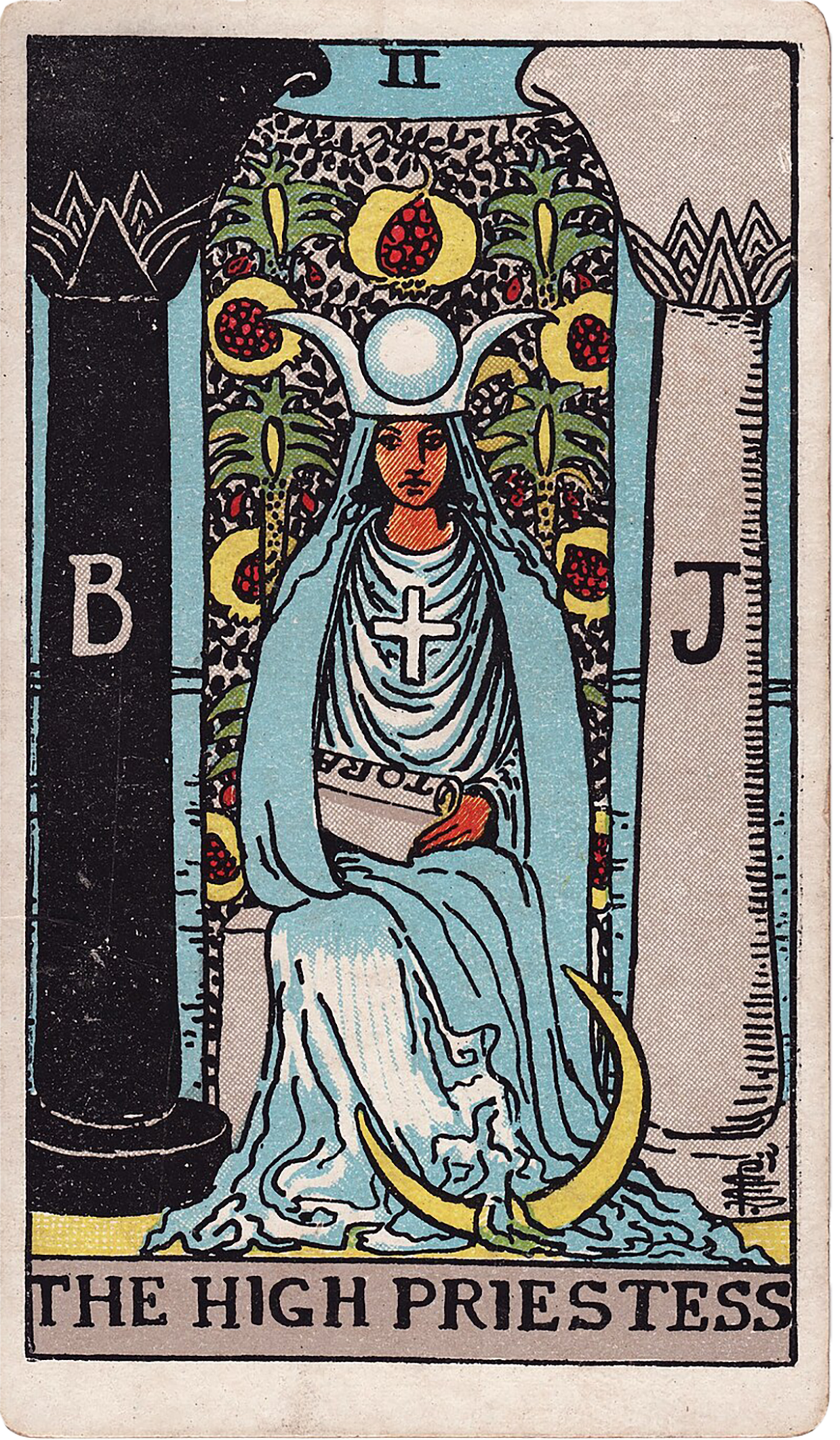 The High Priestess
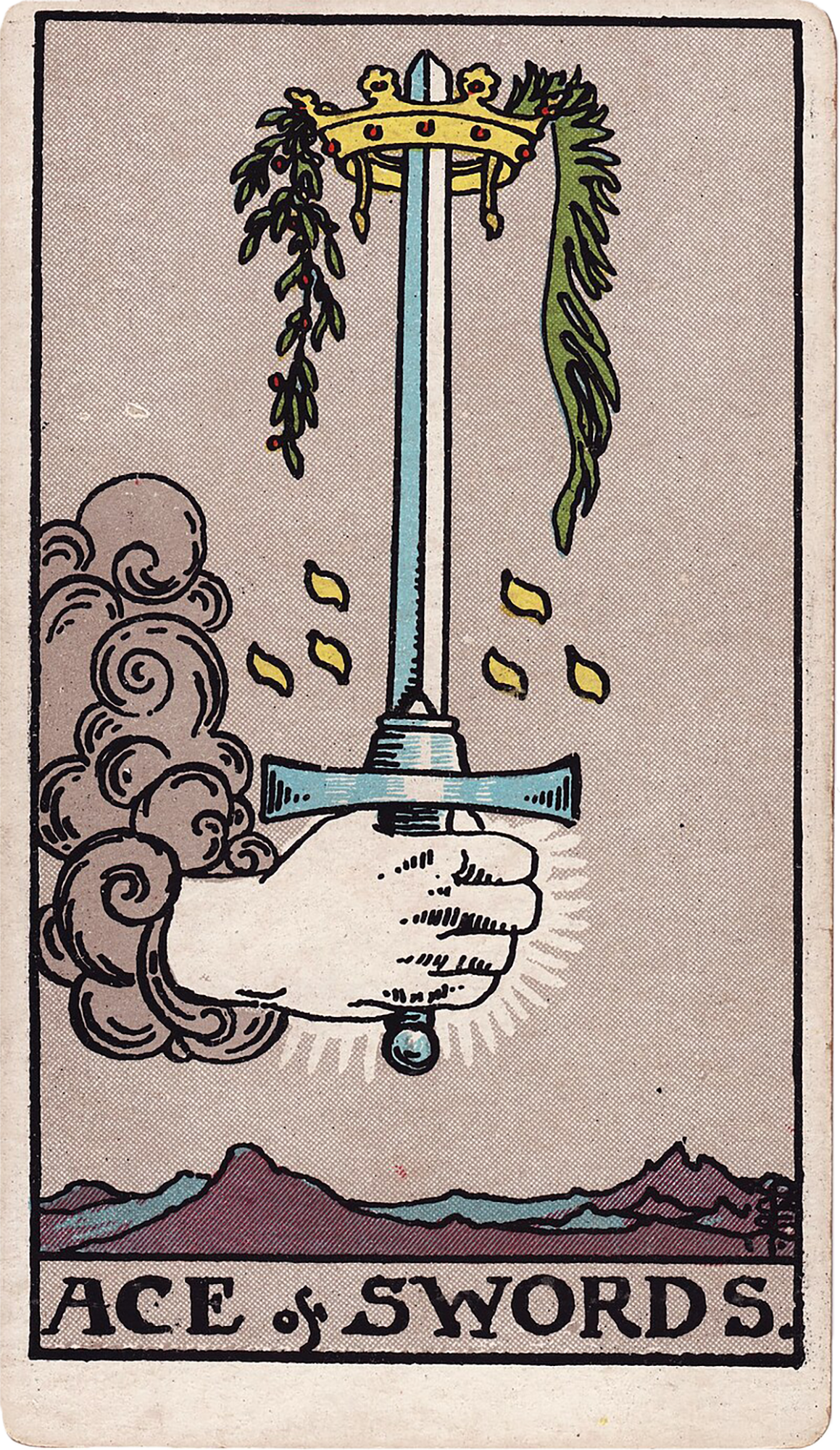 Ace of Swords
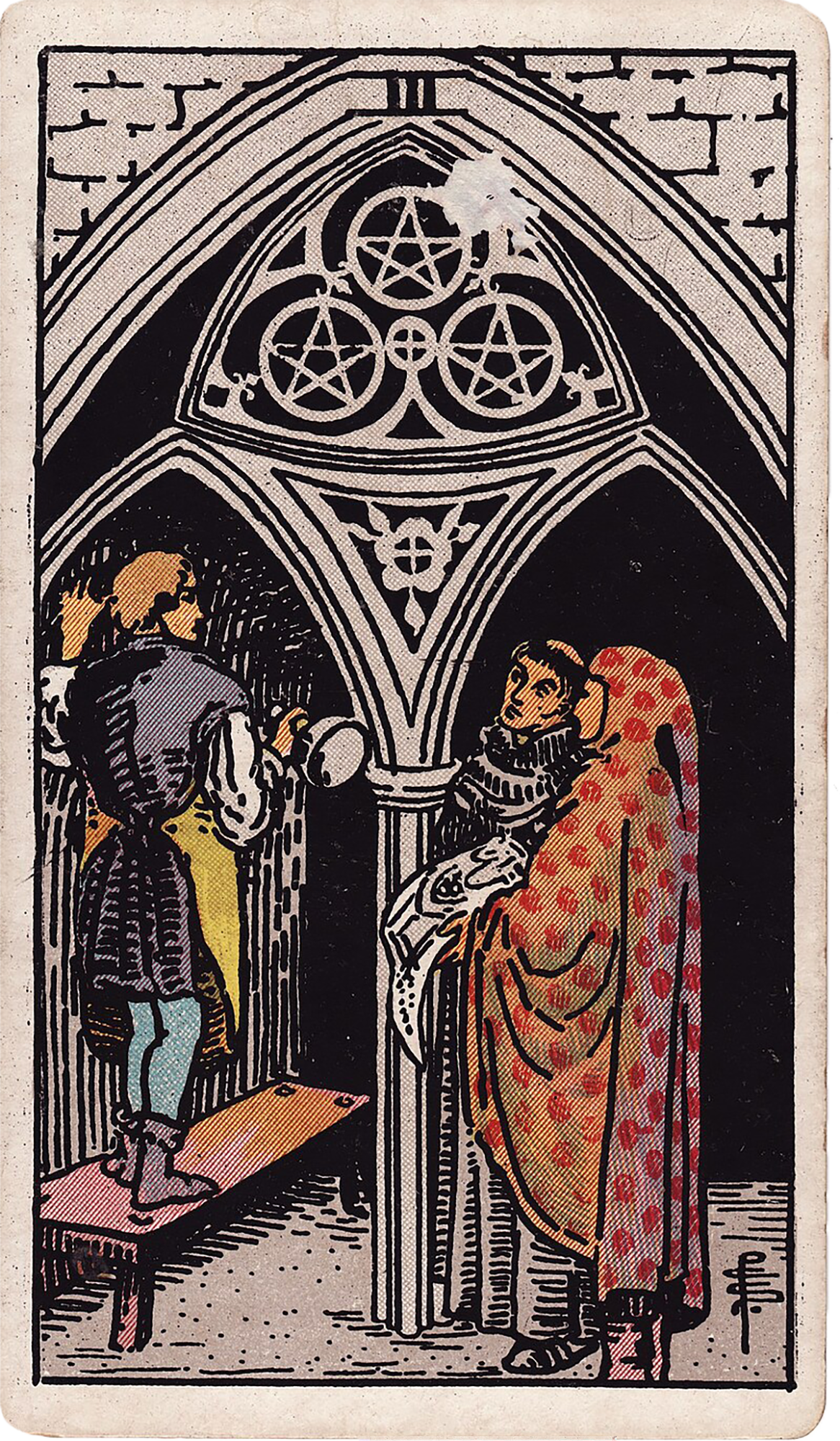 3 of Pentacles
Why design your own spreads
A pre-built spread can be a helpful template, but tailor-made spreads solve one problem: they match the question. Designing your own layout makes the reading efficient, reduces ambiguity, and highlights the decision or insight you need. A good custom spread turns a vague question into a framed inquiry that the cards can address. This article focuses on learning principles you can reuse. We'll anchor the instruction to three supplied cards—The High Priestess, Ace of Swords, and 3 of Pentacles—and use their Rider-Waite-Smith-inspired imagery and the supplied meanings to demonstrate how position and context shape interpretation. Keep in mind: spreads are tools, not oracles. Use them to explore possibilities, surface patterns, and support judgment. The cards describe tendencies and energies; your interpretive work connects those energies to the question at hand.
Core principles of effective spread design
1) Start with a clear question and outcome. Define what kind of answer you want: a choice, a sequence of steps, sources of influence, or yes/no. The type of answer shapes the layout. For example, if you want an action plan, include positions like "Immediate next step" and "Skill to deploy." If you want to weigh options, create paired positions for each option. 2) Keep position labels short and functionally distinct. Each position must do one cognitive job (e.g., "Hidden factor," "What to say," "Resources"). Overlapping positions create confusion when interpreting a card like the Ace of Swords: is it insight, communication, or a harsh truth? Clear labels help you decide. 3) Use visual grammar—symmetry, sequencing, and grouping. Symmetry (pairs for pros/cons), sequencing (left-to-right for timeline), and grouping (cluster of cards for influences) help readers track narrative flow. For example, place an intuitive card like The High Priestess in a "Hidden influence" spot; her seated, inward posture and veil imagery (pomegranates and moon) make her a natural fit for secrecy or inner knowing. 4) Balance scope and depth. Fewer positions mean clearer answers; more positions allow nuance but increase interpretive load. A three-card spread is ideal for beginners; a seven-card spread works well for advanced mapping. Use clarifiers (single extra cards) instead of exploding the main spread. 5) Define how reversals and suits are handled. Decide whether reversed cards change meaning, intensify, or denote internal processes. With the supplied descriptions, treat reversals as distortions or blocks rather than simple opposites: The High Priestess reversed suggests disconnection from intuition or secrecy—not necessarily catastrophe. The Ace of Swords reversed indicates confusion or harshness. The 3 of Pentacles reversed highlights poor teamwork or low standards. State your reversal policy before reading. 6) Test and iterate. A spread becomes reliable through practice and record-keeping. Track typical card-position combinations that recur. Over time you'll notice patterns: perhaps the Ace of Swords in a "Challenge" position consistently points to a need for clearer communication, while The High Priestess in "Advice" often urges waiting to gather more subtle information.
Beginner spreads: three reliable templates
Three-card spreads are the bread-and-butter for learners: they ask for clarity without overtaxing interpretive skills. Below are three templates that scale well to many questions, each with example interpretations using the supplied cards. Template A — "Past / Present / Next Step" - Labels: Past (context), Present (current energy), Next Step (action) - Use: Decision clarity, short-term planning Example reading Question: "How should I approach a delicate team conversation?" Cards: Past = 3 of Pentacles upright, Present = The High Priestess upright, Next Step = Ace of Swords upright Interpretation: 3 of Pentacles upright emphasizes that past context involved collaboration and skill development—this team has been building craft and standards. The High Priestess upright in Present points to a need to listen beneath surface and trust quiet discernment; the veil in her imagery suggests subtext or feelings not voiced. Ace of Swords upright as Next Step is practical: a clear, decisive conversation will cut through confusion. Together: recognize the team's shared skill (3 of Pentacles), pay attention to what is unspoken (High Priestess), then choose a concise, honest statement or question (Ace of Swords) that moves things forward. This reading models position-weighting: the High Priestess does not cancel action; it informs timing and tone. Template B — "What I know / What I don’t know / How to proceed" - Labels: Known, Unknown, Tactic - Use: Research, planning, conflict Example reading Question: "Is there missing information about a project timeline?" Cards: Known = Ace of Swords reversed, Unknown = The High Priestess reversed, Tactic = 3 of Pentacles upright Interpretation: Ace of Swords reversed in Known suggests the information you think you have is muddied by harshness, confusion, or misapplied logic—there may be miscommunication. The High Priestess reversed in Unknown signals that intuition or inner knowledge is blocked; something private or internal hasn't surfaced. 3 of Pentacles upright as Tactic recommends collaboration: bring others into a structured conversation to surface and test assumptions. The combined logic: don't rely solely on existing documents (Ace reversed); invite a collaborative review (3 of Pentacles) while creating space for hidden perspectives to emerge (work around the High Priestess reversal by asking open-ended questions). Template C — "Issue / Skill to use / Outcome" - Labels: Issue, Skill, Likely Outcome - Use: Problem-solving, skill application Example reading Question: "How can I improve my role on a cross-functional team?" Cards: Issue = The High Priestess reversed, Skill = 3 of Pentacles upright, Outcome = Ace of Swords upright Interpretation: The High Priestess reversed as Issue points to a disconnect from intuition or not noticing undercurrents; perhaps you are projecting or avoiding. 3 of Pentacles upright in Skill suggests collaboration, respect for expertise, and feedback as the corrective practice. Ace of Swords upright in Outcome indicates that applying those collaborative skills will likely lead to clear insight or decisive communication. Here the spread shows a learning arc: attend to internal misalignments (High Priestess reversed), practice collaborative craft (3 of Pentacles), and expect clearer decisions (Ace of Swords).
Advanced techniques for custom and dynamic spreads
Once you’re comfortable with three-card logic, introduce advanced techniques that capture complexity without chaos. 1) Layered positions (primary + clarifiers) Use a primary spread of 3–5 cards; then draw a single clarifier for any card that feels opaque. A clarifier acts as a lens, not an override. If The High Priestess appears and you’re unsure whether she indicates waiting or secrecy, draw a clarifier in a "timing" position rather than replacing her meaning. 2) Conditional branches Design spreads that branch based on a key card. For example, position 1 asks whether to act now. If the card shows The High Priestess upright, follow a set of "wait-and-listen" positions (hidden factor, what will surface). If Ace of Swords appears, branch to "how to speak" positions (tone, content, immediate outcome). This preserves focus: different energies demand different follow-up questions. 3) Elemental weighting and suit focus If you often need to distinguish between mental, emotional, and material strategies, create positions grouped by suit/function: Swords (communication/strategy), Cups (emotions), Pentacles (resources/work). With only three supplied cards, your grouping will highlight interplay: the Ace of Swords will be read as a decisive mental force, while 3 of Pentacles emphasizes tangible collaboration. 4) Narrative arcs and time layers Design labels that define phases (setup, development, climax, aftermath). Place The High Priestess naturally in stages that involve concealment or internal change; the RWS imagery (veil, pomegranates) suggests thresholds and mysteries. When the Ace of Swords appears in a climax position, interpret it as a breakthrough or confrontation. Use the 3 of Pentacles in development stages where skill and group dynamics are central. 5) Scaling with card pools instead of single cards For very complex questions, treat a position as a mini-spread: place 3 cards in the "Resources" position to show different types of support. This is an advanced technique—practice pattern recognition to summarize three cards into a single functional read.
Practical reading method: before, during, and after
Before the reading - Clarify the question in one sentence and choose the spread that best fits the answer type. Write the question down. - Shuffle with intent. Name your reversal policy. Decide whether reversals will be used as provided (block/distortion/internal) and stick to it. During the reading - Lay out the spread and name position meanings aloud or in writing. Anchor the images: if The High Priestess appears in "Hidden factor," note the book and veil in her image and ask what is being withheld. - Read cards one at a time and then read them together. First, name the literal imagery (The High Priestess sits between pillars; Ace of Swords is an upright blade with a crown; 3 of Pentacles shows a craftsman at work in a cathedral). Second, apply the supplied upright/reversed contexts. Third, synthesize across positions. - Ask targeted follow-up questions. If the Ace of Swords is in a "How to speak" position, ask: "What tone will be most effective?" Use The High Priestess to check for timing: does this require more listening? After the reading - Summarize the action steps in 1–3 sentences. Good spreads produce at least one practical next move. For example: "Set up a short, structured meeting (3 of Pentacles) where you open with a clarifying question and invite others to speak (High Priestess framed as listening) and then state the decision point clearly (Ace of Swords)." - Journal the reading with the question, spread, card images, and your synthesis. Revisit after action to note accuracy and refine the spread. A note on interpretation logic - Position weight: which position is decisive for the question? In a "next step" layout, a card in that position carries more immediate prescriptive force than a card in a "background" position. - Upright vs reversed: use the supplied card contexts that treat reversals as distortions, blocks, or internalization. For example, The High Priestess reversed often indicates secrecy or disconnection from intuition; treat that as a cue to examine what inner knowing is unavailable rather than assume disaster. - Imagery as metaphor and detail: Rider-Waite-Smith details are useful: the High Priestess's scroll (TORA) suggests concealed knowledge; the veil with pomegranates suggests fertility of hidden content; the Ace of Swords's crown indicates victory or clarity; the 3 of Pentacles's cathedral setting suggests work acknowledged in a public or formal space. Use these to translate images into actionable advice.
Worked examples that integrate design and interpretation
Example 1 — Beginner three-card spread used for a career micro-decision Question: "Should I propose a process change to my team this week?" Spread: Past / Present / Next Step Cards dealt: Past = 3 of Pentacles upright, Present = The High Priestess upright, Next Step = Ace of Swords reversed Reading and logic: The 3 of Pentacles upright in Past shows a history of skillful collaboration and shared standards—you are in a context where craft and peer review matter. The High Priestess upright in Present highlights internal knowledge and unspoken dynamics; perhaps there are subtle tensions or unseen expectations. Ace of Swords reversed in Next Step warns that if you act now, your message may be received badly or your logic could be perceived as harsh; reversed Aces call attention to premature judgment or misused truth. Practical synthesis: do not present a fully formed directive this week. Instead, use the team's collaborative norms to gather input discreetly (High Priestess's listening combined with 3 of Pentacles' teamwork) and delay a formal proposal until you have clearer support. Example 2 — Intermediate five-card spread with clarifiers Spread positions: Issue / Hidden / Skill / Immediate Action / Outcome Question: "How to resolve miscommunication with a colleague?" Cards: Issue = Ace of Swords reversed, Hidden = The High Priestess reversed, Skill = 3 of Pentacles upright, Immediate Action = Ace of Swords upright (clarifier), Outcome = 3 of Pentacles reversed Interpretation process: The Issue position with Ace of Swords reversed indicates current communication is confused or weaponized. The Hidden position with The High Priestess reversed shows that internal projections or secrecy are blocking genuine understanding—either you or the colleague is not accessing inner clarity. Skill is 3 of Pentacles upright: the remedy is collaborative skill and respectful feedback. Immediate Action clarifier draws Ace of Swords upright: despite the initial reversal, the immediate need is a clear, measured conversation using the right words—careful phrasing, not accusation. Outcome shows 3 of Pentacles reversed: the final card warns that unless the collaborative process is guarded (ensure standards, constructive feedback, and recognition), teamwork could suffer. Interpretation logic: reversals mark what’s blocked and what needs repair; the upright Ace as clarifier shows that the path forward requires a corrected form of communication. Actionable plan: schedule a structured feedback meeting and set norms for constructive critique (3 of Pentacles upright), begin by stating intentions and listening (High Priestess work-around), and use precise, non-inflammatory language (Ace of Swords upright). Example 3 — Advanced conditional branch Design: Two-path spread that asks if you should escalate an issue formally (Path A) or handle it informally with peers (Path B). Initial card decides path. Initial card: The High Priestess upright (choose Path B: informal peer process) Path B positions: Root cause / Allies / Proposed wording / Outcome Dealt cards: Root cause = Ace of Swords reversed, Allies = 3 of Pentacles upright, Proposed wording = Ace of Swords upright, Outcome = 3 of Pentacles upright Synthesis: The High Priestess upright suggests the matter is subtle and benefits from listening and discretion rather than formal escalation. Root cause Ace of Swords reversed indicates confusion or hurtful logic underlying the problem; Allies 3 of Pentacles upright shows you have collaborators who value craft and respect; Proposed wording Ace of Swords upright instructs you to choose a clear, careful phrasing in the peer setting; Outcome 3 of Pentacles upright projects that collaborating will strengthen standards and repair relationships. Logic: the initial High Priestess steered you to a listening-based path; reversals signaled internal confusion to be resolved; the upright Ace as phrasing indicates you can transform confusion into clarity with the right words.
Common mistakes and how to avoid them
1) Asking vague questions Mistake: "What will happen to my job?" is too broad. Solution: Narrow the scope—"What is the best next step to improve my job security this quarter?" 2) Overloading positions with similar functions Mistake: Creating six positions that all ask for "advice." Solution: Make each position distinct—"What to say," "What to hear," "Material resource," "Timing." 3) Ignoring imagery detail Mistake: Reading The High Priestess only as "intuition" without noting veil, scroll, or moon phases. Solution: Use imagery to refine interpretation: the scroll (TORA) suggests hidden rules or knowledge; the pomegranates point to fertility of ideas; the crescent moon at her feet signals cyclical or subconscious influence. 4) Treating reversals as simple negatives Mistake: Automatically reading a reversed card as the opposite. Solution: Use the supplied reversal framing: reversed cards often mark blockage, internalization, delay, or exaggerated expression. Ace of Swords reversed is confusion or harsh logic—ask where clarity is distorted. 5) Failing to synthesize Mistake: Listing card meanings without forming a coherent instruction. Solution: Ask: "Given the question and the position labels, what single next step emerges?" Summarize in one sentence. 6) Not testing the spread Mistake: Designing a complex spread and expecting instant reliability. Solution: Use the spread repeatedly, record outcomes, and refine labels. Note how often certain card-position patterns appear and what practical actions flowed from them.
Practice routines and exercises
1) Daily micro-spread practice Use a fixed three-card spread (e.g., "Focus / Obstacle / Action") for a month. Record each reading, the question, positions, and outcomes. Note recurring patterns: does The High Priestess tend to show up when you need to wait? Does Ace of Swords often indicate a needed conversation? 2) Reverse-interpretation drill Shuffle until you draw one of the supplied cards, then place it in different positions and write three short readings showing how its meaning shifts with position. This trains position-weighting skills: The High Priestess in "Outcome" will differ meaningfully from The High Priestess in "Hidden factor." 3) Paired practice with a partner Exchange three-card spreads and compare readings. Discuss why the Ace of Swords might indicate helpful clarity in one reading and a harsh truth in another, focusing on position and neighboring cards. 4) Image-to-action mapping Take one card and list five concrete actions that could be recommended when that card appears in an "Advice" position. For example, from 3 of Pentacles upright: request peer review, make a clear timeline, outline roles, ask for feedback, and publicly acknowledge contributors. 5) Spread refinement log After each reading, record one sentence about whether the spread answered the question clearly. After ten uses, prune or rename positions that consistently confuse you.
Wrapping up and ethical considerations
Designing spreads is a craft: it combines conceptual clarity with pattern recognition. As you build custom layouts, remember to anchor your work to precise imagery and consistent reversal policies. Use the supplied cards—the High Priestess, Ace of Swords, and 3 of Pentacles—as study objects. Observe how the High Priestess's veiled symbolism signals hidden content, how the Ace of Swords' blade and crown emphasize decisive clarity or its misuse, and how the 3 of Pentacles' workshop and observers point to teamwork and standards. Keep records, test hypotheses, and prioritize practical, respectful advice over fate-driven pronouncements. Ethical notes: Always ask permission before reading for others. Frame readings as explorations that empower choices, not as deterministic predictions. If a reading touches on serious mental health or safety concerns, encourage professional support. Your role is to illuminate options and tendencies, not to absolve responsibility for action.
Practice questions
• What single kind of question do you most often want your spreads to answer (choices, timeline, resources, inner work)?
• How does The High Priestess' imagery change when she appears in a 'timing' position versus a 'hidden factor' position?
• When Ace of Swords appears reversed in your spreads, what repeated real-world patterns have you observed?
• How does the presence of 3 of Pentacles—upright or reversed—affect whether you recommend collaboration or more solitary work?
• Which three-card template from this article will you use for your next five practice readings, and how will you journal the results?
Comments
Sign in to comment.
Continue learning
Interpreting the Dance of Justice and The Devil: Balancing Morality and Temptation in Tarot Readings
The combination of Justice and The Devil in tarot presents a profound exploration of morality, temptation, and personal accountability. This article unpacks how these cards influen...
Understanding The World Card in Personal Completion and New Cycles
The World card in tarot signifies completion, integration of lessons learned, and the threshold of new cycles. This article explores its nuanced meanings in upright and reversed po...
Mastering Tarot Timing Techniques for Accurate Readings
Timing in tarot readings can transform vague predictions into clear guidance about when events might unfold. This article explores practical timing techniques for beginners and adv...
Unlocking the Power Balance of The Emperor The Hierophant and Justice in Tarot Combinations
This article offers a deep exploration of the combined meanings of The Emperor, The Hierophant, and Justice cards within tarot spreads, focusing on how their energies interact to p...
Unlocking Leadership Qualities Through the Knight Queen and King of Wands
The Knight, Queen, and King of Wands embody evolving leadership qualities within the family suit of Wands. This article unpacks their traditional symbolism and the lessons each cou...
Mastering the Art of Combining The Magician The Empress and Ace of Pentacles for Manifestation and Abundance
This article offers a comprehensive exploration of how to skillfully combine The Magician, The Empress, and Ace of Pentacles tarot cards to enhance manifestation and attract abunda...
Mastering Intuitive Tarot Reading with The High Priestess The Hermit and The Moon for Deeper Insights
This article guides Tarot readers through mastering intuitive reading skills using three powerful cards: The High Priestess, The Hermit, and The Moon. It covers both beginner and a...
Unlocking Leadership and Responsibility Lessons Through the Court Cards of Swords
This article delves into the Court Cards of Swords—the Page, Knight, Queen, and King—to uncover the nuanced lessons they provide about leadership and responsibility. Rooted in the...
Exploring the Symbolic Language and Elemental Correspondences of the Court Cards of Cups for Emotional and Intuitive Insight
This in-depth article examines the Court Cards of Cups within the Rider-Waite-Smith tradition and the VoxFati Tarot Library context. It explores their rich symbolism and elemental...
Interpreting the Page of Swords for Career Love and Personal Growth
This article teaches how to read the supplied Page of Swords single-card draw across multiple life contexts. Using the card's Rider-Waite-Smith imagery and the provided upright and...