
Unlocking Leadership and Responsibility Lessons Through the Court Cards of Swords
This article delves into the Court Cards of Swords—the Page, Knight, Queen, and King—to uncover the nuanced lessons they provide about leadership and responsibility. Rooted in the Rider-Waite-Smith symbolism and supported by practical reading methods, the article highlights how each card reflects stages of mental development, communication dynamics, and ethical decision-making. By anchoring interpretations in the imagery and traditional meanings, learners gain tools to apply these cards thoughtfully in readings, recognizing common mistakes and the significance of context and reversals.
Cards explored in this article
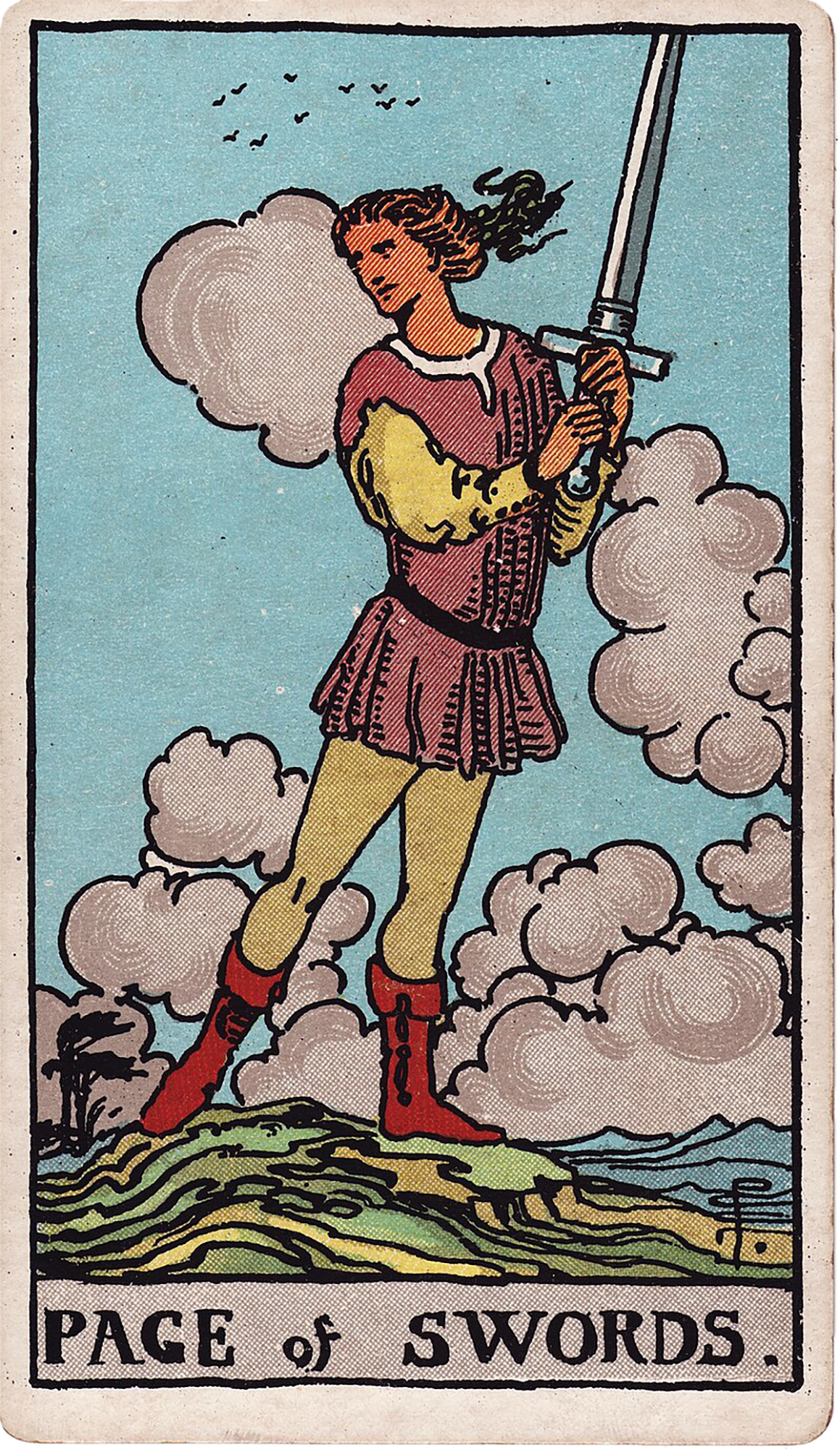 Page of Swords
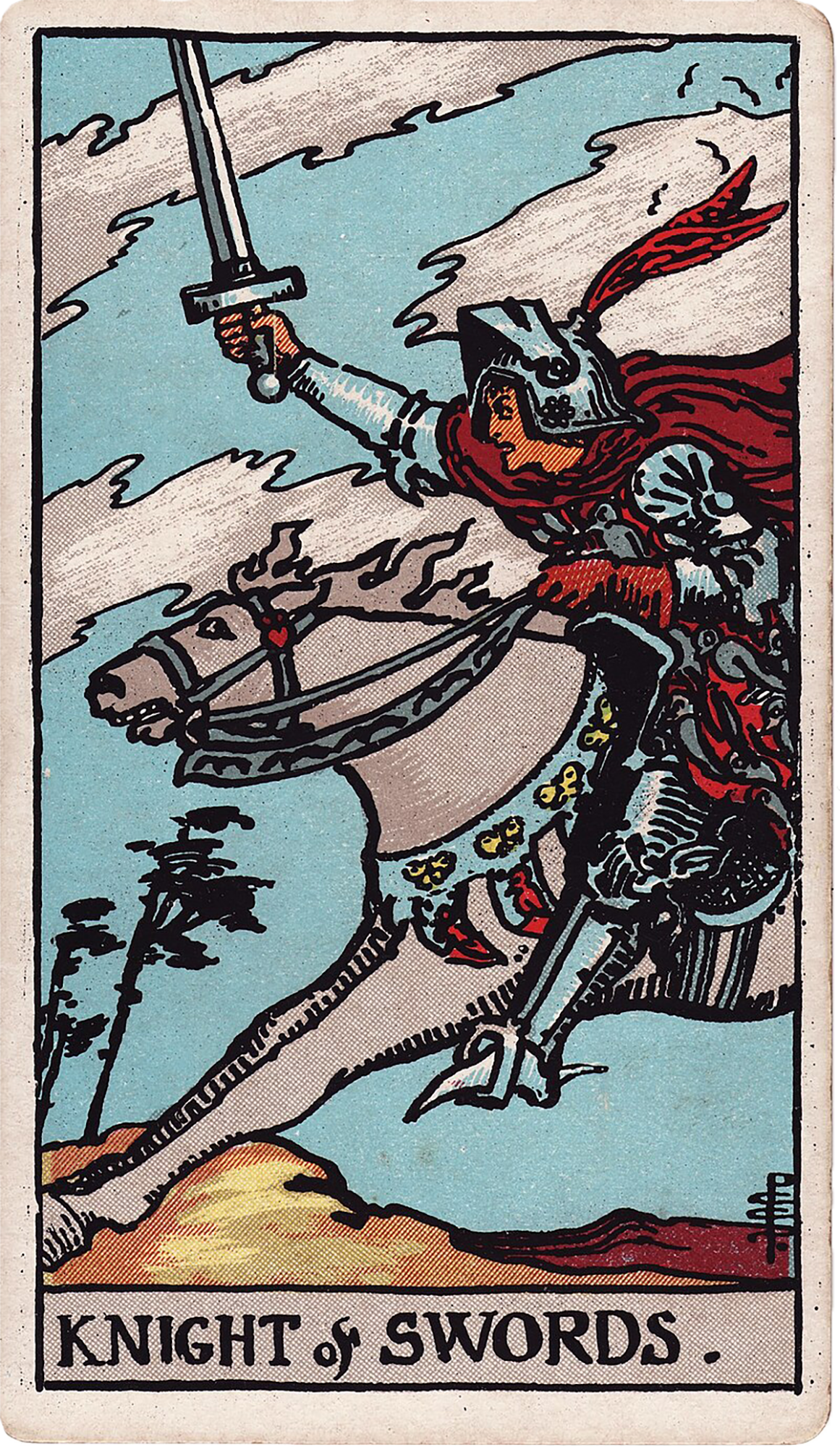 Knight of Swords
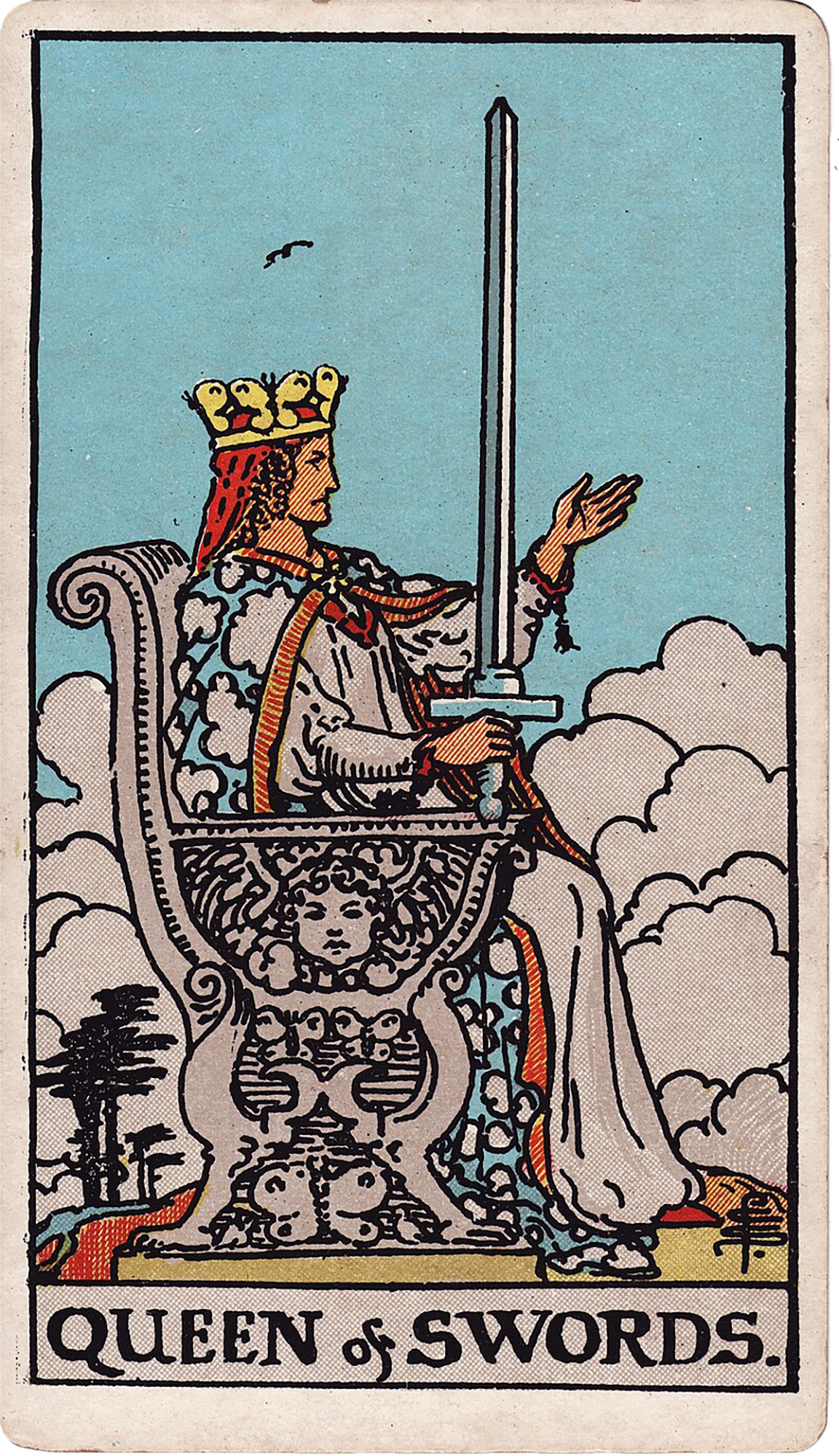 Queen of Swords
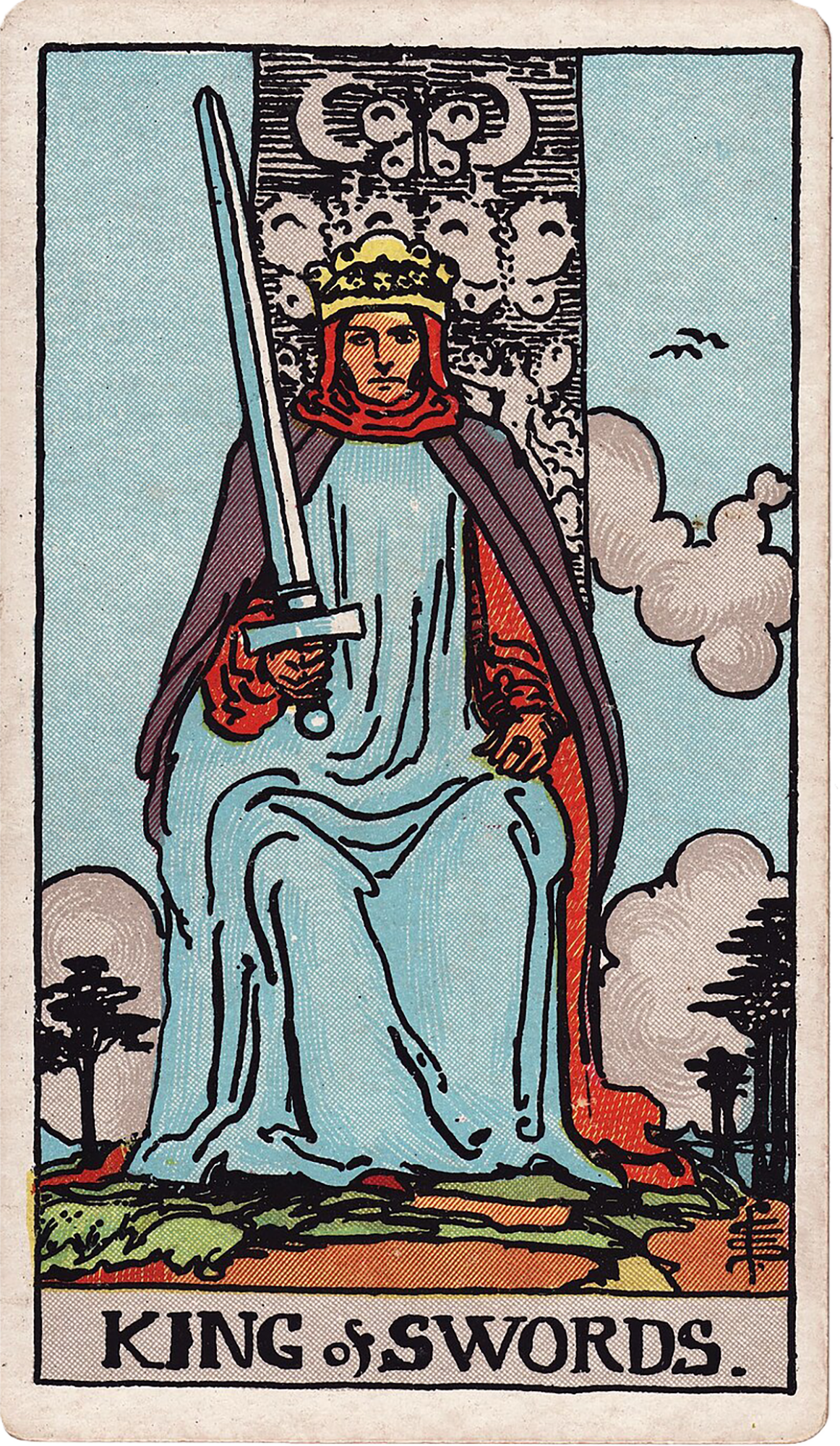 King of Swords
Introduction to the Court Cards of Swords and Their Role in the Minor Arcana
The Court Cards of Swords—Page, Knight, Queen, and King—represent evolving facets of mental energy, communication, and leadership within the Minor Arcana. Each figure symbolizes a different stage of intellectual maturity and a unique approach to responsibility. As part of the Swords suit, these cards emphasize thought, truth, conflict, and strategy. Their traditional Rider-Waite-Smith imagery features weapons of intellect—swords—held with varied posture and intent, reflecting diverse leadership styles and challenges. Understanding these cards requires recognizing their family connection within the Swords suit and how they portray the development from curiosity and learning to authoritative judgment.
The Page of Swords as the Embodiment of Mental Curiosity and Vigilance
The Page of Swords presents a youthful figure poised with a raised sword, eyes alert and ready to investigate. Upright, this card highlights mental curiosity, vigilance, and an eagerness to gather information. It represents the early stage of intellectual leadership—learning to ask the right questions and remain aware of one’s environment. The card’s imagery—a young person standing against a windy sky—symbolizes openness to new ideas and the need to adapt swiftly. In readings, this card encourages embracing practical thought and clear communication rather than abstract ideals. However, in reverse, the Page warns against gossip, scattered attention, or defensive speech, signaling that the intellectual process may be stuck or misdirected. Practical technique involves observing surrounding cards to identify where in the learning or communication cycle the seeker is and what mental habits require refinement to move forward.
The Knight of Swords and the Challenge of Decisive Action and Courage
The Knight of Swords depicts an armored figure charging forward on horseback, sword raised high. This imagery conveys swift, decisive action and fearless engagement with conflict or debate. Upright, the Knight invites readers to embody courage, cutting through delays or confusion with clarity and strategy. It reflects a leadership style centered on bold moves and intellectual bravery, advancing causes with confidence. Yet, the same energy can tip into recklessness or tunnel vision when reversed, highlighting aggression, verbal force, or haste that overlooks consequences. Effective interpretation requires balancing the Knight’s drive with awareness of nuance and potential fallout. Readers should consider the card’s position within the spread to assess whether the energy is constructive or a warning to temper impulsivity.
The Queen of Swords as the Archetype of Clear-Minded Independence and Honest Boundaries
The Queen of Swords is traditionally shown as a poised woman seated on a throne, holding an upright sword, her gaze clear and discerning. She symbolizes mature intellectual independence, honest communication, and boundaries that uphold truth without cruelty. The Queen’s imagery—her erect posture and focused expression—reflects clarity, fairness, and emotional strength that does not evade complexity but addresses it with reasoned detachment. In readings, she advises embracing balanced leadership that combines empathy with rational judgment. Reversed, the Queen may signal bitterness, excessive criticism, or isolation, suggesting that intellect is being used to avoid emotional engagement or that communication is harsh. Interpreters should explore whether the seeker needs to soften their approach or set clearer boundaries to restore healthy dialogue.
The King of Swords as the Embodiment of Mature Intellectual Authority and Strategic Judgment
The King of Swords sits confidently on a throne adorned with butterflies and crescent moons—symbols of transformation and intuition—holding a sword upright as a sign of truth and power. This card represents the pinnacle of intellectual leadership: authority grounded in principle, evidence-based decisions, and ethical responsibility. The King's stern yet just demeanor illustrates the challenge of balancing power with fairness and strategic thinking. When upright, this card advises readers to exercise clear judgment and communicate with integrity. Conversely, reversed meanings highlight dangers of intellectual arrogance, manipulation, or abuse of authority. Readers must carefully assess whether the King’s energy is empowering or oppressive in a given context and encourage accountability and respect for all participants.
Techniques for Reading the Court Cards of Swords in Context
When interpreting the Court Cards of Swords, learners should always consider the card’s position within the spread and interactions with neighboring cards. These cards rarely stand alone as fixed archetypes; their lessons evolve with context. For instance, the Page’s curiosity might suggest a new phase in mental development, while the Knight’s energy could signal impending action or conflict. Layering reversed meanings adds depth—rather than seeing reversal as simply negative, it often points to stalled processes or internal struggles. Practical techniques include focusing on the card’s posture, gaze, and environment from the Rider-Waite-Smith images: is the figure forward-moving or defensive? Are they isolated or engaged? These visual cues support nuanced reading. Additionally, reflecting on the family suit dynamics helps: the Page is learning, the Knight is acting, the Queen is balancing, and the King is ruling. Together they map a continuum of leadership and responsibility.
Common Mistakes and How to Avoid Them When Interpreting the Court Cards of Swords
A common error is treating Court Cards as static personality types rather than dynamic energies or stages. For example, seeing the Knight of Swords always as aggressive without appreciating its potential for courageous advocacy limits understanding. Another mistake is ignoring reversals or dismissing them as ‘bad luck’ cards instead of opportunities to explore internal blockages or exaggerated traits. Learners may also overlook the importance of surrounding cards and the spread’s question, leading to generic or off-target interpretations. To avoid these pitfalls, always integrate symbolism, imagery, and context. Encourage clients or readers to consider how the card’s leadership lessons apply to their current situation and what responsibility or communication challenges they face. This approach transforms the Court Cards from mere labels into tools for growth.
Practical Examples Applying the Court Cards of Swords to Leadership and Responsibility
Imagine a reading where the Page of Swords appears upright in relation to a career question. This suggests the querent is in a phase of gathering information and developing skills necessary for effective communication and decision-making—perhaps a new leadership role. If reversed, it may warn against gossip or scattered focus hindering progress. If the Knight of Swords shows up, it could indicate the need to take swift action or prepare for a debate, but reversed it cautions against acting without full understanding. The Queen of Swords might appear to advise setting honest boundaries and speaking with clarity, while the King of Swords encourages embracing mature judgment and principled leadership. By reflecting on each card’s imagery and traditional meanings, readers can guide seekers toward responsible, clear-headed leadership aligned with their stage of mental and emotional development.
Reflection and Integration for Tarot Learners
The Court Cards of Swords challenge learners to explore their own approaches to leadership, communication, and responsibility. Reflecting on the Page’s curiosity, the Knight’s decisiveness, the Queen’s boundaries, and the King’s authority invites personal growth beyond the cards themselves. Learners should ask: Where am I showing each of these energies in my life? How can I balance mental agility with ethical clarity? Where might I be stuck, rushed, overly critical, or detached? Integrating these reflections with practical reading experience deepens intuitive and intellectual understanding, making the Court Cards powerful tools for self-awareness and guiding others.
Practice questions
• How does the Page of Swords’ energy of curiosity and vigilance show up in your own decision-making process?
• In what situations might the Knight of Swords’ decisiveness become reckless, and how can you balance speed with caution?
• How can you embody the Queen of Swords’ clear-minded independence while maintaining empathy in communication?
• What does mature intellectual authority mean to you as represented by the King of Swords, and how do you practice it responsibly?
• When interpreting reversed Court Cards of Swords, how can you shift from seeing obstacles to recognizing opportunities for growth?
Comments
Sign in to comment.
Continue learning
Interpreting the Dance of Justice and The Devil: Balancing Morality and Temptation in Tarot Readings
The combination of Justice and The Devil in tarot presents a profound exploration of morality, temptation, and personal accountability. This article unpacks how these cards influen...
Understanding The World Card in Personal Completion and New Cycles
The World card in tarot signifies completion, integration of lessons learned, and the threshold of new cycles. This article explores its nuanced meanings in upright and reversed po...
Mastering Tarot Timing Techniques for Accurate Readings
Timing in tarot readings can transform vague predictions into clear guidance about when events might unfold. This article explores practical timing techniques for beginners and adv...
Unlocking the Power Balance of The Emperor The Hierophant and Justice in Tarot Combinations
This article offers a deep exploration of the combined meanings of The Emperor, The Hierophant, and Justice cards within tarot spreads, focusing on how their energies interact to p...
Unlocking Leadership Qualities Through the Knight Queen and King of Wands
The Knight, Queen, and King of Wands embody evolving leadership qualities within the family suit of Wands. This article unpacks their traditional symbolism and the lessons each cou...
Mastering the Art of Combining The Magician The Empress and Ace of Pentacles for Manifestation and Abundance
This article offers a comprehensive exploration of how to skillfully combine The Magician, The Empress, and Ace of Pentacles tarot cards to enhance manifestation and attract abunda...
Mastering Intuitive Tarot Reading with The High Priestess The Hermit and The Moon for Deeper Insights
This article guides Tarot readers through mastering intuitive reading skills using three powerful cards: The High Priestess, The Hermit, and The Moon. It covers both beginner and a...
Exploring the Symbolic Language and Elemental Correspondences of the Court Cards of Cups for Emotional and Intuitive Insight
This in-depth article examines the Court Cards of Cups within the Rider-Waite-Smith tradition and the VoxFati Tarot Library context. It explores their rich symbolism and elemental...
Interpreting the Page of Swords for Career Love and Personal Growth
This article teaches how to read the supplied Page of Swords single-card draw across multiple life contexts. Using the card's Rider-Waite-Smith imagery and the provided upright and...
Symbols of Transformation Across Death The Hanged Man and The Tower
This article examines how The Hanged Man, Death, and The Tower encode different but related modes of transformation. Using Rider‑Waite‑Smith imagery and the supplied card contexts,...