
Unlocking Leadership Qualities Through the Knight Queen and King of Wands
The Knight, Queen, and King of Wands embody evolving leadership qualities within the family suit of Wands. This article unpacks their traditional symbolism and the lessons each court card offers about motivation, creativity, courage, and responsibility. By anchoring interpretations in the Rider-Waite-Smith deck imagery and practical reading techniques, learners gain tools to recognize how these court cards highlight the stages of leadership from initiative to mature vision. The exploration includes upright and reversed nuances, common interpretative pitfalls, and methods to integrate these lessons into real tarot spreads.
Cards explored in this article
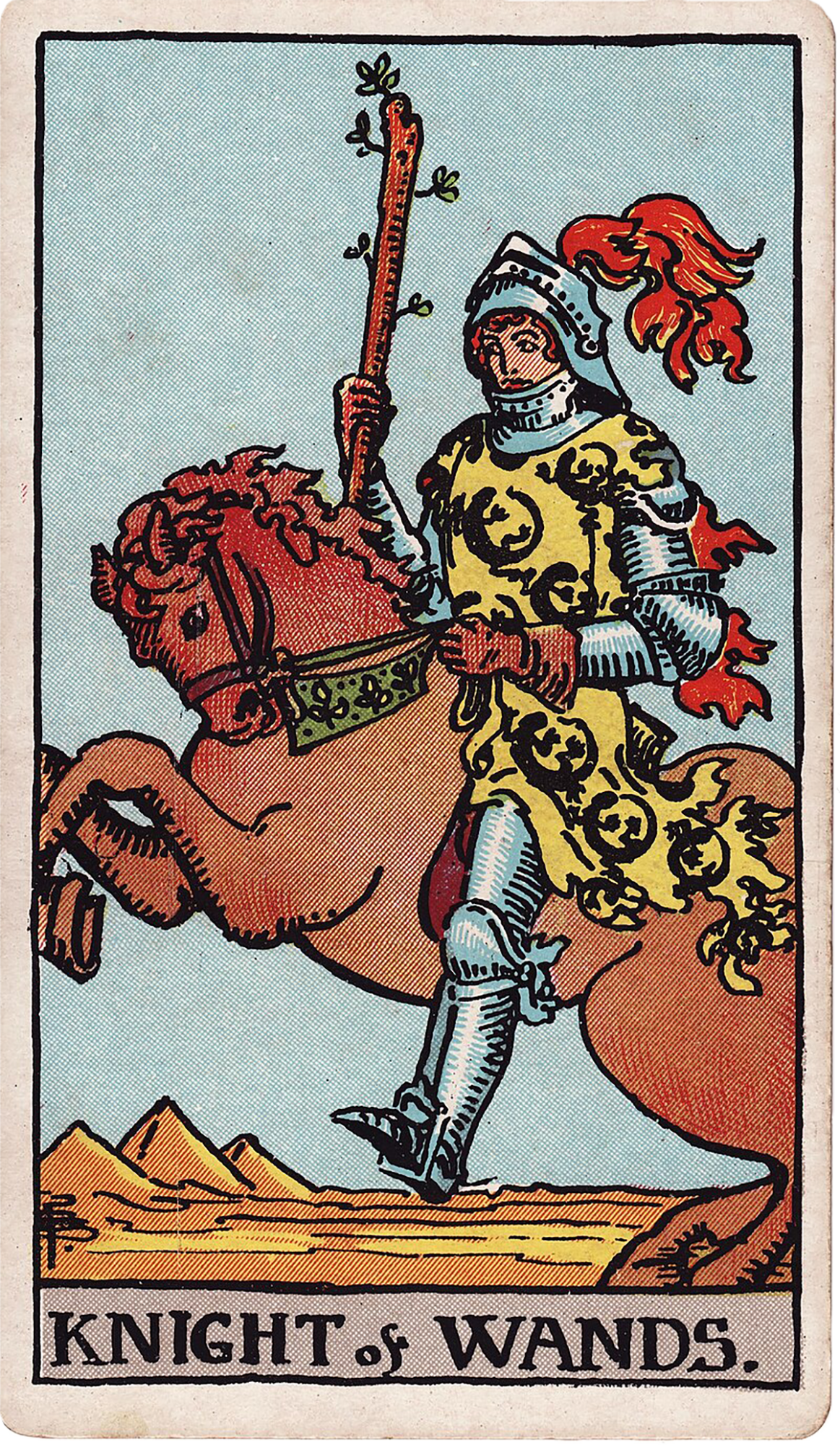 Knight of Wands
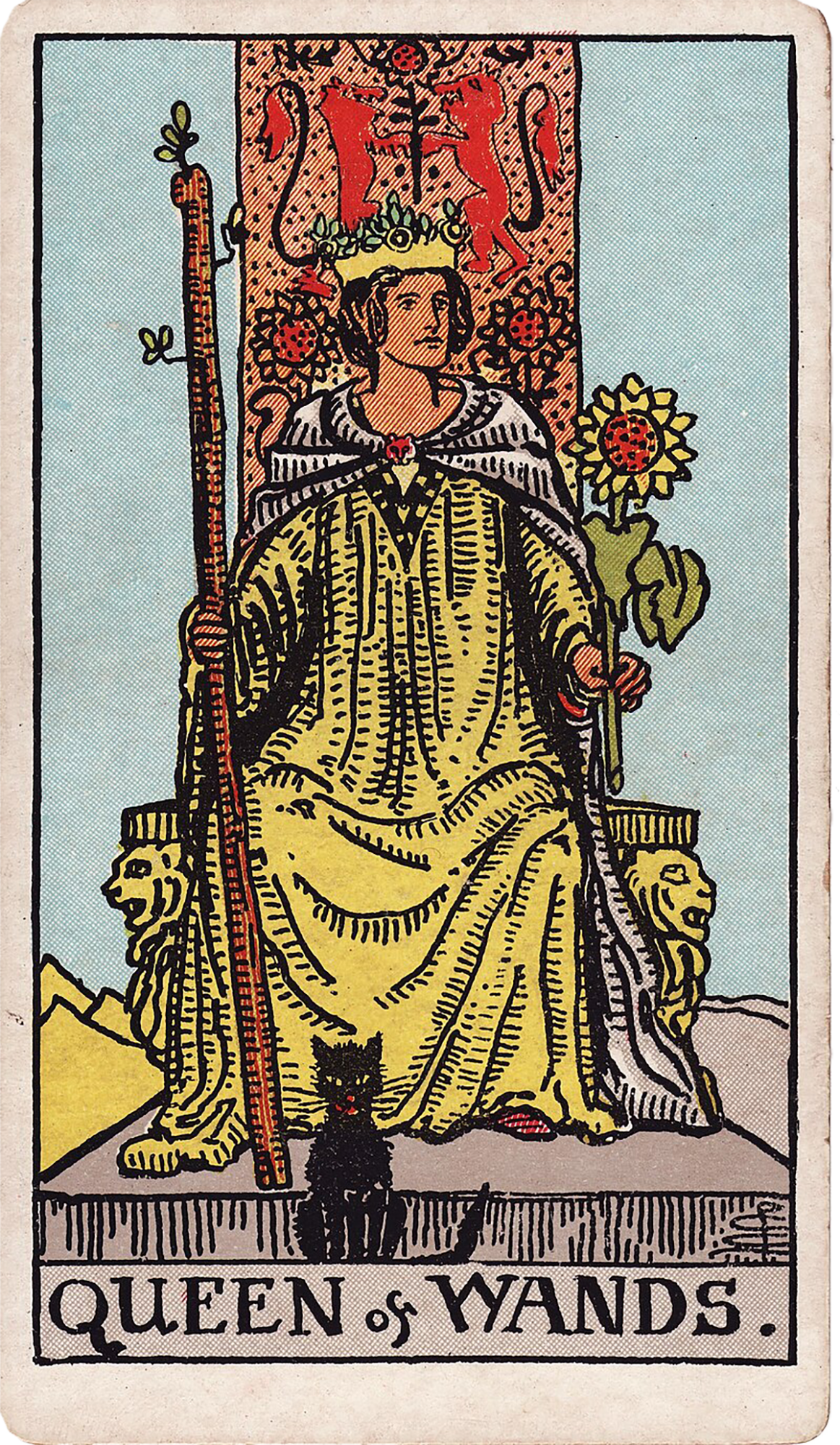 Queen of Wands
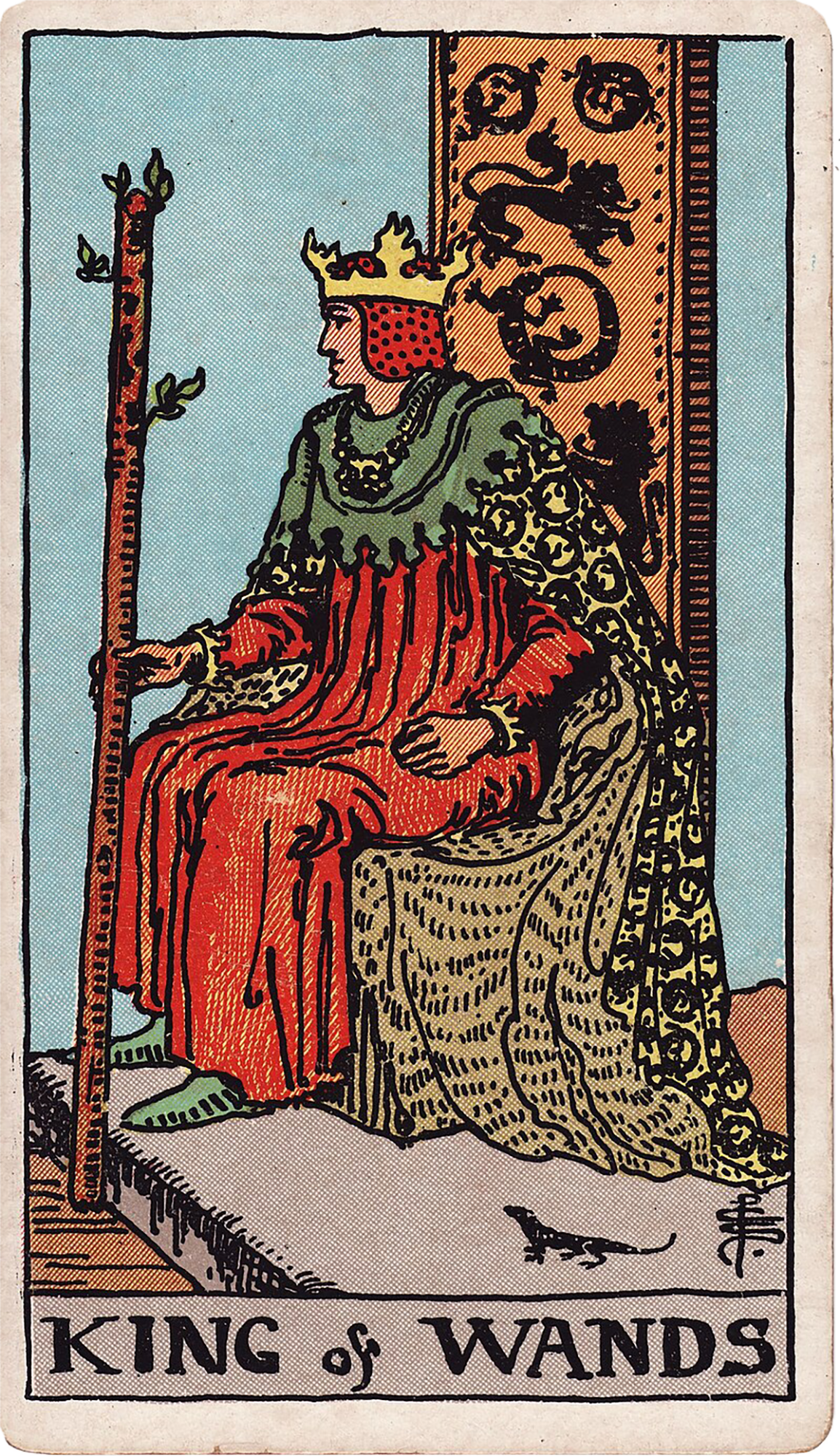 King of Wands
Understanding the Family Suit of Wands and Its Court Cards
The suit of Wands in the Minor Arcana is traditionally associated with the element of fire, representing energy, creativity, ambition, and willpower. Within this suit, the court cards—Knight, Queen, and King—serve as archetypal figures that personify distinct modes of leadership and expression of the elemental qualities. These cards act not only as characters but as lessons in the evolution of personal power and responsibility. The Knight of Wands stands at the threshold of action and initiative, the Queen of Wands embodies confident and creative leadership with a social warmth, and the King of Wands represents the mature, visionary application of courage and entrepreneurship. Understanding these cards as a family helps readers see leadership as a dynamic process rather than a fixed state. Each card responds to a moment within this process, encouraging practical reflection on how energy is directed and responsibility assumed.
Deep Dive into the Knight of Wands: Decisive Movement and Energized Initiation
The Knight of Wands is a figure galloping forward, emblematic of decisive movement and high energy. Rider-Waite-Smith imagery shows a knight brandishing a wand, charging onward with purposeful courage. Upright, this card signals motivation, ambition, and the raw drive to act swiftly and boldly. It urges the querent to respond in ways that fit the present stage—acting with initiative but mindful of direction. The Knight's lesson centers on harnessing enthusiasm without recklessness. In reading, it indicates a situation where courage is needed, but speed must be balanced with clarity of purpose. The reversed Knight of Wands, however, warns against impulsiveness, anger, or restlessness that leads to unfinished ventures or superficial engagement. It highlights where the leadership process is stuck, perhaps due to internal conflict or an inability to sustain focus. Practically, readers should ask what needs simplifying or acknowledging to restore healthy, constructive energy flow. Recognizing the Knight’s energy as practical and task-focused, not abstract, helps avoid common mistakes such as overvaluing speed over direction or ignoring underlying emotional dynamics.
Exploring the Queen of Wands: Creative Leadership and Visible Confidence
The Queen of Wands radiates warmth, confidence, and an engaging, creative leadership style. The traditional Rider-Waite-Smith illustration presents her seated with a sunflower and a black cat, symbols of vitality, fertility, and intuition. Upright, the Queen teaches how to lead without diminishing others, blending independence with social warmth and encouragement. She embodies mastery over the initiative sparked by the Knight, channeling motivation into sustained, visible confidence. The Queen invites a practical response tailored to present circumstances—encouraging learners to notice where creative leadership already manifests and how to nurture it. When reversed, the card draws attention to internal insecurities masked by performance, jealousy, burnout, or manipulative charm. It signals a leadership style that may have become unbalanced or unsustainable. Rather than viewing the reversal as simply negative, readers should explore what emotional or relational blockages hinder authentic expression and what practices support restoring healthy confidence. The Queen’s imagery encourages balancing light and shadow aspects of leadership through self-awareness and genuine connection.
Mastering the King of Wands: Visionary Courage and Responsible Authority
The King of Wands represents the culmination of leadership maturity within the Wands suit: vision, courage, entrepreneurship, and responsible stewardship of creative energy. The Rider-Waite-Smith card depicts a regal figure holding a flowering wand, seated confidently on a throne adorned with lions—symbols of strength and authority. Upright, this card challenges the querent to embody not only boldness but also accountability for the energy set in motion. The King’s lesson is the balance between inspiring vision and practical execution, requiring clear communication and a grounded approach to leadership. In readings, the King signals moments when mature direction is needed to achieve long-term goals, often involving mentorship or entrepreneurial ventures. Reversed, the King of Wands can reveal shadows such as domination, impatience, grandiosity, or failure to communicate a vision effectively. This reversal encourages reflection on the leader’s relationship to power and their ability to engage collaboratively. Practical interpretation involves assessing where leadership may have become authoritarian or disconnected and what adjustments can restore transparency and mutual respect. The King’s imagery reminds learners that true leadership is as much about service and responsibility as it is about personal courage.
Practical Reading Techniques for Interpreting the Knight Queen and King of Wands
When these three court cards appear in a spread, readers can approach their interpretation by considering the progression of leadership qualities and stages they represent. Begin by noting the card’s orientation—upright or reversed—and use the surrounding cards to contextualize whether the energy is emerging, developing, becoming pressured, or moving toward resolution. A practical method is to ask: What leadership quality is required here? Is the querent being called to take initiative (Knight), demonstrate confident creative leadership (Queen), or embody mature vision and responsibility (King)? For reversals, avoid simply negating meanings; instead, explore where the process is stuck or imbalanced. Look for clues about emotional blocks or communication breakdowns. Visualize the imagery carefully: the Knight charging forward, the Queen’s sunny composure, or the King’s commanding presence. This helps anchor interpretation in concrete symbolism rather than abstract speculation. Common mistakes include treating these cards as fixed personality types instead of reflecting dynamic energies and stages of growth. Emphasizing the practical, present-moment response the cards call for enriches readings and empowers querents to unlock their leadership potential.
Examples and Application in Real Life Contexts
Imagine a career reading where the Knight of Wands appears upright alongside cards suggesting opportunity and challenge. This could indicate a moment to act decisively, harnessing ambition while maintaining focus on realistic goals. The Queen of Wands, appearing reversed in a relationship context, might suggest a need to address hidden insecurities or dynamics of control affecting leadership within partnerships. Meanwhile, the King of Wands upright in a creative project spread highlights the importance of mature vision, clear communication, and responsibility for the project's energy. Applying these lessons requires integrating tarot insights with self-reflection: how does one embody the Knight’s energy without recklessness, the Queen’s confidence without burnout, and the King’s authority without domination? Practicing this discernment in everyday decisions cultivates the leadership qualities these cards teach. By continually revisiting the imagery and traditional meanings, readers develop nuanced understandings that adapt to diverse life situations.
Common Challenges and How to Overcome Them When Working with Wands Court Cards
A frequent challenge is confusing the court cards’ archetypal roles with rigid personality categories, leading to fixed or stereotyped interpretations. Another pitfall is focusing too much on abstract ideals rather than the practical, present-moment actions the cards require. For example, misunderstanding the Knight of Wands as simply impulsive rather than as a call to deliberate initiative misses key insights. Reversed cards can be difficult to interpret without falling into simple opposites or negative judgments; instead, readers should see them as signals of blockage or imbalance requiring attention. To overcome these challenges, learners should practice asking situational questions: Where is leadership energy flowing well? Where is it stuck? What is missing? Utilizing card imagery helps ground readings, and cross-referencing with surrounding cards provides context. Developing patience and openness to complexity allows deeper engagement with the subtle lessons of Wands’ court cards and avoids superficial readings.
Integrating Lessons from the Knight Queen and King of Wands Into Personal Growth
The transformative journey through the Knight, Queen, and King of Wands models how leadership evolves from raw enthusiasm to confident creativity and finally to mature vision and responsibility. Tarot learners can use these cards as mirrors for self-reflection on their leadership style and growth areas. Journaling about times when they acted with Knight-like initiative, Queen-like confidence, or King-like responsibility encourages conscious development. Meditation on the imagery—such as visualizing the Knight’s daring charge, the Queen’s sunny throne, or the King’s commanding gaze—can deepen connection with the cards’ energies. Practicing awareness of when leadership tendencies become unbalanced helps prevent pitfalls like recklessness, burnout, or domination. Ultimately, these court cards teach that leadership is not about power over others but about responsible, creative direction of personal energy for constructive outcomes. Integrating their lessons enriches both tarot practice and life leadership.
Practice questions
• In what areas of your life do you currently embody the energetic initiative of the Knight of Wands, and where might you need to balance speed with direction?
• How can you cultivate the Queen of Wands’ visible confidence and creative leadership without falling into burnout or insecurity?
• What does mature leadership mean to you in the style of the King of Wands, and how do you take responsibility for the energy you put into your projects or relationships?
• When you encounter reversed Wands court cards, how do you explore internal blockages rather than simply viewing these cards as negative?
• How can paying close attention to the imagery of the Knight, Queen, and King of Wands deepen your understanding of their leadership lessons?
Comments
Sign in to comment.
Continue learning
Interpreting the Dance of Justice and The Devil: Balancing Morality and Temptation in Tarot Readings
The combination of Justice and The Devil in tarot presents a profound exploration of morality, temptation, and personal accountability. This article unpacks how these cards influen...
Understanding The World Card in Personal Completion and New Cycles
The World card in tarot signifies completion, integration of lessons learned, and the threshold of new cycles. This article explores its nuanced meanings in upright and reversed po...
Mastering Tarot Timing Techniques for Accurate Readings
Timing in tarot readings can transform vague predictions into clear guidance about when events might unfold. This article explores practical timing techniques for beginners and adv...
Unlocking the Power Balance of The Emperor The Hierophant and Justice in Tarot Combinations
This article offers a deep exploration of the combined meanings of The Emperor, The Hierophant, and Justice cards within tarot spreads, focusing on how their energies interact to p...
Mastering the Art of Combining The Magician The Empress and Ace of Pentacles for Manifestation and Abundance
This article offers a comprehensive exploration of how to skillfully combine The Magician, The Empress, and Ace of Pentacles tarot cards to enhance manifestation and attract abunda...
Mastering Intuitive Tarot Reading with The High Priestess The Hermit and The Moon for Deeper Insights
This article guides Tarot readers through mastering intuitive reading skills using three powerful cards: The High Priestess, The Hermit, and The Moon. It covers both beginner and a...
Unlocking Leadership and Responsibility Lessons Through the Court Cards of Swords
This article delves into the Court Cards of Swords—the Page, Knight, Queen, and King—to uncover the nuanced lessons they provide about leadership and responsibility. Rooted in the...
Exploring the Symbolic Language and Elemental Correspondences of the Court Cards of Cups for Emotional and Intuitive Insight
This in-depth article examines the Court Cards of Cups within the Rider-Waite-Smith tradition and the VoxFati Tarot Library context. It explores their rich symbolism and elemental...
Interpreting the Page of Swords for Career Love and Personal Growth
This article teaches how to read the supplied Page of Swords single-card draw across multiple life contexts. Using the card's Rider-Waite-Smith imagery and the provided upright and...
Symbols of Transformation Across Death The Hanged Man and The Tower
This article examines how The Hanged Man, Death, and The Tower encode different but related modes of transformation. Using Rider‑Waite‑Smith imagery and the supplied card contexts,...