
Mastering Tarot Timing Techniques for Accurate Readings
Timing in tarot readings can transform vague predictions into clear guidance about when events might unfold. This article explores practical timing techniques for beginners and advanced readers, anchored in the imagery and meanings of The Hermit and The Hanged Man cards. By understanding how to apply concepts like pause, reflection, and surrender to timing, readers will improve their accuracy and confidence. We cover foundational theory, step-by-step methods, examples, common mistakes, and the logic that supports reliable temporal interpretations in tarot.
Cards explored in this article
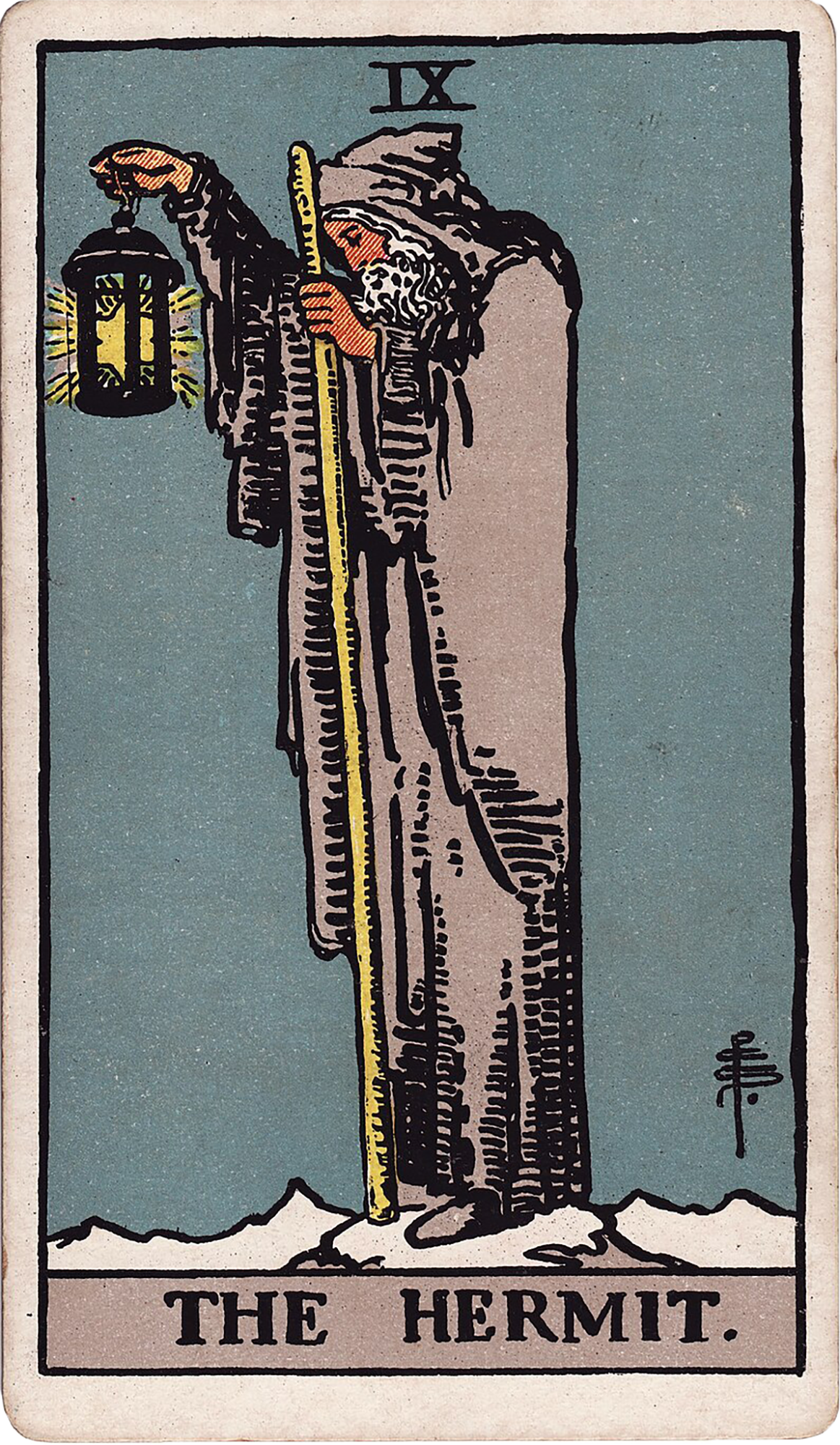 The Hermit
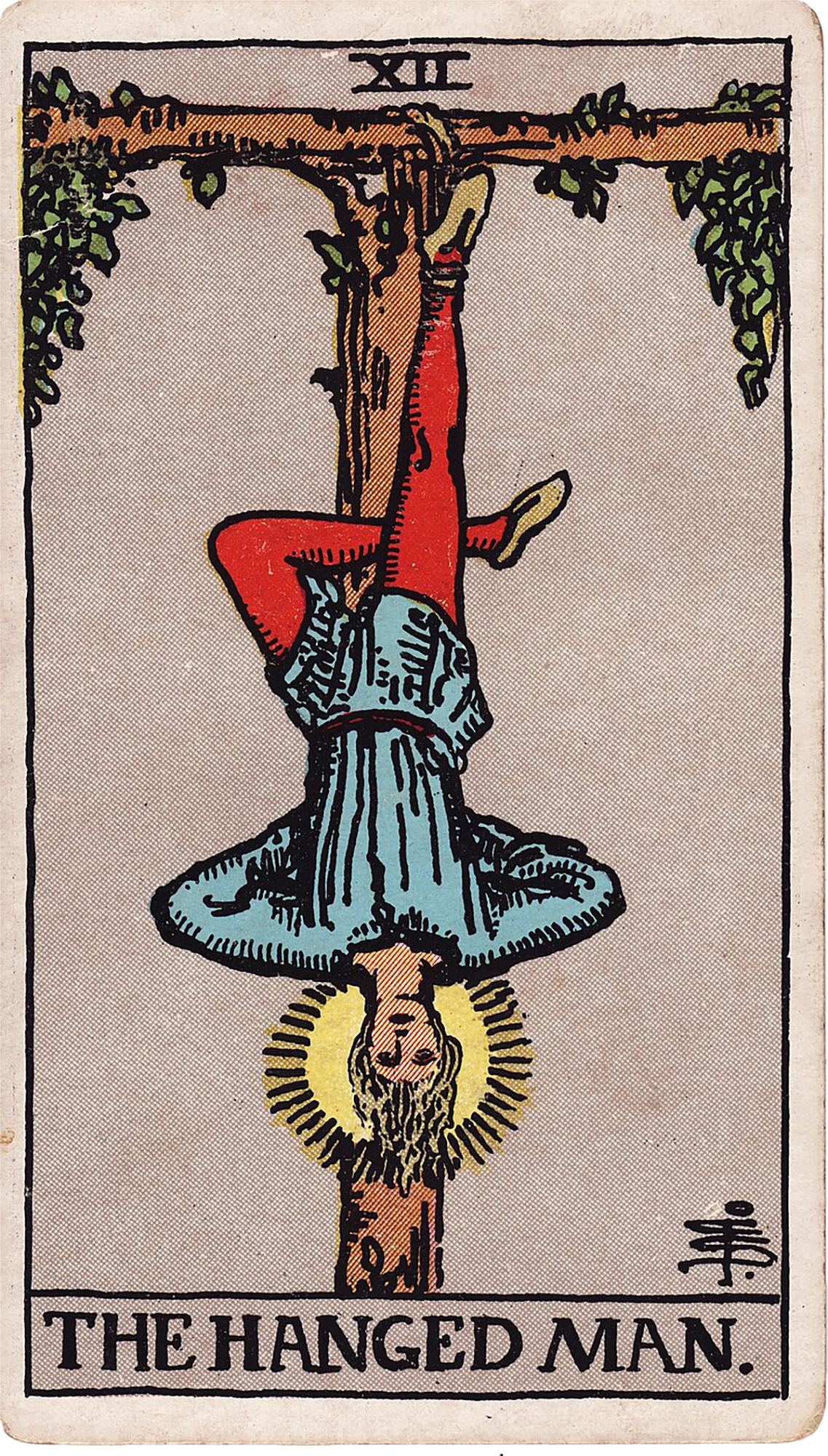 The Hanged Man
Understanding Timing in Tarot Readings
Timing in tarot refers to interpreting when a particular event or influence is likely to manifest. Unlike simple yes/no answers or thematic explorations, timing adds a temporal dimension that can enhance the usefulness of a reading. However, it is also one of the most challenging aspects because tarot cards do not inherently contain explicit clocks or calendars. Instead, readers use card symbolism, numerology, elemental correspondences, and intuitive judgment to estimate timing. The goal is to provide guidance on 'when' rather than just 'what.' Beginner readers often struggle with timing because it requires synthesizing various symbolic layers without forcing exact dates. Advanced readers integrate timing fluidly, recognizing that tarot suggests rhythms and cycles rather than rigid deadlines.
Beginner Techniques for Tarot Timing Illustrated by The Hermit
The Hermit card offers a powerful gateway into timing techniques for beginners due to its symbolism of introspection and measured progress. Traditionally, The Hermit suggests a period of solitude and internal focus, often signaling a time to pause and reflect before moving forward. In timing readings, this card can indicate a slower, deliberate phase where events unfold gradually rather than immediately. Beginners can associate The Hermit with longer time frames or transitional periods—weeks or months—where the querent is encouraged to engage in thoughtful preparation rather than immediate action. For example, if a reading involves career change and The Hermit appears upright, the timing might suggest a slow, contemplative phase where the querent gathers information and insight before making a move. The upright card encourages working with available resources now, highlighting that the timing is about using the present moment wisely rather than rushing. Conversely, The Hermit reversed warns against isolation or avoidance, which can manifest as delays or blockages in timing. Recognizing this helps beginners understand that timing can be slowed not only by external factors but also psychological resistance.
Advanced Timing Methods Featuring The Hanged Man
The Hanged Man, with its themes of pause, surrender, and perspective shift, is ideal for advanced timing techniques that emphasize cycles and transformative timing. Unlike The Hermit’s quiet introspection, The Hanged Man embodies an active suspension—a deliberate stop that changes how time feels. In advanced readings, this card can signify a necessary wait that is not passive but transformative. Timing-wise, The Hanged Man suggests moments when events are temporarily on hold, but this pause is productive and invites a new understanding. This may correspond to days or weeks where progress seems stalled but is essential for deeper insight. When reversed, The Hanged Man points to stagnation or resistance to necessary delays, which can distort timing by causing impatience or misinterpretation of how long a pause will last. Advanced readers use The Hanged Man to contextualize timing as a dynamic flow rather than linear progression. They may combine it with numerological or astrological timing methods, using the card’s imagery of suspension to interpret episodes of change that require surrendering control over exact timing.
Practical Step-by-Step Method for Timing Readings
1. Define the Question Clearly: Begin by framing a timing question that is open to a window rather than an exact date, e.g., 'When might I see progress in this project?' rather than 'What day will I get a job offer?' 2. Identify Timing Cards: Look specifically for cards like The Hermit and The Hanged Man that symbolically imply timing phases such as pause, reflection, or transformation. 3. Use Card Orientation: Upright cards like The Hermit suggest constructive engagement with the present moment, meaning timing involves active but slow development. Reversed cards hint at blocks or distortions in the timing process. 4. Combine Numerology: Use the number associated with the card (The Hermit is 9, The Hanged Man is 12) to translate into time units—days, weeks, or lunar cycles. 5. Apply Elemental Correspondences: The Hermit (Earth in some systems) suggests stability and longer time frames, whereas The Hanged Man’s association with Water or Air can indicate fluid or shifting timing. 6. Consider Context: Always integrate neighboring cards or the question’s context to refine timing interpretations. 7. Communicate Timing as Guidance: Present timing as a window or phase to prepare for rather than an exact moment, emphasizing the importance of readiness and awareness.
Common Timing Mistakes and How to Avoid Them
Common mistakes in tarot timing include trying to force exact dates, ignoring card reversals that affect timing quality, and neglecting the querent’s psychological state that can accelerate or delay events. Beginners may also rely too heavily on numerology without integrating card imagery or question context, leading to mechanical and inaccurate timing. Another pitfall is confusing timing cards with thematic cards—The Hermit and The Hanged Man primarily signify phases rather than specific clock times. To avoid these errors, always approach timing with flexibility, cross-check with multiple symbolic layers, and remember that tarot suggests cycles and readiness rather than fixed deadlines. Use reversals as clues about internal or external delays. For example, if The Hermit is reversed, question if the querent is resisting necessary solitude, which can delay progress. Similarly, The Hanged Man reversed warns against impatience that distorts timing expectations.
Interpreting Timing through The Hermit and The Hanged Man Imagery
The Hermit shows an old man holding a lantern, symbolizing illumination through introspection and a slow, deliberate path. This imagery helps readers anchor timing as a steady, reflective phase. The lantern’s light suggests inner guidance is available now, so timing involves working with present insights rather than rushing forward blindly. The Hanged Man’s upside-down figure suspended from a tree highlights a deliberate, self-imposed pause and a radical shift in perception. Timing interpretation here is about embracing delay as a transformative necessity, not wasted time. The calm expression suggests acceptance, encouraging readers to help querents find meaning in waiting periods. Both cards teach that timing is less about clock time and more about readiness, perspective, and psychological alignment. When these cards appear, they advise looking beyond conventional deadlines and tuning into inner rhythms and lessons before proceeding.
Examples of Timing Readings Using The Hermit and The Hanged Man
Example 1: A querent asks about the timing of healing after a breakup. The Hermit appears upright. Interpretation: Healing is underway but will unfold slowly over weeks or months. The querent is encouraged to engage in solitude and honest self-reflection as part of the timing process. Example 2: A career reading shows The Hanged Man reversed. Interpretation: A project is stalled, but the querent may be resisting necessary delays or lessons. Timing indicates impatience that could prolong the pause. Advising acceptance may shift timing favorably. Example 3: Both cards appear in a reading about moving to a new home. The Hermit upright followed by The Hanged Man upright suggests a two-phase timing window: first a period of preparation and inward focus, then a deliberate pause before final action. This clarifies that timing is measured in stages rather than a single moment. These examples show how the cards’ timing messages focus on phases and readiness, enabling nuanced, accurate temporal guidance.
Practice questions
• How do The Hermit's symbolism of solitude and insight influence your understanding of timing in your readings?
• In what ways can The Hanged Man's message of surrender and perspective shift change how you interpret pauses in timing?
• How might ignoring reversals of these cards distort the timing information you provide?
• What are some ways to communicate timing as a flexible window rather than a fixed date in your practice?
• How can you combine numerology and elemental correspondences with these cards to refine timing in complex readings?
Comments
Sign in to comment.
Continue learning
Interpreting the Dance of Justice and The Devil: Balancing Morality and Temptation in Tarot Readings
The combination of Justice and The Devil in tarot presents a profound exploration of morality, temptation, and personal accountability. This article unpacks how these cards influen...
Understanding The World Card in Personal Completion and New Cycles
The World card in tarot signifies completion, integration of lessons learned, and the threshold of new cycles. This article explores its nuanced meanings in upright and reversed po...
Unlocking the Power Balance of The Emperor The Hierophant and Justice in Tarot Combinations
This article offers a deep exploration of the combined meanings of The Emperor, The Hierophant, and Justice cards within tarot spreads, focusing on how their energies interact to p...
Unlocking Leadership Qualities Through the Knight Queen and King of Wands
The Knight, Queen, and King of Wands embody evolving leadership qualities within the family suit of Wands. This article unpacks their traditional symbolism and the lessons each cou...
Mastering the Art of Combining The Magician The Empress and Ace of Pentacles for Manifestation and Abundance
This article offers a comprehensive exploration of how to skillfully combine The Magician, The Empress, and Ace of Pentacles tarot cards to enhance manifestation and attract abunda...
Mastering Intuitive Tarot Reading with The High Priestess The Hermit and The Moon for Deeper Insights
This article guides Tarot readers through mastering intuitive reading skills using three powerful cards: The High Priestess, The Hermit, and The Moon. It covers both beginner and a...
Unlocking Leadership and Responsibility Lessons Through the Court Cards of Swords
This article delves into the Court Cards of Swords—the Page, Knight, Queen, and King—to uncover the nuanced lessons they provide about leadership and responsibility. Rooted in the...
Exploring the Symbolic Language and Elemental Correspondences of the Court Cards of Cups for Emotional and Intuitive Insight
This in-depth article examines the Court Cards of Cups within the Rider-Waite-Smith tradition and the VoxFati Tarot Library context. It explores their rich symbolism and elemental...
Interpreting the Page of Swords for Career Love and Personal Growth
This article teaches how to read the supplied Page of Swords single-card draw across multiple life contexts. Using the card's Rider-Waite-Smith imagery and the provided upright and...
Symbols of Transformation Across Death The Hanged Man and The Tower
This article examines how The Hanged Man, Death, and The Tower encode different but related modes of transformation. Using Rider‑Waite‑Smith imagery and the supplied card contexts,...