
Exploring the Symbolic Language and Elemental Correspondences of the Court Cards of Cups for Emotional and Intuitive Insight
This in-depth article examines the Court Cards of Cups within the Rider-Waite-Smith tradition and the VoxFati Tarot Library context. It explores their rich symbolism and elemental associations, focusing on emotional and intuitive insight. Through detailed analysis of the Page, Knight, Queen, and King of Cups—including upright and reversed meanings—learners gain practical techniques for interpretation, common pitfalls to avoid, and methods for integrating these cards into readings effectively. The article guides readers in connecting imagery with emotional themes, understanding developmental stages of feelings and intuition, and applying this knowledge to Tarot practice.
Cards explored in this article
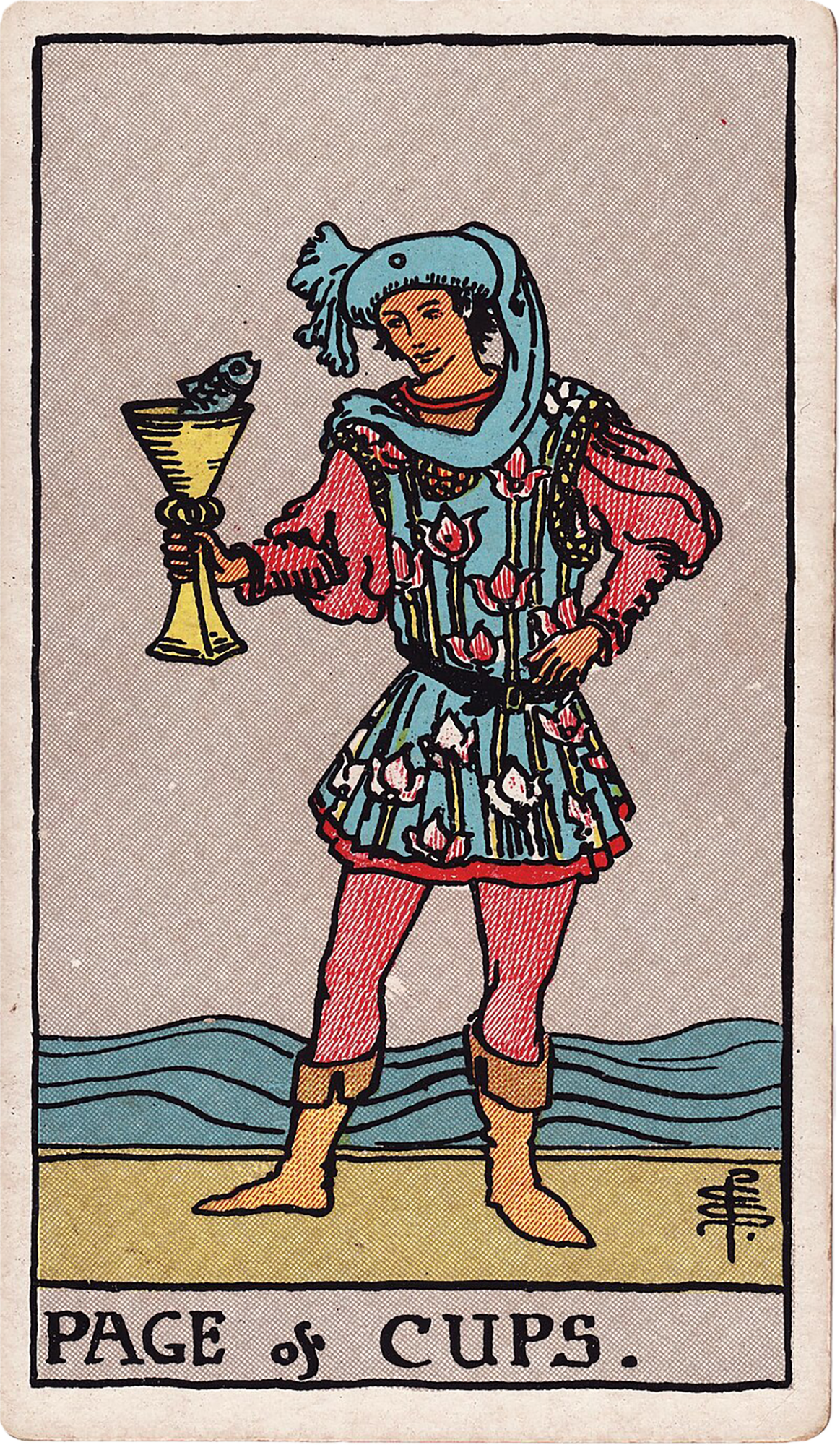 Page of Cups
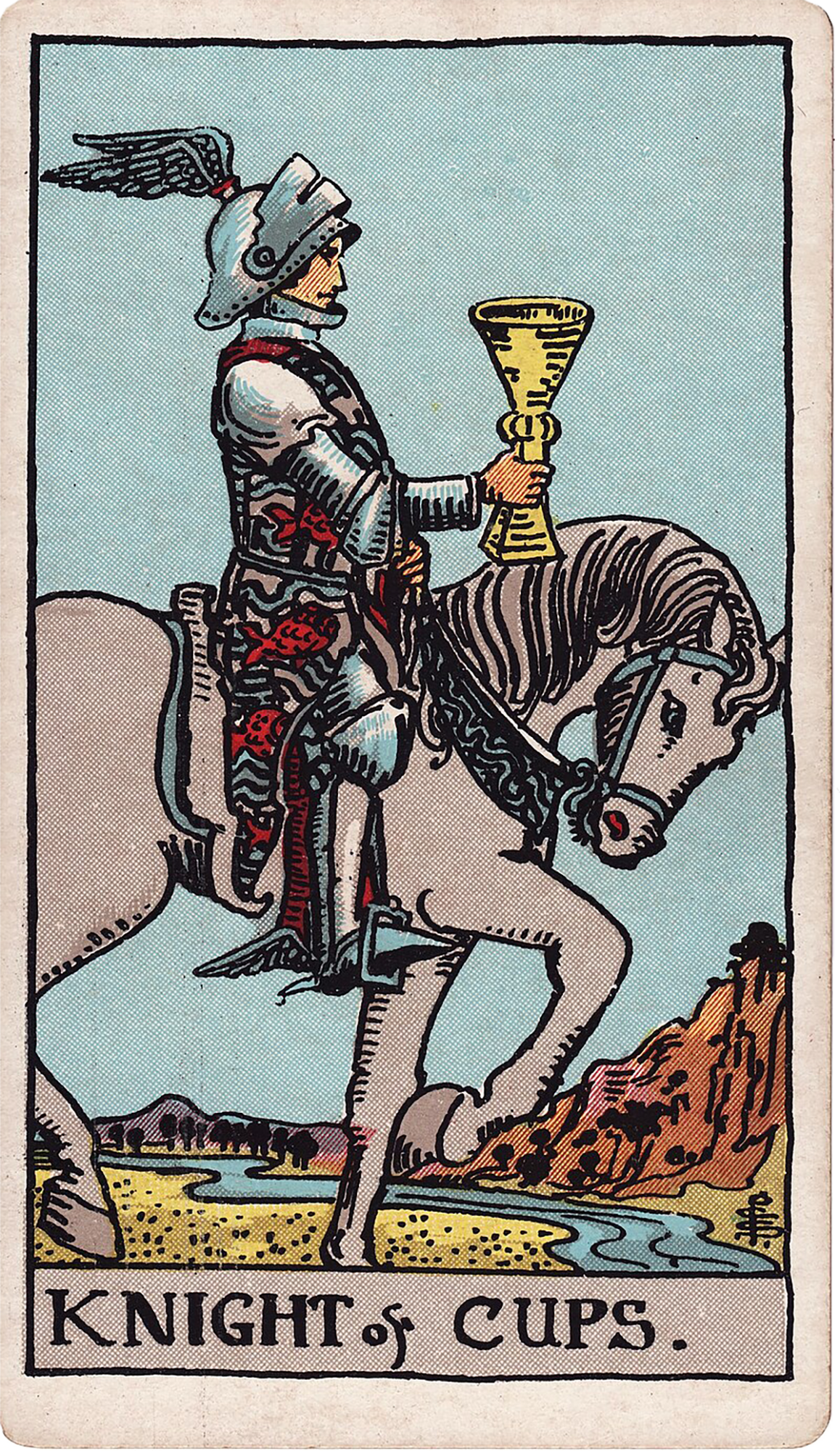 Knight of Cups
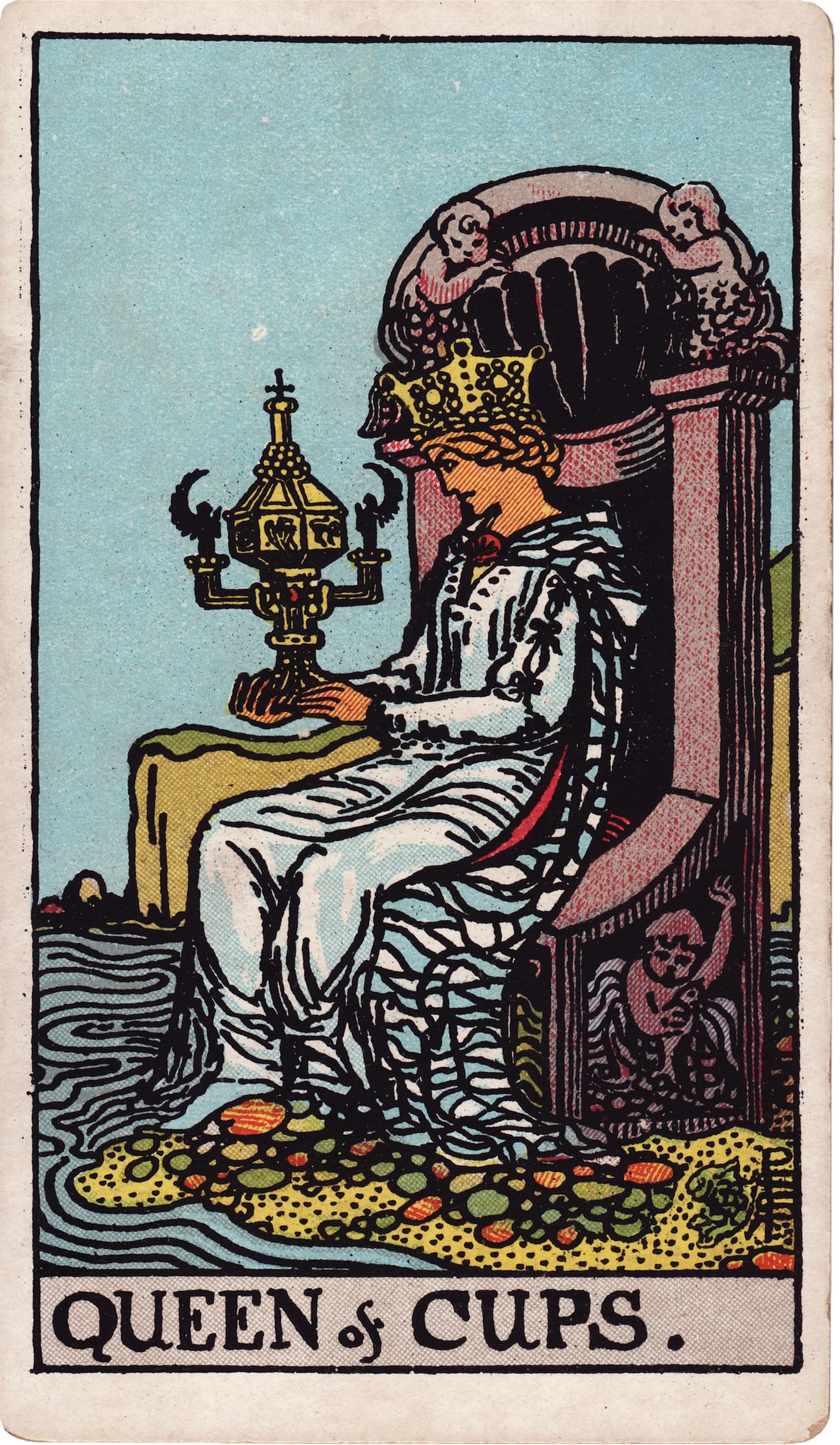 Queen of Cups
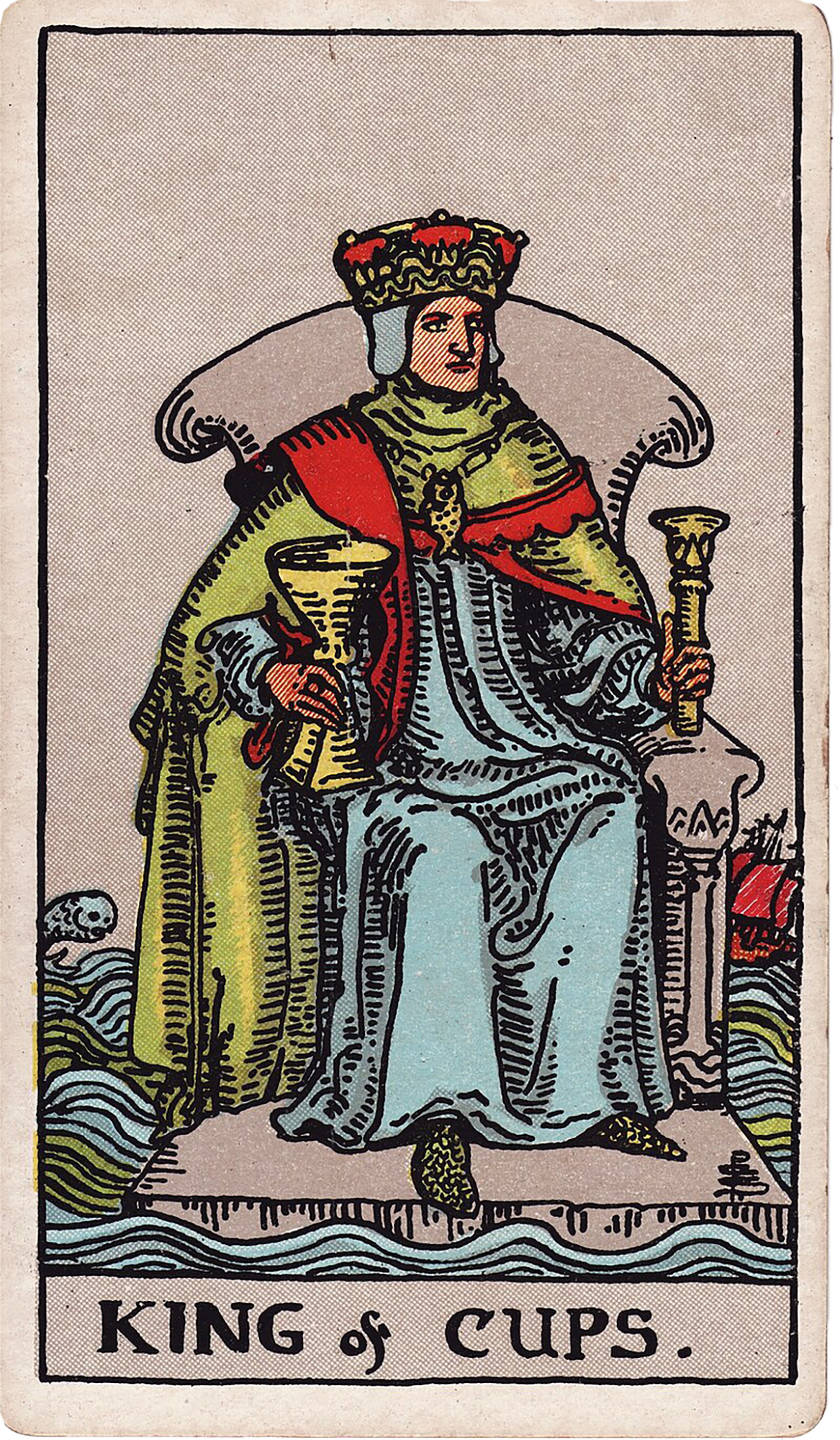 King of Cups
Introduction to the Court Cards of Cups and Their Symbolic Language
The Court Cards of Cups—Page, Knight, Queen, and King—represent distinct facets of emotional and intuitive experience. In the Rider-Waite-Smith tradition, these cards carry rich symbolism linked to the Water element, emphasizing feelings, relationships, memories, and inner receptivity. Each figure embodies a stage in the emotional journey, from youthful curiosity in the Page to mature emotional leadership in the King. The Cups suit’s association with Water underscores themes of fluidity, depth, and transformation, making these cards essential for understanding how emotions and intuition influence situations. The imagery of these cards illustrates not only character archetypes but also psychological processes at work when emotions are engaged. This article explores how the symbolic language of these Cards of Cups facilitates meaningful insight and practical guidance in Tarot readings.
Elemental Correspondences and Their Role in Emotional Insight
Water, the elemental correspondence of the Cups suit, symbolizes the subconscious, feelings, and intuition. In Tarot, Water’s mutable and flowing nature reflects how emotions shift, merge, and influence awareness. Each Court Card channels this elemental energy distinctly but within a common spectrum of emotional intelligence. The Page of Cups, for example, represents initial emotional impressions and intuitive messages, embodying the awakening of emotional awareness. The Knight of Cups moves this energy into action, symbolizing pursuit of heartfelt desires and imaginative engagement. The Queen of Cups embodies emotional maturity, empathy, and nurturing intuition, while the King exemplifies mastery over emotions, steady leadership, and balanced vulnerability. Understanding these elemental correspondences helps readers interpret emotional dynamics with greater nuance and connect the cards’ imagery to the fluid nature of human feelings.
Detailed Symbolic Analysis of the Page of Cups for Beginners
The Page of Cups is often the first invitation to explore emotional depth and intuitive signals. In the upright position, as shown in the supplied card image, the Page highlights unexpected emotional messages, curiosity, and creative feelings. The youthful figure holding a cup suggests receptivity and openness to new emotional experiences without premature judgment. The fish emerging from the cup in traditional Rider-Waite-Smith imagery symbolizes the surfacing of unconscious material or intuitive insight. Practically, this card urges readers to notice budding feelings or intuitive impressions and consider how to respond constructively in the present moment. The reversed Page warns of emotional immaturity, hypersensitivity, or dismissal of intuition, encouraging examination of where emotional processing may be stuck or avoided. Beginners should focus on the card’s call for gentle curiosity and responsiveness, using the imagery as a guide to spot emerging emotional patterns.
Navigating the Knight of Cups and Its Symbolism in Emotional Action
The Knight of Cups, upright, represents the pursuit of what the heart values with grace and emotional intention. The Rider-Waite-Smith image depicts a knight on horseback carrying a cup, symbolizing a messenger or active agent of emotional or intuitive energy. This card signals movement in emotional or relational matters, often involving imagination, idealism, and receptivity to feelings. The upright Knight suggests a constructive phase where emotions inspire action aligned with inner desires. Reversed, the card points to moodiness, empty promises, or chasing fantasies detached from reality. Readers must pay attention to whether the knight’s energy is balanced or distorted. The Knight’s symbolism urges discernment in emotional pursuits, reminding readers that emotional energy directed with clarity and integrity yields the most reliable outcomes.
The Queen of Cups as an Archetype of Emotional Maturity and Intuition
The Queen of Cups embodies mature emotional receptivity, empathy, and a deep intuitive understanding while maintaining an inner container for feelings. Her seated posture and the cup she holds signify emotional stability and nurturing capacity. In the upright position, she represents the ability to process emotions healthily and offer compassionate support. The card asks readers to recognize where empathy and intuitive insight are needed and how to maintain emotional boundaries. When reversed, the Queen signals emotional overwhelm, codependency, or confusion between intuition and anxiety. The symbolism of her watery environment and the closed cup in traditional imagery highlights the balance between openness and protection. This card teaches readers about managing complex feelings and developing a compassionate inner witness, critical skills for emotional intelligence in Tarot practice.
Understanding the King of Cups and Its Role in Emotional Leadership
The King of Cups symbolizes steady emotional leadership and composure. The upright King holds a cup calmly, implying mastery over the turbulent waters of feeling without being swept away. This card encourages readers to cultivate emotional balance, vulnerability, and the capacity to offer safety through calm presence. The King’s traditional imagery, surrounded by water and marine life, reminds us of the necessity to respect the depth and power of emotions while navigating them skillfully. Reversed, the King warns of emotional manipulation, repression, or facade calmness masking inner turmoil. Recognizing these dynamics allows readers to differentiate authentic emotional strength from controlling or avoidant behavior. The King teaches that emotional intelligence includes both deep feeling and responsible expression, a crucial lesson for interpreting Cups Court Cards.
Practical Techniques for Reading the Court Cards of Cups Effectively
When integrating the Court Cards of Cups into readings, it is essential first to identify the stage of emotional or intuitive development they represent. The Page signals beginnings or messages, the Knight represents active pursuit, the Queen stands for mature empathy, and the King illustrates mastery and leadership. Readers should examine the card’s posture, expression, and surrounding imagery—such as water, cups, and symbols within the background—to interpret nuances in emotional tone. Context within the spread helps clarify whether these energies are emerging, developing, strained, or resolving. Practitioners are advised to avoid treating reversed meanings as mere opposites; instead, consider where emotional processes might be stuck or misapplied. Reflecting on the card’s practical advice—what action fits the current stage—enhances grounded interpretation. Cross-referencing with surrounding cards can reveal how emotional and intuitive themes interplay within the querent’s situation.
Common Mistakes and How to Avoid Them in Interpreting Cups Court Cards
One frequent error is oversimplifying the Court Cards as personality types rather than seeing them as dynamic emotional states or processes. Another is rigidly applying reversed meanings as purely negative or oppositional, rather than investigating where emotional energy is blocked or needs transformation. Avoid assuming the cards predict fixed outcomes; instead, focus on their guidance for current emotional awareness and growth. Overlooking the elemental Water symbolism can lead to missing the fluid, evolving nature of feelings these cards represent. Practitioners should be mindful not to force interpretations disconnected from the imagery or the querent’s context. Lastly, neglecting the cards’ call for practical response to the present moment reduces their usefulness. Embracing these cards as invitations to explore emotions and intuition with curiosity and compassion produces richer, more accurate readings.
Integrating Symbolism and Elemental Insight for Transformational Tarot Practice
To deepen Tarot practice with the Court Cards of Cups, learners are encouraged to meditate on the Water element’s qualities—receptivity, fluidity, depth, and emotional truth—while engaging with the cards’ imagery. Consider how the Page, Knight, Queen, and King represent evolving stages of emotional and intuitive development, with each card offering practical guidance suited to a moment in that process. Using the supplied images as visual anchors, reflect on the figures’ expressions, gestures, and symbolic objects to connect with the emotional narrative they convey. Applying this understanding within readings fosters a nuanced appreciation of how feelings influence decisions and relationships. Over time, this approach supports transformational insight and emotional empowerment, moving beyond surface meanings toward rich inner dialogue and integration.
Practice questions
• How does the symbolism of water manifest uniquely in each Court Card of Cups?
• In what ways can recognizing the developmental stages of emotional awareness improve Tarot readings?
• How might reversed Court Cards of Cups reveal stuck emotional processes rather than simply negative outcomes?
• What practical actions does each Court Card of Cups suggest for responding to emotional or intuitive challenges?
• How can focusing on the emotional leadership qualities of the King of Cups inform personal growth or guidance in readings?
Comments
Sign in to comment.
Continue learning
Interpreting the Dance of Justice and The Devil: Balancing Morality and Temptation in Tarot Readings
The combination of Justice and The Devil in tarot presents a profound exploration of morality, temptation, and personal accountability. This article unpacks how these cards influen...
Understanding The World Card in Personal Completion and New Cycles
The World card in tarot signifies completion, integration of lessons learned, and the threshold of new cycles. This article explores its nuanced meanings in upright and reversed po...
Mastering Tarot Timing Techniques for Accurate Readings
Timing in tarot readings can transform vague predictions into clear guidance about when events might unfold. This article explores practical timing techniques for beginners and adv...
Unlocking the Power Balance of The Emperor The Hierophant and Justice in Tarot Combinations
This article offers a deep exploration of the combined meanings of The Emperor, The Hierophant, and Justice cards within tarot spreads, focusing on how their energies interact to p...
Unlocking Leadership Qualities Through the Knight Queen and King of Wands
The Knight, Queen, and King of Wands embody evolving leadership qualities within the family suit of Wands. This article unpacks their traditional symbolism and the lessons each cou...
Mastering the Art of Combining The Magician The Empress and Ace of Pentacles for Manifestation and Abundance
This article offers a comprehensive exploration of how to skillfully combine The Magician, The Empress, and Ace of Pentacles tarot cards to enhance manifestation and attract abunda...
Mastering Intuitive Tarot Reading with The High Priestess The Hermit and The Moon for Deeper Insights
This article guides Tarot readers through mastering intuitive reading skills using three powerful cards: The High Priestess, The Hermit, and The Moon. It covers both beginner and a...
Unlocking Leadership and Responsibility Lessons Through the Court Cards of Swords
This article delves into the Court Cards of Swords—the Page, Knight, Queen, and King—to uncover the nuanced lessons they provide about leadership and responsibility. Rooted in the...
Interpreting the Page of Swords for Career Love and Personal Growth
This article teaches how to read the supplied Page of Swords single-card draw across multiple life contexts. Using the card's Rider-Waite-Smith imagery and the provided upright and...
Symbols of Transformation Across Death The Hanged Man and The Tower
This article examines how The Hanged Man, Death, and The Tower encode different but related modes of transformation. Using Rider‑Waite‑Smith imagery and the supplied card contexts,...