
Exploring Practical Wisdom and Personal Growth Through the Court Cards of Pentacles
The court cards of the Pentacles suit—Page, Knight, Queen, and King—offer rich, nuanced lessons about practical wisdom, personal development, and family-related growth. Rooted in the material and earth-bound symbolism of the Pentacles, these cards invite tarot learners to develop grounded responses to everyday challenges involving work, money, health, and nurturing roles. This article explores each court card's upright and reversed meanings in detail, emphasizing their practical symbolism as seen in Rider-Waite-Smith imagery. It explains techniques for interpreting these cards within spreads, highlights common mistakes, and provides guidance for incorporating their messages into personal and client readings. By focusing on how these cards portray stages of maturity and responsibility within family and community contexts, readers will gain tools to discern and foster practical growth in themselves and others.
Cards explored in this article
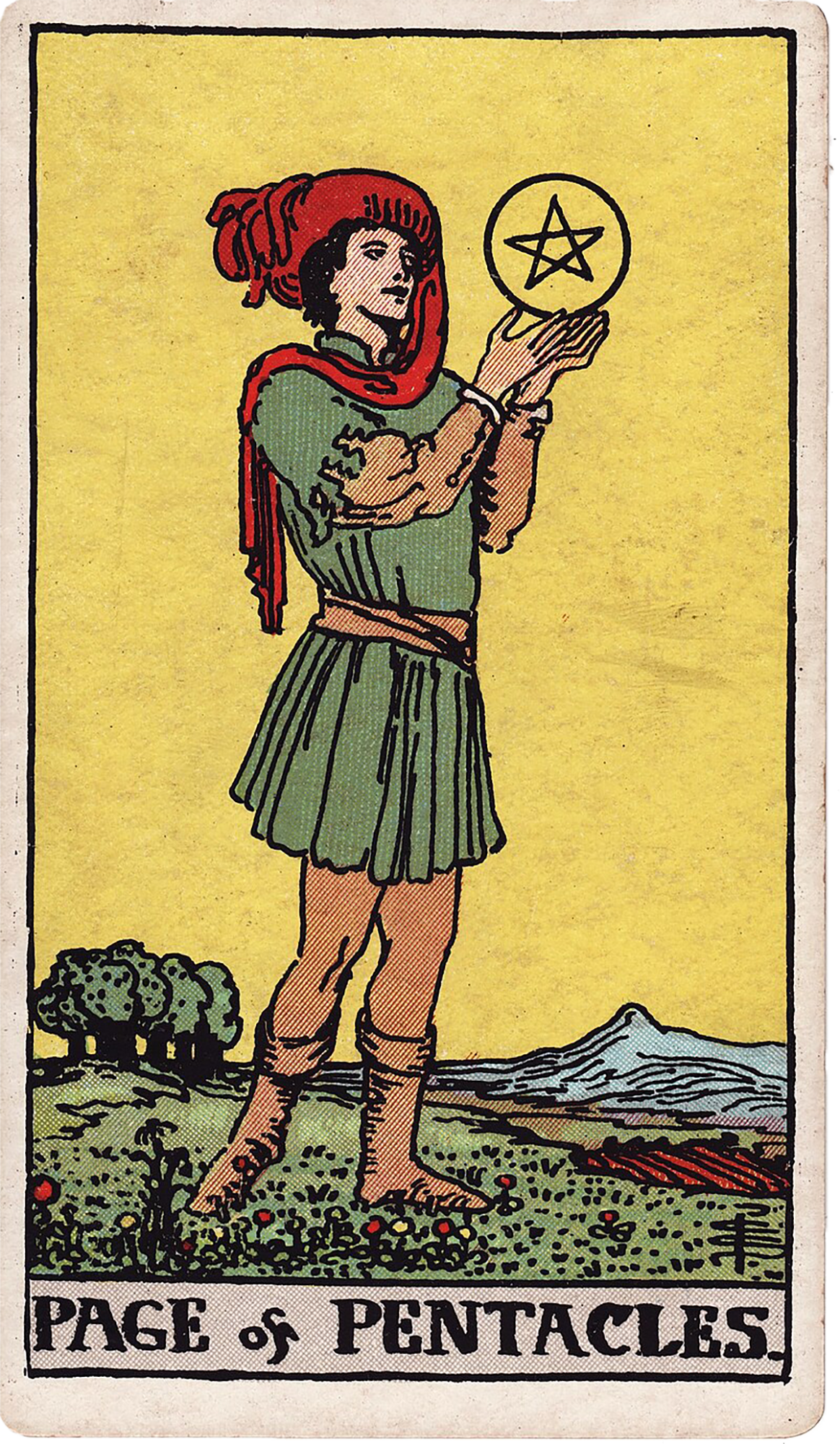 Page of Pentacles
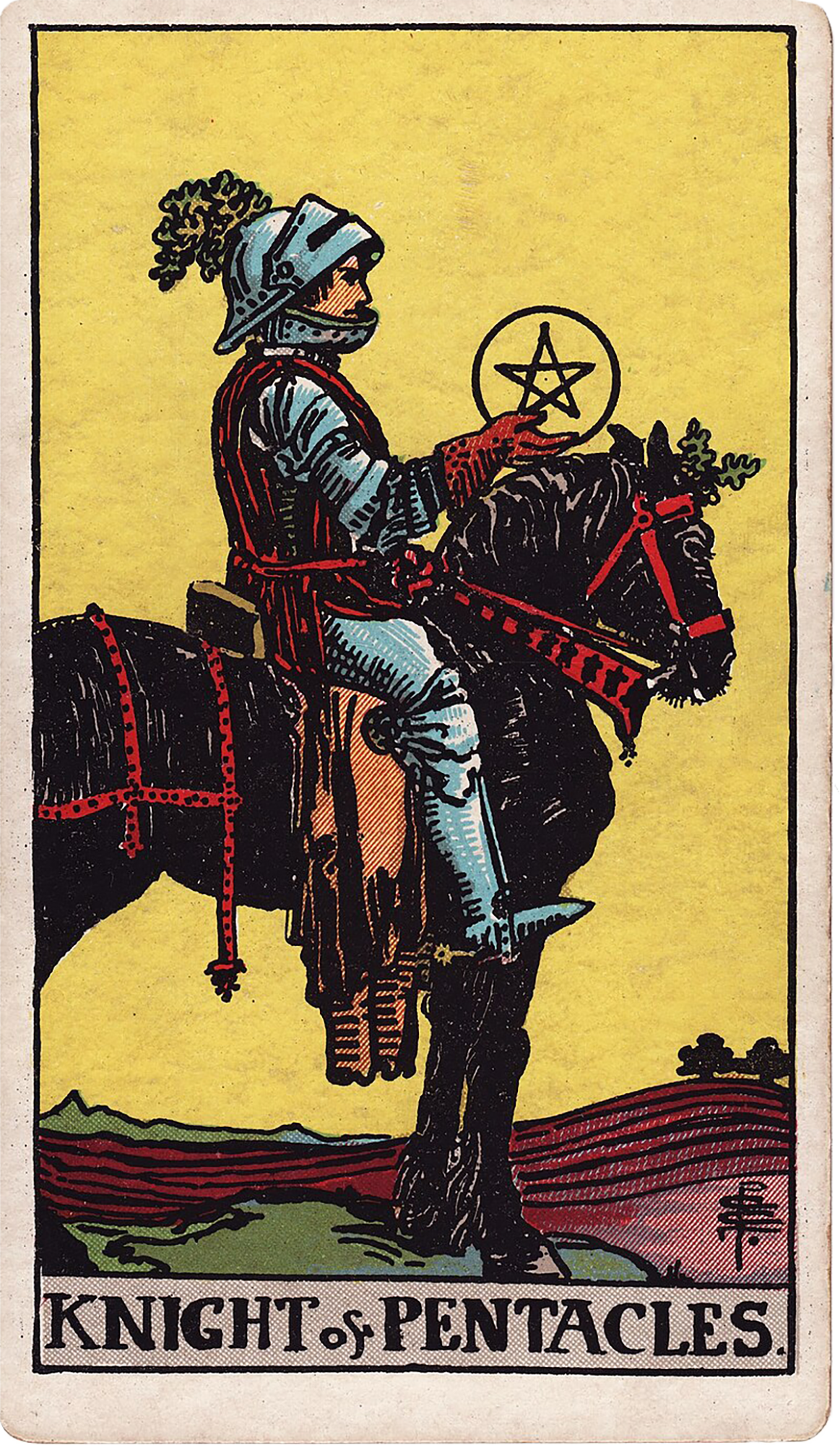 Knight of Pentacles
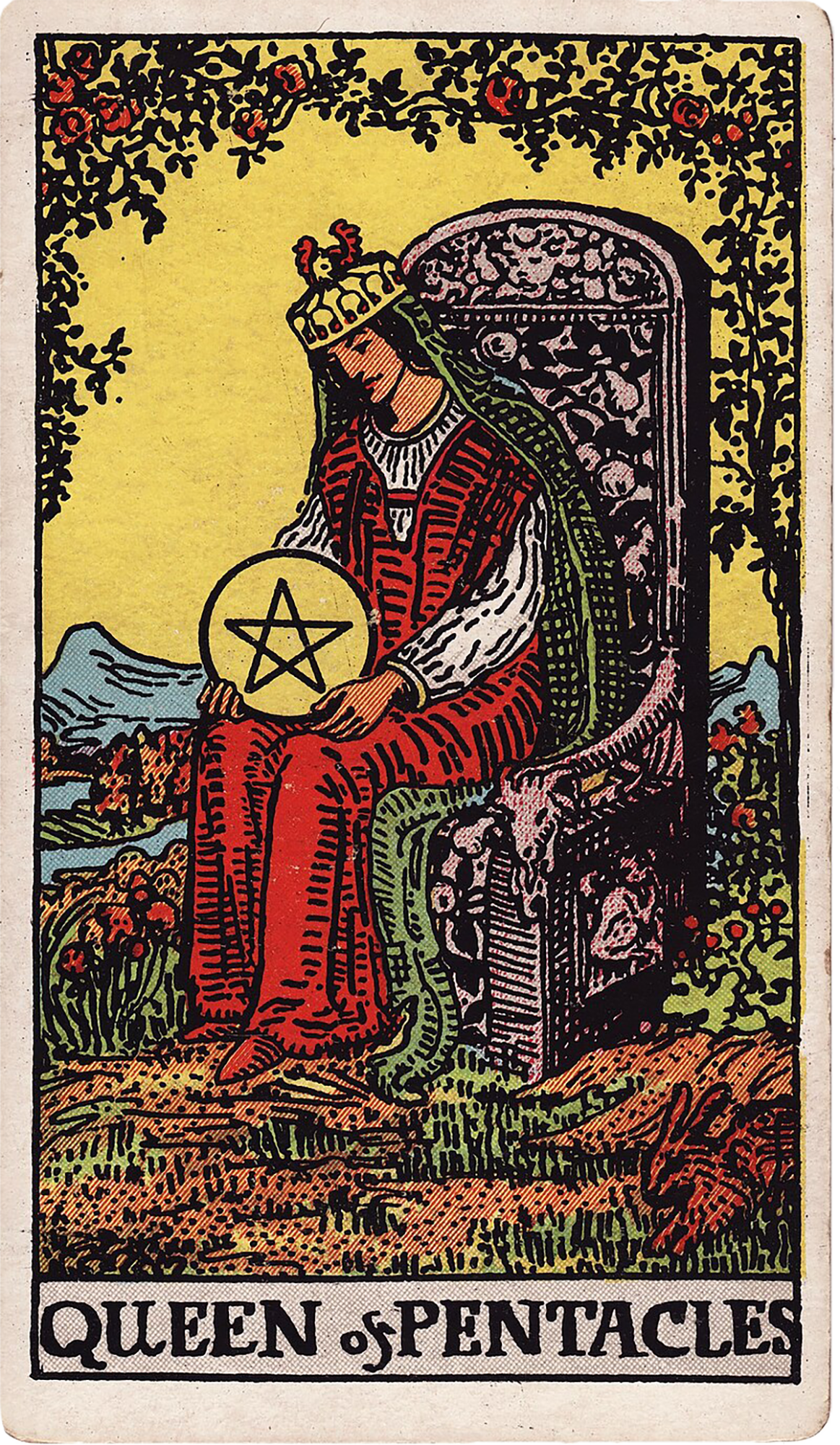 Queen of Pentacles
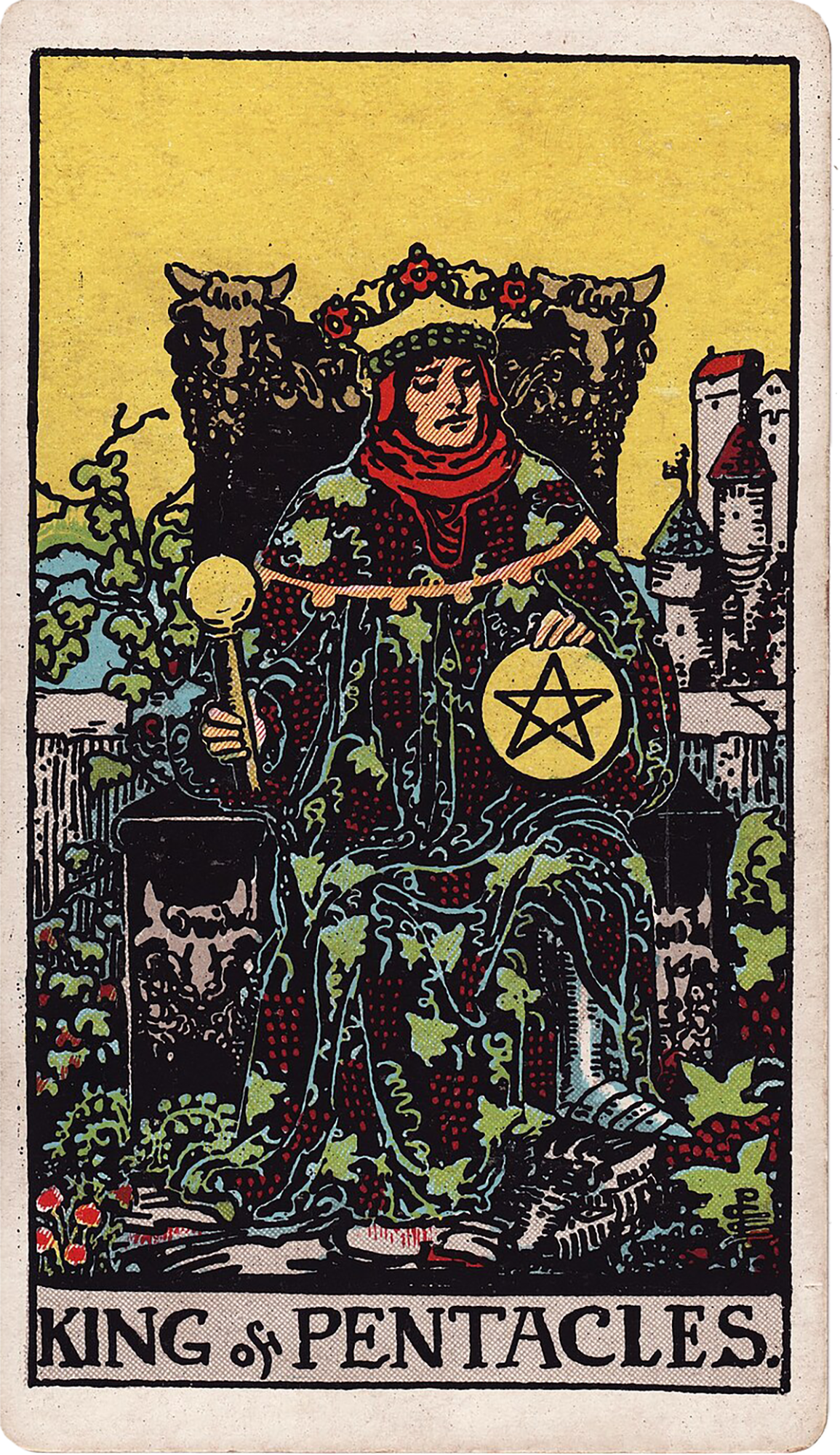 King of Pentacles
Introduction to the Pentacles Court Cards and Their Family Suit Lessons
In the Minor Arcana, the suit of Pentacles is deeply connected to the physical and material aspects of life—finances, work, health, and tangible resources. The court cards—Page, Knight, Queen, and King—serve as archetypes of human development and social roles within these domains. Unlike the abstract or spiritual focus of other suits, Pentacles court cards reflect practical wisdom and responsibility often expressed in family and community settings. They represent stages of growth from learning and exploration to mastery and stewardship. Understanding these cards offers insight into how we relate to material stability, nurture ourselves and others, and mature into roles that support collective well-being.
Exploring the Page of Pentacles Upright and Reversed Meanings
The Page of Pentacles embodies the beginner’s energy—a youthful figure eager to learn, study, and embark on practical endeavors. Depicted in Rider-Waite-Smith imagery as a young person holding a large pentacle before them, the card symbolizes opportunity grounded in reality, not abstraction. Upright, it encourages focusing on developing skills related to work, crafts, health routines, or financial planning. The card asks readers to recognize where beginner energy is manifesting and how to nurture it through consistent effort and patience. In reversal, the Page of Pentacles points to procrastination, scattered focus, or superficial engagement with material goals. It warns against rushing plans without competence or failing to translate knowledge into action. This card's reversed state is less about failure and more about a blockage—perhaps unrealistic expectations or internal resistance—that needs awareness and simplification to progress. For example, a student procrastinating on practical assignments or an entrepreneur distracted by shiny but impractical ideas might see this card reversed. In readings, learners should anchor interpretations to the card’s imagery: the youthful figure’s concentrated gaze and grounded stance, which remind us to focus on present realities and achievable steps rather than distant ideals. Surrounding cards can reveal whether this learning phase is just beginning or is under pressure to move forward.
Understanding the Knight of Pentacles as a Symbol of Reliability and Steady Progress
The Knight of Pentacles portrays a figure mounted on a slow-moving but strong horse, emblematic of diligence and steady work rather than dramatic or risky action. Upright, this card highlights reliability, routine, and methodical execution. It asks readers to mirror this steady progress in their approach to work, health, or financial matters—emphasizing endurance over haste. Reversed, the Knight warns of stagnation disguised as persistence, stubbornness blocking adaptation, or becoming so entrenched in routine that growth halts. It may also indicate workaholism that bypasses well-being. Importantly, this reversal invites reflection on where flexibility and renewal are needed to avoid burnout or dead ends. When interpreting the Knight of Pentacles, keep in mind the Rider-Waite-Smith visuals: the armored knight’s serious gaze and grounded horse suggest careful stewardship of resources without flashiness. This card encourages honoring process and taking responsibility for incremental progress, especially in family or community contexts where dependable support matters.
The Queen of Pentacles as the Embodiment of Practical Nurturing and Competence
The Queen of Pentacles combines nurturing warmth with practical competence. Sitting comfortably amidst nature, holding a pentacle, she symbolizes the ability to manage resources in a way that supports real, everyday life—especially family well-being—rather than mere appearances or status. Upright, this card calls attention to self-care balanced with care for others, financial acumen, and grounded resourcefulness. It asks readers to embody practical nurture: supporting loved ones without losing sight of personal health and boundaries. Reversed, the Queen of Pentacles may reveal tendencies toward overwork, neglecting personal needs, financial anxiety, or controlling caregiving that ties self-worth strictly to usefulness. This reversal signals an imbalance that needs simplification and self-reflection to restore healthier patterns. In readings, observe the card’s imagery—the lush surroundings, the queen’s calm presence—reminding us that true nurturing comes from stability, competence, and respect for life’s material rhythms. This card invites us to reflect on how we balance giving and receiving within our families.
The King of Pentacles and the Archetype of Mature Stewardship and Stability
The King of Pentacles represents mature mastery over the material realm, combining business competence, leadership, and the ability to create stability that benefits others. In Rider-Waite-Smith imagery, he sits confidently on a throne adorned with bulls and vine motifs, symbols of strength, fertility, and abundance. Upright, the King highlights responsible management of resources, long-term planning, and a grounded approach to wealth and health. He embodies the role of protector and provider, often reflecting family or community leadership. Reversed, this card cautions against greed, rigidity, or misuse of power that prioritizes status over growth. It warns of becoming so attached to security that innovation and adaptability cease. The reversal invites examination of where personal or external pressures have distorted healthy stewardship. When interpreting, focus on the King’s throne and symbols as signs of authority earned through balance, not force. This card encourages readers to consider how they or others maintain sustainable leadership that fosters collective well-being.
Techniques for Interpreting Pentacles Court Cards in Readings
Key to interpreting the Pentacles court cards is anchoring each to its Rider-Waite-Smith symbolism and its stage in the growth process—from the Page’s curiosity to the King’s mastery. Rather than seeking abstract or overly idealistic answers, focus on practical application: - Contextualize the card within the querent’s current life situation, especially concerning work, finances, health, and family roles. - Use the card’s upright or reversed position to identify whether the energy is flowing constructively or if blocks are present. - Pay attention to surrounding cards to gauge whether the card’s theme is emerging, maturing, or facing pressure. - Consider the figure’s posture, gaze, and environment in the imagery to inform nuances of interpretation (e.g., the Page’s focus on the pentacle signals learning readiness; the Queen’s natural setting emphasizes nurturing). - Avoid treating reversed cards simply as opposites; instead, probe what is stuck or unbalanced and what practical steps can simplify or restore flow. Practically, when a Pentacles court card appears, ask questions such as: What practical skill or responsibility is developing here? How is nurturing expressed or needed? What forms of stewardship or reliability are being called for? This approach helps keep readings grounded and actionable.
Common Mistakes and How to Avoid Them When Reading Pentacles Court Cards
One common mistake is reading Pentacles court cards as purely predictive symbols of people without considering their archetypal and situational qualities. These cards more often represent energies, lessons, or roles than literal individuals. Another error is treating reversals as simple negatives rather than signals of blockage, imbalance, or internal dynamics that require nuanced exploration. Additionally, ignoring the suit’s material and earth-bound symbolism can lead to abstract interpretations that miss the card’s practical wisdom. To avoid these pitfalls: - Always connect the card’s message to tangible life areas such as work, health, resources, and family roles. - Use the imagery attentively, letting the symbolism guide interpretation. - Explore reversals as invitations to reflect on what needs adjustment rather than as failures. - Integrate surrounding cards and the querent’s context to refine meaning. By adopting these habits, readers can unlock the deep, constructive lessons these court cards offer.
Applying Pentacles Court Card Lessons to Personal Growth and Family Dynamics
The Pentacles court cards provide a framework for understanding growth stages in personal and family contexts. The Page encourages readiness to learn and adapt practical skills. The Knight models steady, reliable effort essential for long-term progress. The Queen embodies nurturing that balances care for self and others, vital in family environments. The King represents mature leadership and responsible stewardship that stabilizes and supports the collective. By studying these cards, individuals can identify where they or family members stand in these developmental archetypes. For example, a parent might resonate with Queen of Pentacles energy, balancing household management with self-care, while a young adult might embody the Page’s eager learning phase. In practical terms, the cards encourage reflection on: - How family members share and manage resources. - The balance between nurturing and independence. - The ways in which responsibility is assumed and delegated. - How to cultivate patience and perseverance in material or health goals. Ultimately, these cards guide readers toward integrating practical wisdom with emotional intelligence, fostering growth that benefits both individuals and their families.
Practice questions
• In what areas of your life do you currently embody the beginner’s energy represented by the Page of Pentacles?
• Where might you be experiencing stagnation or resistance similar to the reversed Knight of Pentacles, and how can you introduce flexibility?
• How do you balance nurturing others with caring for your own needs as suggested by the Queen of Pentacles?
• What does mature stewardship look like for you in your family or community, reflecting the King of Pentacles?
• Are there any material or health-related patterns that feel stuck or misaligned, and how might the Pentacles court cards guide you toward practical solutions?
Comments
Sign in to comment.
Continue learning
The Fool in Life Transitions and New Beginnings
The Fool card embodies the spirit of beginnings, curiosity, and the leap of faith required during life transitions. This article explores The Fool’s meanings across various reading...
Unlocking the Energies of the King Queen and Knight of Cups for Emotional Intelligence
This article delves into the King, Queen, and Knight of Cups from the Minor Arcana's family Suit and Court Cards, emphasizing how these archetypes embody stages and expressions of...
Unlocking Personality Traits Through the Court Cards of Pentacles
This article delves into the personality traits and life lessons embodied by the court cards of Pentacles: Page, Knight, Queen, and King. Grounded in the practical symbolism of the...
Integrating The Fool and The World to Chart the Journey of Tarot Initiation
This article explores the integration of The Fool and The World cards as symbolic bookends in the Tarot journey, emphasizing their complementary lessons for initiates. Drawing on t...
Unlocking Personality and Leadership Qualities with the King Queen and Knight of Pentacles
This article delves into the King, Queen, and Knight of Pentacles court cards within the Minor Arcana, focusing on their symbolism of personality traits and leadership within the f...
Unlocking the Roles and Personalities of Page Knight Queen and King of Swords
This article delves deeply into the family suit lessons of the Page, Knight, Queen, and King of Swords, exploring their roles and personalities within the Minor Arcana. Anchored in...
Unlocking Personality Insights Through the Court Cards of Cups
The Court Cards of Cups offer a rich framework for understanding emotional personality traits, interpersonal dynamics, and intuitive processes. This article guides learners through...
Unlocking the Dynamic Partnership of The Magician and The High Priestess in Tarot Combinations
The Magician and The High Priestess represent two complementary archetypes in the tarot deck that, when combined, offer a rich interplay of conscious action and intuitive insight....
Unlocking Leadership Styles Through the King Queen and Knight of Swords
This article delves into the leadership styles portrayed by the King, Queen, and Knight of Swords, court cards in the Minor Arcana’s Suit of Swords. By closely examining their Ride...
Unlocking Practical Wisdom and Ambition Through the Court Cards of Pentacles
This article delves deeply into the suit of Pentacles’ court cards—Page, Knight, Queen, and King—offering tarot learners a comprehensive understanding of their practical wisdom and...