
Unlocking Practical Wisdom and Ambition Through the Court Cards of Pentacles
This article delves deeply into the suit of Pentacles’ court cards—Page, Knight, Queen, and King—offering tarot learners a comprehensive understanding of their practical wisdom and ambitious energy. Anchored in traditional Rider-Waite-Smith symbolism combined with modern interpretations, the discussion unpacks upright and reversed meanings, common reading challenges, and step-by-step techniques. By visually connecting each card’s imagery to its lessons on work, resources, routine, and long-term stability, readers will gain tools to integrate the Pentacles court cards’ guidance into their tarot practice with clarity and confidence.
Cards explored in this article
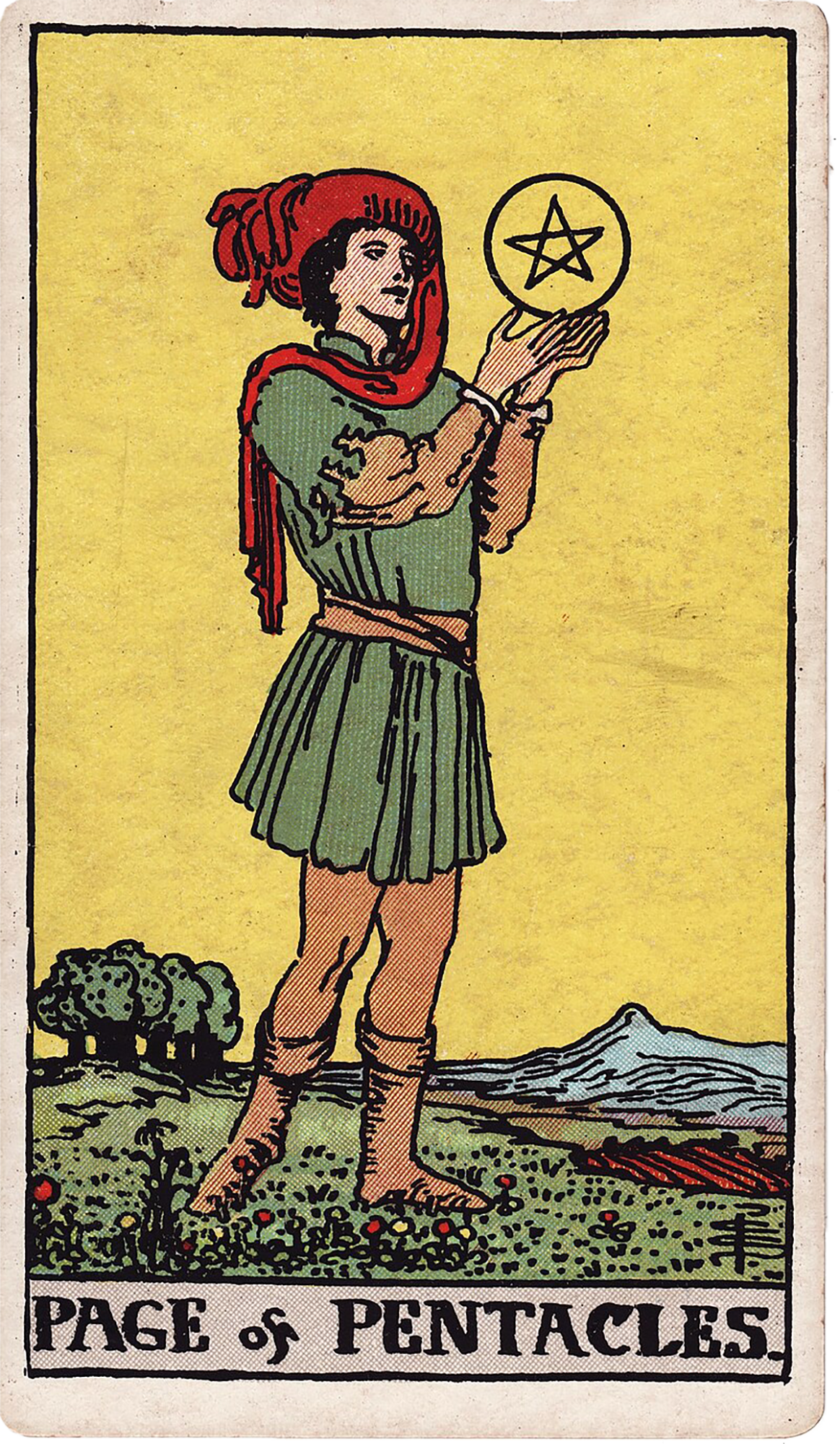 Page of Pentacles
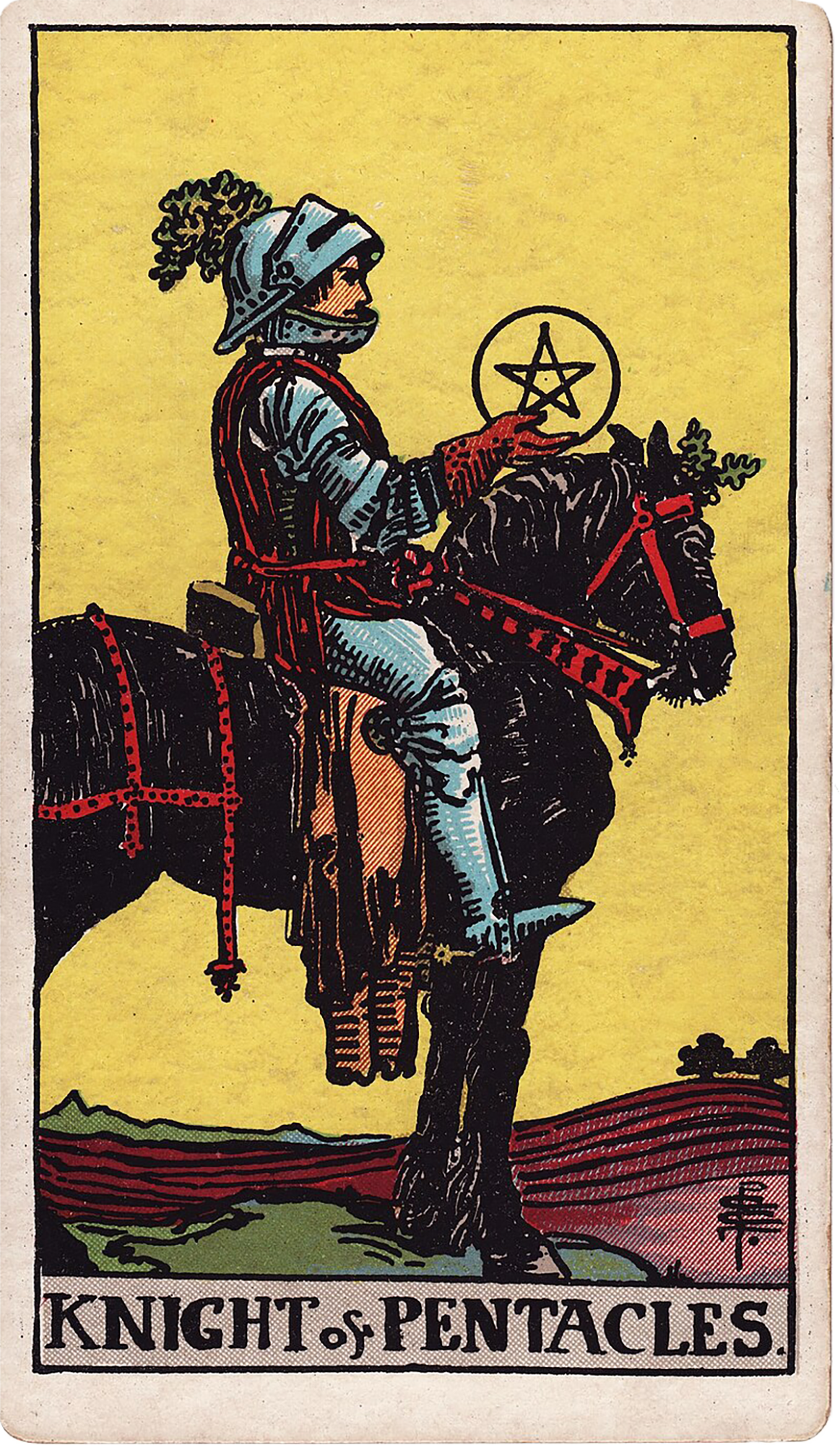 Knight of Pentacles
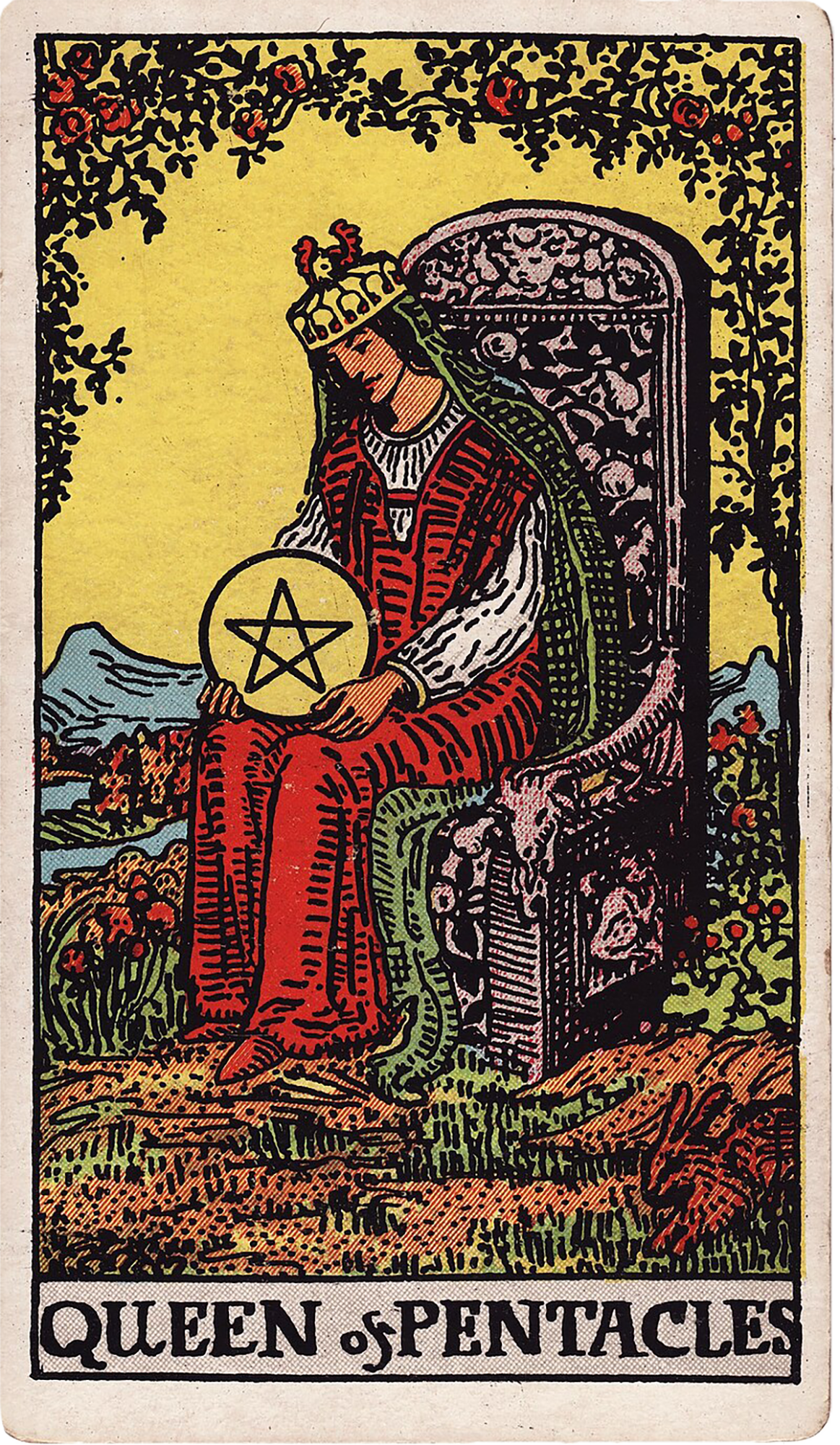 Queen of Pentacles
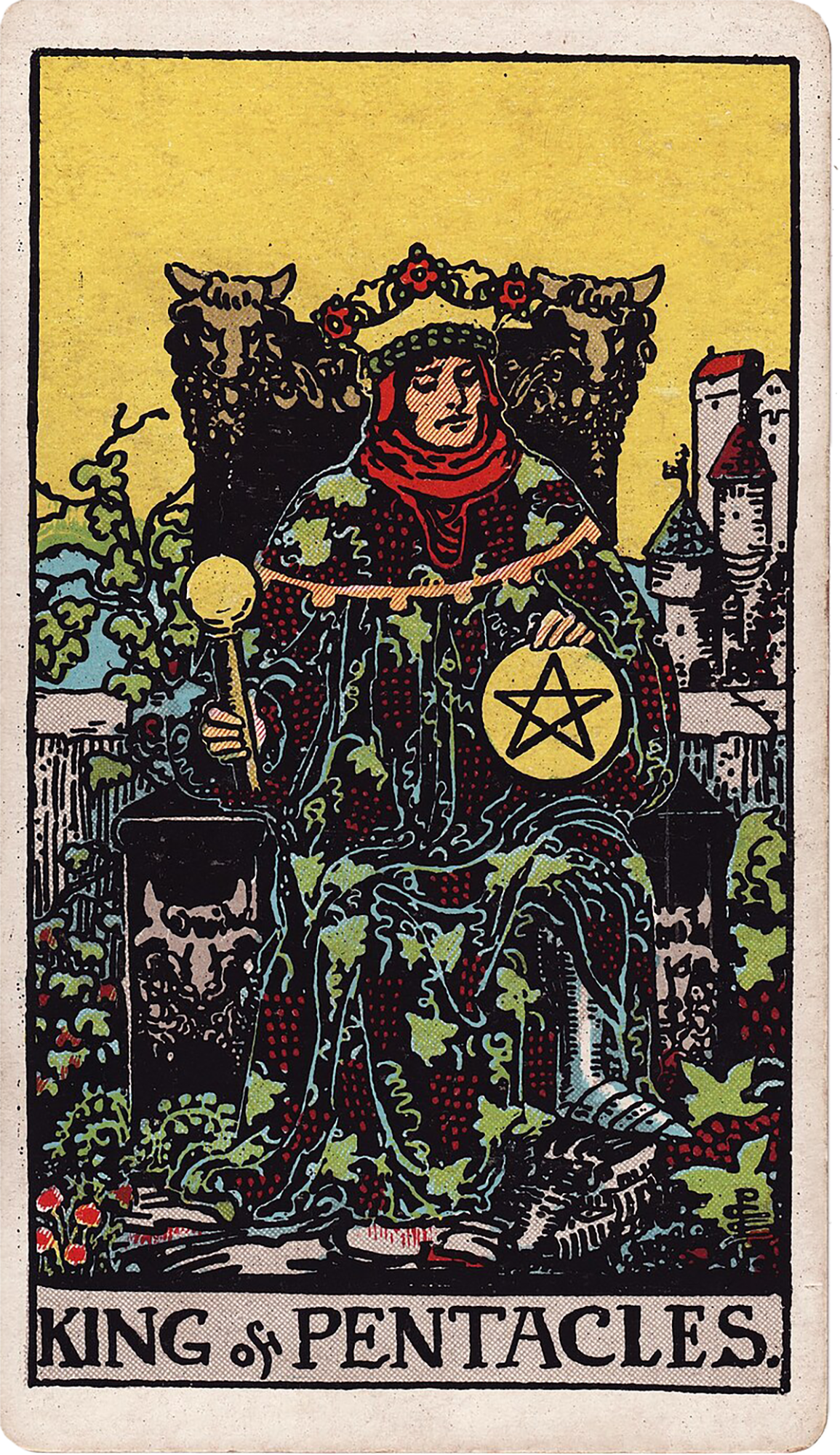 King of Pentacles
Introduction to the Pentacles Court Cards
The suit of Pentacles in the Minor Arcana is traditionally linked to the material world: work, money, health, routine, and long-term stability. The court cards within this suit—the Page, Knight, Queen, and King of Pentacles—embody distinct stages and expressions of practical wisdom and ambition. Each figure offers unique lessons about how we interact with resources, responsibility, and grounded growth. Their symbolism and messages encourage tarot learners to approach material realities with both discipline and care, emphasizing steady progress over impulsive action. This article explores these four court cards, focusing on their upright and reversed meanings, imagery, and how to effectively read them in various contexts.
Page of Pentacles Teaching Practical Beginnings
The Page of Pentacles represents the initial spark of ambition grounded in practical learning. Upright, this card highlights beginner energy focused on acquiring skills, formulating realistic plans, and seriously engaging with material opportunities. The Rider-Waite-Smith imagery of the Page often shows a young figure looking at a pentacle, symbolizing concentration on tangible goals and the seed of potential growth. This card urges readers to recognize where a practical skill or project is in its infancy and to nurture it with consistent effort. When reversed, the Page warns of procrastination, unrealistic expectations, or distraction from developing competence. It encourages reflection on where energy may be misdirected or where follow-through is lacking. Instead of viewing the reversal as simply negative, readers are invited to identify blocks that prevent practical progress—perhaps poor study habits or internal resistance—and to take steps to simplify and recommit. A common mistake is to over-idealize the Page’s potential without acknowledging the necessary discipline at this stage. Effective reading techniques include examining surrounding cards to assess whether the Page’s energy is just emerging, under pressure, or maturing. This approach helps clarify appropriate actions such as beginning a new course, applying for a job, or focusing on health routines.
Knight of Pentacles Exemplifying Steady Progress
The Knight of Pentacles embodies steady, reliable action and diligent routine. The upright Knight suggests progress through persistence rather than dramatic change, emphasizing responsibility and a methodical approach. In Rider-Waite-Smith decks, the Knight’s posture—often calm and deliberate—reinforces the theme of slow but sure movement toward goals. This card encourages readers to honor the power of routine and consistency in manifesting ambitions related to work, finances, or health. It asks: where can dependable effort replace impatience? The Knight’s energy is invaluable when a querent faces tasks requiring perseverance and careful attention to detail. Reversed, the Knight of Pentacles highlights stagnation, stubbornness, or confusing slow, steady movement with no real progress. It may also point to burnout or excessive rigidity. In readings, this reversal prompts an inquiry into potential boredom, resistance to change, or workaholism masquerading as productivity. A key interpretative technique is to avoid labeling the Knight as simply slow or boring. Instead, readers should analyze what practical steps can be renewed or adapted to overcome obstacles. The Knight’s placement in spreads often reveals whether a situation is stable, overdue for action, or stuck in repetitive cycles.
Queen of Pentacles Embracing Practical Nurture and Competence
The Queen of Pentacles symbolizes mature, grounded nurture combined with financial and domestic competence. Upright, she represents the ability to make resources work to support real life and well-being, rather than chasing status or superficial gains. Rider-Waite-Smith imagery, with the queen holding a pentacle surrounded by lush nature, conveys abundance born of practical care and balance. This card invites readers to cultivate self-care, practical kindness, and resourcefulness. It teaches that true ambition includes sustaining oneself and others through reliable management of material and emotional resources. The Queen also models integration of body, home, and work. When reversed, the Queen warns against overwork, self-neglect, financial anxiety, or controlling tendencies disguised as care. It challenges readers to identify when helpfulness becomes smothering or when personal worth becomes entangled with productivity alone. The reversal may indicate internal struggles that are not outwardly visible. In readings, the Queen’s presence often signals a need to balance ambition with nurturing energy and to question whether resources are supporting genuine life needs. Careful visualization of her serene but attentive posture aids readers in sensing the card’s message beyond words.
King of Pentacles as Mature Steward and Builder
The King of Pentacles stands as the embodiment of mature stewardship, business competence, and creating lasting stability that supports both oneself and others. Upright, this card highlights mastery over material concerns, emphasizing wise investment of time, effort, and resources. The traditional Rider-Waite-Smith King sits confidently on a throne adorned with symbols of wealth and security, reinforcing his role as a grounded leader. In readings, the King encourages readers to embody responsibility, long-term thinking, and generosity with resources. He teaches that ambition flourishes most sustainably when coupled with ethical management and a vision that extends beyond immediate gain. Reversed, the King of Pentacles cautions against greed, rigidity, status obsession, or misuse of financial power. It may point to attachment to security that inhibits growth or an unhealthy focus on control. Here, the reversal signals internal conflicts or blind spots that stall progress. Effective interpretation involves seeing the King as a figure of both protection and potential limitation. Readers can explore whether the querent’s approach to ambition is balanced or skewed toward possessiveness and fear. Engagement with the card’s rich visual symbolism helps uncover nuanced insights about leadership and legacy.
Integrating the Court Cards for Holistic Pentacles Insights
Together, the Page, Knight, Queen, and King of Pentacles represent a developmental arc from the inception of practical ambition to its mature realization and stewardship. When reading these court cards as a family, tarot practitioners gain a layered understanding of material themes—from learning and routine to nurture and leadership. A practical reading technique is to observe how these cards interact within a spread. For example, the Page paired with the Knight might highlight the journey from initial study to steady application, while the Queen and King together underscore the balance between personal competence and external responsibility. Common mistakes include interpreting these cards in isolation or as simple status markers. Instead, appreciating their shared suit qualities—groundedness, resource management, and body awareness—enriches interpretation. Asking what stage of practical development the querent is in and what lessons might be emerging or blocked can transform readings. Using their imagery as a guide, readers can also tailor advice: nurturing beginner energy for the Page, encouraging persistence for the Knight, fostering self-care and generosity for the Queen, and guiding ethical leadership for the King. This approach anchors lessons in lived experience rather than abstract ideals.
Practical Examples and Common Reading Challenges
Consider a querent starting a new career path who draws the Page of Pentacles upright. The card’s message is to focus on learning, realistic goal-setting, and practical skill-building. Conversely, if reversed, the reader might explore procrastination or unrealistic expectations hindering progress. A spread featuring the Knight of Pentacles upright may suggest that consistent work habits and patience will lead to success, but reversed might warn against stubbornness or burnout. The Queen of Pentacles upright often appears in questions about home, finance, or health, indicating competence and nurturing energy, while reversed could highlight neglect or anxiety. The King of Pentacles upright can signal attainment of stability and leadership, but reversed may reveal greed or fear of change. Challenges arise when readers mistake the court cards for literal people or overly deterministic outcomes. Instead, they should focus on the qualities and energies these cards symbolize, adapting interpretations to the querent’s unique context. Combining these cards with surrounding cards and spread positions improves accuracy and relevance.
Reflection and Application for Tarot Learners
To deepen understanding of the Pentacles court cards, tarot students should reflect on their personal experiences with ambition, routine, nurturing, and stewardship. Questions to ask include: Where am I embodying the Page’s beginner’s mindset or the Knight’s persistence? How do I balance the Queen’s nurturing care with the King’s leadership responsibility? Practicing readings with these cards, both upright and reversed, helps develop sensitivity to subtle shifts in energy and meaning. Visual meditation on the Rider-Waite-Smith symbolism—such as the Page’s gaze on the pentacle or the King’s throne decorations—can inspire intuitive insights. Learners are encouraged to journal their interpretations and note how practical lessons from these cards manifest in daily life. This integration of symbolic study and lived experience is key to unlocking the practical wisdom and ambition contained within the Pentacles court.
Practice questions
• How do the qualities of the Page of Pentacles resonate with my current approach to new projects or learning?
• In what ways can I cultivate the Knight of Pentacles’ steadiness without falling into rigidity or burnout?
• Where might I be neglecting self-care or over-identifying my worth with productivity as suggested by the Queen of Pentacles?
• How do I balance ambition and generosity in my management of resources as modeled by the King of Pentacles?
• Which Pentacles court card energy feels most prominent in my life right now, and what lesson does it offer?
• How can understanding the reversals of these cards deepen my insight into blocks or internal conflicts around material matters?
Comments
Sign in to comment.
Continue learning
The Fool in Life Transitions and New Beginnings
The Fool card embodies the spirit of beginnings, curiosity, and the leap of faith required during life transitions. This article explores The Fool’s meanings across various reading...
Unlocking the Energies of the King Queen and Knight of Cups for Emotional Intelligence
This article delves into the King, Queen, and Knight of Cups from the Minor Arcana's family Suit and Court Cards, emphasizing how these archetypes embody stages and expressions of...
Unlocking Personality Traits Through the Court Cards of Pentacles
This article delves into the personality traits and life lessons embodied by the court cards of Pentacles: Page, Knight, Queen, and King. Grounded in the practical symbolism of the...
Integrating The Fool and The World to Chart the Journey of Tarot Initiation
This article explores the integration of The Fool and The World cards as symbolic bookends in the Tarot journey, emphasizing their complementary lessons for initiates. Drawing on t...
Unlocking Personality and Leadership Qualities with the King Queen and Knight of Pentacles
This article delves into the King, Queen, and Knight of Pentacles court cards within the Minor Arcana, focusing on their symbolism of personality traits and leadership within the f...
Unlocking the Roles and Personalities of Page Knight Queen and King of Swords
This article delves deeply into the family suit lessons of the Page, Knight, Queen, and King of Swords, exploring their roles and personalities within the Minor Arcana. Anchored in...
Unlocking Personality Insights Through the Court Cards of Cups
The Court Cards of Cups offer a rich framework for understanding emotional personality traits, interpersonal dynamics, and intuitive processes. This article guides learners through...
Unlocking the Dynamic Partnership of The Magician and The High Priestess in Tarot Combinations
The Magician and The High Priestess represent two complementary archetypes in the tarot deck that, when combined, offer a rich interplay of conscious action and intuitive insight....
Unlocking Leadership Styles Through the King Queen and Knight of Swords
This article delves into the leadership styles portrayed by the King, Queen, and Knight of Swords, court cards in the Minor Arcana’s Suit of Swords. By closely examining their Ride...
Mastering Dual Interpretations with The Hanged Man and The Devil in Tarot Readings
This article guides tarot learners through mastering the dual interpretations of The Hanged Man and The Devil cards. Using traditional Rider-Waite-Smith symbolism and supplied card...