
Unlocking Leadership Styles Through the King Queen and Knight of Swords
This article delves into the leadership styles portrayed by the King, Queen, and Knight of Swords, court cards in the Minor Arcana’s Suit of Swords. By closely examining their Rider-Waite-Smith imagery and traditional meanings, learners discover how these figures embody different approaches to intellectual authority, communication, decision-making, and conflict resolution. Practical guidance on interpreting these cards in readings is provided, alongside common pitfalls and methods to connect their lessons to real-life leadership challenges. The article encourages readers to identify these archetypes within themselves and others, enriching their understanding of mental habits and strategic thinking through the lens of the Swords family suit.
Cards explored in this article
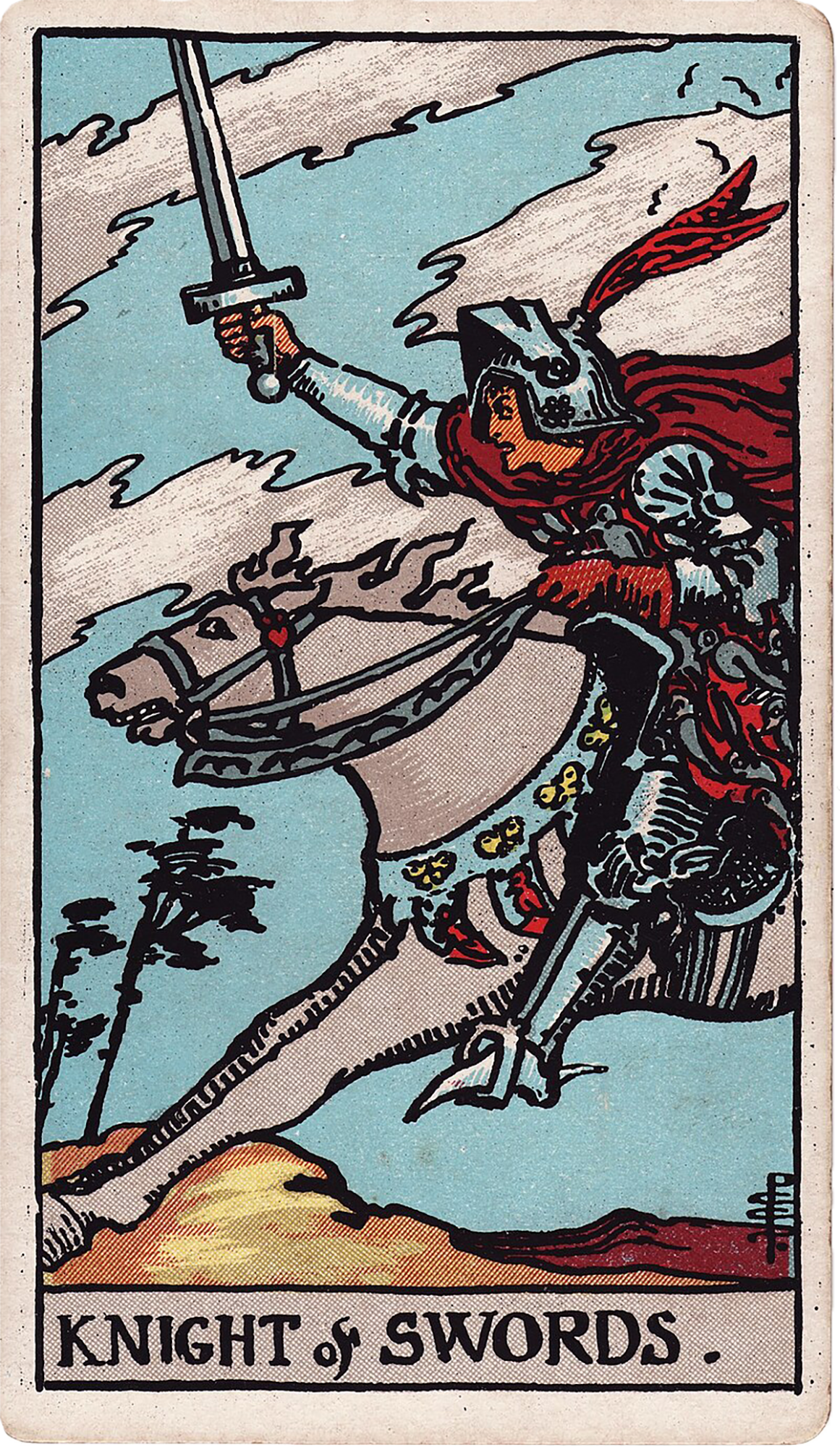 Knight of Swords
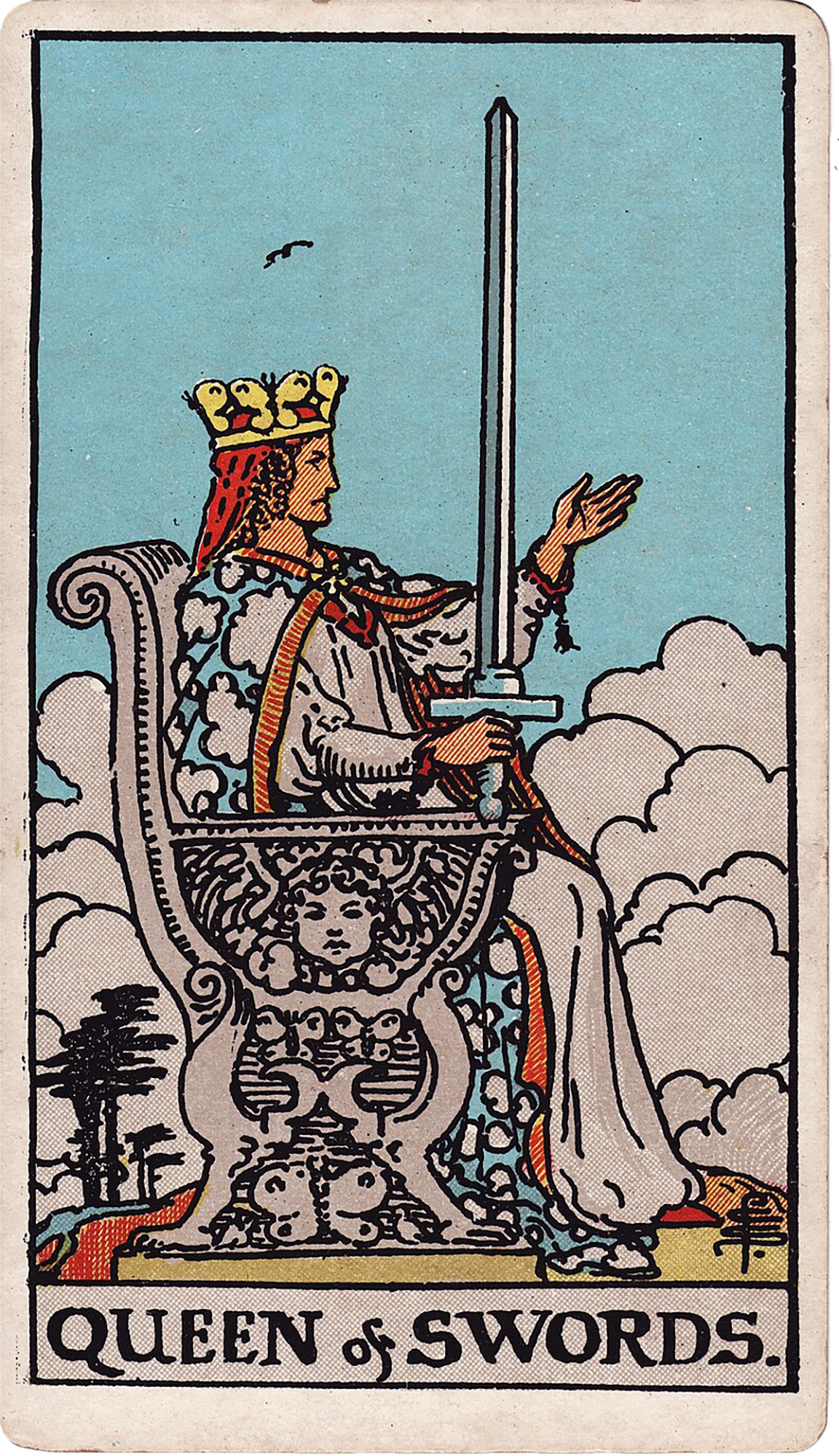 Queen of Swords
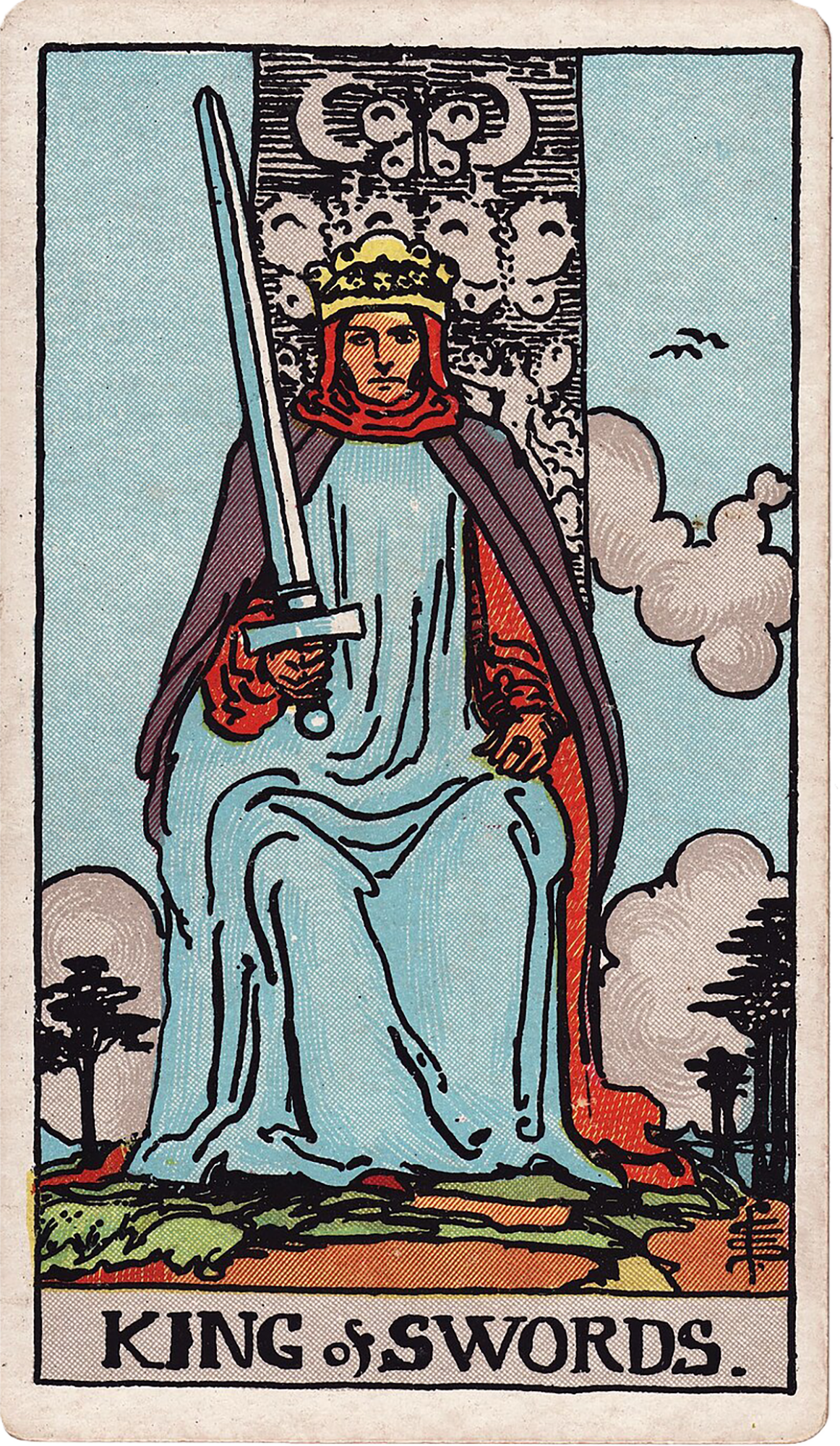 King of Swords
Introduction to the Sword Court Cards and Their Leadership Archetypes
The Suit of Swords in the Minor Arcana traditionally represents the domain of the mind—thought, communication, conflict, and strategy. Within this suit, the court cards—the Knight, Queen, and King—offer vivid portraits of leadership styles centered on intellectual authority and decision-making. Unlike the abstract ideals of the Aces or the situational dynamics of the numbered cards, these figures personify how the qualities of Swords are enacted in human behavior and interaction. The Knight of Swords showcases swift action and courage in debate, the Queen of Swords embodies clear-minded independence and honest boundaries, and the King of Swords represents mature strategic judgment and principled leadership. Understanding these figures as distinct yet interconnected leadership styles helps tarot learners navigate readings with greater nuance and practical insight.
Detailed Imagery and Symbolism of the Knight of Swords
The Rider-Waite-Smith Knight of Swords presents a young knight charging forward on a galloping horse, sword raised high, eyes focused, and cape billowing. This dynamic imagery communicates decisiveness, courage, and intellectual bravery. The horse’s forward motion emphasizes swift, bold action, while the raised sword symbolizes readiness to cut through confusion or delay with clear thought and forthright communication. The Knight’s helmet, adorned with wings, recalls the element of air and swift mental agility. Here, the energy is practical and immediate—the card asks the querent to respond fittingly to the present stage of a situation, not an idealized future. This card’s upright meaning centers on decisive action, strategy, and the willingness to engage in conflict or debate when necessary.
Interpreting the Knight of Swords in Practice and Reversal Insights
When the Knight of Swords appears upright in a spread, it signals that the querent is, or needs to be, mentally agile and ready to act decisively. This card often suggests that communication skills, strategic thinking, and clear decision-making are key to handling the current issue. However, it also comes with a warning: the Knight’s rapid pace can lead to recklessness if unchecked. The reversed Knight of Swords draws attention to imbalances such as aggression, tunnel vision, or hasty decisions made without regard for nuance or consequence. Rather than viewing the reversal as merely negative, readers should consider where the mental process has become stuck or distorted. What mental habits need simplification or realignment? This approach helps the querent return to a healthier expression of the Knight’s constructive qualities.
Exploring the Queen of Swords as a Model of Clear-Minded Independence
The Queen of Swords is often depicted seated, holding an upright sword in one hand while looking forward with a calm, discerning gaze. Her throne is adorned with butterflies and clouds, symbols of transformation and mental clarity. Unlike the Knight’s forward momentum, the Queen embodies a poised, mature intellectual independence. She sets honest boundaries and communicates truthfully without cruelty. This card’s energy is practical and measured, inviting the querent to respond suitably to current realities rather than ideals. Her crown and robes denote authority, but her expression suggests wisdom tempered by experience—she is someone who has learned to balance intellect with empathy, managing conflict with fairness and clarity.
Practical Reading Approaches and Reversed Queen of Swords Challenges
In readings, the Queen of Swords upright usually highlights the need for clear communication, honest boundaries, and independence in thought. It may represent a querent or influence who approaches challenges with rationality and fairness. However, when reversed, the Queen warns of bitterness, excessive criticism, or emotional isolation through over-intellectualization. This form of detachment can hinder emotional complexity and connection, sometimes causing the querent to wield their intellect defensively rather than constructively. The reversal calls for reflection on where communication becomes cutting rather than clarifying and whether emotional truths require acknowledgment alongside intellectual clarity.
The King of Swords as an Archetype of Strategic Intellectual Authority
The King of Swords traditionally sits upright on his throne, holding an upright sword in one hand and sometimes a scale in the other, symbolizing balanced judgment and authority. His stern yet thoughtful expression marks him as a mature leader skilled in strategy, principle, and evidence-based decisions. The imagery reinforces his role as an overseer of mental processes and ethical governance. He is not only a thinker but a doer who uses intellectual power responsibly to guide and judge. This card’s upright meaning calls for measured decisions rooted in truth, fairness, and long-term vision, emphasizing the importance of principle over personal gain or emotional impulse.
Interpreting the King of Swords’ Reversed Energy and Leadership Pitfalls
When reversed, the King of Swords warns against intellectual arrogance, manipulation, and abuse of authority. The card suggests a leader who may treat people as problems rather than collaborators, coldly dismissing emotional or human factors. This imbalance indicates where intellectual authority has become oppressive or disconnected from ethical considerations. It challenges the querent to examine where leadership needs more humility, openness, or compassionate engagement. Rather than negating the King’s strengths, the reversal invites rebalancing—recognizing the human participants in any situation and using authority responsibly rather than coercively.
Comparing and Contrasting the Knight Queen and King of Swords in Leadership
Together, these three court cards illustrate a spectrum of leadership styles rooted in the mental realm of Swords. The Knight is the courageous initiator, swift to act and engage conflict; the Queen is the independent mediator, balancing truth and empathy through clear boundaries and communication; the King is the mature strategist and fair judge, wielding authority with wisdom and principle. In practice, readers can look for which archetype predominates in a querent’s situation or personality to tailor guidance accordingly. For example, a Knight-dominant leadership might require tempering with Queen-like clarity or King-like ethical oversight. Conversely, a reversed card in any position signals where mental or communication dynamics have become imbalanced and need conscious attention to restore constructive leadership.
Techniques for Integrating Sword Court Cards into Readings
To effectively read these court cards, tarot practitioners should anchor interpretations both in their upright and reversed meanings and in the situational context of the spread. Observing surrounding cards helps clarify whether the Sword court’s energy is emerging, developing, peaking, or resolving. Visual cues—for example, the Knight’s forward charge, the Queen’s poised gaze, the King’s balanced posture—can guide intuitive impressions of leadership style and mental approach. Practitioners should avoid reducing these figures to stereotypes; instead, treat them as dynamic archetypes offering lessons in mental habits, communication strategies, and ethical leadership. Encouraging querents to reflect on which court figure resonates with their current mindset or challenges promotes self-awareness and practical growth.
Common Mistakes and How to Avoid Them When Reading Sword Court Cards
A frequent error is treating reversed court cards as purely negative or oppositional to their upright meanings. This oversimplification misses opportunities for nuanced insight about stuck mental processes or internal conflicts. Another pitfall is ignoring the cards’ practical, stage-sensitive nature—focusing on abstract ideals rather than how the leadership style fits the querent’s present reality. Additionally, readers sometimes overlook the interaction between the Knight, Queen, and King within a spread, missing deeper lessons about balancing impulsiveness, clarity, and authority. Avoiding these mistakes requires mindful reflection on what each card asks in the moment and openness to complex, sometimes contradictory aspects of leadership.
Reflection and Personal Application of Sword Court Leadership Styles
Learners are encouraged to reflect on how the leadership styles of the Knight, Queen, and King of Swords manifest in their own lives. Which archetype do they naturally embody? Where might they need to develop more courage, clearer boundaries, or ethical authority? Practicing journaling with these questions can deepen understanding. In readings for others, identifying these styles can help clarify interpersonal dynamics and suggest pathways to healthier communication and decision-making. Ultimately, these court cards serve as mirrors for mental habits and leadership growth, urging tarot students to cultivate balance, clarity, and principled action in their mental and relational lives.
Practice questions
• How do the leadership qualities of the Knight, Queen, and King of Swords show up in my personal decision-making and communication style?
• In what situations do I tend to rush forward like the Knight of Swords, and how can I balance that with the Queen’s clarity or King’s wisdom?
• When have I experienced intellectual arrogance or coldness similar to the reversed King of Swords, and what steps can I take to reconnect with empathy?
• How can I set clearer boundaries in my relationships without becoming overly critical or isolated like the reversed Queen of Swords?
• What mental habits or thought patterns need simplification or adjustment when the Knight of Swords energy feels stuck or reckless in my life?
Comments
Sign in to comment.
Continue learning
The Fool in Life Transitions and New Beginnings
The Fool card embodies the spirit of beginnings, curiosity, and the leap of faith required during life transitions. This article explores The Fool’s meanings across various reading...
Unlocking the Energies of the King Queen and Knight of Cups for Emotional Intelligence
This article delves into the King, Queen, and Knight of Cups from the Minor Arcana's family Suit and Court Cards, emphasizing how these archetypes embody stages and expressions of...
Unlocking Personality Traits Through the Court Cards of Pentacles
This article delves into the personality traits and life lessons embodied by the court cards of Pentacles: Page, Knight, Queen, and King. Grounded in the practical symbolism of the...
Integrating The Fool and The World to Chart the Journey of Tarot Initiation
This article explores the integration of The Fool and The World cards as symbolic bookends in the Tarot journey, emphasizing their complementary lessons for initiates. Drawing on t...
Unlocking Personality and Leadership Qualities with the King Queen and Knight of Pentacles
This article delves into the King, Queen, and Knight of Pentacles court cards within the Minor Arcana, focusing on their symbolism of personality traits and leadership within the f...
Unlocking the Roles and Personalities of Page Knight Queen and King of Swords
This article delves deeply into the family suit lessons of the Page, Knight, Queen, and King of Swords, exploring their roles and personalities within the Minor Arcana. Anchored in...
Unlocking Personality Insights Through the Court Cards of Cups
The Court Cards of Cups offer a rich framework for understanding emotional personality traits, interpersonal dynamics, and intuitive processes. This article guides learners through...
Unlocking the Dynamic Partnership of The Magician and The High Priestess in Tarot Combinations
The Magician and The High Priestess represent two complementary archetypes in the tarot deck that, when combined, offer a rich interplay of conscious action and intuitive insight....
Unlocking Practical Wisdom and Ambition Through the Court Cards of Pentacles
This article delves deeply into the suit of Pentacles’ court cards—Page, Knight, Queen, and King—offering tarot learners a comprehensive understanding of their practical wisdom and...
Mastering Dual Interpretations with The Hanged Man and The Devil in Tarot Readings
This article guides tarot learners through mastering the dual interpretations of The Hanged Man and The Devil cards. Using traditional Rider-Waite-Smith symbolism and supplied card...