
Unlocking the Roles and Personalities of Page Knight Queen and King of Swords
This article delves deeply into the family suit lessons of the Page, Knight, Queen, and King of Swords, exploring their roles and personalities within the Minor Arcana. Anchored in the Rider-Waite-Smith symbolism and the supplied Tarot card images, it offers learners a clear understanding of these court cards. Covering upright and reversed meanings, practical reading methods, common pitfalls, and interpretative logic, the article provides tools for recognizing developmental stages of mental and communicative energies represented by Swords. It emphasizes how to integrate the cards’ characteristics into readings with context sensitivity and highlights the differences and progression among the Page, Knight, Queen, and King archetypes.
Cards explored in this article
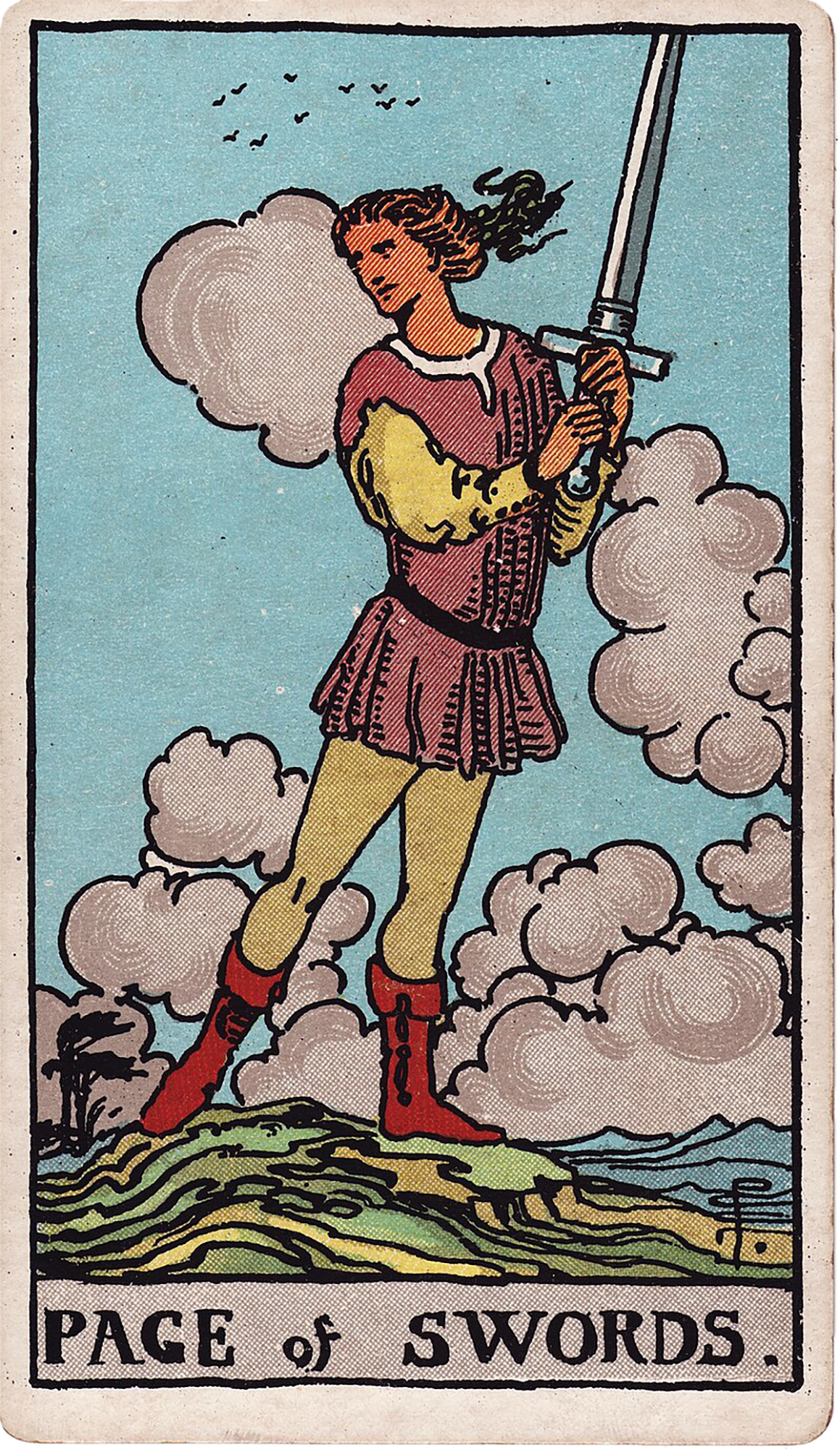 Page of Swords
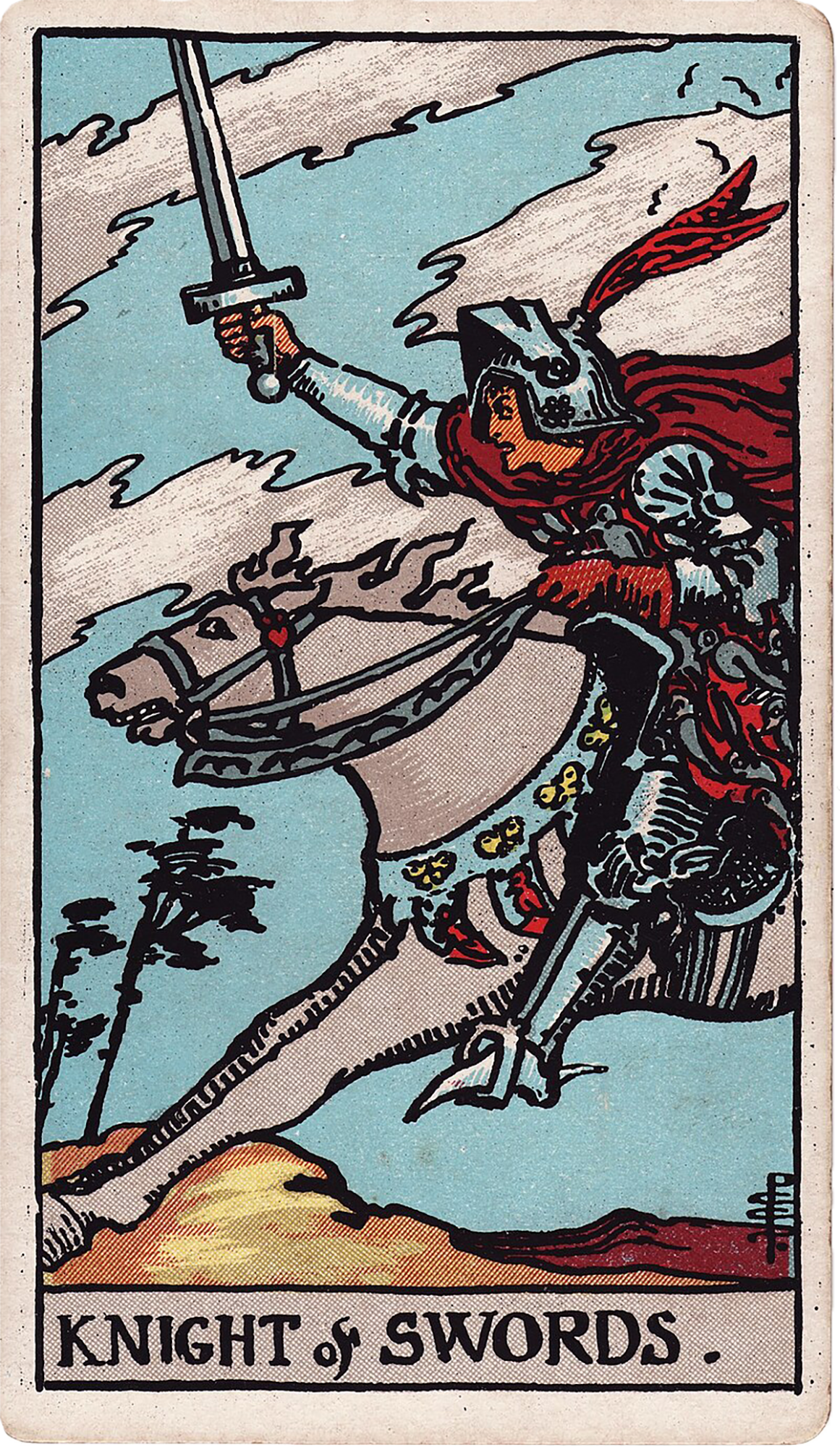 Knight of Swords
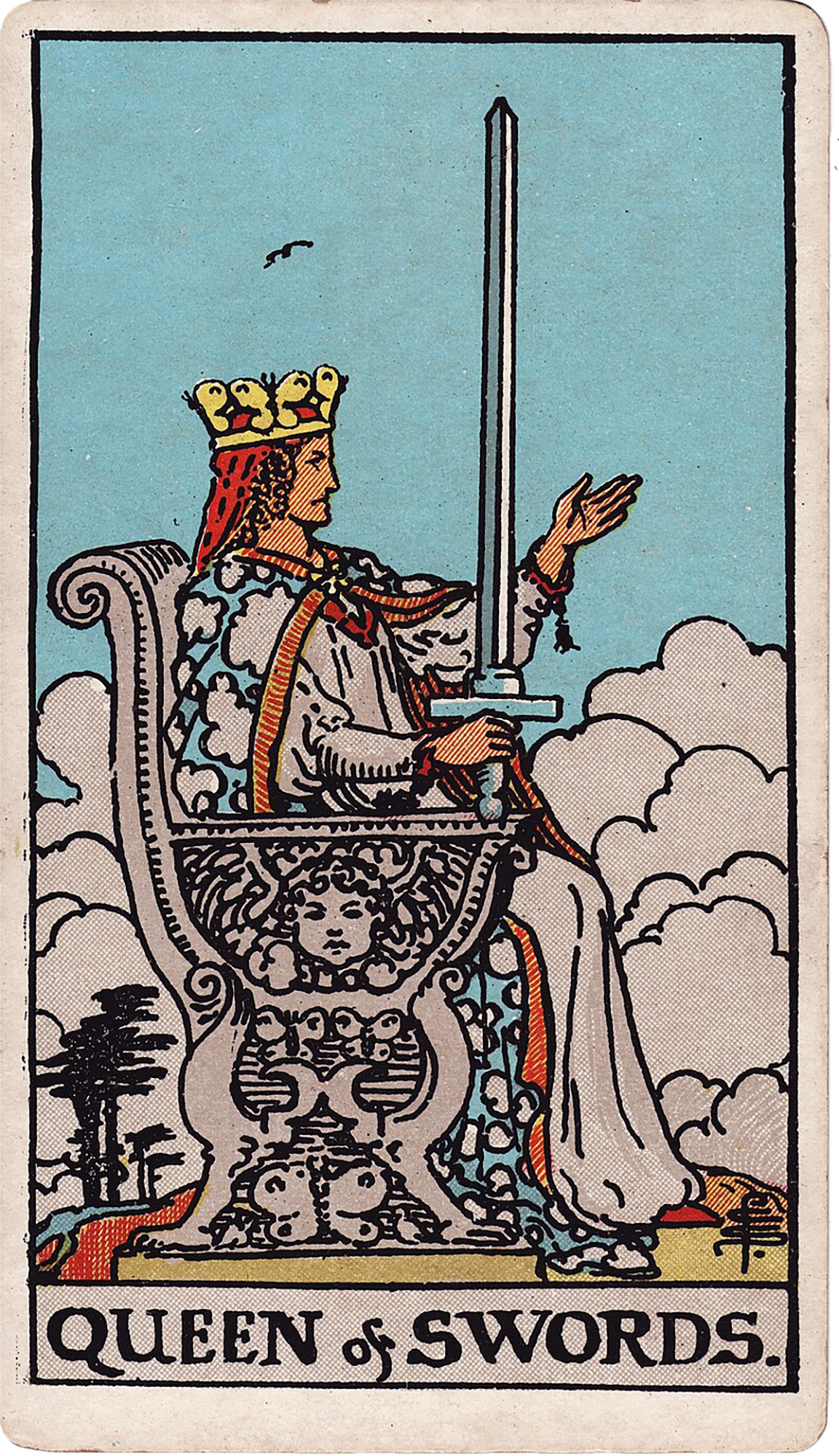 Queen of Swords
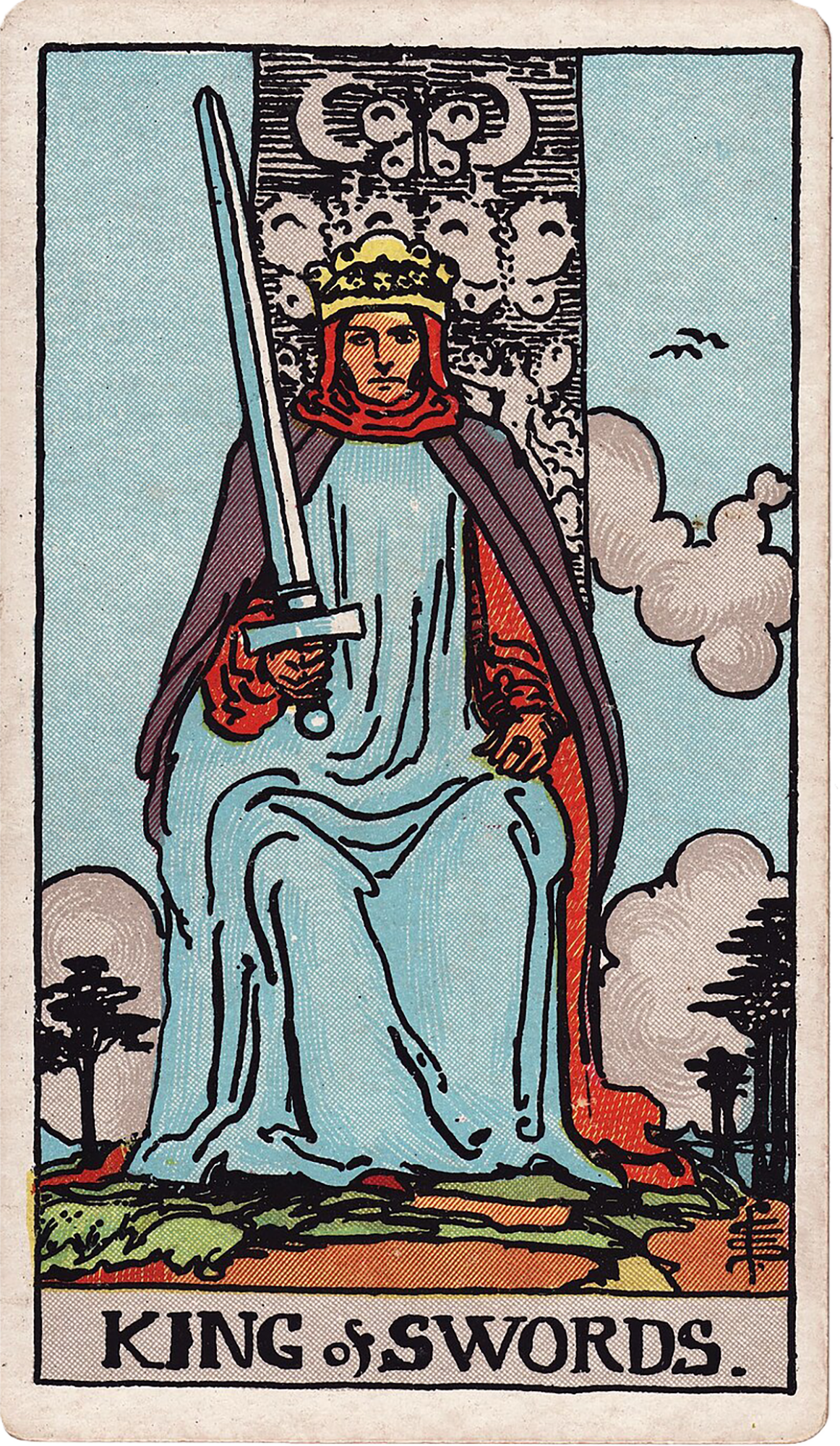 King of Swords
Introduction to the Swords Court Cards within the Minor Arcana Family Suit
The Swords suit in Tarot traditionally represents the realm of thought, communication, conflict, decisions, truth, strategy, and consequence. Within this suit, the court cards—Page, Knight, Queen, and King—are not only personifications of mental and communicative energies but also serve as a developmental family hierarchy. Each court card embodies a distinct role and personality that reflect stages of intellectual and emotional maturity as well as the dynamics of mental habits in everyday life. This article focuses on unlocking the roles and personalities of the Page, Knight, Queen, and King of Swords, grounding the explanation in their upright and reversed meanings as supplied, and connecting these to the traditional Rider-Waite-Smith symbolism visible in the cards’ imagery.
The Page of Swords Role and Personality
The Page of Swords represents the youthful, curious, and vigilant learner in the Swords family. Upright, this card highlights mental curiosity, a desire to ask questions, and an active engagement in gathering information. The Page’s imagery in Rider-Waite-Smith often shows a young figure holding a sword upright, eyes alert, ready to face the winds of challenge—symbolizing vigilance and readiness to confront mental tasks. This card’s energy is practical and grounded in the present stage, asking the querent to consider where curiosity and questioning are already at play and how to strengthen these constructive mental habits. The Page’s upright meaning involves effort or discomfort but serves to name the core intellectual or communicative task clearly. Reversed, the Page of Swords warns against gossip, defensiveness, scattered attention, and argumentative communication, signaling when mental energy is misdirected or stuck. Rather than being a simple negative, the reversal invites examination of where the process requires simplification or better communication before healthier intellectual dynamics can resume.
Understanding the Knight of Swords as a Force of Decisive Mental Action
The Knight of Swords embodies swift, decisive action grounded in intellectual courage and the ability to cut through delay. Visually, the Rider-Waite-Smith Knight of Swords is depicted charging forward on a horse, sword raised, eyes fixed ahead—portraying a figure driven by clear mental purpose and readiness to face conflict or debate. Upright, the Knight calls on the querent to harness this focused, strategic energy where thought, communication, and decisions must be made quickly and bravely. The practical prompt is to recognize where decisive mental action is needed and how to channel this energy constructively. However, the Knight’s speed and force can come with discomfort or risks, highlighting the need for balance. When reversed, the Knight of Swords signals recklessness, aggression, verbal force, or tunnel vision—warning against moving so fast that nuance is lost. This reversal invites reflection on what must be slowed down, acknowledged, or reconsidered to avoid harm and restore clearer intellectual judgment.
The Queen of Swords as a Symbol of Mature Intellectual Independence and Honest Boundaries
The Queen of Swords represents clear-minded independence and communication that values truth without cruelty. Traditionally, the Rider-Waite-Smith Queen is seated on a throne, holding a sword upright in one hand and gesturing with the other, symbolizing balance between intellect and clarity with openness. Her gaze is direct, embodying honesty, discernment, and emotional control. Upright, the Queen encourages the querent to develop honest boundaries and communicate with integrity—cutting through illusions and emotional confusion to reveal clarity. This court card signifies the ability to use intellect strategically while maintaining fairness and respect. Reversed, the Queen of Swords cautions against bitterness, excessive criticism, isolation, or using intellect to avoid emotional complexity. It suggests that the querent may be stuck in mental habits that are overly harsh or disconnected from emotional reality, inviting a reassessment of how truth is communicated and boundaries are drawn.
King of Swords as the Embodiment of Mature Intellectual Authority and Strategic Judgment
The King of Swords stands as the archetype of mature intellectual authority and principled decision-making. In the Rider-Waite-Smith deck, the King is depicted seated on a throne adorned with symbols of air and justice, holding a sword upright—signifying clarity, authority, and strategic thought. Upright, this card emphasizes the ability to make decisions based on evidence and principle, exercising judgment with fairness and wisdom. The King represents mastery over mental habits and a balanced use of power in communication and conflict resolution. Reversed, the King warns of coldness, intellectual arrogance, manipulation, or abuse of authority, often treating people as problems rather than participants. This reversal calls for introspection on where personal authority has become rigid or disconnected from empathy, and what practices might restore more balanced, respectful mental leadership.
Practical Techniques for Reading the Swords Court Cards Together
When interpreting the Page, Knight, Queen, and King of Swords within a spread, consider them as a family suit reflecting stages of mental and communicative development or different facets of the querent’s intellectual life. Look for the card’s position to identify whether the energy is emerging (Page), in action (Knight), developing maturity (Queen), or mastered (King). Use the surrounding cards to clarify whether this energy is constructive, pressured, or stuck. Avoid treating reversed cards simply as negatives; instead, assess where the mental or communicative process is stalled and what is needed to progress—be it simplification, acknowledgment, or emotional integration. A common mistake is to overemphasize the aggressive or cold traits of swords court cards; remember their core is practical and situationally responsive, asking for nuanced reading that respects context and gradual development. The Rider-Waite-Smith imagery offers visual clues such as posture, gaze, and background elements which help anchor meanings and deepen interpretation.
Common Mistakes and How to Avoid Them in Swords Court Card Readings
One frequent mistake in reading the swords court cards is equating the suit solely with conflict or negativity. While swords do involve challenge and mental effort, their purpose is to reveal truth and facilitate growth through intellectual clarity. Another error is treating reversed court cards as simply bad omens; as shown in the supplied definitions, reversals indicate stuck processes or imbalances that can be healed with awareness and practice. Ignoring the developmental family suit lesson—that Page, Knight, Queen, and King represent stages or aspects of mental and communicative growth—can lead to superficial or fragmented readings. To avoid these pitfalls, always anchor interpretations in the card’s symbolism and consider the querent’s current life context. Use reflection questions to explore the card’s constructive potential rather than jumping to conclusions about problems.
Interpretation Logic Anchored in Symbolism and Context
The logic behind interpreting the Swords court cards rests on integrating symbolism, traditional Rider-Waite imagery, and practical situational context. The upright cards emphasize qualities or energies that are present, developing, or in use, while reversed cards invite a diagnostic approach: identifying blocks, excesses, or underdeveloped traits in mental and communicative processes. For example, the Page’s alert stance with a raised sword signals readiness to learn and gather information, but reversed, scattered attention or defensiveness may dominate. The Knight’s forward charge urges swift action cautiously tempered by the reversal’s warning against recklessness. The Queen’s throne and direct gaze call for honest boundaries and clarity, contrasted with the reversal’s bitterness or isolation. The King’s upright authority and justice symbols establish principled leadership, while reversed coldness or manipulation highlight misuse of power. Employing this logic helps readers move beyond static meanings to dynamic narrative readings.
Practice questions
• In what areas of your life do you notice mental curiosity or vigilance similar to the Page of Swords?
• Where might you be rushing decisions or communications like the Knight of Swords, and what could help you slow down?
• How do you set honest boundaries and communicate truthfully as suggested by the Queen of Swords?
• Are there times when your intellectual authority resembles the King of Swords, or when it might slip into coldness or manipulation?
• How can recognizing developmental stages within the Swords family suit improve your Tarot readings or self-awareness?
Comments
Sign in to comment.
Continue learning
The Fool in Life Transitions and New Beginnings
The Fool card embodies the spirit of beginnings, curiosity, and the leap of faith required during life transitions. This article explores The Fool’s meanings across various reading...
Unlocking the Energies of the King Queen and Knight of Cups for Emotional Intelligence
This article delves into the King, Queen, and Knight of Cups from the Minor Arcana's family Suit and Court Cards, emphasizing how these archetypes embody stages and expressions of...
Applying The Hermit in Meditation and Mindfulness Practices for Deeper Insight
The Hermit card embodies the essence of introspection, solitude, and deliberate contemplation. Applied to meditation and mindfulness, it encourages stepping back from external dist...
Exploring the Symbolism of The Tower Card for Understanding Sudden Change and Awakening
The Tower card stands as one of the most powerful and evocative images in the Tarot deck, symbolizing sudden upheaval, awakening, and the collapse of false structures. This article...
Exploring the Many Dimensions of The World Card in Personal Growth and Completion
This article explores the rich layers of The World card within tarot readings, emphasizing its role in signaling completion, integration, and readiness for new cycles. Utilizing th...
Unveiling the Symbolism of the Four Tarot Suits for Deeper Reading Insights
This article delves into the rich symbolism of the Four Tarot suits—Wands, Cups, Swords, and Pentacles—anchored by detailed analysis of the Ace cards from each suit. By connecting...
Understanding The Justice Card in Legal Career and Ethical Life Decisions
The Justice card in Tarot serves as a powerful symbol of fairness, accountability, and ethical clarity. This article explores the card’s upright and reversed meanings specifically...
Exploring The Justice Card in Ethical Decision Making and Personal Integrity
The Justice card in the Tarot deck is a profound symbol of fairness, truth, and accountability. This article explores how to interpret Justice in various contexts such as love, car...
Exploring The Hierophant in Personal Belief Systems and Community Traditions
This article explores The Hierophant card as a symbol of structured wisdom, tradition, and guidance. Using the Rider-Waite-Smith imagery, we analyze how the card's upright and reve...
Unlocking Leadership Lessons From the Court Cards of Wands
The Court Cards of Wands offer rich, vivid lessons on leadership through the progression of the Page, Knight, Queen, and King. This article delves into their symbolism, traditional...