
Image to Insight Step by Step Method for Reading Ambiguous Tarot Cards
This article teaches a repeatable Image to Insight method for reading ambiguous tarot cards. Using the supplied images of The High Priestess, The Moon, and the 7 of Cups (upright and reversed notes), the guide explains how to move from careful visual observation to tested interpretation. You will learn concrete steps, common mistakes to avoid, practice drills, and examples showing how to combine these three cards to resolve uncertainty without promising fixed predictions.
Cards explored in this article
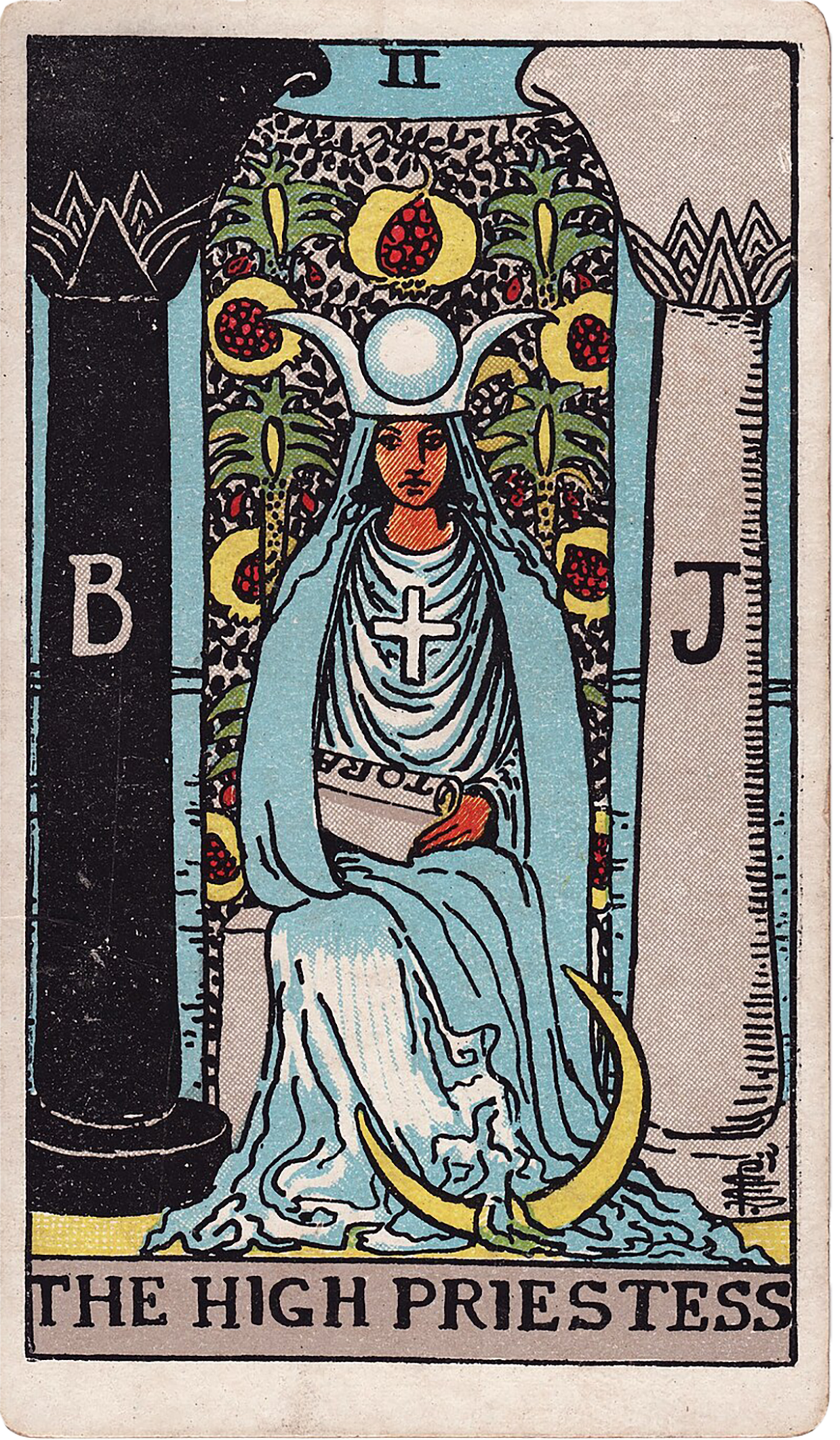 The High Priestess
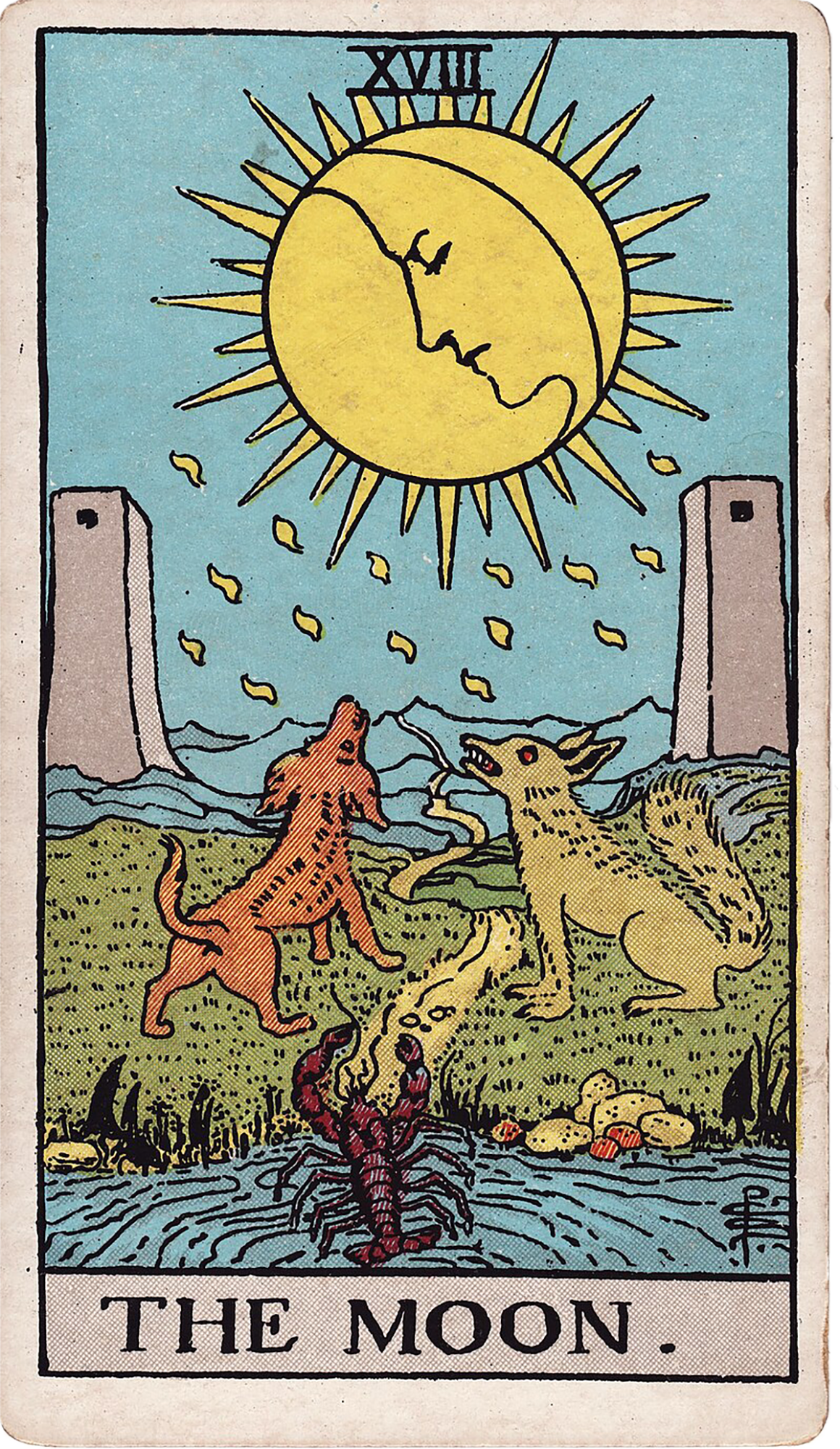 The Moon
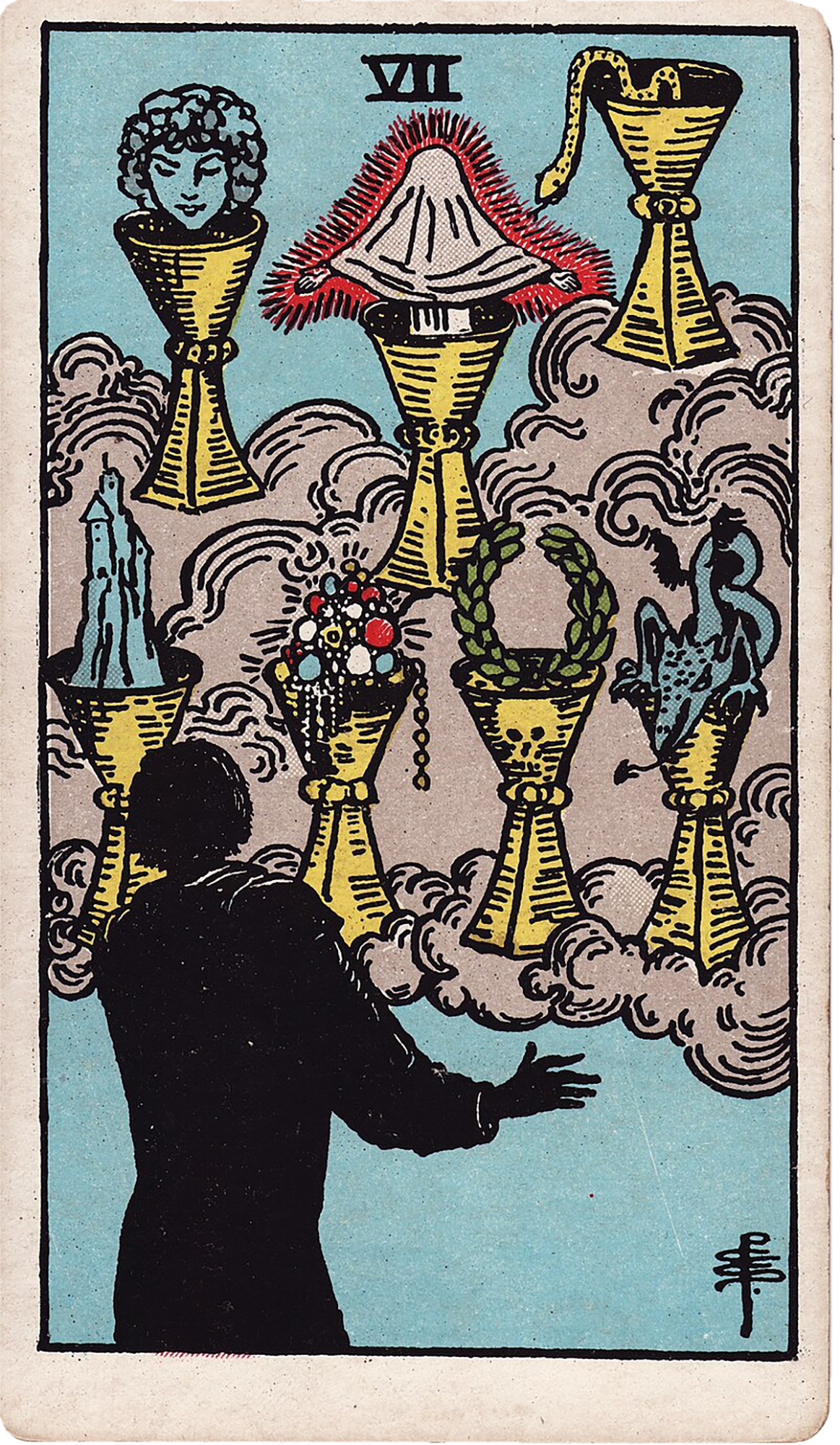 7 of Cups
Why ambiguity is normal and what this method does
Ambiguity is a natural part of tarot readings. Cards like The High Priestess, The Moon, and the 7 of Cups are specifically about inner states, imagination, and layered possibility — so they often arrive asking the reader to slow down rather than hand over a single answer. The Image to Insight method is a disciplined, image-first practice designed to translate visual details into hypothesis-driven interpretations. It helps you avoid two common extremes: (1) a flat 'dictionary' reading that ignores the card's present visual energy, and (2) projection—where the reader supplies their own story without testing it against the card and the querent. The method is neutral and skill-oriented: it trains observation, grounded intuition, and practical cross-checking so ambiguous cards become usefully informative instead of baffling.
Overview of the Image to Insight method
The method has six repeatable steps: 1) Engage the image, 2) Feel the card's tone, 3) Identify symbolic anchors, 4) Translate anchors into contextual questions (upright/reversed distinctions), 5) Test hypotheses with neighboring cards and client responses, 6) Deliver a measured interpretation with options for action. Throughout these steps, ground your reading in the literal visual details on the card—colors, figures, gestures, directionality, and spatial relationships—then layer traditional Rider-Waite-Smith symbolism and the supplied upright/reversed notes. Use the images of The High Priestess, The Moon, and the 7 of Cups repeatedly as training material because each exemplifies different kinds of ambiguity: the High Priestess for hidden knowledge, the Moon for uncertainty and projection, and the 7 of Cups for choice and fantasy.
Step 1 — Engage the image: what to look for first
Start with three quick inventory questions while looking at the card image: Who is present? What action or posture is shown? What stands out visually (color, light/dark, direction)? For The High Priestess notice the seated figure framed by two pillars (B and J in Rider-Waite tradition), the veil behind her patterned with pomegranates, the crescent moon at her feet, and the partially hidden scroll in her lap. These concrete elements signal thresholds, inner knowledge, fertility/mystery, and unread or slow revelation. For The Moon observe the moon itself, the two towers, the dog and wolf (domestic and wild aspects), the path receding into the distance, and the crawfish or lobster emerging from water—images about instinct, the edge of consciousness, and a journey through shadow. For the 7 of Cups count the cups and name the images they hold: castles, laurel wreaths, jewels, masks, a serpent, and a veiled figure. The multiplicity itself is the message: too many options, images that promise but may be illusory. Resist leaping to a single keyword until you have this inventory.
Step 2 — Feel the card's tone and register emotional cues
After the visual inventory, tune into the card's affective quality. Ask: Is the scene quiet or agitated? Is there a sense of contraction, expansion, guardedness, or invitation? The High Priestess typically feels hushed, interior, and watchful—not inactive but selective. The Moon often feels unsettled, dreamlike, or edging toward fear; it asks you to distinguish imagination from reality. The 7 of Cups feels dizzying and alluring; it can feel like being in a fog of desire or indecision. Note whether your bodily response is anxiety, calm, curiosity, or attraction. These feelings are data—especially with imagery-driven cards where affect often points to whether the card is advising restraint, exploration, or filtering.
Step 3 — Identify symbolic anchors and map to traditional Rider-Waite meanings
Translate the inventory and tone into symbolic anchors. An anchor is a concrete symbol you will use as an interpretive pivot. Examples from these cards: The High Priestess's veil and scroll anchor secrecy, inner law, and selective revelation; the pillars anchor thresholds and polarity. The Moon's path and towers anchor a journey through uncertainty and the need to test intuition; the crawfish anchors emergence from unconscious material. The 7 of Cups' many images anchor temptation, imagination, and the need for discernment. Pair each anchor with a specific question you can ask the querent: For the High Priestess—what information is intentionally withheld or not yet ready to be spoken? For the Moon—what imagined threat might be shaping behavior more than facts? For the 7 of Cups—what choice is fueled by wishful thinking rather than practical outcomes? Using Rider-Waite symbolism this way keeps interpretation anchored in the image while connecting to learned meanings.
Step 4 — Apply upright and reversed logic in context
Use the supplied upright/reversed notes to refine your anchors. The High Priestess upright encourages listening beneath surface appearances and working with what is visible now; reversed it points to secrecy, disconnection from intuition, or passive avoidance. The Moon upright asks for careful movement through uncertainty; reversed it can show confusion clearing or denial of intuition. The 7 of Cups upright highlights many options with a need for discernment; reversed it often marks clarity after confusion or narrowed options. Importantly, reversal is not simply 'good' or 'bad'—it shows distortion, delay, or internalization. Ask which version fits the querent's situation: Is the querent genuinely waiting for more information (High Priestess upright) or avoiding inner knowing (High Priestess reversed)? Is fear producing projections (Moon upright) or is the fog starting to lift (Moon reversed)? Is the querent choosing from fantasy (7 of Cups upright) or being forced into a narrower, perhaps painful reality (7 of Cups reversed)?
Step 5 — Test hypotheses with neighboring cards and client feedback
Hypotheses are testable statements, not final verdicts. After you form a reading hypothesis (for example: 'The querent is overwhelmed by options and mistaking wishful thinking for viable choices'), test it by: 1) looking to nearby cards for confirming or contradicting imagery; 2) asking a clarifying question of the querent (open, specific, non-leading); 3) offering a tentative phrasing like 'I’m seeing...' instead of definitive 'You are...'. If The High Priestess appears beside the 7 of Cups, you might hypothesize that inner discernment (High Priestess) is needed to choose among fantasy options (7 of Cups). If The Moon appears reversed next to the 7 of Cups upright, you might suggest that confusion is shifting and the querent is beginning to see which options are realistic. Use client feedback to refine: when the querent corrects or expands the picture, incorporate that into the next round of interpretation rather than insisting on your original narrative.
Step 6 — Deliver a balanced interpretation and suggested next steps
When communicating, prioritize clarity and usable options over dramatic predictions. For the supplied cards, language examples: • The High Priestess upright: 'There’s a quiet kernel of knowledge here. You may not have answers yet, but notice what you already know and what small informed step you could take.' • The Moon upright: 'Some fears or imagined outcomes are shaping your choices—let’s check facts and feelings separately.' • 7 of Cups upright: 'You have many tempting visions; pick the one that matches your current resources and values.' For reversals be specific about the kind of blockage: High Priestess reversed could become 'intuition is blocked by avoidance' and 7 of Cups reversed 'options are narrowing; decide what you’re willing to lose.' Follow each interpretation with one or two practical actions: a short experiment, a journaling prompt, or a small boundary to try. Frame outcomes as tendencies and choices, not fixed fate.
Common mistakes and how to avoid them
Mistake 1: Reading from the keyword only. Avoid giving rote meanings without connecting to the image; always point to visual anchors. Mistake 2: Projection and assumption. Check every confident claim by asking a clarifying question. Mistake 3: Ignoring reversals or treating them as 'bad.' Use the supplied reversed notes to see reversal as a shift or distortion rather than doom. Mistake 4: Forcing a narrative that contradicts the card's emotional tone. If a card feels quiet and interior, do not turn it into an action-heavy directive without justification. Mistake 5: Failing to test hypotheses. Ask at least one clarifying question before closing a reading.
Practical drills and practice routines
Practice drill 1 — Image inventory: Spend five minutes with each of the three supplied cards. Write a list of ten specific visual details for each (not meanings—details). Then write one sentence connecting two details. Practice drill 2 — Tone mapping: Close your eyes briefly after viewing each card and note three words for tone (e.g., hush, unsettled, alluring). Compare with upright/reversed notes. Practice drill 3 — Mini spreads: Pull one card for a client question, form a hypothesis using the method, and ask one clarifying question. Repeat and track whether your hypothesis changed. Practice drill 4 — Combination improvisation: Lay out two cards together (e.g., High Priestess + 7 of Cups). Create three different plausible narratives (one leaning toward intuition, one toward projection, one toward decision-making) and list which details support each narrative. These drills build the skill of moving back and forth from image to tested interpretation.
Putting it together: two brief examples using the supplied cards
Example A — Situation: A querent asks whether to accept a speculative job offer. Cards: 7 of Cups upright, The High Priestess upright. Image-first notes: 7 of Cups shows multiple tempting options; High Priestess sits quietly between pillars with a hidden scroll. Interpretation: There are many appealing visions in front of you (7 of Cups), but the wiser move is to consult what’s actually known and what can be tested now (High Priestess). Practical suggestion: List concrete pros/cons and ask the employer a specific question that yields measurable information before deciding. Example B — Situation: A querent worries about a possible betrayal. Cards: The Moon upright reversed, 7 of Cups reversed. Image-first notes: The Moon reversed suggests confusion may be clearing; 7 of Cups reversed suggests narrowed options or disillusionment. Interpretation: You may be moving out of the fog—some imagined scenarios are losing power, and choices are becoming clearer, even if painful. Practical suggestion: Separate evidence from fear by naming which outcomes are based on facts and which on what you imagine; decide the smallest protective step you can take while clarity continues to develop.
Conclusion and next steps
Ambiguous cards require patience, not guesswork. The Image to Insight method gives you a concrete six-step workflow that centers observation, emotional resonance, symbolism, upright/reversed nuance, testing, and careful delivery. Practice consistently with the supplied High Priestess, Moon, and 7 of Cups images: they train different skills—discernment, shadow-work, and choice-management. Over time you will internalize how visual anchors and tested hypotheses create readings that are both sensitive and practical. Remember to treat readings as invitations to action and reflection, never as guarantees.
Practice questions
• When you look at The High Priestess image, what three concrete details stand out before any keyword comes to mind?
• How does your body respond to The Moon card—do you feel anxiety, curiosity, or calm—and how might that affect your interpretation?
• Which image on the 7 of Cups initially draws your attention and why might that choice reflect the querent's desires or fears?
• In a reading where a card feels ambiguous, what single clarifying question could you ask a querent to test your hypothesis?
• After practicing the six-step method, which step feels hardest and what small exercise will you do to improve it?
Comments
Sign in to comment.
Continue learning
Interpreting the Dance of Justice and The Devil: Balancing Morality and Temptation in Tarot Readings
The combination of Justice and The Devil in tarot presents a profound exploration of morality, temptation, and personal accountability. This article unpacks how these cards influen...
Understanding The World Card in Personal Completion and New Cycles
The World card in tarot signifies completion, integration of lessons learned, and the threshold of new cycles. This article explores its nuanced meanings in upright and reversed po...
Mastering Tarot Timing Techniques for Accurate Readings
Timing in tarot readings can transform vague predictions into clear guidance about when events might unfold. This article explores practical timing techniques for beginners and adv...
Unlocking the Power Balance of The Emperor The Hierophant and Justice in Tarot Combinations
This article offers a deep exploration of the combined meanings of The Emperor, The Hierophant, and Justice cards within tarot spreads, focusing on how their energies interact to p...
Unlocking Leadership Qualities Through the Knight Queen and King of Wands
The Knight, Queen, and King of Wands embody evolving leadership qualities within the family suit of Wands. This article unpacks their traditional symbolism and the lessons each cou...
Mastering the Art of Combining The Magician The Empress and Ace of Pentacles for Manifestation and Abundance
This article offers a comprehensive exploration of how to skillfully combine The Magician, The Empress, and Ace of Pentacles tarot cards to enhance manifestation and attract abunda...
Mastering Intuitive Tarot Reading with The High Priestess The Hermit and The Moon for Deeper Insights
This article guides Tarot readers through mastering intuitive reading skills using three powerful cards: The High Priestess, The Hermit, and The Moon. It covers both beginner and a...
Unlocking Leadership and Responsibility Lessons Through the Court Cards of Swords
This article delves into the Court Cards of Swords—the Page, Knight, Queen, and King—to uncover the nuanced lessons they provide about leadership and responsibility. Rooted in the...
Exploring the Symbolic Language and Elemental Correspondences of the Court Cards of Cups for Emotional and Intuitive Insight
This in-depth article examines the Court Cards of Cups within the Rider-Waite-Smith tradition and the VoxFati Tarot Library context. It explores their rich symbolism and elemental...
Interpreting the Page of Swords for Career Love and Personal Growth
This article teaches how to read the supplied Page of Swords single-card draw across multiple life contexts. Using the card's Rider-Waite-Smith imagery and the provided upright and...