
Mastering Practical and Financial Wisdom Through the Court Cards of Pentacles
This article delves into the Court Cards of the Pentacles suit—Page, Knight, Queen, and King—to illuminate their rich teachings on practical and financial wisdom. Grounded in Rider-Waite-Smith symbolism and real-world applications, it explores how each card embodies stages of growth, responsibility, and stewardship. Learners will gain techniques for interpreting these cards in readings, avoid common pitfalls, and connect their meanings to family dynamics and material life challenges. Anchored by detailed analysis of the supplied card contexts, the article highlights how mastering these archetypes supports long-term stability and maturity.
Cards explored in this article
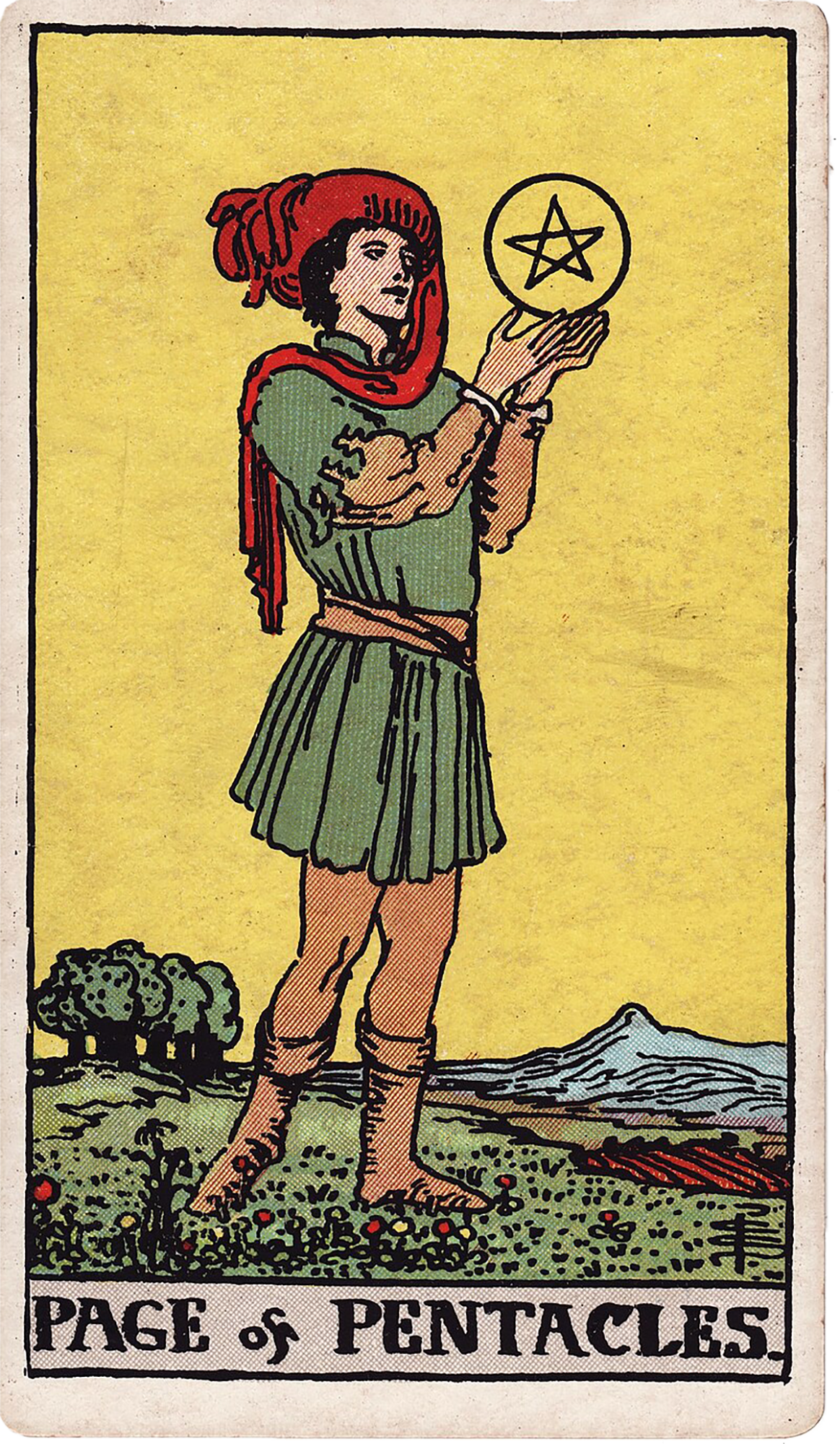 Page of Pentacles
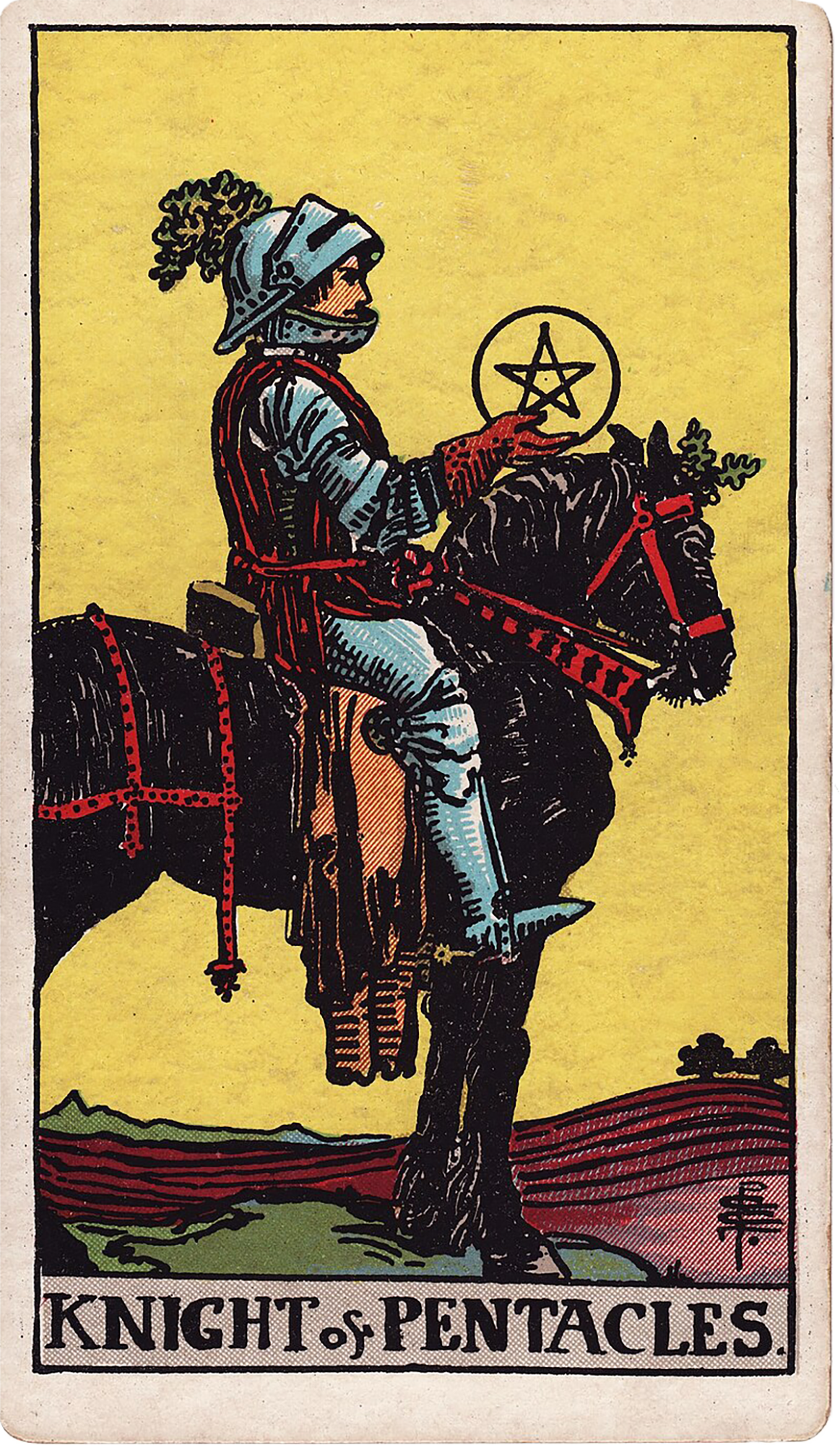 Knight of Pentacles
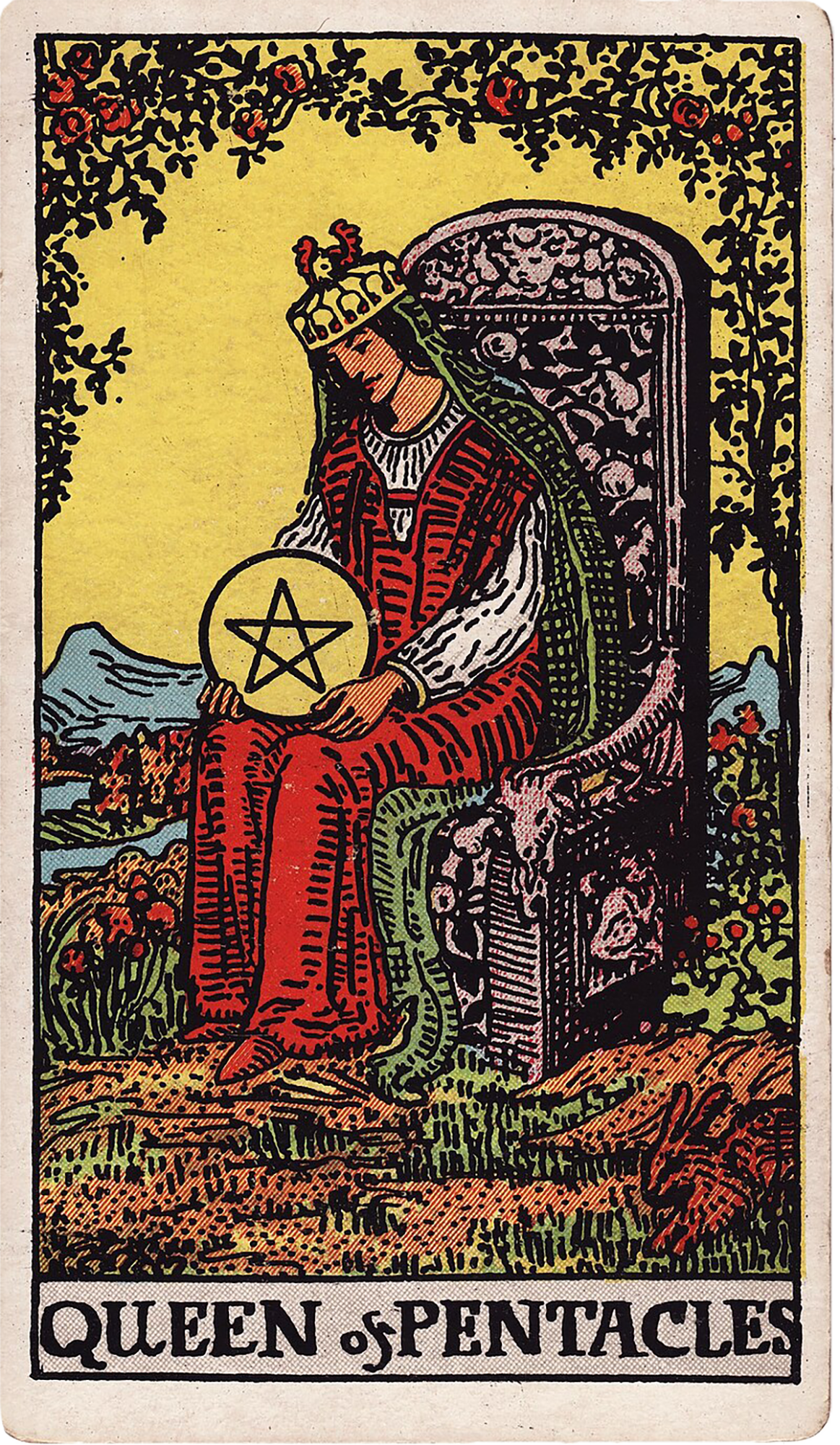 Queen of Pentacles
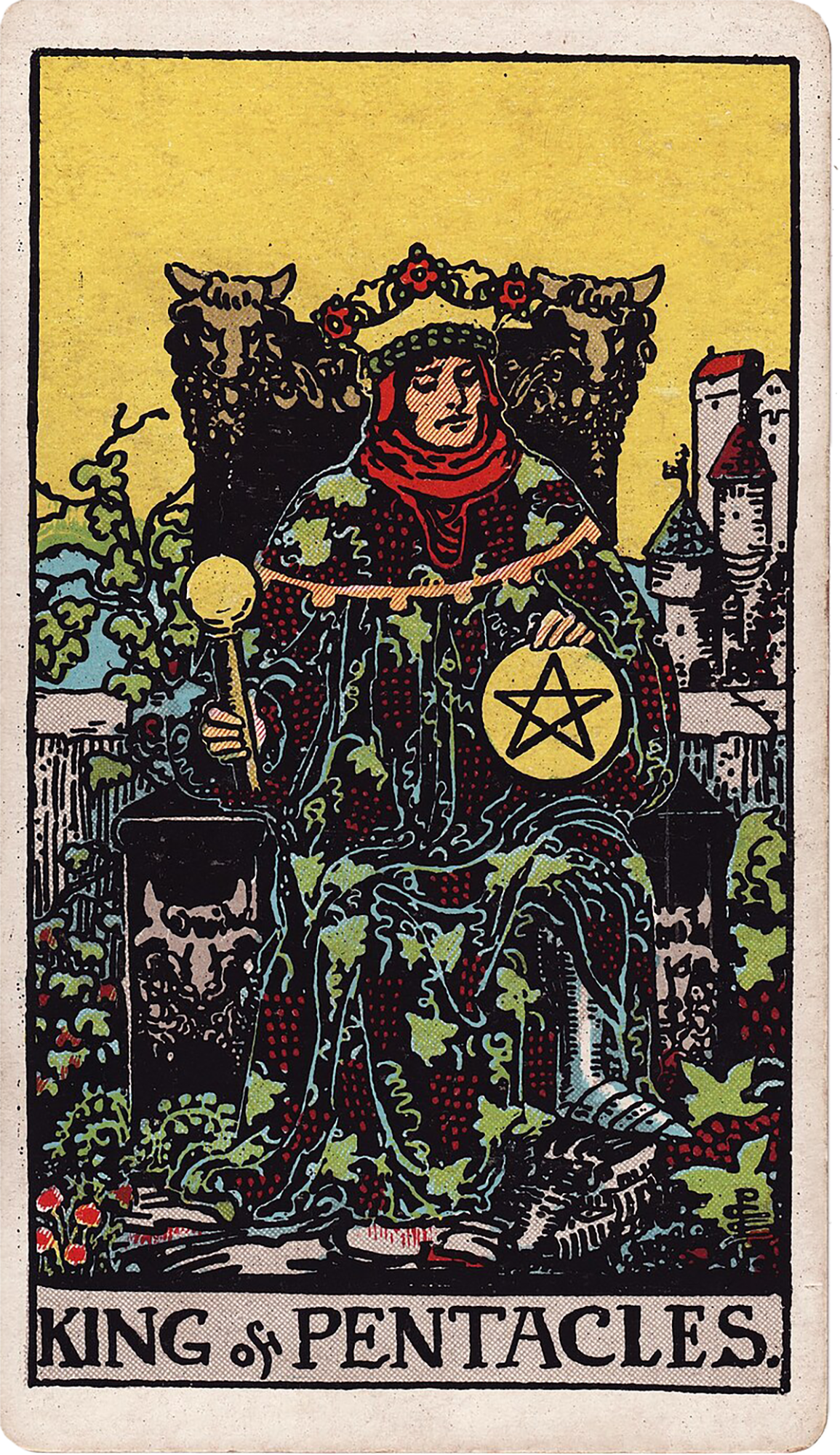 King of Pentacles
Introduction to the Court Cards of Pentacles and Their Role in Practical Wisdom
The suit of Pentacles in Tarot fundamentally concerns the material world—work, money, health, routine, and the physical body. Within this suit, the Court Cards—Page, Knight, Queen, and King—offer a layered narrative of growth and mastery in these practical domains. Each card represents a stage or archetype reflecting how we relate to resources and stability, especially within family and financial contexts. The Rider-Waite-Smith deck visually encodes these lessons: the Page holds a pentacle as a symbol of potential and learning; the Knight rides steadily, emblematic of persistence; the Queen nurtures with an earthy grace; and the King embodies mature control and stewardship. Understanding these cards helps readers move beyond abstract ideals to grounded actions that foster real-world success and wellbeing.
Detailed Exploration of the Page of Pentacles: Foundations of Practical Learning
The Page of Pentacles is the starting point of practical wisdom. Upright, it signals beginner energy focused on acquiring tangible skills, starting realistic plans, or embracing material opportunities seriously. The card’s imagery—a youthful figure gazing intently at the pentacle—reflects curiosity and commitment to learning rather than abstract dreaming. In readings, it suggests that the querent is at an early stage where careful study, discipline, and realistic goal-setting are paramount. Reversed, the Page warns of procrastination, poor study habits, or focusing on material gain without developing competence. Rather than viewing this as mere failure, consider what internal blocks or distractions must be simplified or addressed to regain momentum. For example, a reversed Page might indicate someone overwhelmed by options, needing to focus on one concrete task at a time to build skill effectively.
Unpacking the Knight of Pentacles as a Symbol of Steady Progress and Reliability
Following the Page, the Knight of Pentacles embodies steady execution and reliability. His upright posture and calm demeanor on horseback in the Rider-Waite-Smith deck illustrate slow but deliberate progress through routine and perseverance rather than flashy moves. When this card appears upright in a spread, it emphasizes the value of consistent effort and trustworthiness in managing resources and commitments. Financially, the Knight advises diligent saving, sustained work ethic, and patience. Reversed, it cautions against stagnation, stubbornness, or confusing mere slow movement with actual progress. The reversal invites reflection on whether persistence has become rigidity or if boredom is undermining motivation. In practice, readers should encourage querents to reassess their routines to ensure forward momentum rather than mechanical repetition without growth.
The Queen of Pentacles and the Art of Practical Nurture and Competence
The Queen of Pentacles represents mature, nurturing competence—a caring steward who balances resource management with life’s practical demands. In the Rider-Waite-Smith imagery, she holds a pentacle comfortably while surrounded by natural abundance, symbolizing wealth that supports real life, not mere status. Upright, she teaches how to integrate care for family, health, and finances in a grounded, competent way. She embodies the ability to create stability that nurtures oneself and others. Reversed, the Queen highlights risks such as overwork, self-neglect, or measuring self-worth solely through productivity. This reversal encourages a look at boundaries and self-care practices, especially when financial anxiety or controlling tendencies arise. In readings, the Queen calls for balance and conscious stewardship in family and financial roles.
Mastering Mature Stewardship with the King of Pentacles
The King of Pentacles stands as the pinnacle of practical and financial wisdom within the Pentacles court. His regal posture, rich robes, and the vineyard behind him in Rider-Waite-Smith symbolism all suggest mastery, abundance, and the ability to support others through wise resource management. Upright, this card advises embracing mature stewardship—being competent in business, generous with stability, and building long-term security that benefits both self and family. The King’s lesson is one of responsible leadership and the mindful use of power. Reversed, the King warns of greed, rigidity, or status obsession that can stunt growth or alienate others. It invites reflection on whether attachment to security inhibits necessary change or generosity. In practical readings, the King encourages fostering leadership qualities and ethical management of wealth and resources.
Integrating the Court Cards of Pentacles in Reading Practice and Interpretation
When interpreting the Court Cards of Pentacles, it is crucial to anchor meanings in their practical, stage-based energies. Instead of treating these cards as static personalities, view them as dynamic archetypes signaling phases or qualities relevant to the querent’s material life and family context. Begin by identifying the card’s upright or reversed position and then locate its energy on a spectrum: is a skill just beginning (Page), being steadily exercised (Knight), nurtured and balanced (Queen), or fully mastered with responsibility (King)? Always consider the surrounding cards to discern whether these energies are emerging, developing, or encountering pressure. Use the detailed Rider-Waite imagery—such as the youthful gaze of the Page or the grounded throne of the King—to reinforce interpretations visually. Avoid common mistakes such as overgeneralizing court cards as fixed characters or ignoring reversals as subtle process interruptions rather than mere opposites. Finally, relate the cards back to the querent’s family and financial realities to make the reading practically actionable.
Common Challenges and How to Overcome Them in Reading Pentacles Court Cards
One common challenge in reading Pentacles court cards is conflating abstract ideals with the cards’ inherently practical nature. For example, viewing the King of Pentacles as simply ‘wealthy’ misses the nuance of mature stewardship and ethical leadership. Another frequent pitfall is ignoring reversals or treating them strictly as negative. The provided card contexts emphasize examining where the process has become stuck and what can be simplified or acknowledged to restore balance. Additionally, readers sometimes misinterpret the Knight of Pentacles’ slow pace as laziness rather than steady progress. Overcoming these mistakes involves grounding interpretations in stage-appropriate action and using the cards’ symbolism as a touchstone for reading the querent’s real material situation. Practicing with case examples and reflecting on the imagery fosters deeper intuitive understanding.
Practical Examples of Court Cards of Pentacles in Family and Financial Contexts
To illustrate, imagine a querent drawing the Page of Pentacles upright during a reading about career development. The card suggests they are at a learning phase and should focus on skill acquisition and realistic planning rather than rushing for quick gains. If reversed, it could highlight procrastination or distractions—prompting the querent to clarify priorities. Alternatively, the Queen of Pentacles upright appearing in a family situation reading might point to the querent’s role as a nurturing provider who balances care with financial competence. A reversed Queen could indicate burnout or difficulty setting boundaries in caregiving roles. In wealth management questions, the King of Pentacles upright encourages mature investment and generosity, while reversed signals warning signs of greed or rigidity. Using such scenarios helps learners apply the cards’ lessons practically and sensitively.
Summary and Final Reflections on Mastering Practical and Financial Wisdom
Mastering the Court Cards of Pentacles involves recognizing their portrayal of progressive stages in the practical management of resources, health, and family life. From the eager Page learning new skills to the dignified King embodying responsible leadership, these cards invite readers to adopt grounded, realistic approaches to material challenges. By carefully attending to upright and reversed meanings as nuanced states of development, utilizing Rider-Waite-Smith symbolism as a visual guide, and connecting interpretations to the querent’s lived reality, Tarot practitioners can offer deeply practical, empowering insights. The Pentacles court thus becomes a vital toolkit for fostering financial stability, nurturing relationships, and cultivating lifelong competence.
Practice questions
• How can I encourage querents to focus on realistic, stage-appropriate actions when interpreting the Pentacles court cards?
• In what ways do the Page, Knight, Queen, and King of Pentacles represent different aspects of family or financial responsibility in my own life or those I read for?
• How do the Rider-Waite-Smith images of the Pentacles court cards enhance my intuitive understanding of their meanings?
• What are common signs that a querent’s process has become stuck and how can the reversed Pentacles court cards guide them back to balance?
• How can I avoid overgeneralizing these court cards as fixed personalities and instead read them as dynamic energies or phases?
Comments
Sign in to comment.
Continue learning
The Fool in Life Transitions and New Beginnings
The Fool card embodies the spirit of beginnings, curiosity, and the leap of faith required during life transitions. This article explores The Fool’s meanings across various reading...
Unlocking the Energies of the King Queen and Knight of Cups for Emotional Intelligence
This article delves into the King, Queen, and Knight of Cups from the Minor Arcana's family Suit and Court Cards, emphasizing how these archetypes embody stages and expressions of...
Unlocking Personality Traits Through the Court Cards of Pentacles
This article delves into the personality traits and life lessons embodied by the court cards of Pentacles: Page, Knight, Queen, and King. Grounded in the practical symbolism of the...
Integrating The Fool and The World to Chart the Journey of Tarot Initiation
This article explores the integration of The Fool and The World cards as symbolic bookends in the Tarot journey, emphasizing their complementary lessons for initiates. Drawing on t...
Unlocking Personality and Leadership Qualities with the King Queen and Knight of Pentacles
This article delves into the King, Queen, and Knight of Pentacles court cards within the Minor Arcana, focusing on their symbolism of personality traits and leadership within the f...
Unlocking the Roles and Personalities of Page Knight Queen and King of Swords
This article delves deeply into the family suit lessons of the Page, Knight, Queen, and King of Swords, exploring their roles and personalities within the Minor Arcana. Anchored in...
Unlocking Personality Insights Through the Court Cards of Cups
The Court Cards of Cups offer a rich framework for understanding emotional personality traits, interpersonal dynamics, and intuitive processes. This article guides learners through...
Unlocking the Dynamic Partnership of The Magician and The High Priestess in Tarot Combinations
The Magician and The High Priestess represent two complementary archetypes in the tarot deck that, when combined, offer a rich interplay of conscious action and intuitive insight....
Unlocking Leadership Styles Through the King Queen and Knight of Swords
This article delves into the leadership styles portrayed by the King, Queen, and Knight of Swords, court cards in the Minor Arcana’s Suit of Swords. By closely examining their Ride...
Unlocking Practical Wisdom and Ambition Through the Court Cards of Pentacles
This article delves deeply into the suit of Pentacles’ court cards—Page, Knight, Queen, and King—offering tarot learners a comprehensive understanding of their practical wisdom and...