
Reading Reversals in Tarot From Basics to Advanced Practice
This article teaches how to read reversed cards confidently and responsibly, moving from core definitions through practical technique to advanced strategies. Anchored to the supplied images and meanings of The Hanged Man, 8 of Swords, and Ace of Pentacles, it explains how reversal can signal blockage, inner process, excess, correction, or nuance rather than a simple 'bad' omen. The guide includes step-by-step methods, example readings, common mistakes, practice exercises, and reflection prompts for learners seeking to integrate reversals into regular reading practice.
Cards explored in this article
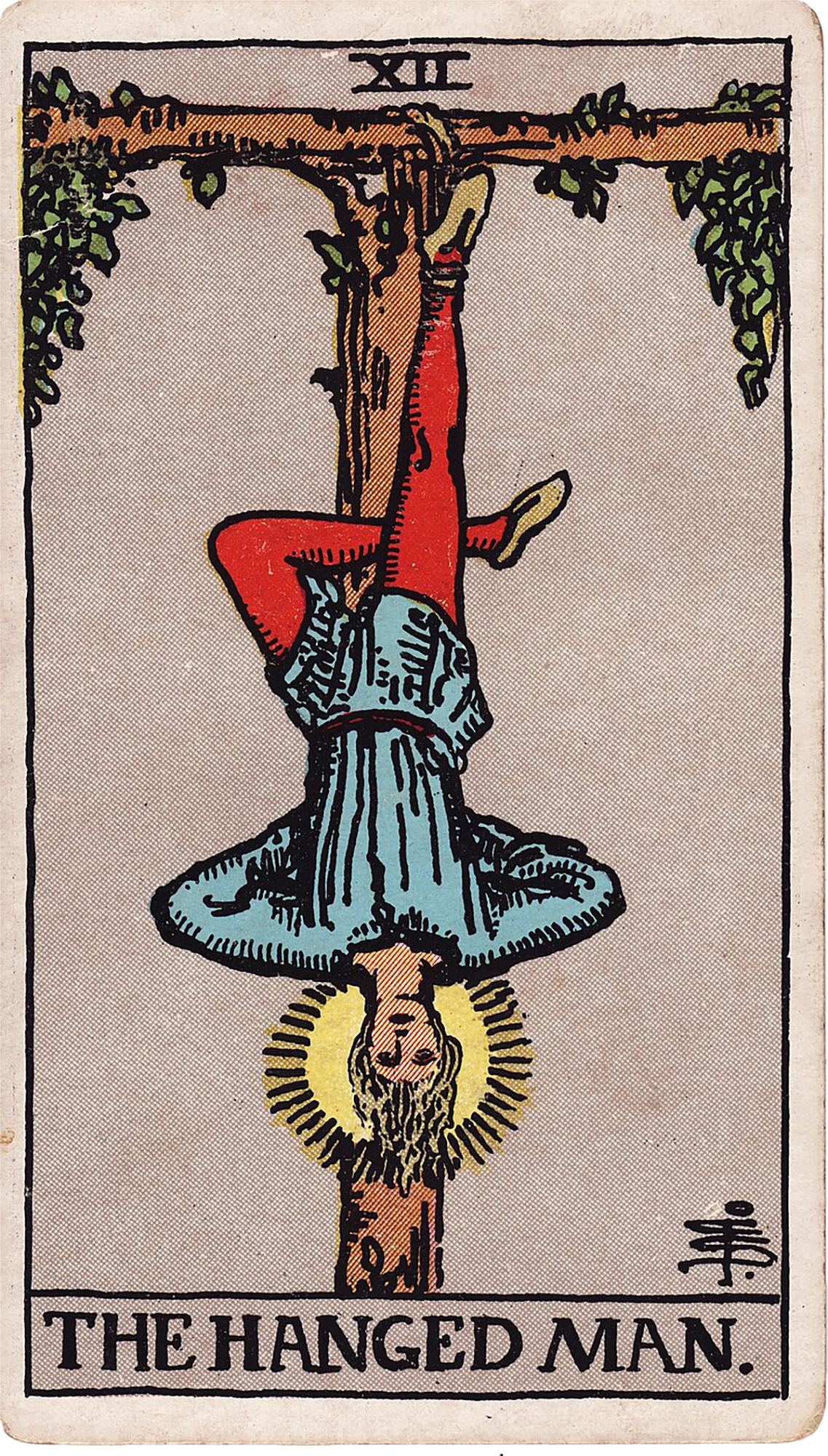 The Hanged Man
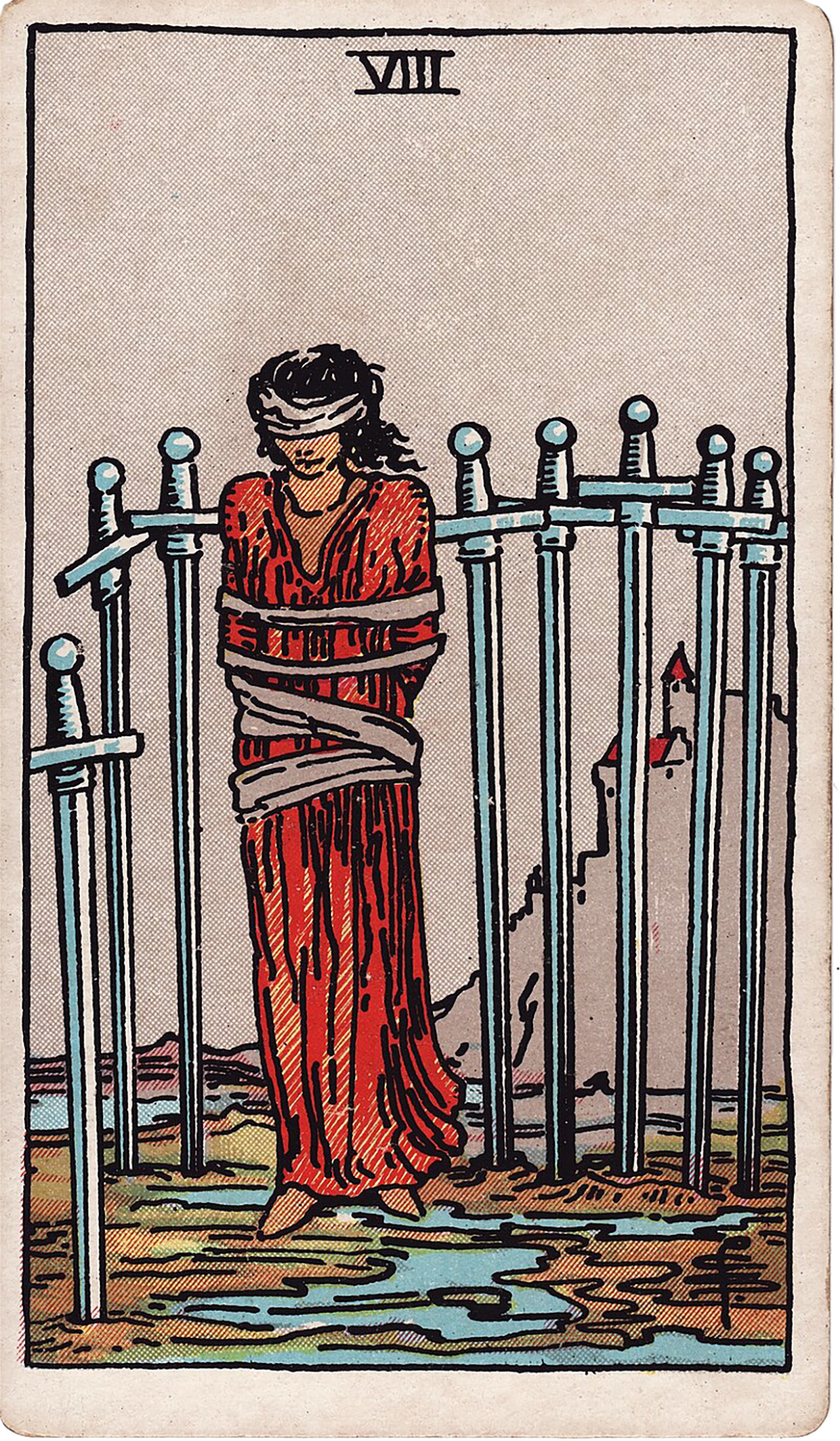 8 of Swords
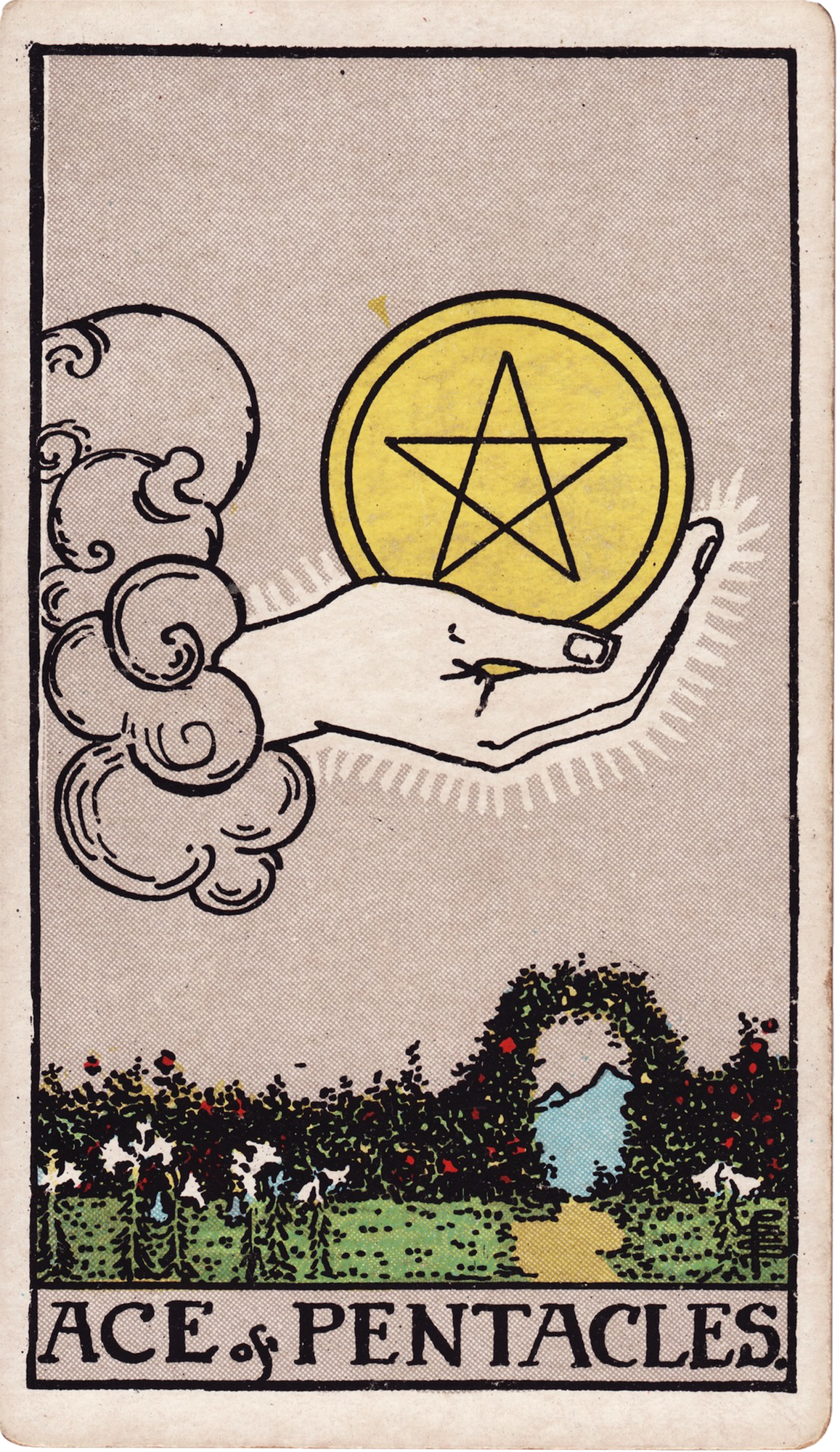 Ace of Pentacles
Introduction What Reversals Mean and Why They Matter
Reversed cards are a common feature in many tarot practices. They appear when a card is drawn upside down relative to the reader, and their presence raises questions: are reversals simply the opposite of upright meanings? Do they indicate 'bad luck'? This article reframes reversals as information about how energies or archetypal patterns are expressed: blocked, delayed, internalized, exaggerated, incomplete, or shifting. We will treat reversals as diagnostic signals rather than deterministic verdicts. To stay concrete and visually connected, every stage of this article refers to the supplied cards and images: The Hanged Man, 8 of Swords, and Ace of Pentacles. Using these three will help you see how reversal logic operates across Major and Minor Arcana and across different suits and modalities.
Foundations of Interpretation A Practical Definition of Reversal
Start with a working definition: a reversed card typically indicates that the card's core theme is present but altered in direction, intensity, or accessibility. That alteration can take several forms: 1) Blockage or Resistance: the card's gift is obstructed. 2) Internalization: the energy is turned inward, psychological rather than external. 3) Excess or Distortion: the card's quality is exaggerated. 4) Delay or Partial Manifestation: the process has begun but is incomplete. 5) Correction or Recovery: the person is beginning to notice and adjust an old pattern. Use the supplied card passages as examples. The Hanged Man upright emphasizes deliberate pause and perspective shift; reversed, it often points to stagnation, martyrdom, or resistance to surrender. The 8 of Swords upright highlights feeling trapped and mental constraints; reversed, it draws attention to release, new perspective, or an incomplete breakthrough. Ace of Pentacles upright signals a tangible opportunity; reversed, it can indicate missed opportunity, poor planning, or wanting results without foundation. None of these reversed meanings are strictly 'negative' — they are qualifiers that explain how the card's core theme is functioning in this situation.
Reading Imagery Reversals Through Visual Details
Tarot is visual language. Reversals interact with imagery in meaningful ways. Look carefully at what appears stalled, tangled, or emphasized in the picture. For The Hanged Man notice the suspension: a single foot tied, an inverted posture that creates a halo of understanding around the head. Upright, this halo suggests conscious perspective change; reversed, the halo can be present but out of reach — the figure may be stuck in suspension without the beneficial surrender. With the 8 of Swords observe the loose bindings and blindfold in their visual context. Upright, the loose bindings hint that escape is possible with mental shifts; reversed, the loose bindings can indicate a release that is partial or prematurely attempted, or that the ordeal has become internalized and hidden from others. For the Ace of Pentacles focus on the hand emerging from the cloud holding the pentacle and the rich garden or gateway often depicted. Upright, the hand offers a grounded opportunity; reversed, the same imagery may point to a gift that is withdrawn, ignored, or mismanaged. In every case, ask which element of the picture is strengthened, which is obscured, and what sensations the image evokes when inverted. Those observations are immediate, objective anchors for interpretation.
The Logic of Oppositions Blockage, Internalization, and Exaggeration
Interpreting reversals consistently requires logic rather than guesswork. Break reversal meaning into three main logical categories and apply them to the supplied cards: 1) Blockage or Resistance. Example: The Hanged Man reversed commonly signals resistance to surrender — the pause is happening but without insight. The image still shows suspension, but the learner asks where willingness to change is absent. 2) Internalization or Privacy. Example: 8 of Swords reversed can indicate that the shift is happening inside the querent — they have seen options internally, but the change has not yet been externalized. The card's blindfold and bindings become symbols of a private psychological process. 3) Exaggeration or Distortion. Example: Ace of Pentacles reversed may point to an excessive focus on security to the point of hoarding or imagining opportunities that are not realistic. The offered pentacle exists but is being misapplied. These categories are not mutually exclusive; a reversed card can indicate both internalization and blockage simultaneously. Use surrounding cards — here, the supplied trio — to test which logic fits. For instance, The Hanged Man reversed beside 8 of Swords upright may emphasize stagnation preventing necessary mental reorientation; if Ace of Pentacles is reversed nearby, the stagnation could be affecting practical options as well.
From Basics to Practice A Step by Step Method for Reading Reversals
Use this method as a repeatable routine when you encounter reversals. Step 1: Name the core upright theme. For each supplied card review its upright summary: The Hanged Man (pause, deliberate surrender, new perspective), 8 of Swords (feeling trapped, mental restrictions), Ace of Pentacles (tangible opportunity, resource beginning). Step 2: Note the visual clues that change when reversed. Describe what in the image feels blocked, hidden, or exaggerated. Step 3: Test the three logical categories (blockage, internalization, exaggeration) against the client's question. Which explains the situation most practically? Step 4: Look to the reading position (if you use positional spreads) and neighboring cards to specify whether the reversal is about timing, psychology, resources, or behavior. Step 5: Turn the reversal into an active, constructive question for the querent — not a decree. For example, The Hanged Man reversed becomes: where is pause becoming passive stagnation, or where is surrender being used as avoidance? Step 6: Offer practical next steps tailored to the card's suit: Swords actions focus on thought and communication; Pentacles on resources and practical ground; for the Major (Hanged Man) offer posture and perspective work rather than purely material fixes.
Example Readings Using Only the Supplied Cards
Example 1 Three-card spread Past Present Future (cards: 8 of Swords reversed, The Hanged Man upright, Ace of Pentacles upright). Interpretation: Past (8 of Swords reversed) — the querent recently experienced a loosening of mental constraints, a private shift in perspective or an initial release of fear. Present (The Hanged Man upright) — the current need is deliberate pause and perspective-taking; this pause will allow the internal release from the past to become conscious. Future (Ace of Pentacles upright) — if the querent uses the present pause constructively, a tangible opportunity or new resource is likely to open. Practical takeaway: continue with reflective practices that translate private shifts into practical decisions. Example 2 Single-issue reading with The Hanged Man reversed and Ace of Pentacles reversed. Interpretation: Both cards reversed point to a pattern where inaction or avoidance (Hanged Man reversed) is blocking material progress (Ace of Pentacles reversed). Visual logic: the suspended figure cannot complete the motion that would open the hand offering material support. Constructive question: What small next step converts an indefinite pause into a practical plan? Exercise: set one 15-minute task that connects reflection to action. Example 3 2-card dynamic 8 of Swords upright with Ace of Pentacles reversed. Interpretation: The querent feels trapped by beliefs or circumstances (8 of Swords upright), and as a result practical opportunities are being missed or mismanaged (Ace of Pentacles reversed). The binding and blindfold imagery suggest that misperception is blocking access to resources. Intervention: clarify assumptions and practice one real-world task to test whether the perceived constraints are factual.
Common Mistakes and How to Avoid Them
Mistake 1 Treating reversals as categorically negative. Fix: Remember reversals describe the mode of expression — blockage or internal work — not fate. Mistake 2 Flipping meaning mechanically (assuming every reversal is the exact opposite). Fix: Use the categories of blockage, internalization, and exaggeration rather than simple inversion. Mistake 3 Ignoring imagery. Fix: Anchor interpretation to what the picture suggests visually. For example, The Hanged Man's halo suggests potential insight even when reversed; don't erase that detail. Mistake 4 Over-relying on reversal to explain everything. Fix: Balance reversal interpretation with spread position, question, and other cards. Mistake 5 Projecting fear onto the querent. Fix: Ask clarifying questions and avoid alarmist language. Treat reversals as invitations to inquiry rather than pronouncements.
Advanced Techniques Using Reversals Degrees of Intensity and Polarity
As you become more experienced, use reversals to grade intensity and polarity. Intensity: consider how strongly the image suggests distortion. A sharply distressed Hanged Man reversal (in your reading style) could suggest entrenched martyrdom; a subtler inversion could indicate a temporary delay. Polarity: use reversal to mark inward versus outward focus. 8 of Swords reversed is a classic inward polarity — the breakthrough has started inside. Combine reversals with card suit logic to refine advice. For example, a reversed Ace of Pentacles paired with an upright 8 of Swords (if you had it) would suggest that clearer thinking and communication could salvage a practical opportunity. Here, with only the three supplied cards, practice exploring polarity by asking: is the issue mostly psychological (8 of Swords reversed), existential or attitudinal (The Hanged Man reversed), or practical/resource-oriented (Ace of Pentacles reversed)? Use this triad as a diagnostic matrix to locate the querent's terrain.
Practice Drills and Exercises for Learners
Drill 1 Image Journaling. Shuffle and draw one of the supplied cards (or imagine its image) upright and reversed. Describe in writing the visual differences and list three possible 'action-oriented' questions for the querent. Drill 2 Paired Readings. Practice two-card dynamics: take two supplied cards in all orientation combinations and write brief 100–200 word readings. Drill 3 Role-play. Have a partner ask a simple question, then read using one supplied card reversed; focus on turning reversal into constructive next steps. Drill 4 Timed Interpretations. Give yourself 2–5 minutes per card and force a concise interpretation anchored to the image. These exercises build speed and accuracy while training you to translate reversal logic into helpful language for querents.
Ethics, Language, and Communicating Reversals to Seekers
When you communicate reversals, prioritize clarity and agency. Avoid catastrophic words and speak in actionable possibilities. For example, instead of saying 'Ace of Pentacles reversed means you will lose money,' say 'Ace of Pentacles reversed suggests missed opportunity or planning gaps; here are practical questions and small steps to reduce risk.' For The Hanged Man reversed avoid moralizing the querent about 'not surrendering' and instead ask where pause has become avoidance and suggest specific practices (time-limited reflection, writing prompts). For 8 of Swords reversed emphasize what has already shifted internally and what steps would externalize the change (a phone call, a small test). If you're reading for yourself, use the same compassionate language and convert reversals into experiments rather than judgments.
Bringing It Together Integrating Reversals into a Consistent Practice
Integrate reversals by committing to a consistent interpretive routine: name upright theme, observe imagery, apply logical category (blockage/internalization/exaggeration), situate in spread/position, and convert to concrete next steps. Use the supplied cards as a practice set until the logic becomes instinctive: practice how the Hanged Man image shifts when reversed, how the 8 of Swords' loose bindings change the narrative, and how the Ace of Pentacles' hand can be offered or withheld. Keep a reading journal noting how your interpretations land over time and refine your language. Reversals are a powerful tool for nuance. Treated with method and compassion, they deepen readings and offer clearer, more actionable guidance.
Practice questions
• When you look at The Hanged Man image upright and reversed what immediate emotional response do you notice, and how could that guide your interpretation?
• How might 8 of Swords reversed describe an internal process that is invisible to others, and what kinds of questions reveal that inner shift?
• If Ace of Pentacles appears reversed in a position about next actions, what small practical tests could you suggest to the querent?
• Which of the three logical categories (blockage, internalization, exaggeration) fits each supplied card most naturally in your readings, and why?
• Think of a recent reading where you felt uncertain about a reversed card. How would you reinterpret that reading using the step-by-step method outlined here?
• What are three concrete phrases you can use to communicate a reversal compassionately and constructively to a querent?
Comments
Sign in to comment.
Continue learning
Interpreting the Dance of Justice and The Devil: Balancing Morality and Temptation in Tarot Readings
The combination of Justice and The Devil in tarot presents a profound exploration of morality, temptation, and personal accountability. This article unpacks how these cards influen...
Understanding The World Card in Personal Completion and New Cycles
The World card in tarot signifies completion, integration of lessons learned, and the threshold of new cycles. This article explores its nuanced meanings in upright and reversed po...
Mastering Tarot Timing Techniques for Accurate Readings
Timing in tarot readings can transform vague predictions into clear guidance about when events might unfold. This article explores practical timing techniques for beginners and adv...
Unlocking the Power Balance of The Emperor The Hierophant and Justice in Tarot Combinations
This article offers a deep exploration of the combined meanings of The Emperor, The Hierophant, and Justice cards within tarot spreads, focusing on how their energies interact to p...
Unlocking Leadership Qualities Through the Knight Queen and King of Wands
The Knight, Queen, and King of Wands embody evolving leadership qualities within the family suit of Wands. This article unpacks their traditional symbolism and the lessons each cou...
Mastering the Art of Combining The Magician The Empress and Ace of Pentacles for Manifestation and Abundance
This article offers a comprehensive exploration of how to skillfully combine The Magician, The Empress, and Ace of Pentacles tarot cards to enhance manifestation and attract abunda...
Mastering Intuitive Tarot Reading with The High Priestess The Hermit and The Moon for Deeper Insights
This article guides Tarot readers through mastering intuitive reading skills using three powerful cards: The High Priestess, The Hermit, and The Moon. It covers both beginner and a...
Unlocking Leadership and Responsibility Lessons Through the Court Cards of Swords
This article delves into the Court Cards of Swords—the Page, Knight, Queen, and King—to uncover the nuanced lessons they provide about leadership and responsibility. Rooted in the...
Exploring the Symbolic Language and Elemental Correspondences of the Court Cards of Cups for Emotional and Intuitive Insight
This in-depth article examines the Court Cards of Cups within the Rider-Waite-Smith tradition and the VoxFati Tarot Library context. It explores their rich symbolism and elemental...
Interpreting the Page of Swords for Career Love and Personal Growth
This article teaches how to read the supplied Page of Swords single-card draw across multiple life contexts. Using the card's Rider-Waite-Smith imagery and the provided upright and...