
Step by Step Guide to Interpreting Reversals in a Celtic Cross Reading
This article teaches how to interpret reversed cards in a Celtic Cross spread using a complete worked example. Each of the ten positions (Present / Heart, Challenge, Foundation, Recent Past, Possibility, Near Future, Self, Environment, Hopes & Fears, Outcome) is explained using the supplied cards: The High Priestess, The Hanged Man, The Sun, 3 of Wands, 6 of Cups, Ace of Swords, 2 of Swords, 8 of Swords, 10 of Swords and 4 of Pentacles. You will learn a step-by-step practical method to note orientation, translate reversed meanings without defaulting to 'bad', check neighboring cards for correction or amplification, and build a coherent narrative useful for family and practical readings.
Celtic Cross
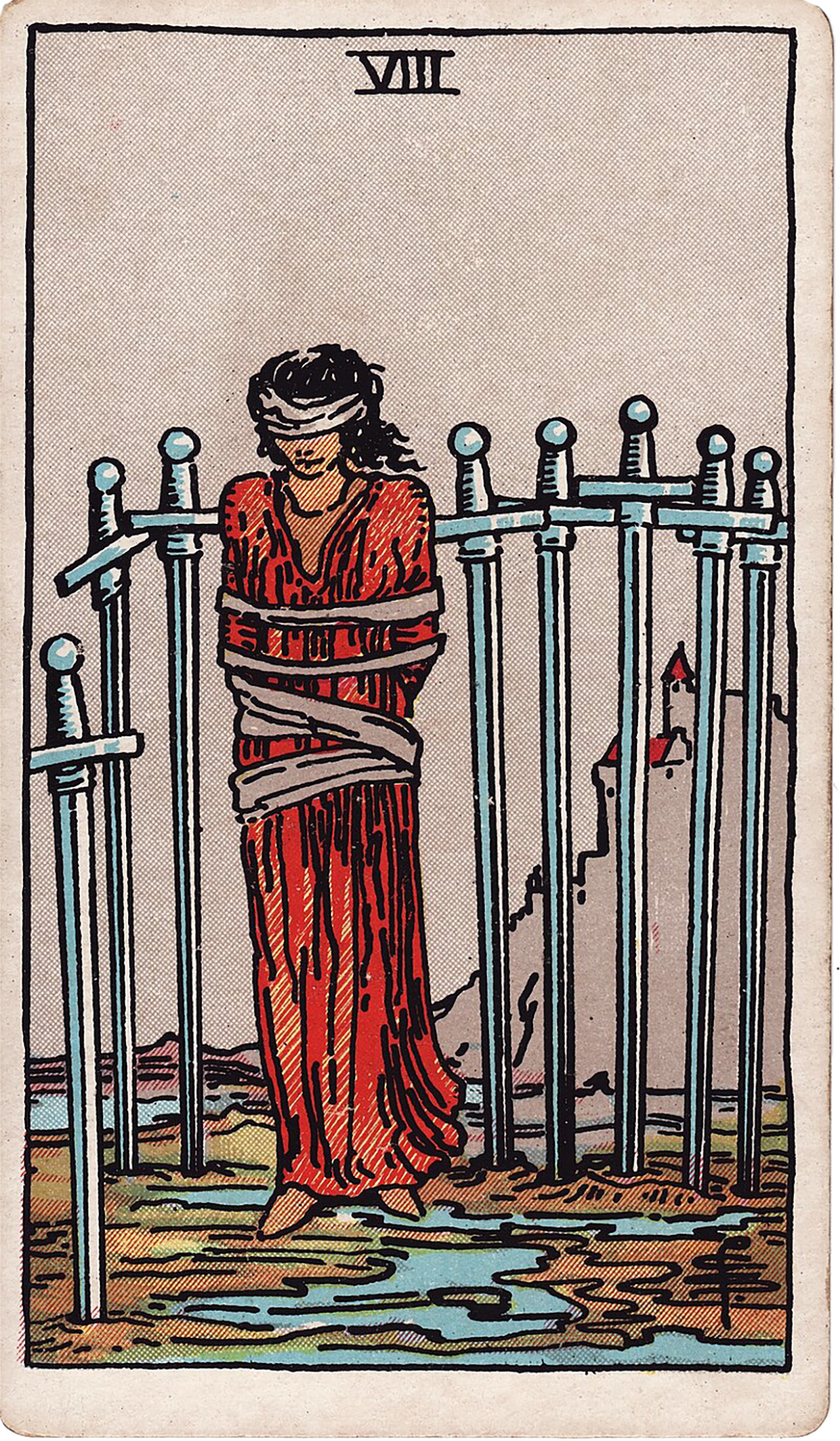 Present / Heart8 of Swords
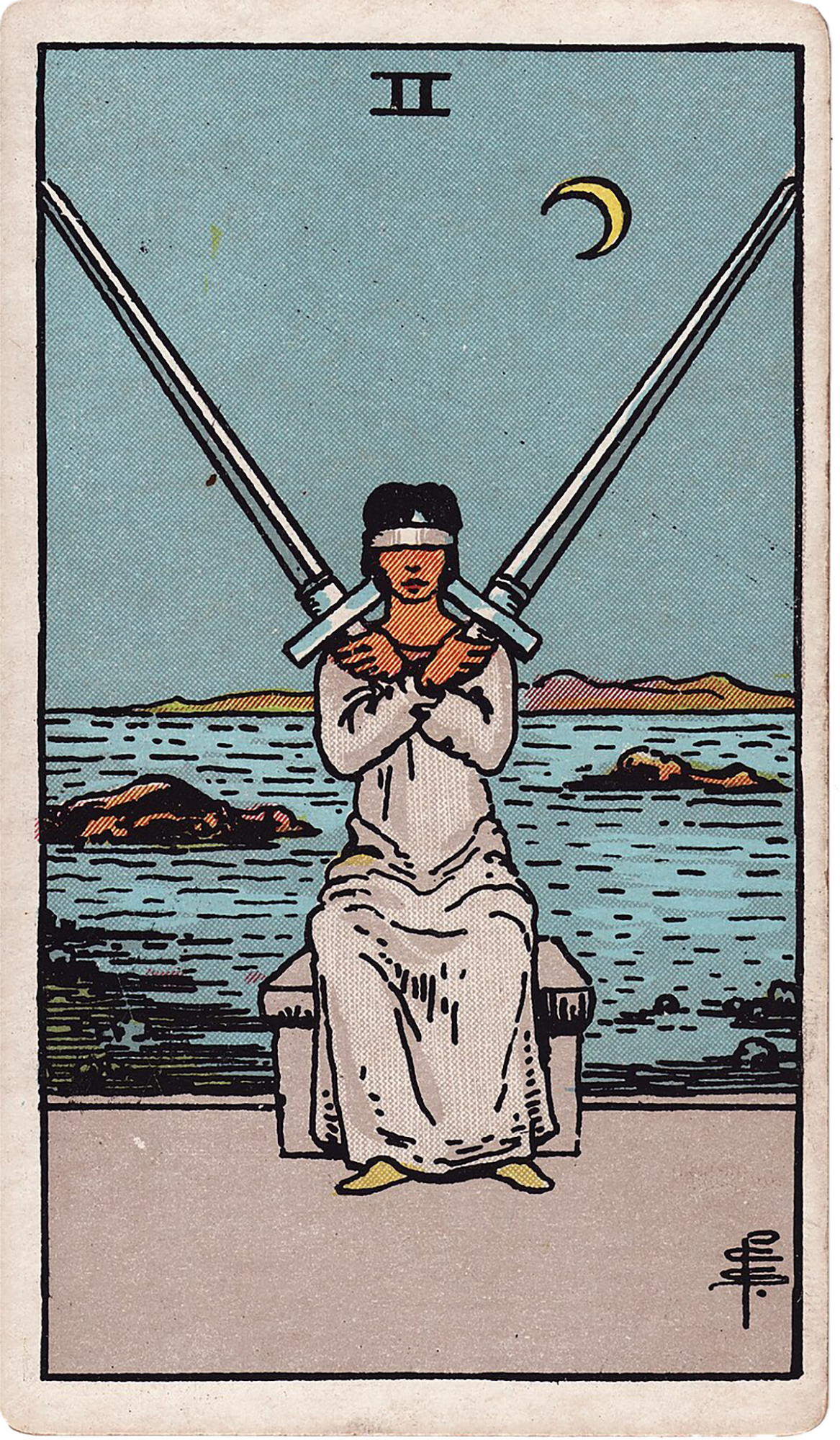 Challenge2 of Swords
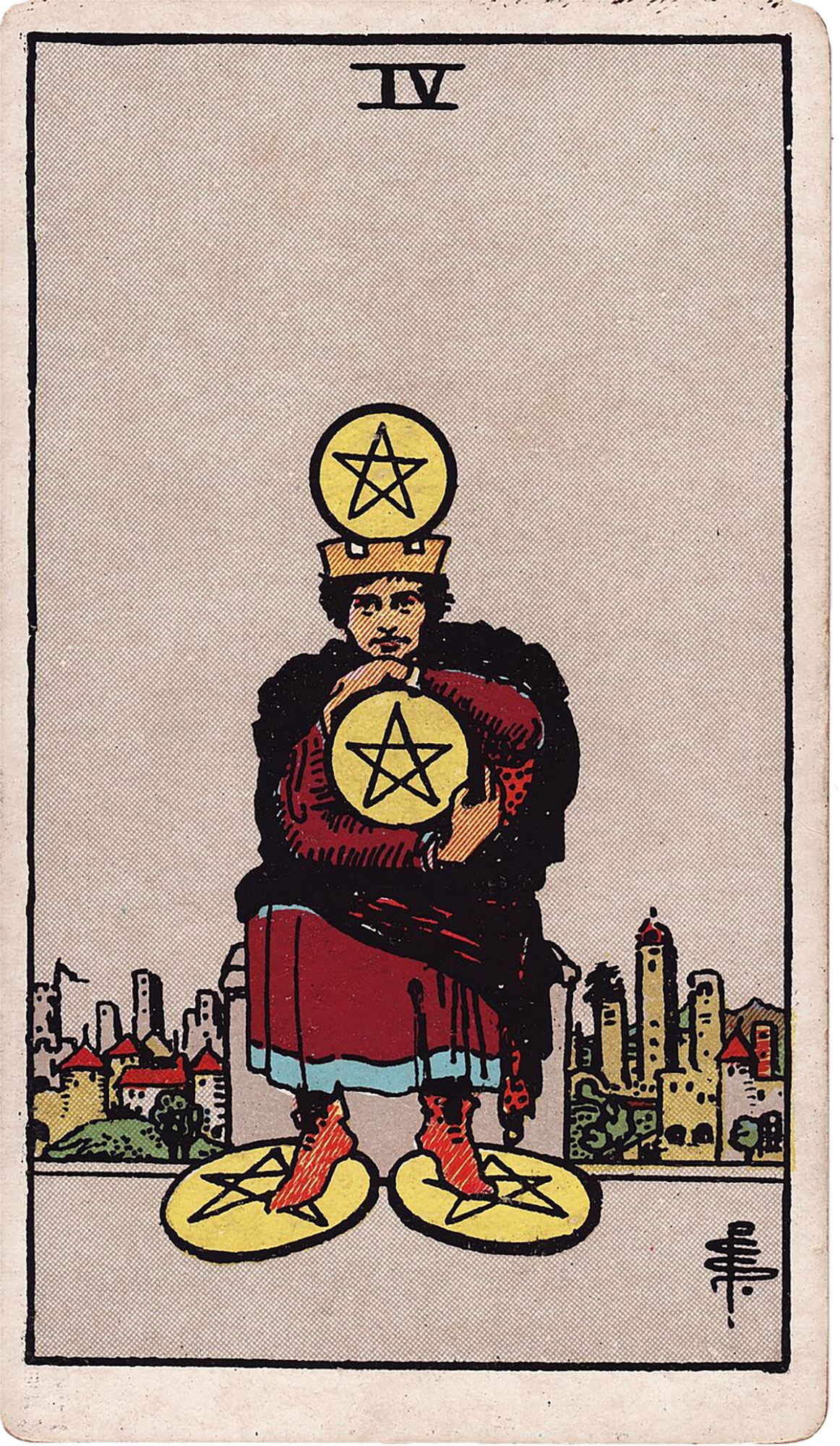 Foundation4 of Pentacles
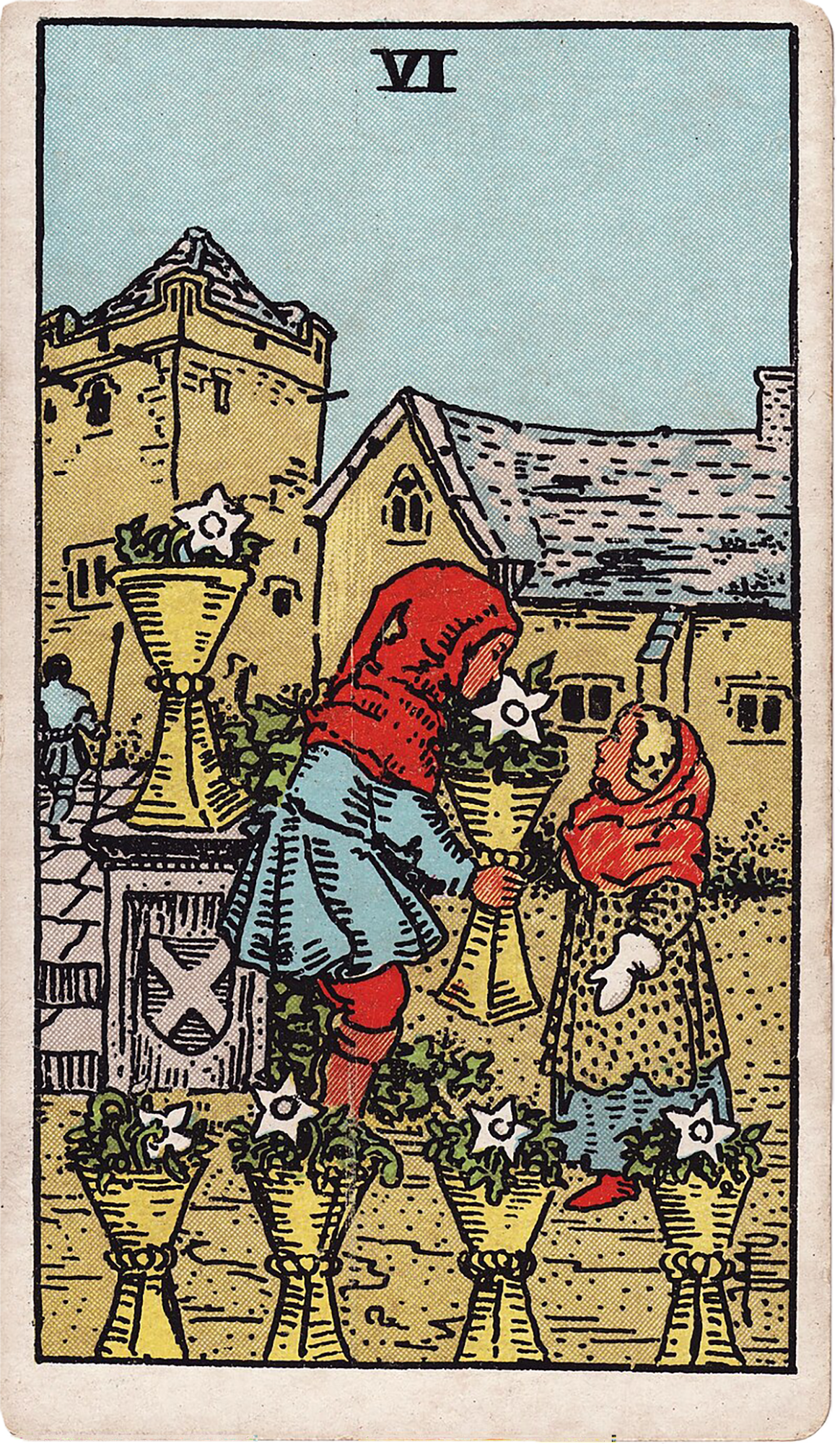 Recent Past6 of Cups
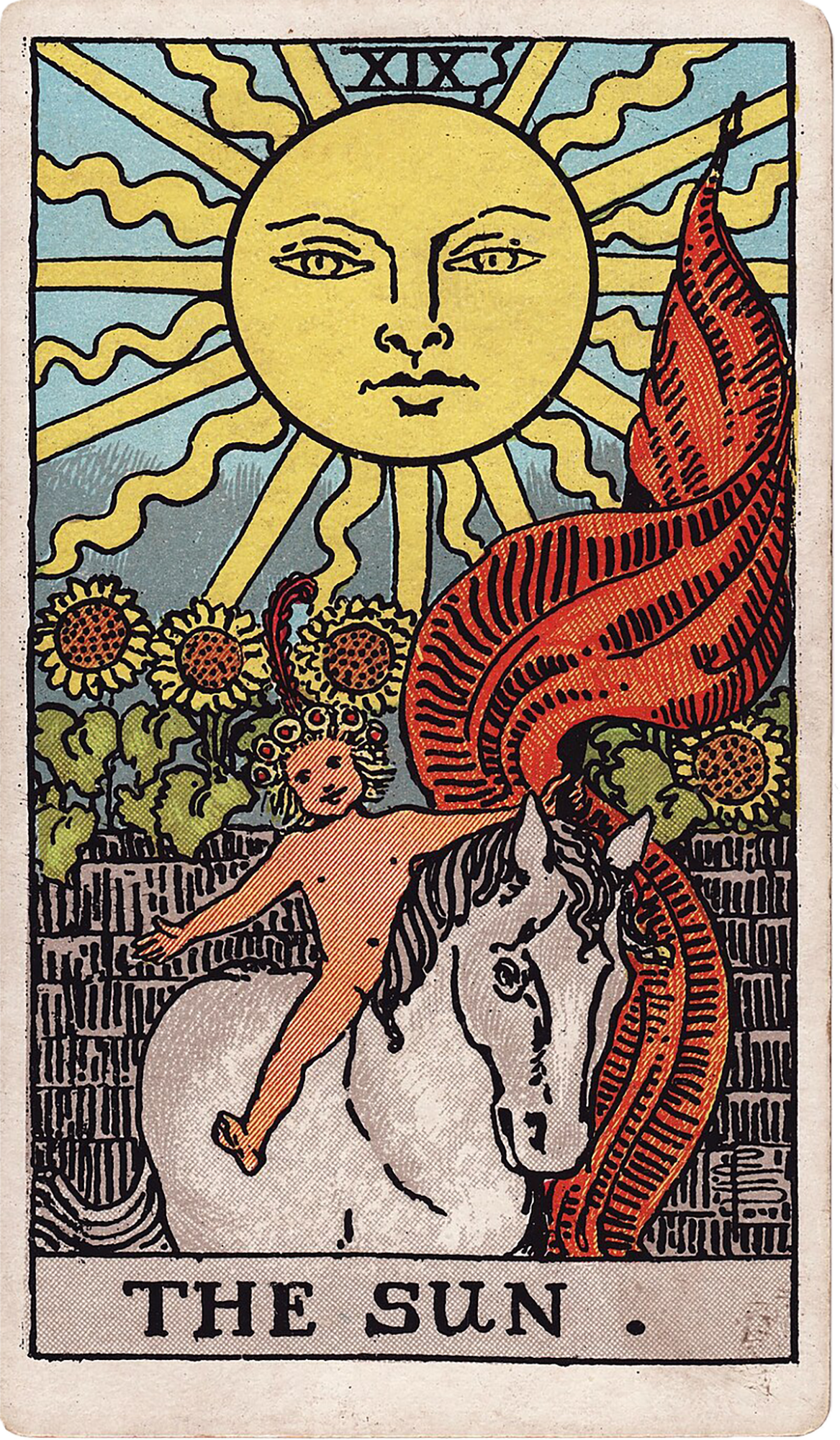 PossibilityThe Sun
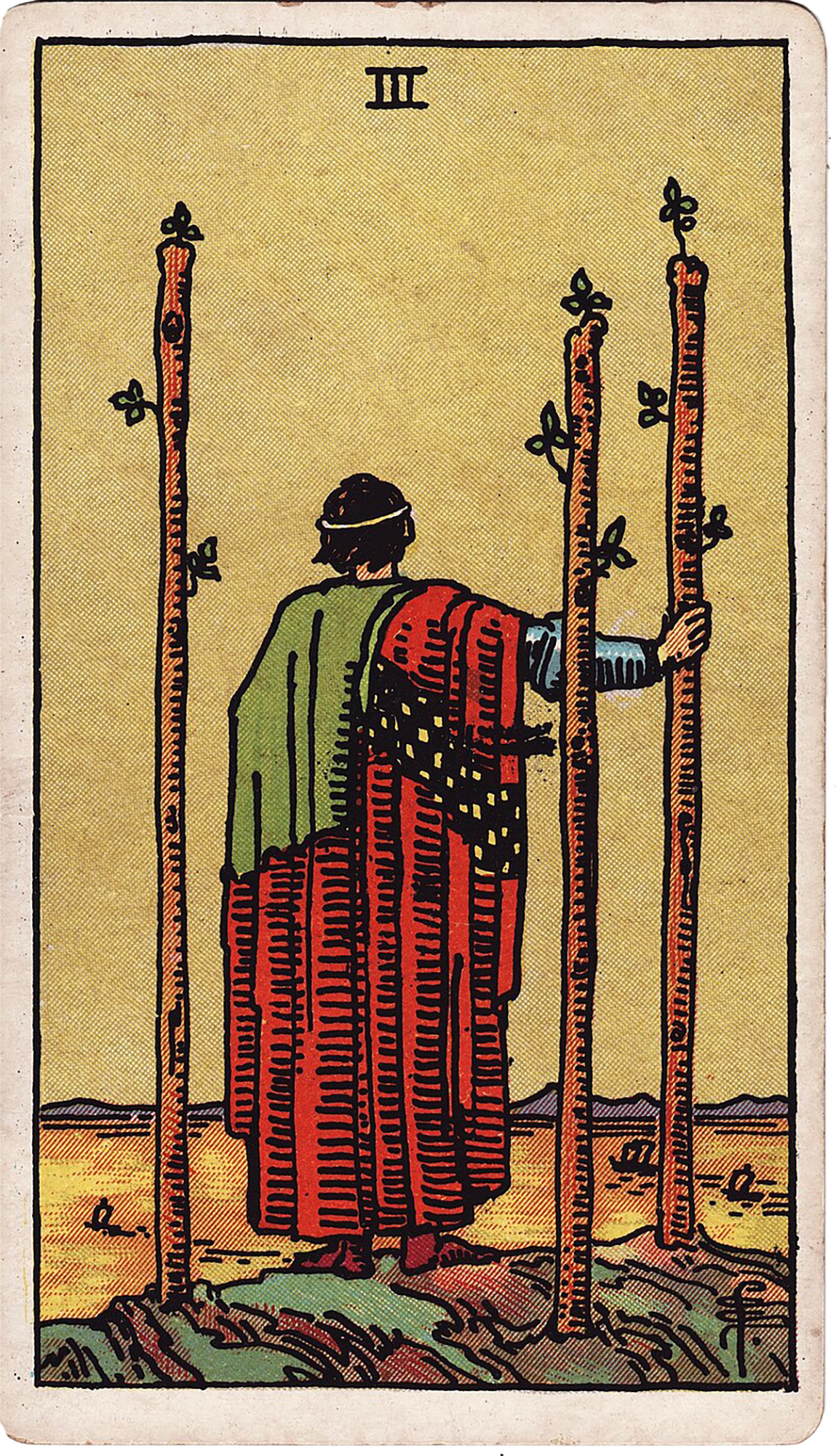 Near Future3 of Wands
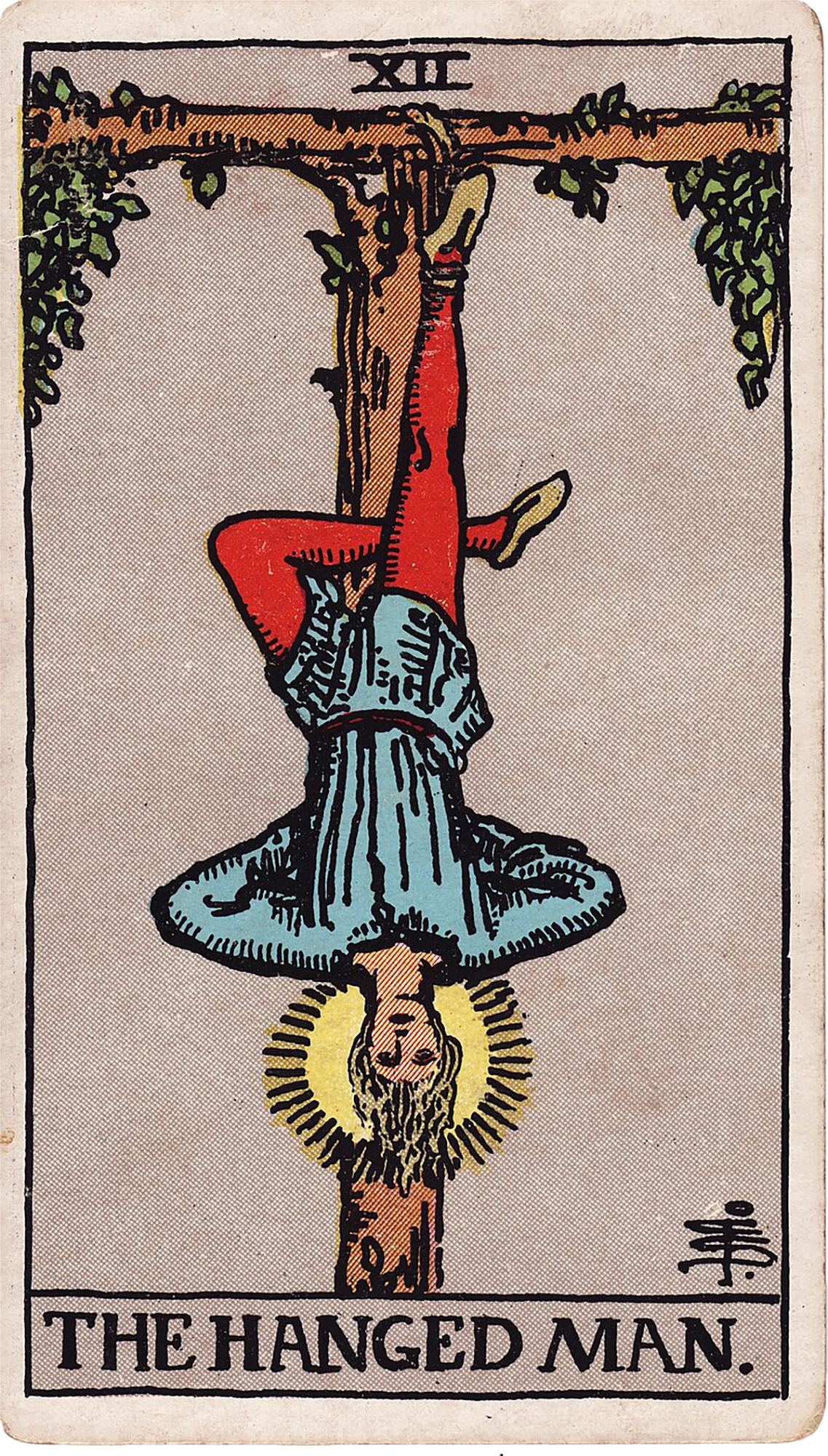 SelfThe Hanged Man
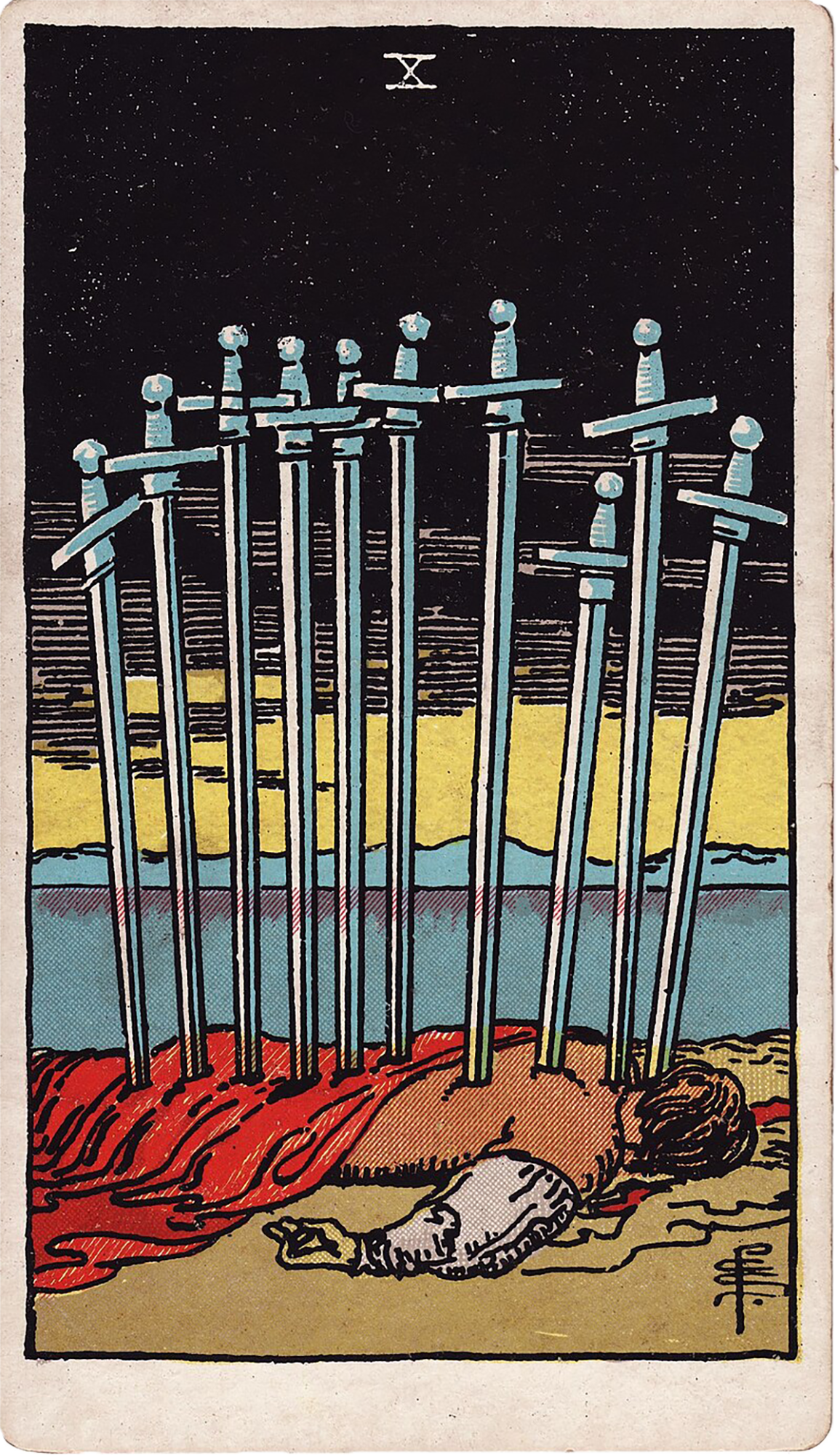 Environment10 of Swords
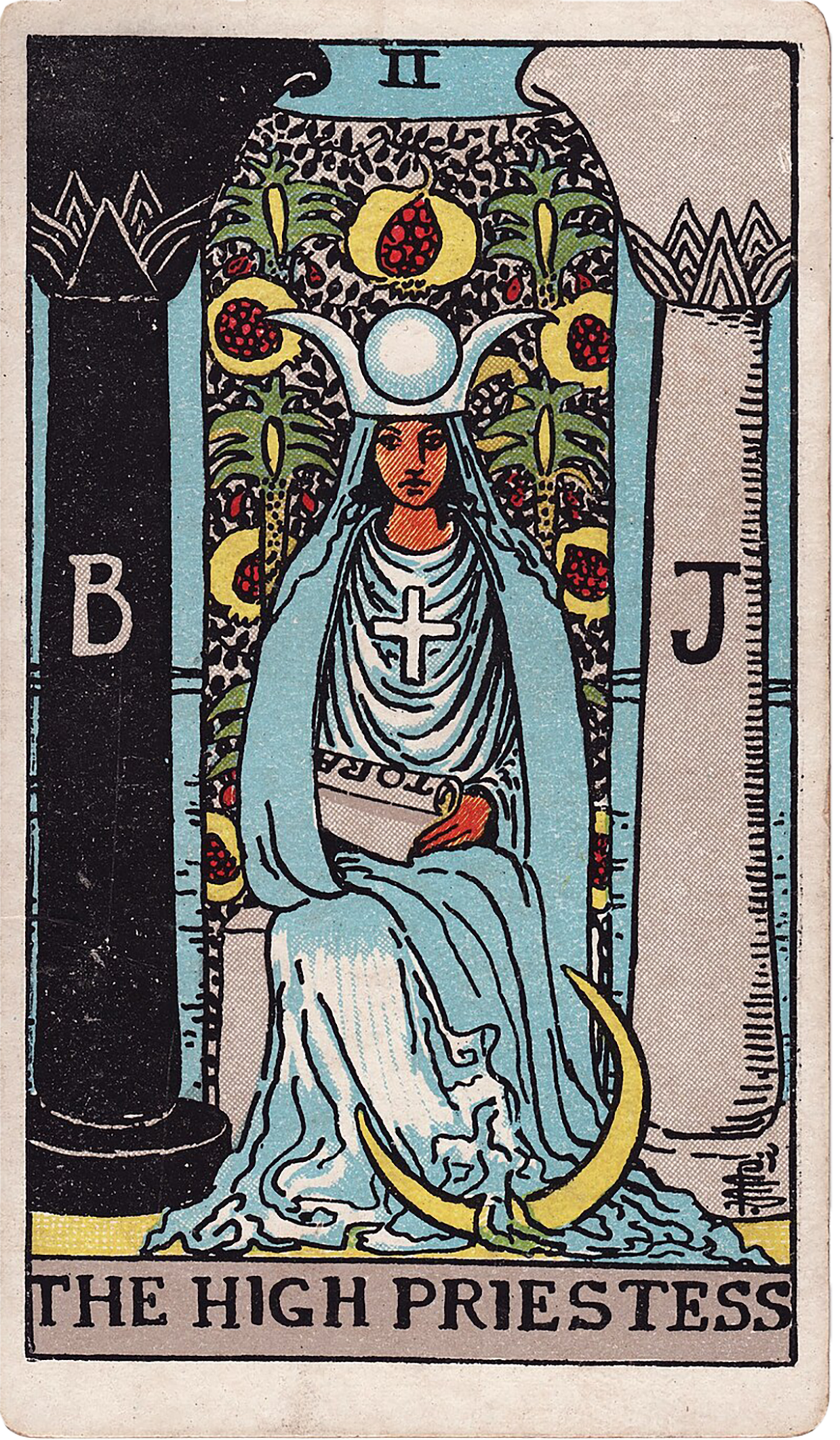 Hopes & FearsThe High Priestess
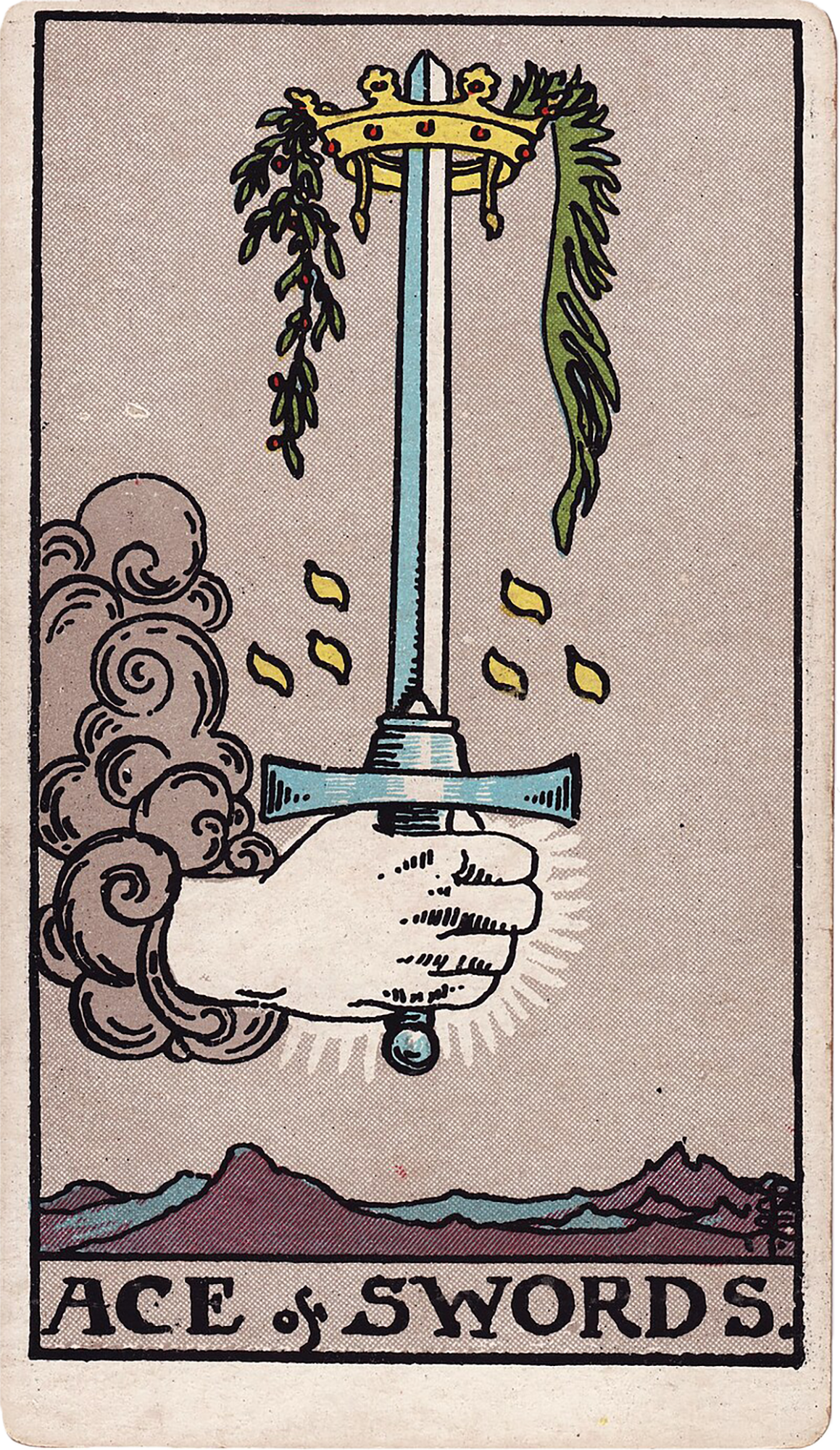 OutcomeAce of Swords
Introduction: Why reversals matter in a Celtic Cross
Reversals are a nuanced tool, not a shortcut to doom or delight. When cards appear reversed in a Celtic Cross they alter emphasis: an upright quality might be blocked, delayed, exaggerated, internalized, or beginning a correction. This spread relies heavily on sequence and relationship — the same card in one position can mean something different when reversed because of the position’s role. In this article you will learn a reproducible method to read reversals, anchored to the actual images you will display: The High Priestess, The Hanged Man, The Sun, 3 of Wands, 6 of Cups, Ace of Swords, 2 of Swords, 8 of Swords, 10 of Swords, and 4 of Pentacles. We will treat upright and reversed meanings as complementary: the reversed form asks the question 'where is this energy becoming distorted or difficult to access?' rather than 'what disaster does this mean?'.
The layout and the supplied cards: mapping positions to cards
We are using the classic Celtic Cross layout with these position labels and the supplied cards in order. Map: Present / Heart = The High Priestess; Challenge = The Hanged Man; Foundation = The Sun; Recent Past = 3 of Wands; Possibility = 6 of Cups; Near Future = Ace of Swords; Self = 2 of Swords; Environment = 8 of Swords; Hopes & Fears = 10 of Swords; Outcome = 4 of Pentacles. Keep this image map visible when you read: the High Priestess’ veiled figure (Present / Heart) will always anchor the centre of the spread image-wise, and you will interpret relationships radiating from that central visual. Because the public article will show these card images, refer constantly to their standard Rider-Waite-Smith visual cues: the High Priestess between pillars, the Hanged Man inverted with halo, the Sun child and sunflowers, the three ships in the distance for 3 of Wands, the nostalgic cups and children in 6 of Cups, the crowned Ace of Swords, the blindfolded figure of 2 of Swords, the bound but loose-tied figure in 8 of Swords, the dramatic end-scene of 10 of Swords, and the guarded figure of 4 of Pentacles. Use these visual cues when you practice.
Core reversal technique: four checks before you interpret
Whenever you encounter a reversed card in the Celtic Cross, run these four checks in order. 1) Polarity: is the reversal indicating a blockage, excess, delay, or internalization of the upright quality? Use the supplied reversed descriptions (for example, The High Priestess reversed points toward secrecy, disconnection from intuition, or passive avoidance). 2) Position function: what does this position normally ask for? 'Challenge' or 'Foundation' will shift how the reversed quality reads. 3) Neighbors: which cards touch this card visually or narratively? A reversed Ace of Swords next to The High Priestess changes the tone — the sword’s clarity may be being misused against inner knowing. 4) Timing and process: reversals can indicate private, internal development or the beginning of correction. For example, reversed 10 of Swords can point to recovery after crisis rather than ongoing disaster. Perform these checks quickly and jot brief notes before composing your full narrative.
Position by position: worked interpretations with upright and reversed possibilities
We now go through each Celtic Cross position using the card you supplied. For every position you'll get (a) a short upright interpretation anchored to the card image and text supplied, (b) the reversed angle using the supplied reversed text, and (c) card-to-card relationships that show how to let neighboring cards confirm or correct a reversal reading. Present / Heart — The High Priestess (central image: veiled woman between pillars, moon at feet, pomegranates and scroll): Upright: The High Priestess here asks the querent to listen beneath surface appearances, to trust quiet discernment, and to let information emerge. In practical family matters this can mean hidden dynamics, unspoken feelings, or an inner sense that needs space. Reversed: The High Priestess reversed indicates secrecy, disconnection from intuition, or mistaking projection for inner knowing. In the present it flags confusion about inner guidance or deliberate avoidance of clarity. Relationship notes: Watch The Hanged Man (Challenge). If The Hanged Man is upright, the challenge may be a necessary pause that will allow intuition to settle. If The Hanged Man is reversed, the combination suggests the querent is resisting the pause the High Priestess wants them to take, increasing secrecy or projection. Challenge — The Hanged Man (image: inverted figure, halo around the head): Upright: As a challenge, The Hanged Man asks for surrender and a new perspective — the querent is being asked to pause to see what the High Priestess knows. Reversed: The Hanged Man reversed points to stubborn delay, martyrdom, or refusal to learn from waiting — the challenge becomes refusing to yield. Relationship notes: With The High Priestess in Present / Heart, a reversed Hanged Man closes the route to inner understanding. If The Sun (Foundation) is upright, the reader should note that foundational clarity exists but is blocked by the querent’s refusal to pause. Foundation — The Sun (image: joyful child, bright sun, sunflowers): Upright: The Sun as a foundation says there is an underlying capacity for clarity, optimism and healthy confidence supporting the situation; a bright baseline exists even if not fully expressed. Reversed: The Sun reversed signals temporary clouding of joy, burnout beneath a cheerful surface, or difficulty allowing good results. Relationship notes: The Sun under The High Priestess suggests that clarity is available to be intuited; if The High Priestess is reversed, the reader will read that inner knowing is not connecting with the available clarity. If 3 of Wands in Recent Past shows delays or weak follow-through (reversed 3 of Wands), the Sun’s support may be undermined by poor planning. Recent Past — 3 of Wands (image: figure watching ships depart): Upright: 3 of Wands in recent past indicates initial expansion, patient preparation, and perspective — groundwork has begun to carry results outward. Reversed: 3 of Wands reversed highlights delays, unrealistic expectations or weak follow-through in the recent past. Relationship notes: In our layout, recent past behavior of expansion affects the 'Possibility' position (6 of Cups). If 3 of Wands is reversed and 6 of Cups appears upright, the narrative might be: attempts to expand faltered, and the querent has retreated to the comfort of past patterns (6 of Cups). If 3 of Wands is upright but The Sun is reversed under it, momentum existed but joy or reception of results is muted. Possibility — 6 of Cups (image: children, nostalgic giving): Upright: 6 of Cups as possibility invites re-engaging nourishing past resources: memories, family goodwill, or gestures of generosity may open opportunities. Reversed: 6 of Cups reversed warns of living in the past or repeating old dynamics; as a possibility, it can mean the temptation to resurrect a previous situation that no longer fits. Relationship notes: If 6 of Cups is reversed while 4 of Pentacles (Outcome) is upright and controlling, the spread can warn that nostalgia is fueling possessiveness — the querent’s wish to return to a past safety may lead to clinging. Near Future — Ace of Swords (image: a sword crowned, clear sky): Upright: Ace of Swords near future promises decisive insight, a conversation that cuts through confusion, or an intellectual breakthrough. Reversed: Ace of Swords reversed cautions against harshness, confusion, or truth used as a weapon. Relationship notes: If The High Priestess is present and Ace of Swords reverses, ask whether clarity will be used constructively or whether reason will be imposed on intuition. If Ace of Swords appears upright and 2 of Swords (Self) is reversed, the querent may receive clarity even if they currently avoid a decision. Self — 2 of Swords (image: blindfolded figure cross-armed with two swords): Upright: 2 of Swords upright indicates a held decision, incomplete information, or emotional unreadiness. Reversed: 2 of Swords reversed points to avoidance, denial, forced choice, or a stalemate beginning to break. Relationship notes: The Self position describes how the querent is showing up. If 2 of Swords is reversed next to a near future Ace of Swords, the reversal may indicate the querent is moving toward making a decision (stalemate breaking) but risk acting before fully integrating The High Priestess’ guidance. Environment — 8 of Swords (image: a bound figure surrounded by swords): Upright: 8 of Swords upright shows external feeling of restriction — the environment may be creating or reflecting a sense of being trapped, often more mental than absolute. Reversed: 8 of Swords reversed points to release or taking responsibility for choices; it can also warn of fear returning after an initial breakthrough. Relationship notes: If the environment (8 of Swords) is reversed while Self (2 of Swords) is upright, external constraints are loosening even if the querent feels stuck. If 10 of Swords in Hopes & Fears is upright, the environment’s release may be tempered by fear of relapse. Hopes & Fears — 10 of Swords (image: figure pierced by swords, dawn on horizon): Upright: 10 of Swords in hopes & fears can represent fear of painful endings and the hope that once an ending is accepted, recovery can begin. Reversed: 10 of Swords reversed draws attention toward survival after crisis, resisting an ending or beginning to recover. Relationship notes: This position often shows the emotional tension about endings. If 10 of Swords is reversed and Outcome (4 of Pentacles) is upright, the querent may be afraid of losing security and therefore hang on to what survived the crisis. Outcome — 4 of Pentacles (image: figure clutching coins, perched on a bench): Upright: 4 of Pentacles as outcome suggests protection of resources and a stable but possibly rigid result — security achieved at the cost of flexibility. Reversed: 4 of Pentacles reversed points to hoarding, fear of loss, or beginning to loosen control and allow resources to circulate. Relationship notes: With a High Priestess present, an upright 4 of Pentacles warns that inner knowing may be sacrificed for security; a reversed 4 of Pentacles indicates an opening where previously tight control can begin to relax, especially if 8 of Swords in Environment is reversed.
Card-to-card relationships: building a coherent narrative
Reading reversals is as much about connections as meanings. Use these practical rules to weave the spread into a single story: 1) Centre to Cross (Present / Heart and Challenge): Always read the central card with the crossing challenge card first. The High Priestess (Present) combined with The Hanged Man (Challenge) asks: is inner knowing being allowed the pause it needs? If either card is reversed, interpret that as either blocked inwardness or blocked surrender. 2) Foundation supports the middle: The Sun under the centre tells you whether clarity is available to the querent. A reversed Sun under a reversed High Priestess suggests both inner and outer clarity are clouded. 3) Past–Possibility–Future sequence: Recent Past, Possibility and Near Future form a left-to-right timeline. If 3 of Wands is reversed and Ace of Swords is upright, the narrative may be: earlier expansion stalled, but a decisive insight is about to cut through. Conversely, if Ace of Swords is reversed, the insight may be misapplied and repeat earlier missteps. 4) Emotional axis: Self, Environment and Hopes & Fears show inner stance, external pressures, and emotional tension. Cross-check all reversals across this axis to see whether they point toward internal work (reversals often indicate internalization) or external circumstances. 5) Outcome as synthesis: The 4 of Pentacles outcome must be read last: it will show how energies crystallize. An upright 4 of Pentacles after multiple reversed cards may indicate the querent closes down in response; a reversed 4 of Pentacles after releases (reversed 8 of Swords) may indicate cautious letting go. Practically: when you find a reversal, ask 'Does a neighboring upright card soften or amplify this? Is there evidence for recovery or for escalation?'
Step-by-step method a learner can reproduce
Use this six-step routine every time you read reversals in a Celtic Cross. 1) Prepare: shuffle, draw ten cards and lay the Celtic Cross. Record orientation (upright or reversed) for each card immediately. 2) Immediate snapshot: name each position and the card in one phrase, noting if reversed. Example: Present / Heart — The High Priestess (upright): inner listening. Challenge — The Hanged Man (reversed): resisting pause. 3) Run the four reversal checks (Polarity, Position, Neighbors, Timing) for every reversed card and jot a one-sentence note. 4) Centre-first: write a short paragraph linking the central pair (Present / Heart and Challenge) to the Foundation. Doing this anchors your narrative. 5) Left-to-right timeline: read Recent Past → Possibility → Near Future; then Self → Environment → Hopes & Fears, noting how reversals change action or feeling. 6) Outcome and synthesis: re-evaluate the whole spread in light of the outcome card and ask: 'What is the healthiest practical action this reading suggests?' For family or household readings focus on concrete steps (communication, boundaries, small experiments) rather than predictions. Repeat this routine with a timer when practicing: 10 minutes per spread at first, reducing as you become fluent.
Common mistakes and how to avoid them
1) Treating every reversal as purely negative: reversed cards often signal internal processing, a delayed expression, or an exaggeration of the upright. Use the supplied reversed texts which emphasize nuance. 2) Flipping meanings like a binary: don't make a reversed card the exact opposite. For example, The High Priestess reversed is not 'no intuition' but 'secrecy, projection, or blocked discernment.' 3) Ignoring neighboring cards: the Ace of Swords reversed looks different next to The High Priestess than it does next to 3 of Wands. 4) Overloading with story: keep practical readings concise — name the problem, the block, and one small next step. 5) For family readings, avoid moralizing: reversals often show where patterns repeat; offer actions that shift patterns (small experiments, temporary boundaries, explicit conversations).
Practice exercises and quick drills
Do these drills using the same card set or your own deck to build skill. Drill 1 — Orientation check: lay ten-card Celtic Cross; quickly declare orientation and one-word meaning for each card (1 minute). Drill 2 — Neighbour confirmation: pick any reversed card and list three neighboring cards that either confirm or correct the reversal; explain on paper why each does so. Drill 3 — Outcome reframes: if Outcome (4 of Pentacles) is upright, write three practical actions that avoid rigidity; if Outcome is reversed, write three steps to protect resources while allowing circulation. Drill 4 — Role-play reading: practice delivering a short reading focused on family decisions, using no judgmental language and ending with a practical next step. Time each exercise and track improvements.
Final synthesis: building compassionate, practical readings
Reversals enrich the Celtic Cross by adding texture: they point to where energy is blocked, internalized, delayed, exaggerated, or beginning to correct. Using the supplied cards as an example, the spread suggests an inner capacity to know (The High Priestess) that may be blocked if the querent refuses necessary pause (The Hanged Man reversed), even though underlying clarity exists (The Sun as Foundation). The recent past shows efforts to expand (3 of Wands) which may have stalled; the possibility of returning to comfortable patterns (6 of Cups) exists, and a decisive conversation (Ace of Swords) is near if the querent moves beyond decision avoidance (2 of Swords). The external world shows constraints that can be loosened (8 of Swords reversed possibility) while fears about endings and recovery (10 of Swords) shape hopes. The likely outcome is a protective stance around resources (4 of Pentacles) unless the querent uses the insight and release indicated by nearby reversals. In practice for family readings, translate these patterns into a doable step: a single honest conversation, a short pause for reflection, or a small experiment to test a new boundary. That is how reversals become tools for change rather than prescriptive verdicts.
Practice questions
• Which reversed card in this spread most challenges the High Priestess’ call to listen, and how might that blockage show up in everyday family behavior?
• If the Hanged Man is reversed as the Challenge, what small deliberate pause could you recommend to create space for The High Priestess’ information to surface?
• How does the Foundation (The Sun) support or contradict the querent’s current inner state? Is clarity present but unused?
• When 3 of Wands in Recent Past shows delay, what practical step would help move an unfinished plan forward without rushing?
• If Ace of Swords appears reversed in the Near Future, how can the querent invite clearer conversation without weaponizing truth?
• Given the Outcome of 4 of Pentacles, what is one action that secures resources while avoiding rigidity?
Comments
Sign in to comment.
Continue learning
Interpreting the Dance of Justice and The Devil: Balancing Morality and Temptation in Tarot Readings
The combination of Justice and The Devil in tarot presents a profound exploration of morality, temptation, and personal accountability. This article unpacks how these cards influen...
Understanding The World Card in Personal Completion and New Cycles
The World card in tarot signifies completion, integration of lessons learned, and the threshold of new cycles. This article explores its nuanced meanings in upright and reversed po...
Mastering Tarot Timing Techniques for Accurate Readings
Timing in tarot readings can transform vague predictions into clear guidance about when events might unfold. This article explores practical timing techniques for beginners and adv...
Unlocking the Power Balance of The Emperor The Hierophant and Justice in Tarot Combinations
This article offers a deep exploration of the combined meanings of The Emperor, The Hierophant, and Justice cards within tarot spreads, focusing on how their energies interact to p...
Unlocking Leadership Qualities Through the Knight Queen and King of Wands
The Knight, Queen, and King of Wands embody evolving leadership qualities within the family suit of Wands. This article unpacks their traditional symbolism and the lessons each cou...
Mastering the Art of Combining The Magician The Empress and Ace of Pentacles for Manifestation and Abundance
This article offers a comprehensive exploration of how to skillfully combine The Magician, The Empress, and Ace of Pentacles tarot cards to enhance manifestation and attract abunda...
Mastering Intuitive Tarot Reading with The High Priestess The Hermit and The Moon for Deeper Insights
This article guides Tarot readers through mastering intuitive reading skills using three powerful cards: The High Priestess, The Hermit, and The Moon. It covers both beginner and a...
Unlocking Leadership and Responsibility Lessons Through the Court Cards of Swords
This article delves into the Court Cards of Swords—the Page, Knight, Queen, and King—to uncover the nuanced lessons they provide about leadership and responsibility. Rooted in the...
Exploring the Symbolic Language and Elemental Correspondences of the Court Cards of Cups for Emotional and Intuitive Insight
This in-depth article examines the Court Cards of Cups within the Rider-Waite-Smith tradition and the VoxFati Tarot Library context. It explores their rich symbolism and elemental...
Interpreting the Page of Swords for Career Love and Personal Growth
This article teaches how to read the supplied Page of Swords single-card draw across multiple life contexts. Using the card's Rider-Waite-Smith imagery and the provided upright and...