
Three Stage Calibration Method for Consistent Tarot Accuracy
This article presents a structured Three Stage Calibration Method that uses the imagery and traditional meanings of The Magician, The High Priestess, and The Hermit to help readers train for consistent tarot accuracy. It explains each stage, gives practical protocols, examples, common mistakes, troubleshooting, and exercises for both beginners and advanced students. Emphasis is on method, evidence, and repeatable feedback rather than prediction certainty.
Cards explored in this article
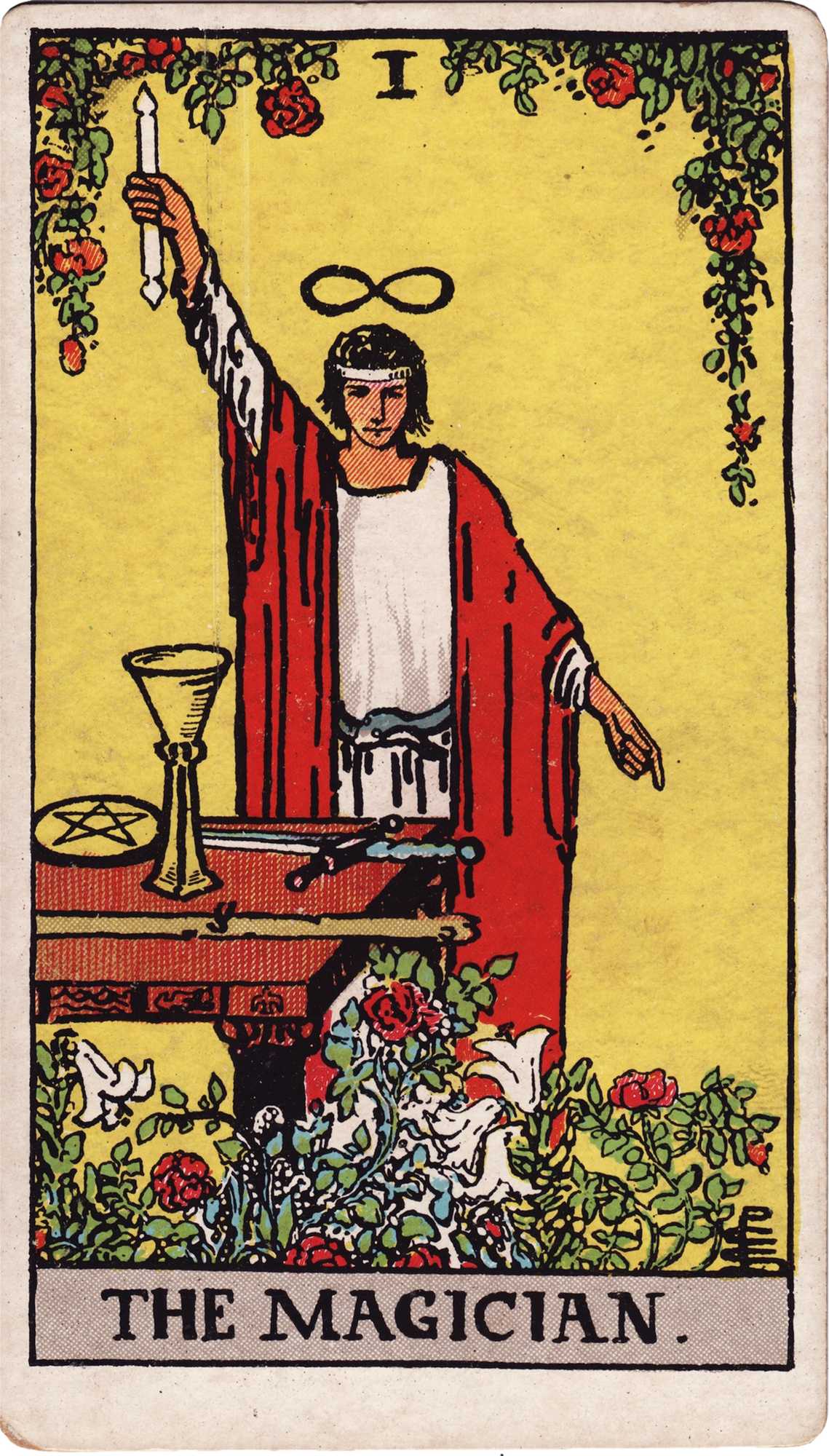 The Magician
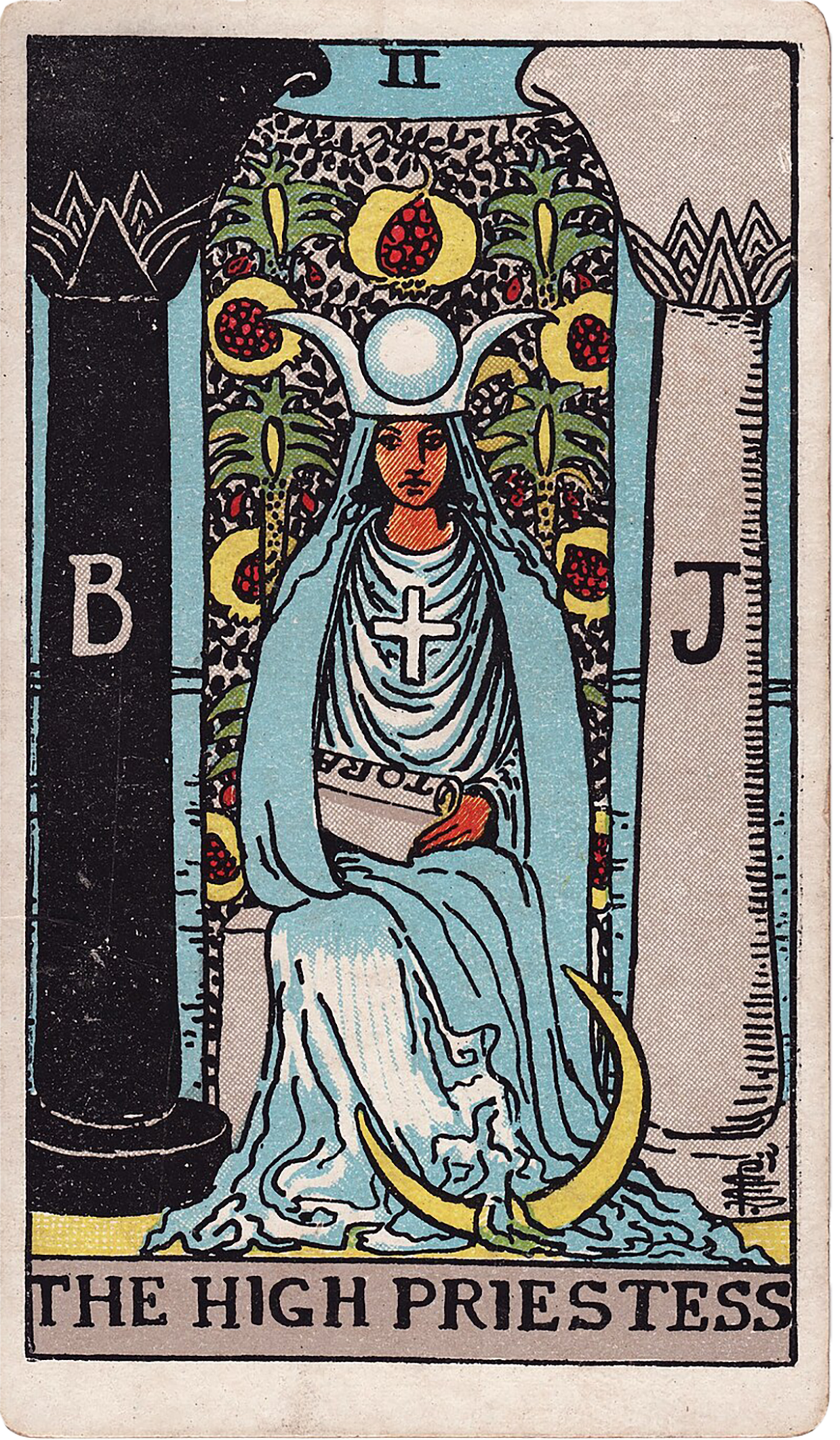 The High Priestess
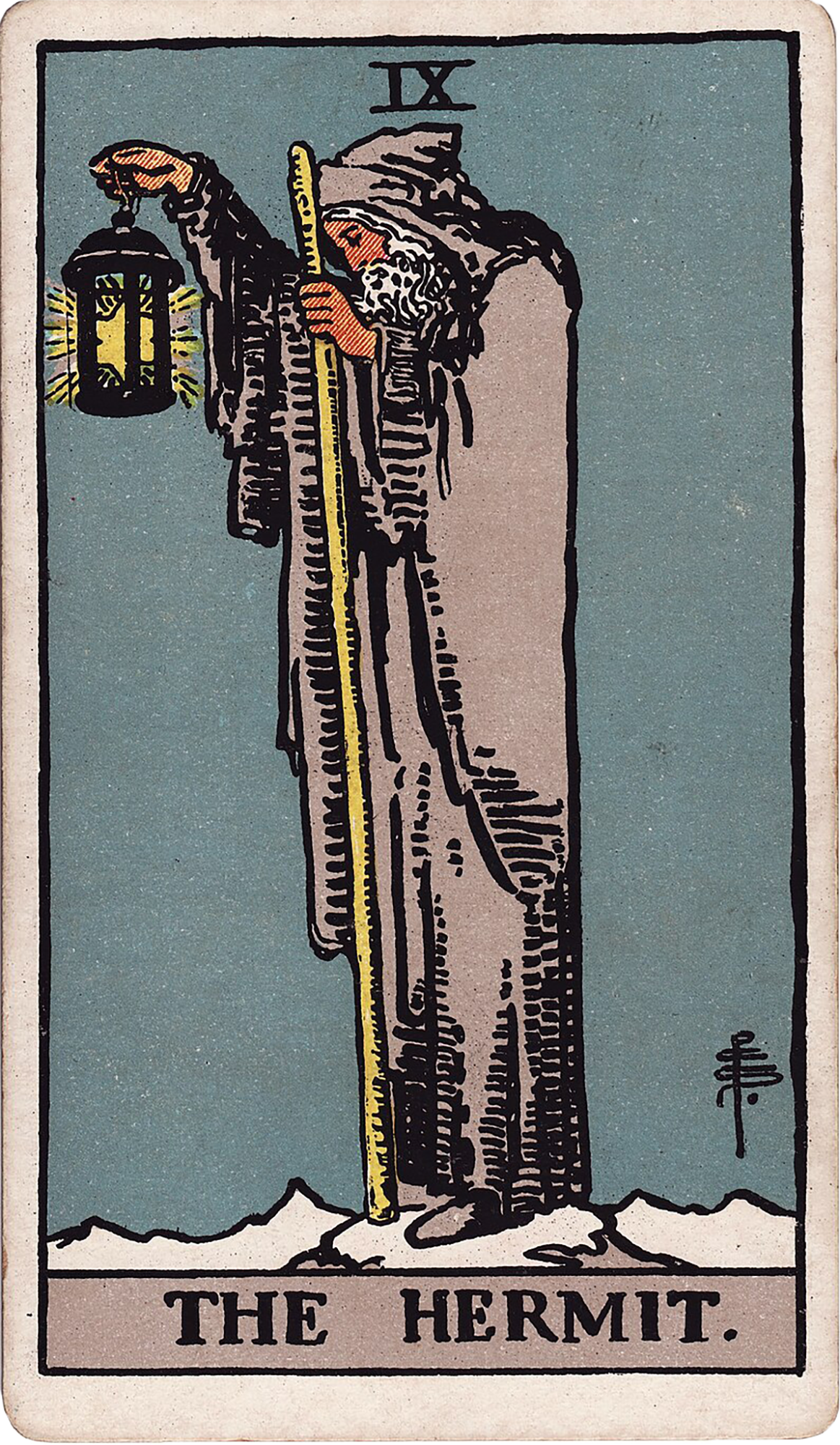 The Hermit
Why Calibration Matters
Tarot accuracy is not a mystical switch you flip. It is a skill set you develop through disciplined observation, controlled experiments, honest feedback, and clear technique. The Three Stage Calibration Method makes that process explicit. Instead of treating a reading as a single dramatic moment, this method breaks the work into three repeatable stages: surface orientation and deliberate setup, receptive listening to emergent signals, and reflective synthesis and correction. Anchoring the method to the familiar Rider-Waite-Smith imagery of The Magician, The High Priestess, and The Hermit gives learners visual and symbolic touchstones that connect practical steps to archetypal meaning.
Overview of the Three Stage Calibration Method
The method maps each stage to a card and a functional task. Stage 1 The Magician: Skillful Setup and Intentional Framing. Use deliberate choices, clear questions, and simple controls to make what you are measuring stable. The Magician reminds us to use available tools with clarity and responsibility. Stage 2 The High Priestess: Quiet Attention and Signal Discovery. Practice listening, bearing witness to what emerges without forcing narrative. The High Priestess teaches the discipline of letting information surface and distinguishing intuition from projection. Stage 3 The Hermit: Reflective Integration and Adjustment. Step back, compare predictions against outcomes, and refine your methods. The Hermit encourages solitary review, slow thought, and earned insight. Viewed together these stages build a closed-loop calibration cycle: set, sense, check. Repeat the cycle while collecting evidence and adjusting hypotheses about how your symbolism, phrasing, and personal instincts perform.
Stage 1 The Magician: Skillful Setup and Surface Calibration
The Magician is the archetype of resourcefulness and deliberate action. In Rider-Waite-Smith imagery he stands before a table with the four suits represented: a wand, cup, sword, and pentacle. Above his head is the infinity symbol, and his posture points between heaven and earth. This scene is a checklist for setup. Practical tasks mapped to The Magician 1. Clarify your question. Avoid vague prompts. Translate client concerns into a concise, measurable question. For example, rather than asking Should I move? use Will relocating to City X materially improve my day-to-day access to my job by Q4. A calibrated question narrows the domain you will test against. 2. Define boundaries and time frames. The Magician asks you to make a first move proportionate to evidence. Agree on a time horizon for verification: weeks, months, or a defined milestone. 3. Choose tools and constraints. Use a standard spread, card positions, and a documented shuffle method. The Magician's table is a reminder to work with a consistent setup so your results are comparable. 4. Record initial assumptions. Write down what each symbol means for this reading. If the wand represents active projects and the cup stands for emotional support, state that. Be explicit. Calibration checks at this stage - Control for client cues. Limit leading language and provide neutral framing. - Note before you look. Capture first impressions in one to two sentences and timestamp them. Common beginner mistakes - Starting with a sweeping narrative before defining the question. - Changing spread or method mid-reading without noting it. The Magician stage is about creating a stable experimental baseline.
Stage 2 The High Priestess: Intuitive Listening and Signal Discovery
The High Priestess sits between pillars, partly cloaked by the veil of pomegranates and the moon at her feet. Her domain is the unconscious, the threshold where hidden information emerges. She teaches restraint: wait for the right signal rather than manufacturing one. Practical tasks mapped to The High Priestess 1. Slow the tempo. After shuffling and laying the cards, take a deliberate pause. Notice breath, sensations, images, or words that appear without forcing them. Write those first impressions down as raw data. 2. Separate signal from story. The High Priestess shows that quiet observation can reveal concrete details. A signal might be a sensory detail, a single striking symbol, an emotional resonance, or a verb that repeats. It is not yet a full narrative. 3. Use targeted prompts to test emergent signals. If a card evokes the word boundary, ask one narrow followup question that checks that theme rather than creating an elaborate plot. 4. Honor silence and absence. If the reading produces blankness, the High Priestess may be telling you the information is private, not yet available, or requires a different timing. A blank or spare reading is data, not failure. Calibration checks at this stage - Time how long you spend interpreting a single card and set limits for early practice. This prevents overfitting details. - Note bodily reactions distinct from narrative imagination. Common beginner mistakes - Immediate storybuilding: filling gaps with assumptions instead of noting a signal and testing it. - Confusing anxiety, desire, or projection for inner knowing. The reversed High Priestess warns against mistaking projection for insight. When in doubt, treat strong personal wishes as hypotheses to be tested rather than facts.
Stage 3 The Hermit: Reflective Integration and Adjustment
The Hermit stands alone on a mountain holding a lantern. His posture is inward and deliberate. This stage is about measuring, integrating, and changing your approach based on outcomes. Practical tasks mapped to The Hermit 1. Create a review log. After the reading, write a short synthesis tied to verifiable statements, not metaphors. For example: The Magician in position one recommended a first deliberate outreach. Within three weeks client made that outreach and received a positive reply. Record dates and evidence. 2. Compare predictions against outcomes. The Hermit stage is where you run reality checks. If a reading included the High Priestess suggesting secrecy and three months later the situation revealed a withheld email, that confirms an element of pattern. Note partial hits as well. 3. Adjust your priors. Use small Bayesian updates. If you repeatedly find that certain imagery in your deck corresponds to specific kinds of practical details, increase your confidence incrementally rather than declaring absolute rules. 4. Repair methodology. If you detect persistent biases, such as optimistic reinterpretation of ambiguous cards, implement countermeasures: blind readings, swapping decks, or using a neutral observer. Calibration checks at this stage - Maintain a simple scoring metric for hits, partials, and misses. Over time you will see patterns you can adjust to. - Schedule regular Hermit reviews where you look across multiple readings and ask whether your interpretive rules are producing consistent outcomes. Common beginner mistakes - Treating every partial match as a success. The Hermit helps you be honest about near misses and false positives. - Avoiding solitude. Honest review requires the willingness to sit with uncertainty and to change established habits.
Practical Reading Protocol Using All Three Cards
Below is a reproducible protocol you can practice. It maps directly to The Magician, The High Priestess, and The Hermit steps. 1. Setup and Intention (Magician) 5 10 minutes - Agree on a tight question and a verification horizon. Write it down. - Set your shuffle, spread choice, and card orientation rules. If you will use reversals, state that. - Note first impressions in one sentence and timestamp. 2. Lay and Listen (High Priestess) 10 20 minutes - Lay the spread and take a few breaths. Observe the imagery: colors, numbers, objects, gestures, moon phases, pillars, the infinity sign, the lantern. Note up to five raw signals: single words, images, or bodily sensations. - Ask one targeted clarifying question. Record the raw answer and a one sentence translation into concrete terms. 3. Synthesize and Predict (Magician Meets High Priestess) 5 10 minutes - Formulate two testable predictions or actionable statements. Keep them narrow and dated. 4. Review Plan (Hermit) ongoing - Decide how you will collect evidence and when you will review. Enter predictions into a review log with checkboxes for Hit Partial Miss. - Set an automatic reminder for the agreed horizon. 5. Post Outcome Review (Hermit) 10 30 minutes when due - Compare predictions to outcomes, noting context. Score each prediction and write a short reflection on whether your interpretation rules need adjustment.
Examples and Walkthroughs Anchored to Imagery
Example 1 Surface Action Then Hidden Motive Then Solitude Spread: Three positions labelled Action, Hidden Factor, Outcome. Cards drawn: The Magician upright in Action, The High Priestess reversed in Hidden Factor, The Hermit upright in Outcome. Interpretation walkthrough - The Magician upright in Action: The imagery suggests using available skills and making a clear first move. A practical Magician instruction: make a concrete outreach or set a boundary. - The High Priestess reversed in Hidden Factor: The reversal warns of secrecy, disconnection from intuition, or projection. Concretely, this could mean someone is withholding information or the querent is misreading inner signals. - The Hermit upright in Outcome: The final position recommends stepping back to reflect and verify. Actionable, calibrated advice - Prediction 1 Make one clear outreach within two weeks asking for a specific detail. Record the response and date. - Prediction 2 If the response is vague or evasive, expect further private information to be withheld and therefore schedule a followup only after three weeks of observation. Why this is calibrated - Each instruction ties to an observable event: outreach made, type of response, timing. The cards direct specific behaviors and a review plan. Example 2 Inner Knowing Versus Projection Spread: Single question on timing. Cards drawn: The High Priestess upright, The Magician reversed, The Hermit reversed. Interpretation walkthrough - The High Priestess upright suggests that timing information may come from patient listening and waiting for inner signals. - The Magician reversed warns against acting from scattered or manipulative energy; avoid rash or performative moves. - The Hermit reversed cautions against excessive withdrawal and suggests you might hide from necessary feedback. Calibrated plan - Prediction: Wait 30 days for more information to arrive naturally, avoid initiating influential acts in the first two weeks, but maintain passive checks like email tracking. Review whether new data arrives within the 30 day window. If nothing appears, treat this as a miss and reframe the question.
Common Mistakes and Troubleshooting
1. Overfitting and story inflation Problem: You find many loose correspondences and then create a long narrative that seems to match retrospectively. Fix: Use the Magician stage to specify outcomes in advance and the Hermit to record hits. Demand at least one specific, falsifiable event per reading. 2. Projection and wishful thinking Problem: You mistake desire for insight, especially with the High Priestess present. Fix: When a reading reflects a hoped for outcome, treat it as a hypothesis and reduce confidence until verified. Use an external checkpoint if possible. 3. Ignoring reversals Problem: You treat reversed cards as simply negative or assume they are mistakes. Fix: Use the supplied reversal notes. Reversals often indicate blockages, internalized patterns, private dynamics, or corrections in progress. Document whether reversals coincide with private or delayed evidence. 4. Inconsistent methodology Problem: You switch decks, spreads, or question phrasing and then try to compare outcomes. Fix: Keep the Magician stage disciplined. Create a short protocol sheet and stick with it for a block of practice readings before changing variables. 5. Not measuring Problem: You rely on vague impressions to say whether a reading was accurate. Fix: Use the Hermit stage to create a simple scoring rubric. Track hits, partials, and misses numerically. Even a small dataset reveals patterns over time.
Practice Exercises for Beginners and Advanced Students
Beginner exercises 1. The Three Day Magician Test - For three consecutive days perform one short reading using the three stage protocol. Keep questions tight and verify one small action each day. Review on day four to see how many predictions matched. 2. High Priestess Silence Drill - Lay three single card pulls without asking a question. Spend three minutes noting impressions. Record whether any impressions later matched events in the next week. Advanced exercises 1. Blind Validation Series - Have a friend write short factual scenarios and seal them. Read for each sealed scenario and write two verifiable predictions. Compare after the agreed period. Keep scoring and calculate a hit rate. 2. Symbol Weighting and Bayesian Update - Create a small rulebook assigning tentative weights to visual cues in The Magician, The High Priestess, and The Hermit. After 30 readings, update the weights based on evidence using an ordinal scale. This turns subjective impressions into testable priors.
Measuring Progress and Building Long Term Accuracy
Keep it simple and consistent. A practice log should include: date, question, spread, card orientations, first impressions, two testable predictions, outcome, and a score. Review every 10 20 readings and ask these Hermit questions: Which imagery consistently correlates with real events? Where am I overconfident? What types of questions produce the clearest signals? Use periodic methodology audits where you change one variable and measure the effect. Over months you will build a personal database of what your deck and intuition reliably indicate.
Ethical and Interpretive Notes
Calibration is not about absolute proof of metaphysical claims. It is about developing reliable practices for using symbolic language responsibly. Always make clear to querants that your method increases practical consistency but is not a guarantee. When a reading points to vulnerable themes underline that practical advice and willingness to seek professional help are often more useful than prophecy. The Magician asks for integrity, the High Priestess for respect of privacy, and the Hermit for humility. Let those ethics shape your practice.
Conclusion
The Three Stage Calibration Method gives a concrete loop for improving tarot accuracy. Use The Magician to design clear experiments, The High Priestess to distinguish signal from story, and The Hermit to measure and update. Over time a disciplined calibration practice will not eliminate ambiguity; it will, however, produce a steady and defensible improvement in how often your readings match observable outcomes. Keep records, test your assumptions, and allow the cards and solitary review to teach you with patience.
Practice questions
• What single measurable prediction can you make this week based on a reading?
• How would you rephrase your most common client question to make it testable?
• When you feel a strong intuitive hit, what evidence would convince you it was valid or invalid?
• Which elements of The Magician imagery do you most rely on and how could you test that reliance?
• How do you distinguish between anxious thought and High Priestess style intuition in practice?
• What is one small methodological change you can make now to reduce confirmation bias?
• After five readings, what pattern do you notice in your hit, partial, and miss rates?
Comments
Sign in to comment.
Continue learning
Interpreting the Dance of Justice and The Devil: Balancing Morality and Temptation in Tarot Readings
The combination of Justice and The Devil in tarot presents a profound exploration of morality, temptation, and personal accountability. This article unpacks how these cards influen...
Understanding The World Card in Personal Completion and New Cycles
The World card in tarot signifies completion, integration of lessons learned, and the threshold of new cycles. This article explores its nuanced meanings in upright and reversed po...
Mastering Tarot Timing Techniques for Accurate Readings
Timing in tarot readings can transform vague predictions into clear guidance about when events might unfold. This article explores practical timing techniques for beginners and adv...
Unlocking the Power Balance of The Emperor The Hierophant and Justice in Tarot Combinations
This article offers a deep exploration of the combined meanings of The Emperor, The Hierophant, and Justice cards within tarot spreads, focusing on how their energies interact to p...
Unlocking Leadership Qualities Through the Knight Queen and King of Wands
The Knight, Queen, and King of Wands embody evolving leadership qualities within the family suit of Wands. This article unpacks their traditional symbolism and the lessons each cou...
Mastering the Art of Combining The Magician The Empress and Ace of Pentacles for Manifestation and Abundance
This article offers a comprehensive exploration of how to skillfully combine The Magician, The Empress, and Ace of Pentacles tarot cards to enhance manifestation and attract abunda...
Mastering Intuitive Tarot Reading with The High Priestess The Hermit and The Moon for Deeper Insights
This article guides Tarot readers through mastering intuitive reading skills using three powerful cards: The High Priestess, The Hermit, and The Moon. It covers both beginner and a...
Unlocking Leadership and Responsibility Lessons Through the Court Cards of Swords
This article delves into the Court Cards of Swords—the Page, Knight, Queen, and King—to uncover the nuanced lessons they provide about leadership and responsibility. Rooted in the...
Exploring the Symbolic Language and Elemental Correspondences of the Court Cards of Cups for Emotional and Intuitive Insight
This in-depth article examines the Court Cards of Cups within the Rider-Waite-Smith tradition and the VoxFati Tarot Library context. It explores their rich symbolism and elemental...
Interpreting the Page of Swords for Career Love and Personal Growth
This article teaches how to read the supplied Page of Swords single-card draw across multiple life contexts. Using the card's Rider-Waite-Smith imagery and the provided upright and...