
Trees and Plants in Tarot Imagery for Timing Growth and Inner Work
This article teaches how to read plant and tree imagery in three supplied cards—The Empress, The Hanged Man, and the 9 of Pentacles—to time stages of growth and inner work. It combines Rider-Waite-Smith visual detail, the supplied upright and reversed meanings, seasonal and horticultural metaphors, practical spreads, step-by-step technique, common mistakes, and practice exercises. Rather than predicting fixed dates, the approach gives a flexible, image-driven framework you can apply in readings to recognize when to sow, when to pause and tend roots, and when a harvest or stable result is approachable.
Cards explored in this article
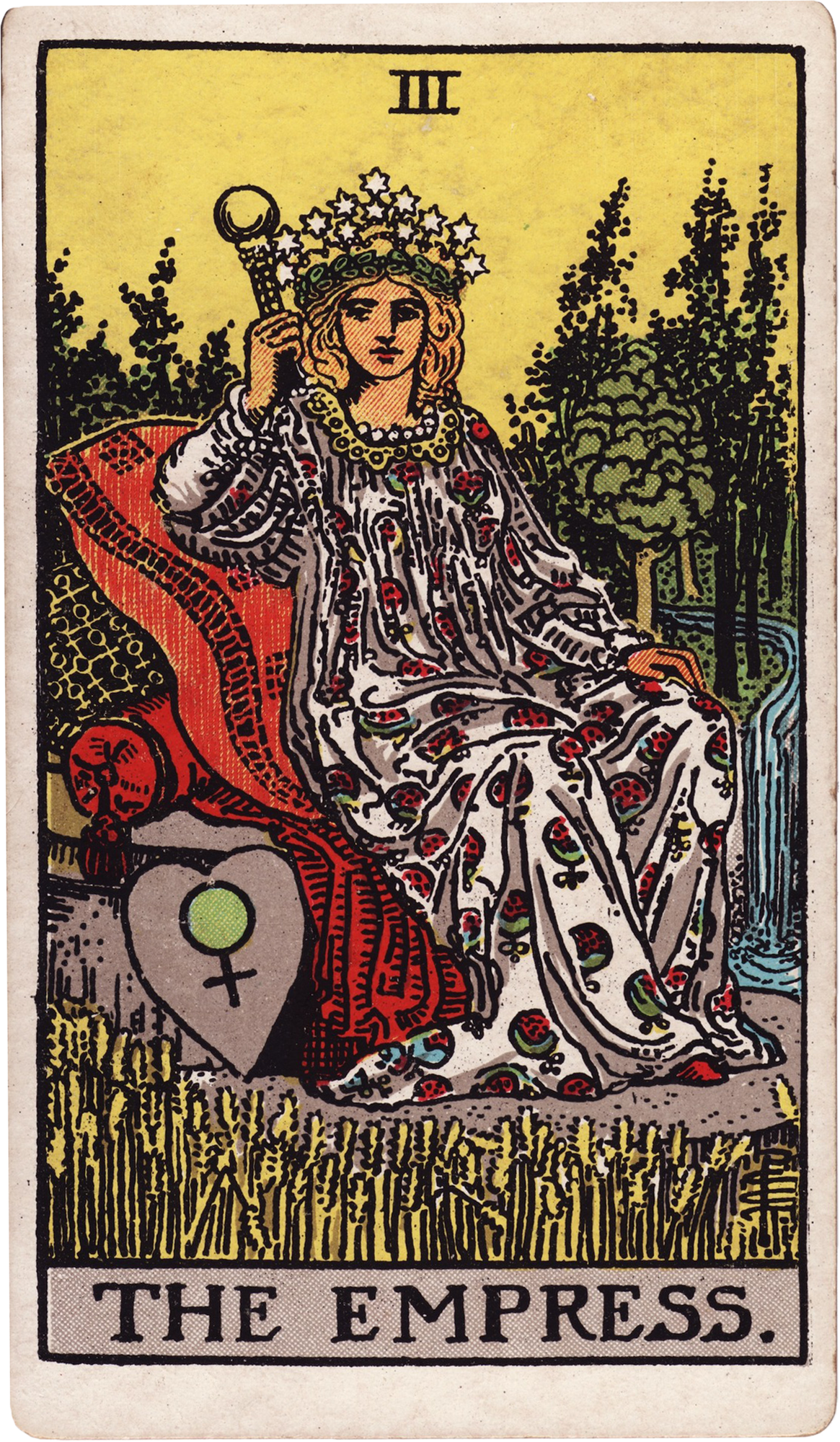 The Empress
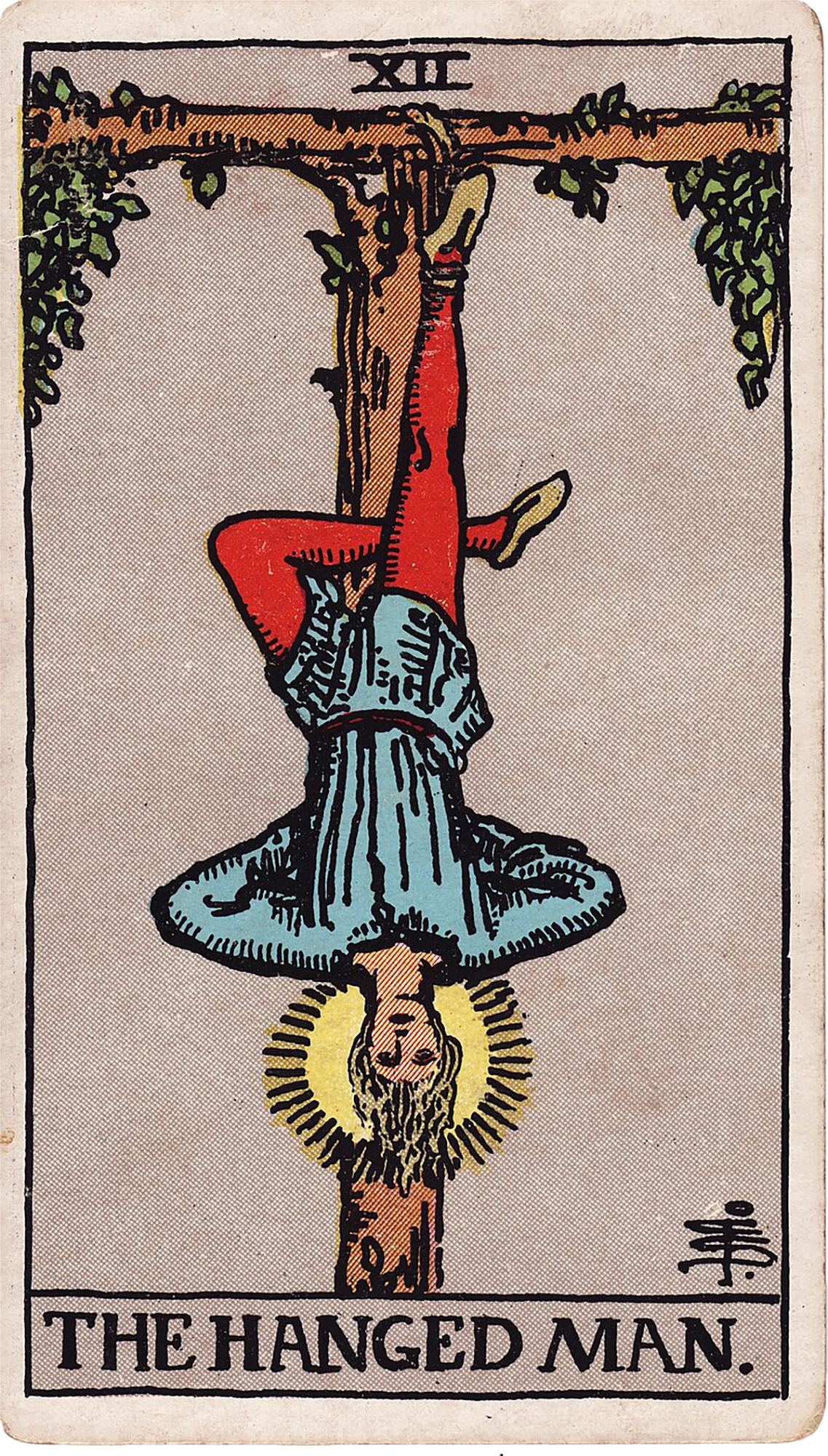 The Hanged Man
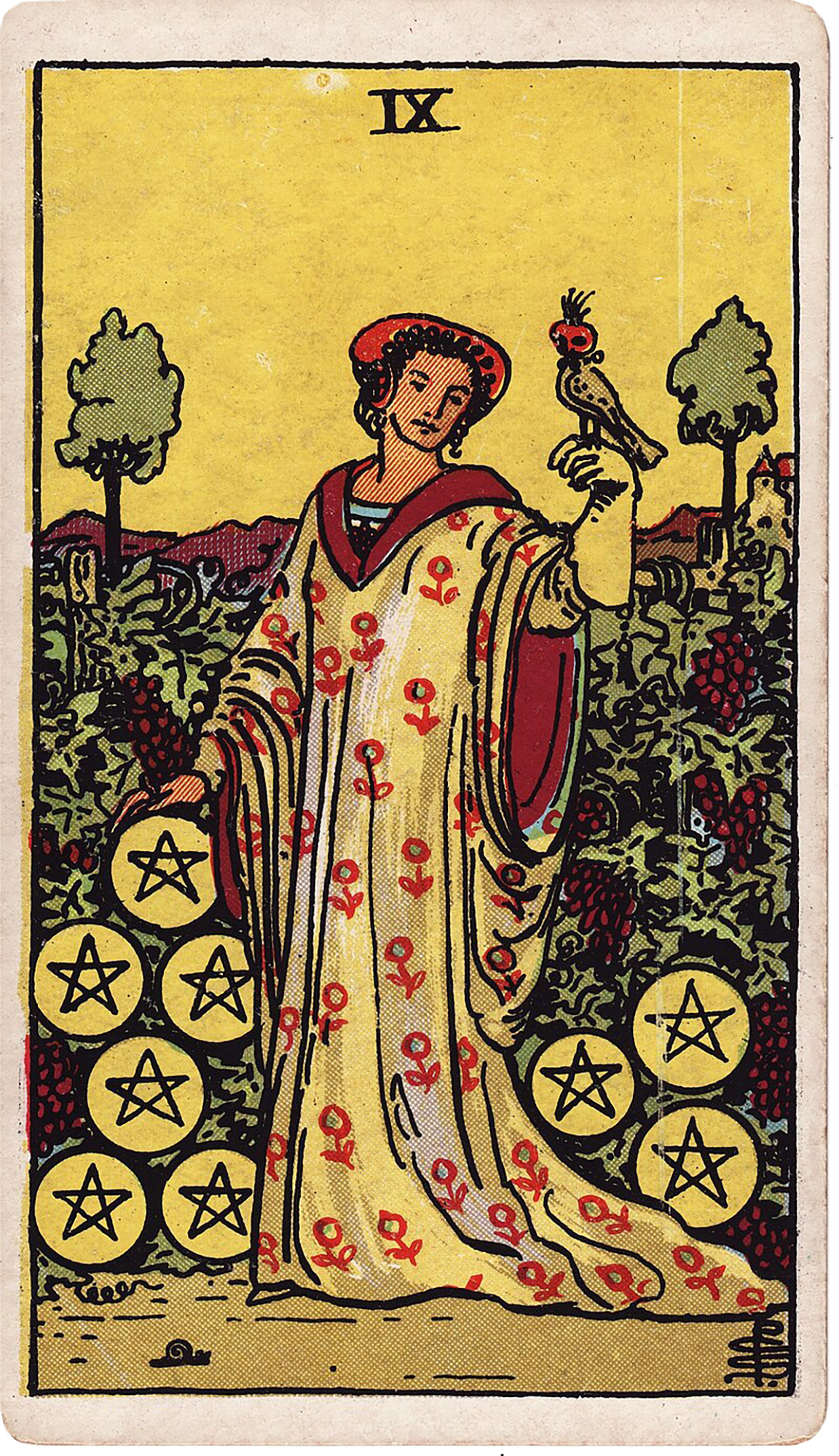 9 of Pentacles
Introduction and why plant imagery matters
Plants and trees are universal metaphors for growth, cycles, and inner processes. In Rider-Waite-Smith imagery, vegetation is rarely decorative: it names stages of development, shows relationships between visible and hidden growth, and points to rhythms readers can map onto life projects, relationships, and psychological work. This article focuses on three supplied cards—The Empress, The Hanged Man, and the 9 of Pentacles—and shows how their trees, fields, gardens, and vines can be used as timing cues for growth and inner work. The method is not a one-size timetable; it is a way to read processes. The cards say where energy is concentrated: active tending, deliberate pause, or cultivated independence. Use these visual signals to decide whether to initiate, wait, or harvest, and to select proportionate next steps.
Basic plant-cycle framework for timing
To translate plant imagery into timings and stages, use a simple horticultural cycle as a template: seed and germination, vegetative/root development, flowering and maturation, fruiting/harvest, and dormancy/overwintering. Each stage has typical time dynamics (weeks to months for germination/vegetative phases; seasons for flowering/fruiting; months to a year for dormancy). When a card shows rich vegetation or cultivated fruit, treat it as a signal that the process is in a later stage (maturing or harvest). When imagery emphasizes roots, sap, or structures like trellises or gallows-trees, read that as hidden, slow, or foundational work. Use the three supplied cards as archetypal markers in this cycle: The Empress tends and creates conditions for growth; The Hanged Man marks suspension and reorientation where unseen development can happen; the 9 of Pentacles represents cultivated maturation and harvest within a protected environment. Always couple the image reading with the supplied upright and reversed descriptions to understand whether the stage is constructive, blocked, internalized, or exaggerated.
Reading plant cues in The Empress
Visual anchors: In Rider-Waite-Smith, The Empress sits in a lush landscape with grain (often read as wheat), flowing greenery, and a crown of stars. The card's symbols include pomegranates on her robe or nearby and the Venus sign that connects to fertility and creative attraction. These botanical and agricultural elements point to abundance, visible growth, and an environment that answers to consistent tending. Use the supplied upright text: The Empress emphasizes creating conditions in which people, projects, and relationships can grow through consistent care and attention. Practically, when The Empress appears upright and vegetation dominates the composition, time to act is usually now: plant material can be put in the ground, water routines can be started, and visible nurturing will accelerate growth. The card asks where a direct response, clearer boundary, deeper honesty, or more deliberate choice would move the situation forward—think of this as daily or weekly tending rather than a single dramatic fix. If The Empress appears reversed, consult the supplied reversed description: attention may be drawn to overgiving, creative stagnation, or neglect of self-care. Reversed plant imagery suggests either that tending is misapplied (overwatering, smothering young growth) or that fertile conditions are present but being mismanaged. Timing logic: upright The Empress often maps to a near-term, active growth phase—weeks to a few months of visible development if you implement deliberate care. Reversed signals either a need to step back to restore balance (delay practical interventions) or to change the quality of tending before growth will respond.
Reading tree and plant imagery in The Hanged Man
Visual anchors: The Hanged Man in Rider-Waite-Smith hangs upside down, often from a wooden structure or stylized tree. The hanging point suggests an axis, an inversion, and a suspension that isolates a figure for observation. Where The Empress shows lushness above ground, The Hanged Man points to suspended processes—root work, mycorrhizal exchange, internal reorientation—that happen without visible progress. The supplied upright text stresses deliberate pausing, releasing control, and allowing a different perspective to transform understanding. Use horticultural metaphors: a winter pause while roots thicken, the slow settling of compost and nutrients, or the grafting time required for a new branch to take hold. These are periods when action looks like inaction. Timing logic: The Hanged Man often maps to middle-term delays—weeks to months—where the best work is patient and inward. If the card appears reversed, the supplied reversed meaning emphasizes stagnation, martyrdom, or waiting without learning. Reversed plant imagery warns against passive delay: time may be slipping without useful integration. In timing terms, reversed Hanged Man implies either that the pause has been too long (prune the habit of waiting) or that the pause is happening but not being used productively, so adjust practice to make inner changes instead of only withholding action.
Reading horticultural cues in the 9 of Pentacles
Visual anchors: The 9 of Pentacles in Rider-Waite-Smith shows a person in a walled garden surrounded by cultivated plantings, often including grapevines or espaliered growth. A falcon perched on the figure’s hand signals trained independence, ease, and discipline in a deliberately tended environment. The supplied upright meaning highlights earned independence, competence, and the ability to enjoy results without constant external validation. Botanically, the card signals that the gardener has already done the long work: soil preparation, training vines, pruning, and protecting the plot. Timing logic: Upright 9 of Pentacles usually points to harvest-time proximity—weeks to a season depending on the crop metaphor—because the imagery indicates mature, cultivated growth that can be gathered or enjoyed. Reversed, the supplied text draws attention to isolation, comfort that is too insulated, or an appearance of success that hides dependence. Reversed plant cues mean the garden looks good but may be artificially maintained or fragile; timing for sustainable harvest will require checking foundations—soil health, pollinators, or real resource independence—before declaring the work complete.
Putting the cards together: a practical spread for timing growth
Use a three-position spread that directly maps to stages: position 1 "Where to sow or what to initiate," position 2 "Where to pause and tend roots," and position 3 "What will mature or be harvested if you follow the advice." Pull three cards and lay them left-to-right. If you are practicing with the supplied images, place The Empress, The Hanged Man, and the 9 of Pentacles into those positions as they come. Step-by-step technique: 1) Prepare the question so it focuses on process not fixed dates (example: "What stage is my creative project in, and what is the next proportionate step?"). 2) Look first at the botanical imagery in each card before you read words: note whether vegetation is above ground or hidden, whether growth is trained or wild, and what human action is shown. 3) Read the card's visual stage against the plant-cycle template (seed—vegetative—flower—fruit—dormant). 4) Consult the supplied upright/reversed meanings to refine whether the image describes healthy function or a blockage. 5) Map the likely timeframe qualitatively (immediate weeks, ongoing months, seasonal harvest) and attach practical behaviors appropriate to the stage (planting, patient tending, or harvest/celebration). 6) Close by checking for contradictions: if a later-stage card appears but reversed, ask what needs repair before a real harvest can occur. Example mapping guideline: seed/germination = days to weeks; vegetative/root = weeks to months; flowering/maturation = a season; fruit/harvest = late season; dormancy = months to a year. Use these ranges as flexible guides, not calendar rules.
Three example readings anchored to imagery and interpretation
Example 1: The Empress (upright) in position 1, The Hanged Man (upright) in position 2, 9 of Pentacles (upright) in position 3. Visual reading: The Empress’s wheat and pomegranates show fertile soil and visible sprouts; The Hanged Man’s suspended position implies roots and network building; the 9 of Pentacles’ walled garden shows mature, cultivated plants ready for enjoyment. Interpretation: You are at planting/active tending now—start and maintain daily practices (watering, boundary-setting). Expect an inward consolidation phase next where visible progress slows but subterranean work strengthens the system (weeks to months). If you maintain consistent care through the suspension, harvest or a stable reward is likely within a season to a few seasons. Example 2: The Empress (upright) in position 1, The Hanged Man (reversed) in position 2, 9 of Pentacles (reversed) in position 3. Visual reading: fertile-looking start, but the suspension is stuck and the garden shows cultivated surface success with hidden dependence. Interpretation: Begin the project with deliberate care, but do not assume that pausing will be restful—your pause may become avoidance. The harvest is not yet secure; check foundations (resource independence, real skill consolidation). Timing: short-term activity followed by a risky stall—use the pause actively for skill-building or address overgiving to avoid a fragile 'harvest.' Example 3: The Empress (reversed) in position 1, The Hanged Man (upright) in position 2, 9 of Pentacles (upright) in position 3. Visual reading: initial overnurturing or neglect leads to a formal pause, then eventual cultivation. Interpretation: The best move is to correct tending approaches now—reduce smothering or restore self-care—then honor a deliberate pause to see what actually needs pruning. With disciplined, adjusted tending through the Hanged Man phase, you move toward legitimate, earned independence. Timing: change quality of care immediately; allow weeks-months of suspension for reorientation before harvest is reachable.
Common mistakes and how to avoid them
Mistake 1: Treating plant imagery as literal calendar dates. Avoid assuming a card equals an exact number of days. Instead, use horticultural phases as flexible ranges and combine with lived context. Mistake 2: Ignoring orientation and supplied meanings. Visual cues are powerful, but the supplied upright and reversed texts change the practical advice: a lush Empress reversed may mean misapplied care. Mistake 3: Reading only the plants and forgetting the human figure. In these cards, the human presence teaches agency: The Empress fosters care, The Hanged Man models deliberate surrender, and the 9 of Pentacles shows cultivated skill. Mistake 4: Over-precision in timing. Don’t promise exact dates; offer windows (immediate weeks, months, a season) and conditions that shorten or lengthen them. Mistake 5: Neglecting surrounding evidence. The supplied card descriptions advise looking to neighboring cards to determine whether reversals mean recovery or resistance. If you are practicing with only these three cards, use contextual questions to clarify: "What small step now would be proportionate?" and "What inner work would make this pause productive?" Avoid deterministic language; emphasize process and agency.
Practical exercises to build image-based timing skill
Exercise 1: Daily garden sketch. For a week, pull one of the three supplied cards each day and spend five minutes noting plant details: leaf color, ripeness, walls, trellises, roots implied. Record the card’s orientation and the action you would take if this were a real garden. After a month, compare notes for patterns. Exercise 2: Three-stage journal spread. Use the three-position spread (sow/pause/harvest) for one real project. Over three months, journal changes and check how the timing windows lined up with real progress. Reflect on which behaviors shortened or lengthened the phases. Exercise 3: Reversal role-play. Take each card reversed and ask: "If this card were describing how I am currently tending my inner life, what would I stop, what would I start, and what would I adjust?" Write practical micro-actions (10–30 minutes daily) to test for a month. These exercises train you to read botanical cues as signals for actionable timing and inner work.
Putting it into practice: interpretation logic checklist
Before you finalize a timing interpretation, run through this checklist: 1) Visual stage: Is vegetation shown as seedling, vegetative, flowering, fruiting, or dormant? 2) Visibility: Is growth above ground (visible) or implied beneath the surface (hidden work)? 3) Human role: Is the figure actively tending, suspended, or enjoying results? 4) Upright vs reversed: Use the supplied texts to see whether the energy is flowing or blocked. 5) Interaction between cards: Does the sequence make sense as planting → pause → harvest? If not, what blockages or accelerants are indicated? 6) Practical behaviors: Translate the reading into specific small actions that match the stage (sow: start daily routine; pause: journaling/therapy/prayer; harvest: consolidate, celebrate, distribute resources). 7) Time window: Offer a qualitative timeframe (immediate weeks, ongoing months, seasonal) and list conditions that would accelerate or delay it (resources, care consistency, external environmental shifts). This checklist keeps imagery reading grounded and action-oriented rather than speculative.
Closing notes on ethics and learner mindset
When timing growth and inner work with plant imagery, maintain an ethic of humility. The cards provide metaphors and guidance, not guaranteed timetables. Use the imagery to encourage proportionate action, not anxiety about deadlines. For learners, prioritize process mastery: practice reading visual cues, test your timing frameworks against real projects, and refine how you translate images into manageable behaviors. Remember the supplied card texts: The Empress asks for deliberate care; The Hanged Man invites a useful pause; the 9 of Pentacles honors earned independence. Let those principles steer your readings, and use plant cycles as flexible scaffolds for timing rather than rigid calendars.
Practice questions
• Looking at The Empress image, what specific visual details tell you whether the growth is wild or cultivated, and how would that change your timing advice?
• When The Hanged Man appears in a pause position, what inner practices could turn a passive delay into productive root work for you?
• If the 9 of Pentacles shows a visually mature garden but the card is reversed, what foundations would you check before declaring a harvest?
• How do you decide whether an apparent delay is constructive (The Hanged Man upright) or a stalled avoidance (The Hanged Man reversed)?
• What small, daily actions match each botanical stage and how could tracking those actions refine your sense of timing across weeks and months?
Comments
Sign in to comment.
Continue learning
Interpreting the Dance of Justice and The Devil: Balancing Morality and Temptation in Tarot Readings
The combination of Justice and The Devil in tarot presents a profound exploration of morality, temptation, and personal accountability. This article unpacks how these cards influen...
Understanding The World Card in Personal Completion and New Cycles
The World card in tarot signifies completion, integration of lessons learned, and the threshold of new cycles. This article explores its nuanced meanings in upright and reversed po...
Mastering Tarot Timing Techniques for Accurate Readings
Timing in tarot readings can transform vague predictions into clear guidance about when events might unfold. This article explores practical timing techniques for beginners and adv...
Unlocking the Power Balance of The Emperor The Hierophant and Justice in Tarot Combinations
This article offers a deep exploration of the combined meanings of The Emperor, The Hierophant, and Justice cards within tarot spreads, focusing on how their energies interact to p...
Unlocking Leadership Qualities Through the Knight Queen and King of Wands
The Knight, Queen, and King of Wands embody evolving leadership qualities within the family suit of Wands. This article unpacks their traditional symbolism and the lessons each cou...
Mastering the Art of Combining The Magician The Empress and Ace of Pentacles for Manifestation and Abundance
This article offers a comprehensive exploration of how to skillfully combine The Magician, The Empress, and Ace of Pentacles tarot cards to enhance manifestation and attract abunda...
Mastering Intuitive Tarot Reading with The High Priestess The Hermit and The Moon for Deeper Insights
This article guides Tarot readers through mastering intuitive reading skills using three powerful cards: The High Priestess, The Hermit, and The Moon. It covers both beginner and a...
Unlocking Leadership and Responsibility Lessons Through the Court Cards of Swords
This article delves into the Court Cards of Swords—the Page, Knight, Queen, and King—to uncover the nuanced lessons they provide about leadership and responsibility. Rooted in the...
Exploring the Symbolic Language and Elemental Correspondences of the Court Cards of Cups for Emotional and Intuitive Insight
This in-depth article examines the Court Cards of Cups within the Rider-Waite-Smith tradition and the VoxFati Tarot Library context. It explores their rich symbolism and elemental...
Interpreting the Page of Swords for Career Love and Personal Growth
This article teaches how to read the supplied Page of Swords single-card draw across multiple life contexts. Using the card's Rider-Waite-Smith imagery and the provided upright and...