
Understanding the Court Cards of Pentacles for Practical Wisdom and Personal Growth
The Court Cards of Pentacles—Page, Knight, Queen, and King—offer deep insights into the practical, material, and nurturing aspects of life. This article explores their upright and reversed meanings, focusing on the lessons they impart about work, stability, responsibility, and growth. Using the traditional Rider-Waite-Smith symbolism alongside the detailed card context from VoxFati, readers will learn how to interpret these cards in readings, avoid common pitfalls, and apply their wisdom for personal development. Each card embodies a stage or style of engagement with material resources and practical life, making them essential for grounded and actionable tarot guidance.
Cards explored in this article
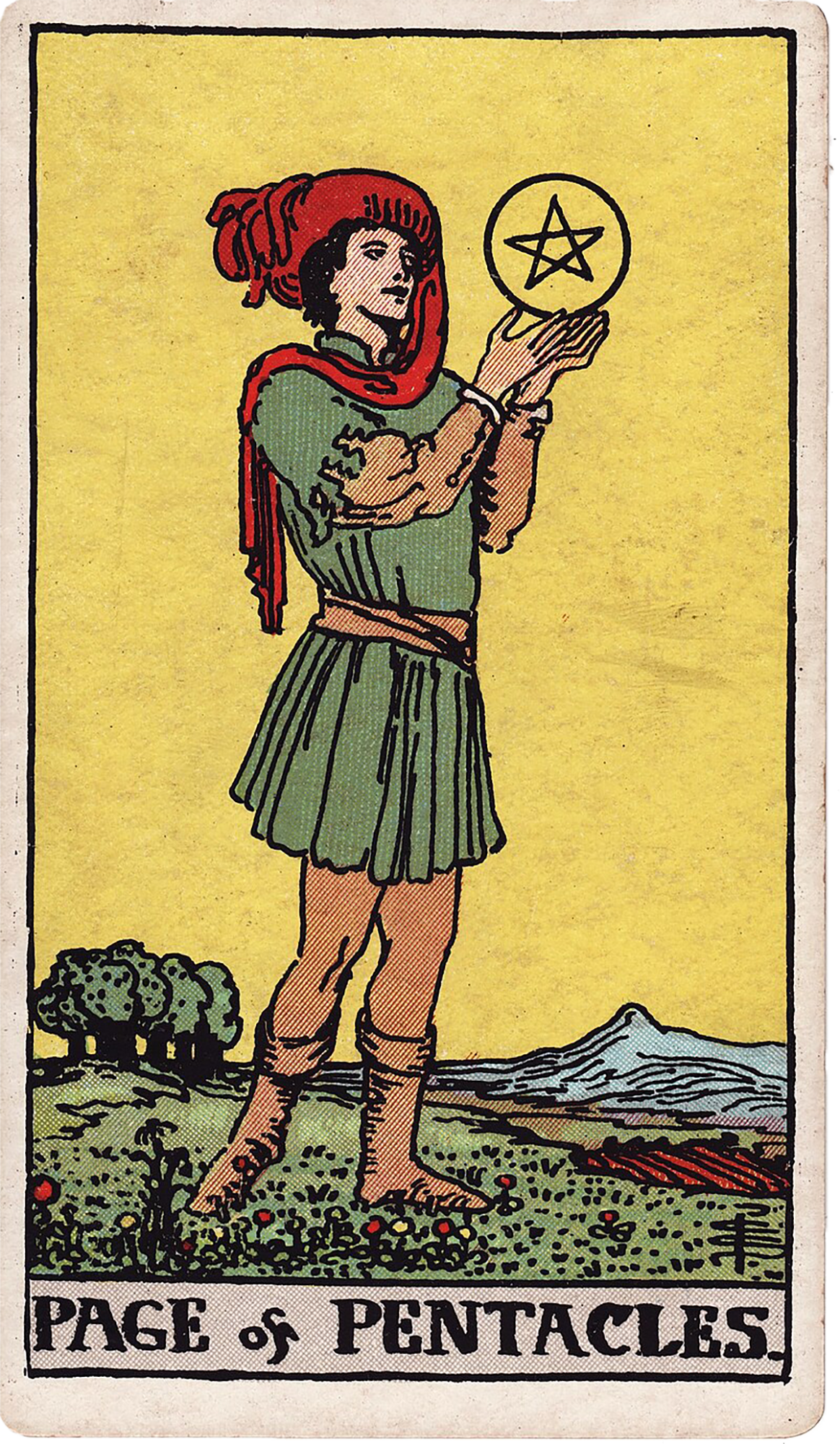 Page of Pentacles
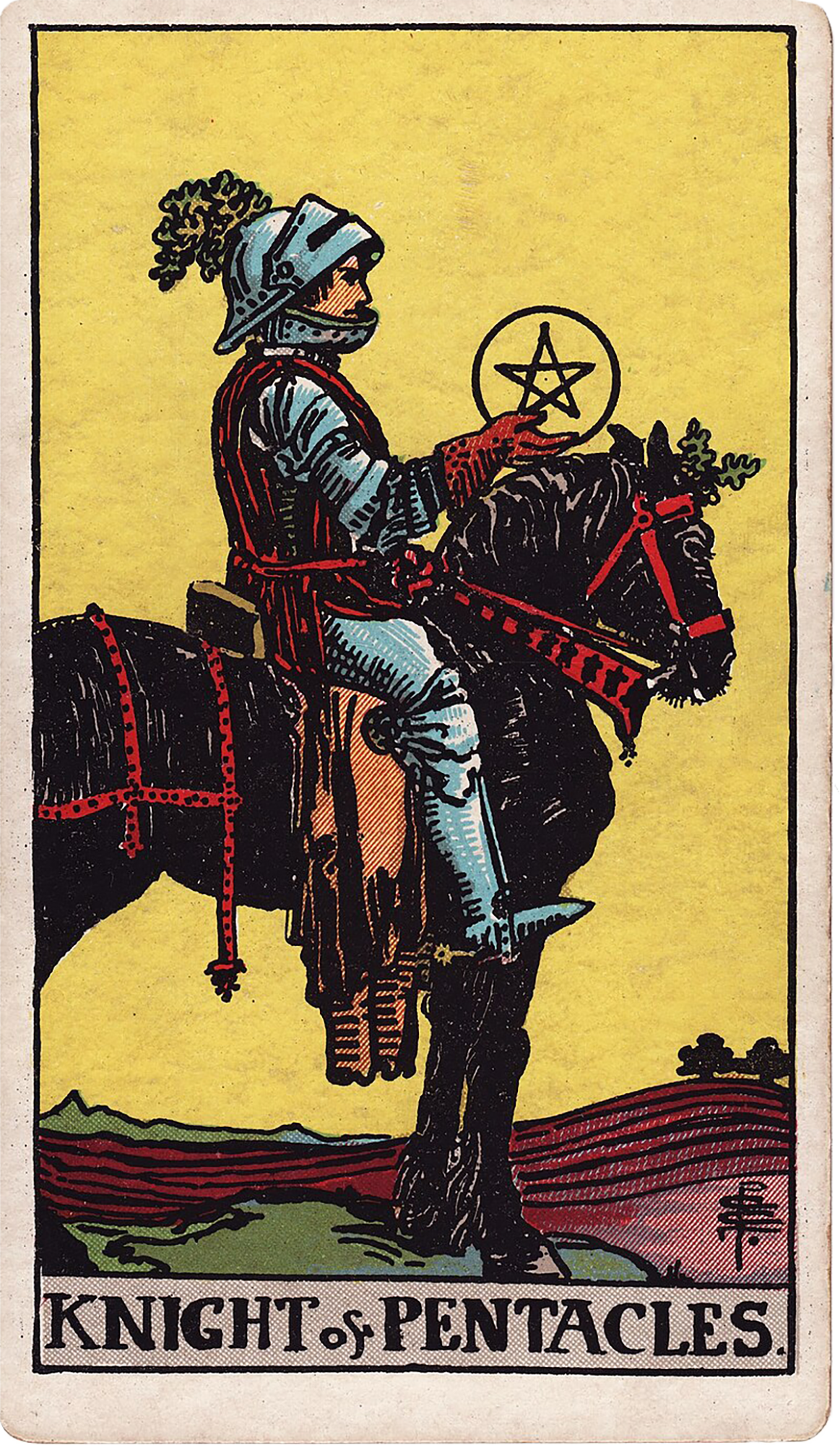 Knight of Pentacles
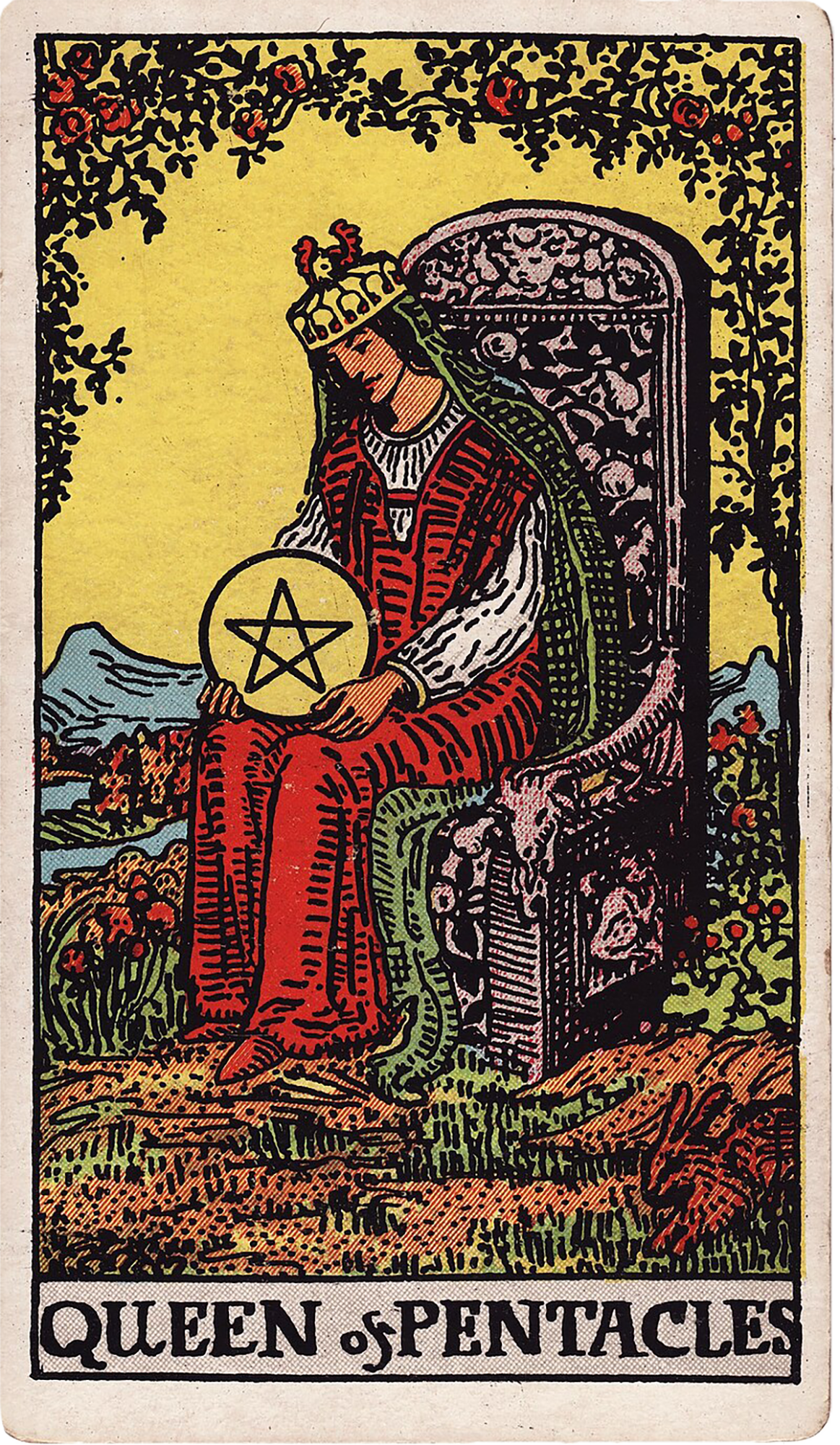 Queen of Pentacles
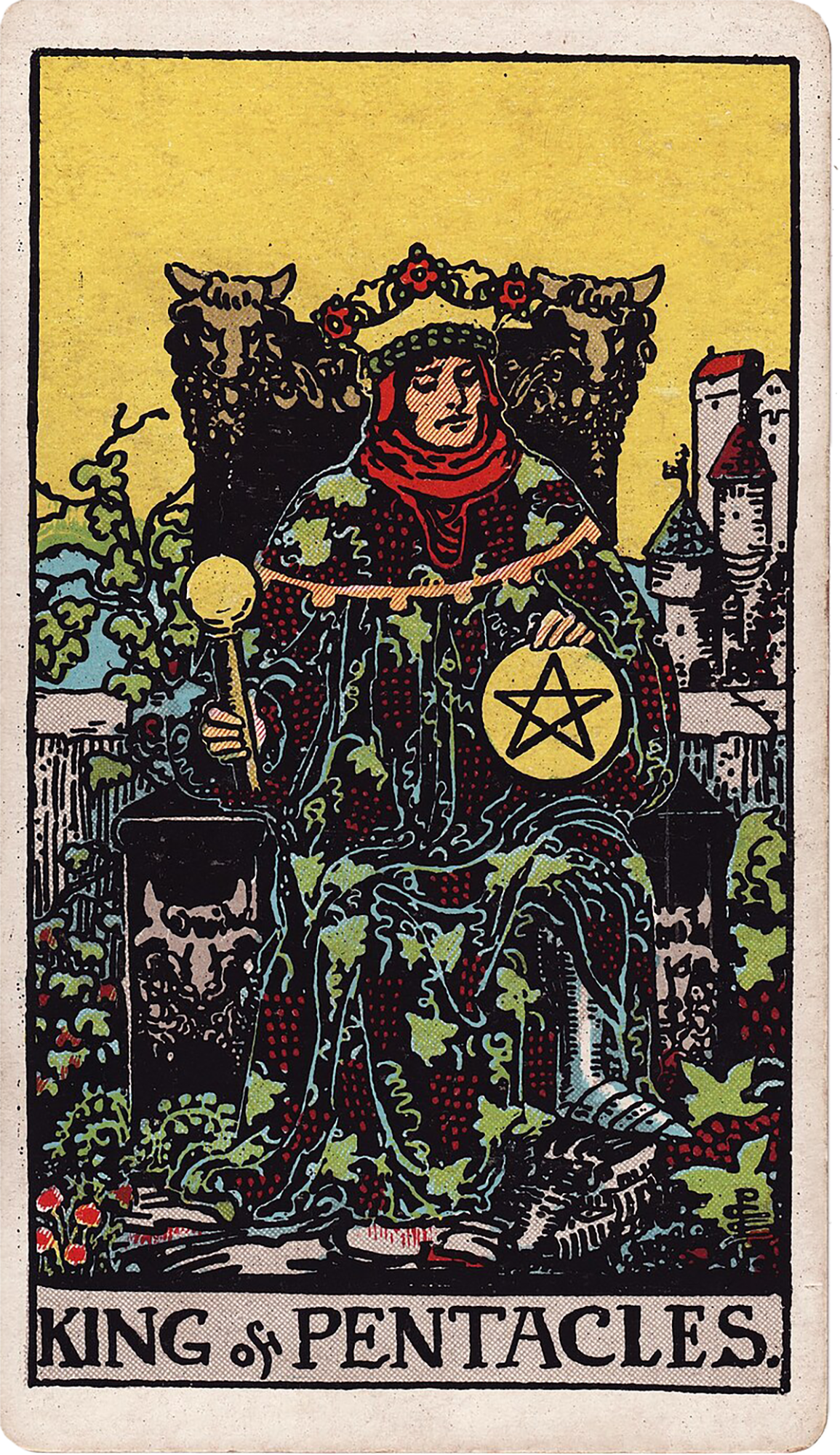 King of Pentacles
Introduction to the Court Cards of Pentacles
The Pentacles suit in the Minor Arcana relates to the material world: money, work, health, routine, and physical resources. The Court Cards in this suit represent archetypes or personalities that embody different approaches to these areas. Unlike the numbered cards which focus on situations or energies, Court Cards personify behaviors, attitudes, and stages of development toward material mastery and practical wisdom. The Page, Knight, Queen, and King of Pentacles each offer unique perspectives on how we interact with the physical realm and manage resources to support sustainable growth.
General Symbolism and Rider-Waite-Smith Imagery
In the Rider-Waite-Smith deck, the Court Cards of Pentacles feature symbolic elements that highlight their core meanings. The Page of Pentacles holds a single pentacle and looks at it intently, symbolizing focus, learning, and the beginning of material endeavors. The Knight rides steadily, emphasizing persistence and reliability rather than haste. The Queen is often depicted surrounded by nature, symbolizing nurturing, competence, and grounding, while the King sits confidently with symbols of wealth and stability, representing mastery and stewardship. These images encourage interpreters to see the cards as stages or modes of engaging with the physical and economic world.
Page of Pentacles Lessons and Interpretation
The Page of Pentacles embodies beginner energy focused on practical learning and starting realistic plans. Upright, this card encourages embracing new opportunities related to work, money, health, or crafting skills. It asks readers to respond to the present realistically rather than idealistically. For example, in a career reading, the Page suggests developing competence through study and effort, even if results are not immediate. Reversed, the Page signals procrastination, poor planning, or superficial engagement with material goals. Rather than interpreting this as simply 'bad,' it points to where the process is stuck—perhaps unrealistic expectations or fear of commitment. A practical approach is to identify what needs simplification or deeper practice to restore forward movement. Common mistakes include ignoring the card’s developmental stage and expecting immediate success, or overlooking internal blockages that prevent consistent action.
Knight of Pentacles Lessons and Interpretation
The Knight of Pentacles represents steady, reliable progress through routine and discipline. Upright, it highlights the importance of consistent effort over dramatic change. This card suggests that long-term stability and health come from patience and attention to detail. In readings, it often signals a phase where slow but sure work is essential. When reversed, the Knight warns of stagnation, stubbornness, or confusing inactivity with slow progress. Workaholism or boredom may also surface, indicating a need to reassess methods or priorities. Rather than viewing the reversal as failure, it highlights where flexibility or renewal is needed to break out of rigidity. A common interpretive error is to dismiss the Knight as unexciting or passive; in reality, it embodies practical wisdom about sustainable growth that is often overlooked in favor of flashy results.
Queen of Pentacles Lessons and Interpretation
The Queen of Pentacles personifies practical nurture, competence, and the skill to use resources to support real life, not just status. Upright, she encourages care for oneself and others through tangible means such as health routines, financial management, and creating a warm home environment. She integrates material wealth with emotional well-being. Reversed, the Queen points to issues like overwork, self-neglect, financial anxiety, or controlling care that measures worth solely by usefulness. The reversal invites reflection on boundaries and self-care, urging a rebalance between giving and receiving. Readers sometimes misread this card as purely maternal or domestic; however, the Queen’s core lesson is about mature stewardship and the ability to nurture through practical competence.
King of Pentacles Lessons and Interpretation
The King of Pentacles represents mature stewardship of resources, business competence, and the ability to build lasting stability. Upright, he models leadership that supports both oneself and others sustainably. This card emphasizes responsibility, financial wisdom, and grounded decision-making. In reversal, the King warns against greed, rigidity, obsession with status, or misuse of power. It may also indicate an unhealthy attachment to security that blocks growth. The reversal calls for examining where control has become limiting rather than empowering. A frequent misinterpretation is to see the King as simply wealthy or authoritative; instead, he embodies ethical leadership and the balance between wealth and generosity.
How to Approach Reading the Court Cards of Pentacles
When working with the Court Cards of Pentacles, consider them as reflections of both external influences and internal qualities. Place them in context with surrounding cards to assess the stage of development: beginning (Page), steady progress (Knight), nurturing competence (Queen), or mature mastery (King). Ask which personality or energy is most relevant to the querent’s situation and how it manifests. Avoid treating reversals as mere opposites. Instead, use them to locate blockages, excesses, or imbalances in the related theme. This approach leads to nuanced and compassionate guidance. Practically, use questions like: What practical skills or resources are emerging or needed? Where is there resistance to steady effort or nurture? How might maturity in managing resources support long-term well-being? Such questions ground the reading in actionable insight.
Common Mistakes and How to Avoid Them
One common mistake is to view Court Cards as fixed personality types rather than fluid energies or stages. Remember they can represent people, parts of the querent’s psyche, or situational dynamics. Another error is neglecting to connect the cards to the suit’s broader themes of material reality and pragmatic action. Over-spiritualizing Pentacles Court Cards may miss their core lessons about daily life and tangible results. Ignoring the importance of the card’s position in the spread and surrounding cards can lead to shallow readings. Always contextualize the Court Cards and look for developmental cues. Finally, assuming that reversed cards are only negative limits depth. Instead, explore what the reversal reveals about stuck processes and growth opportunities.
Practical Examples of Cards in Readings
Imagine a querent exploring a career change. Drawing the Page of Pentacles upright suggests beginning with research, learning, and small practical steps rather than big leaps. If reversed, it warns against procrastination or unrealistic plans. The Knight of Pentacles upright in a health spread may encourage consistent daily habits, even if progress is slow. Reversed, it suggests reassessing routines that may have become dull or obsessive. In a relationship context, the Queen of Pentacles upright signifies nurturing grounded connections and attending to shared resources with care. Reversed, it highlights the need to balance self-care with care for others and manage anxiety. The King of Pentacles upright in a financial reading heralds wise investment and steady growth, while reversed it advises caution against greed or rigidity that blocks adaptation.
Reflection and Personal Growth Through the Pentacles Court
These cards invite reflection on how we approach material life and practical responsibilities. The Page encourages curiosity and learning; the Knight calls for disciplined persistence; the Queen models nurturing competence; and the King exemplifies ethical leadership and stewardship. Personal growth involves moving through these stages—starting new ventures thoughtfully, developing habits steadily, caring for oneself and others, and eventually mastering resources in ways that support long-term stability. Use these Court Cards as mirrors to assess your relationship with work, money, health, and daily routine. They can guide you to where practical wisdom and grounded action will support your growth and wellbeing.
Practice questions
• In what ways am I embodying the beginner’s mindset of the Page of Pentacles in my practical life?
• Where might I be experiencing stagnation or rigidity like the reversed Knight of Pentacles, and how can I restore balanced progress?
• How do I balance nurturing others with self-care in the spirit of the Queen of Pentacles?
• Am I practicing mature stewardship of my resources and responsibilities akin to the King of Pentacles?
• What practical steps can I take to align my actions with the lessons of these Court Cards for long-term stability and growth?
Comments
Sign in to comment.
Continue learning
The Fool in Life Transitions and New Beginnings
The Fool card embodies the spirit of beginnings, curiosity, and the leap of faith required during life transitions. This article explores The Fool’s meanings across various reading...
Unlocking the Energies of the King Queen and Knight of Cups for Emotional Intelligence
This article delves into the King, Queen, and Knight of Cups from the Minor Arcana's family Suit and Court Cards, emphasizing how these archetypes embody stages and expressions of...
Unlocking Personality Traits Through the Court Cards of Pentacles
This article delves into the personality traits and life lessons embodied by the court cards of Pentacles: Page, Knight, Queen, and King. Grounded in the practical symbolism of the...
Integrating The Fool and The World to Chart the Journey of Tarot Initiation
This article explores the integration of The Fool and The World cards as symbolic bookends in the Tarot journey, emphasizing their complementary lessons for initiates. Drawing on t...
Unlocking Personality and Leadership Qualities with the King Queen and Knight of Pentacles
This article delves into the King, Queen, and Knight of Pentacles court cards within the Minor Arcana, focusing on their symbolism of personality traits and leadership within the f...
Unlocking the Roles and Personalities of Page Knight Queen and King of Swords
This article delves deeply into the family suit lessons of the Page, Knight, Queen, and King of Swords, exploring their roles and personalities within the Minor Arcana. Anchored in...
Unlocking Personality Insights Through the Court Cards of Cups
The Court Cards of Cups offer a rich framework for understanding emotional personality traits, interpersonal dynamics, and intuitive processes. This article guides learners through...
Unlocking the Dynamic Partnership of The Magician and The High Priestess in Tarot Combinations
The Magician and The High Priestess represent two complementary archetypes in the tarot deck that, when combined, offer a rich interplay of conscious action and intuitive insight....
Unlocking Leadership Styles Through the King Queen and Knight of Swords
This article delves into the leadership styles portrayed by the King, Queen, and Knight of Swords, court cards in the Minor Arcana’s Suit of Swords. By closely examining their Ride...
Unlocking Practical Wisdom and Ambition Through the Court Cards of Pentacles
This article delves deeply into the suit of Pentacles’ court cards—Page, Knight, Queen, and King—offering tarot learners a comprehensive understanding of their practical wisdom and...