
Understanding the Roles and Growth Lessons of the Knight Queen and King of Cups in Tarot
This article delves deeply into the family suit of Cups' court cards—the Knight, Queen, and King—highlighting their unique roles, symbolic imagery, and core lessons within Tarot readings. By examining the upright and reversed meanings of each card, readers gain a practical framework for interpreting emotional processes, relational dynamics, and personal development stages. Rooted in traditional Rider-Waite-Smith symbolism and supported by practical reading strategies, this guide equips learners to navigate the complexities of the Cups court cards and their impact on growth and maturity in the emotional realm.
Cards explored in this article
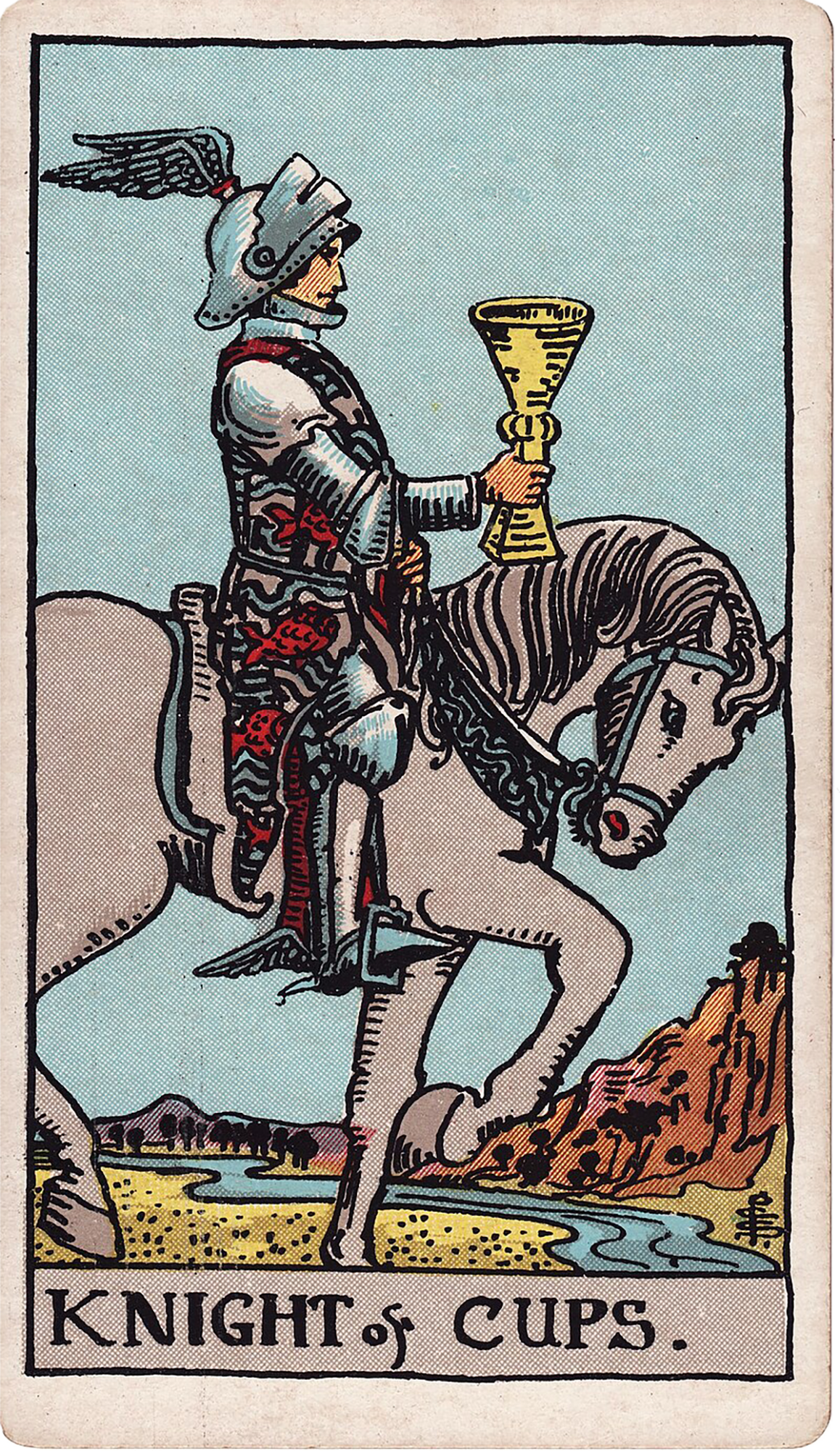 Knight of Cups
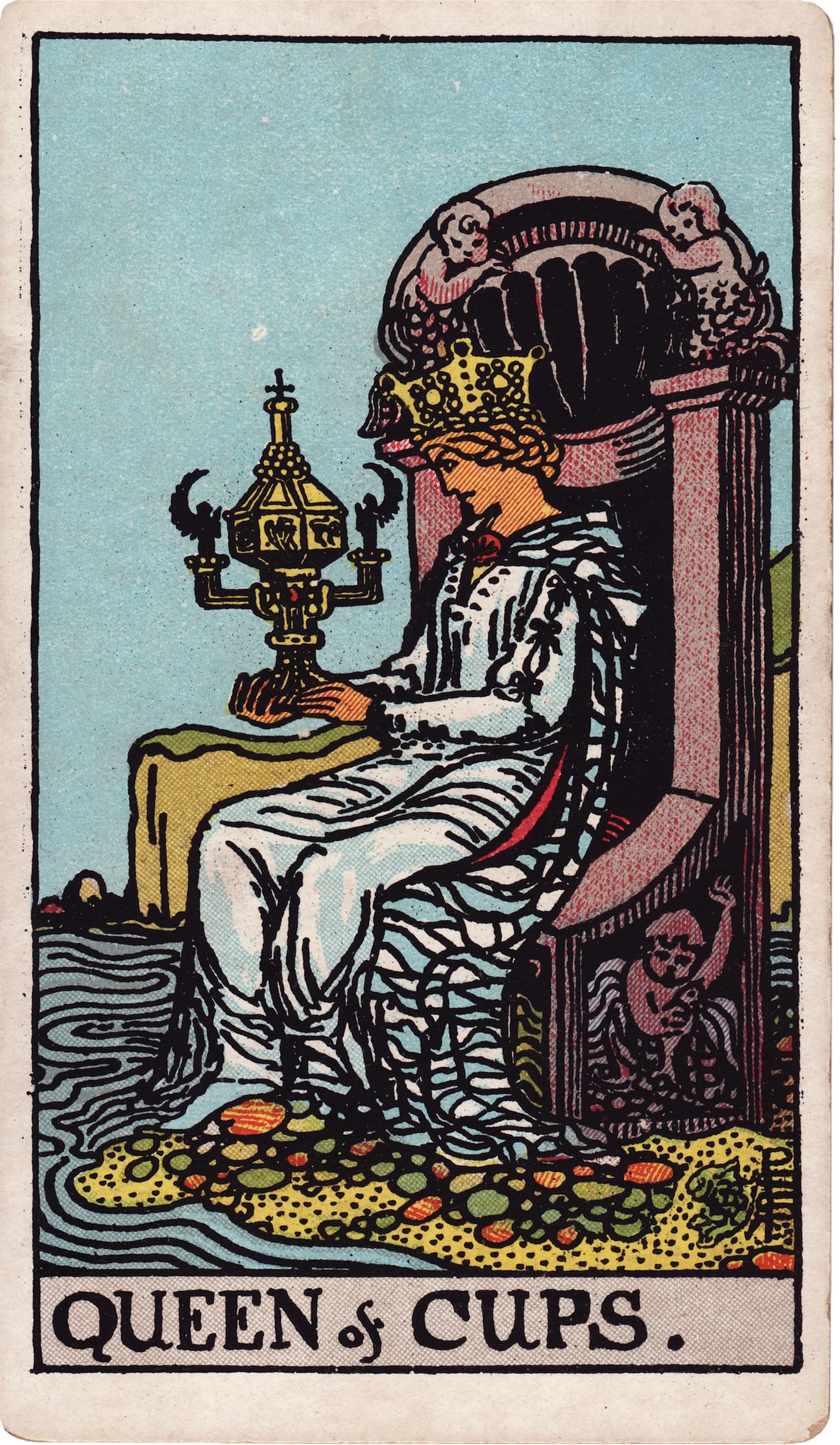 Queen of Cups
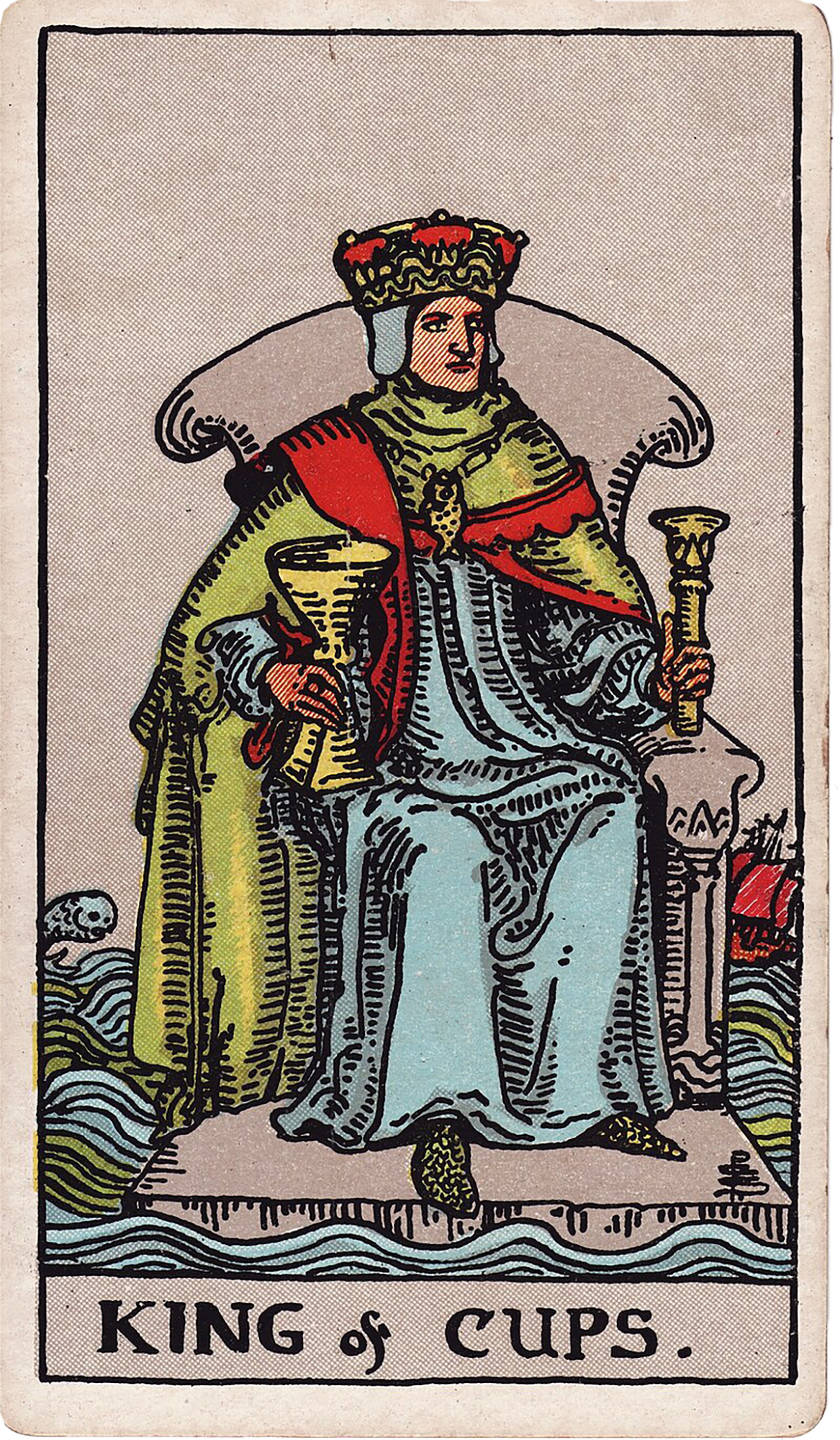 King of Cups
Introduction to the Family Suit and Court Cards in Cups
In the Tarot Minor Arcana, the suit of Cups represents the element of water, symbolizing emotions, relationships, intuition, and the fluid way feelings move and transform. Within this suit, the court cards—the Knight, Queen, and King—embody evolving stages of emotional maturity, leadership, and interpersonal interaction. Unlike the abstract energy of the numbered cards, court cards personify these energies, making them vital for understanding how emotional dynamics manifest in real-life situations. The Knight, Queen, and King of Cups serve as archetypes that guide us through lessons of pursuing heartfelt desires, nurturing empathy, and leading with composure respectively.
The Role and Growth Lessons of the Knight of Cups
The Knight of Cups, upright, is a figure of pursuing what the heart values with grace, imagination, and purposeful emotional intention. This card invites readers to focus on the present stage of a situation—asking what actions align with heartfelt desires in tangible ways rather than abstract ideals. The Knight's imagery in the Rider-Waite-Smith deck typically shows a young figure riding a horse, holding a cup, symbolizing the active pursuit of emotional connection and creative inspiration. When interpreting the upright Knight of Cups, it is important to consider surrounding cards to discern if this energy is in its beginning, development, or resolution phase. The card often highlights skills associated with Cups: intuitive receptivity and emotional processing, signaling that challenges can be addressed through empathy and imagination. Conversely, the reversed Knight of Cups signals potential pitfalls such as idealization, moodiness, or chasing fantasies disconnected from reality. Rather than simply viewing the reversal as negative, it indicates where emotional or relational processes have stalled or become unbalanced. The reader should explore what needs acknowledgment or release to restore healthier emotional engagement. For example, a reversed Knight may ask the querent to simplify their expectations or ground their emotional pursuits in more realistic frameworks.
Exploring the Queen of Cups and Her Emotional Receptivity
The Queen of Cups, upright, represents mature emotional receptivity, deep empathy, and intuitive understanding while maintaining a stable inner container for feelings. Her traditional Rider-Waite-Smith depiction shows a serene woman seated by water, holding a closed cup—signifying guarded emotions and a protective, nurturing quality. This card signals the ability to navigate emotional complexity with grace, balancing openness with boundaries. In readings, the Queen of Cups suggests handling situations through compassionate engagement, intuition, and emotional wisdom. Her appearance encourages the querent to strengthen these qualities and maintain equanimity even amid discomfort. When reversed, the Queen of Cups warns of emotional overwhelm, codependency, or difficulty distinguishing intuition from anxiety. The reversal encourages a reassessment of emotional boundaries and self-care practices. Like the Knight, the Queen's reversal is not simply negative but indicates where emotional processes are stuck, needing simplification or clearer communication. This might manifest as absorbing others’ moods too easily or withdrawing into fantasy to avoid uncomfortable feelings.
Understanding the King of Cups and Emotional Leadership
The King of Cups, upright, embodies steady emotional leadership: feeling deeply without being ruled by every emotional wave, and creating safety through calm composure. In the Rider-Waite-Smith image, the King sits confidently on a throne surrounded by water, holding a cup in one hand. This posture illustrates mastery over emotions, balancing compassion with authority. The King of Cups encourages responses that fit the current emotional context while maintaining inner stability. When this card appears upright, it suggests managing relationships and emotional challenges through deliberate calm and empathy. It emphasizes leadership that fosters trust and emotional security. Reversed, the King of Cups can point to emotional manipulation, repression, or controlling moods through withdrawal and avoidance of vulnerability. It urges identifying where emotional control has become unhealthy and exploring what needs to be released or acknowledged. The reversal may also indicate emotional struggles hidden from others, emphasizing the importance of authentic vulnerability for growth.
Techniques for Reading the Knight, Queen, and King of Cups
Interpreting the Knight, Queen, and King of Cups effectively requires attention to both the card imagery and the surrounding cards for context. Begin by identifying the card’s position—upright or reversed—to assess the energy’s flow or blockage. Next, observe the Rider-Waite-Smith symbolism: the flowing water, the cups held or guarded, the posture and gaze of the figure. These visual cues anchor your interpretation in traditional meanings. Use the family suit approach by viewing these court cards as progressive emotional roles rather than isolated archetypes. For example, the Knight initiates emotional pursuit, the Queen nurtures emotional depth, and the King governs emotional wisdom. Reflect on how this progression plays out in the querent's situation. Common reading mistakes include treating reversed cards as purely negative or ignoring the subtle nuances of emotional development stages. Instead, consider reversals as signals of where the emotional process is stuck or conflicted. Ask practical questions: What emotional skill is undeveloped? Where is empathy lacking? What needs clearer communication or boundary-setting? Incorporate memory and intuitive impressions since Cups relate deeply to how feelings are processed internally. Encourage querents to observe patterns in their emotional responses and relationships, using the court cards as mirrors for growth potential.
Practical Examples and Interpretation Logic
Imagine a reading where the Knight of Cups appears upright in the place of current influences. The querent may be embarking on a new emotional journey or creative project that requires them to engage with their heart’s desires practically and imaginatively. If the surrounding cards are supportive, the reader can suggest nurturing this energy with grounded actions and conscious emotional openness. If the Knight appears reversed in a challenge position, it might reveal internal confusion or unrealistic expectations causing frustration. The interpretation would focus on simplifying emotional goals and releasing fantasies that prevent genuine connection. For the Queen of Cups upright, appearing in a situation needing empathy, the reader might highlight the importance of compassionate listening and emotional balance. Reversed, this Queen may suggest that the querent is overwhelmed by others' emotions or disconnected from their intuition, calling for self-care and boundary work. The King of Cups upright in a guidance position can advise the querent to lead with calm empathy, offering emotional steadiness in turbulent times. Reversed, it warns about emotional repression or manipulation, inviting the querent to cultivate honest vulnerability and release control. Through this logic, readers develop nuanced insights anchored in imagery and practical emotional skills rather than fixed predictions.
Common Mistakes and How to Avoid Them
A frequent mistake when interpreting these court cards is reducing them to simplistic personality stereotypes, such as labeling the Queen of Cups as merely 'motherly' or the King as 'authoritative' without nuance. These cards represent fluid emotional roles and stages of growth, not static traits. Another error is treating reversals as purely negative omens. Instead, consider them as indicators of where the emotional process has stalled, requiring attention and conscious work. Overlooking the context of the spread diminishes the depth of interpretation. Always integrate insights from surrounding cards to understand if the Cups court energy is emerging, developing, or resolving. Avoid ignoring the practical aspect of the cards. Each court card asks for a response fitting the present stage—meaning the querent must engage actively with emotional lessons rather than passively expecting outcomes.
Reflection and Growth Through the Cups Court Cards
Engaging deeply with the Knight, Queen, and King of Cups invites reflection on one’s own emotional journey and relational patterns. These cards serve as mirrors for how we pursue desires, nurture empathy, and lead with emotional integrity. By considering the upright and reversed meanings as stages or obstacles in growth, readers and querents can develop compassionate self-awareness and practical strategies for emotional balance. Incorporating these court cards into regular Tarot practice enriches understanding of the fluid and evolving nature of emotions—encouraging ongoing learning rather than fixed conclusions.
Practice questions
• In what ways do I currently embody the qualities of the Knight, Queen, or King of Cups in my emotional life?
• Where might I be idealizing emotions or relationships, similar to the reversed Knight of Cups?
• How do I balance empathy with healthy emotional boundaries as suggested by the Queen of Cups?
• Am I practicing emotional leadership with calm composure like the King of Cups, or do I struggle with repression or manipulation?
• What emotional processes in my life feel stuck, and how can I apply the lessons of these court cards to move forward?
• How does the imagery of each card reflect my internal emotional state or relational dynamics?
• In what situations can I consciously cultivate the practical response each card asks for rather than pursuing abstract ideals?
Comments
Sign in to comment.
Continue learning
The Fool in Life Transitions and New Beginnings
The Fool card embodies the spirit of beginnings, curiosity, and the leap of faith required during life transitions. This article explores The Fool’s meanings across various reading...
Unlocking the Energies of the King Queen and Knight of Cups for Emotional Intelligence
This article delves into the King, Queen, and Knight of Cups from the Minor Arcana's family Suit and Court Cards, emphasizing how these archetypes embody stages and expressions of...
Unlocking Personality Traits Through the Court Cards of Pentacles
This article delves into the personality traits and life lessons embodied by the court cards of Pentacles: Page, Knight, Queen, and King. Grounded in the practical symbolism of the...
Integrating The Fool and The World to Chart the Journey of Tarot Initiation
This article explores the integration of The Fool and The World cards as symbolic bookends in the Tarot journey, emphasizing their complementary lessons for initiates. Drawing on t...
Unlocking Personality and Leadership Qualities with the King Queen and Knight of Pentacles
This article delves into the King, Queen, and Knight of Pentacles court cards within the Minor Arcana, focusing on their symbolism of personality traits and leadership within the f...
Unlocking the Roles and Personalities of Page Knight Queen and King of Swords
This article delves deeply into the family suit lessons of the Page, Knight, Queen, and King of Swords, exploring their roles and personalities within the Minor Arcana. Anchored in...
Unlocking Personality Insights Through the Court Cards of Cups
The Court Cards of Cups offer a rich framework for understanding emotional personality traits, interpersonal dynamics, and intuitive processes. This article guides learners through...
Unlocking the Dynamic Partnership of The Magician and The High Priestess in Tarot Combinations
The Magician and The High Priestess represent two complementary archetypes in the tarot deck that, when combined, offer a rich interplay of conscious action and intuitive insight....
Unlocking Leadership Styles Through the King Queen and Knight of Swords
This article delves into the leadership styles portrayed by the King, Queen, and Knight of Swords, court cards in the Minor Arcana’s Suit of Swords. By closely examining their Ride...
Unlocking Practical Wisdom and Ambition Through the Court Cards of Pentacles
This article delves deeply into the suit of Pentacles’ court cards—Page, Knight, Queen, and King—offering tarot learners a comprehensive understanding of their practical wisdom and...