
Unlocking Leadership and Growth Lessons Through the Court Cards of Wands
The Court Cards of the Wands suit embody dynamic stages of leadership, creativity, and growth through their distinct personalities and energies. This article unpacks the Page, Knight, Queen, and King of Wands using their upright and reversed meanings to illuminate practical lessons in motivation, ambition, and energy management. Emphasizing Rider-Waite-Smith symbolism and real-world application, this guide offers tarot learners a step-by-step method to interpret these cards within readings, identify common pitfalls, and connect the fiery suit's themes to family, initiative, and identity development.
Cards explored in this article
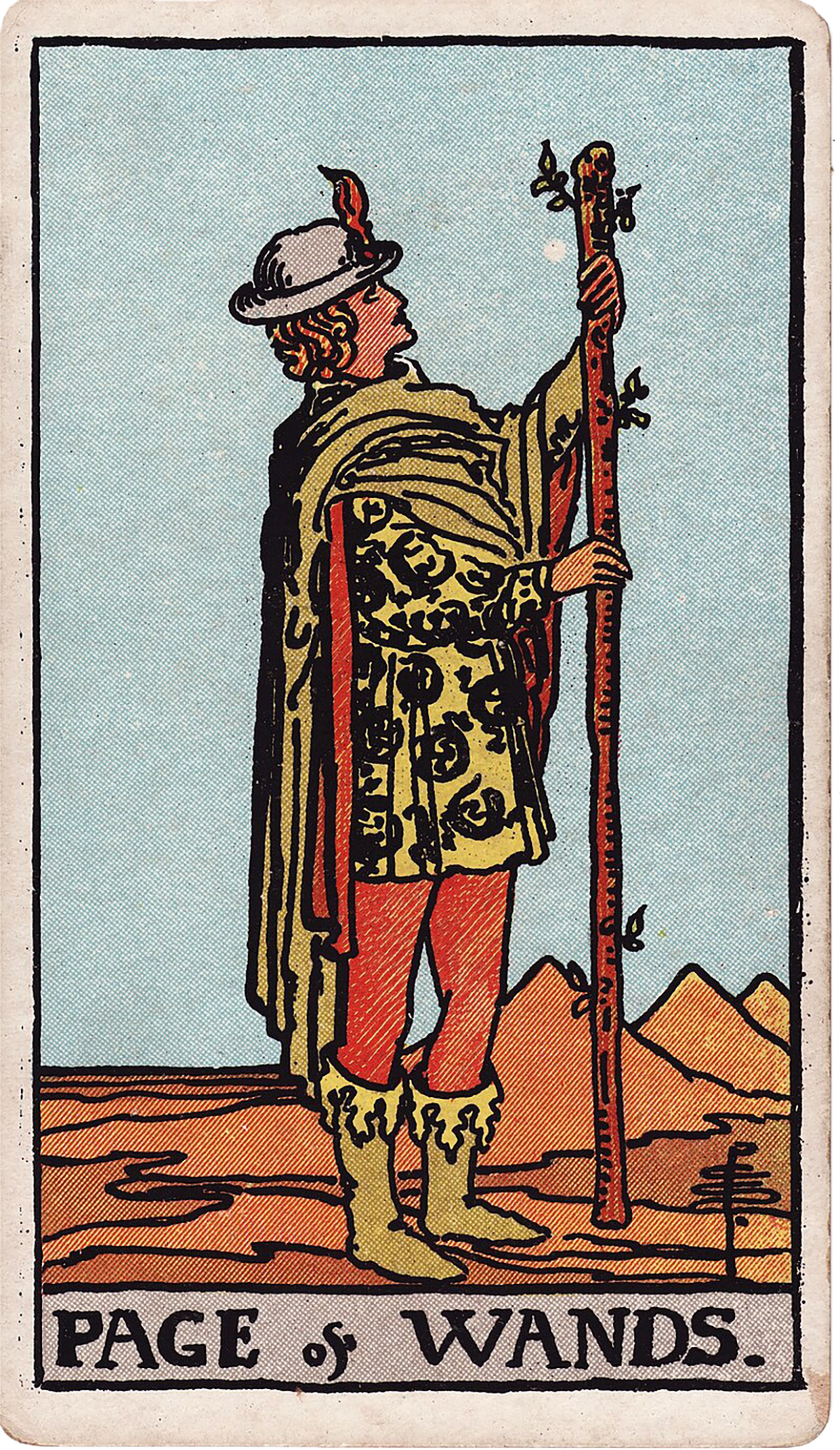 Page of Wands
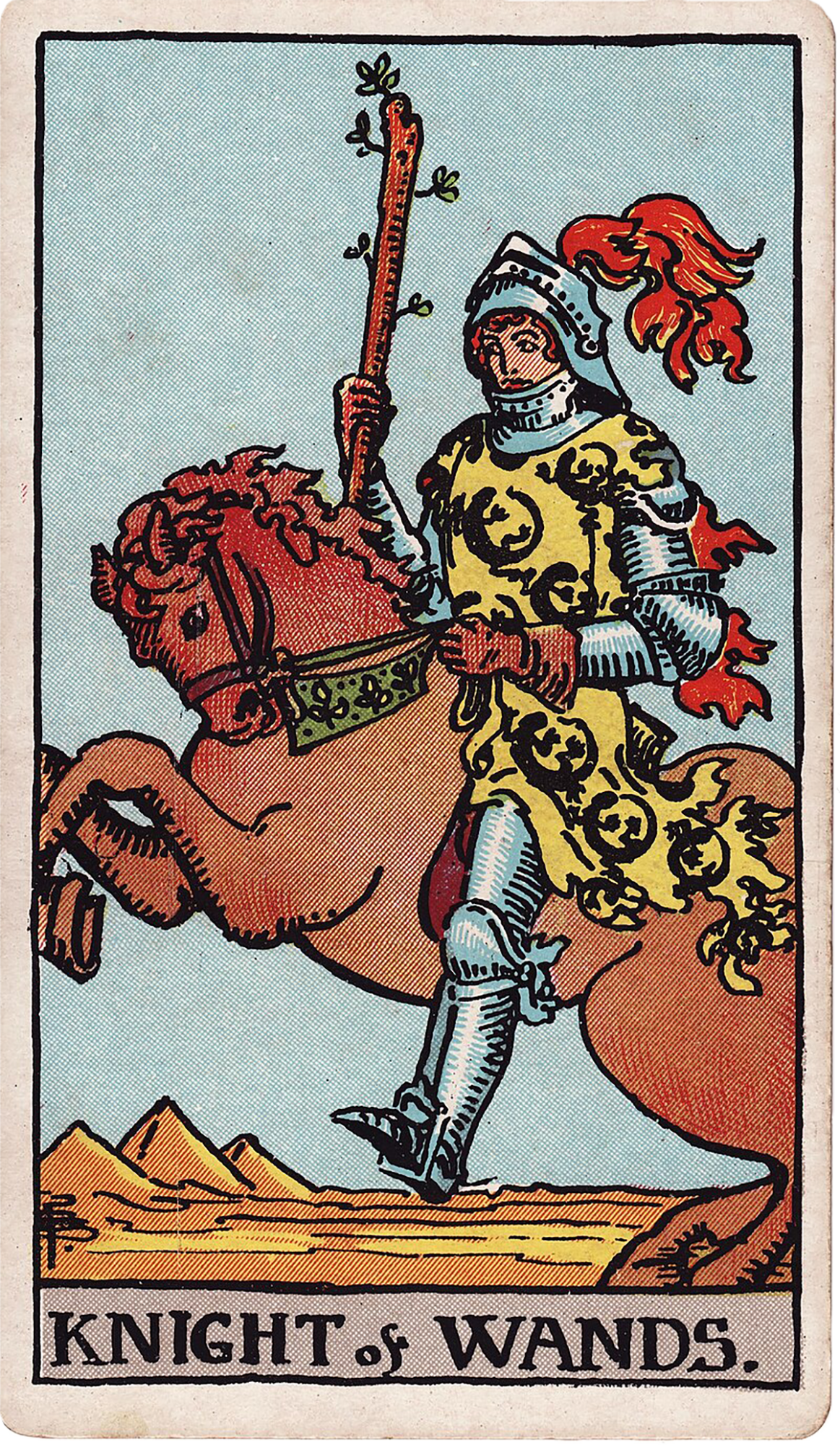 Knight of Wands
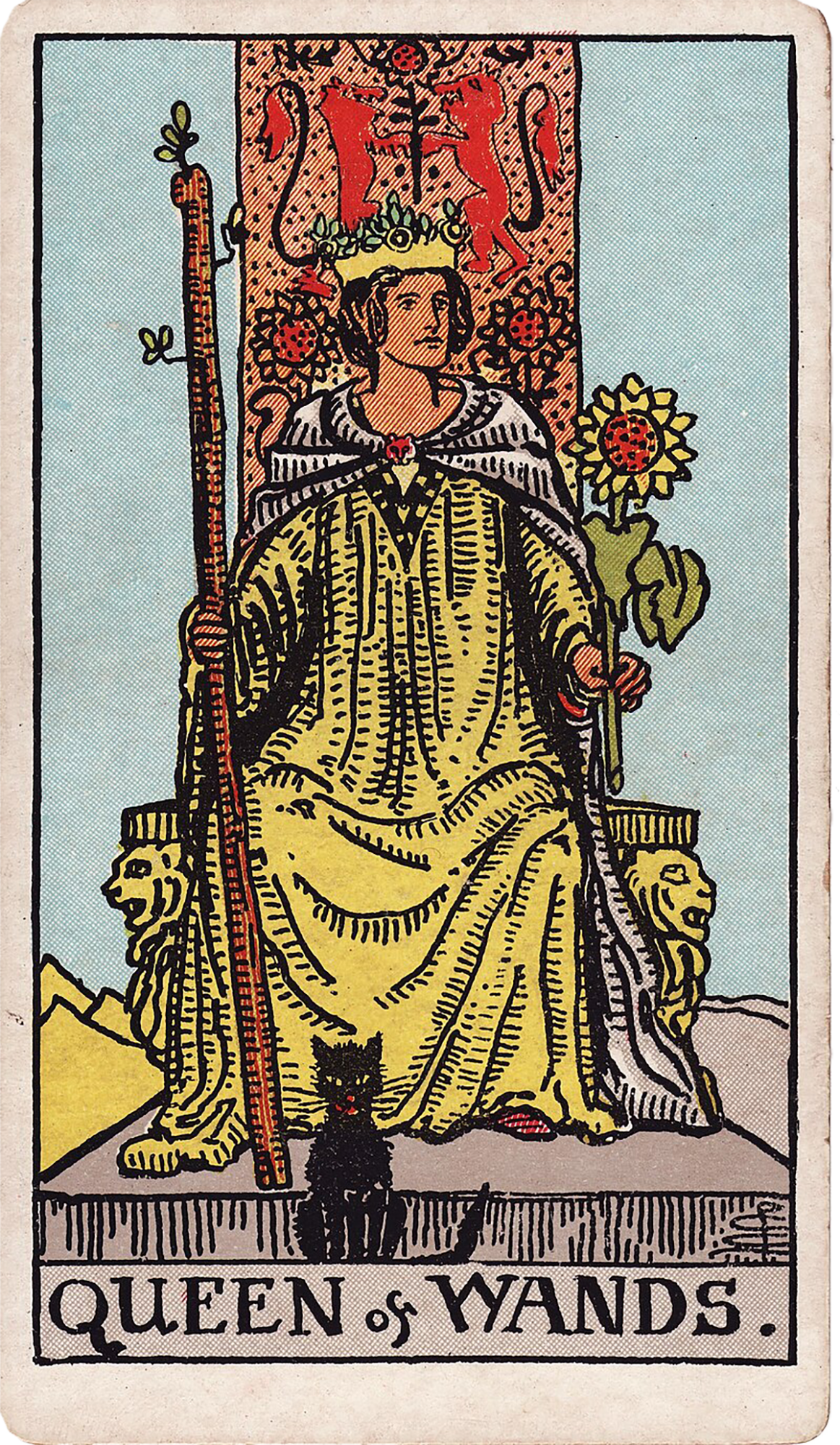 Queen of Wands
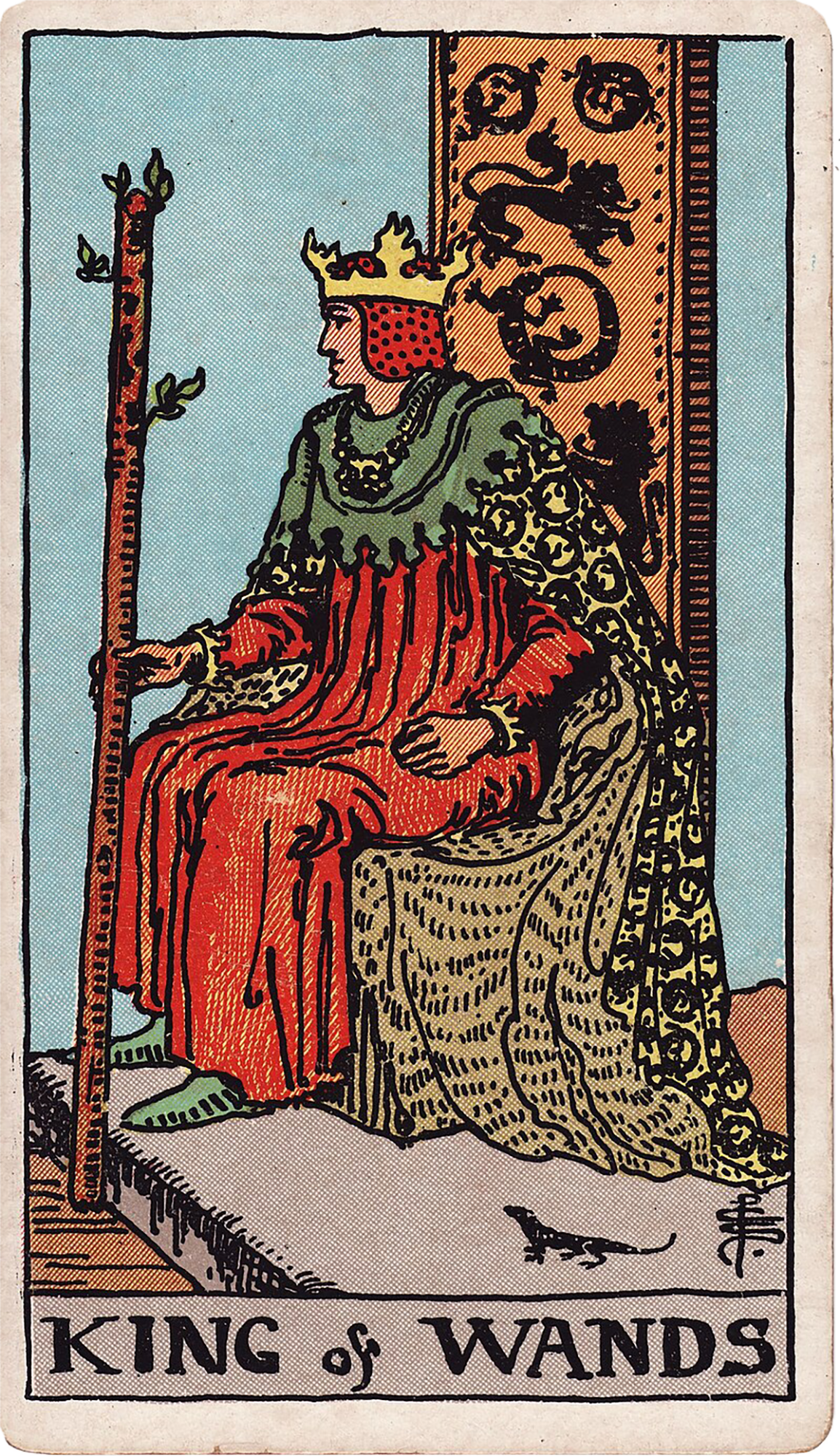 King of Wands
Introduction to the Wands Court Cards and Their Role in the Minor Arcana
The Wands suit in the Minor Arcana is traditionally associated with the element of fire, symbolizing drive, passion, creativity, and personal ambition. The Court Cards—Page, Knight, Queen, and King—represent evolving archetypes of leadership and energy management within this fiery domain. Each court card embodies a stage of growth and a unique style of expressing the suit’s core qualities: motivation, initiative, identity, and direction of energy. Understanding these figures is essential for tarot readers who wish to navigate complex family dynamics, leadership questions, and personal development themes during readings. The Rider-Waite-Smith deck’s imagery provides rich symbolism to anchor interpretations, enabling practical, nuanced insights rather than abstract ideals.
Page of Wands as the Embodiment of Beginner Energy and Exploration
The Page of Wands represents the inception of creative and leadership energy. Upright, the card depicts a youthful figure holding a blooming wand, symbolizing curiosity, enthusiastic experimentation, and the emergence of ideas ready to be explored. This stage is pivotal for recognizing fledgling motivation or ambition within a situation, often signaling the need to respond practically to current opportunities rather than distant goals. In readings, the Page of Wands asks: Where is new energy seeking expression? How can the querent nurture budding creativity or initiative? The card’s upright meaning encourages embracing discomfort or effort as part of early growth. Reversed, the Page warns against immaturity, inconsistency, or fear of appearing inexperienced. This can manifest as excitement without follow-through or internal resistance to fully owning one’s identity and creative drive. Instead of treating the reversal as mere failure, readers should examine where the process is stuck and what simplifications or communications are necessary to move forward. Visually, the Rider-Waite Page’s open stance and gaze towards the wand’s budding leaves emphasize optimism and potential. For practical reading, look for surrounding cards that clarify if this energy is just beginning or struggling to develop.
Knight of Wands as Decisive Movement and Courageous Initiative
The Knight of Wands captures the surge of action and bold movement following the Page’s initial spark. The Rider-Waite image of a knight riding swiftly with a raised wand evokes strong ambition, creativity in motion, and the courage to take risks. Upright, this card invites readers to consider where fast, decisive energy is available and how to harness it responsibly. It highlights the importance of direction and purpose alongside speed, reminding us that passion without focus can lead to burnout or chaos. When reversed, the Knight points to recklessness, impatience, anger, or restlessness. This imbalance often reflects a pattern of beginning many projects without finishing them or chasing excitement without building sustainable foundations. The reversal urges the querent or reader to identify where energy is scattered and what must be grounded or communicated clearly to regain constructive flow. In practical reading, the Knight of Wands often signals a developmental stage following the Page’s initial curiosity. Observing surrounding cards helps determine if the energy is growing or becoming pressured. Its depiction of a confident yet dynamic figure serves as a visual cue to assess how leadership and initiative are being exercised.
Queen of Wands as Visible Confidence and Creative Leadership
The Queen of Wands embodies mature, confident leadership infused with warmth and independent creativity. The Rider-Waite-Smith card portrays a seated queen holding a sunflower and wand, symbolizing vitality, social warmth, and personal magnetism without diminishing others. Upright, she represents the ability to lead with both strength and empathy, encouraging readers to explore themes of visible confidence, social influence, and creative problem-solving. Reversed, the Queen warns of jealousy, insecurity masked by performance, burnout from constant strength, or manipulative charm used to control situations. This internalized struggle may be invisible externally, making it crucial for readers to investigate underlying emotional blockages or unhealthy leadership dynamics. The Queen’s image encourages reflection on how personal identity and ambition are expressed in family or community settings. Practically, when this card appears, it signals a moment to balance independence with collaboration, ensuring leadership is inclusive rather than domineering.
King of Wands as Mature Vision and Responsible Entrepreneurship
The King of Wands symbolizes the full maturation of creative and leadership energy into responsible vision and entrepreneurship. The Rider-Waite-Smith image shows a commanding figure holding a flowering wand, exuding authority, courage, and the ability to take responsibility for the energy one unleashes. Upright, this card reflects mastery over motivation, ambition, and initiative, encouraging practical action grounded in clear communication and strategic planning. Reversed, the King of Wands highlights challenges such as domination, impatience, grandiosity, temper, or unclear expectations placed on others. This can signal leadership that is authoritarian or disconnected from the needs and understandings of those involved. Rather than dismissing the reversed King as merely negative, readers should seek to identify where communication or humility needs strengthening to restore healthy leadership balance. In readings, this card often represents a pivotal figure or an aspect of the querent’s own identity requiring mature confidence and vision. The detailed iconography, such as the lion motif symbolizing strength and courage, visually reiterates the card’s themes of responsible authority and purposeful energy direction.
Practical Techniques for Reading the Wands Court Cards Within Spreads
When interpreting the Wands Court Cards, it is essential to contextualize their meanings within the reading’s broader narrative. Here are step-by-step techniques to enhance accuracy and depth: 1. Assess the card’s orientation (upright or reversed) and note the emotional tone it sets. 2. Anchor interpretation in Rider-Waite-Smith symbolism—observe the posture, facial expressions, and natural elements like blooming wands or sunflowers. 3. Identify the card’s position within the querent’s journey: Is it representing a new initiative (Page), growing momentum (Knight), established leadership (Queen), or mature mastery (King)? 4. Examine neighboring cards to determine if the energy is beginning, developing, under pressure, or resolving. 5. Ask reflective questions: What leadership or creative qualities are emerging or blocked? How is the querent directing their energy and ambition? 6. Avoid simplistic opposites for reversed cards; instead, focus on where the energy cycle is stuck or imbalanced. 7. Consider family or social dynamics if the reading involves interpersonal issues, as these cards often reflect roles and influence within groups. By applying these methods, readers can unlock the nuanced lessons of the Wands Court Cards and provide guidance rooted in both symbolism and practical growth.
Common Mistakes and How to Avoid Them When Interpreting the Wands Courts
Tarot learners often make several pitfalls when working with the Wands Court Cards: - Overgeneralizing court cards as literal people rather than archetypes or facets of personality and energy. - Treating reversed cards as simply “bad” or the exact opposite of upright meanings, rather than indicators of blockage, imbalance, or internal struggle. - Ignoring the suit’s fiery nature, which emphasizes motivation, identity, and initiative rather than passive outcomes. - Failing to integrate the card’s imagery into interpretation, thereby missing emotional and symbolic cues. - Neglecting the developmental sequence from Page to King, which can clarify the querent’s stage in growth or leadership. To avoid these mistakes, readers should focus on the narrative role each court card plays within the Wands suit’s energetic flow, use the detailed Rider-Waite imagery as guideposts, and practice reflective questioning that uncovers the deeper lessons beneath surface meanings.
Applying Wands Court Card Lessons to Family and Personal Growth Contexts
The Wands Court Cards offer rich insights when read in the context of family dynamics and personal development. Each card corresponds to different roles and challenges common in family or leadership settings: - The Page of Wands suggests young or emerging family members stepping into new roles, emphasizing curiosity and the need for guided encouragement. - The Knight of Wands may represent a family member or aspect of self that is impulsive, restless, or poised for action but needing grounded focus. - The Queen of Wands embodies nurturing leadership that balances confidence with warmth, ideal for mediating family relationships and fostering creativity. - The King of Wands reflects responsible authority, vision, and the ability to inspire and manage collective energy within the family or community. By seeing these cards as dynamic expressions of leadership and growth stages, readers can advise querents on how to support family members’ initiatives, recognize leadership styles, and navigate conflicts fueled by ambition or energy mismanagement. The Wands Courts remind us that leadership is not static but an evolving process requiring awareness, communication, and balance.
Conclusion Unlocking Leadership Wisdom Through the Wands Court Cards
The Court Cards of Wands collectively map a pathway through curiosity, courageous action, confident leadership, and mature vision. Their upright and reversed meanings invite tarot learners to explore not only external events but also internal patterns of energy direction and identity formation. Through attentive reading anchored in Rider-Waite-Smith symbolism, the Page, Knight, Queen, and King of Wands become powerful tools for unlocking leadership lessons, understanding family dynamics, and fostering personal growth. Readers who integrate these cards’ themes into their practice deepen their ability to guide querents in navigating the challenges and opportunities of motivation, ambition, and creative force. Ultimately, the Wands Court Cards teach that true leadership arises from balanced energy, clear communication, and a commitment to growth at every stage.
Practice questions
• Where in my life or family dynamics do I see the beginner energy of the Page of Wands inviting exploration?
• How can I balance speed and direction in my current initiatives as suggested by the Knight of Wands?
• In what ways do I embody the Queen of Wands’ creative leadership and social warmth, and where might insecurities be hiding?
• What responsibilities am I ready to take on that reflect the mature vision of the King of Wands?
• How can I recognize and address internal blockages when the energy of a Wands court card feels reversed or stuck?
Comments
Sign in to comment.
Continue learning
The Fool in Life Transitions and New Beginnings
The Fool card embodies the spirit of beginnings, curiosity, and the leap of faith required during life transitions. This article explores The Fool’s meanings across various reading...
Unlocking the Energies of the King Queen and Knight of Cups for Emotional Intelligence
This article delves into the King, Queen, and Knight of Cups from the Minor Arcana's family Suit and Court Cards, emphasizing how these archetypes embody stages and expressions of...
Unlocking Personality Traits Through the Court Cards of Pentacles
This article delves into the personality traits and life lessons embodied by the court cards of Pentacles: Page, Knight, Queen, and King. Grounded in the practical symbolism of the...
Integrating The Fool and The World to Chart the Journey of Tarot Initiation
This article explores the integration of The Fool and The World cards as symbolic bookends in the Tarot journey, emphasizing their complementary lessons for initiates. Drawing on t...
Unlocking Personality and Leadership Qualities with the King Queen and Knight of Pentacles
This article delves into the King, Queen, and Knight of Pentacles court cards within the Minor Arcana, focusing on their symbolism of personality traits and leadership within the f...
Unlocking the Roles and Personalities of Page Knight Queen and King of Swords
This article delves deeply into the family suit lessons of the Page, Knight, Queen, and King of Swords, exploring their roles and personalities within the Minor Arcana. Anchored in...
Unlocking Personality Insights Through the Court Cards of Cups
The Court Cards of Cups offer a rich framework for understanding emotional personality traits, interpersonal dynamics, and intuitive processes. This article guides learners through...
Unlocking the Dynamic Partnership of The Magician and The High Priestess in Tarot Combinations
The Magician and The High Priestess represent two complementary archetypes in the tarot deck that, when combined, offer a rich interplay of conscious action and intuitive insight....
Unlocking Leadership Styles Through the King Queen and Knight of Swords
This article delves into the leadership styles portrayed by the King, Queen, and Knight of Swords, court cards in the Minor Arcana’s Suit of Swords. By closely examining their Ride...
Unlocking Practical Wisdom and Ambition Through the Court Cards of Pentacles
This article delves deeply into the suit of Pentacles’ court cards—Page, Knight, Queen, and King—offering tarot learners a comprehensive understanding of their practical wisdom and...