
Unlocking Leadership Qualities Through the Court Cards of Swords
This article delves into the leadership qualities embodied by the Court Cards of Swords in the Minor Arcana, offering learners a structured approach to decoding their symbolism, upright and reversed meanings, and practical reading techniques. Anchored in the Rider-Waite-Smith tradition and the specific imagery of the Page, Knight, Queen, and King of Swords, it highlights how each card reflects stages of intellectual and communicative mastery essential for effective leadership. Learners will gain insights into balancing mental agility, truthful communication, courage in action, and mature judgment, while avoiding common interpretive pitfalls. Reflection questions and contextual examples provide tools for deepening understanding and practical application in tarot readings focused on leadership development.
Cards explored in this article
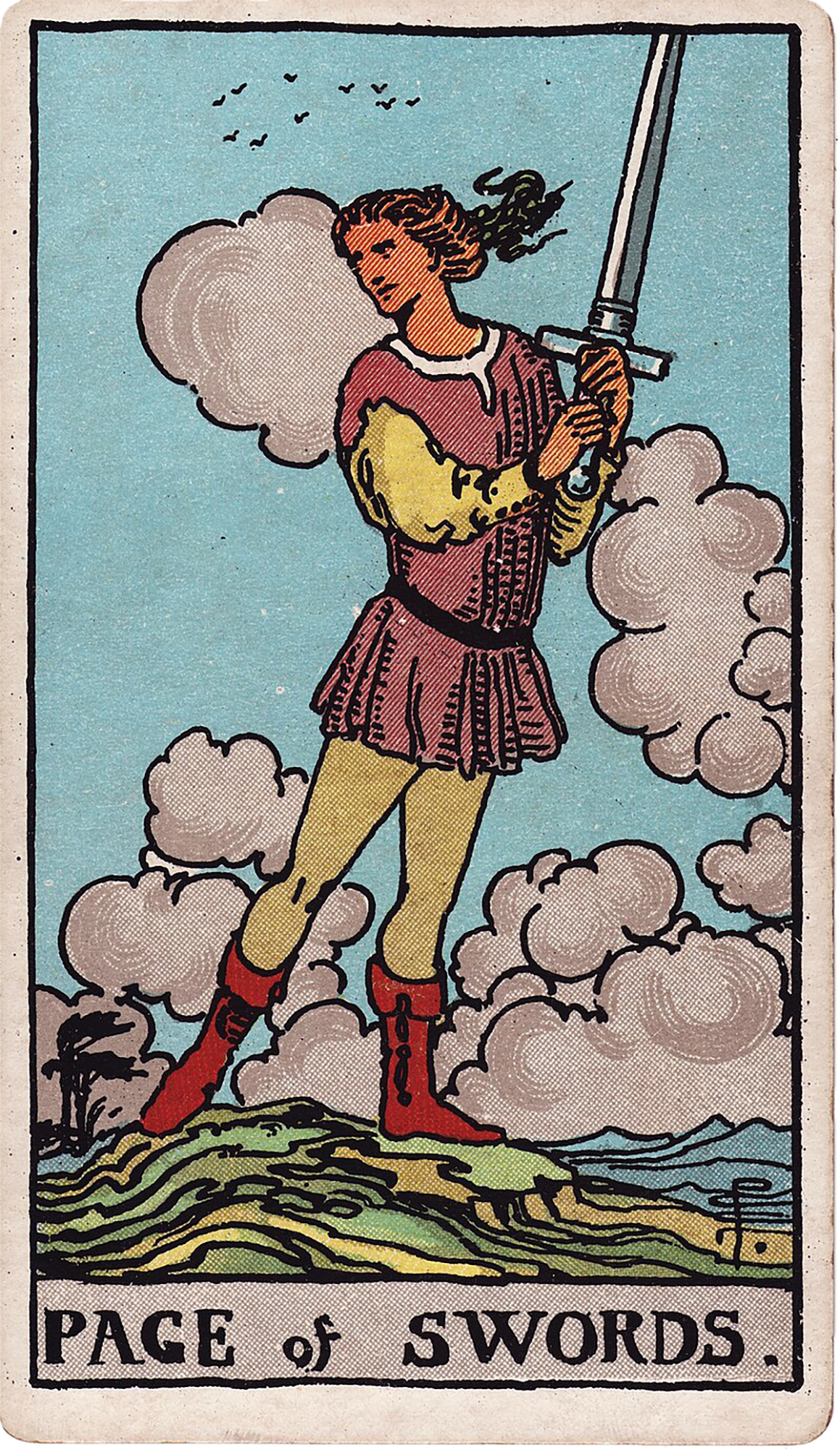 Page of Swords
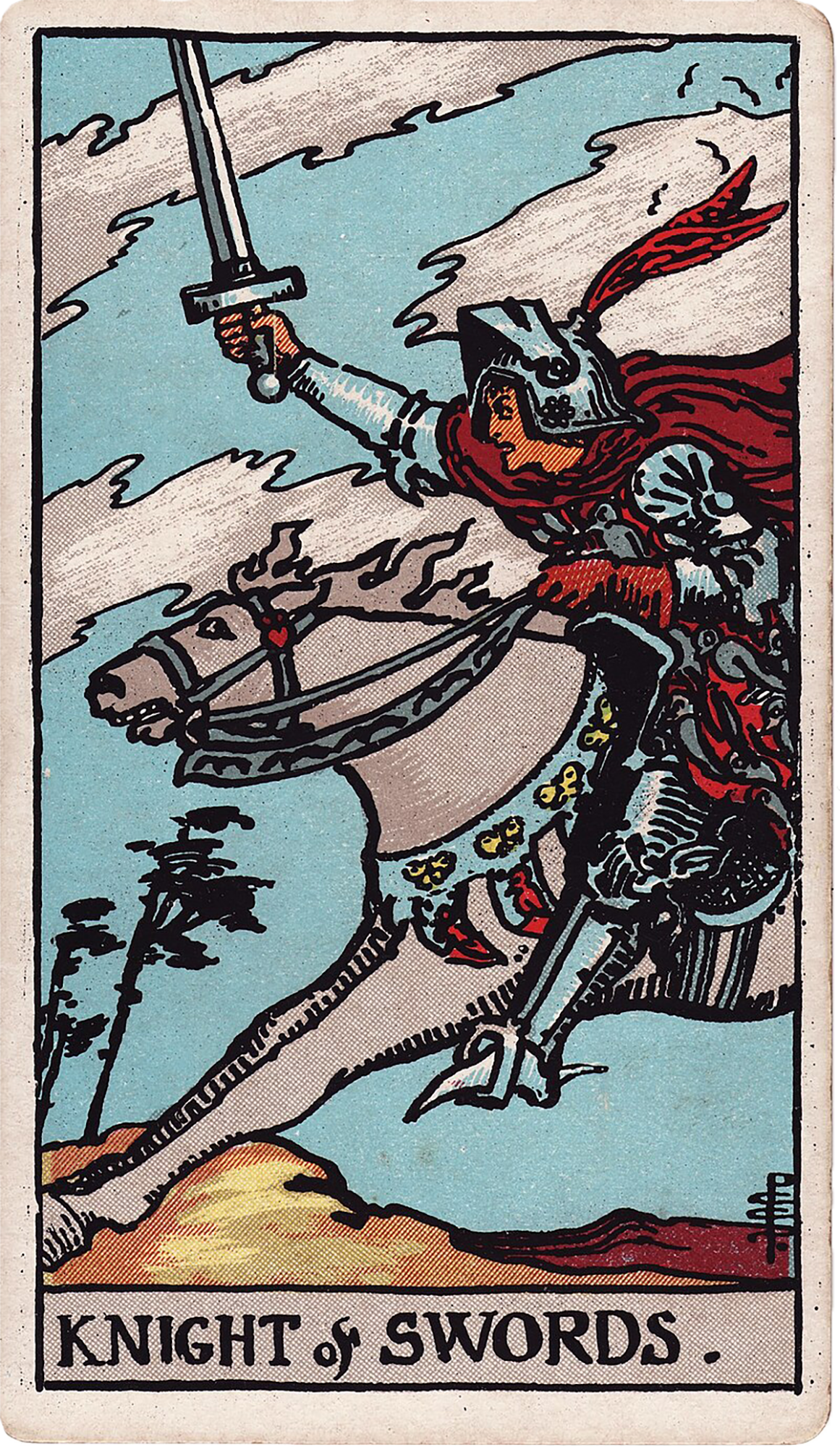 Knight of Swords
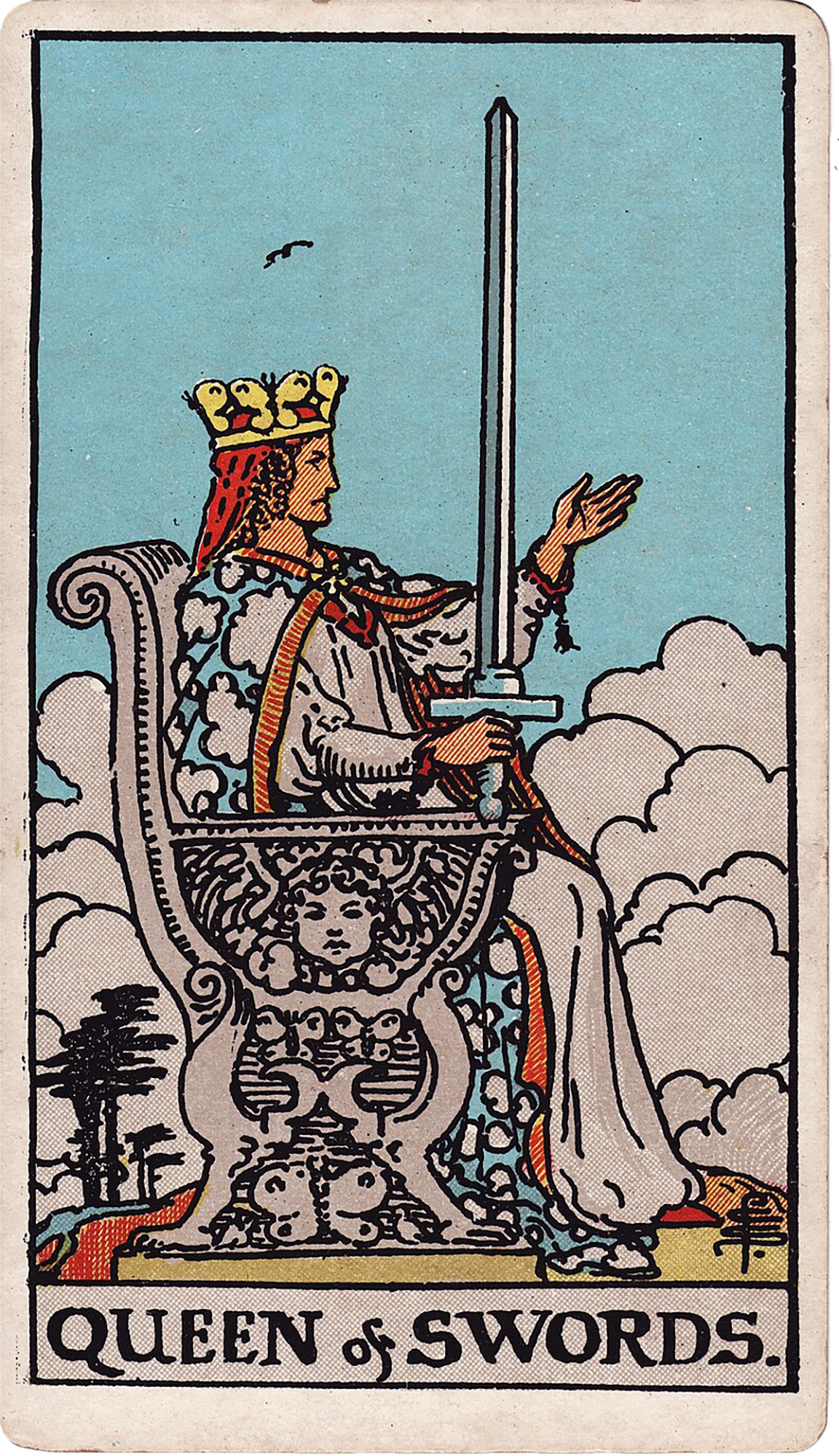 Queen of Swords
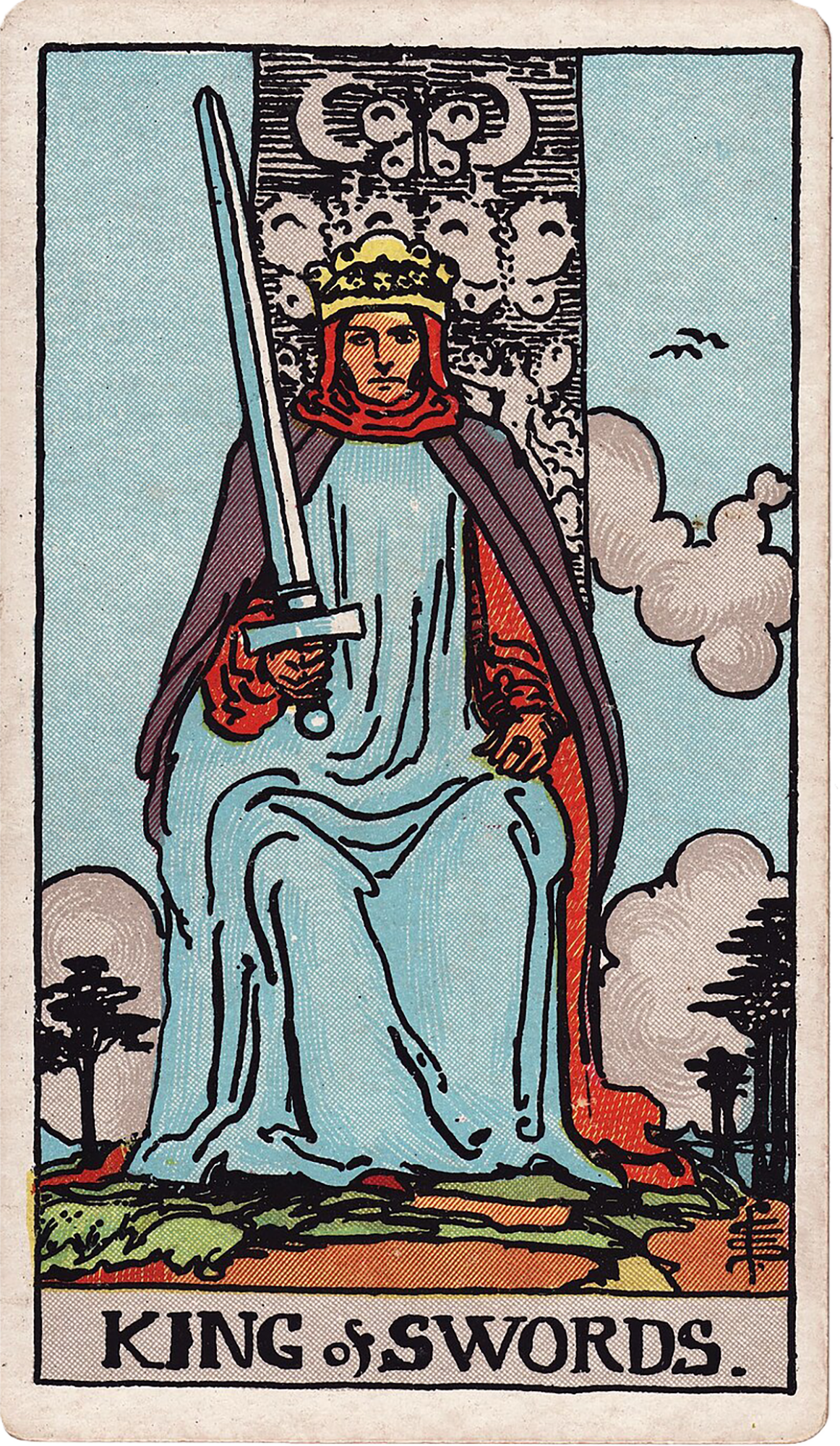 King of Swords
Introduction to Leadership through the Swords Court Cards
The Court Cards in the Suit of Swords—Page, Knight, Queen, and King—offer a rich framework for exploring leadership qualities tied to intellectual rigor, communication, and strategic thinking. Traditionally, the Suit of Swords is associated with the element of Air, representing thought, conflict, truth, and decisions. Each Court Card personifies a distinct stage or facet of leadership within this mental and communicative realm. Understanding these stages provides a roadmap for recognizing leadership patterns in personal growth and in clients during tarot readings. This article emphasizes practical interpretation anchored to the Rider-Waite-Smith symbolism, encouraging learners to see these cards less as fixed predictions and more as dynamic lessons unfolding in real time.
Page of Swords as the Leader in Training
The Page of Swords symbolizes the beginning of intellectual leadership, marked by curiosity, vigilance, and the desire to gather information. Depicted as a youthful figure holding a sword aloft, ready to face the winds of change, the Page embodies mental agility and alertness. Upright, it encourages asking questions, strategic observation, and clear communication to navigate challenges. For example, in leadership development, this card points to the importance of being open-minded and ready to learn rather than imposing preconceived ideas. Reversed, the Page may indicate scattered focus, gossip, or premature conclusions—pitfalls for emerging leaders who have not yet mastered consistent communication or disciplined thought. Instead of simply viewing the reversal as negative, readers should explore where the leadership process has become stuck or immature. The Page reminds us that effective leadership begins with self-awareness and disciplined inquiry.
Knight of Swords as Decisive Action and Courage
Progressing from the Page, the Knight of Swords embodies decisive leadership marked by swift action and unflinching courage. The Rider-Waite-Smith imagery shows the Knight charging forward, sword raised high, symbolizing cutting through delay and confusion with focused intent. Upright, this card highlights the capacity to act boldly, communicate forcefully, and embrace challenge in pursuit of truth and strategy. In practical readings, the Knight signals a need to move decisively but with awareness of timing and consequences. Reversed, this energy may become reckless, aggressive, or tunnel-visioned, where nuance and long-term outcomes are ignored. The reversal invites reflection on whether leadership is operating with balance or pushing too hard in a way that alienates others or overlooks critical details. Effective leadership through the Knight archetype requires mastering the tension between speed and thoughtful deliberation.
Queen of Swords as Clear-Minded and Honest Leadership
The Queen of Swords represents mature intellectual independence and honest communication. She is often depicted seated with a sword upright, gazing forward with clarity and measured authority, embodying the essence of truthful boundaries without cruelty. This card in the upright position calls for leaders to cultivate emotional intelligence alongside mental clarity, balancing honesty with empathy. The Queen teaches that leadership is not just about assertiveness but about creating space for genuine dialogue and respect for differing perspectives. When reversed, the Queen’s qualities can become bitterness, excessive criticism, or emotional detachment. This signals the need to address personal wounds or communication habits that shut down collaboration. Understanding the Queen’s balance between head and heart is fundamental for leadership that is both effective and humane.
King of Swords as Strategic and Principled Authority
The King of Swords embodies the pinnacle of leadership within the Suit of Swords—mature intellectual authority and strategic judgment rooted in principle and evidence. The traditional card shows a regal figure wielding a sword with confidence and calm deliberation. This card urges leaders to operate with fairness, clarity, and a commitment to truth that transcends personal bias. Upright, the King encourages decision-making grounded in both logic and ethical standards, reminding readers that true leadership involves responsibility toward others. Reversed, it warns of coldness, manipulation, or abuse of authority, challenging leaders to reflect on how power is wielded and whether it respects human dignity. The King’s lesson is that authority must be balanced with compassion and integrity for leadership to be sustainable and respected.
Practical Techniques for Reading Swords Court Cards on Leadership
When interpreting the Court Cards of Swords in the context of leadership, it is essential to: 1. Anchor your reading in the Rider-Waite-Smith imagery—notice posture, gaze, sword position, and surrounding elements to understand the card’s energy. 2. Assess the card’s orientation (upright or reversed) not simply as good or bad but as indicators of developmental stages or blockages in leadership qualities. 3. Consider the card’s placement in the spread and its relationship to surrounding cards to determine if leadership qualities are emerging, challenged, or resolving. 4. Use open-ended questions such as 'Where is this leadership quality visible in my life or the querent’s?' or 'What needs to be released or strengthened to express this card’s energy healthily?' 5. Recognize that leadership in the Swords realm prioritizes communication, thought, and ethical decision-making rather than emotional or material power. Avoid common mistakes like overgeneralizing the Court Cards as fixed personality types or ignoring reversals’ nuances. Instead, treat these cards as dynamic guides illustrating a spectrum of leadership growth.
Common Mistakes and How to Avoid Them
A frequent error in interpreting the Swords Court Cards is viewing them merely as representations of people, rather than symbolic lessons or energies. This leads to inaccurate readings centered on personality stereotypes rather than situational insight. Another mistake is treating reversals either as purely negative or as direct opposites of upright meanings. Instead, reversals often reflect internal conflicts or developmental delays in leadership qualities and should be approached with curiosity and nuance. Furthermore, ignoring the practical, present-moment advice of the cards in favor of abstract ideals can obscure the reading’s usefulness. The Court Cards of Swords ask readers to consider tangible actions and mental attitudes appropriate to the current stage. Avoid rushing interpretations; take time to reflect on how the cards interrelate within the spread to reveal layered leadership dynamics.
Examples and Case Studies in Leadership Readings
Consider a reading where the Page of Swords appears upright in the context of career development. This may suggest the querent is entering a phase of questioning existing assumptions and needs to embrace mental curiosity and vigilance. Coupled with cards indicating challenges, the reader might advise fostering open communication and gathering information before acting. If the Knight of Swords appears reversed in a leadership dilemma, the message may caution against impulsive decisions or aggressive communication that alienates team members. Reflection on timing and listening skills would be critical. The Queen of Swords upright can affirm a leader’s need to set honest boundaries and communicate with clarity, perhaps signaling the growth of emotional maturity in leadership style. Conversely, her reversal might highlight isolation or harshness that needs to be balanced. The King of Swords upright often appears as a call for strategic, principled leadership, encouraging decisions based on evidence and fairness. If reversed, it may warn of intellectual arrogance or misuse of power, prompting self-examination and ethical recalibration.
Conclusion and Integrating Lessons for Leadership Growth
The Court Cards of Swords offer a structured journey into intellectual and communicative leadership qualities. From the inquisitive Page to the commanding King, each card encapsulates stages of mental development essential for effective leadership: curiosity and learning, decisive action, honest communication, and principled authority. By grounding interpretations in Rider-Waite-Smith symbolism and practical reading techniques, learners can unlock nuanced insights into leadership patterns in themselves and others. Recognizing and working through reversals as developmental challenges rather than simple negatives enriches the interpretive process. Ultimately, these Court Cards remind us that leadership is not a static trait but an evolving practice requiring clarity, courage, empathy, and integrity—qualities that, when cultivated, empower both individuals and communities.
Practice questions
• How do the qualities of mental curiosity and vigilance from the Page of Swords manifest in your current leadership approach?
• In what situations might the Knight of Swords' swift decisiveness be beneficial, and when might it turn reckless?
• How can you balance honesty and empathy in communication like the Queen of Swords to strengthen leadership relationships?
• What checks and balances do you need to integrate to avoid the King of Swords' pitfalls of coldness or intellectual arrogance?
• Where in your life or readings do you see leadership qualities stuck or reversed, and what steps can you take to move forward?
Comments
Sign in to comment.
Continue learning
The Fool in Life Transitions and New Beginnings
The Fool card embodies the spirit of beginnings, curiosity, and the leap of faith required during life transitions. This article explores The Fool’s meanings across various reading...
Unlocking the Energies of the King Queen and Knight of Cups for Emotional Intelligence
This article delves into the King, Queen, and Knight of Cups from the Minor Arcana's family Suit and Court Cards, emphasizing how these archetypes embody stages and expressions of...
Unlocking Personality Traits Through the Court Cards of Pentacles
This article delves into the personality traits and life lessons embodied by the court cards of Pentacles: Page, Knight, Queen, and King. Grounded in the practical symbolism of the...
Integrating The Fool and The World to Chart the Journey of Tarot Initiation
This article explores the integration of The Fool and The World cards as symbolic bookends in the Tarot journey, emphasizing their complementary lessons for initiates. Drawing on t...
Unlocking Personality and Leadership Qualities with the King Queen and Knight of Pentacles
This article delves into the King, Queen, and Knight of Pentacles court cards within the Minor Arcana, focusing on their symbolism of personality traits and leadership within the f...
Unlocking the Roles and Personalities of Page Knight Queen and King of Swords
This article delves deeply into the family suit lessons of the Page, Knight, Queen, and King of Swords, exploring their roles and personalities within the Minor Arcana. Anchored in...
Unlocking Personality Insights Through the Court Cards of Cups
The Court Cards of Cups offer a rich framework for understanding emotional personality traits, interpersonal dynamics, and intuitive processes. This article guides learners through...
Unlocking the Dynamic Partnership of The Magician and The High Priestess in Tarot Combinations
The Magician and The High Priestess represent two complementary archetypes in the tarot deck that, when combined, offer a rich interplay of conscious action and intuitive insight....
Unlocking Leadership Styles Through the King Queen and Knight of Swords
This article delves into the leadership styles portrayed by the King, Queen, and Knight of Swords, court cards in the Minor Arcana’s Suit of Swords. By closely examining their Ride...
Unlocking Practical Wisdom and Ambition Through the Court Cards of Pentacles
This article delves deeply into the suit of Pentacles’ court cards—Page, Knight, Queen, and King—offering tarot learners a comprehensive understanding of their practical wisdom and...