
Unlocking Life Lessons Through the Court Cards of the Suit of Wands
The Court Cards of the Suit of Wands represent dynamic stages of energy, motivation, and creative force, offering rich lessons about ambition, leadership, and personal development. This article unpacks the meanings of the Page, Knight, Queen, and King of Wands as they appear in readings, with guidance on practical interpretation rooted in Rider-Waite-Smith symbolism and grounded in real-world contexts. Readers will gain tools to identify where these cards' energies manifest in their lives, discern patterns of growth or blockage, and apply these insights to family and interpersonal dynamics.
Cards explored in this article
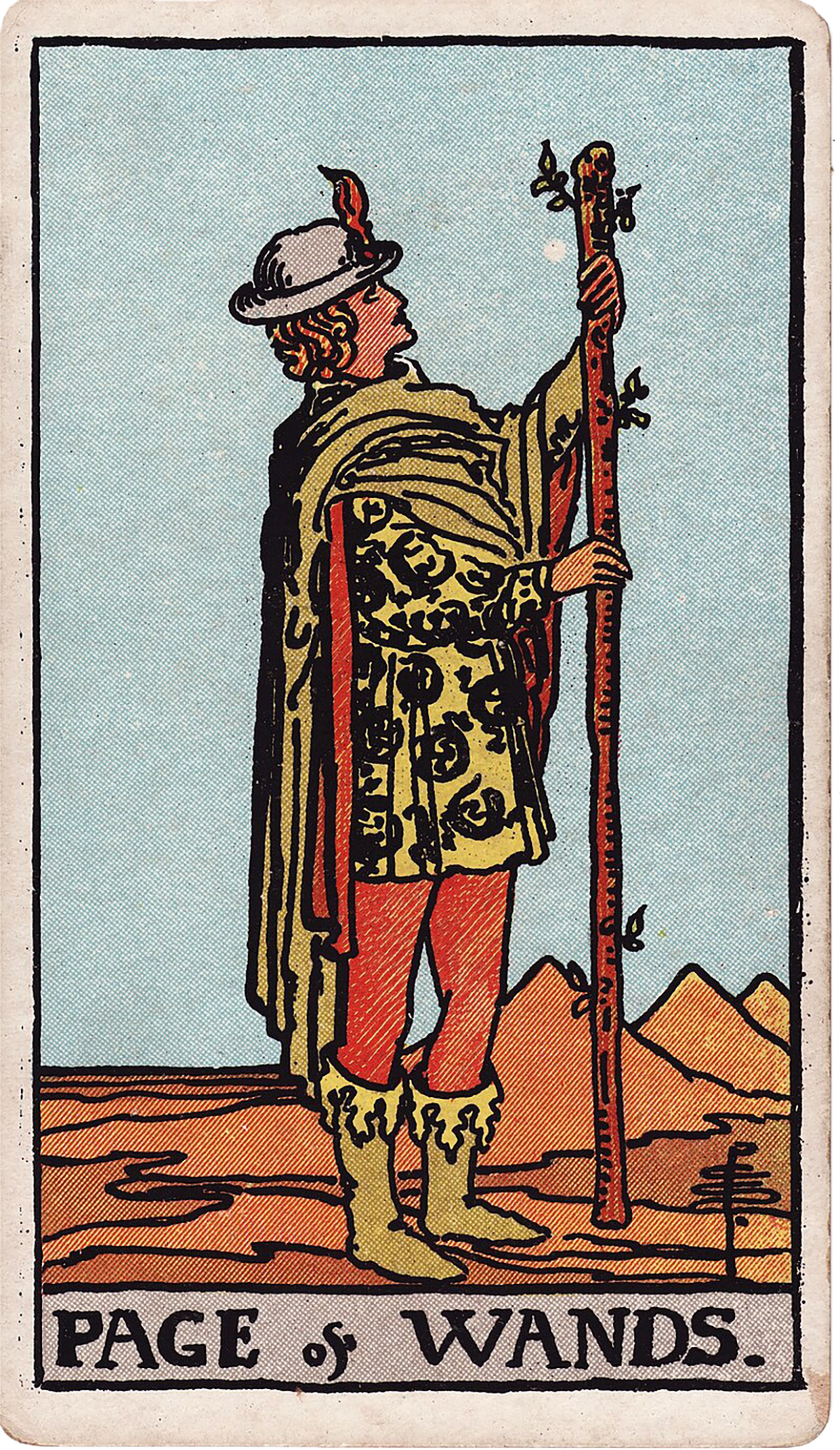 Page of Wands
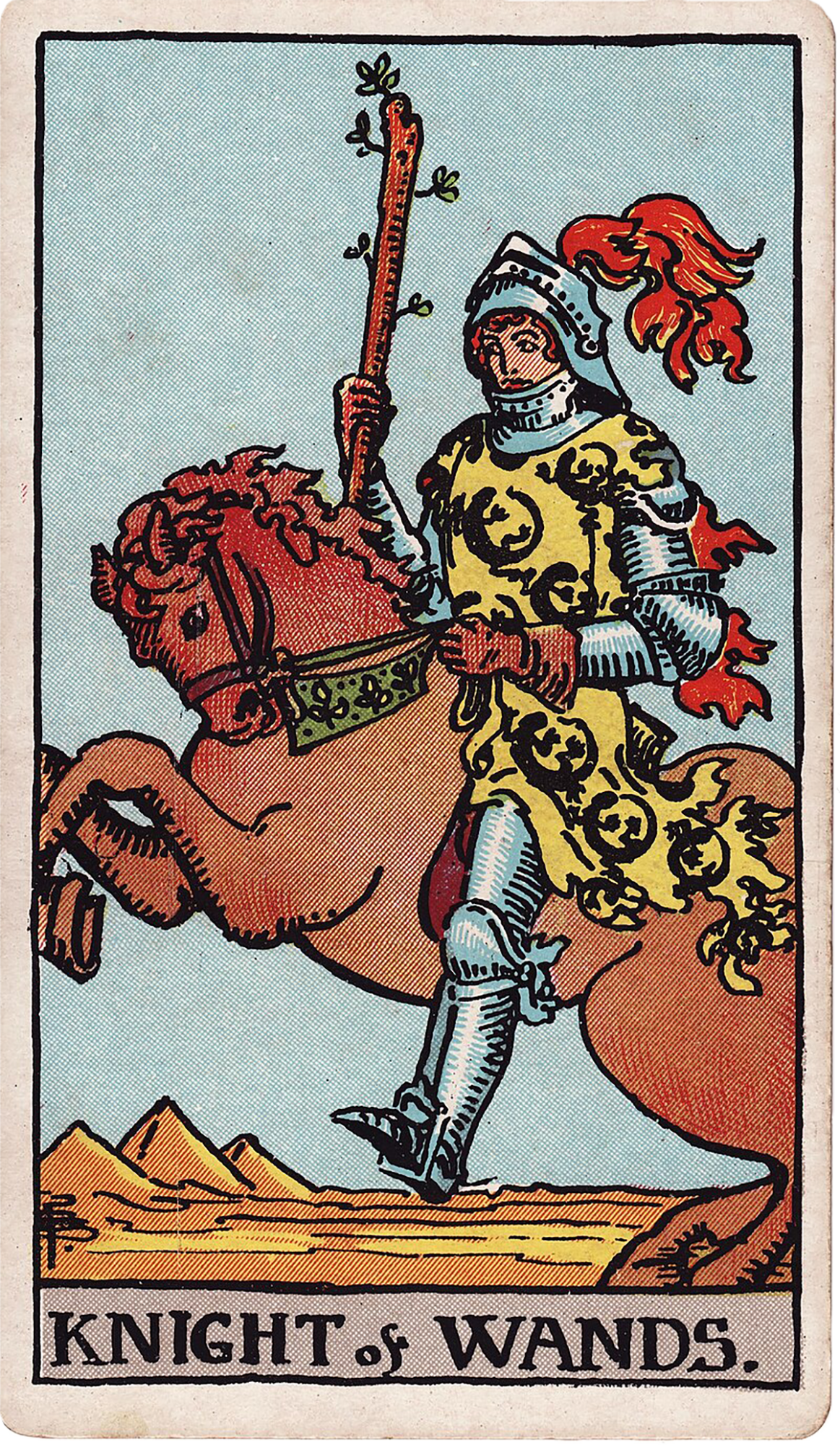 Knight of Wands
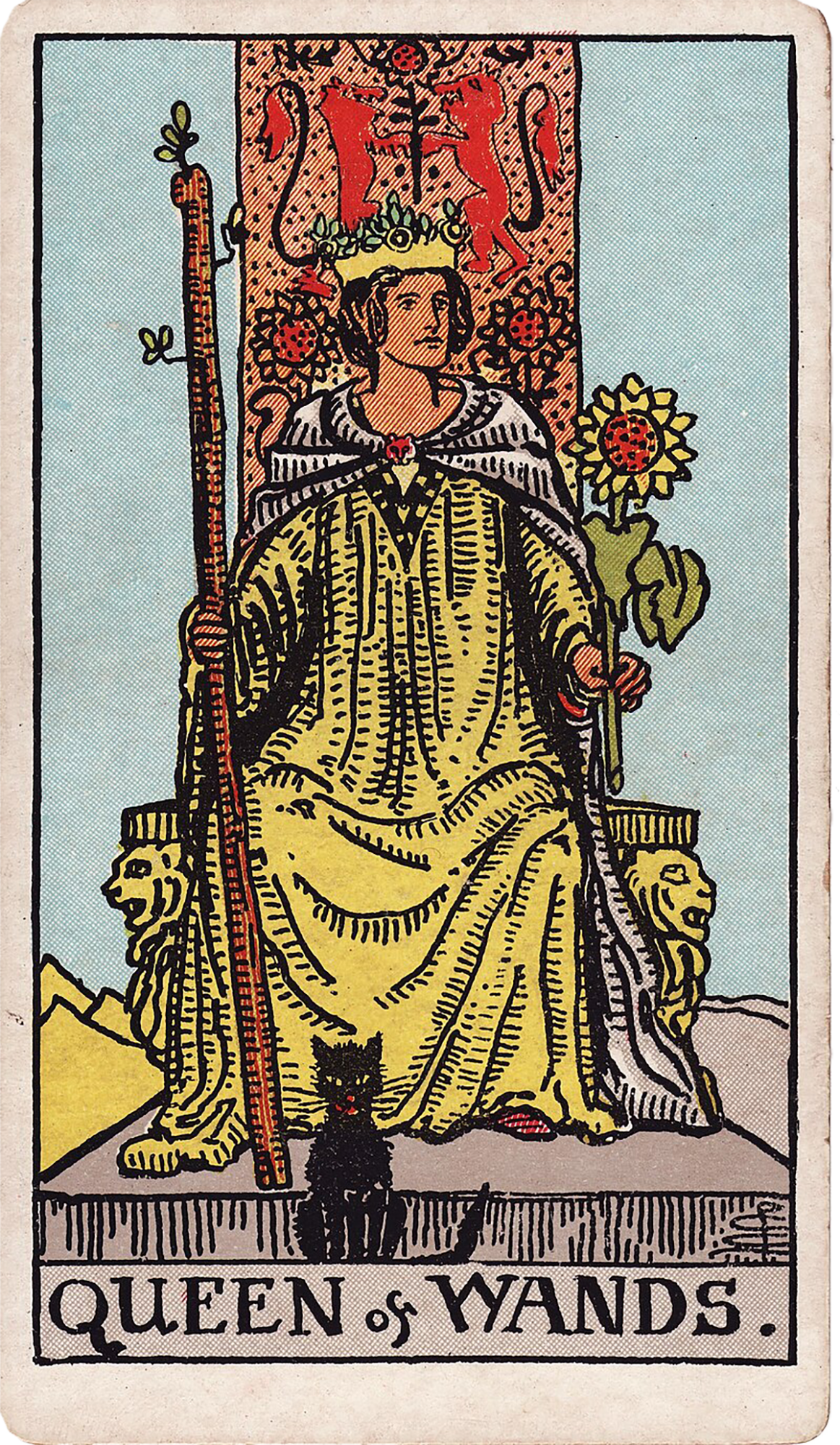 Queen of Wands
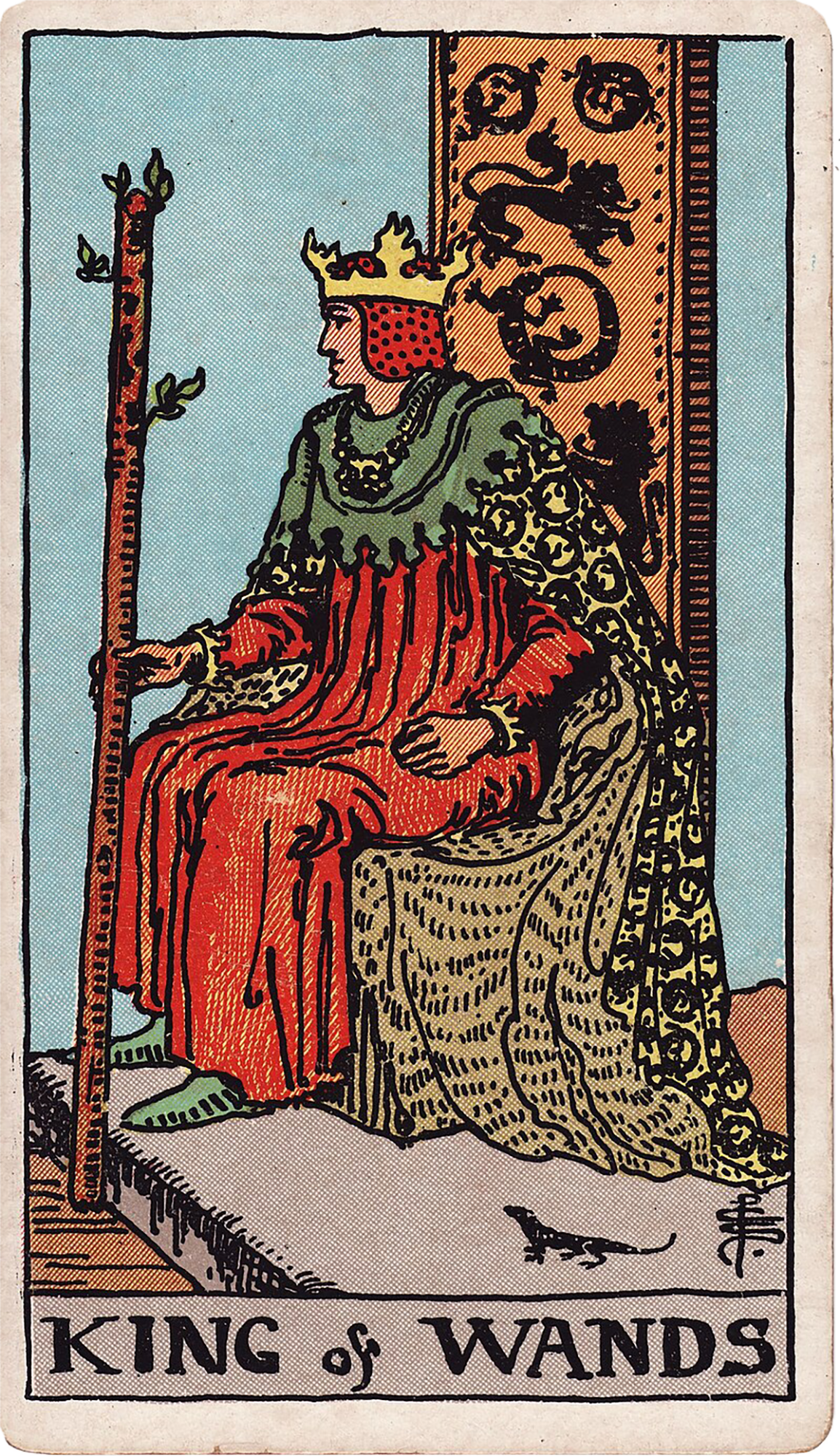 King of Wands
Introduction to the Suit of Wands and Its Court Cards
The Suit of Wands in the Minor Arcana symbolizes the element of fire, embodying energy, creativity, ambition, and initiative. Within this suit, the Court Cards — Page, Knight, Queen, and King — personify stages of development and types of energy expression within the fire element’s domain. Unlike numbered cards that often describe situations or influences, Court Cards typically represent aspects of personality, roles we play, or approaches to challenges. Understanding their family relationship and progression offers a framework for unlocking life lessons in motivation, confidence, and leadership.
Page of Wands as the Embodiment of Beginner’s Energy
The Page of Wands is the spark of curiosity and exploration. Upright, this card highlights beginner energy in the realm of fire — a youthful spirit eager to experiment and learn. The Rider-Waite-Smith imagery portrays the Page holding a budding wand, symbolizing nascent potential and a message or idea inviting further investigation. When appearing in readings, it encourages engagement with creative ambitions or new ventures, emphasizing practical responses appropriate to the current stage rather than abstract ideals. Reversed, the Page warns of immaturity, inconsistency, or fear of appearing inexperienced. This blockage suggests a need to simplify or practice foundational skills before advancing. Rather than reading the reversal simply as a negative, consider where the process has stalled internally, perhaps due to self-doubt or failure to communicate ideas effectively. In practice, when the Page of Wands appears, ask: where am I responding with curiosity but lack follow-through? What beginner’s mindset can I cultivate without becoming overwhelmed or scattered? The card invites learners to recognize the value of initial efforts, even if imperfect, as essential for growth.
Knight of Wands and the Dance of Courage and Direction
The Knight of Wands channels decisive movement, high energy, and courage. The Rider-Waite-Smith image of a knight astride a rearing horse captures forward momentum and eagerness to take action. Upright, this card calls for harnessing motivation and ambition with a mindful sense of direction — speed alone does not guarantee success. It often signals a time where bold initiatives are needed, but with attention to where energy is channeled. In reversal, the Knight can reveal recklessness, restlessness, or a tendency to abandon projects prematurely. The imbalance may stem from chasing excitement without grounding or failing to commit long enough to build sustainable outcomes. This is a critical lesson in patience and focus. For readers, the key question is: am I moving forward with purpose or merely reacting impulsively? The Knight asks for courage paired with responsibility for one’s chosen path, reflecting an energetic phase that is dynamic but requires discipline to avoid burnout or fragmentation.
Queen of Wands as a Model of Confident Leadership and Warmth
The Queen of Wands embodies visible confidence, creative leadership, and social warmth. Her depiction with a sunflower and a black cat in Rider-Waite-Smith symbolism communicates fertility of ideas, intuition, and a grounded, charismatic presence. Upright, she represents independence balanced with inclusiveness, highlighting a mature expression of Wands’ fiery energy that uplifts rather than diminishes others. Reversed, the Queen points to jealousy, insecurity masked by performance, burnout from overextension, or manipulative charm. These shadow aspects ask for self-reflection on how confidence is expressed and whether it truly supports one’s well-being and relationships. In practical readings, the Queen encourages embracing leadership roles with authenticity and warmth. Reflection might focus on how to foster inner confidence without control, and how to avoid the trap of overworking or emotional depletion. She teaches the art of balancing ambition with empathy.
King of Wands and the Mature Direction of Creative Force
The King of Wands represents mature leadership in the realm of creativity and ambition. His upright image depicts a commanding figure holding a flourishing wand, symbolizing vision, courage, and entrepreneurship. This card asks for responsibility over the energies one unleashes, urging clear communication and strategic oversight. When reversed, the King warns of domination, impatience, grandiosity, or misplaced expectations on others to realize a vision without proper collaboration. These pitfalls highlight where leadership becomes authoritarian or disconnected. Readers learn from the King the importance of balancing initiative with accountability. The card challenges us to own our creative power fully while nurturing others’ participation. It is about guiding energy wisely and with integrity, avoiding impatience or frustration when progress stalls.
Common Misinterpretations and How to Avoid Them
A frequent mistake in reading the Wands Court Cards is to interpret reversals simply as negative opposites of the upright meanings. Instead, reversals often indicate where a process is stuck or a lesson is partially understood but not yet embodied. For example, a reversed Page of Wands is not just immaturity; it calls attention to areas needing simplification or practice. Another error is to overlook the cards’ developmental family structure. Seeing the Court Cards as isolated characters misses the nuanced progression from the enthusiastic beginner (Page) through impetuous action (Knight), mature confidence (Queen), to responsible mastery (King). Additionally, readers sometimes fixate on abstract ideals rather than fitting the card’s message to the present stage of a situation. Each Court Card’s energy should be contextualized within the querent’s current life phase and challenges, using surrounding cards to clarify whether the energy is beginning, developing, or resolving.
Techniques to Integrate Court Card Lessons in Readings
When the Page, Knight, Queen, or King of Wands appear, start by identifying which stage of personal or project development they suggest. Use the Rider-Waite-Smith imagery as a visual anchor — for example, note the Page’s budding wand or the Queen’s sunflower — to connect symbolically with the card’s message. Ask practical questions: What new ideas am I curious about (Page)? Where am I acting decisively but need to check my direction (Knight)? How do I demonstrate confident leadership without overexerting myself (Queen)? Am I responsibly directing my creative energy and communicating my vision (King)? Observe reversals not as failures but as signals to explore internal blocks or external misalignments. Invite querents to reflect on what habits or attitudes need adjustment before healthier expression can emerge. This approach fosters empowerment and growth rather than discouragement.
Applying The Court Cards to Family and Interpersonal Dynamics
The Court Cards of Wands can also illuminate roles and dynamics within families or social groups. The Page may represent an individual embarking on new ventures or expressing youthful enthusiasm that others might find uneven or inconsistent. The Knight might symbolize the family member who takes swift action, sometimes impulsively, pushing change or exciting new directions. The Queen often reflects nurturing leadership that balances strength and warmth, someone others look to for support without dominance. The King can embody the guiding figure who holds vision and responsibility but must be mindful of avoiding authoritarian tendencies. Using these cards as tools for understanding interpersonal energy flow helps identify where encouragement, patience, or boundary-setting may be needed. It provides a language to discuss growth stages and relational patterns with clarity and compassion.
Conclusion Unlocking Growth Through the Suit of Wands Court Cards
The Court Cards in the Suit of Wands offer profound life lessons centered around the management of creative energy, ambition, and leadership. By engaging with the Page, Knight, Queen, and King not as static archetypes but as evolving family members, readers gain a dynamic template to recognize stages of personal growth and energy management. Their Rider-Waite-Smith symbolism invites intuitive connection while their practical, stage-based approach grounds interpretation in real-world contexts. Embracing their lessons helps individuals cultivate curiosity, channel courage wisely, lead with warmth, and assume full responsibility for their creative journeys. Ultimately, the Wands Court Cards unlock pathways to mature self-expression and empowered living.
Practice questions
• In what areas of my life am I embodying the beginner’s energy of the Page of Wands? Where might I need more practice or patience?
• How do I balance the Knight of Wands’ drive for action with mindful direction to avoid recklessness?
• What does confident leadership look like for me in the spirit of the Queen of Wands? How do I nurture warmth along with ambition?
• Where can I take greater responsibility for my creative vision following the example of the King of Wands?
• Have I noticed any reversed Court Cards signaling internal blocks or imbalances in my motivation or leadership style?
Comments
Sign in to comment.
Continue learning
The Fool in Life Transitions and New Beginnings
The Fool card embodies the spirit of beginnings, curiosity, and the leap of faith required during life transitions. This article explores The Fool’s meanings across various reading...
Unlocking the Energies of the King Queen and Knight of Cups for Emotional Intelligence
This article delves into the King, Queen, and Knight of Cups from the Minor Arcana's family Suit and Court Cards, emphasizing how these archetypes embody stages and expressions of...
Unlocking Personality Traits Through the Court Cards of Pentacles
This article delves into the personality traits and life lessons embodied by the court cards of Pentacles: Page, Knight, Queen, and King. Grounded in the practical symbolism of the...
Integrating The Fool and The World to Chart the Journey of Tarot Initiation
This article explores the integration of The Fool and The World cards as symbolic bookends in the Tarot journey, emphasizing their complementary lessons for initiates. Drawing on t...
Unlocking Personality and Leadership Qualities with the King Queen and Knight of Pentacles
This article delves into the King, Queen, and Knight of Pentacles court cards within the Minor Arcana, focusing on their symbolism of personality traits and leadership within the f...
Unlocking the Roles and Personalities of Page Knight Queen and King of Swords
This article delves deeply into the family suit lessons of the Page, Knight, Queen, and King of Swords, exploring their roles and personalities within the Minor Arcana. Anchored in...
Unlocking Personality Insights Through the Court Cards of Cups
The Court Cards of Cups offer a rich framework for understanding emotional personality traits, interpersonal dynamics, and intuitive processes. This article guides learners through...
Unlocking the Dynamic Partnership of The Magician and The High Priestess in Tarot Combinations
The Magician and The High Priestess represent two complementary archetypes in the tarot deck that, when combined, offer a rich interplay of conscious action and intuitive insight....
Unlocking Leadership Styles Through the King Queen and Knight of Swords
This article delves into the leadership styles portrayed by the King, Queen, and Knight of Swords, court cards in the Minor Arcana’s Suit of Swords. By closely examining their Ride...
Unlocking Practical Wisdom and Ambition Through the Court Cards of Pentacles
This article delves deeply into the suit of Pentacles’ court cards—Page, Knight, Queen, and King—offering tarot learners a comprehensive understanding of their practical wisdom and...