
Unlocking Life Lessons Through the Four Court Cards of Pentacles
The four court cards of Pentacles—Page, Knight, Queen, and King—offer profound insights into the material and familial aspects of life. This article examines their traditional Rider-Waite-Smith symbolism and practical meanings, focusing on family and suit lessons within the Minor Arcana. By anchoring interpretations in the specific supplied cards, readers gain techniques for nuanced tarot readings that emphasize growth, responsibility, nurture, and mature stewardship. Emphasis is placed on recognizing upright and reversed dynamics, avoiding common misunderstandings, and applying interpretations in real readings to unlock transformative life lessons.
Cards explored in this article
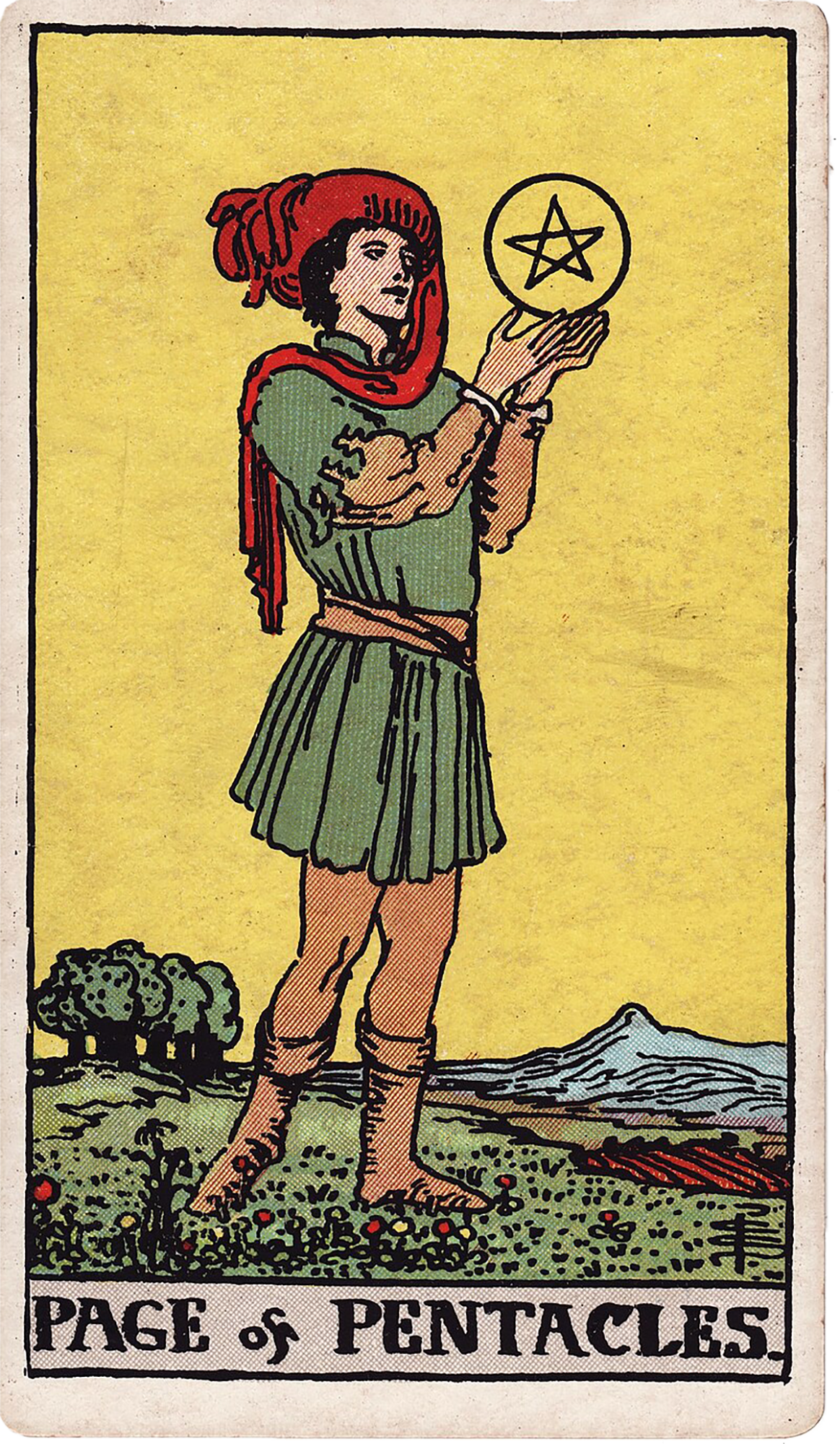 Page of Pentacles
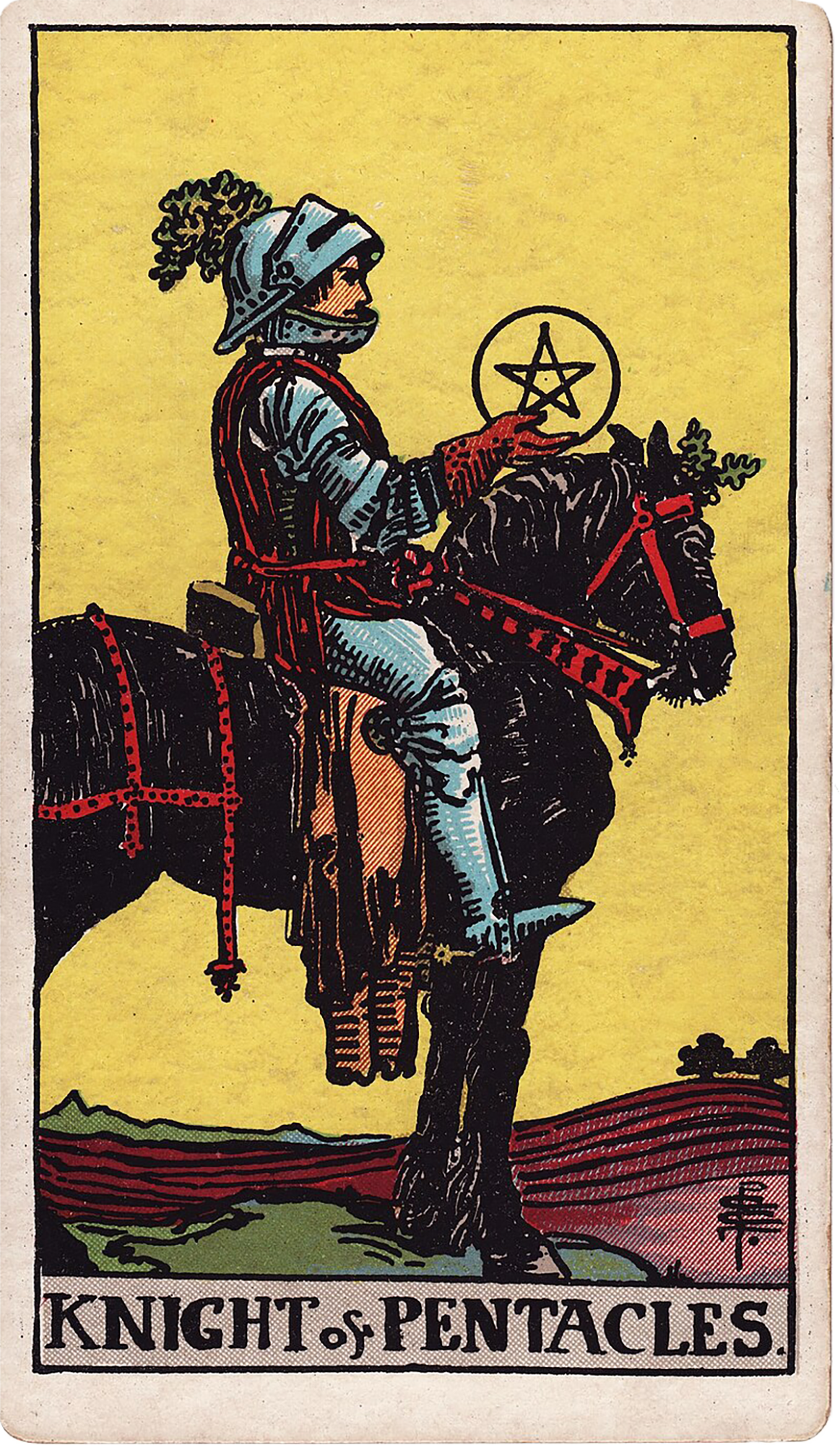 Knight of Pentacles
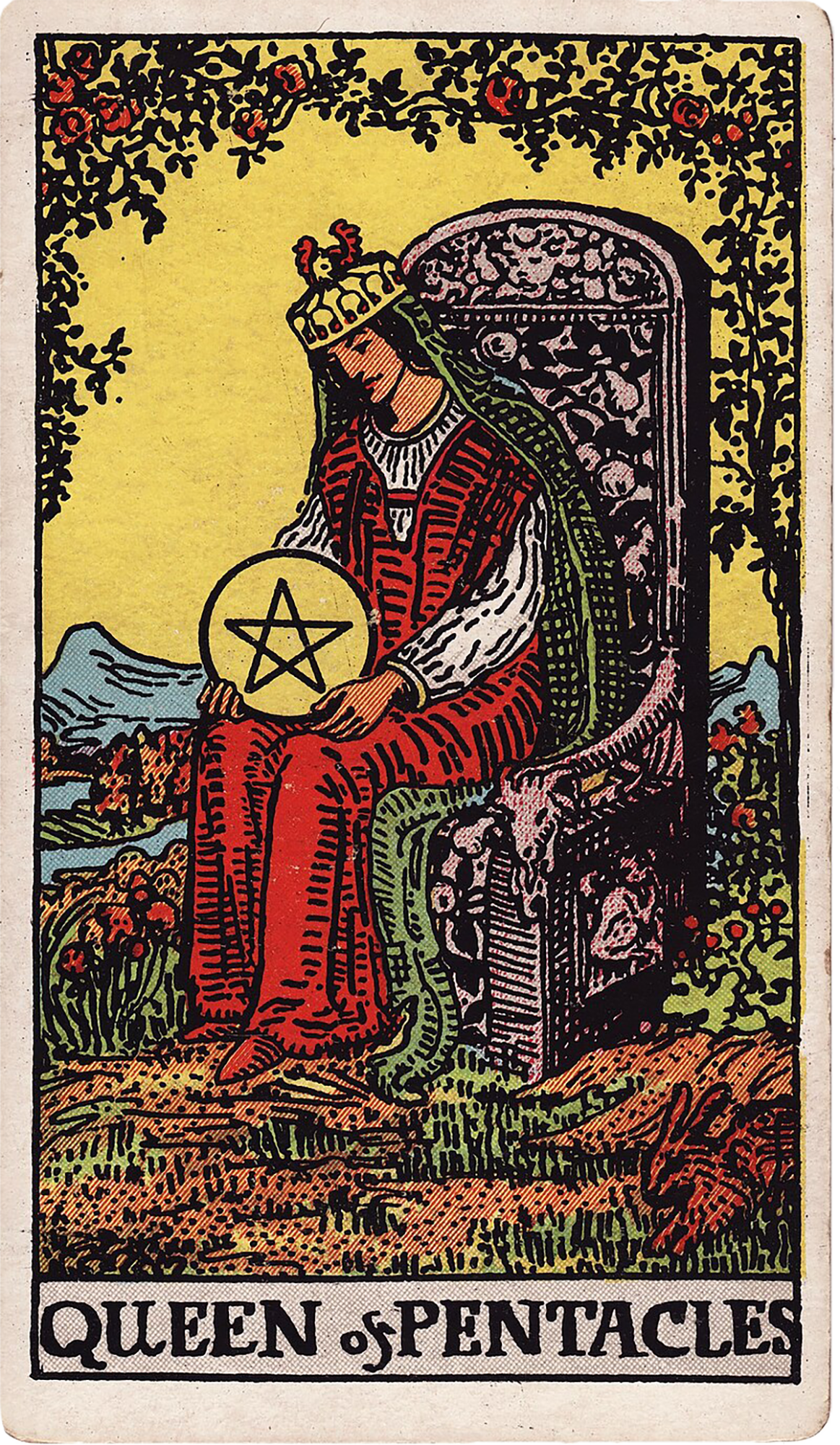 Queen of Pentacles
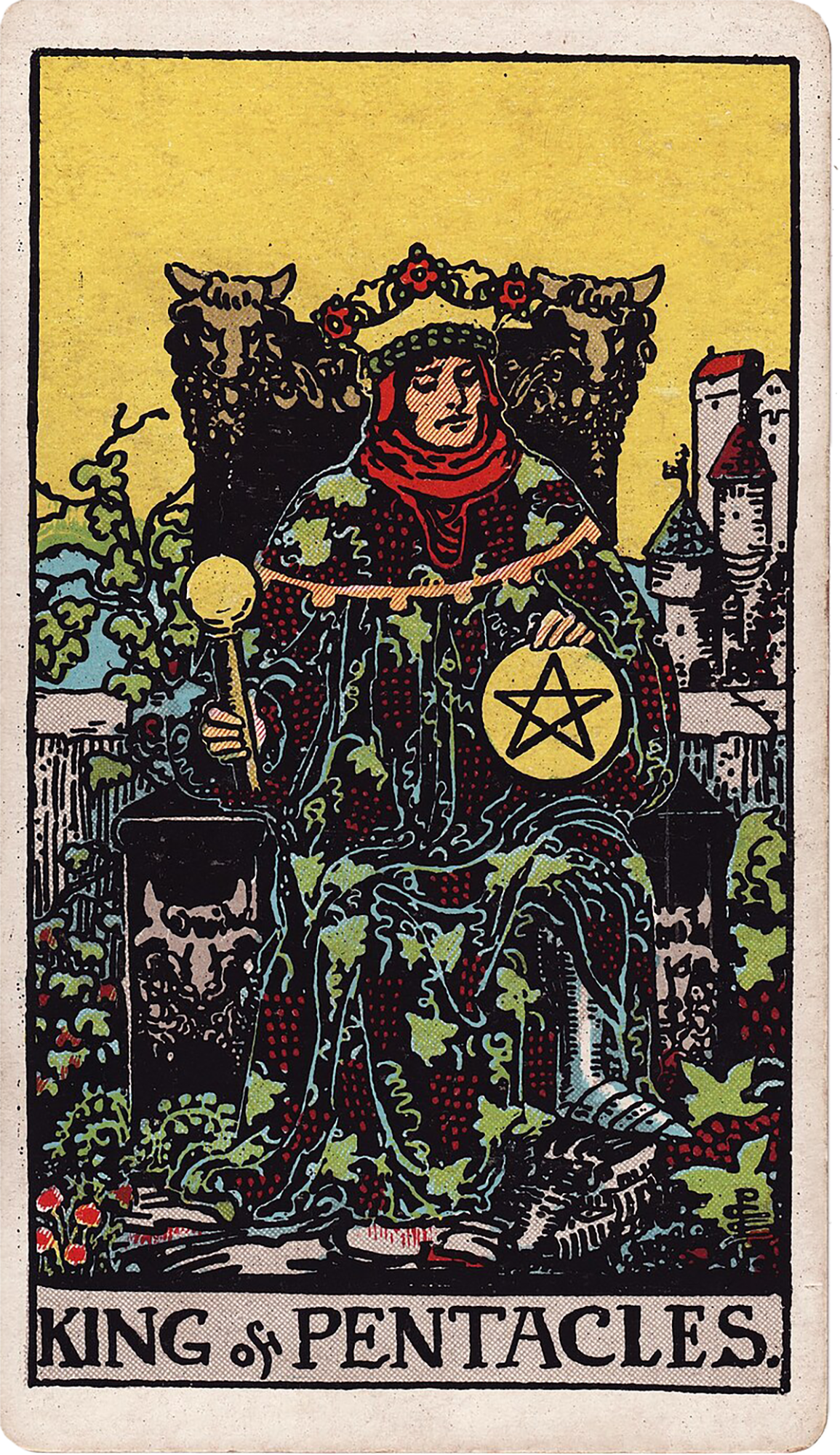 King of Pentacles
Introduction to the Pentacles Court Cards and Their Family Suit Context
The suit of Pentacles in the Minor Arcana represents the material world, encompassing work, money, health, resources, craft, and long-term stability. Within this suit, the four court cards—the Page, Knight, Queen, and King of Pentacles—personify archetypes that teach us valuable life lessons related to practical management, family, and personal development. Each card illustrates a stage of growth or a mode of engagement with the physical and familial world, making them essential for understanding how we navigate real-life responsibilities and nurture relationships. These cards invite readers to see beyond abstract ideals and focus on grounded, actionable qualities relevant to the present moment.
The Page of Pentacles as the Embodiment of Learning and Foundations
The Page of Pentacles symbolizes the beginner’s energy, eager to learn practical skills and start realistic plans. The card’s imagery often shows a young figure attentively holding a pentacle, symbolizing focus on material opportunity and commitment to growth. When upright, the Page encourages readers to develop competence through effort and routine, emphasizing the importance of study and practical application in family and work contexts. In reversal, the Page warns of procrastination, poor planning, and a disconnect between understanding and consistent action. This is a common pitfall in readings where the querent knows what to do but struggles to implement it, particularly in financial or career-related family decisions. Interpretation technique involves exploring where the querent’s project or learning phase has stalled and what simplifications or communications might reignite progress. The Page serves as a foundational lesson in responsibility and realistic expectation setting within the family suit.
The Knight of Pentacles Teaching Steady Progress and Reliability
The Knight of Pentacles represents steady execution and reliability, favoring routine and sustained effort over impulsive action. This card’s traditional imagery often depicts a mounted figure in armor, grounded and focused, symbolizing persistent work and dependable progress. When upright, the Knight advises embracing consistency and perseverance, particularly in familial roles involving resource management, health, or long-term planning. Reversed, the Knight signals stagnation, stubbornness, or confusing slow progress with immobility, highlighting internal struggles that may not be visible to others. While it may be tempting to interpret the reversal as laziness or failure, nuanced reading acknowledges the deeper blockages or fears preventing forward motion. Practically, this involves probing what needs release or adjustment in the querent’s habits or mindset to restore momentum. The Knight’s lesson is patience and unwavering dedication as pillars of mature family and material stewardship.
The Queen of Pentacles as Practical Nurture and Competence
The Queen of Pentacles embodies practical nurture, competence, and the ability to make resources serve real life rather than superficial status. In Rider-Waite-Smith decks, she is depicted seated comfortably with a pentacle in hand, surrounded by nature, symbolizing grounded care and abundance. Upright, the Queen encourages balance between work, home, and self-care, highlighting nurturing that supports family well-being without self-sacrifice. When reversed, she draws attention to overwork, self-neglect, financial anxiety, or controlling tendencies, especially when care becomes conditional or self-worth is tied solely to usefulness. Readers should recognize the fine line between healthy responsibility and burdensome control. In practice, reflecting with this card involves assessing how the querent manages resources and caregiving roles and whether sustainable boundaries are present. This Queen teaches the necessity of nurturing oneself to nurture others effectively within the family and material realm.
The King of Pentacles as Mature Stewardship and Security
The King of Pentacles represents mature stewardship of resources, business competence, and establishing stability that supports both self and others. His imagery typically features a figure seated firmly on a throne decorated with bulls, symbols of wealth and power, representing reliability and abundance. Upright, the King advises taking responsible control of finances, family legacy, and long-term health, embodying the culmination of lessons learned from the Page, Knight, and Queen. Reversed, the King warns against greed, rigidity, status obsession, or clinging too tightly to security at the expense of growth. It is critical not to oversimplify this reversal as mere failure but to explore where the querent’s relationship to power and material comfort is unhealthy or limiting. Techniques for reading the King involve identifying where mature leadership can be strengthened or where outdated patterns should be released. The King’s life lesson centers on balancing authority with generosity and flexibility to sustain a thriving family environment.
Practical Techniques for Reading the Pentacles Court Cards in Context
When interpreting the four Pentacles court cards, it is vital to anchor insights in their Rider-Waite-Smith symbolism and the supplied card images. Start by assessing the card’s position—upright or reversed—to understand the flow of energy and lessons. Consider the querent’s current life stage and challenges to identify which archetype is most relevant. For example, the Page may surface when new beginnings or learning phases are prominent, while the King often appears during moments of established responsibility or leadership. Avoid viewing reversals as simple negatives; instead, dig into where the process has stalled or become excessive. Integrate the suit’s family and material themes by asking how each card reflects the querent’s approach to work, health, financial management, or caregiving within family dynamics. Combining card imagery with surrounding cards enriches the reading, revealing whether these energies are just emerging, in development, under pressure, or reaching resolution. Reflective questioning and client dialogue help personalize interpretations and empower actionable insights.
Common Mistakes and How to Avoid Them
A frequent mistake in reading the Pentacles court cards is treating their upright and reversed meanings as strict opposites, which oversimplifies the nuanced lessons they offer. For example, the Page reversed is not just laziness but signals where learning processes are stuck or need realignment. Another pitfall is ignoring the suit’s family and material context and focusing solely on abstract spiritual concepts, which dilutes the practical wisdom these cards embody. Additionally, readers sometimes neglect the role of card combinations and positions within spreads, missing how the court cards function as stages or facets in a broader narrative. To avoid these errors, always ground interpretations in the card’s imagery and practical symbolism, consider life context and the querent’s experience, and use the reversal as an invitation to explore blocks or excesses rather than direct negation. Encouraging querents to reflect on how these lessons manifest in their family roles and material situations enhances the reading’s relevance and impact.
Applying Court Card Lessons to Real-Life Family and Material Situations
The court cards of Pentacles provide a roadmap for navigating family responsibilities and material life with awareness and growth. The Page teaches us to approach new family roles or financial opportunities with curiosity and commitment to learning. The Knight models steady, reliable effort necessary for maintaining and improving household or career stability. The Queen reminds us to nurture ourselves and others pragmatically, balancing care with boundaries and self-respect. The King encourages mature stewardship, combining authority with generosity to build lasting security for loved ones. In readings, relate these lessons to the querent’s specific family dynamics, financial concerns, or health routines—asking questions such as: How am I starting to build stability? Where is my persistence tested? Am I caring for myself as well as others? How do I balance control and flexibility in my roles? This approach transforms the Pentacles court cards from abstract symbols into living guides for practical and familial empowerment.
Practice questions
• In what areas of my life am I embodying the Page of Pentacles’ beginner’s mindset, and where might I be procrastinating?
• How does the Knight of Pentacles teach me about consistency and patience in managing family or financial responsibilities?
• Am I nurturing myself as well as others in the spirit of the Queen of Pentacles, or do I risk neglect or control?
• Where can I apply the King of Pentacles’ mature stewardship to balance security with growth in my personal or family life?
• How do the material and family themes of the Pentacles court cards reflect my current life priorities and challenges?
Comments
Sign in to comment.
Continue learning
The Fool in Life Transitions and New Beginnings
The Fool card embodies the spirit of beginnings, curiosity, and the leap of faith required during life transitions. This article explores The Fool’s meanings across various reading...
Unlocking the Energies of the King Queen and Knight of Cups for Emotional Intelligence
This article delves into the King, Queen, and Knight of Cups from the Minor Arcana's family Suit and Court Cards, emphasizing how these archetypes embody stages and expressions of...
Unlocking Personality Traits Through the Court Cards of Pentacles
This article delves into the personality traits and life lessons embodied by the court cards of Pentacles: Page, Knight, Queen, and King. Grounded in the practical symbolism of the...
Integrating The Fool and The World to Chart the Journey of Tarot Initiation
This article explores the integration of The Fool and The World cards as symbolic bookends in the Tarot journey, emphasizing their complementary lessons for initiates. Drawing on t...
Unlocking Personality and Leadership Qualities with the King Queen and Knight of Pentacles
This article delves into the King, Queen, and Knight of Pentacles court cards within the Minor Arcana, focusing on their symbolism of personality traits and leadership within the f...
Unlocking the Roles and Personalities of Page Knight Queen and King of Swords
This article delves deeply into the family suit lessons of the Page, Knight, Queen, and King of Swords, exploring their roles and personalities within the Minor Arcana. Anchored in...
Unlocking Personality Insights Through the Court Cards of Cups
The Court Cards of Cups offer a rich framework for understanding emotional personality traits, interpersonal dynamics, and intuitive processes. This article guides learners through...
Unlocking the Dynamic Partnership of The Magician and The High Priestess in Tarot Combinations
The Magician and The High Priestess represent two complementary archetypes in the tarot deck that, when combined, offer a rich interplay of conscious action and intuitive insight....
Unlocking Leadership Styles Through the King Queen and Knight of Swords
This article delves into the leadership styles portrayed by the King, Queen, and Knight of Swords, court cards in the Minor Arcana’s Suit of Swords. By closely examining their Ride...
Unlocking Practical Wisdom and Ambition Through the Court Cards of Pentacles
This article delves deeply into the suit of Pentacles’ court cards—Page, Knight, Queen, and King—offering tarot learners a comprehensive understanding of their practical wisdom and...