
Unlocking Personality Traits Through the Court Cards of Swords
The court cards of the Swords suit in the Minor Arcana—Page, Knight, Queen, and King—offer profound insights into different facets of mental energy, communication styles, and decision-making processes. This article delves into each card’s symbolism, personality traits, and practical lessons, emphasizing their Rider-Waite-Smith imagery and how to apply these meanings effectively in Tarot readings. By understanding the strengths and pitfalls represented by each card, learners can unlock nuanced interpretations that reveal the dynamic mental and interpersonal qualities reflected in querents' lives.
Cards explored in this article
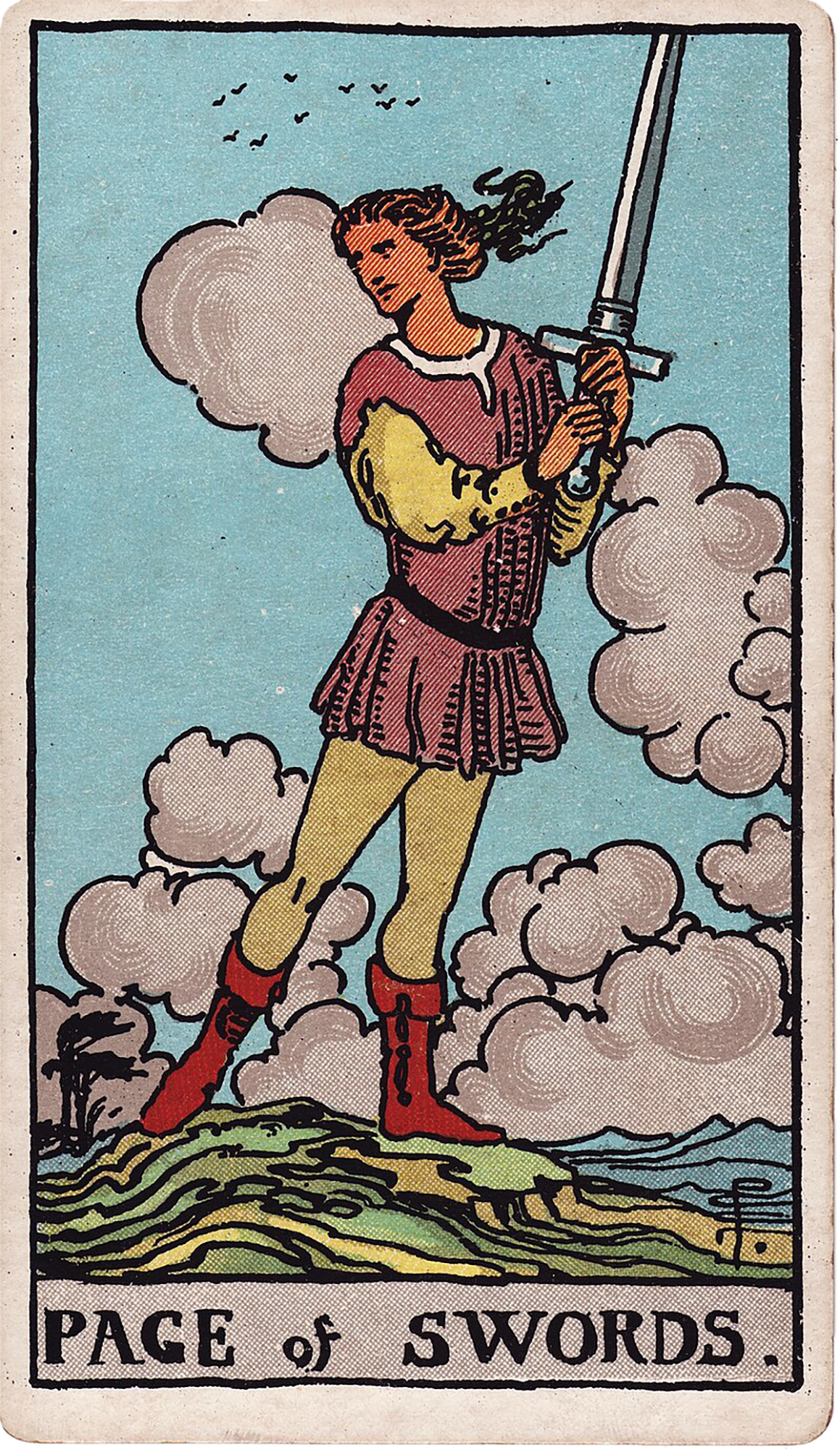 Page of Swords
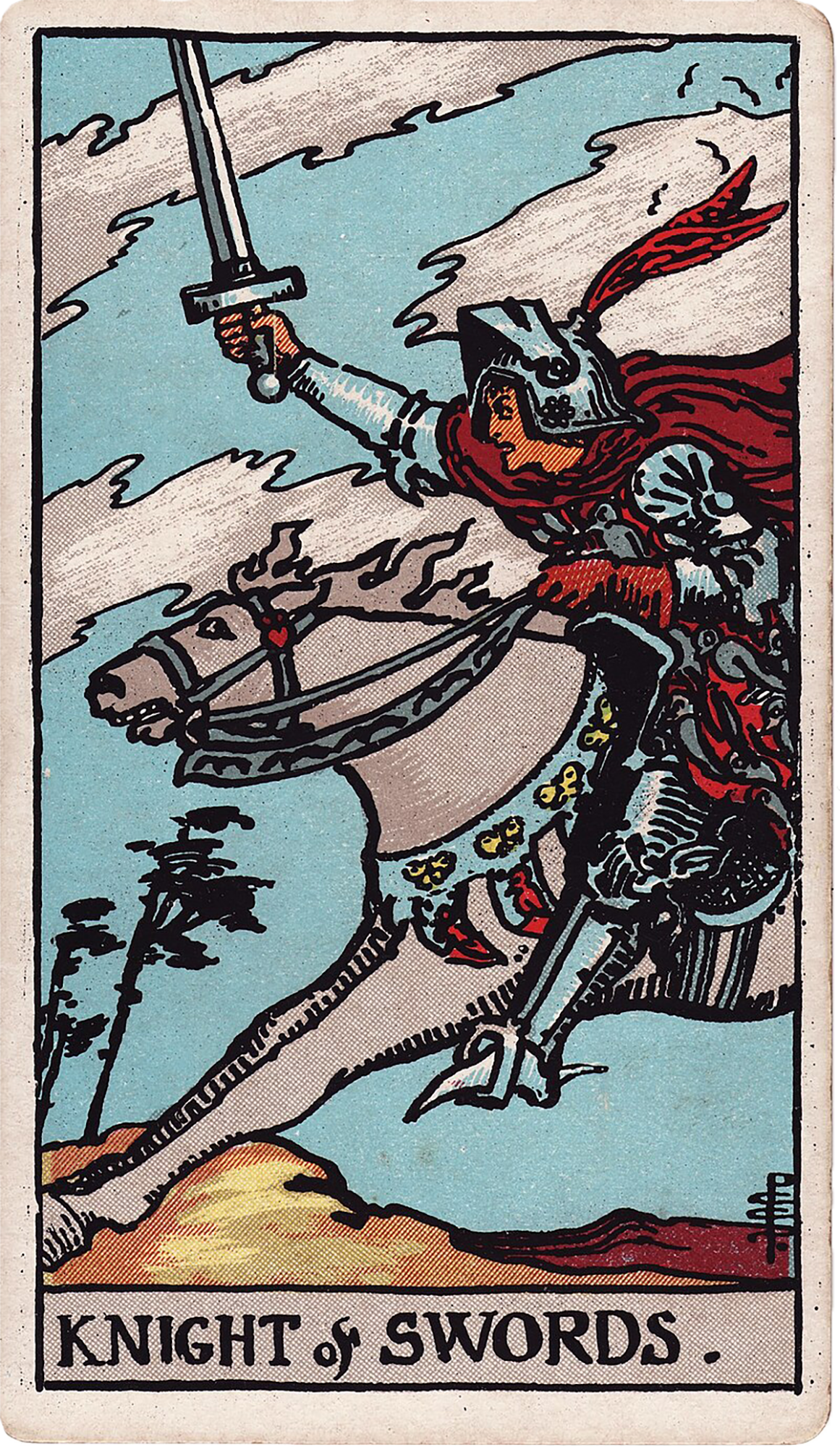 Knight of Swords
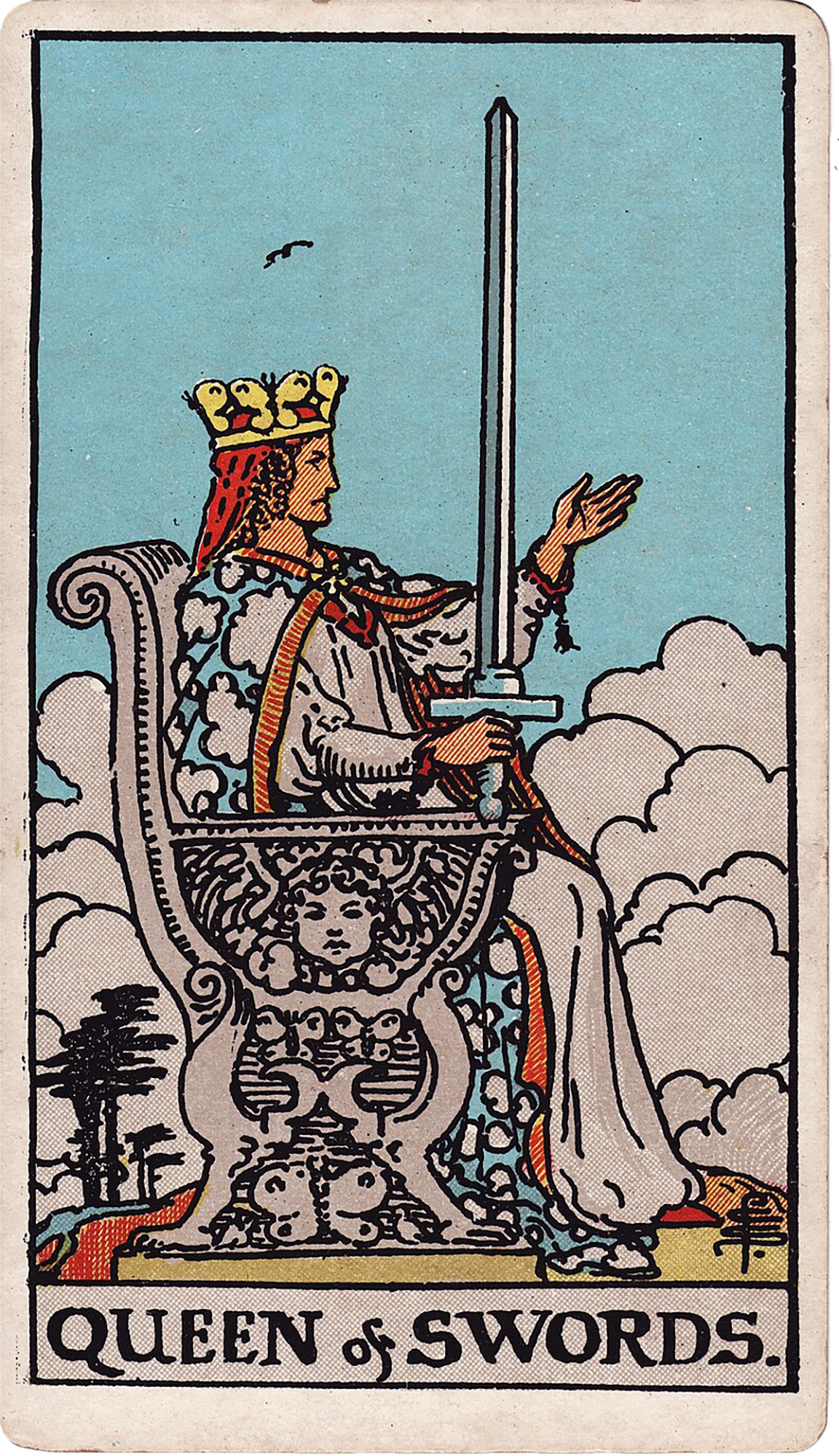 Queen of Swords
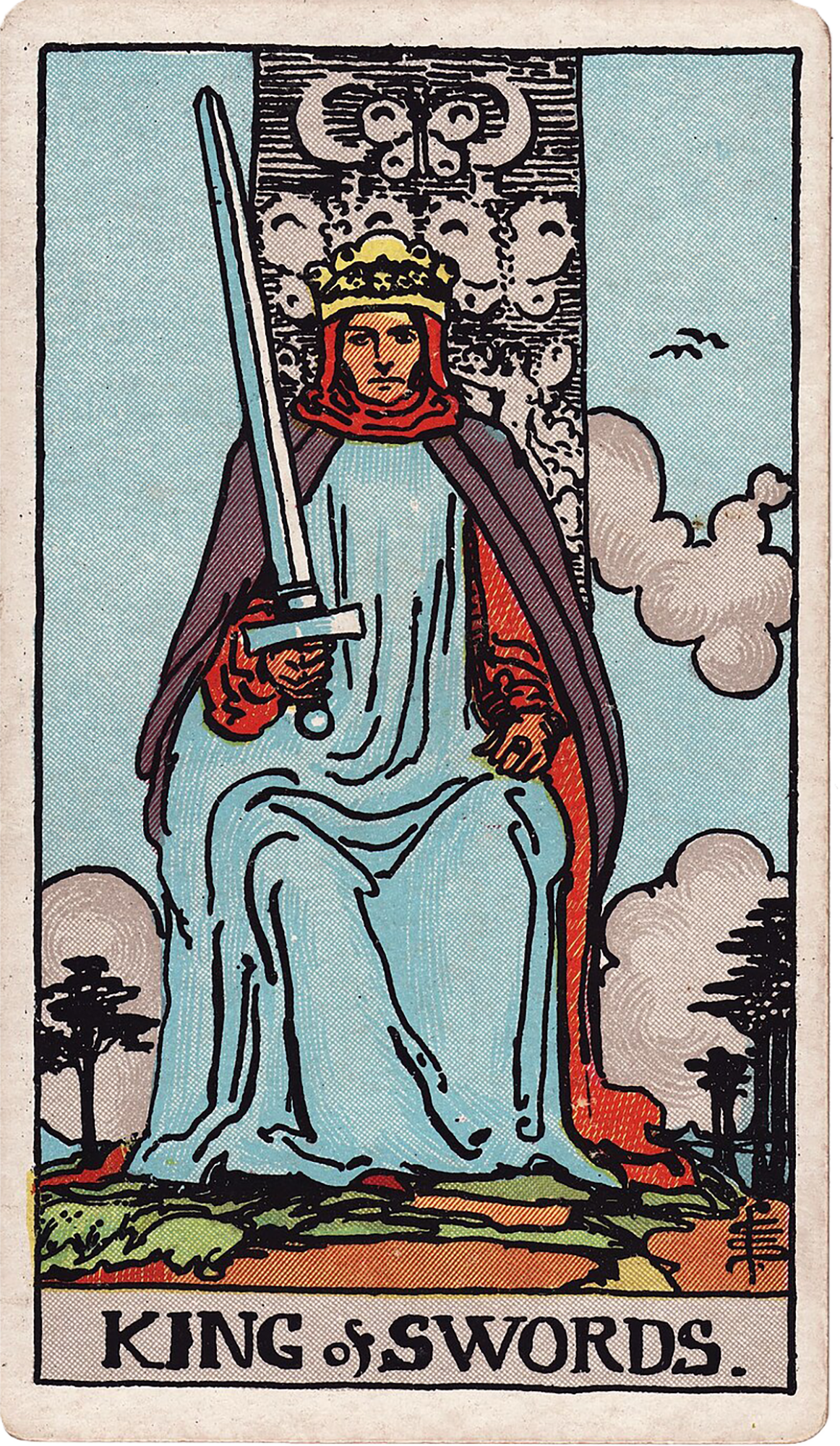 King of Swords
Understanding the Swords Suit and Its Court Cards
The Swords suit in Tarot traditionally represents the element of Air, symbolizing thought, intellect, communication, conflict, decisions, and truth. The court cards within this suit—Page, Knight, Queen, and King—embody evolving stages and dimensions of these mental and communicative energies. Each court card personifies a specific archetype or personality trait associated with how one thinks, communicates, and acts mentally. Their appearances in readings often point to a person’s approach to problem-solving, strategizing, or handling conflict, or to the energies surrounding a situation requiring clarity and decisiveness. The Rider-Waite-Smith deck's imagery reinforces these themes, showing figures wielding swords and embodying traits from youthful curiosity to mature judgment.
Page of Swords as the Embodiment of Mental Curiosity and Vigilance
The Page of Swords illustrates a youthful figure, alert and ready to engage with new ideas. Upright, this card highlights mental curiosity, vigilance, and a desire to gather information through questioning. The Page’s raised sword and watchful stance symbolize readiness to face challenges with clear thought and communication, but also a stage where the process is still developing. The upright card suggests the querent is entering a phase of learning, observation, or careful strategizing. Reversed, the Page warns of scattered attention, defensiveness, or premature arguments, signaling where mental energy becomes fragmented or misdirected. In readings, focus on the surrounding cards to determine if the Page’s energy is fresh and constructive or stuck in immature communication patterns. Avoid oversimplifying the Page as merely 'immature'; instead, view it as a critical phase of mental growth that requires patience and awareness.
Knight of Swords as the Archetype of Swift Action and Intellectual Courage
The Knight of Swords represents a figure in motion, charging forward with a sword raised. This card, upright, embodies swift, decisive action, courage in debate, and the ability to cut through delays with clear mental focus. The Knight’s forward thrust highlights readiness to confront challenges head-on, often with strategic boldness. However, this energy carries risk if unchecked. When reversed, the Knight cautions against recklessness, tunnel vision, and aggressive communication that ignores nuance and consequences. Readers should note whether the querent’s decisiveness is balanced by wisdom or veering into impulsivity. The Knight challenges interpreters to differentiate between constructive assertiveness and harmful haste. Use the card’s imagery—the Knight’s armored charge and determined gaze—to guide this nuanced interpretation.
Queen of Swords as a Symbol of Clear-Minded Independence and Honest Boundaries
The Queen of Swords sits with a sword upright, her expression poised and clear, symbolizing intellectual authority combined with emotional clarity. Upright, she represents independence, honest communication, and boundaries rooted in truth without cruelty. The Queen’s traditional imagery—from the single sword held firmly to her open posture—reflects mature thought and the ability to make decisions grounded in principle. Reversed, the Queen warns of bitterness, excessive criticism, isolation, or intellectual avoidance of emotional complexity. This reversal points to an over-reliance on rationality to the detriment of empathy, or harshness disguised as truth. In readings, the Queen invites reflection on the balance between intellect and feeling. Learners should resist reading her simply as 'cold' and instead explore her role as a guardian of honest and thoughtful dialogue.
King of Swords as the Embodiment of Mature Intellectual Authority and Strategic Judgment
The King of Swords personifies mature intellectual authority and ethical decision-making. Upright, he demonstrates strategic judgment grounded in principle and evidence, wielding his sword with calm authority. The Rider-Waite-Smith imagery—depicting the King seated firmly on his throne, sword upright—signifies mastery over mental disciplines and fair leadership. When reversed, the King indicates coldness, intellectual arrogance, manipulation, or abuse of authority. This reversal highlights where mental power becomes oppressive or detached from human considerations. In interpretation, the King challenges readers to recognize balanced leadership and the ethical use of intellect. This card often points to situations requiring fairness, clarity, and disciplined thought, or to individuals embodying these qualities. Careful attention to surrounding cards helps reveal whether the King’s energy is constructive or distorted.
Techniques for Reading Swords Court Cards Effectively
When interpreting the Swords court cards, always anchor your reading in the context of the spread and surrounding cards. These cards represent personalities and energies rather than fixed predictions. Begin by identifying which stage of mental or communicative development the card suggests—Page for curiosity, Knight for action, Queen for mature communication, King for authority. Consider the card’s orientation: upright meanings highlight potential and healthy expression, while reversed meanings signal blockages, excesses, or internal struggles. Pay close attention to Rider-Waite-Smith symbolism—the posture, facial expression, and sword position reveal subtle nuances. Avoid common mistakes such as treating reversed cards as simple opposites; instead, explore what aspect of the lesson is incomplete or misapplied. Finally, use the cards as lenses into the querent’s mental and interpersonal style, encouraging self-awareness and growth.
Common Mistakes and How to Avoid Them in Swords Court Card Interpretation
A frequent mistake is reducing court cards to stereotypes—for example, labeling the Knight of Swords simply as 'rash' or the Queen of Swords as 'cold.' These oversimplifications ignore the complexity of each card’s message and imagery. Another pitfall is interpreting reversed cards strictly as negative or harmful; reversed Swords court cards often indicate stuck processes or internal conflicts that require attention rather than condemnation. Additionally, failing to integrate surrounding cards can lead to shallow readings that miss how the court card’s energy interacts with broader themes. To avoid these errors, practice seeing each court card as a dynamic personality expressing a mental or communicative stance, influenced by context and development stage. Reflect on your own experiences to deepen empathy with the card’s lessons.
Practical Example of a Reading Using the Swords Court Cards
Imagine a querent facing a workplace conflict. Drawing the Page of Swords upright might indicate their current phase of gathering information and adopting a vigilant, questioning stance. The reader could advise them to observe carefully and communicate thoughtfully rather than rushing to conclusions. If the Knight of Swords appears reversed next to the Page, it warns against impulsive or aggressive responses that could escalate conflict. Further, the Queen of Swords upright might suggest the querent needs to set clear but fair boundaries, communicating truth with compassion. If the King of Swords appears reversed, it might highlight the presence of a manipulative authority figure or a warning not to abuse intellectual power in the situation. This layered approach, anchored in each card’s imagery and meaning, offers actionable insights rather than fixed predictions.
Conclusion Unlocking Psychological and Communicative Depths Through Swords Court Cards
The court cards of the Swords suit open a window into the multifaceted world of human mental energy — from eager curiosity (Page) to decisive action (Knight), clear communication (Queen), and mature authority (King). By studying their Rider-Waite-Smith symbolism and understanding their upright and reversed meanings as stages and challenges of mental and interpersonal growth, Tarot learners gain tools to interpret personality traits and cognitive styles. These cards invite us to reflect on how we think, speak, and decide, offering a rich psychological framework that deepens Tarot’s practical and transformative potential.
Practice questions
• How do the mental and communication styles represented by each Swords court card show up in your own life?
• Can you identify situations where the Page of Swords’ curiosity or the Knight of Swords’ decisiveness was constructive or problematic?
• In what ways might the Queen of Swords’ emphasis on honest boundaries help you communicate more clearly without alienating others?
• Have you experienced moments when the King of Swords’ authority felt balanced and fair versus times when it became rigid or manipulative?
• How can awareness of the reversed meanings of these cards help you recognize and work through internal mental blocks or communication challenges?
Comments
Sign in to comment.
Continue learning
The Fool in Life Transitions and New Beginnings
The Fool card embodies the spirit of beginnings, curiosity, and the leap of faith required during life transitions. This article explores The Fool’s meanings across various reading...
Unlocking the Energies of the King Queen and Knight of Cups for Emotional Intelligence
This article delves into the King, Queen, and Knight of Cups from the Minor Arcana's family Suit and Court Cards, emphasizing how these archetypes embody stages and expressions of...
Unlocking Personality Traits Through the Court Cards of Pentacles
This article delves into the personality traits and life lessons embodied by the court cards of Pentacles: Page, Knight, Queen, and King. Grounded in the practical symbolism of the...
Integrating The Fool and The World to Chart the Journey of Tarot Initiation
This article explores the integration of The Fool and The World cards as symbolic bookends in the Tarot journey, emphasizing their complementary lessons for initiates. Drawing on t...
Unlocking Personality and Leadership Qualities with the King Queen and Knight of Pentacles
This article delves into the King, Queen, and Knight of Pentacles court cards within the Minor Arcana, focusing on their symbolism of personality traits and leadership within the f...
Unlocking the Roles and Personalities of Page Knight Queen and King of Swords
This article delves deeply into the family suit lessons of the Page, Knight, Queen, and King of Swords, exploring their roles and personalities within the Minor Arcana. Anchored in...
Unlocking Personality Insights Through the Court Cards of Cups
The Court Cards of Cups offer a rich framework for understanding emotional personality traits, interpersonal dynamics, and intuitive processes. This article guides learners through...
Unlocking the Dynamic Partnership of The Magician and The High Priestess in Tarot Combinations
The Magician and The High Priestess represent two complementary archetypes in the tarot deck that, when combined, offer a rich interplay of conscious action and intuitive insight....
Unlocking Leadership Styles Through the King Queen and Knight of Swords
This article delves into the leadership styles portrayed by the King, Queen, and Knight of Swords, court cards in the Minor Arcana’s Suit of Swords. By closely examining their Ride...
Unlocking Practical Wisdom and Ambition Through the Court Cards of Pentacles
This article delves deeply into the suit of Pentacles’ court cards—Page, Knight, Queen, and King—offering tarot learners a comprehensive understanding of their practical wisdom and...