
Unlocking the Unique Roles and Growth Lessons of the Page Knight Queen and King of Pentacles
This article delves into the Minor Arcana family of Pentacles court cards — the Page, Knight, Queen, and King — highlighting their unique roles, developmental stages, and practical lessons. By examining their Rider-Waite-Smith symbolism and upright and reversed meanings, readers learn to recognize each card's position within the suit’s material and earthly themes. The article emphasizes interpreting these cards as a family unit, using their natural progression to deepen tarot intuition and improve spread analysis. Practical reading methods, common interpretive pitfalls, and reflection questions guide learners toward integrating the Pentacles court cards’ wisdom into real-life readings.
Cards explored in this article
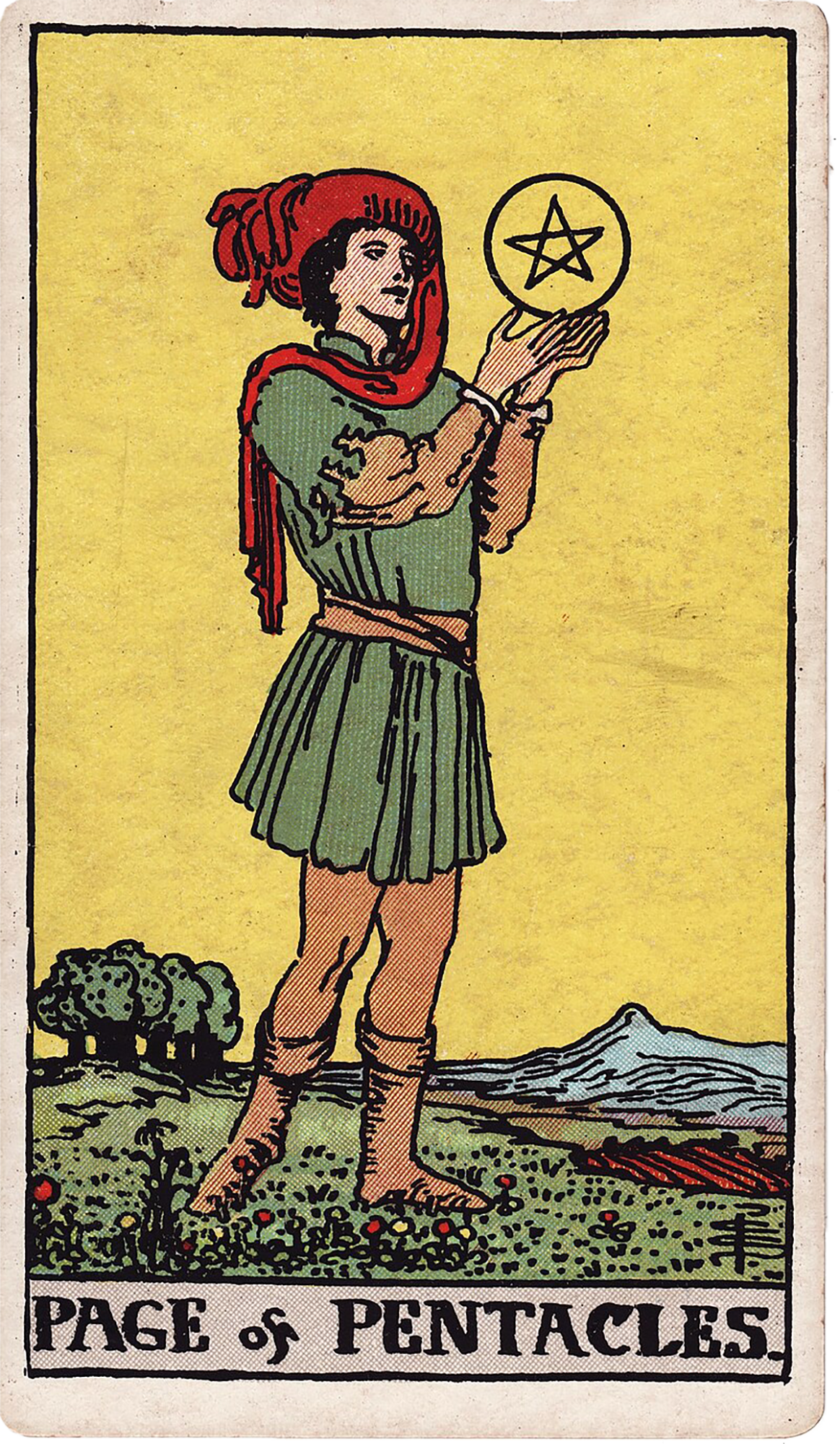 Page of Pentacles
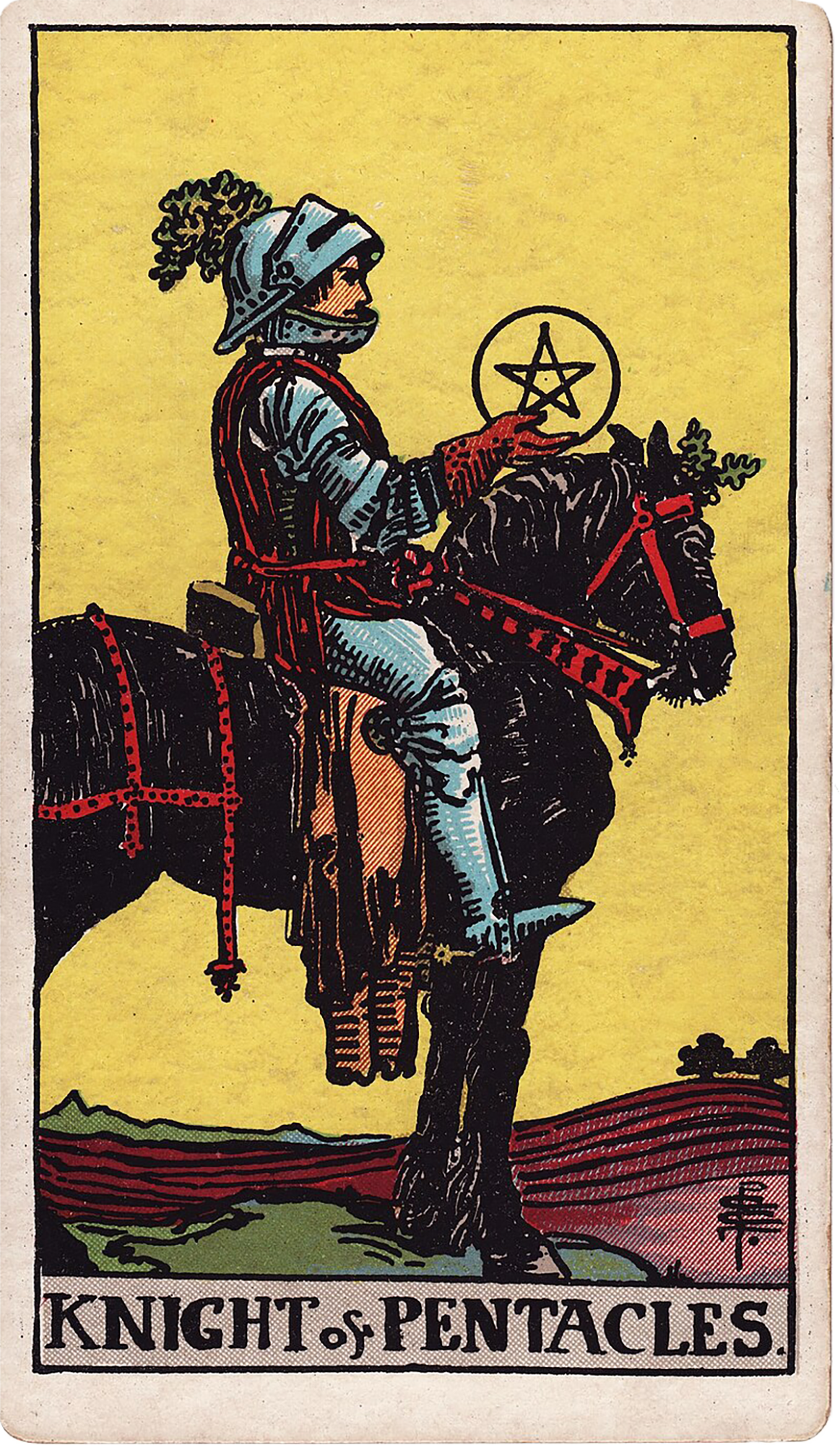 Knight of Pentacles
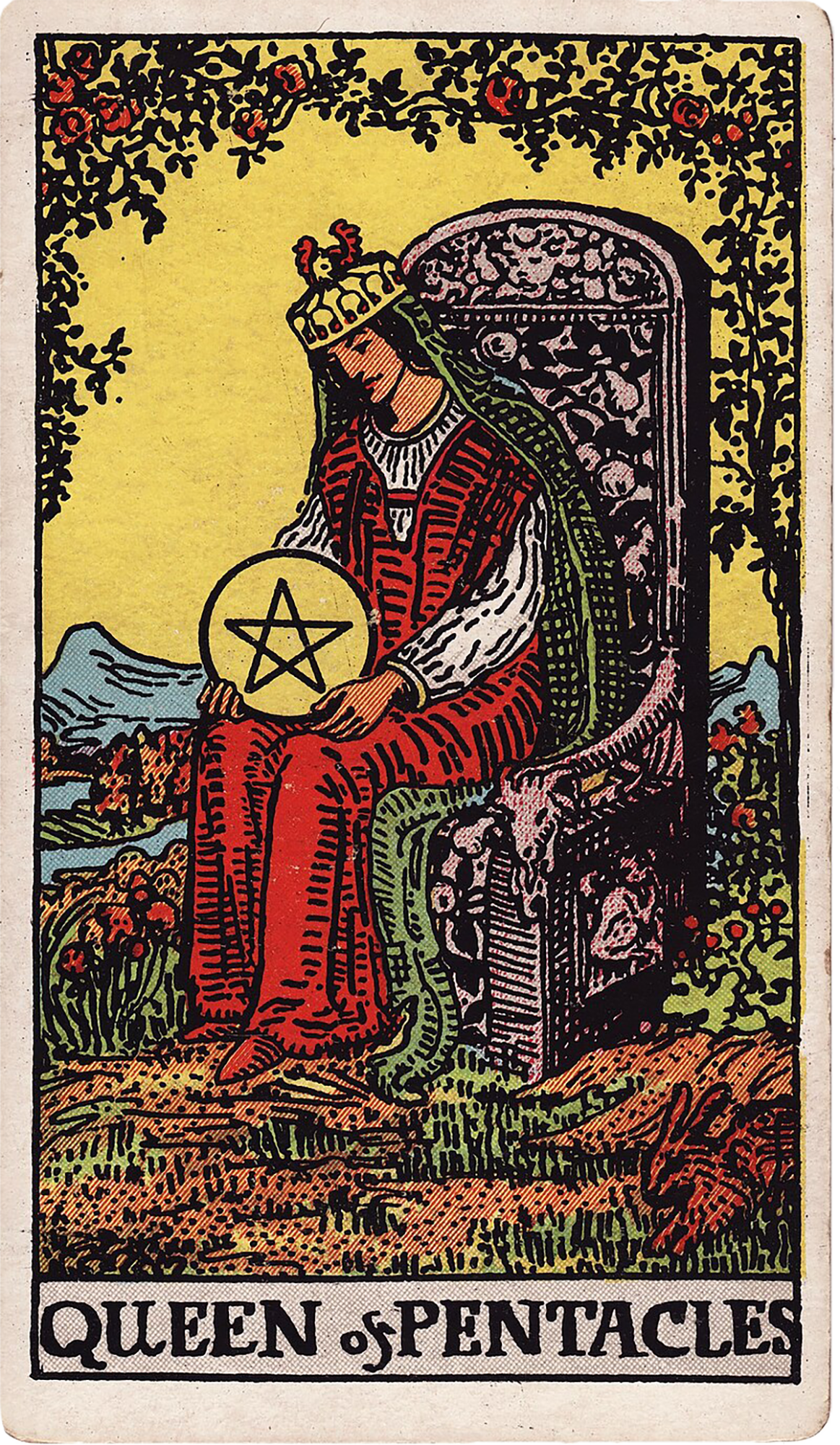 Queen of Pentacles
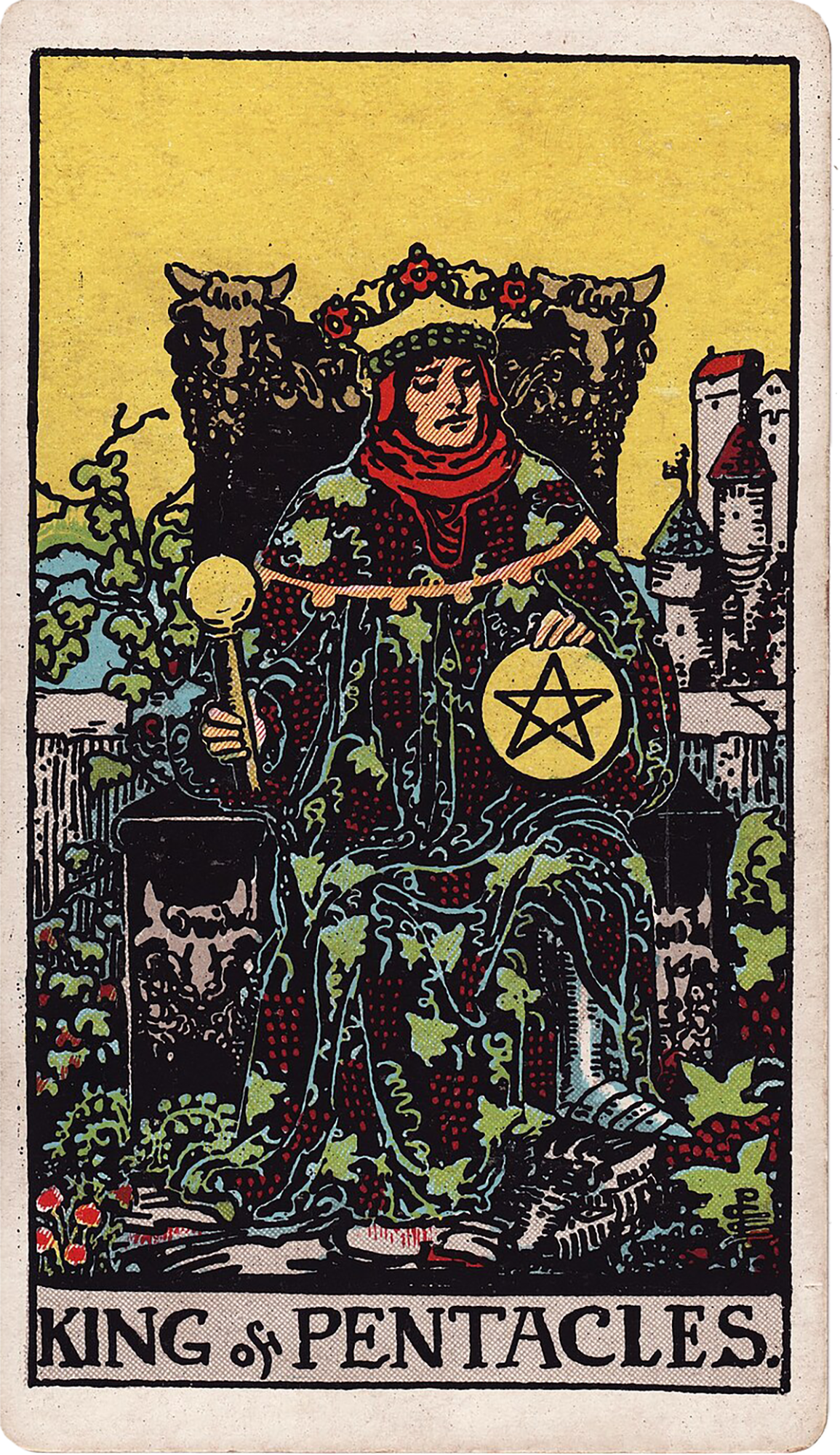 King of Pentacles
Introduction to the Pentacles Court Cards and Their Family Dynamics
The Minor Arcana’s suit of Pentacles centers on material aspects such as work, money, health, routine, and long-term stability. Within this suit, the court cards — Page, Knight, Queen, and King of Pentacles — form a symbolic family representing different developmental phases and expressions of practical energy. Understanding their unique roles and growth lessons provides tarot learners with a framework for interpreting their nuanced messages in readings. These cards are not just static archetypes but stages within a cycle of learning, executing, nurturing, and mastering the material world. This article explores each court card’s symbolism, upright and reversed meanings, and practical applications, anchoring all insights to their specific imagery and Rider-Waite-Smith tradition.
Page of Pentacles as the Embodiment of Beginner Energy and Learning
The Page of Pentacles represents the initial stage of engagement with material realities. In the Rider-Waite-Smith deck, the Page is depicted standing in a field, gazing intently at a pentacle he holds with both hands — a clear visual metaphor for focused study and conscious attention to a practical opportunity. This card signals the start of a journey: a beginner’s mindset open to acquiring skills, initiating realistic plans, or taking a financial or health matter seriously. Upright, the Page encourages learners to respond to what is present rather than abstract ideals. It highlights potential and the importance of patience and steady effort. For example, the Page may appear in a spread when a querent is considering education, a new job, or a health regime, emphasizing the need for groundwork and competence-building. Reversed, the Page warns of procrastination, poor study habits, or unrealistic plans that lack follow-through. The image of the focused Page now suggests a blockage: the energy isn’t fully embodied or acted upon. Rather than seeing it as mere failure, readers should ask what internal or external obstacles prevent consistent practice or clear goal-setting. Common mistakes include pushing too fast or overestimating current capacity. The lesson here is to return to basics, simplify the approach, and nurture the skill or plan patiently.
Knight of Pentacles as the Steady Worker and Reliable Executor
The Knight of Pentacles illustrates the second phase of development within the Pentacles family — steady execution. Traditionally, the Knight appears mounted on a calm, sturdy horse, his gaze fixed downward, embodying a methodical, no-nonsense approach to progress. Upright, this card emphasizes reliability, routine, and persistence. It suggests that the core tasks related to work, money, health, or craft are best handled through consistent effort rather than dramatic changes. The Knight’s energy is about building stability through disciplined action — a crucial step following the Page’s beginner enthusiasm. Reversed, the Knight may indicate stagnation, stubbornness, or burnout. In this state, the card points to confusing slow progress with no progress, or an unwillingness to adapt. The Rider-Waite-Smith imagery, in reversal, can signal that the steady rider is stuck, refusing to move forward or change course. Interpretation should focus on identifying where routine becomes rigidity, where reliable action turns to workaholism or boredom. The card invites readers to consider whether flexibility or rest is needed to restore momentum.
Queen of Pentacles as the Nurturer and Practical Provider
The Queen of Pentacles marks a maturation point focused on nurture, competence, and using resources to support real life. Her image traditionally shows a serene woman seated, surrounded by natural abundance, holding a pentacle close — symbolizing grounded care and resourceful stewardship. Upright, the Queen encourages practical nurture and self-sufficiency, balancing work with emotional and physical well-being. She represents the ability to manage resources wisely, making money and health serve everyday needs rather than status or appearance. In readings, this card can highlight a querent’s ability to create a secure home, care for others, or practice financial wisdom. Reversed, the Queen warns against overwork, neglect of self-care, financial anxiety, or controlling tendencies disguised as care. Symbolically, the nurturing energy is blocked or misdirected, leading to burnout or self-judgment based solely on usefulness. Readers should explore where the querent might be sacrificing their needs or tying self-worth too tightly to productivity. The reversal encourages reclaiming balance and redefining what true nurture means.
King of Pentacles as the Mature Steward and Builder of Stability
The King of Pentacles is the culmination of the Pentacles court journey — mature stewardship, business competence, and creating enduring stability that supports both self and community. The Rider-Waite-Smith King sits confidently on a throne adorned with bulls and vines, symbolizing wealth, strength, and fruitful growth. Upright, this card highlights mastery over material realms: financial acumen, health management, and long-term planning. The King’s energy is steady, generous, and grounded in reality. In tarot spreads, he points to leadership in business, wise investment, or the ability to create secure environments for others. Reversed, the King cautions against greed, rigidity, or status obsession. The imagery of fertile abundance can become a trap if the querent clings too tightly to security, stifling growth or abusing power. This card may also reflect internalized fears that prevent taking necessary risks. Interpreters should focus on identifying where attachment to material control hinders evolution and suggest ways to loosen grip without sacrificing stability.
Interpreting the Pentacles Court Cards as a Family Suit in Readings
Viewing the Page, Knight, Queen, and King of Pentacles as a family unit enriches tarot interpretation by highlighting progression and relational dynamics within the suit’s material themes. Each card embodies a developmental stage: the Page learns and plants seeds, the Knight works steadily and enacts plans, the Queen nurtures and sustains, and the King governs and stabilizes. In readings, consider how these roles interact with each other and the querent’s situation. For example, the appearance of the Page and Knight together might emphasize the need to both learn and persist, while the Queen and King together could point to balancing nurturing with leadership. The family approach also aids in spotting growth patterns or blockages within the querent’s material life cycle. Using this framework helps avoid common mistakes such as treating court cards as isolated personality types or guessing age and gender. Instead, focus on the energy each card brings and its stage in the Pentacles journey. This approach aligns well with the practical and grounded nature of the suit, enhancing clarity and relevance in readings.
Practical Techniques for Reading the Pentacles Court Cards
When the Page, Knight, Queen, or King of Pentacles appear in a spread, begin by anchoring your interpretation in the Rider-Waite-Smith symbolism: observe posture, setting, facial expression, and how the pentacle is held or presented. Ask what stage of material engagement the card represents: initiation, steady work, nurturing support, or mature leadership. Next, consider the card’s orientation. Upright cards encourage embodying the positive traits and moving forward with the related lessons. Reversed cards signal internal blocks, misguided expressions, or imbalance needing attention. Avoid defaulting to simplistic opposites; instead, explore where the process is stuck and which adjustments can restore flow. Look to the surrounding cards for context, such as other Pentacles indicating financial matters or cards from other suits signaling emotional or mental influences. Use the family framework to ask if the querent is at the start of a project (Page), in the thick of disciplined work (Knight), focusing on care and balance (Queen), or seeking leadership and long-term stability (King). Finally, connect the reading to real-life applicable advice: encourage patience and skill-building for the Page, consistent effort for the Knight, balanced nurturing for the Queen, and wise stewardship for the King. This practical orientation helps querents understand how to embody these energies meaningfully.
Common Interpretive Pitfalls and How to Avoid Them
A frequent mistake with Pentacles court cards is seeing them as literal people rather than archetypal energies or stages. Avoid assumptions about gender, age, or personality unless clearly relevant in the spread’s context. Another pitfall is treating reversed cards as simply 'bad luck' or the opposite of upright meanings. The Pentacles court reversals often indicate nuanced internal blockages or imbalances rather than outright failure or negativity. Take time to analyze the nature of the blockage and what practical steps can unblock it. Misreading the cards by ignoring the suit’s core themes of materiality and practicality can also lead to confusion. Always connect the cards back to Pentacles topics such as work, money, health, routine, and physical resources. This focus grounds interpretations and prevents over-spiritualizing. Finally, neglecting the family progression of the Page, Knight, Queen, and King misses valuable insights. Consider the cards together to understand stages of growth and how they inform each other within a reading.
Practice questions
• In what areas of your life do you see yourself embodying the beginner energy of the Page of Pentacles? How can you practice patience and skill-building there?
• Are there routines or work habits in your life that mirror the steady but sometimes stubborn energy of the Knight of Pentacles? What might you need to change to avoid stagnation?
• How do you balance nurturing others with self-care, as suggested by the Queen of Pentacles? Are there signs of overwork or control you need to address?
• Where are you demonstrating the mature stewardship of the King of Pentacles? In what ways could you loosen attachment to security to foster growth?
• How can viewing the Pentacles court cards as a family help you better understand progression and challenges in your material world pursuits?
Comments
Sign in to comment.
Continue learning
The Fool in Life Transitions and New Beginnings
The Fool card embodies the spirit of beginnings, curiosity, and the leap of faith required during life transitions. This article explores The Fool’s meanings across various reading...
Unlocking the Energies of the King Queen and Knight of Cups for Emotional Intelligence
This article delves into the King, Queen, and Knight of Cups from the Minor Arcana's family Suit and Court Cards, emphasizing how these archetypes embody stages and expressions of...
Unlocking Personality Traits Through the Court Cards of Pentacles
This article delves into the personality traits and life lessons embodied by the court cards of Pentacles: Page, Knight, Queen, and King. Grounded in the practical symbolism of the...
Integrating The Fool and The World to Chart the Journey of Tarot Initiation
This article explores the integration of The Fool and The World cards as symbolic bookends in the Tarot journey, emphasizing their complementary lessons for initiates. Drawing on t...
Unlocking Personality and Leadership Qualities with the King Queen and Knight of Pentacles
This article delves into the King, Queen, and Knight of Pentacles court cards within the Minor Arcana, focusing on their symbolism of personality traits and leadership within the f...
Unlocking the Roles and Personalities of Page Knight Queen and King of Swords
This article delves deeply into the family suit lessons of the Page, Knight, Queen, and King of Swords, exploring their roles and personalities within the Minor Arcana. Anchored in...
Unlocking Personality Insights Through the Court Cards of Cups
The Court Cards of Cups offer a rich framework for understanding emotional personality traits, interpersonal dynamics, and intuitive processes. This article guides learners through...
Unlocking the Dynamic Partnership of The Magician and The High Priestess in Tarot Combinations
The Magician and The High Priestess represent two complementary archetypes in the tarot deck that, when combined, offer a rich interplay of conscious action and intuitive insight....
Unlocking Leadership Styles Through the King Queen and Knight of Swords
This article delves into the leadership styles portrayed by the King, Queen, and Knight of Swords, court cards in the Minor Arcana’s Suit of Swords. By closely examining their Ride...
Unlocking Practical Wisdom and Ambition Through the Court Cards of Pentacles
This article delves deeply into the suit of Pentacles’ court cards—Page, Knight, Queen, and King—offering tarot learners a comprehensive understanding of their practical wisdom and...