
Mastering Symbolism and Interpretation of the Court Cards in Tarot
This article provides an in-depth exploration of the Court Cards within the Tarot suit of Wands, focusing on mastering symbolism and interpretation techniques. Using the Page, Knight, and Queen of Wands as core examples, it guides readers through beginner-friendly explanations and advanced interpretive strategies. The content covers traditional Rider-Waite-Smith symbolism, practical reading methods, common pitfalls, and how to integrate surrounding card context, helping learners develop nuanced, stage-appropriate responses during readings.
Cards explored in this article
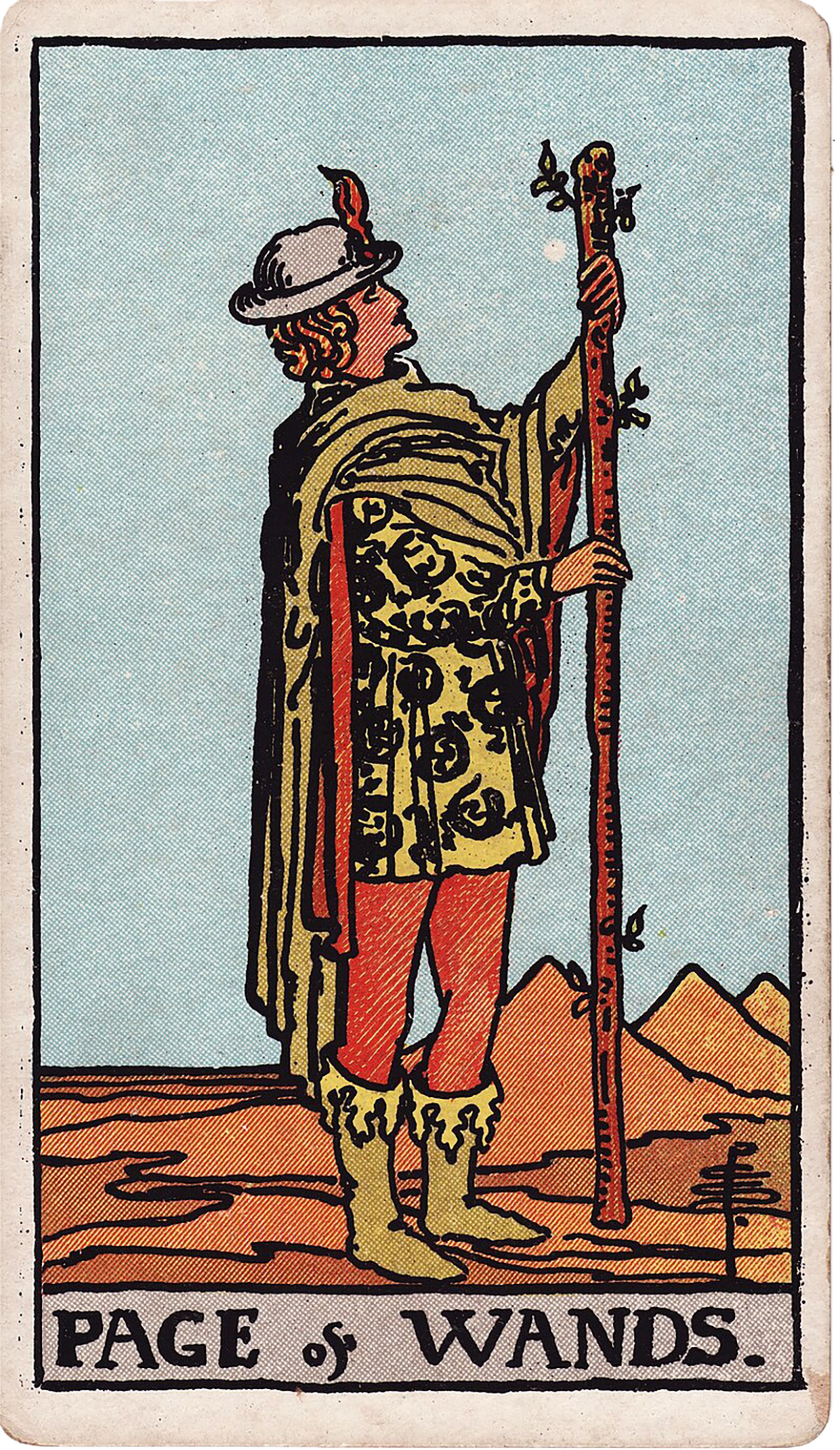 Page of Wands
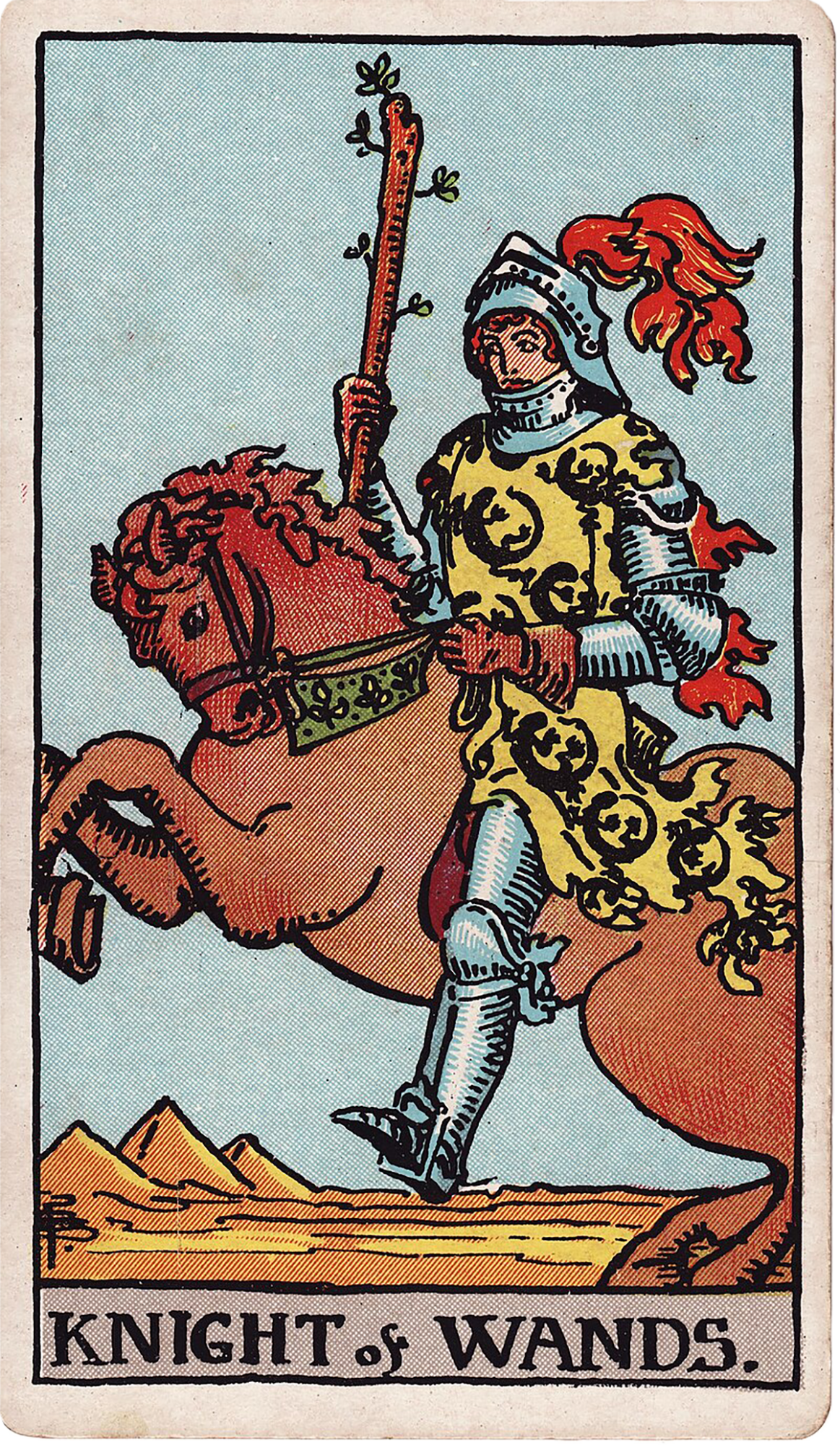 Knight of Wands
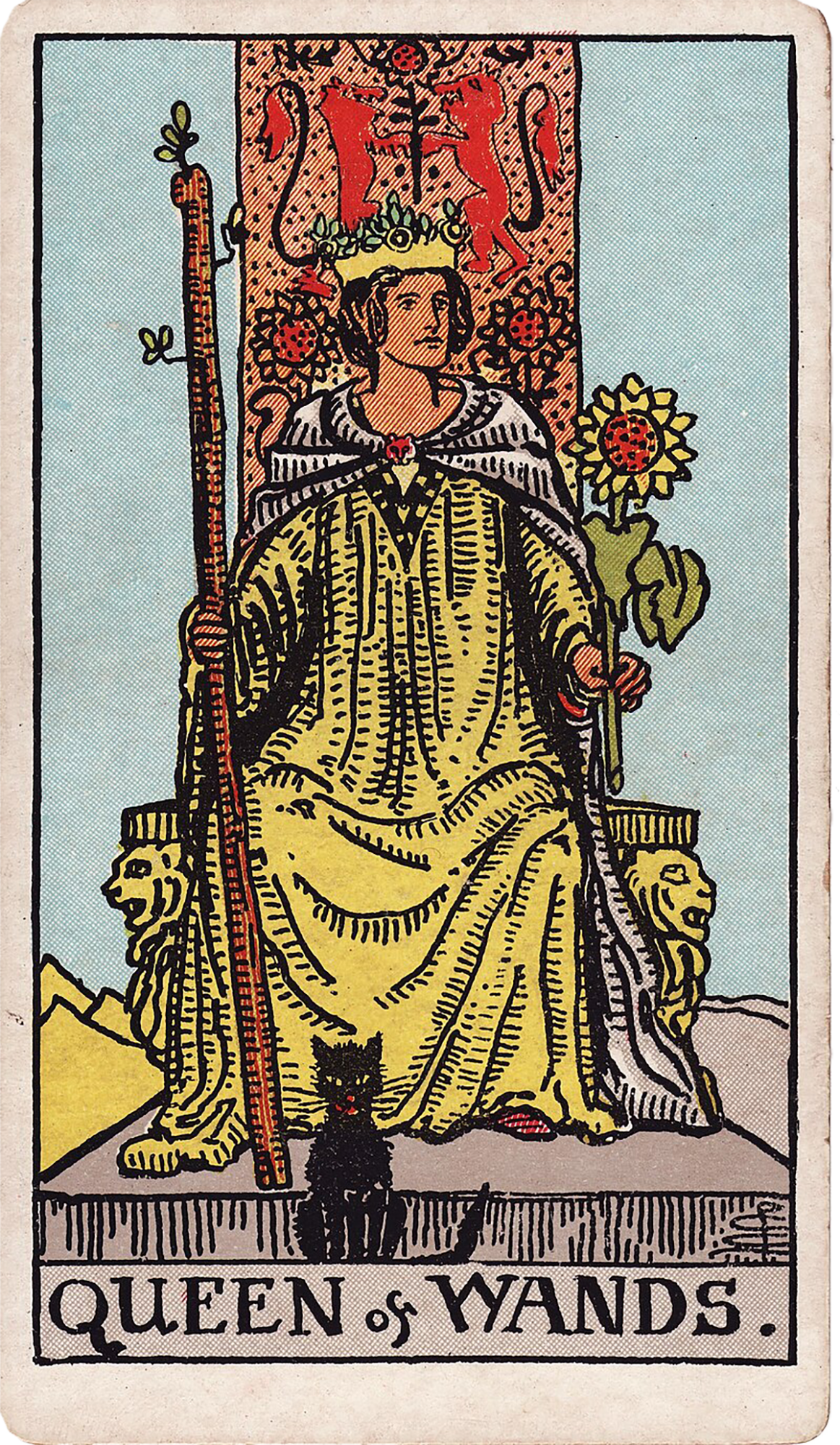 Queen of Wands
Introduction to Court Cards and Their Role in Tarot
Court Cards in Tarot often represent people, personality traits, or energies influencing a situation. They are divided into four ranks: Page, Knight, Queen, and King. Each rank embodies a different stage of development and expression within the suit’s elemental domain. Understanding Court Cards requires recognizing their symbolic language and their position as dynamic actors rather than static symbols. They provide insight into motivations, interactions, and the progression of energy in a reading. In Wands, the suit of fire, Court Cards typically speak about motivation, creativity, ambition, and the direction of energy. The Page, Knight, and Queen of Wands are excellent examples to explore these ideas because they represent the journey from curiosity to confident leadership.
Symbolism and Meaning of the Page of Wands in Depth
The Page of Wands symbolizes beginner energy within the fiery realm of creativity and initiative. In Rider-Waite-Smith tradition, the Page is a youthful figure holding a budding wand, representing curiosity, experimentation, and a message or idea that invites exploration. Upright, this card emphasizes practical engagement with new opportunities — it is not about abstract ideals, but about responding to the present moment with enthusiasm and openness. The surrounding desert imagery evokes a space ripe for growth but also requiring effort to navigate. Reversed, the Page warns of immaturity, inconsistency, or fear of appearing inexperienced. This reversal is not merely a negative mirror image but indicates a blockage or internal struggle with embodying the Wands’ energy constructively. Reflecting on what actions or mindset shifts are needed to move beyond this stuck point can be transformative. When reading this card, observe how it relates to the querent’s current stage of learning or initiation and what practical steps might encourage growth.
Understanding the Knight of Wands as a Symbol of Decisive Action
The Knight of Wands represents a more developed but still dynamic phase of fire energy, characterized by decisive movement and high energy. The Rider-Waite-Smith Knight rides a galloping horse, often with a wand held firmly, symbolizing courage, ambition, and swift initiative. Upright, this card asks the reader to consider where bold actions with clear direction are required, not just speed for its own sake. The Knight’s energy is useful when the situation demands confidence paired with strategy. Reversed, the Knight signals recklessness, anger, or a lack of follow-through, highlighting a tendency to chase excitement without grounding projects to completion. Like the Page reversal, this condition points to where the process is stuck and what internal work or external adjustments are needed. When interpreting, examine surrounding cards to assess if the Knight’s energy is beginning to emerge, building tension, or moving toward resolution.
Exploring the Queen of Wands and Mature Creative Leadership
The Queen of Wands embodies visible confidence, creative leadership, independence, and social warmth. In the Rider-Waite-Smith deck, she is depicted seated on a throne decorated with lions and sunflowers — symbols of strength, vitality, and joy. Her upright posture and the flourishing wand indicate mastery over her energy and motivation, inspiring others without diminishing them. Reading this card upright suggests the querent or situation benefits from a balanced expression of ambition and nurturing creativity. Reversed, the Queen may reveal internal struggles such as jealousy, insecurity masked by performance, burnout, or manipulative tendencies. The reversal directs attention to emotional blocks or unsustainable behaviors that undermine authentic leadership. Interpreters should explore what emotional or psychological adjustments are needed to restore healthy expression and use surrounding cards to gauge the context of these challenges.
Practical Techniques for Reading Court Cards in Context
To master Court Card interpretation, especially for Wands’ Pages, Knights, and Queens, follow these practical steps: 1. Identify the role of the Court Card—Is it representing a person (age, gender, demeanor), an energy pattern, or a situation’s dynamic? 2. Consider elemental qualities—Wands relate to fire, so expect themes of passion, motivation, creativity, or conflict around energy direction. 3. Evaluate card position and orientation—Upright and reversed cards show not just polarity but developmental stages and internal conflicts. 4. Use surrounding cards—They clarify whether the Court Card’s energy is beginning, building pressure, or resolving. 5. Anchor your interpretation in the present—Focus on responses that fit the current stage of the querent’s journey rather than idealized outcomes. This method helps avoid common mistakes like overgeneralization or assuming Court Cards always represent people.
Common Mistakes and How to Avoid Them with Court Cards
Beginners often misinterpret Court Cards in ways that limit their usefulness. A frequent mistake is treating reversed cards as simply negative or the opposite of the upright meaning. Instead, reversals often signal internal blocks or incomplete processes. Another pitfall is assuming Court Cards only denote specific people without considering symbolic energies or states of consciousness. Overlooking the importance of the card’s suit and rank can lead to shallow readings. To avoid these errors, integrate traditional Rider-Waite-Smith symbolism with contextual clues and remain flexible about the card’s role. Practice asking reflective questions about what stage of development the card represents and what steps can support progression. This approach enriches the reading and enhances client insight.
Advanced Interpretation Strategies for the Court Cards
Advanced Tarot readers leverage Court Cards as keys to understanding complex psychological dynamics and temporal stages within the reading. For example, the Page of Wands can indicate an emerging idea or a nascent creative impulse that requires nurturing. The Knight of Wands may reflect the querent’s current drive or a challenge to integrate high energy into sustainable action. The Queen of Wands often symbolizes mastery or the need to balance confidence with vulnerability. Advanced technique involves layering the Court Cards’ basic meanings with intuition about timing, relational dynamics, and the querent’s unique context. Using inner dialogue prompts, such as “Where is this energy stuck?” or “What is ready to emerge now?” deepens interpretation. Additionally, examining how the Page, Knight, and Queen interact in a spread can reveal a storyline of growth, challenge, and empowerment.
Anchoring Interpretation with Page, Knight and Queen of Wands Imagery
The Rider-Waite-Smith imagery of the Page, Knight, and Queen of Wands offers rich visual symbolism to support interpretation. The Page’s youthful figure and the sprouting wand in a barren landscape remind us of beginnings and potential needing active engagement. The Knight’s charging horse and firm grip on the wand convey urgency and focused ambition, but also the risk of reckless speed without direction. The Queen’s lion-emblazoned throne, vibrant sunflowers, and confident gaze embody mature creative power and joy. When reading these cards, draw the querent’s attention to these details to enhance understanding and provide relatable narratives. This practice strengthens the intuitive and practical connection between symbol and meaning.
Conclusion and Integrative Practice for Mastery
Mastering the symbolism and interpretation of Court Cards, particularly the Page, Knight, and Queen of Wands, is an evolving process combining study, practice, and reflection. By focusing on practical responses tailored to the querent’s stage, respecting the nuanced reversal meanings, and using imagery as a vivid anchor, readers gain confidence and depth in their Tarot work. Regularly revisiting these cards in varied spreads, experimenting with questioning techniques, and integrating surrounding card context will refine interpretive skill. Remember that Court Cards are dynamic actors in the Tarot narrative, illuminating how energy flows, stagnates, or transforms in the querent’s life. Embrace their complexity and let them guide your growing expertise.
Practice questions
• How does the Page of Wands’ symbolism of curiosity and beginner energy relate to your current Tarot practice?
• In what ways can the Knight of Wands’ decisive energy be balanced with thoughtful direction in real-life situations?
• What internal blocks might the reversed Queen of Wands suggest in your personal or professional life?
• How do you differentiate between a Court Card representing a person versus symbolic energy in your readings?
• What techniques help you avoid common pitfalls when interpreting reversed Court Cards?
• How can observing the progression from Page to Knight to Queen in a spread deepen your understanding of a querent’s journey?
Comments
Sign in to comment.
Continue learning
The Fool in Life Transitions and New Beginnings
The Fool card embodies the spirit of beginnings, curiosity, and the leap of faith required during life transitions. This article explores The Fool’s meanings across various reading...
Unlocking the Energies of the King Queen and Knight of Cups for Emotional Intelligence
This article delves into the King, Queen, and Knight of Cups from the Minor Arcana's family Suit and Court Cards, emphasizing how these archetypes embody stages and expressions of...
Applying The Hermit in Meditation and Mindfulness Practices for Deeper Insight
The Hermit card embodies the essence of introspection, solitude, and deliberate contemplation. Applied to meditation and mindfulness, it encourages stepping back from external dist...
Unlocking the Roles and Personalities of Page Knight Queen and King of Swords
This article delves deeply into the family suit lessons of the Page, Knight, Queen, and King of Swords, exploring their roles and personalities within the Minor Arcana. Anchored in...
Exploring the Symbolism of The Tower Card for Understanding Sudden Change and Awakening
The Tower card stands as one of the most powerful and evocative images in the Tarot deck, symbolizing sudden upheaval, awakening, and the collapse of false structures. This article...
Exploring the Many Dimensions of The World Card in Personal Growth and Completion
This article explores the rich layers of The World card within tarot readings, emphasizing its role in signaling completion, integration, and readiness for new cycles. Utilizing th...
Unveiling the Symbolism of the Four Tarot Suits for Deeper Reading Insights
This article delves into the rich symbolism of the Four Tarot suits—Wands, Cups, Swords, and Pentacles—anchored by detailed analysis of the Ace cards from each suit. By connecting...
Understanding The Justice Card in Legal Career and Ethical Life Decisions
The Justice card in Tarot serves as a powerful symbol of fairness, accountability, and ethical clarity. This article explores the card’s upright and reversed meanings specifically...
Exploring The Justice Card in Ethical Decision Making and Personal Integrity
The Justice card in the Tarot deck is a profound symbol of fairness, truth, and accountability. This article explores how to interpret Justice in various contexts such as love, car...
Exploring The Hierophant in Personal Belief Systems and Community Traditions
This article explores The Hierophant card as a symbol of structured wisdom, tradition, and guidance. Using the Rider-Waite-Smith imagery, we analyze how the card's upright and reve...