
Understanding Life Lessons and Personality Traits Through the Court Cards of Cups
The Court Cards of Cups — Page, Knight, Queen, and King — represent evolving stages of emotional development, personality traits, and life lessons within the Minor Arcana’s family suit. Rooted in the Rider-Waite-Smith tradition, each card embodies a distinct archetype embodying intuition, emotional intelligence, relationships, and receptivity. This article guides tarot learners through understanding these cards by carefully analyzing their upright and reversed meanings, imagery, and how to interpret them in readings. It covers common pitfalls, practical approaches for applying the cards’ lessons in personal growth, and how to contextualize their messages within a spread. By anchoring the teaching in the supplied card descriptions and symbolism, readers gain actionable insight into the complexities of emotional maturity and interpersonal dynamics reflected in the Cups court cards.
Cards explored in this article
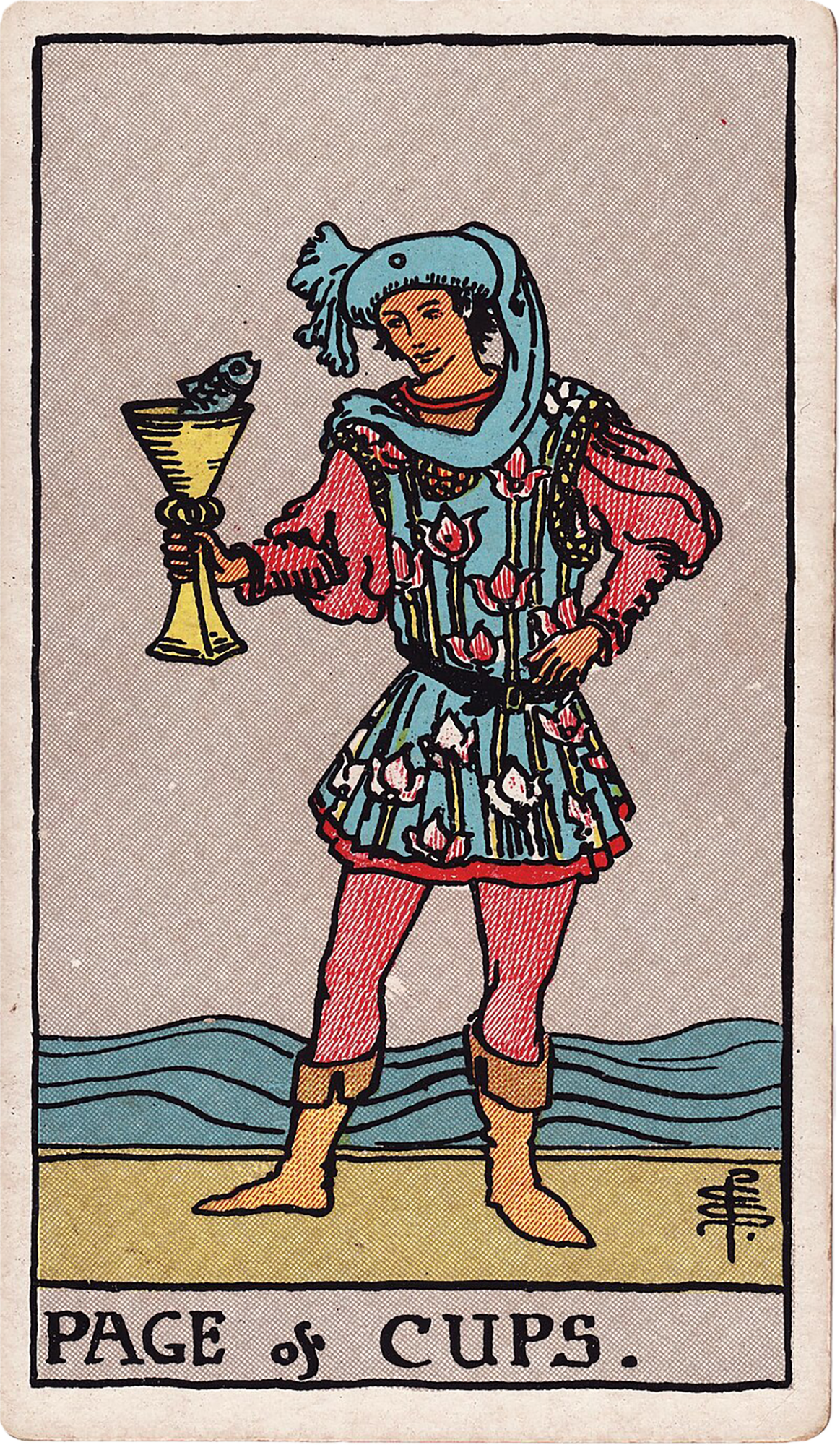 Page of Cups
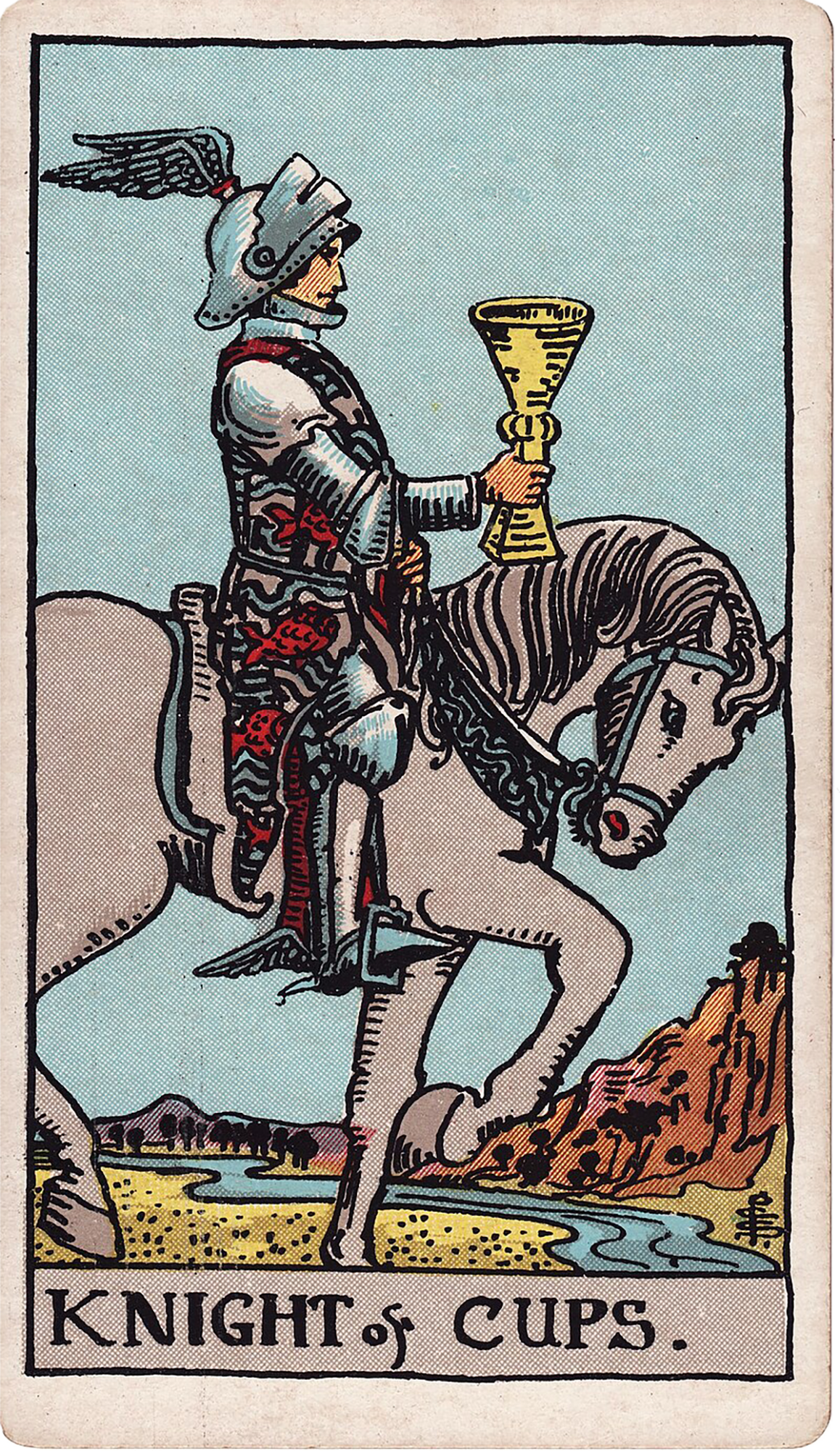 Knight of Cups
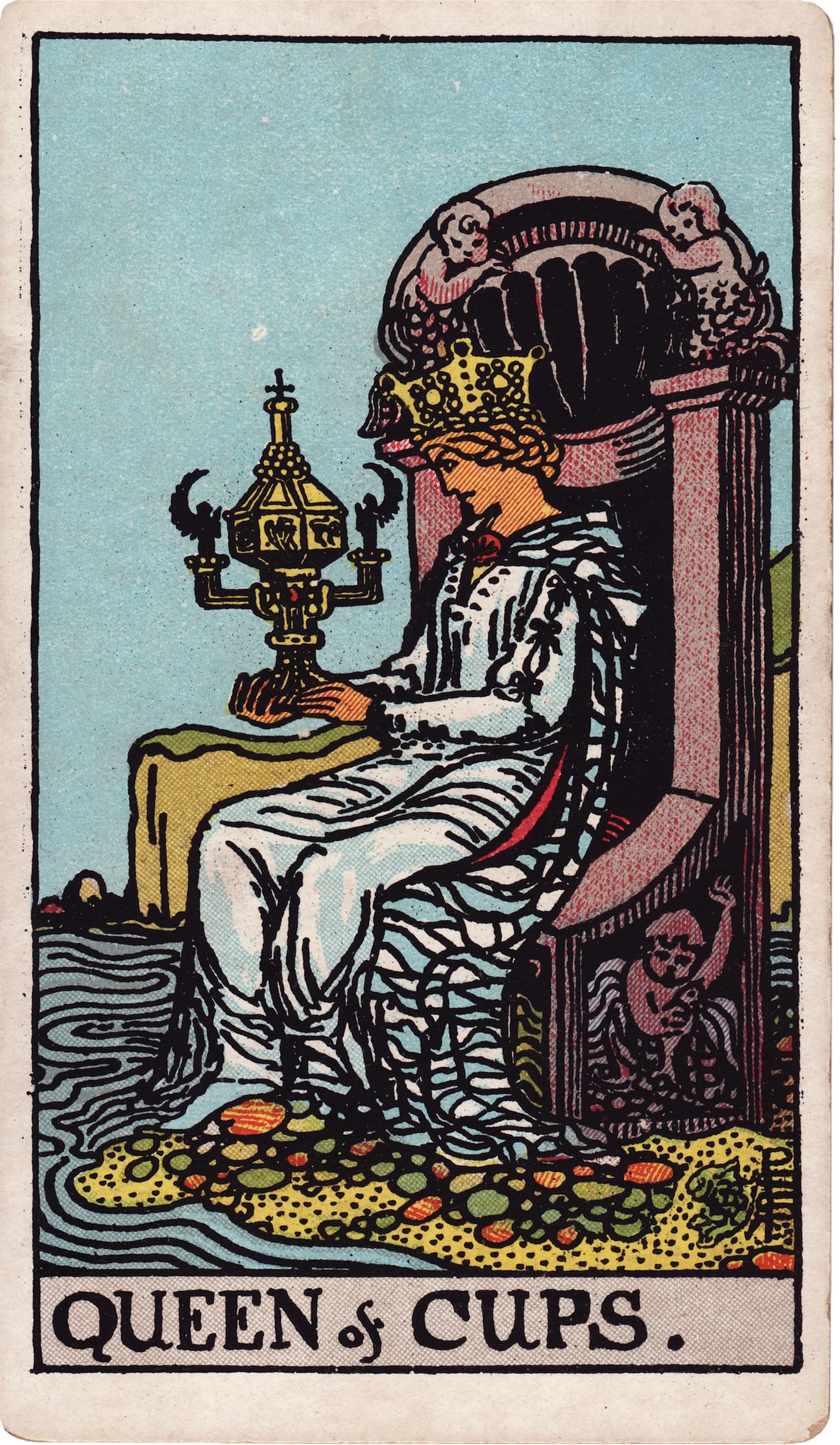 Queen of Cups
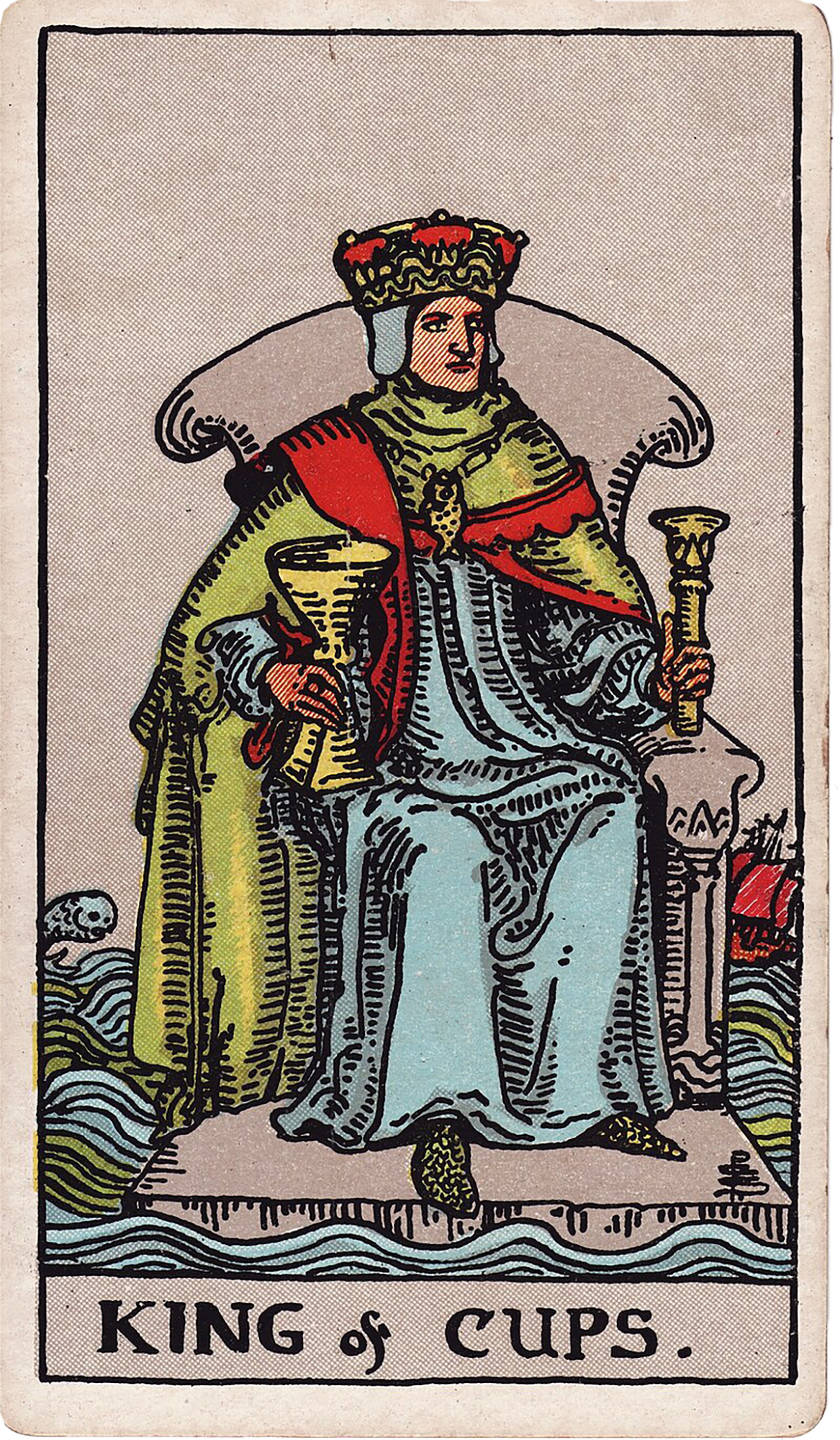 King of Cups
Introduction to the Court Cards of Cups as a Family Suit
The Minor Arcana Cups suit in tarot symbolizes the emotional realm: feelings, relationships, intuition, and the inner life. The court cards — Page, Knight, Queen, and King of Cups — act as a family unit representing stages of emotional and psychological maturation. Each card carries a unique personality archetype and life lesson connected to managing emotions, cultivating empathy, and developing intuition. Understanding these cards as a family allows readers to see emotional growth as a process, not a singular moment, with each figure holding a place in that journey. The Rider-Waite-Smith deck imagery supports this concept through distinct iconography: the youthful Page with his open cup and fish, the Knight’s purposeful horse, the Queen’s calm throne and water symbolism, and the King’s steady regal bearing. Recognizing this family dynamic deepens the interpretive richness of readings, inviting learners to explore how emotional traits manifest across contexts.
Page of Cups as the Emotional Messenger and Creative Opener
The Page of Cups heralds unexpected emotional messages, intuition, and creative impulses. His youthful presence symbolizes curiosity and a beginner’s mind toward feelings, inviting openness rather than immediate judgment. Rider-Waite-Smith imagery shows a youth holding a cup with a fish peeking out, a symbol of surprise and imagination bubbling to the surface. Upright, the card asks the querent to engage with emotions practically and receptively, emphasizing the importance of acknowledging where emotional curiosity is already present and how to nurture it constructively. Reversed, the Page points to emotional immaturity or blocked intuition, which may manifest as hypersensitivity or escapism. Instead of viewing reversal as simply negative, it encourages readers to identify where emotional processes have stalled and what simplifications or acknowledgments are needed to move forward. In readings, the Page often signals new beginnings in emotional understanding or creative projects tied to feelings.
Knight of Cups as the Pursuer of Heart’s Desires with Emotional Intention
The Knight of Cups represents an active pursuit of what the heart values, combining grace, imagination, and emotional purpose. Traditionally depicted as a young knight riding a flowing horse, the card conveys movement and romantic idealism. The imagery suggests a journey guided by inner feelings rather than logic alone. In upright position, this card encourages engaging with relationships or creative endeavors sincerely and with emotional clarity, recognizing where this energy is unfolding in the querent’s life. Reversed, the Knight warns of chasing fantasies, empty promises, or moodiness that disrupts authentic connection. Learning to balance idealism with grounded reality is a key lesson here. For practical readings, the Knight’s presence alerts one to emotional momentum and the importance of aligning actions with heartfelt intentions without losing sight of genuine relational dynamics.
Queen of Cups as the Epitome of Mature Emotional Receptivity and Empathy
The Queen of Cups embodies deep emotional maturity, empathy, and intuitive understanding, maintaining an inner container for feelings. The Rider-Waite-Smith imagery of a serene queen seated by the water with a closed cup reflects a calm, introspective, and nurturing nature. Upright, the Queen encourages the development of emotional intelligence that is both receptive and grounded, supporting the querent to act from compassion and awareness of subtle emotional currents. When reversed, the card signals emotional overwhelm, codependency, or difficulty distinguishing intuition from anxiety or projection. The reversal invites an examination of boundaries and internal emotional regulation rather than rejection of sensitivity. In readings, the Queen often represents a figure who provides emotional support or a stage in personal development where feelings are managed with grace and insight.
King of Cups as the Archetype of Steady Emotional Leadership and Composure
The King of Cups signifies mastery over emotions, steady leadership, and creating safety through emotional composure. Traditionally depicted as a mature man holding a cup, symbolizing control and generosity of feeling, the King balances feeling deeply without being overwhelmed. Upright, the card calls for responses that embody emotional wisdom, resilience, and vulnerability balanced with strength. Reversed, it points to emotional manipulation, repression, or guardedness that discourages genuine connection. The reversal challenges readers to uncover hidden emotional blockages and practice authentic vulnerability. In practical reading contexts, the King indicates a mature emotional presence available for guidance or a goal for personal emotional development toward balanced leadership within relationships and community.
Integrating Upright and Reversed Meanings in Practical Readings
In approaching the Court Cards of Cups, learners often make the mistake of treating reversed cards as merely the opposite of upright meanings. Instead, consider reversals as indicators of where emotional processes are stuck or imbalanced rather than simply negative reflections. For example, a reversed Page of Cups is not just a lack of creativity but a sign that emotional curiosity needs reevaluation or expression in healthier ways. Similarly, reversed Knight may highlight where idealism has become fantasy rather than a call to abandon emotional intention altogether. When reading, pay close attention to how the court card’s energy interacts with surrounding cards to determine whether the emotional lesson is beginning, developing, being pressured, or resolving. This dynamic view respects the fluid nature of emotional growth and personality.
Common Mistakes and How to Avoid Them When Interpreting Cups Court Cards
One frequent mistake is over-identifying court cards with specific people rather than seeing them as archetypal energies or personality traits. While the Page of Cups may sometimes represent a young person, it’s more instructive to consider the card’s emotional lessons about receptivity and curiosity. Another error is ignoring the practical context in the spread and treating court cards as abstract ideals. Instead, focus on how the card’s qualities manifest concretely in the querent’s situation, as advised in the supplied card descriptions. Also, avoid rigidly equating reversed cards with negativity; instead, explore what emotional blockages or growth areas the reversal points to. Lastly, neglecting the symbolic imagery can limit depth — taking time to connect with the fish in the Page’s cup or the King’s calm demeanor enriches interpretation.
Techniques for Deepening Understanding and Application of Cups Court Cards
To work effectively with the Court Cards of Cups, practice meditative visualization on each card’s imagery to internalize emotional qualities. Journaling about how the card’s themes appear in your life can illuminate personal growth areas. When reading for others, ask clarifying questions that explore feelings, intuition, and relational dynamics connected to the card’s message. Use the cards as prompts to reflect on emotional leadership, empathy, and creative impulses rather than as fixed predictions. Consider the card’s place within the family suit progression to see how lessons evolve — from the youthful Page’s curiosity to the King’s mastery. Finally, track patterns in repeated appearances of Cups court cards to notice ongoing emotional themes or blocks.
Applying the Family Suit Lessons in Personal Development and Relationships
The Cups court cards teach that emotional life is a journey through curiosity, active pursuit, empathy, and leadership. The Page encourages openness to new feelings and creative inspiration, the Knight urges purposeful emotional engagement, the Queen models mature empathy, and the King exemplifies balanced emotional authority. In family and relationship contexts, these cards highlight how emotional roles shift and develop. For example, a querent might embody the Knight’s romantic idealism early in a relationship and grow toward the Queen’s nurturing empathy or the King’s steadiness. Learning to recognize and embody these archetypes consciously can foster healthier communication, boundary-setting, and emotional resilience within families and communities.
Practice questions
• How do the stages represented by the Page, Knight, Queen, and King of Cups reflect your current emotional growth?
• In what ways does the imagery of each court card help you connect with its emotional lesson?
• Have you noticed patterns in your life where emotional curiosity or intuition (Page of Cups) could be better expressed or integrated?
• How might idealism or moodiness (Knight of Cups reversed) be impacting your relationships or personal goals?
• What practices could help you embody the mature empathy of the Queen of Cups without becoming overwhelmed or codependent?
• Where might you be resisting genuine vulnerability or emotional leadership as suggested by the King of Cups reversed?
• How can you use the family suit framework to understand changing emotional roles within your family or close relationships?
Comments
Sign in to comment.
Continue learning
The Fool in Life Transitions and New Beginnings
The Fool card embodies the spirit of beginnings, curiosity, and the leap of faith required during life transitions. This article explores The Fool’s meanings across various reading...
Unlocking the Energies of the King Queen and Knight of Cups for Emotional Intelligence
This article delves into the King, Queen, and Knight of Cups from the Minor Arcana's family Suit and Court Cards, emphasizing how these archetypes embody stages and expressions of...
Applying The Hermit in Meditation and Mindfulness Practices for Deeper Insight
The Hermit card embodies the essence of introspection, solitude, and deliberate contemplation. Applied to meditation and mindfulness, it encourages stepping back from external dist...
Unlocking the Roles and Personalities of Page Knight Queen and King of Swords
This article delves deeply into the family suit lessons of the Page, Knight, Queen, and King of Swords, exploring their roles and personalities within the Minor Arcana. Anchored in...
Exploring the Symbolism of The Tower Card for Understanding Sudden Change and Awakening
The Tower card stands as one of the most powerful and evocative images in the Tarot deck, symbolizing sudden upheaval, awakening, and the collapse of false structures. This article...
Exploring the Many Dimensions of The World Card in Personal Growth and Completion
This article explores the rich layers of The World card within tarot readings, emphasizing its role in signaling completion, integration, and readiness for new cycles. Utilizing th...
Unveiling the Symbolism of the Four Tarot Suits for Deeper Reading Insights
This article delves into the rich symbolism of the Four Tarot suits—Wands, Cups, Swords, and Pentacles—anchored by detailed analysis of the Ace cards from each suit. By connecting...
Understanding The Justice Card in Legal Career and Ethical Life Decisions
The Justice card in Tarot serves as a powerful symbol of fairness, accountability, and ethical clarity. This article explores the card’s upright and reversed meanings specifically...
Exploring The Justice Card in Ethical Decision Making and Personal Integrity
The Justice card in the Tarot deck is a profound symbol of fairness, truth, and accountability. This article explores how to interpret Justice in various contexts such as love, car...
Exploring The Hierophant in Personal Belief Systems and Community Traditions
This article explores The Hierophant card as a symbol of structured wisdom, tradition, and guidance. Using the Rider-Waite-Smith imagery, we analyze how the card's upright and reve...