
Understanding the Roles and Growth Lessons of the Page Knight Queen and King of Wands
This article delves deeply into the court cards of the Wands suit in the Minor Arcana, exploring how the Page, Knight, Queen, and King each embody distinct stages of personal and energetic development within the fire element. By focusing on their traditional Rider-Waite-Smith symbolism and the practical lessons they teach about motivation, creativity, ambition, and leadership, learners will gain a comprehensive understanding of how to interpret these cards in context. The article includes guidance on navigating reversals, common interpretative challenges, and practical reading strategies to enhance clarity and depth in Tarot practice.
Cards explored in this article
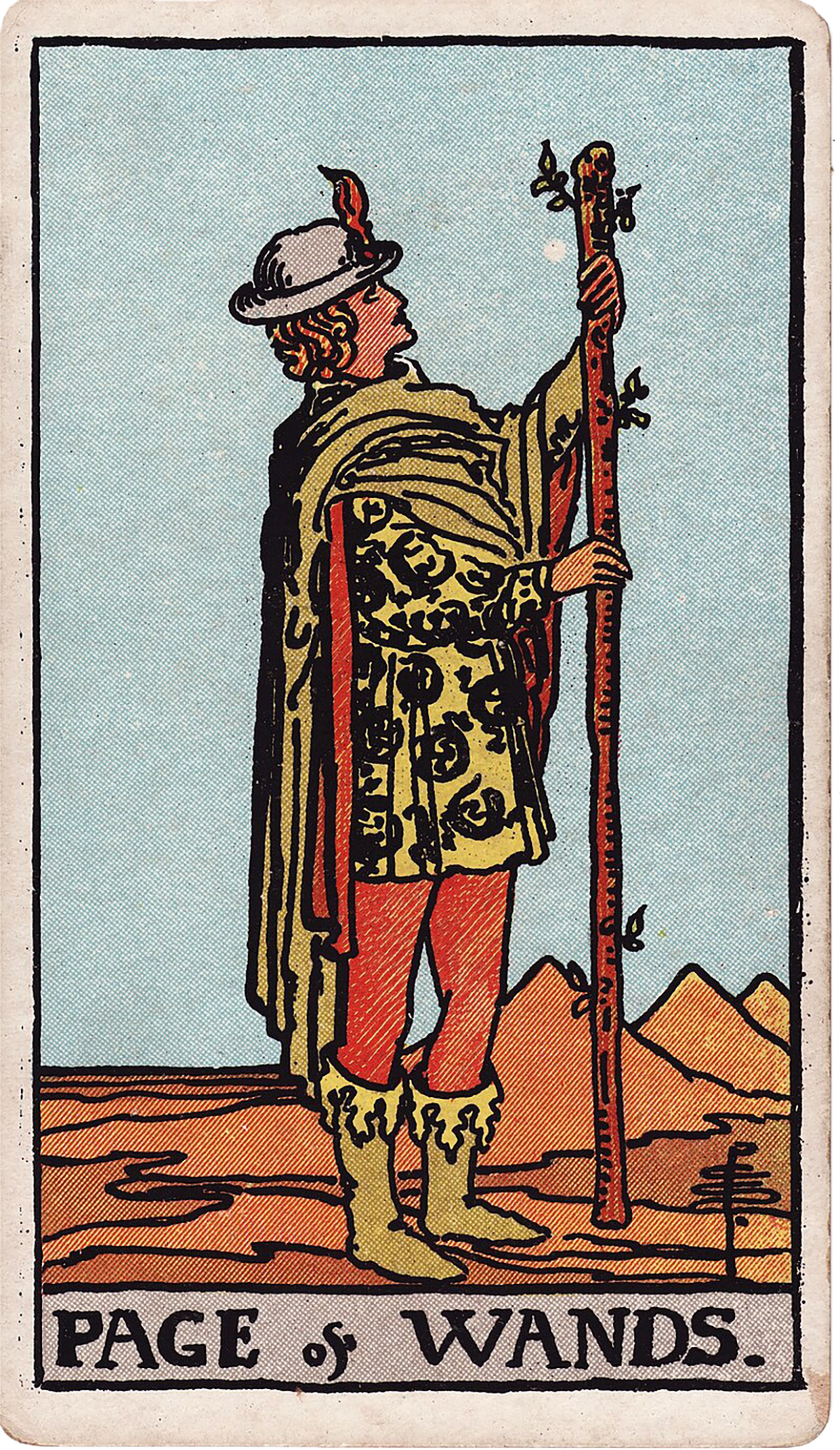 Page of Wands
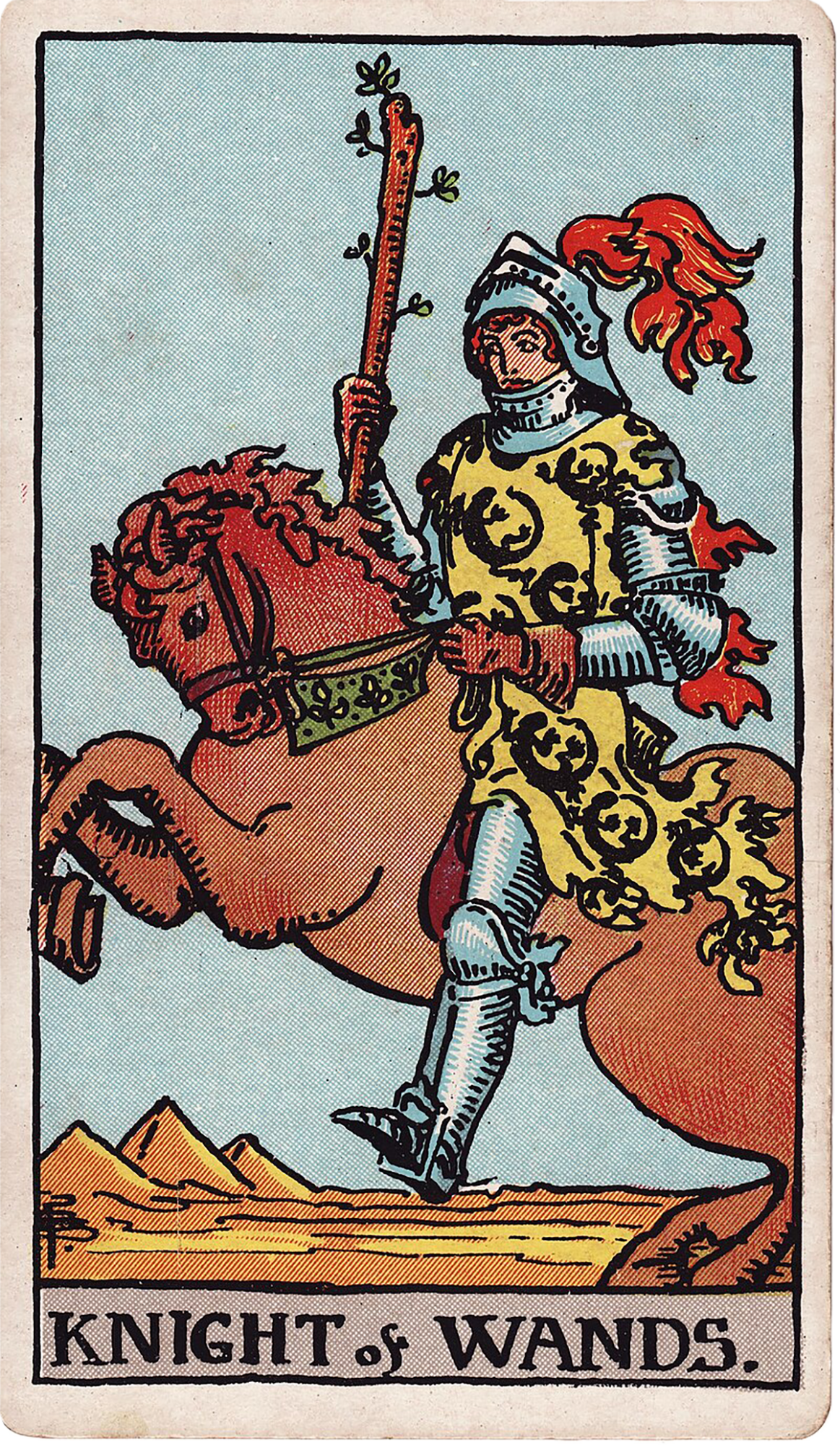 Knight of Wands
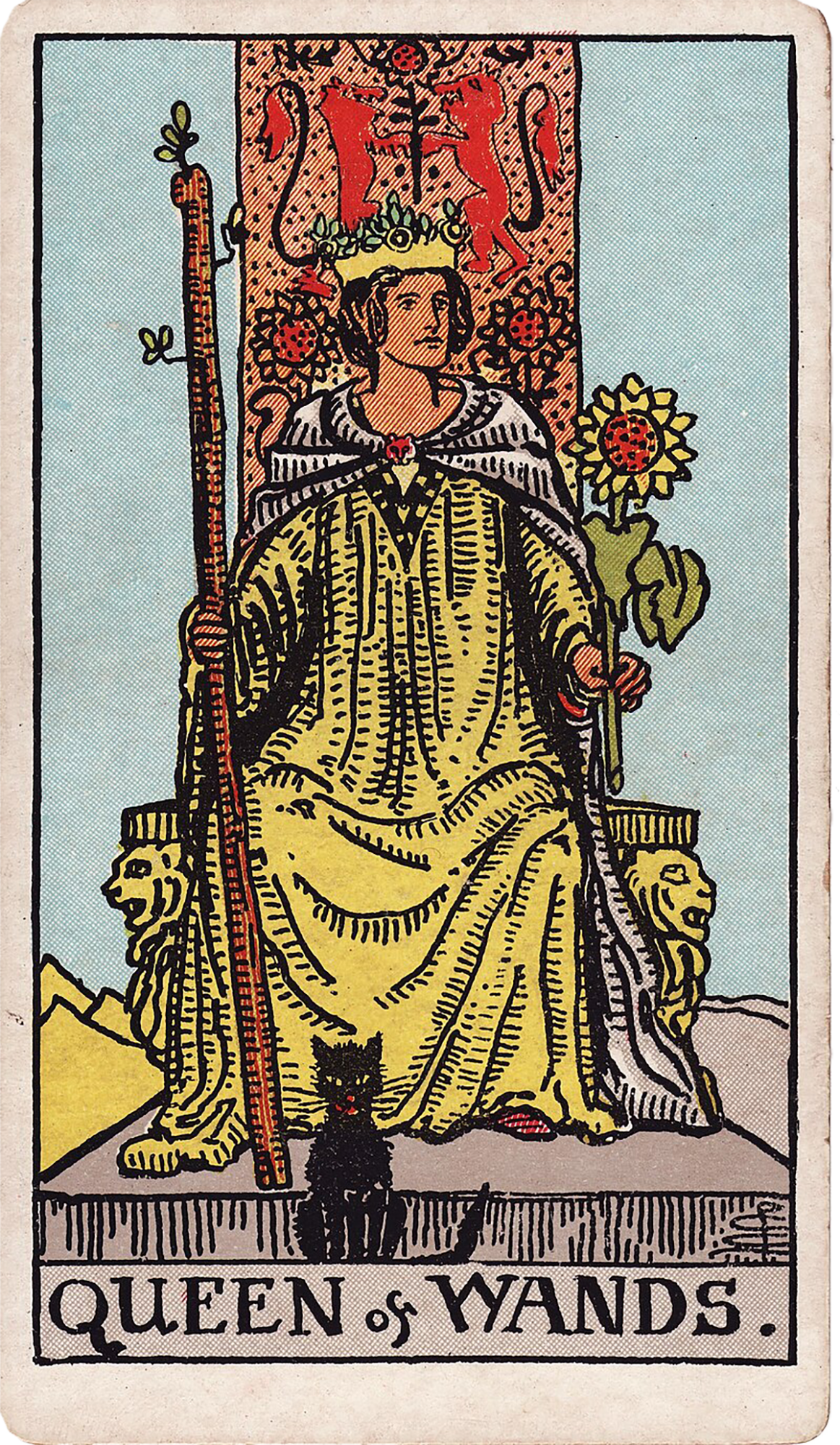 Queen of Wands
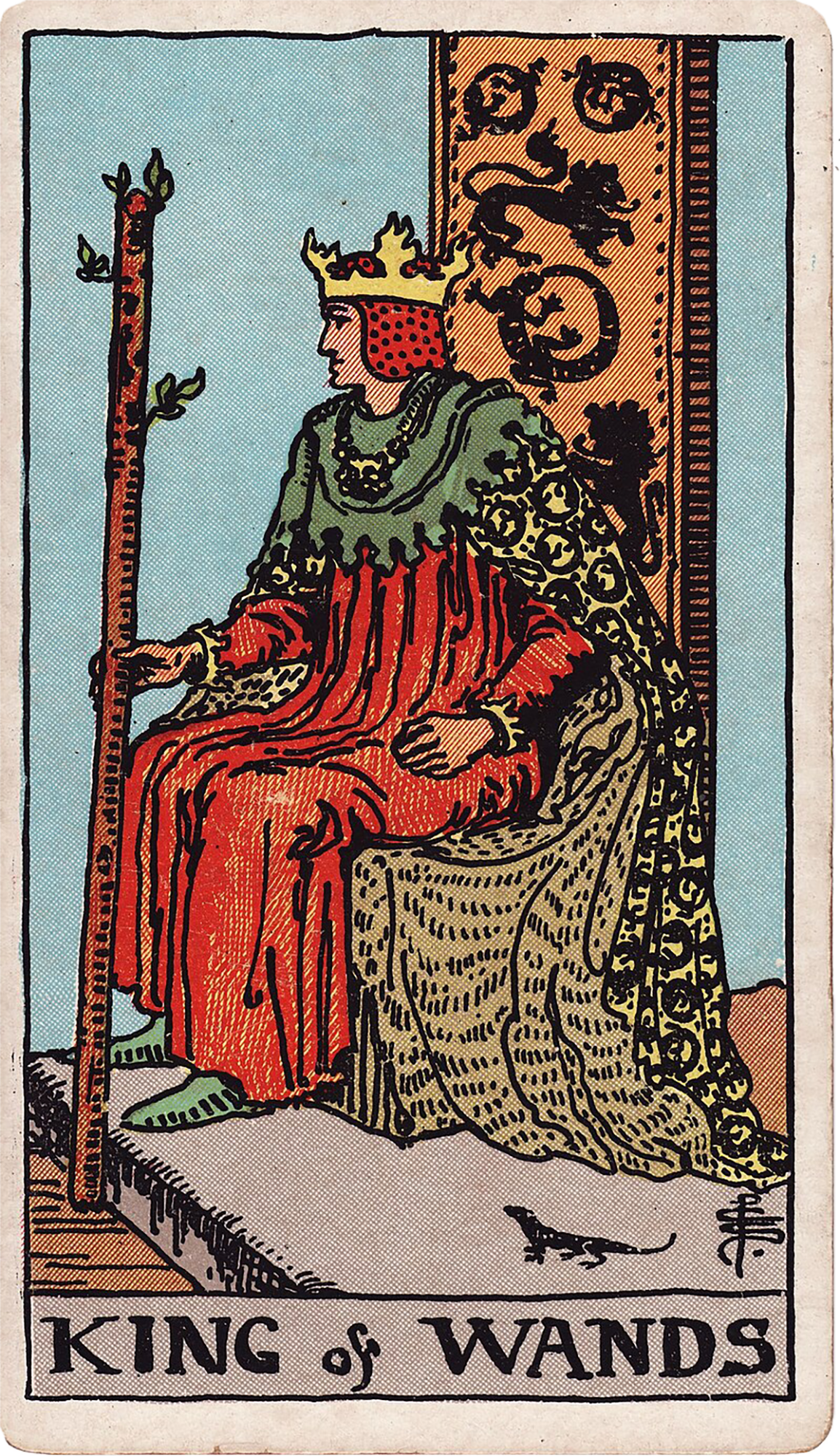 King of Wands
Introduction to the Wands Court Cards as a Family Suit
The Wands suit in the Minor Arcana represents the element of fire—energy, motivation, creativity, and ambition. Within this suit, the court cards—Page, Knight, Queen, and King—form a symbolic family that maps the growth of these qualities from inception to mastery. Understanding these cards as a family suit offers insight into a developmental sequence where each figure embodies distinct but interconnected phases of engaging with one's inner fire. The Page of Wands signals the spark of curiosity and new beginnings; the Knight of Wands channels active pursuit and passionate movement; the Queen of Wands balances creative leadership with warmth and confidence; and the King of Wands represents mature, responsible mastery of one’s vision and energy. This family metaphor helps readers see how each card relates to stages of personal growth and energy management.
The Page of Wands as the Embodiment of Beginner Energy and Exploration
The Page of Wands introduces us to the realm of fire with fresh curiosity and an experimental spirit. Illustrated traditionally holding a wand upright with a desert backdrop, the Page symbolizes the early stage of engagement with creative energy and motivation. The card’s upright meaning emphasizes practical beginnings: responding to new ideas or messages by taking initiative that fits the present moment rather than abstract ideals. It asks the querent to identify where budding enthusiasm or ambition is already visible and to nurture it with appropriate, grounded action. When reversed, this card highlights a blockage in this early stage—immaturity, inconsistency, or fear of failure that prevents follow-through. The Rider-Waite-Smith imagery underlines this by showing a young figure looking ahead with eagerness but still untested in the journey ahead, reminding readers that the full expression of this energy requires patience and experience.
The Knight of Wands as a Symbol of Decisive Movement and Courageous Action
The Knight of Wands depicts a rider charging forward on a galloping horse, brandishing a wand with fiery energy. This card embodies the dynamic middle stage of fire energy—decisive, bold, and often impatient. Upright, the Knight demands a balance between speed and direction; it’s not just about rushing ahead but about choosing a path courageously and pursuing it with motivation and initiative. This stage involves risk-taking and a willingness to confront challenges head-on. The card’s traditional imagery reinforces this with an active, forward-thrusting posture and the wind-swept desert symbolizing movement and urgency. When reversed, the Knight warns of recklessness, restlessness, or a lack of commitment—chasing excitement without sustaining effort. Readers should look for signs of overextension or scattered energy in the querent’s situation and seek to ground impulsivity into constructive action.
The Queen of Wands as Creative Leadership and Confident Independence
The Queen of Wands represents a mature, visible confidence that inspires rather than diminishes others. Her upright depiction shows a regal woman seated with a sunflower symbolizing vitality and creative energy, often accompanied by a black cat that hints at intuition and independence. This card highlights the stage where motivation and ambition are channeled into leadership that is both warm and assertive. The Queen balances social grace with personal power, demonstrating that strong energy can be expressed through encouragement and authenticity rather than domination. Reversed, this card reveals shadows such as jealousy, insecurity behind a confident facade, or burnout from carrying too much responsibility. Tarot readers should pay attention to whether the querent’s confidence is genuine or masking deeper vulnerabilities and whether their leadership style is empowering or controlling.
The King of Wands as the Mature Visionary and Responsible Leader
The King of Wands epitomizes the full maturation of fire energy: clear vision, courageous entrepreneurship, and responsible stewardship of creative force. In Rider-Waite-Smith imagery, the King sits firmly on his throne, holding a blossoming wand that signifies ongoing growth and authority. His posture conveys confidence rooted in experience rather than impulsiveness. Upright, the card encourages the querent to embody purposeful leadership—taking responsibility for the energy set in motion and guiding projects with integrity and vision. When reversed, the King warns of domination, impatience, or grandiosity, highlighting the danger of misusing power or failing to communicate a vision effectively. This card challenges readers to discern whether the querent’s leadership is aligned with shared goals or veering into control and frustration.
Techniques for Reading the Wands Court Cards in Context
When interpreting these court cards, a practical approach grounded in context is essential. First, consider the stage of development the card represents by relating it to the querent’s situation—is this a time for new beginnings (Page), active pursuit (Knight), confident management (Queen), or mature leadership (King)? Next, analyze the card’s orientation—upright or reversed—to identify whether the energy is flowing constructively or blocked. Always integrate surrounding cards to clarify whether the fire energy is just emerging, gaining momentum, or facing challenges. Pay close attention to Rider-Waite-Smith symbolism in the illustrations: the Page’s youthful stance, the Knight’s dynamic motion, the Queen’s welcoming gaze and symbols of vitality, and the King’s commanding presence each guide interpretation. Avoid common mistakes such as treating reversals as mere opposites or ignoring the card’s practical message in favor of abstract ideals. Instead, ask what practical action or mindset adjustment will help the querent move forward in line with the card’s energy.
Common Challenges and Misinterpretations
One frequent error is viewing the court cards as fixed personality types rather than dynamic roles reflecting stages of growth and energy expression. For example, interpreting the Knight of Wands simply as a reckless youth ignores the card’s potential to signal needed courage and decisive movement. Another challenge is overemphasizing reversals as strictly negative, when in fact they often indicate internal or developmental blocks requiring awareness and adjustment. Additionally, readers sometimes overlook the interaction between court cards and their surrounding cards, missing crucial contextual clues that refine meaning. The rich Rider-Waite-Smith symbolism—such as the Page’s upward gaze or the Queen’s sunflower—should be used actively in readings to anchor interpretations visually and symbolically. Ultimately, balancing the energetic qualities of motivation, creativity, ambition, and leadership across these four cards helps avoid simplistic or stereotyped readings.
Practical Applications and Examples in Readings
Consider a querent facing a new career opportunity: the Page of Wands here might suggest embracing initial curiosity and taking small, exploratory steps without pressure for perfection. Seeing the Knight of Wands could indicate it’s time to act decisively but with attention to direction, avoiding impulsiveness. If the Queen of Wands appears, the reading might encourage the querent to lead with confidence, inspiring others and trusting their creative intuition. The King of Wands could advise adopting a long-term vision and responsible leadership, ensuring that passion is balanced with planning. In reversal, the same cards invite reflection on what internal blocks exist—whether fear, impatience, insecurity, or controlling tendencies—and how to move beyond them. Using this framework systematically helps readers provide nuanced, actionable guidance that respects the developmental nature of the Wands court cards.
Practice questions
• How do the Page through King of Wands reflect stages of personal growth and energy management in your own life?
• In what ways can you distinguish between constructive motivation and reckless impulsiveness when interpreting the Knight of Wands?
• How might the Queen of Wands’ balance of confidence and warmth inform your own approach to leadership or social interaction?
• What signs help you recognize when the King of Wands’ mature vision may be tipping into grandiosity or impatience?
• How can you use the Rider-Waite-Smith imagery in these cards to deepen your intuitive understanding during a reading?
Comments
Sign in to comment.
Continue learning
The Fool in Life Transitions and New Beginnings
The Fool card embodies the spirit of beginnings, curiosity, and the leap of faith required during life transitions. This article explores The Fool’s meanings across various reading...
Unlocking the Energies of the King Queen and Knight of Cups for Emotional Intelligence
This article delves into the King, Queen, and Knight of Cups from the Minor Arcana's family Suit and Court Cards, emphasizing how these archetypes embody stages and expressions of...
Applying The Hermit in Meditation and Mindfulness Practices for Deeper Insight
The Hermit card embodies the essence of introspection, solitude, and deliberate contemplation. Applied to meditation and mindfulness, it encourages stepping back from external dist...
Unlocking the Roles and Personalities of Page Knight Queen and King of Swords
This article delves deeply into the family suit lessons of the Page, Knight, Queen, and King of Swords, exploring their roles and personalities within the Minor Arcana. Anchored in...
Exploring the Symbolism of The Tower Card for Understanding Sudden Change and Awakening
The Tower card stands as one of the most powerful and evocative images in the Tarot deck, symbolizing sudden upheaval, awakening, and the collapse of false structures. This article...
Exploring the Many Dimensions of The World Card in Personal Growth and Completion
This article explores the rich layers of The World card within tarot readings, emphasizing its role in signaling completion, integration, and readiness for new cycles. Utilizing th...
Unveiling the Symbolism of the Four Tarot Suits for Deeper Reading Insights
This article delves into the rich symbolism of the Four Tarot suits—Wands, Cups, Swords, and Pentacles—anchored by detailed analysis of the Ace cards from each suit. By connecting...
Understanding The Justice Card in Legal Career and Ethical Life Decisions
The Justice card in Tarot serves as a powerful symbol of fairness, accountability, and ethical clarity. This article explores the card’s upright and reversed meanings specifically...
Exploring The Justice Card in Ethical Decision Making and Personal Integrity
The Justice card in the Tarot deck is a profound symbol of fairness, truth, and accountability. This article explores how to interpret Justice in various contexts such as love, car...
Exploring The Hierophant in Personal Belief Systems and Community Traditions
This article explores The Hierophant card as a symbol of structured wisdom, tradition, and guidance. Using the Rider-Waite-Smith imagery, we analyze how the card's upright and reve...