
Why Tarot Readers Use Reversals A Historical Guide
This article traces the history and practice of reading card reversals, situating the technique within family tradition and modern tarot work. It explains why reversals are used, how they relate to Rider-Waite-Smith imagery, and gives step-by-step methods, interpretive logic, and example readings using the supplied cards: The Fool, The Hanged Man, and Death. Learners will gain practical ways to decide whether to use reversals, shuffle and lay cards, read orientation in context, and avoid common mistakes.
Cards explored in this article
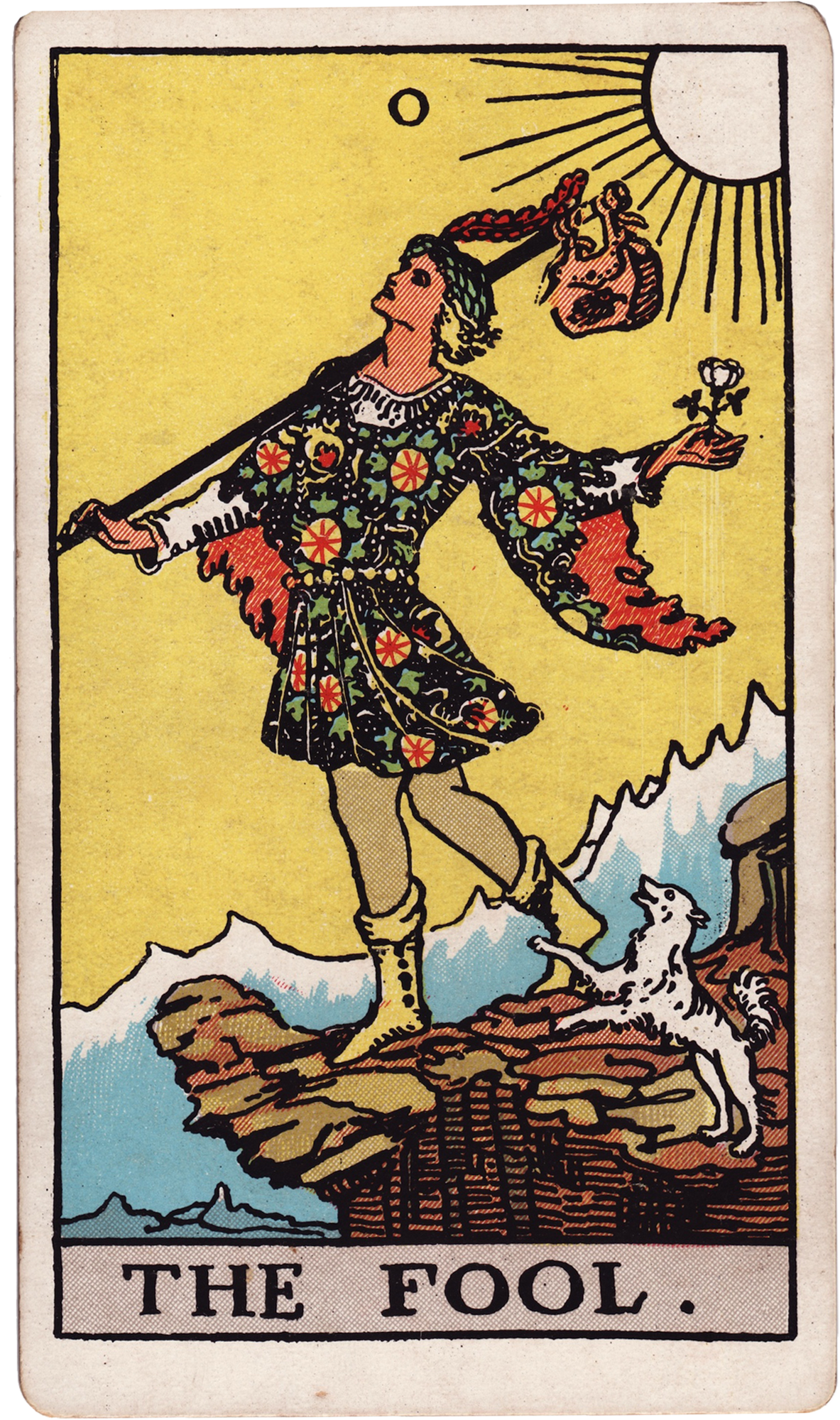 The Fool
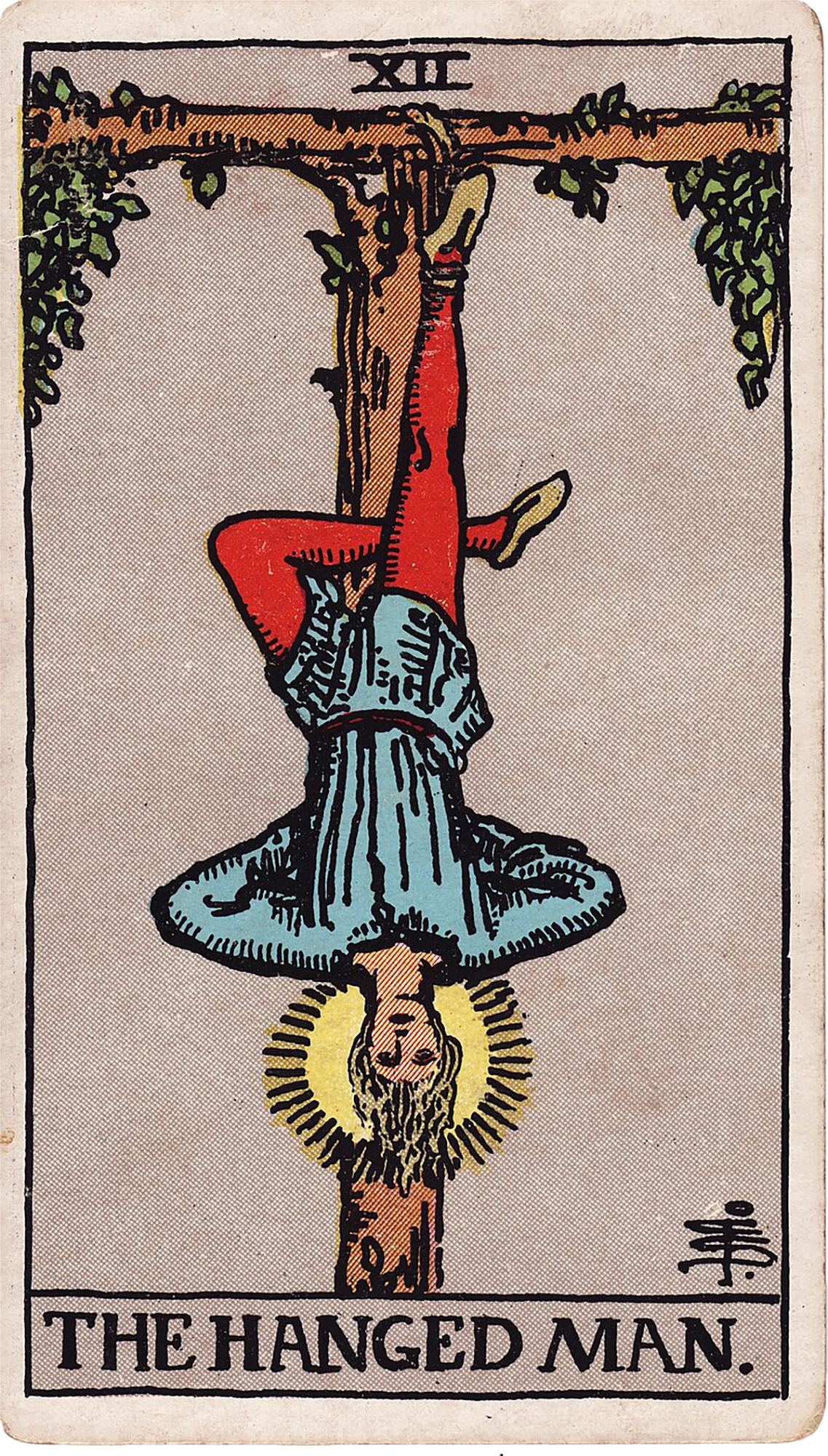 The Hanged Man
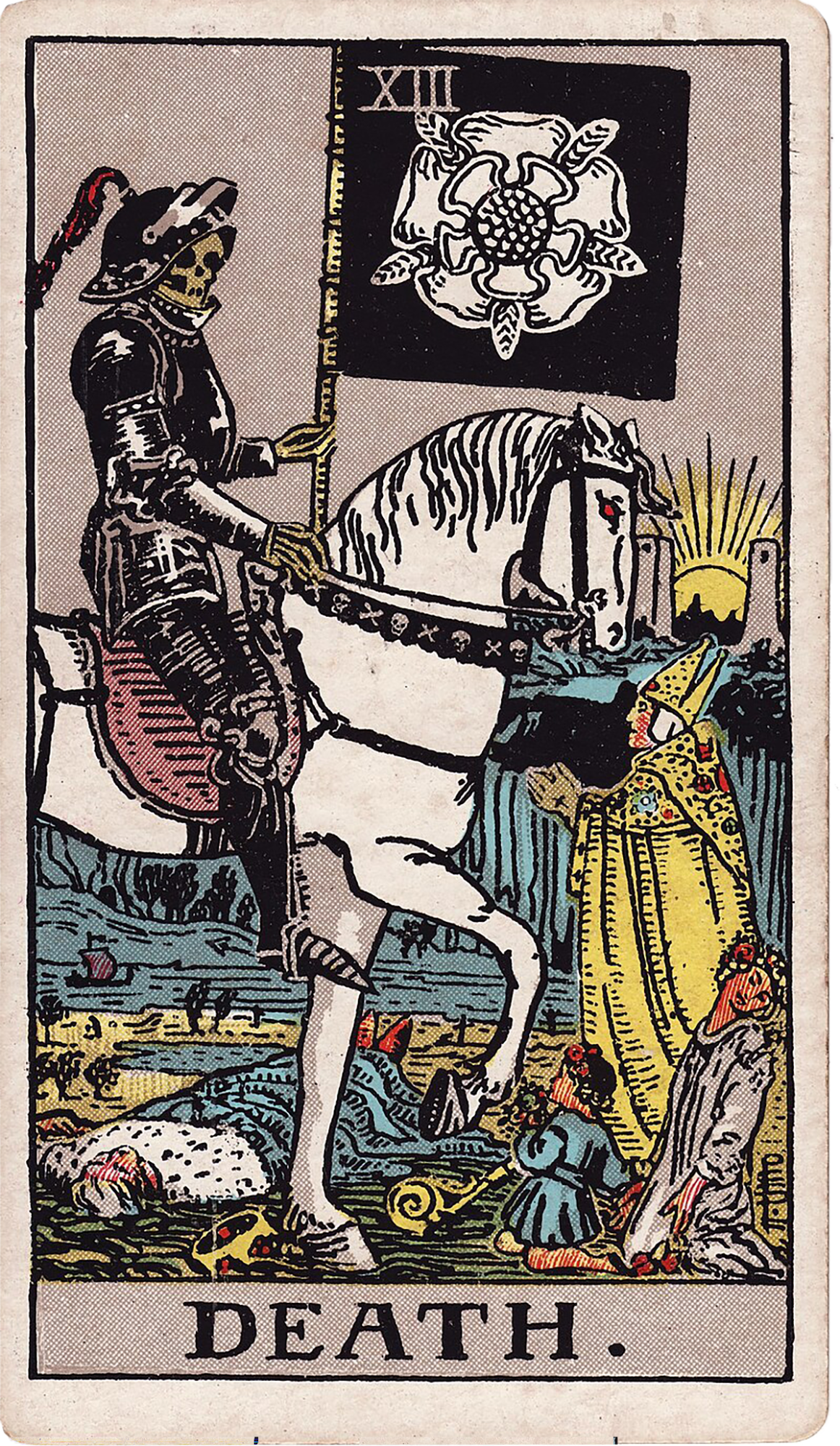 Death
Introduction: What a Reversal Is and Why It Matters
A reversal in tarot is simply a card that appears upside down relative to the reader's orientation when it is drawn and laid out. For many readers, that visual orientation becomes an additional layer of meaning beyond the card's upright symbolism. The practice is common, contested, and rich in nuance: some traditions treat reversals as clearly 'blocked' or 'negative' energies, others use them as subtle modifiers or ignore orientation entirely. This article treats reversals as a technique in the tarot family of traditions and shows how to use them responsibly and imaginatively. Throughout, I anchor the teaching to the supplied Rider-Waite-Smith‑derived cards—The Fool, The Hanged Man, and Death—so you can visualize how orientation interacts with iconic imagery.
A Short Historical Outline: Where Reversals Came From
Reversals did not arrive as a single invention on a single date; they appear as one of several orientation-based conventions in Europe’s cartomantic and occult practices. Early fortune-telling with playing cards and tarot-like decks sometimes noted orientation differences, and by the 19th and early 20th centuries different occult groups and readers adopted varied stances: some emphasized upright meanings and positional contexts, others introduced reversal meanings as a straightforward way to mark internal resistance, delay, or inversion of an energy. By the 20th century, as Tarot was adapted and popularized in English-speaking occult and literary circles, reversals became widespread among many readers who appreciated the economy of adding a visual marker that could be read quickly in a spread. At the same time, several influential voices in the tarot family advised caution or recommended against using reversals, arguing that position, question, and relational dynamics provide richer information than orientation alone. The result is a live debate in modern practice: reversals are a proven tool with deep roots in practical reading, but they are neither obligatory nor universally agreed upon. Because the Rider-Waite-Smith visual language (used for the supplied cards) lends itself to directional reading—characters face, objects point, and spatial relationships matter—these images reward careful attention to orientation. That makes the three supplied cards especially useful when learning reversal technique.
Core Meanings and How Reversal Modifies Them
Before layering reversal logic onto a card, first know the upright meaning. The supplied card descriptions give concise, practical upright meanings: - The Fool (upright) emphasizes starting before every detail is known, curiosity over paralysis, beginning with openness while asking what proximate step is available. - The Hanged Man (upright) emphasizes a deliberate pause, surrender, and perspective change—an opportunity to see differently by releasing control. - Death (upright) emphasizes allowing an ending to be real, releasing completed forms, and making room for transformation. Each supplied card also includes a supplied reversed text explaining how the upright quality can be blocked, exaggerated, internalized, or delayed. Use those supplied reversed descriptions as the primary reversal dictionary for these cards. A reversal is not an automatic moral judgment—'bad' or 'good'—but a modifier that points toward distortion, delay, privatization, or correction of the upright quality. Some common reversal patterns across cards are: - Blocked: the upright energy is present but not accessible or acted upon (e.g., The Fool reversed as avoidance of beginning). - Exaggerated: the upright energy is expressed without balance (e.g., The Fool reversed as recklessness). - Internalized or private: the matter is moving inward or psychological rather than public. - Corrective or nascent recovery: the reversal may mark the first recognition of a pattern that will change. With the supplied cards, read reversals by comparing the upright description to the reversed description and ask: Is this energy delayed, distorted, private, or in the process of correcting itself?
Why Rider-Waite-Smith Imagery Rewards Orientation Reading
The Rider-Waite-Smith (RWS) family of imagery uses figures, gestures, and directional symbols that naturally invite reading by orientation. Look at the supplied cards visually and notice: - The Fool: a young figure stepping toward a cliff, accompanied by a small dog, holding a white rose and a knapsack. Direction, forward motion, and openness are foregrounded. Upside down, the image asks whether that forward motion is premature, misdirected, or inwardly resisted—matching the supplied reversed wording about recklessness, avoidance, or refusal to begin. - The Hanged Man: a figure suspended by one foot, haloed, with an inverted relationship to gravity. Upright, the image already implies paradoxical orientation—deliberate inversion for new perspective. Reversed, the same visual upsets the meaning: suspension may have become stalemate, martyrdom, or resistance to surrender, as the supplied reversed text suggests. - Death: a skeletal rider, black armor, white rose flag, figures rising and the sun on the horizon. Upright, strong symbolic signals of ending and rebirth are clear. Upside down, the same symbols can read as clinging, fear of change, or failed endings—again matching the supplied reversed text. Because RWS images are compositionally directional, orientation should be treated as a legitimate clue, not as a gimmick. But it is most powerful when integrated with position, the querent’s question, and other cards' themes.
Practical Decision: Should You Use Reversals in Your Practice?
Deciding whether to use reversals is a foundational practical choice and a matter of family tradition. Ask yourself and any querent: - Do I want orientation to be an active signal that changes interpretation? If yes, commit to a consistent system. - Do I feel able to read nuance (blocked vs. corrective vs. exaggerated) rather than defaulting to 'bad'? If not, consider delaying reversals until you have more practice. - Will the querent be informed that reversals are used and what they mean? Always explain before a reading. Many readers adopt a middle path: they include reversals but frame them clearly—orientation indicates how the upright energy is being expressed (blocked, delayed, internal) rather than being inherently negative. Others prefer to omit reversals and instead use positional modifiers or clarifying cards. Both are valid. The key is consistency and clarity with clients.
Shuffling, Cutting, and Creating Reversals: Methods
If you use reversals, the method by which reversals are introduced matters for both integrity and symbolic meaning. Common methods include: - Natural orientation via riffle/overhand shuffle: allow cards to flip during shuffling. This produces random orientation; the chance of reversed cards is organic. - Intentional in-deck flipping: some readers spread the deck face down and flip a percentage intentionally to ensure a predictable range of reversals (useful for learning experiments but less 'random'). - Cut-based orientation: after shuffling, ask the querent to cut the deck or complete a final riffle that allows their energy to affect orientation. - No reversals: if you choose not to read orientation, perform an explicit rotated-deck shuffle (aligning all cards to the same face) or place all cards upright before dealing so orientation is uniform. Whatever method you choose, tell the querent what you are doing. The ritual of deciding creates trust and frames the symbolic reliability of the reversal layer.
Step-by-Step Reading Method With Reversals
Here is a practical reading workflow you can use with reversals, anchored to the supplied cards when they appear: 1. Set the agreement: tell the querent whether you use reversals and a brief definition (e.g., orientation modifies a card’s upright meaning—blocked, delayed, or internalized). Clarify that this is an interpretive tool, not deterministic. 2. Shuffle and cut: use your chosen method (see previous section). If the querent shuffles or cuts, welcome that—it's part of the reading’s energy. 3. Lay the spread: deal cards with orientation intact. Note which supplied cards appear and whether they are upright or reversed visually. 4. Read basic upright meaning: for each card, first state the upright quality using the supplied upright texts. Example: if The Fool appears, begin with the supplied upright description focusing on starting and curiosity. 5. Apply reversal modifier: if the card is reversed, read the supplied reversed description and ask which pattern is likely—blocked, exaggerated, internal, or corrective. With The Fool reversed, does the querent show avoidance of beginning, or reckless action without boundaries? With The Hanged Man reversed, is there martyrdom or refusal to release? With Death reversed, is there clinging to the past or fear of transformation? 6. Contextualize with position: ask what role the card plays in the spread (situation, obstacle, advice, near future). A reversed Death in an "obstacle" position might mean clinging; in an "advice" position it might mean the querent is not ready to finish a cycle. 7. Relate to adjacent cards: use neighboring cards to clarify whether a reversal is private/internal or external/blocking. If you only have The Fool, The Hanged Man, and Death to look at in a reading example, use their interplay: The Fool reversed next to Death upright might speak of refusal to let endings complete before starting a new chapter, for example. 8. Ask clarifying questions: invite the querent to reflect. If the reversal suggests internal resistance, ask where that shows up practically. This turns interpretation into a collaborative inquiry rather than a pronouncement. 9. Summarize and suggest next steps: give practical actions aligned with your reading logic—smaller steps, experiments, or reflective work—rather than fate statements.
Interpretation Logic: Layers to Weigh in Every Reversal
When you encounter a reversed card, weigh these interpretive layers in order: 1. Upright baseline: state the card’s core upright theme (use the supplied upright texts for The Fool, The Hanged Man, Death). 2. Reversal modifier: apply the supplied reversed text to consider blocked, exaggerated, internal, or corrective meanings. 3. Positional meaning: what does the card’s position in the spread demand? (situation, obstacle, advice, etc.) 4. Imagery and orientation details: in RWS cards look at small details—where faces turn, what objects point to, whether a character’s gaze is closed or open. For example, The Fool’s dog and white rose can indicate companionship and innocence—if reversed, is innocence being defended or ignored? 5. Narrative coherence: synthesize—does the reversed card make sense within a story that the spread forms about the querent’s life? For example, a sequence where The Hanged Man appears reversed after Death upright might indicate that after a clear ending, the querent is resisting a necessary pause and instead rushing into old patterns. 6. Psychological vs. public: decide whether reversal points inward (private, psychological) or outward (practical, material obstruction). The supplied reversed texts explicitly note that reversals can indicate private movement; use that as a primary interpretive option. Weigh these layers proportionally; avoid letting reversal orientation overrule a clear narrative signaled by spread position or the querent’s lived reality.
Worked Examples Using The Fool, The Hanged Man, and Death
Below are three compact example readings that show how to read these supplied cards in different orientations. Treat them as templates for practice rather than fixed outcomes. Example A — Three-card: Situation / Obstacle / Advice Cards drawn: The Fool (reversed) in Situation, The Hanged Man (upright) in Obstacle, Death (upright) in Advice. - Start with upright baselines: The Fool upright invites a new start; The Hanged Man upright invites pause and perspective; Death upright invites necessary ending and transformation. - Apply reversal modifier: The Fool reversed (from supplied text) suggests recklessness, avoidance of beginning, naivety, or refusal to step forward. Work from the precise phrasing: 'Reversed... turns attention toward recklessness, avoidance of consequences, naivety, or refusing to begin because uncertainty feels uncomfortable.' - Position logic: As Situation, The Fool reversed describes the querent’s present posture—either unwilling to begin or beginning in a reckless way without clarity. The Hanged Man upright as Obstacle suggests the blockage is that the querent is resisting the deliberate pause or the perspective shift that would reorient their start. Death upright as Advice is firm: allow an ending to be real so transformation can occur; release what must finish before a sustainable new beginning. - Integrated interpretation: The querent is either stuck before beginning because they fear uncertainty or they’re launching carelessly. The corrective sequence the cards suggest is to allow endings to finish (Death upright) and to make a deliberate pause (Hanged Man upright) to build a measured, conscious starting point rather than a reckless leap. Example B — Single-card draw for daily insight Card drawn: The Fool (upright) - Upright meaning: the supplied text emphasizes beginning with curiosity and acting on what’s available now rather than waiting for certainty. - If you asked whether to start a project today and perceived resistance, you might test for a reversal. If The Fool had been reversed, you would use the supplied reversed description to see whether doubt represented fear of consequences or pure avoidance. Since it is upright, treat the day as an invitation to take a proportionate next step using curiosity and small boundary-setting. Example C — Deeper psychological read Cards drawn: Death (reversed) in the position of internal pattern; The Hanged Man (reversed) in the position of current behavior; The Fool (upright) in near future. - Death reversed (from supplied text) points to clinging to the past, fear of change, or trying to revive what is finished. The Hanged Man reversed highlights stagnation, martyrdom, or failing to learn from the pause. - Narrative: internally the querent is clinging (Death reversed), and outwardly they resist changing their approach to immobility (Hanged Man reversed). The Fool upright in the near future indicates a potential renewed openness to starting differently—if the querent can recognize the patterns and choose a smaller, wiser leap rooted in lessons learned. In all examples, the supplied reversed and upright descriptions for each card are primary interpretive anchors; use imagery details (cliff, dog, halo, white rose, rising sun) to embellish reading and invite concrete questions.
Common Mistakes and How to Avoid Them
Many learners fall into predictable traps with reversals. Here are common errors and practical corrections: - Mistake: Treat every reversal as bad. Correction: Use the supplied reversed texts to see nuance—reversals can indicate correction, internal work, or temporary delay. - Mistake: Inconsistent rules. Correction: Decide whether and how you use reversals and keep it consistent for a reading session. If you shift method mid-reading it confuses both you and the querent. - Mistake: Overemphasizing orientation at the expense of context. Correction: Always weigh position and surrounding cards; orientation is one layer, not the whole story. - Mistake: Not informing the querent. Correction: Explain reversal usage up front. Transparency builds trust and clarifies symbolic meaning. - Mistake: Reading reversals without imagery attention. Correction: Look closely—The Fool’s dog, The Hanged Man’s halo, Death’s white rose and rising sun all help determine whether the reversal suggests fear, stubbornness, spiritual pause, or transformation avoided. - Mistake: Forgetting that reversals can signal emerging recovery. Correction: Pay attention for signs that the querent is beginning to notice a pattern; sometimes reversal marks the turning point rather than a permanent state.
Exercises to Build Skill with Reversals
Practice exercises help make reversals a thoughtful tool rather than a reflex. 1. Orientation journaling: Shuffle and draw a card a day noting upright or reversed. Record how the reversal felt in context of your day. When one of the supplied cards appears, write two sentences linking the imagery to your experience. 2. Narrative linking: Lay three cards; make two readings—one reading interpreting all cards as upright, one using their actual orientation. Note differences and what additional nuance orientation brings. Use the supplied card texts to track how reversal modified your reading. 3. Role reversal practice: Read for a friend without telling them you use reversals. Compare notes afterward. See whether your reversal readings added clarity or confusion. 4. Focused imagery drills: For each supplied card, note five visual elements and how reversing orientation would change their directionality or emphasis (e.g., The Fool’s forward motion becomes misdirected when inverted). This trains you to let image dynamics inform interpretation.
Ethics, Language, and Presentational Skills
Reversals can sound alarming to clients if presented poorly. Best practices: - Use neutral, curious language: say 'this energy appears to be delayed or internalized' rather than 'this is bad news.' - Invite co-interpretation: ask 'where in your life does this make sense?' rather than imposing a single meaning. - Offer practical next steps: if The Hanged Man reversed signals stubborn waiting, suggest a specific experiment that tests the pause (a time-limited break, a journal prompt). - Document consent: be clear about whether you offer prediction or psychological insight. Reversals are often more psychological than deterministic; make that distinction explicit when appropriate. Good presentation turns what could be a fear-amplifying symbol into a useful lens for action and reflection.
Conclusion: Reversals as a Thoughtful Tool in Family Tradition
Reversals are a historic and alive part of many tarot families of practice. They are not a hack or a proof of mystical power; they are a disciplined interpretive choice that adds texture when used consciously. When you learn to use reversals well—by knowing upright meanings, attending to Rider-Waite-Smith imagery, clarifying your method, and framing interpretations as inquiry—you gain a compact symbolic tool that can illuminate blocks, exaggerated patterns, inner processes, or the first steps of recovery. Use the supplied texts for The Fool, The Hanged Man, and Death as practice anchors: read their upright baseline, contrast with the supplied reversed descriptions, and then ask contextual questions. Over time you will learn whether reversals fit your voice and the traditions you carry forward. When used with clarity, reversals expand what tarot can name and help querents move from recognition to deliberate action.
Practice questions
• Do I feel comfortable distinguishing 'blocked' from 'bad' when interpreting a reversed card? Why or why not?
• How does the imagery of The Fool (cliff, dog, white rose) change for me when the card is upright versus reversed?
• When The Hanged Man appears reversed, what embodied sensations or stories does that provoke for a querent? Does it feel like stalemate, martyrdom, or resistance?
• How might Death reversed show up in real behavior (clinging, fear of change) and what small practical experiment could help a querent test that pattern?
• If I decide to use reversals, which shuffling and cutting protocol will I use to introduce orientation reliably and ethically?
Comments
Sign in to comment.
Continue learning
Interpreting the Dance of Justice and The Devil: Balancing Morality and Temptation in Tarot Readings
The combination of Justice and The Devil in tarot presents a profound exploration of morality, temptation, and personal accountability. This article unpacks how these cards influen...
Understanding The World Card in Personal Completion and New Cycles
The World card in tarot signifies completion, integration of lessons learned, and the threshold of new cycles. This article explores its nuanced meanings in upright and reversed po...
Mastering Tarot Timing Techniques for Accurate Readings
Timing in tarot readings can transform vague predictions into clear guidance about when events might unfold. This article explores practical timing techniques for beginners and adv...
Unlocking the Power Balance of The Emperor The Hierophant and Justice in Tarot Combinations
This article offers a deep exploration of the combined meanings of The Emperor, The Hierophant, and Justice cards within tarot spreads, focusing on how their energies interact to p...
Unlocking Leadership Qualities Through the Knight Queen and King of Wands
The Knight, Queen, and King of Wands embody evolving leadership qualities within the family suit of Wands. This article unpacks their traditional symbolism and the lessons each cou...
Mastering the Art of Combining The Magician The Empress and Ace of Pentacles for Manifestation and Abundance
This article offers a comprehensive exploration of how to skillfully combine The Magician, The Empress, and Ace of Pentacles tarot cards to enhance manifestation and attract abunda...
Mastering Intuitive Tarot Reading with The High Priestess The Hermit and The Moon for Deeper Insights
This article guides Tarot readers through mastering intuitive reading skills using three powerful cards: The High Priestess, The Hermit, and The Moon. It covers both beginner and a...
Unlocking Leadership and Responsibility Lessons Through the Court Cards of Swords
This article delves into the Court Cards of Swords—the Page, Knight, Queen, and King—to uncover the nuanced lessons they provide about leadership and responsibility. Rooted in the...
Exploring the Symbolic Language and Elemental Correspondences of the Court Cards of Cups for Emotional and Intuitive Insight
This in-depth article examines the Court Cards of Cups within the Rider-Waite-Smith tradition and the VoxFati Tarot Library context. It explores their rich symbolism and elemental...
Interpreting the Page of Swords for Career Love and Personal Growth
This article teaches how to read the supplied Page of Swords single-card draw across multiple life contexts. Using the card's Rider-Waite-Smith imagery and the provided upright and...